

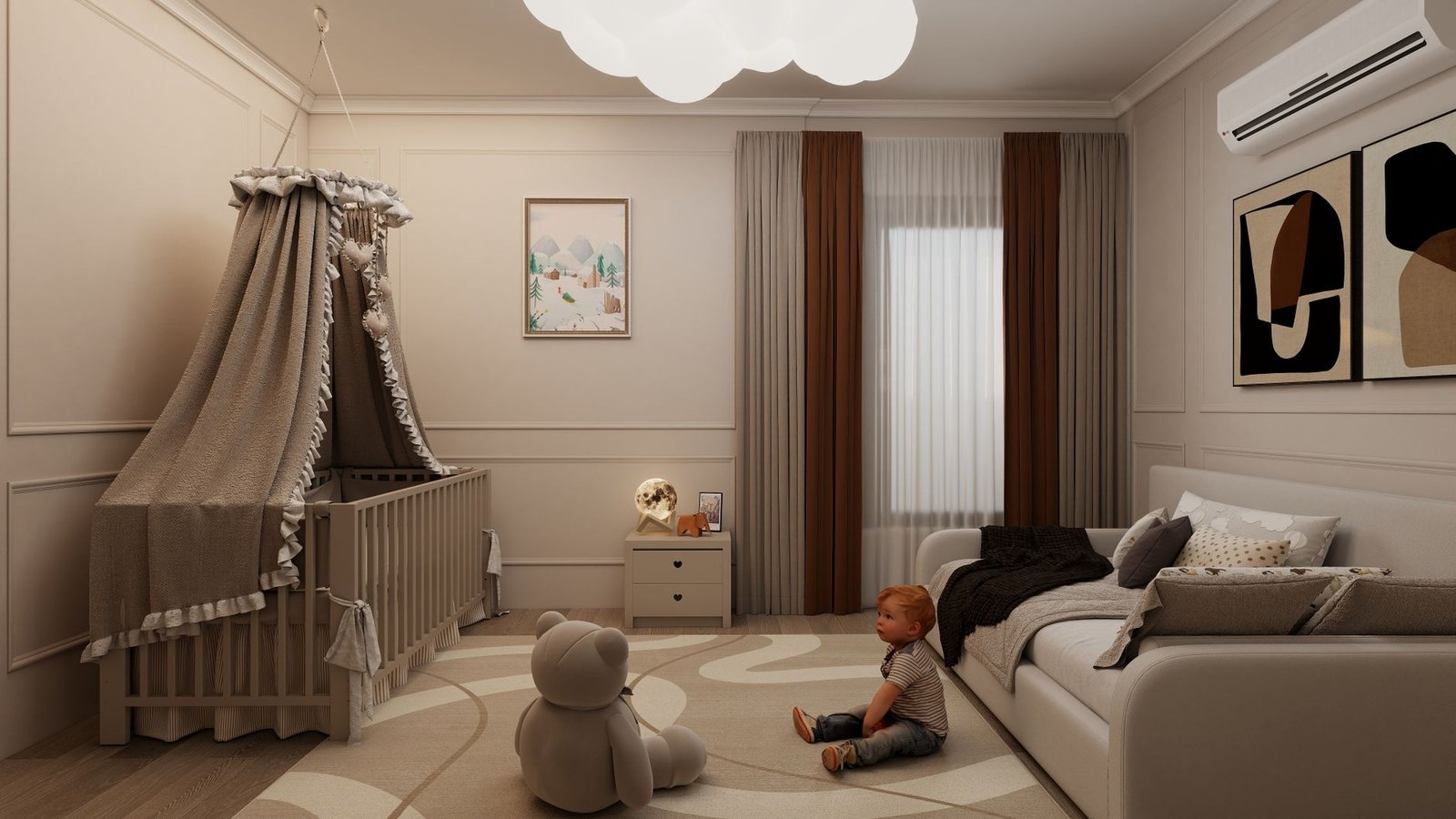
Setting up a nursery is fun until you’re eight months along and can’t bend over to fold a onesie.
If you share your home with a dog, there’s one more thing to plan: a room full of new smells, squeaky toys and dirty diapers. This nursery organization plan covers both, so the baby’s space works on day one and your dog already knows the rules.
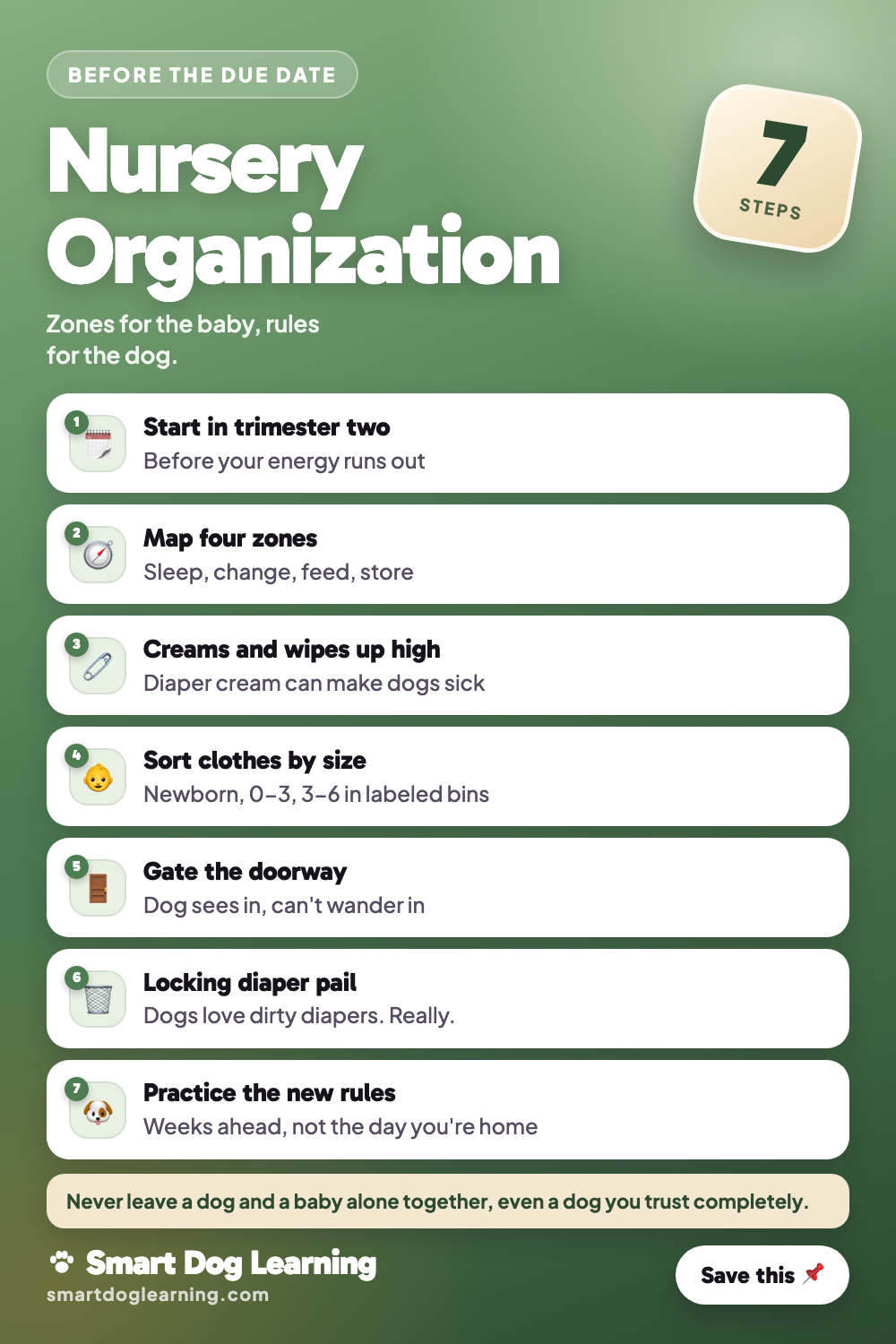
Start earlier than you think
The second trimester is the sweet spot. You usually have more energy, and there’s time to fix what doesn’t work.
- Clear the room completely first, including that “spare room” pile.
- Measure walls, windows and the closet before buying furniture.
- Note where outlets and vents are. The crib shouldn’t sit under a window or next to a heater.
Starting early matters for your dog too. Changes that happen slowly feel normal. Changes that all happen the week the baby arrives feel huge.
Map four zones
Every nursery, big or tiny, does four jobs. Give each one its own spot.
- Sleep: the crib or bassinet, away from cords, blind strings and shelves. Keep the crib bare: a firm mattress and fitted sheet, no bumpers, pillows, blankets or toys.
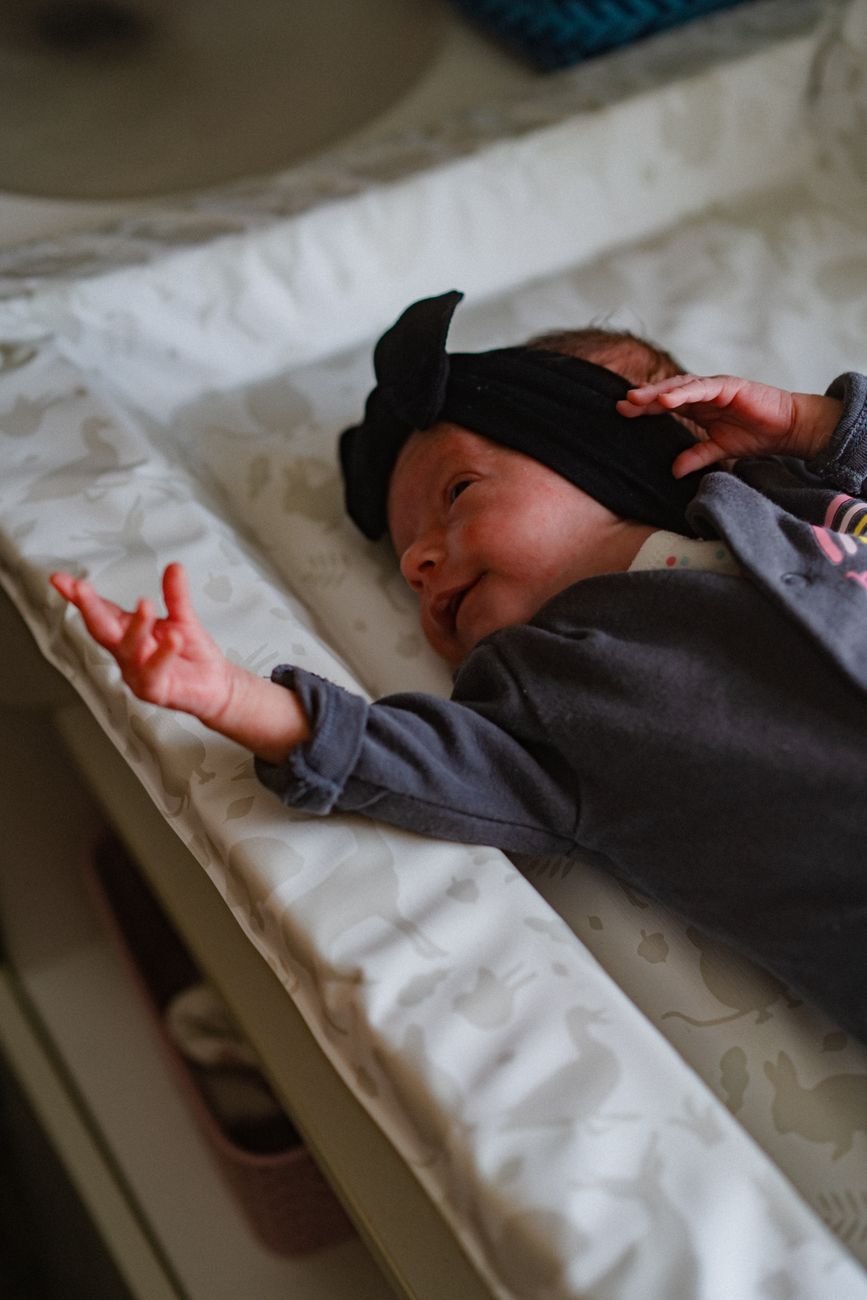
- Change: a changing table or a dresser with a secured changing pad.
- Feed: a comfy chair, a small side table and a lamp you can dim.
- Store: clothes, blankets, extra diapers and gifts.
Keep the change and feed zones close together. Middle-of-the-night you will thank you.
- A never-mix chart: the cleaner combinations that make toxic fumes
- A surface guide: what not to use on stone, wood, cast iron and more
- 5 starter cleaners and a shopping list
Organize the changing station
This is the busiest spot in the room. Everything should be within one arm’s reach, so you never step away from the baby on the table.
- Top drawer or caddy: diapers, wipes, cream, a spare outfit.
- Second drawer: burp cloths, changing pad covers, bibs.
- Hooks or a basket nearby: a small bag of the next diaper size up.
Now the dog part. Keep diaper cream, wipes and baby lotions up high or in a closed drawer. Many diaper creams contain zinc oxide, which can make a dog sick if they lick or chew the tube.
Sort baby clothes by size
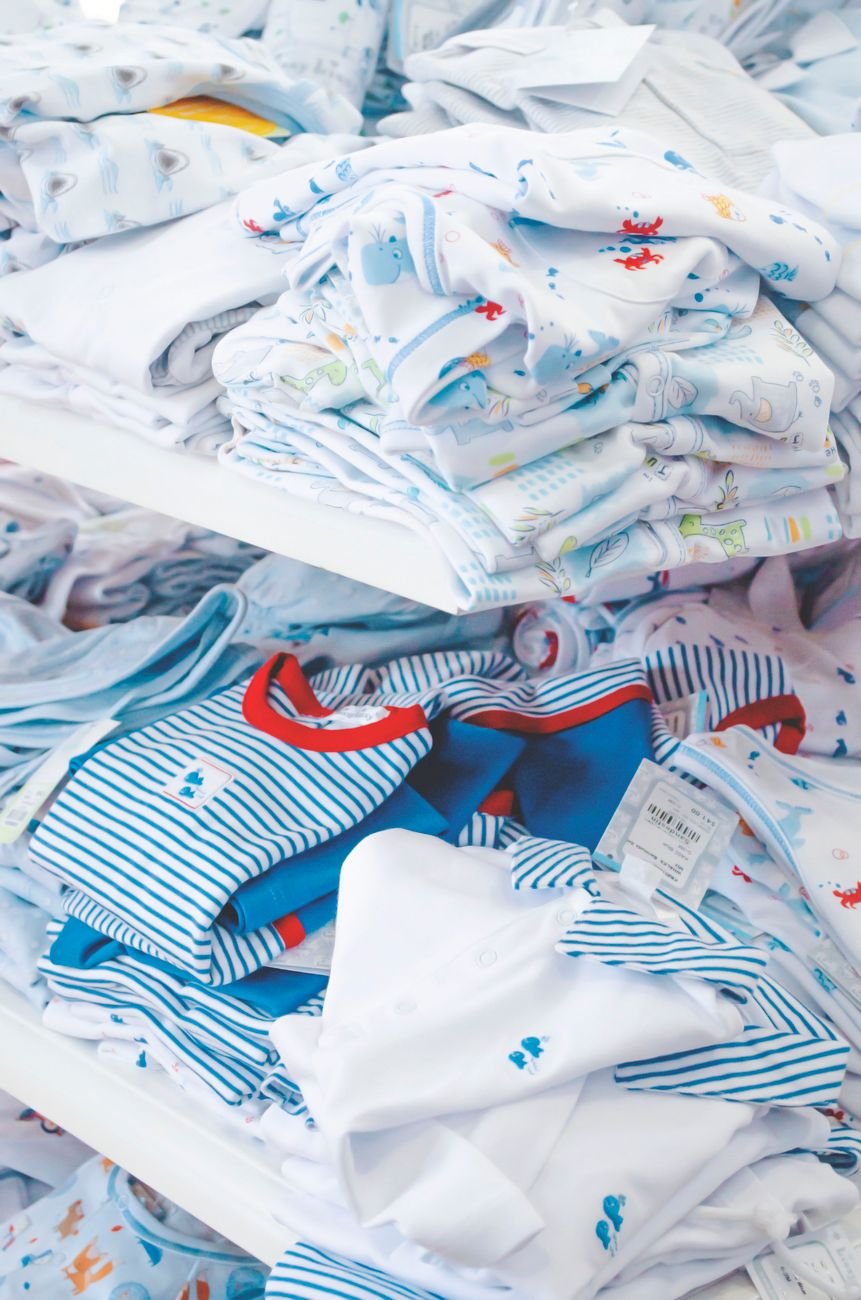
Babies outgrow clothes fast, and you’ll get a lot of gifts. Sorting by size keeps the dresser from overflowing.
- Wash newborn and 0 to 3 month clothes first. Put them in the dresser.
- Store bigger sizes in labeled bins on a closet shelf: 3 to 6, 6 to 9, 9 to 12.
- Use drawer dividers for socks, hats, sleepers and bodysuits.
- Keep one “outgrown” bin in the closet to fill as you go.
Our drawer organization ideas work just as well for tiny socks as for kitchen utensils.
Make the closet work harder
Nursery closets are usually small. Use the full height.
- Add a second, lower hanging rod for tiny clothes.
- Put diaper and wipe backups on the top shelf.
- Use a hanging organizer for blankets and swaddles.
- Keep a donation bag on the floor for things you’ll never use.
Decide the dog rules now
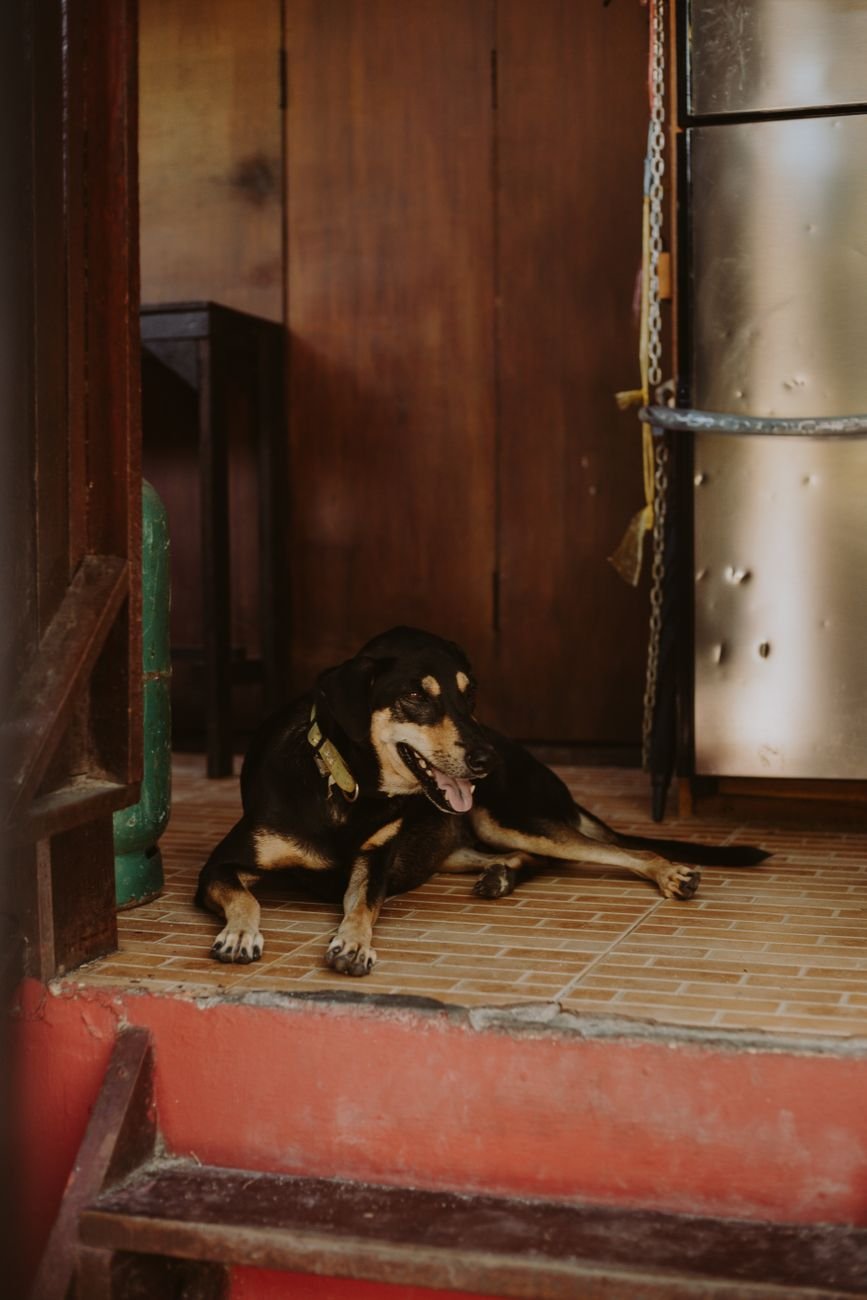
Here’s the honest truth. Your dog doesn’t need to love the nursery. They need to understand it’s a calm room with clear rules.
Pick your plan and start practicing weeks before the due date:
- Option one: the nursery is off-limits. A baby gate in the doorway lets your dog see and hear, without wandering in.
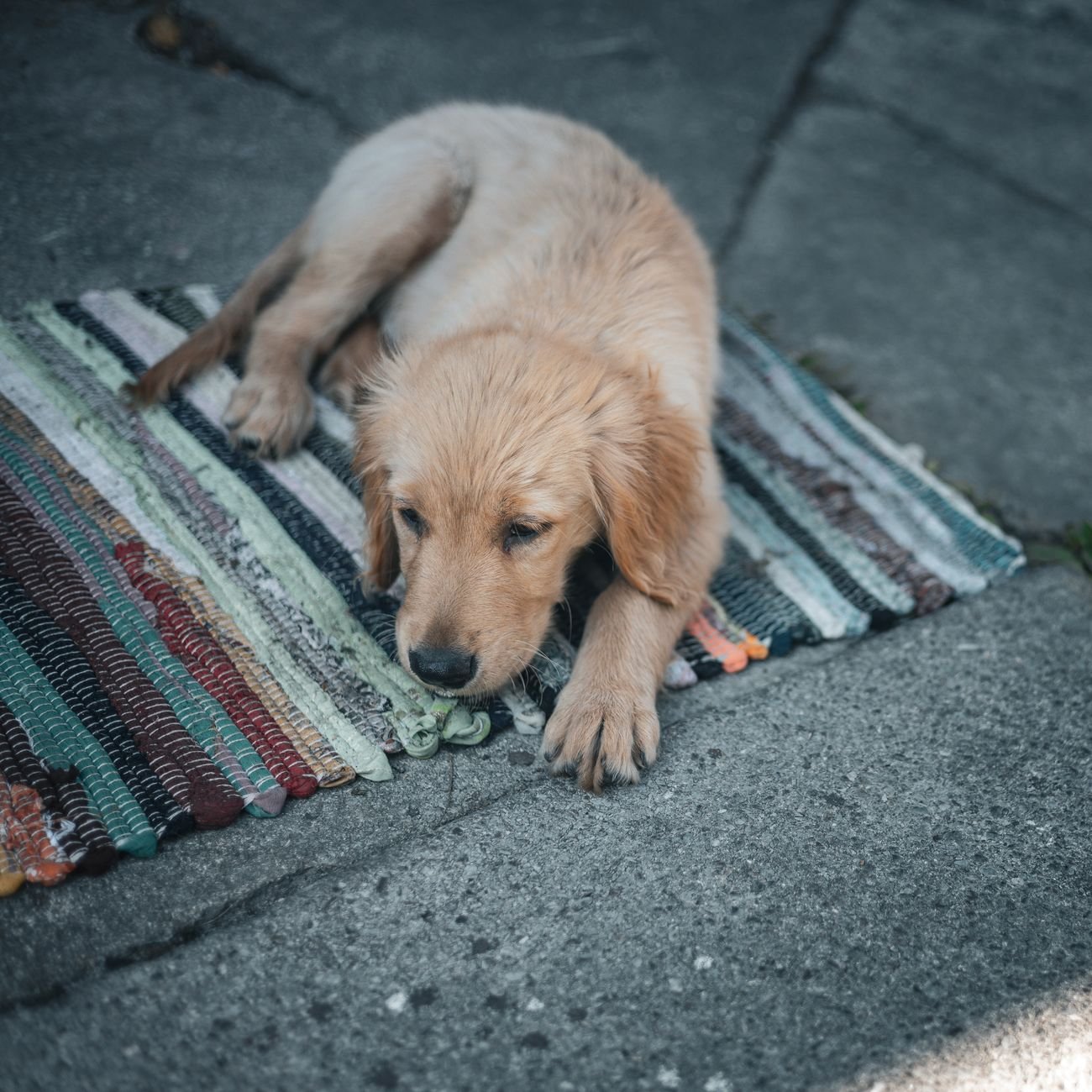
- Option two: your dog can come in only when invited and settles on a mat.
- Teach a reliable “out” or “go to your mat” now, with treats, while life is still quiet.
- If your dog sleeps in that room today, move their bed early so it doesn’t feel like a punishment later.
New to training? These dog training tips cover the basics of rewards and short sessions.
Dog-proof the baby gear
To a dog, a lot of baby stuff looks a lot like dog stuff.
- Plush baby toys look like dog toys. Keep them in a lidded basket on a shelf.
- Pacifiers and bottle nipples are a choking risk if chewed. Store them in a closed container.
- Dirty diapers are irresistible to many dogs. Use a pail with a locking lid and empty it daily.
- Cords from monitors and sound machines get clipped to the wall, out of reach.
Also keep your dog’s toys out of the nursery so the line between “mine” and “baby’s” stays clear.
Set up the feeding corner
You’ll spend hours here. Make it comfortable and stocked.
- A chair with arms, plus a footstool or pillow.
- A side table with a water bottle, burp cloths and a phone charger.
- A small basket for snacks, nipple cream and a book.
- A dim lamp, so night feeds don’t wake everyone up.
If your dog likes to be near you, put their bed just outside the gate or in a corner where they can rest without being underfoot.
Let your dog get used to the sounds and smells
Small rehearsals now make the real thing less of a shock.
- Set up the swing, the bouncer and the stroller early and let your dog sniff them.
- Play recorded baby sounds at a low volume and toss treats while they play.
- Use the baby lotion and wipes on your own hands so the smells become familiar.
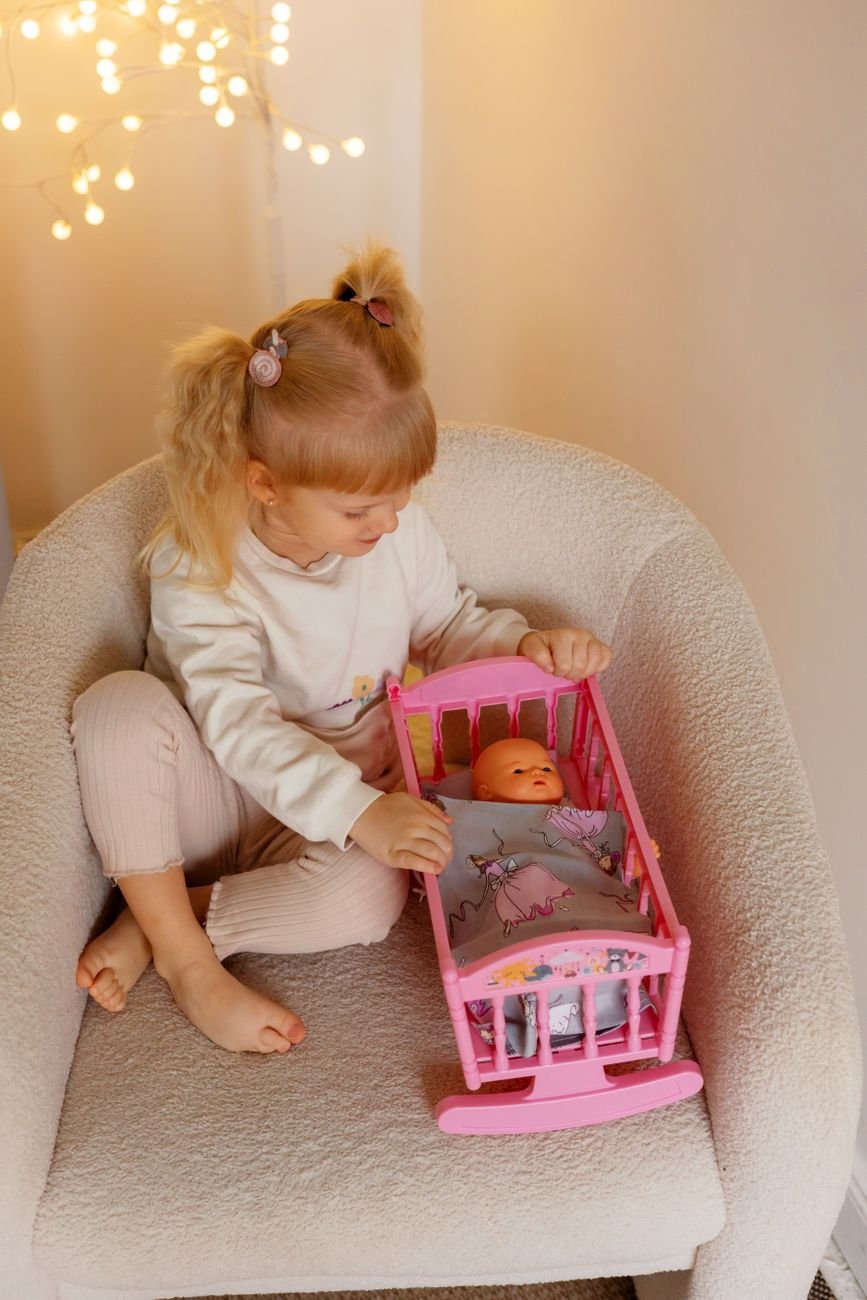
- Carry a wrapped doll around the house now and then and keep your routines calm.
If your dog shows guarding, growling or a lot of anxiety around any of this, talk to your vet or a certified trainer before the baby arrives.
Keep it organized after the baby comes
The nursery will get messy. That’s fine. A few habits keep it usable.
- Restock the changing station every night.
- Move outgrown clothes to the bin as soon as they’re tight.
- Do a quick ten-minute reset once a week.
And always, always supervise when your dog and baby are in the same room. That’s the one rule that never changes.
Common questions
When should I start organizing the nursery?
Ideally in the second trimester. It gives you time to finish before you’re tired and time to train your dog.
Should my dog be allowed in the nursery?
It’s your choice. A gate keeps it simple, and supervised, invited visits work too.
How do I organize a small nursery?
Use a dresser as the changing table, add a second closet rod and store bigger sizes in bins up high.
Is diaper cream dangerous for dogs?
Many contain zinc oxide, which can make dogs sick if eaten. Store it up high and call your vet if your dog gets into it.
Can my dog sleep in the same room as the baby?
Only with an adult present. Never leave a dog and a baby alone together, even a gentle dog.



Leave a Reply