

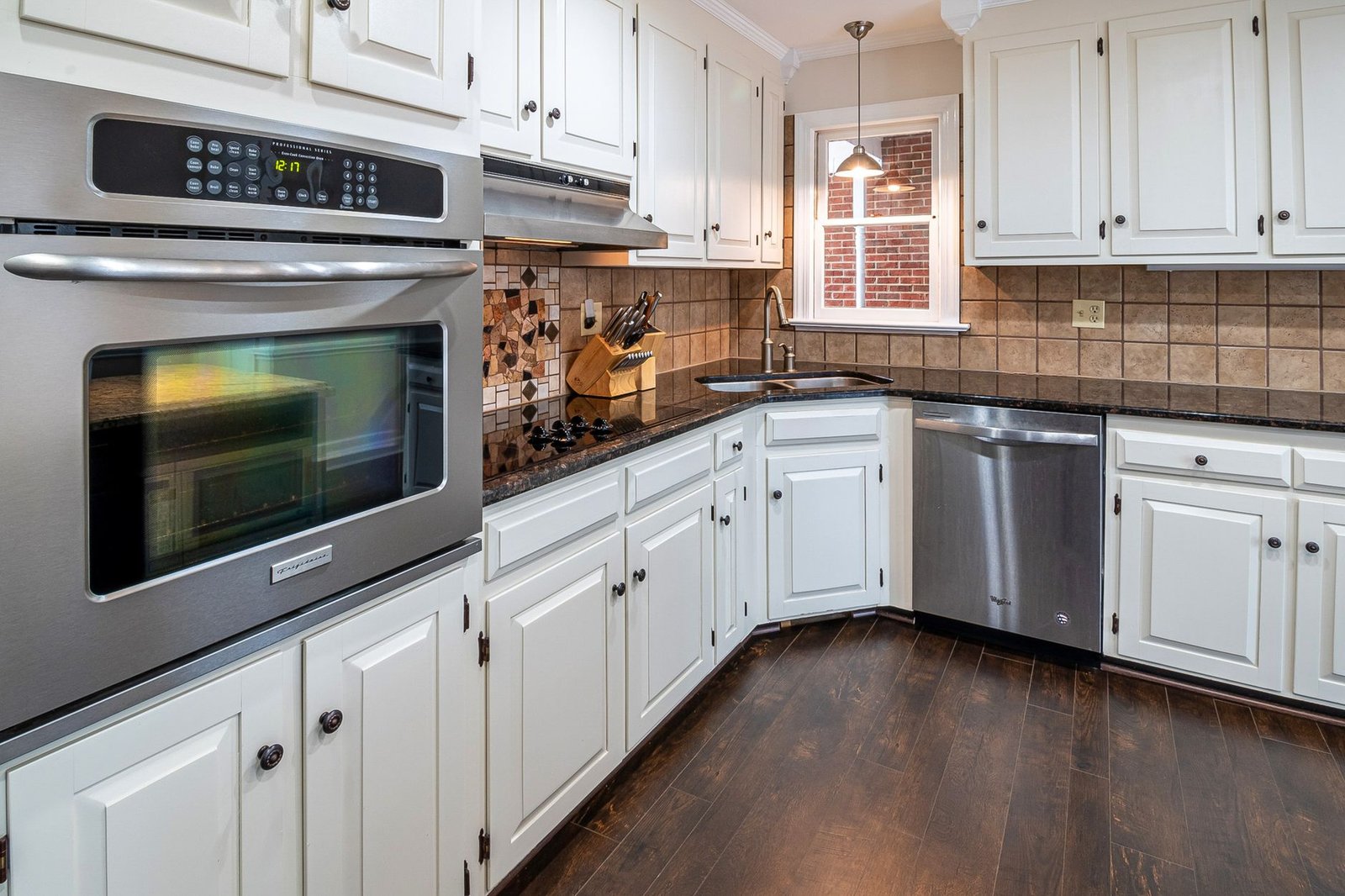
The cabinet under the sink is where things go to be forgotten. Half-empty sprays, a sponge from last spring, and a mystery bottle with no label.
It’s also the cabinet most pets and toddlers figure out how to open first.
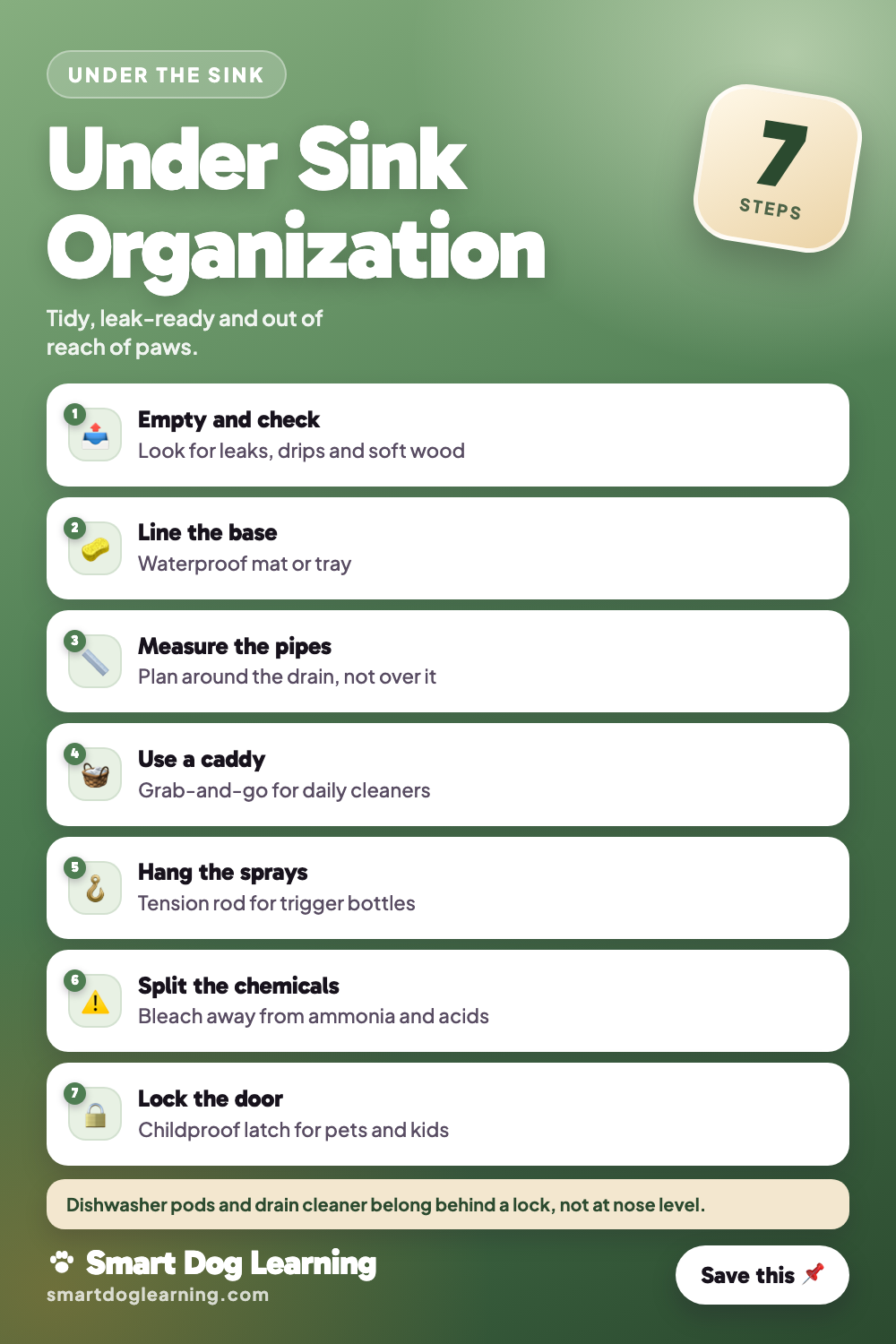
This under sink organization guide works for both the kitchen and the bathroom, and it’s built around one idea: easy for you to reach, hard for curious paws to get into.
Empty it and look for leaks
Take everything out. Every bottle, every bag, every rag.
- Check the pipes and the cabinet floor for drips, water stains or soft, swollen wood.
- Run the tap for a minute and watch the drain joints.
- Sniff for a musty smell, which can mean a slow leak.
A small leak is an easy fix now. It’s a much bigger one once it has soaked the cabinet for a year.
Edit before you organize
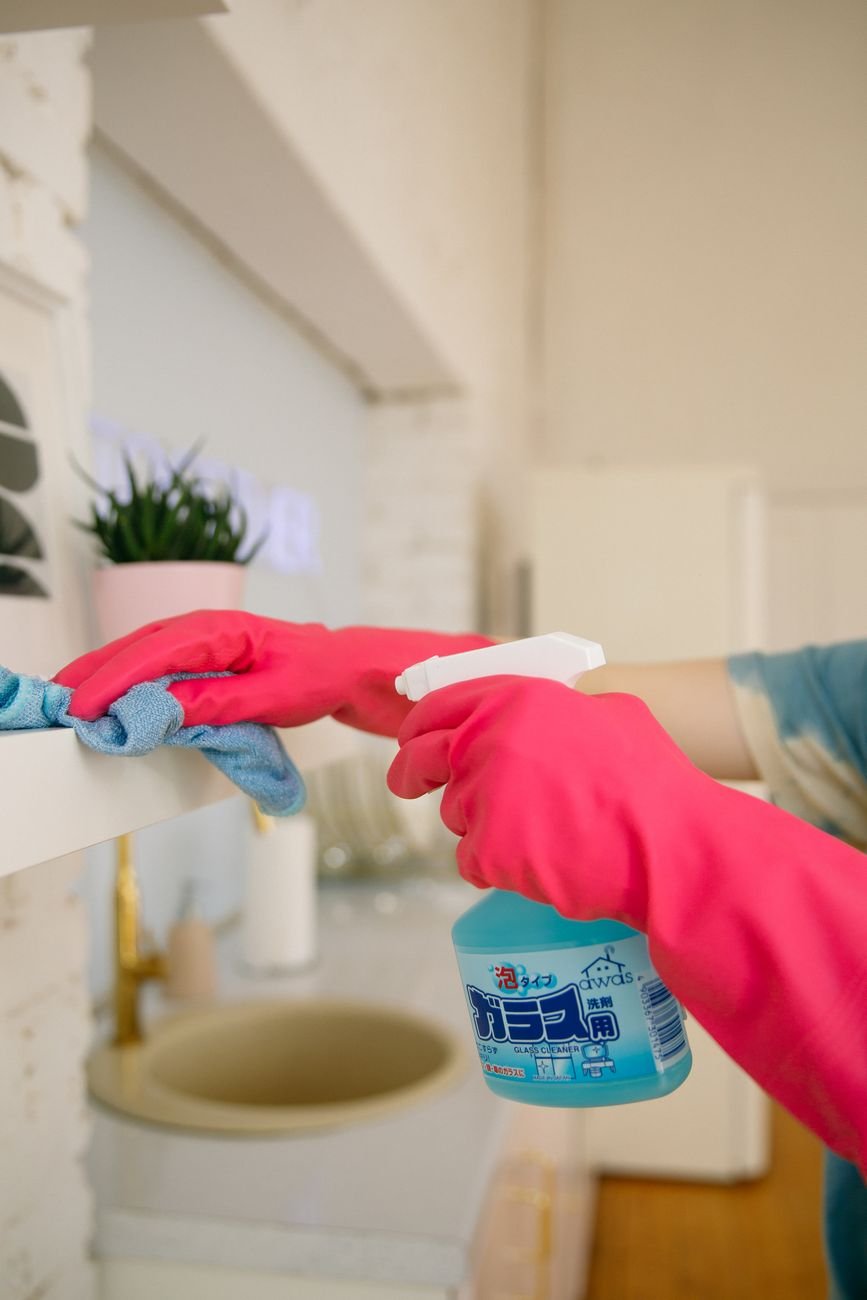
Most of us own far more cleaning products than we use.
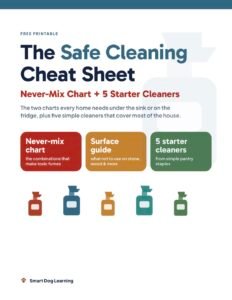
- A never-mix chart: the cleaner combinations that make toxic fumes
- A surface guide: what not to use on stone, wood, cast iron and more
- 5 starter cleaners and a shopping list
- Combine duplicates of the same product.
- Toss anything dried out, crusty or unlabeled.
- Move things that don’t belong, like spare light bulbs or the extra paper towels.
- Dispose of harsh chemicals properly. Check your city’s household hazardous waste rules.
Keep every product in its original container. The label tells you what it is, how to use it, and what to do if someone swallows it.
Line the cabinet floor
Cabinet bottoms take a beating from drips and spills. Protect them first.
- A waterproof, trimmable cabinet mat with a raised edge catches small leaks.
- A shallow plastic tray works too and slides out to wipe.
- Skip contact paper on the base. Water gets under it and you won’t see the damage.
Measure around the pipes
The drain pipe is the reason this cabinet is so awkward. Work around it instead of fighting it.
- Measure the width, depth and height on each side of the pipe.
- Note where the garbage disposal or water filter sits.
- Look for U-shaped organizers that wrap around the drain.
- Two narrow pull-out drawers, one on each side, often beat one wide one.
Leave clear access to the shutoff valves. You’ll want to reach them fast if a pipe ever bursts.
Kitchen under sink setup
In the kitchen, think in zones you can grab in one move.
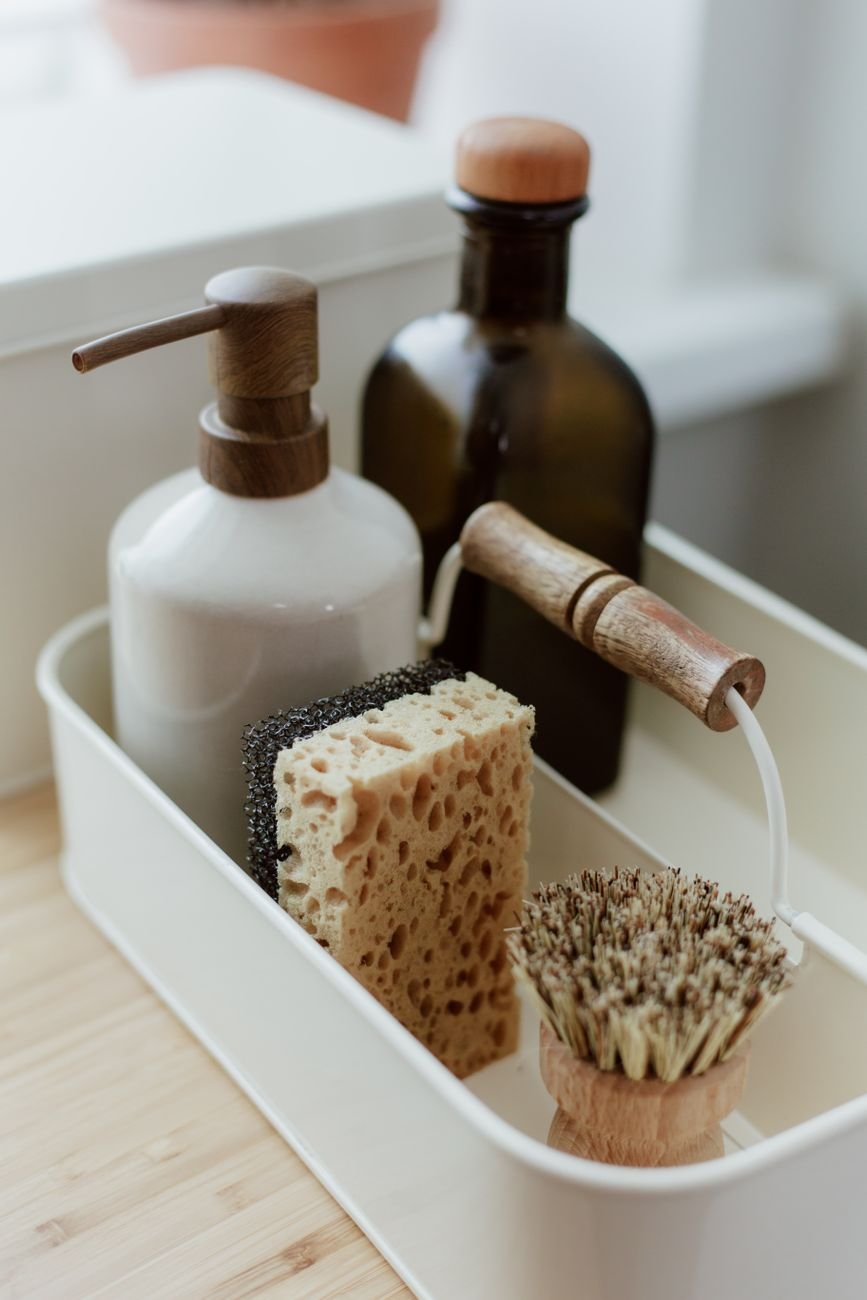
- A cleaning caddy with your daily spray, dish brush and a microfiber cloth.
- A tension rod across the top to hang spray bottles by their triggers.
- A pull-out bin for dish soap refills and sponges.
- A door-mounted rack for trash bags or rubber gloves, if the door has space.
For the rest of the room, our kitchen organization ideas pick up where this cabinet leaves off.
Store chemicals the safe way
This part isn’t about looks. It’s about not creating a dangerous mix by accident.
- Keep bleach away from ammonia, vinegar and acidic cleaners. If they leak and mix, they can give off toxic gas. Store them in separate bins, or on separate sides of the pipe.
- Never pour leftovers together to save space.
- Close every cap fully. Trigger sprays should be locked to “off.”
- Drain cleaner and oven cleaner are the harshest things you own. Store them high or locked.
Make it pet-safe
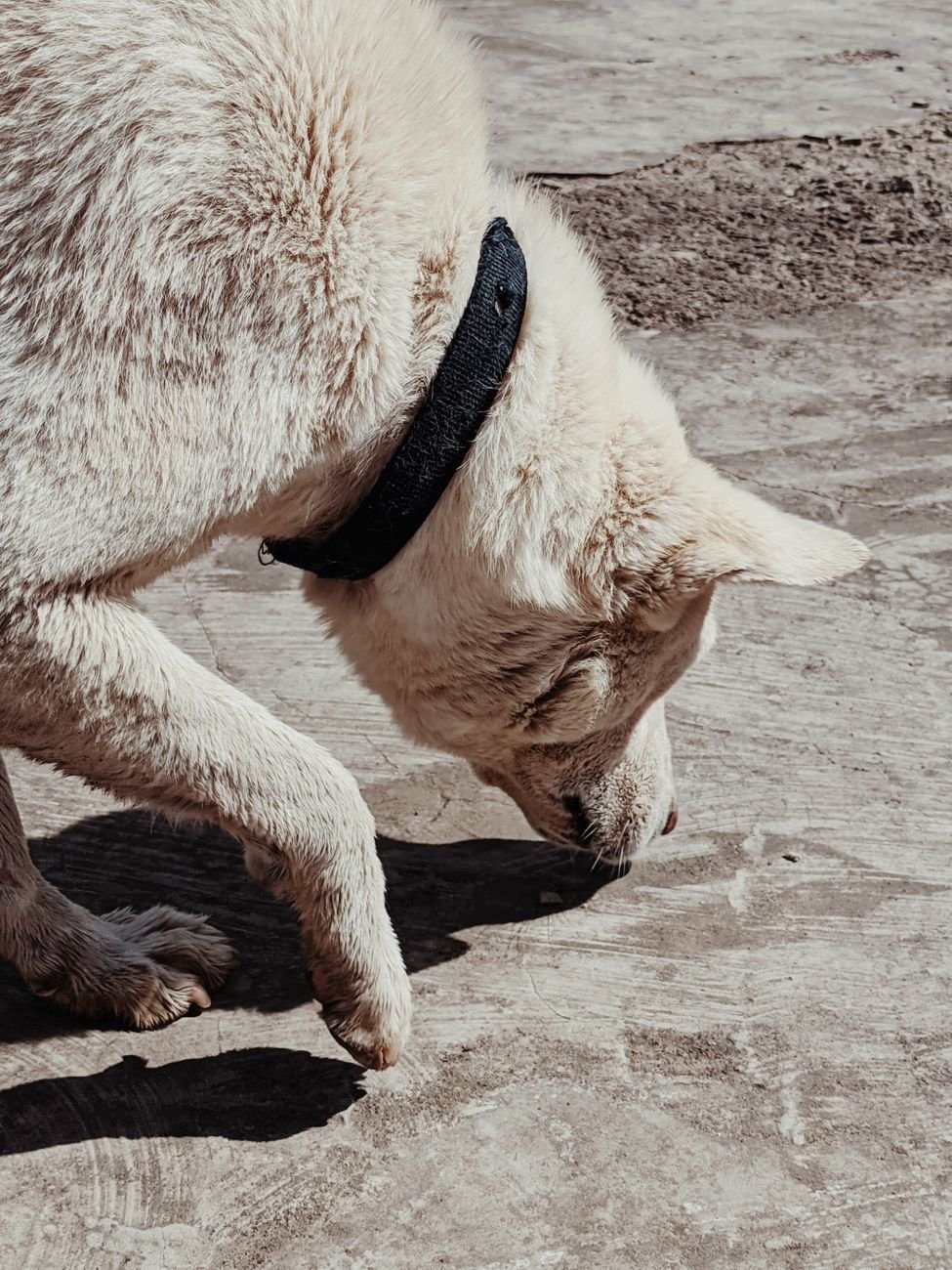
Dogs open cabinets with their noses. Cats can hook a door with a paw. Both will lick drips off a bottle.
- Add a childproof latch. Magnetic locks you can’t see from outside are tidy and very hard for pets to beat.
- Keep dishwasher and laundry pods in a sealed tub with a lid, not loose in the bag.
- Lift heavy-duty chemicals to the back or to a higher shelf elsewhere.
- Wipe sticky bottles so they don’t tempt a licker.
- Never store pest baits or antifreeze here.
If your pet chews or licks a cleaning product, call your vet or the ASPCA Animal Poison Control Center at (888) 426-4435, and have the bottle with you.
The trash can question
Lots of kitchens hide the trash under the sink. Dogs know this.
- Use a bin with a tight lid if the cabinet isn’t latched.
- A pull-out trash frame keeps the bin inside the cabinet and the door shut.
- Take out food scraps, especially bones and fatty trimmings, the same day.
Got a counter-surfer or a trash raider? Our dog training tips help with “leave it.”
Bathroom under sink setup
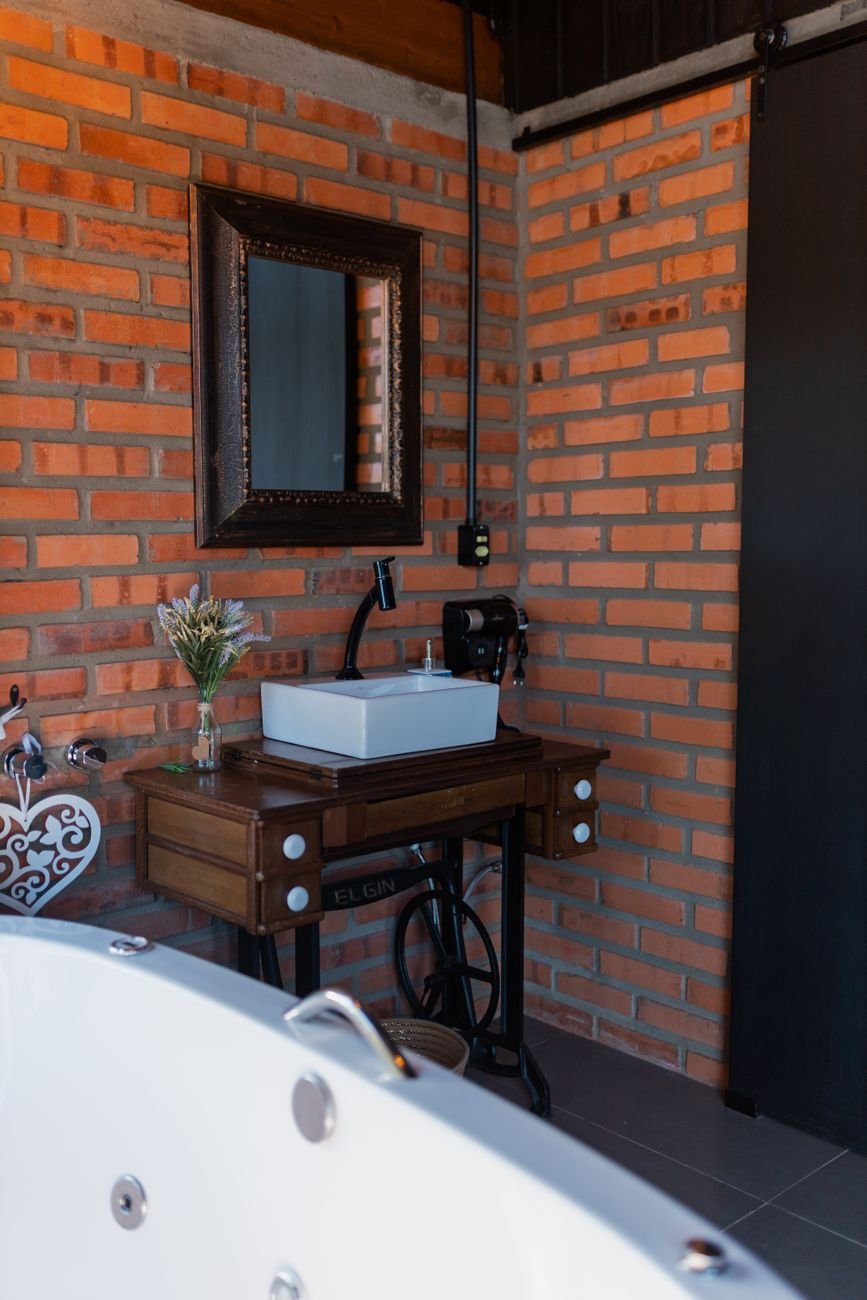
Bathroom vanities are usually smaller and hold more daily stuff.
- Clear stacking drawers for hair tools, spare toothpaste and travel sizes.
- A small turntable in the back corner so nothing hides.
- A separate lidded bin for toilet and tub cleaners, away from toiletries.
- Door hooks or a slim rack for a hair dryer or a brush.
Keep medicines out of this cabinet. Bathroom humidity isn’t good for them, and pills are a real danger to pets. A high, closed shelf is better.
For more space-saving tricks in this room, see our bathroom organization ideas for small bathrooms.
Label and keep it working
Five minutes of upkeep beats a full reorganization every year.
- Label each bin: Daily, Weekly, Refills, Do Not Mix.
- Check for leaks once a month when you grab a refill.
- Wash the cabinet mat every few months.
- Use up a product before you buy a new one.
Common questions
What should not be stored under the sink?
Medicines, pest baits, antifreeze, and anything that reacts with water or heat. Keep harsh chemicals locked or high.
Can I store bleach under the sink?
Yes, if it’s capped, upright and kept apart from ammonia, vinegar and acidic cleaners. A latch is wise with pets or kids.
How do I organize under a sink with a garbage disposal?
Use a narrow organizer on each side of the pipes and keep the space under the disposal clear for access.
What’s the best lock for a dog that opens cabinets?
Magnetic childproof locks are hard for dogs to beat. Strap latches work too on cabinets with knobs.
How often should I clean out under the sink?
A quick check monthly for leaks and a full clear-out two or three times a year.


Leave a Reply