

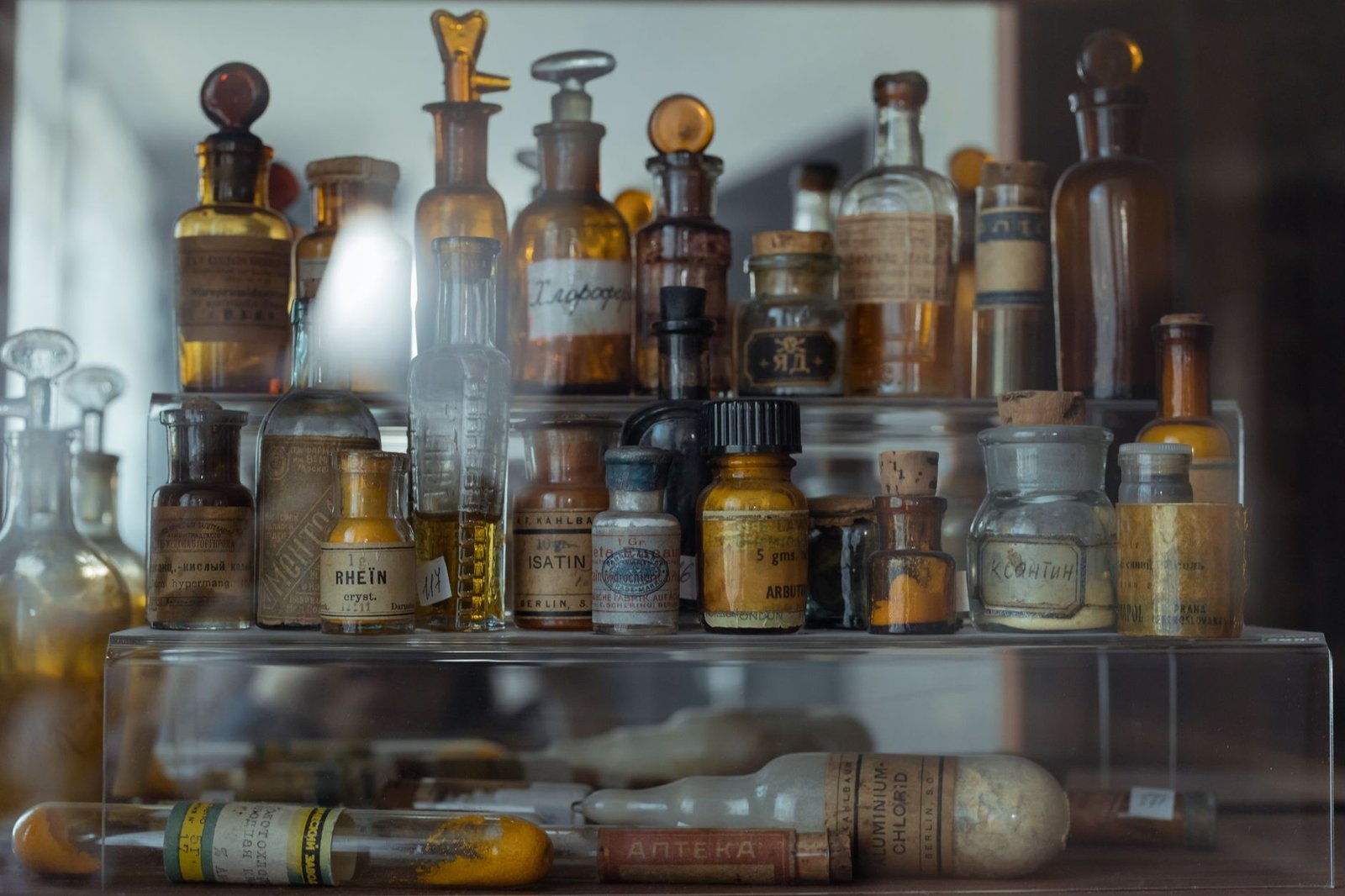
Open most medicine cabinets and it’s the same story. Three half-empty bottles of pain reliever, cough syrup from two winters ago, and a mystery pill in the bottom of the cabinet.
This guide to medicine cabinet organization takes an hour or two. You’ll also learn how to get rid of old medicine safely, which is the part most people skip.
First, rethink where medicine lives
Here’s a surprise: the bathroom medicine cabinet often isn’t the best place for medicine. Steam from showers makes it warm and humid, and many labels say to store in a cool, dry place.
- Bathroom cabinet: fine for toothpaste, bandages, cotton swabs and daily skincare.
- A high kitchen or hall closet shelf: often better for pills and liquid medicine.
- A lockable box: best if you have kids, teens or visitors.
Check each label. If it says to keep it somewhere specific, like the fridge, follow it.
Step 1: Empty everything
Take it all out, including the stash in the kitchen drawer and the bottle in your bag. Lay it on a table where you can see it.
Wipe the shelves while they’re empty. Old syrup drips get sticky fast.
Step 2: Check every date
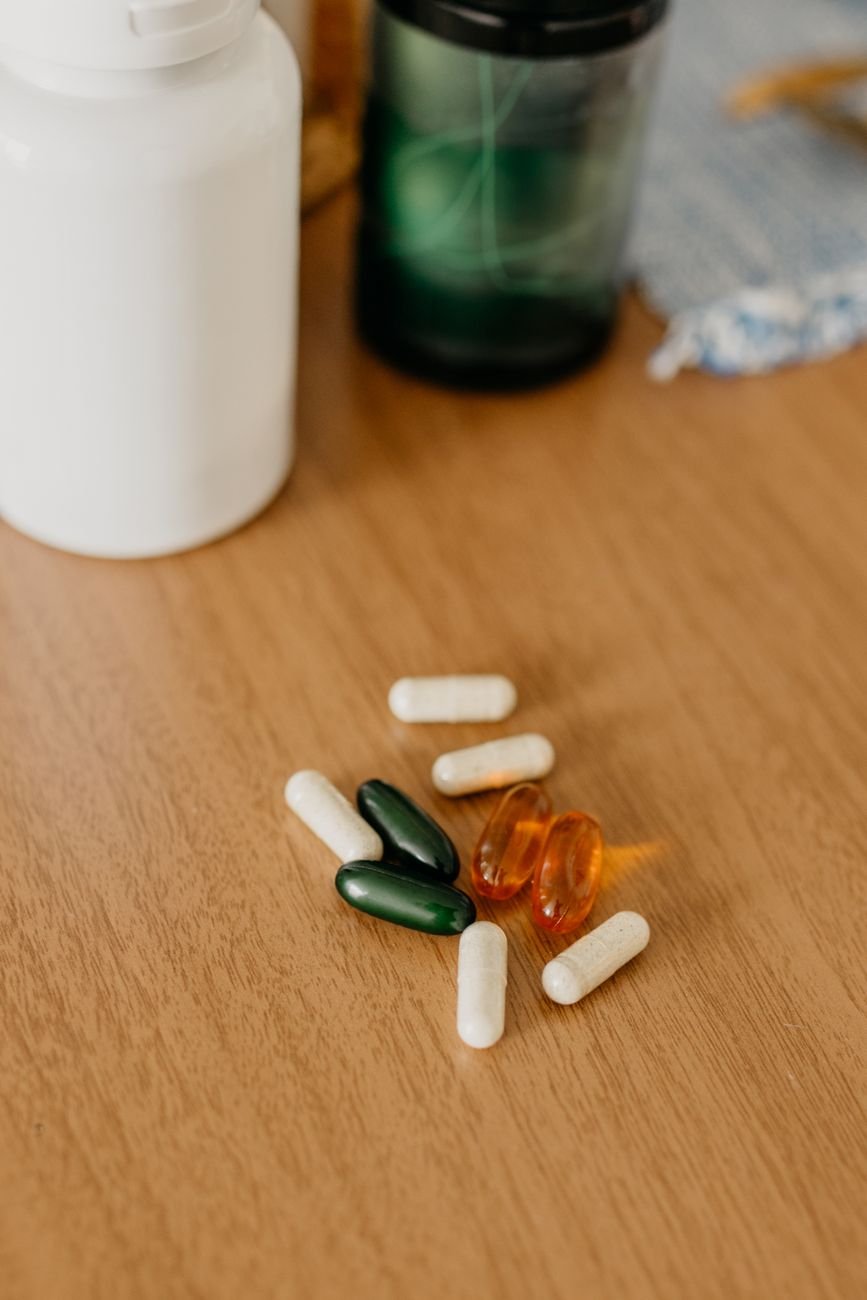
Go through each item one by one.
- A never-mix chart: the cleaner combinations that make toxic fumes
- A surface guide: what not to use on stone, wood, cast iron and more
- 5 starter cleaners and a shopping list
- Expired: set aside for safe disposal.
- No label or unknown pills: set aside. Never guess what a pill is.
- Changed color, smell or texture: set aside, even if it’s in date.
- Prescriptions you’ve stopped taking: set aside too.
Don’t put any of it in the trash yet. We’ll get to that.
Step 3: Sort by category
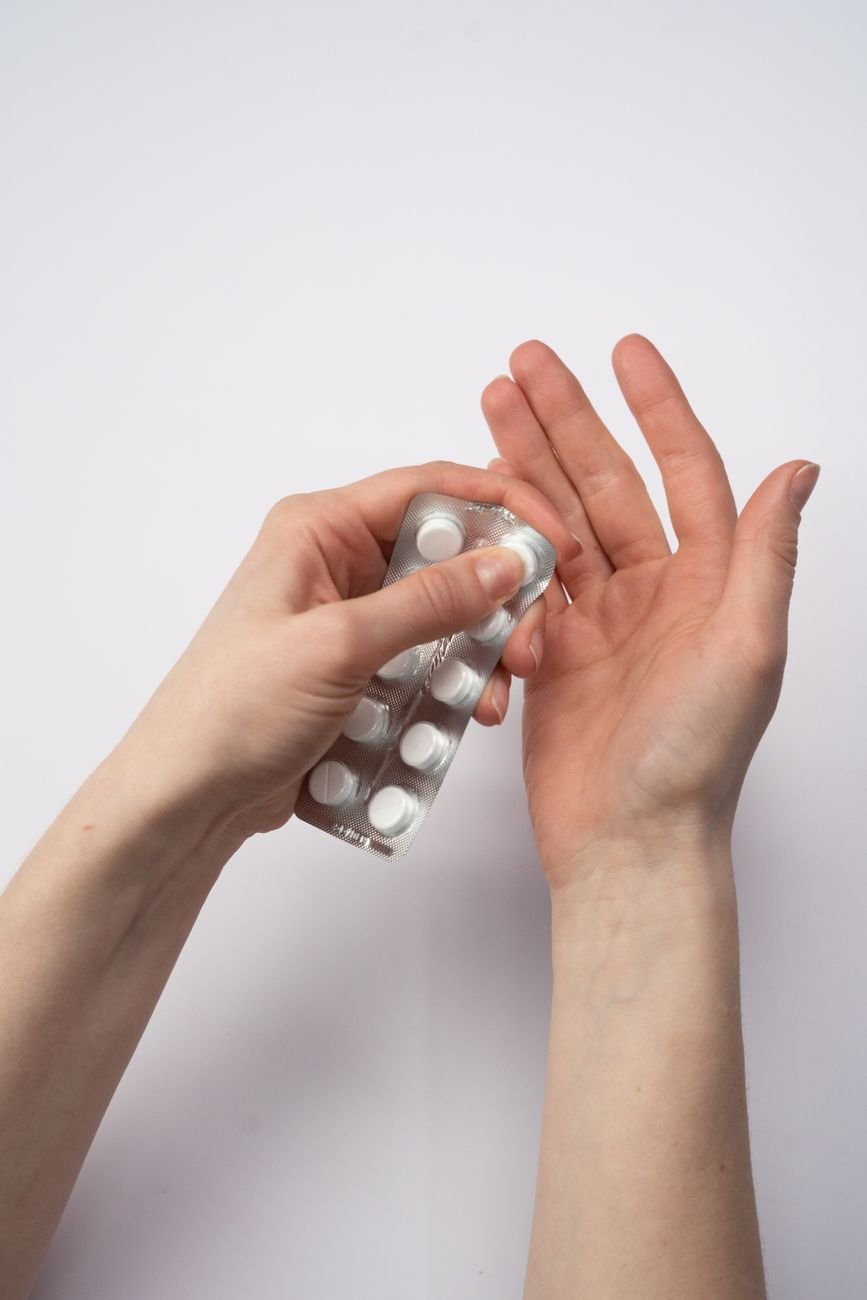
Group what’s left so you can find things fast, even at 2 a.m. with a sick kid.
- Pain and fever
- Allergy
- Cold and cough
- Stomach and digestion
- First aid and skin care
- Daily prescriptions and vitamins
Group duplicates together and use the oldest first, but keep each medicine in its original container. The label has the dose, the date and the warnings.
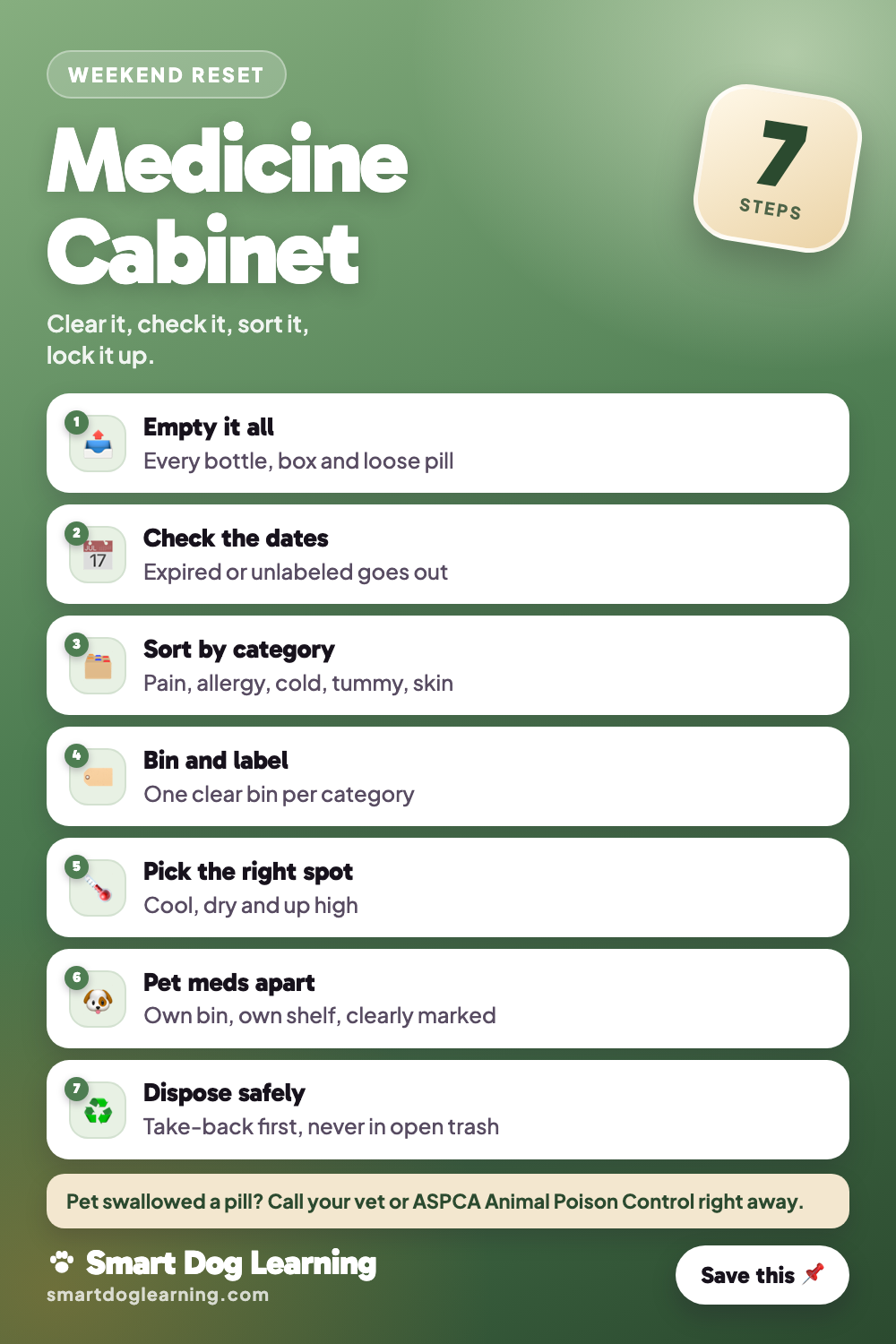
Step 4: Use bins and labels
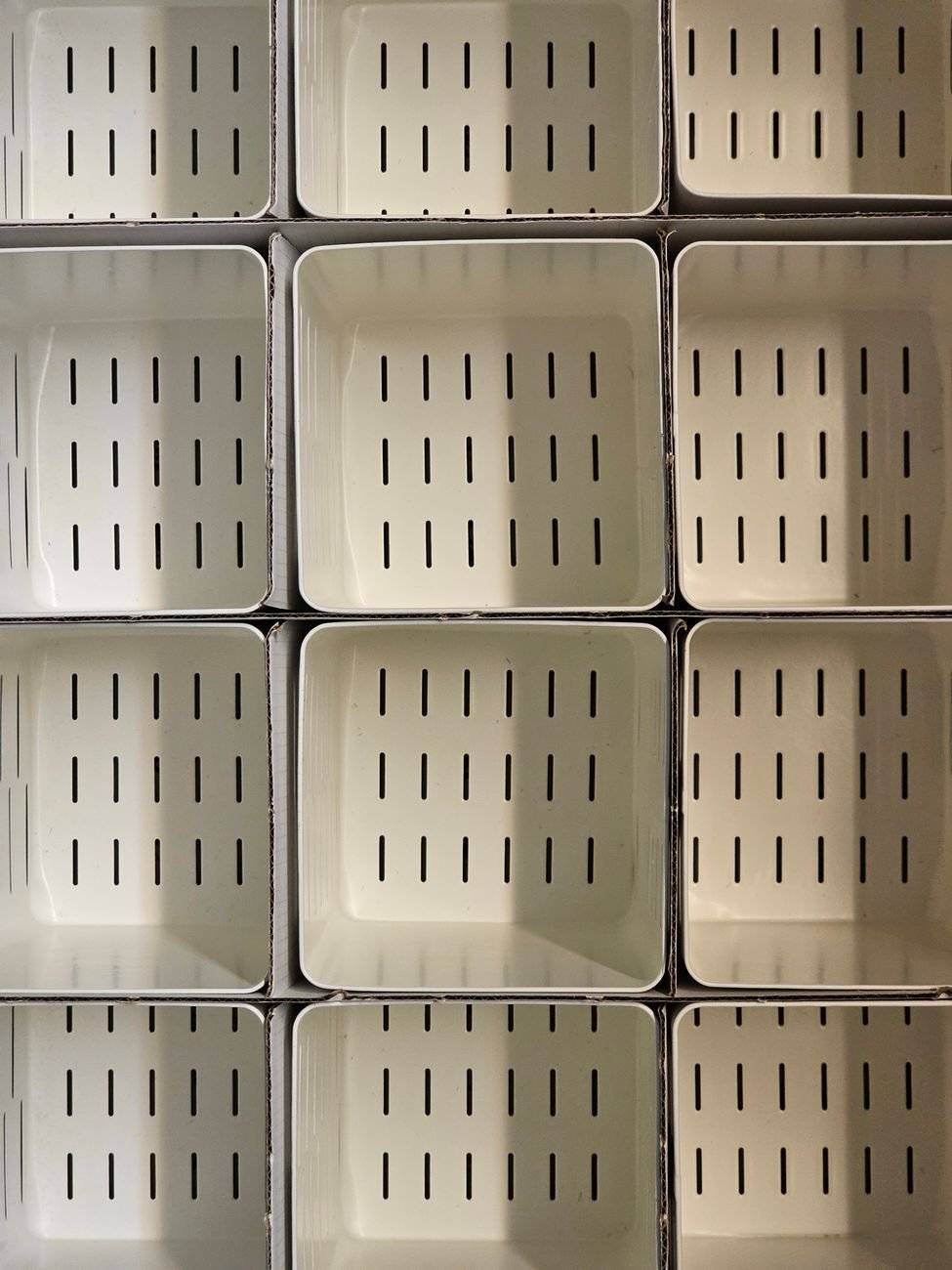
Small clear bins turn a jumble into a system. You pull out the bin, take what you need and slide it back.
- Use one bin per category and label the front.
- Put daily items at eye level.
- Keep a small first aid bin you can grab and carry to wherever the scrape happened.
- Stick a list of doses for each family member inside the cabinet door.
A narrow turntable works well for bottles in a deep cupboard.
Build a simple first aid bin
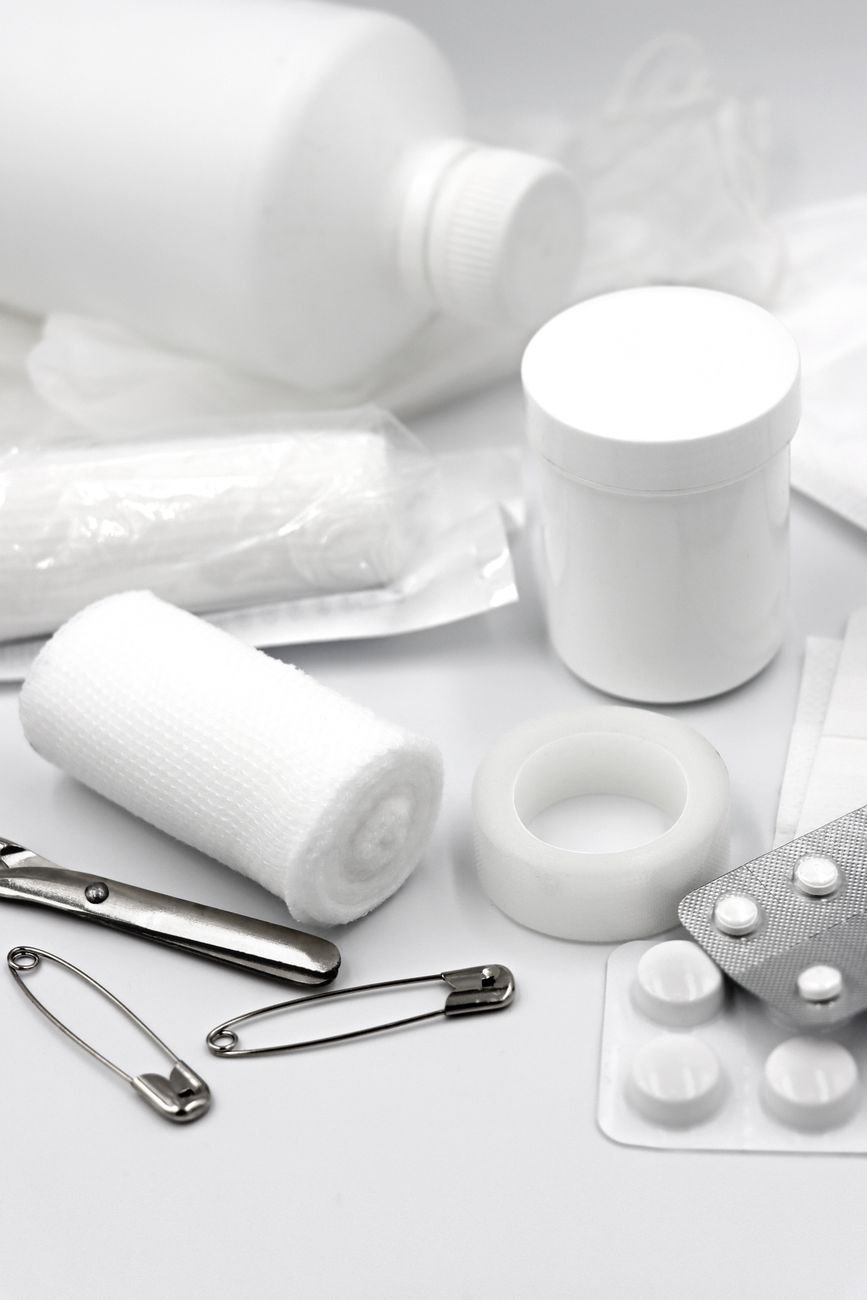
While you’re sorting, put together a small first aid bin. You’ll be glad you did the next time someone cuts a finger.
- Adhesive bandages in a few sizes
- Gauze pads and medical tape
- Antiseptic wipes
- Tweezers and small scissors
- A thermometer
- Instant cold packs
If you have a dog, a separate pet first aid kit is worth having too. Ask your vet what to put in it.
Step 5: Store it safely
Organization is half the job. Safe storage is the other half.
- Up high and out of sight of kids.
- Child-resistant caps closed tight every time.
- A lock box for prescription pain medicine and anything with abuse potential.
- Cool and dry, away from the shower and the stove.
Step 6: Keep pet medicine separate
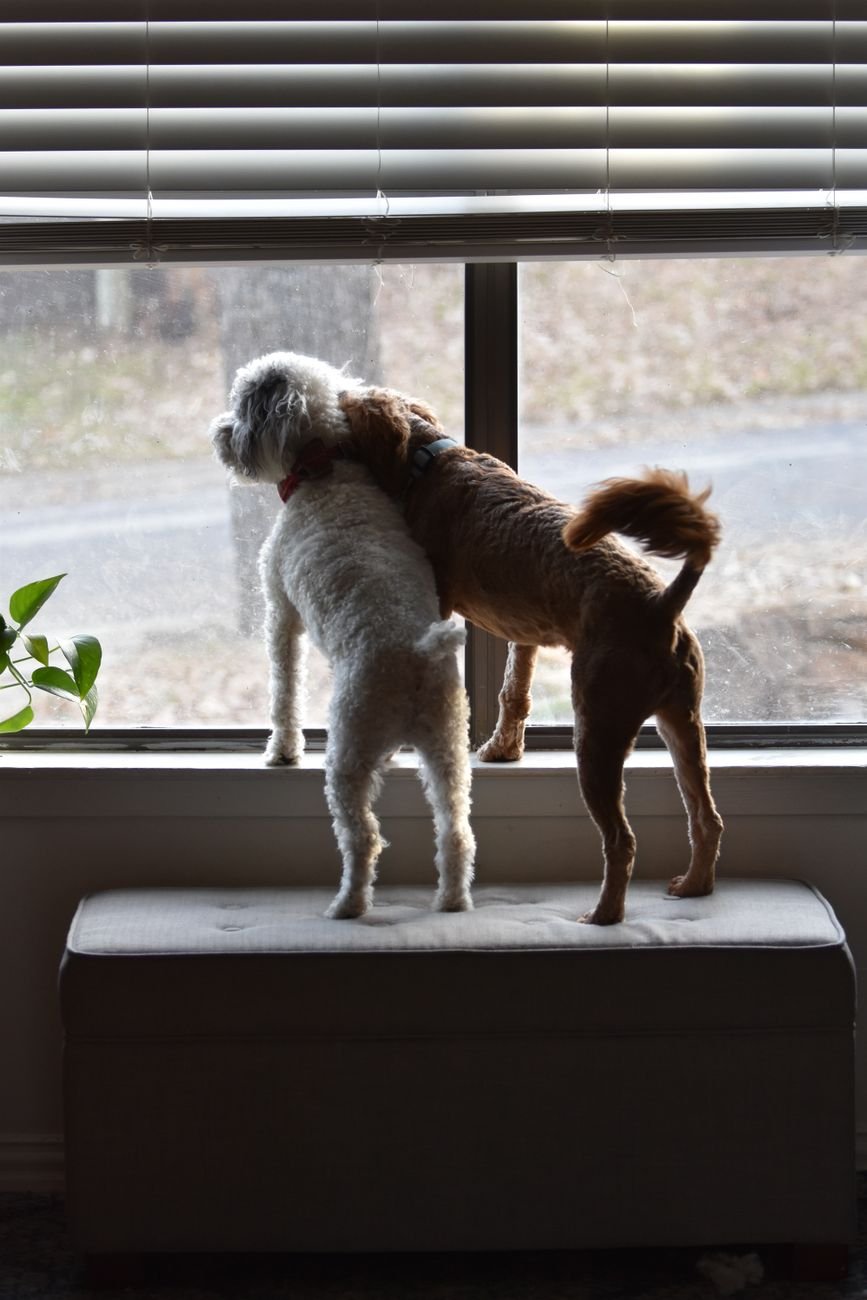
If you have a dog or cat, mix-ups are a real risk. Pet medicine and human medicine can look alike.
- Give pet meds their own bin on a different shelf, labeled with the pet’s name.
- Keep flea and tick products away from human medicine. Some are species-specific, so dog products don’t go on cats.
- Never give your pet human medicine unless your vet says so. Common pain relievers like ibuprofen and acetaminophen can be very dangerous for pets.
- Pick up dropped pills right away. A dog can grab one in seconds.
Also watch for xylitol. It’s in some sugar-free gum, chewable vitamins and toothpaste, and it’s toxic to dogs.
If your pet swallows any medicine, call your vet or the ASPCA Animal Poison Control Center at (888) 426-4435 right away. A fee may apply.
Step 7: Dispose of old medicine safely
Now for the pile you set aside. Throwing pills straight into an open trash can isn’t safe. Kids, pets and other people can find them.
Here’s the order to follow:
- Use a take-back option first. Many pharmacies have year-round drop boxes. Police stations sometimes do too.
- Watch for Take Back Day. The DEA runs National Prescription Drug Take Back Day, usually in April and October.
- Check the label or the FDA flush list. A small number of medicines are on the FDA’s list to flush when no take-back is available. Only flush those.
- If there’s no take-back, use the trash method. See below.
The trash method, done right
When there’s no take-back option and the medicine isn’t on the flush list, the FDA suggests this:
- Mix the medicine (don’t crush tablets or capsules) with something unappealing, like used coffee grounds, dirt or used cat litter.
- Seal it in a zip bag or a container with a lid.
- Throw it in your household trash, in a bin your pets can’t get into.
- Scratch out your name and personal details on the empty bottle before you toss or recycle it.
Needles and syringes go in a sharps container. Check your local rules for drop-off.
Keep it organized
A few small habits keep the cabinet from sliding back into chaos.
- Check dates twice a year. Tie it to changing the clocks.
- Write the date you opened liquid medicine and eye drops on the label.
- Restock the first aid bin after you use it.
Working on the whole bathroom? Our bathroom organization ideas cover the rest, and linen closet organization helps if your spare supplies live there.

Common questions
Where is the best place to keep medicine?
A cool, dry spot up high and out of reach, like a hall closet shelf. Follow any storage notes on the label.
Can I throw old pills in the trash?
Use a take-back option first. If you can’t, mix them with coffee grounds or cat litter, seal the bag and toss it.
Should I flush old medicine?
Only if it’s on the FDA flush list and no take-back is available. Otherwise, don’t flush.
How often should I clean out my medicine cabinet?
Twice a year is a good rhythm. Check dates and restock first aid supplies at the same time.
Can I store pet medicine with ours?
It’s safer to keep it in its own labeled bin on a separate shelf to avoid mix-ups.



Leave a Reply