

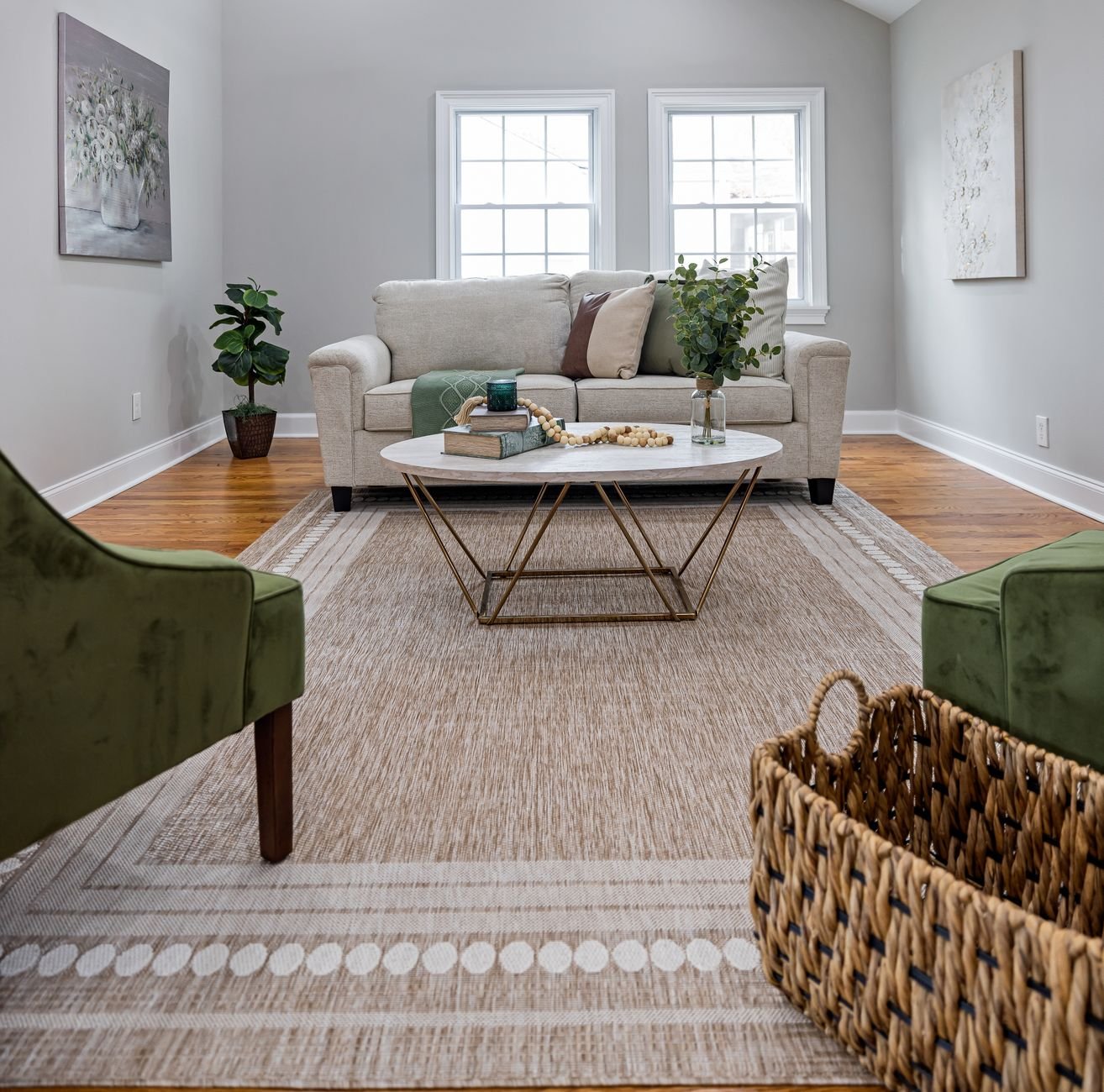
Looking at a cluttered house as a whole is overwhelming. Looking at one drawer is not.
These organization ideas for the home go room by room, with the few changes that make the biggest difference in each. Start anywhere. Just start with one room.
Four rules that work in every room
Before the room tour, here’s the system. It works the same way in a closet or a garage.
- Declutter first. You can’t organize stuff you don’t need.
- Give every item one home. If it has two homes, it really has none.
- Store things where you use them. Scissors near the wrapping paper, not across the house.
- Buy containers last. Measure after you’ve decluttered, not before.
For the declutter part, this guide to decluttering one room at a time walks you through it.
Where to start
Pick the room that bugs you most every day. Small wins there keep you going.
- Set a timer for 30 to 60 minutes.
- Bring three bags: trash, donate and “belongs somewhere else.”
- Work in one direction around the room so you don’t double back.
Entryway: the first line of defense
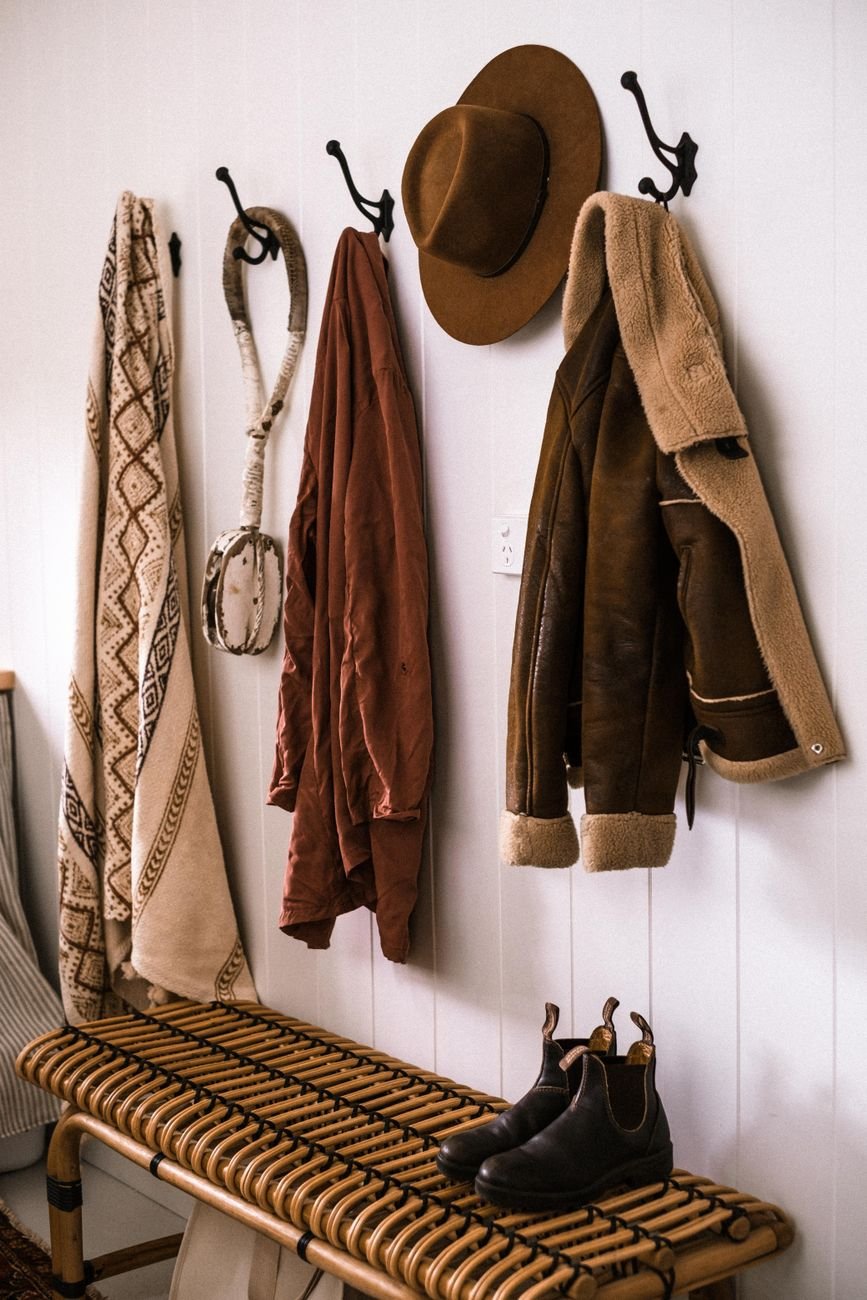
The entryway catches everything that comes into the house. A few simple things stop the pileup.
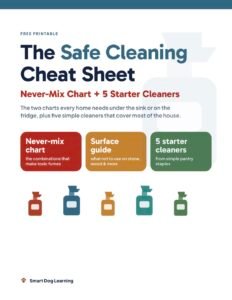
- A never-mix chart: the cleaner combinations that make toxic fumes
- A surface guide: what not to use on stone, wood, cast iron and more
- 5 starter cleaners and a shopping list
- Hooks for the coats and bags you use daily. Off-season coats go elsewhere.
- A shoe tray or rack with a limit, like two pairs per person.
- A small tray for keys and a wall pocket for mail.
- A trash can or recycle bin nearby for junk mail, so it never makes it inside.
Kitchen: clear counters, clear zones
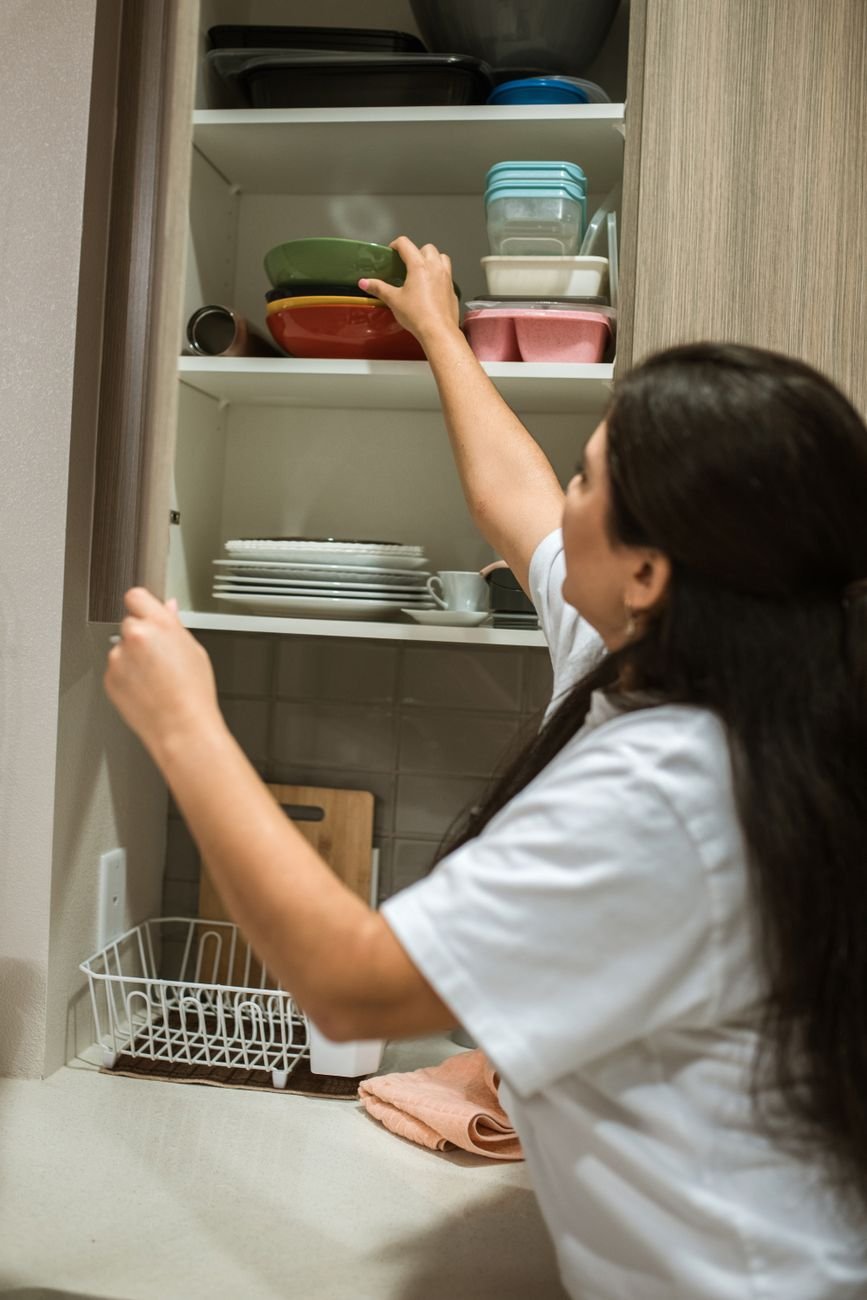
The kitchen works hardest, so it pays off fastest.
- Keep only daily appliances on the counter.
- Group cabinets into zones: cooking near the stove, dishes near the dishwasher, glasses near the sink.
- Use drawer dividers for utensils and one small junk drawer, not three.
- Match every food container to a lid and recycle the orphans.
The pantry is a project on its own. This pantry organization weekend system covers it step by step.
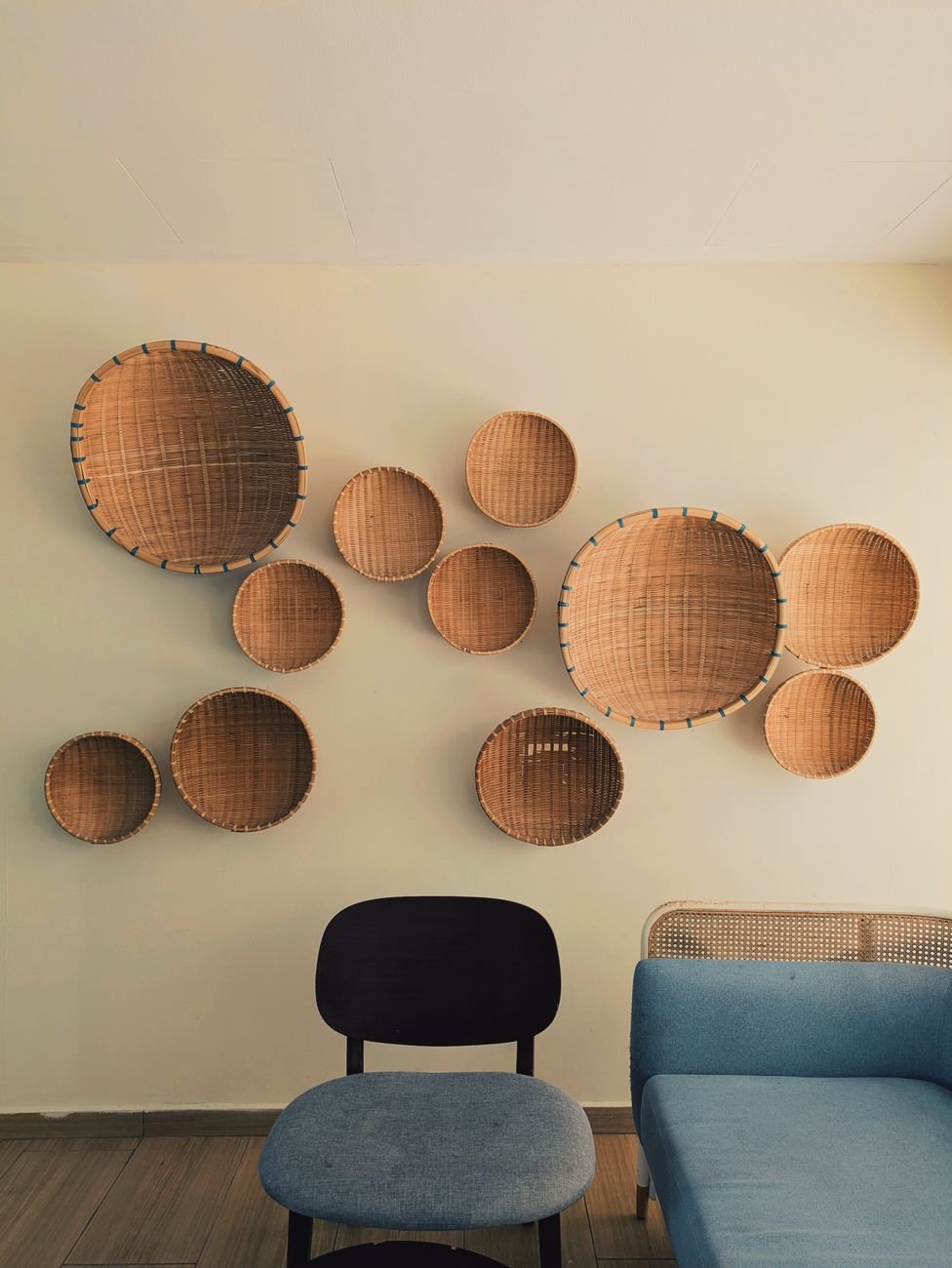
Living room: baskets are your best friend
The living room collects a bit of everything. Give each type of clutter a container.
- A lidded basket for throw blankets.
- A small box for remotes, chargers and game controllers.
- A bin for toys, if kids or pets play in here.
- Keep the coffee table to a tray and one or two things you love.
Do a five-minute reset each evening. Everything goes back to its basket.
Bedroom: make it restful
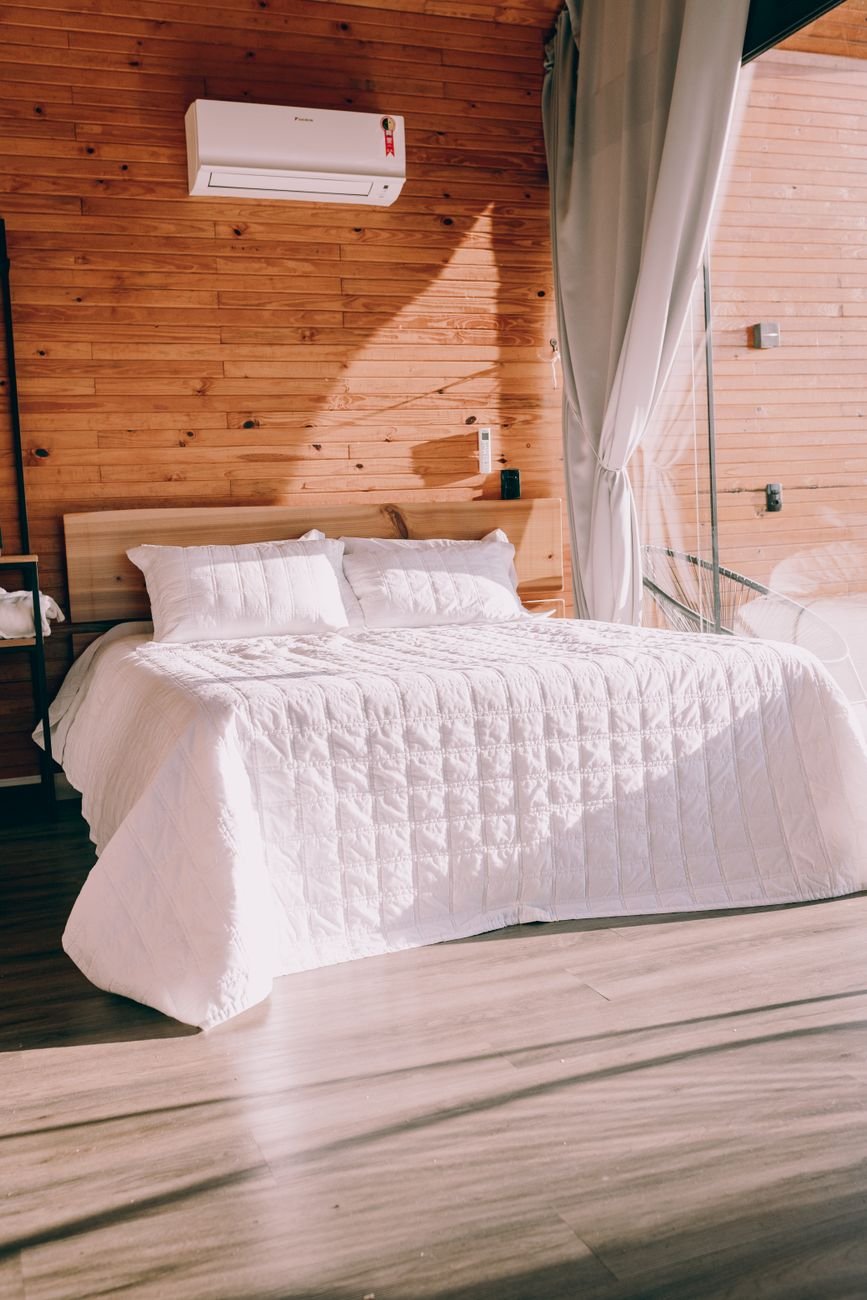
The bedroom should feel calm, so less really is more here.
- Clear the nightstand down to a lamp, a book and a charger.
- Use under-bed bins with lids for off-season clothes or extra bedding.
- Give yourself one spot for “worn once” clothes, like a hook or a valet stand, instead of the chair pile.
- Make the bed. It takes two minutes and the room instantly looks tidier.
For the closet itself, these closet organization ideas make the most of tight space.
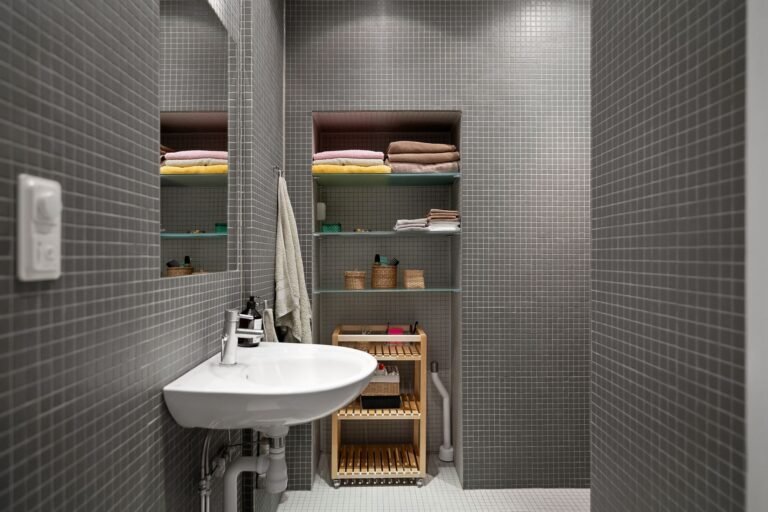
Bathroom: daily items only
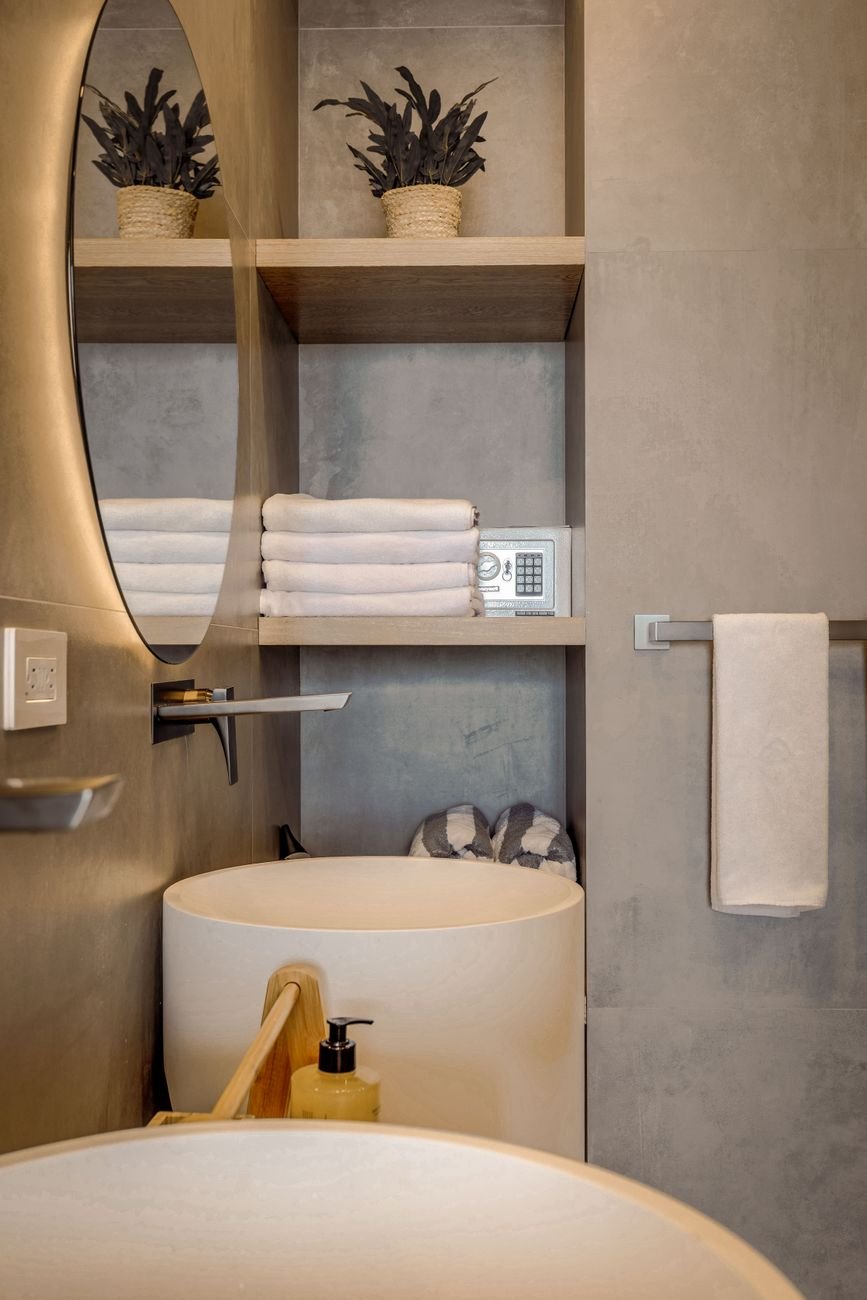
Bathrooms are small, so keep only what you use every day within reach.
- Use a drawer organizer for toothbrushes, hair ties and makeup.
- Store backups like extra toothpaste and shampoo in a bin elsewhere.
- Add a caddy in the shower so bottles don’t leave rings on the ledge.
- Keep medicines and cleaners up high or latched, away from kids and pets.
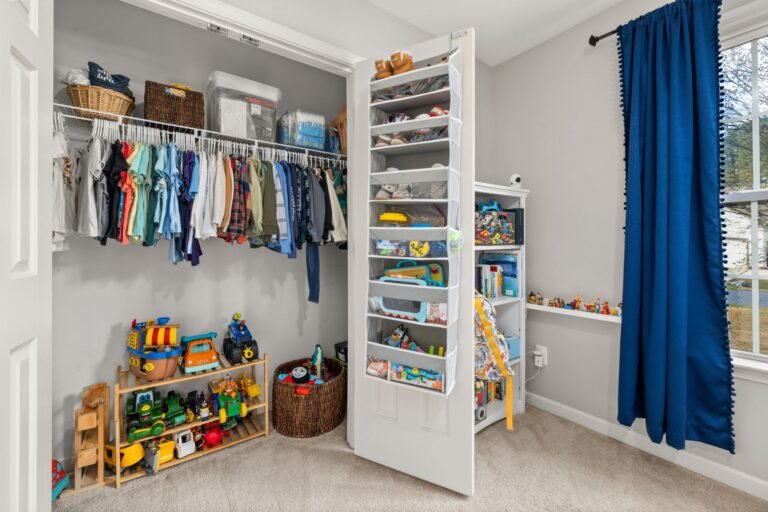
Kids’ rooms: make it easy for them
Kids keep up with systems they can reach and understand.
- Low shelves with open bins.
- Picture labels for kids who can’t read yet.
- Hooks at their height for jackets and pajamas.
- Toy rotation, so there’s less out at once.
Laundry area: a simple flow
Even a laundry closet runs better with a clear path from dirty to clean.
- A sorter or two hampers: lights and darks.
- A shelf above the machine for detergent and supplies.
- A hook or tension rod for hang-dry items.
- A small bin for lost socks and pocket finds.
Home office or desk: one surface, clear
Even a small desk in the corner of the bedroom needs a system, or it becomes the place where paper goes to hide.
- An inbox tray for papers that need action. Clear it once a week.
- A simple file box with a handful of folders: bills, house, medical, pets, taxes.
- A cord organizer or a few clips to tame cables.
- A drawer organizer for pens, chargers and sticky notes.
At the end of the day, clear the desk down to the laptop. Future you will be grateful in the morning.
Don’t forget a pet zone
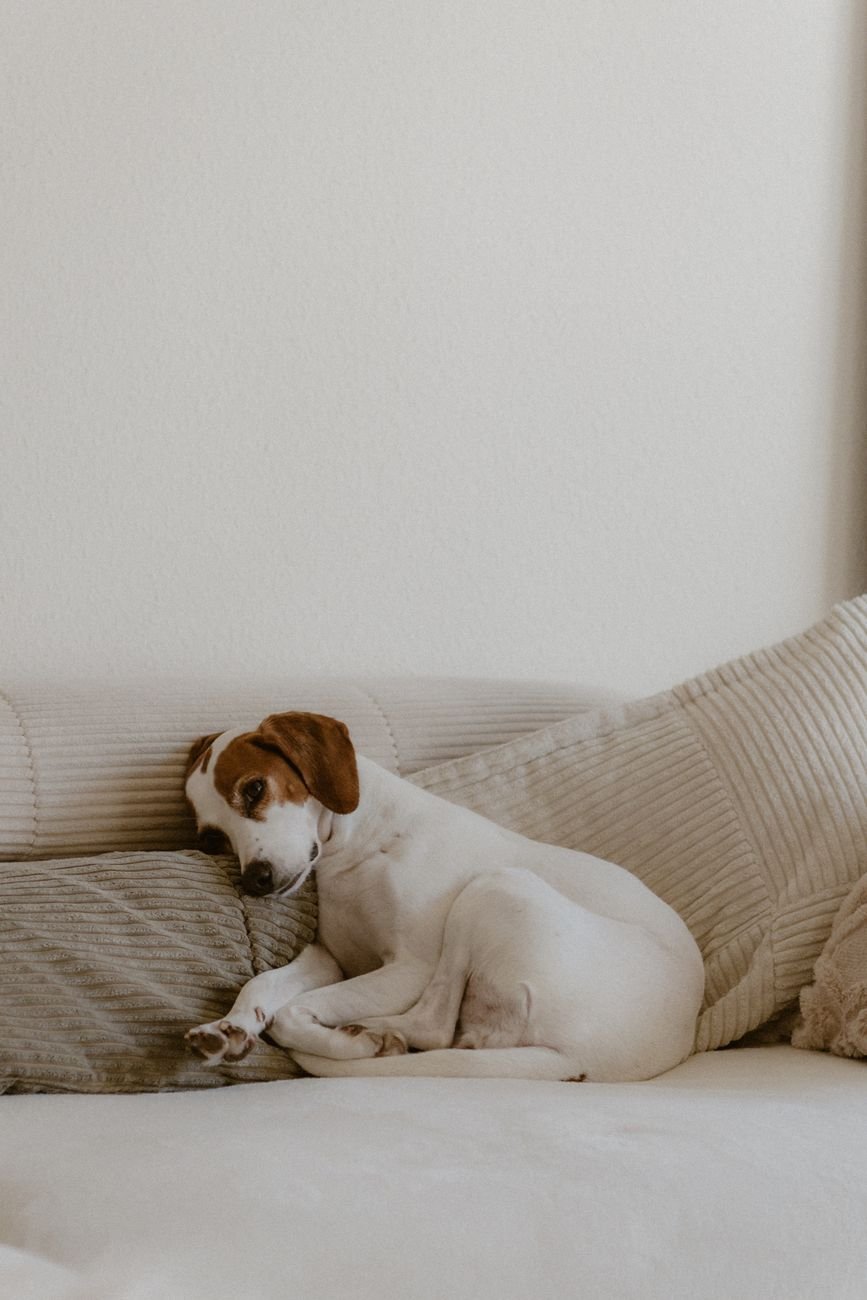
Dog and cat stuff spreads all over the house if it doesn’t have a home.
- A hook by the door for the leash, harness and poop bags.
- A basket for dog toys, separate from the kids’ toys.
- An old towel on a hook for muddy paws.
- Food in an airtight bin, kept in its original bag for the lot number.
Keep it from sliding back
Organizing is a project. Staying organized is a habit.
- One in, one out: a new item comes in, an old one goes.
- Ten minutes a day to put things back where they live.
- A quick check each season to swap clothes and clear out what you didn’t use.
It won’t be perfect, and it doesn’t need to be. A home that’s easy to reset is better than one that only looks good for a day.
Common questions
What room should I organize first?
The one that stresses you out most every day. For many people, that’s the kitchen or the entryway.
Should I buy storage containers before I start?
No. Declutter first, then measure your space and buy only what you need.
How long does it take to organize a whole house?
Plan on one room per weekend. Small rooms like bathrooms can take an afternoon.
How do I get my family to keep things organized?
Label shelves and bins, keep systems simple and do a short daily reset together.
What’s the cheapest way to organize?
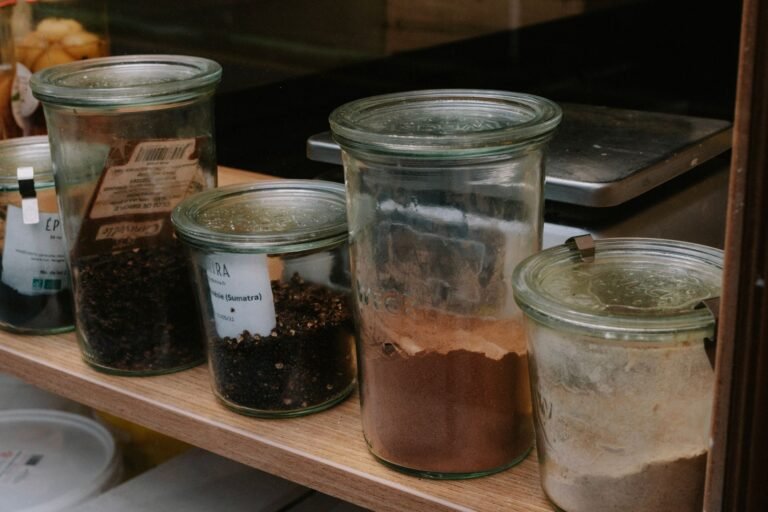
Declutter, then reuse shoeboxes, jars and baskets you already have before buying anything new.


Leave a Reply