

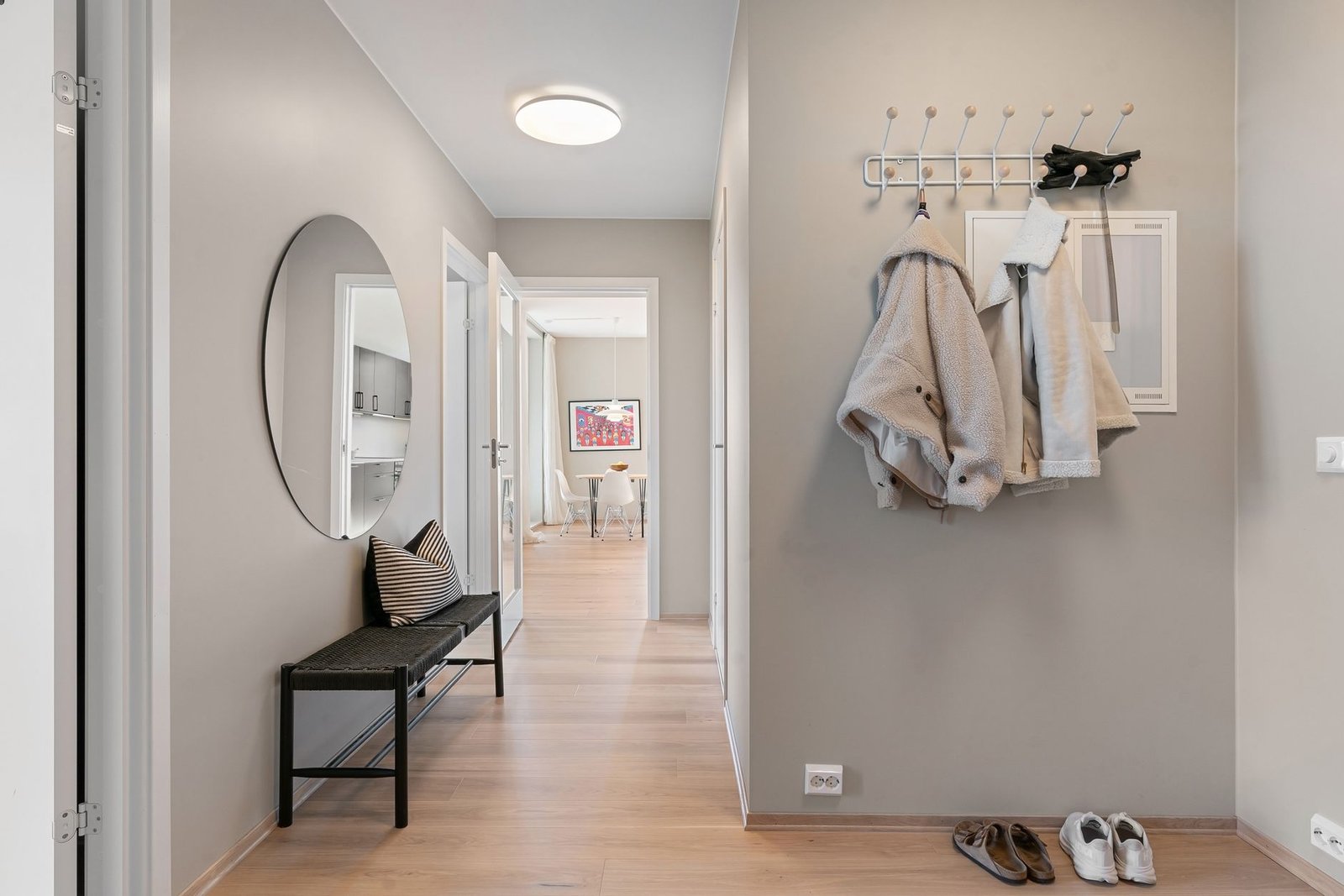
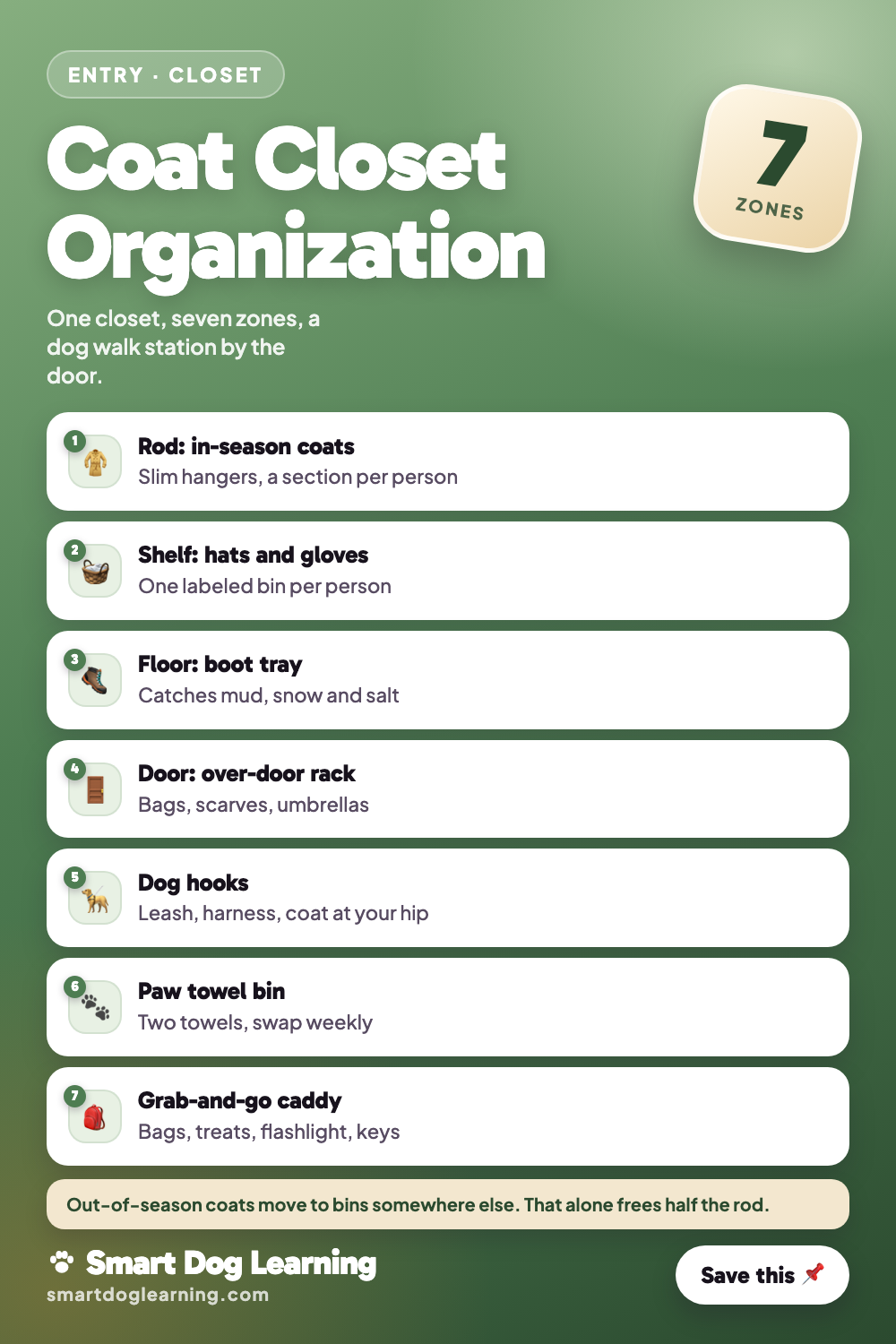
The coat closet is where good intentions go to get buried. Somewhere behind the ski jackets there’s a vacuum, three umbrellas and the leash you spent 10 minutes hunting for this morning.
This coat closet organization plan sorts it all into zones, and adds a dog walk station so leaving the house with your dog takes seconds, not a search party.
Start by emptying it completely
You can’t organize around clutter. Take everything out and lay it on the floor in the hallway.
- Sort into piles: coats, shoes, accessories, dog gear, random stuff.
- Vacuum the floor and wipe the shelf.
- Measure the rod width, shelf depth and door height.
The “random stuff” pile is usually the biggest. Most of it belongs in another room.
Edit the coats
Count the coats. Then count the people. The gap is usually surprising.
Be honest about what gets worn. The coat you keep “just in case” is taking the hanger from one you reach for every day.
- A never-mix chart: the cleaner combinations that make toxic fumes
- A surface guide: what not to use on stone, wood, cast iron and more
- 5 starter cleaners and a shopping list
- Keep only in-season coats in this closet. Winter coats in winter, rain jackets in spring.
- Store off-season coats in a bin under a bed or in a spare closet.
- Donate coats nobody has worn in two winters. Many shelters and coat drives take them in fall.
- Check pockets before anything leaves. You’ll find receipts, poop bags and probably cash.
Zone 1: the rod
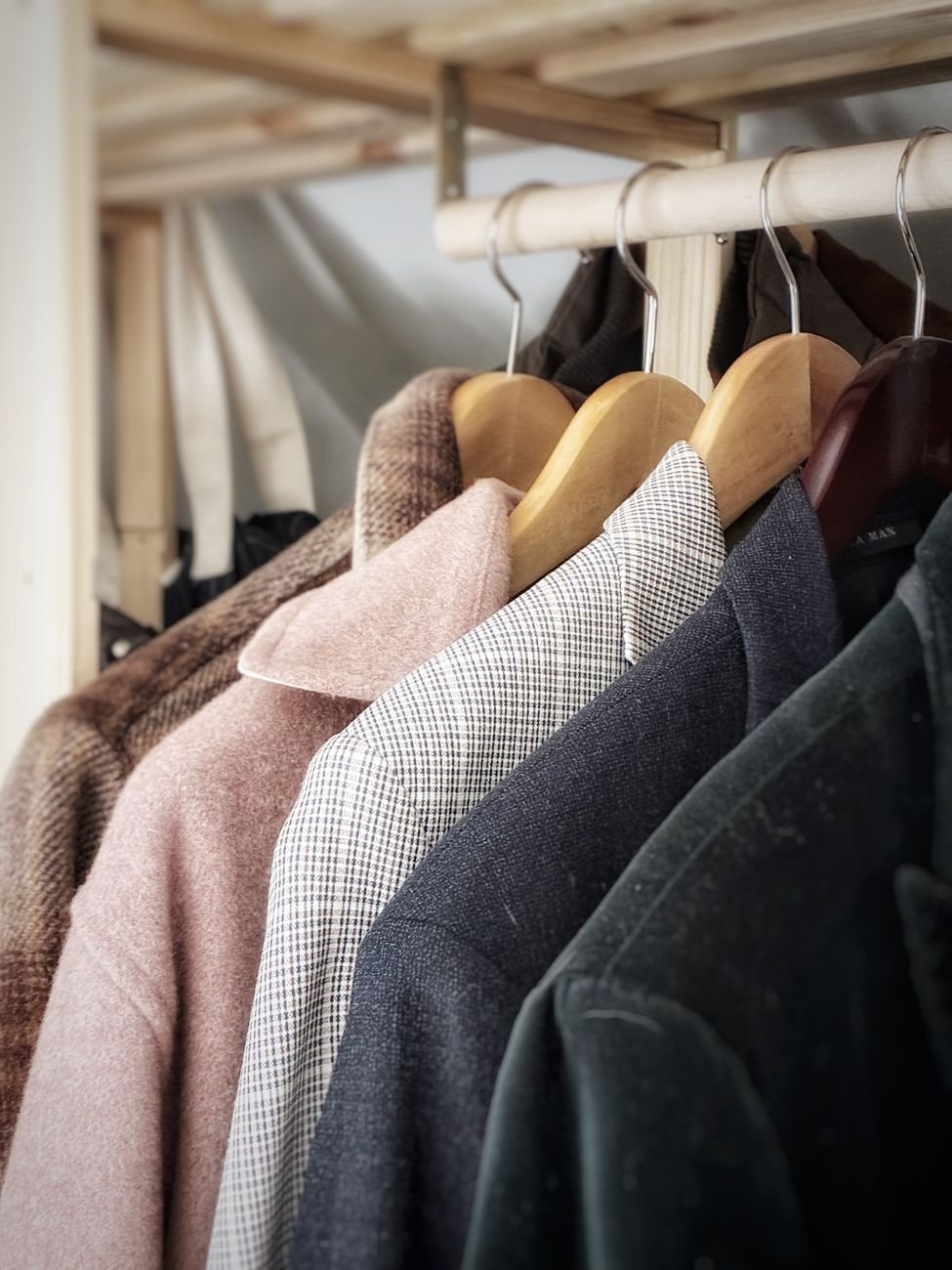
The hanging rod is prime real estate. Treat it that way.
- Use slim matching hangers. They take up less space and look calmer.
- Give each person a section so coats stop migrating.
- Hang guest space at one end with three or four empty hangers.
- Kids’ coats go lower. Add a second rod or adhesive hooks at their height.
Zone 2: the shelf
The top shelf is for small things that get lost easily. Bins keep them corralled.
- One bin per person for hats, gloves and scarves.
- Label the front of each bin so everyone knows where to toss things.
- Seasonal bins for sunscreen and bug spray in summer, hand warmers in winter.
Zone 3: the floor
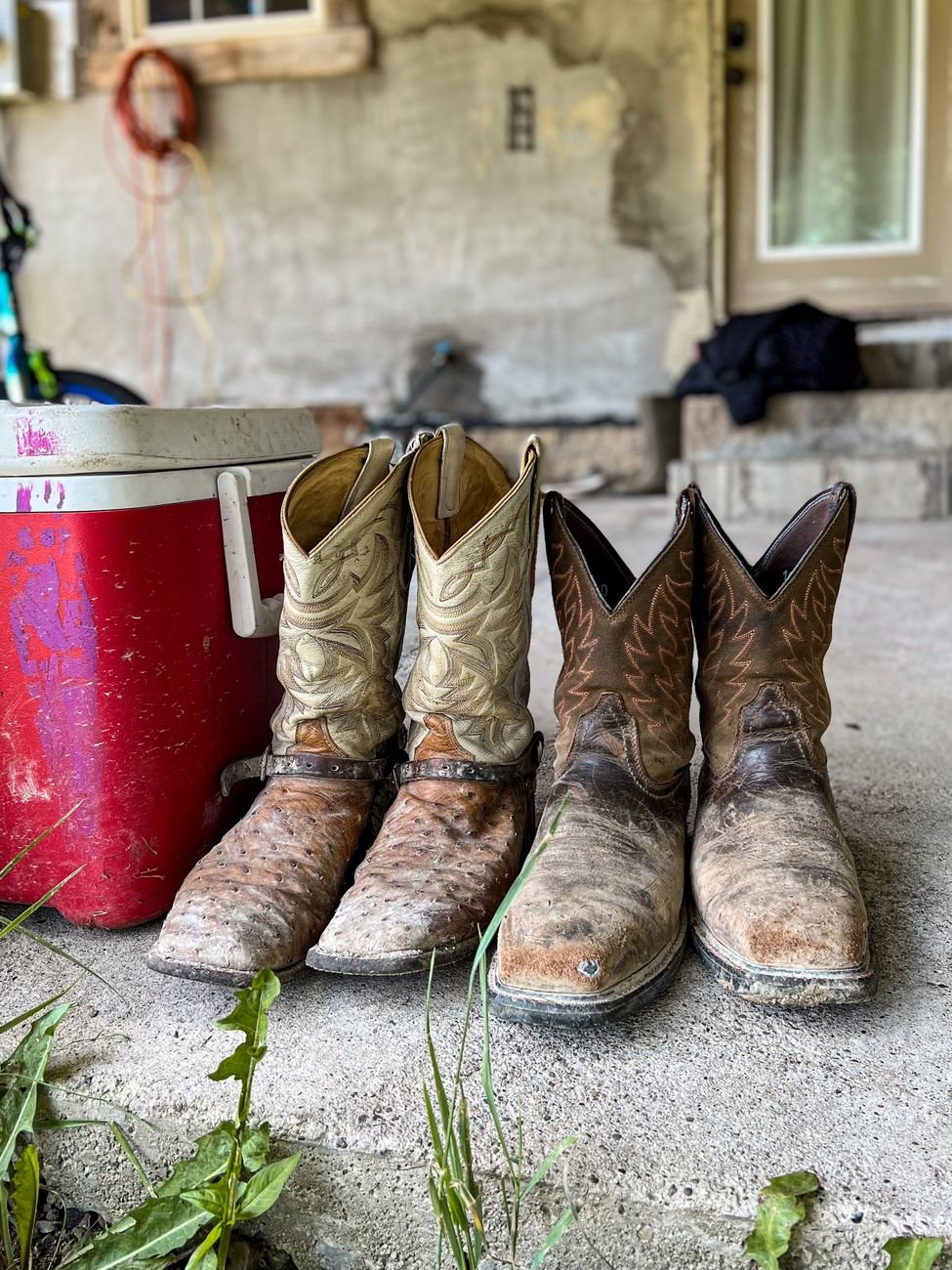
The floor is where things pile up. Give every pair of shoes a home.
- A boot tray catches mud, snow and road salt.
- A low shoe rack above the tray holds the shoes people wear daily.
- Keep the vacuum elsewhere if you can. If it has to live here, give it a back corner.
Road salt and de-icers can irritate paws, so wipe your dog’s feet when you come in from winter walks.

Zone 4: the door
The back of the closet door is often totally empty. Put it to work.
- An over-the-door rack for scarves, tote bags and reusable shopping bags.
- A clear shoe organizer works for gloves, sunglasses and small items.
- A slim umbrella holder keeps drips off the floor.
Zone 5: a dog walk station
This is the part that changes your mornings. Everything for a walk lives in one spot, right by the door.
- Two or three sturdy hooks at hip height for the leash, harness and dog coat.
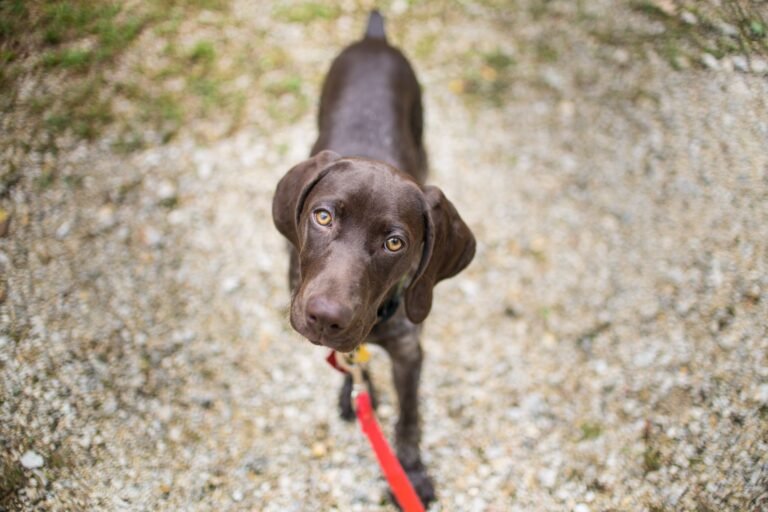
- A small bin with poop bags, a backup leash and a reflective vest.
- A treat pouch with a sealed container of training treats. Keep it high enough that your dog can’t help themselves.
- A flashlight or clip-on light for early and late walks in winter.
- A spot for your keys and phone, so you can grab and go.
No closet room? Put the hooks on the wall next to the door. If you’d like a whole corner for your dog, these dog nook ideas are a good place to start.
Zone 6: a paw cleaning kit
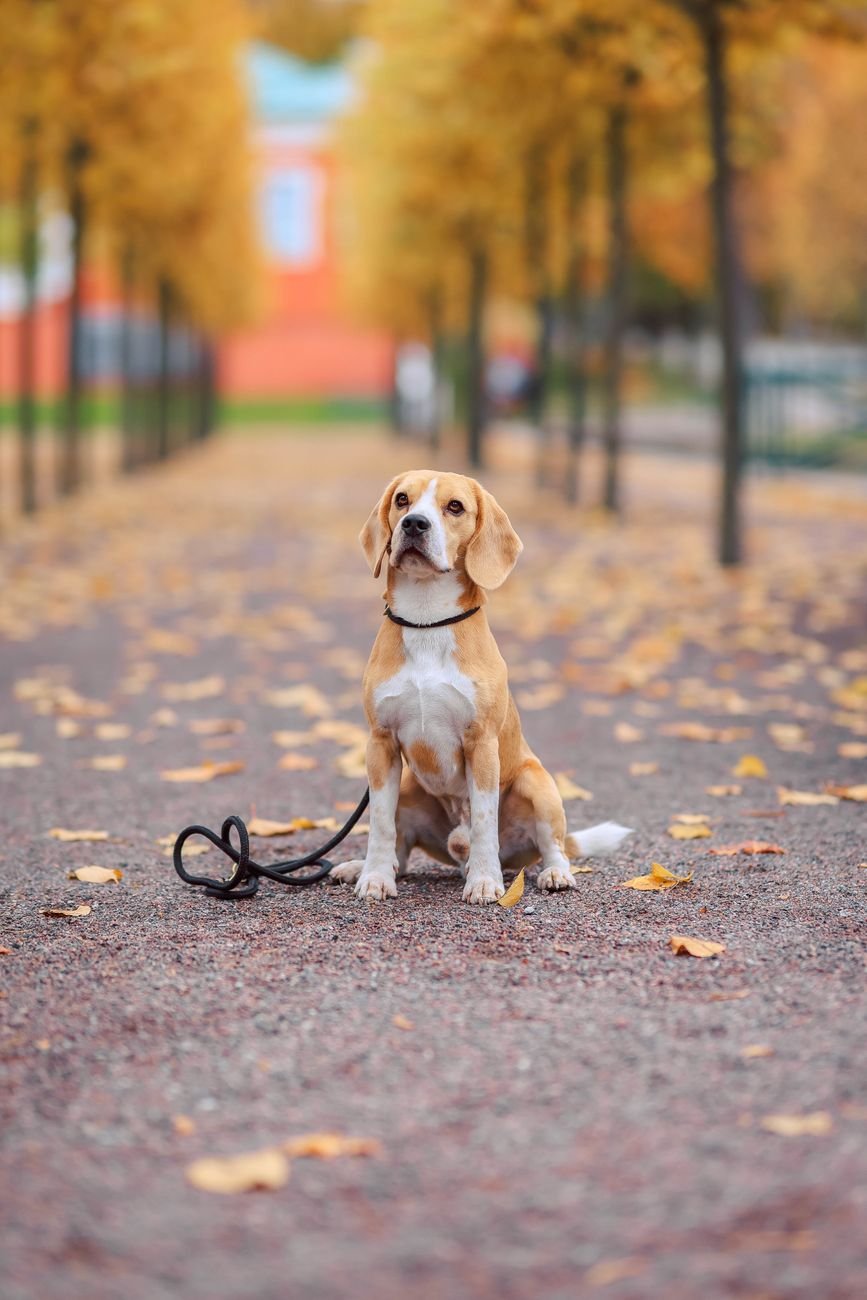
Muddy paws on clean floors are a fall and winter classic. A small kit by the door stops it.
- Two old towels in a basket. Swap them for clean ones once a week.
- A paw washer cup or a small bucket for really muddy days.
- A washable mat inside the door to catch drips.
- Dog boots if you live where the sidewalks get salted.
Teach your dog to wait on the mat for a paw wipe. A treat afterward makes it quick to learn.
Zone 7: a grab-and-go caddy
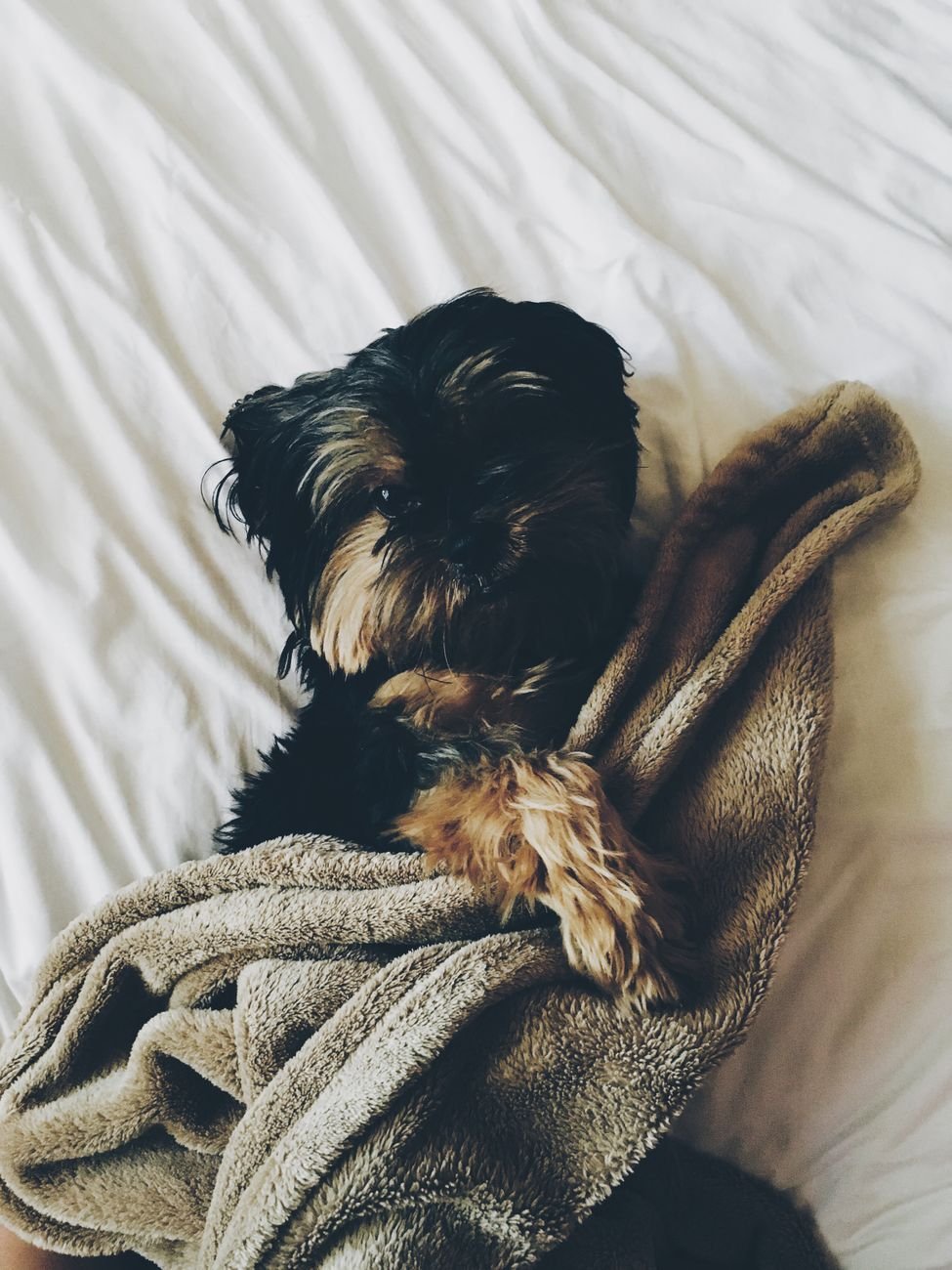
The last zone is a small caddy or basket on the shelf, at the very front where you can reach it without looking.
- Reusable shopping bags, folded flat
- A spare set of poop bags and a few treats in a sealed tin
- A small flashlight and spare batteries
- Lip balm, hand sanitizer and tissues for walks in the cold
- Spare house keys if you trust the spot
Everything in it should be something you grab on the way out at least once a week. If it sits untouched for a month, it moves somewhere else.
What doesn’t belong in a coat closet
The coat closet becomes a junk closet when it holds things with no other home. Be strict.
- Cleaning supplies and chemicals, especially within a dog’s reach
- Gift wrap, holiday decor and spare light bulbs
- Sports gear nobody uses this season
- Dog food bags (they belong somewhere airtight and away from the door)
Got other closets fighting back? Try these small closet organization ideas.
Keep it organized
A coat closet stays tidy when it’s easy to put things back. A few simple habits help.
- Hooks over hangers for kids. They’ll actually use hooks.
- A five-minute reset every Sunday.
- A seasonal swap in spring and fall: rotate coats, refill the dog bin, wash the towels.
Common questions
How do I organize a small coat closet?
Keep only in-season coats inside, use slim hangers, add bins on the shelf and use the back of the door for small items.
Where should I keep my dog’s leash?
On a hook at hip height by the door, with poop bags and a light in a bin right next to it.
What can I do if I don’t have a coat closet?
Use wall hooks, a bench with baskets underneath and a narrow shelf above. It works the same way.
How do I keep muddy paws off my floors?
Keep towels and a washable mat by the door and wipe paws every time you come in.
How often should I clean out the coat closet?
Do a quick tidy weekly and a full reset in spring and fall when you swap seasonal coats.


Leave a Reply