

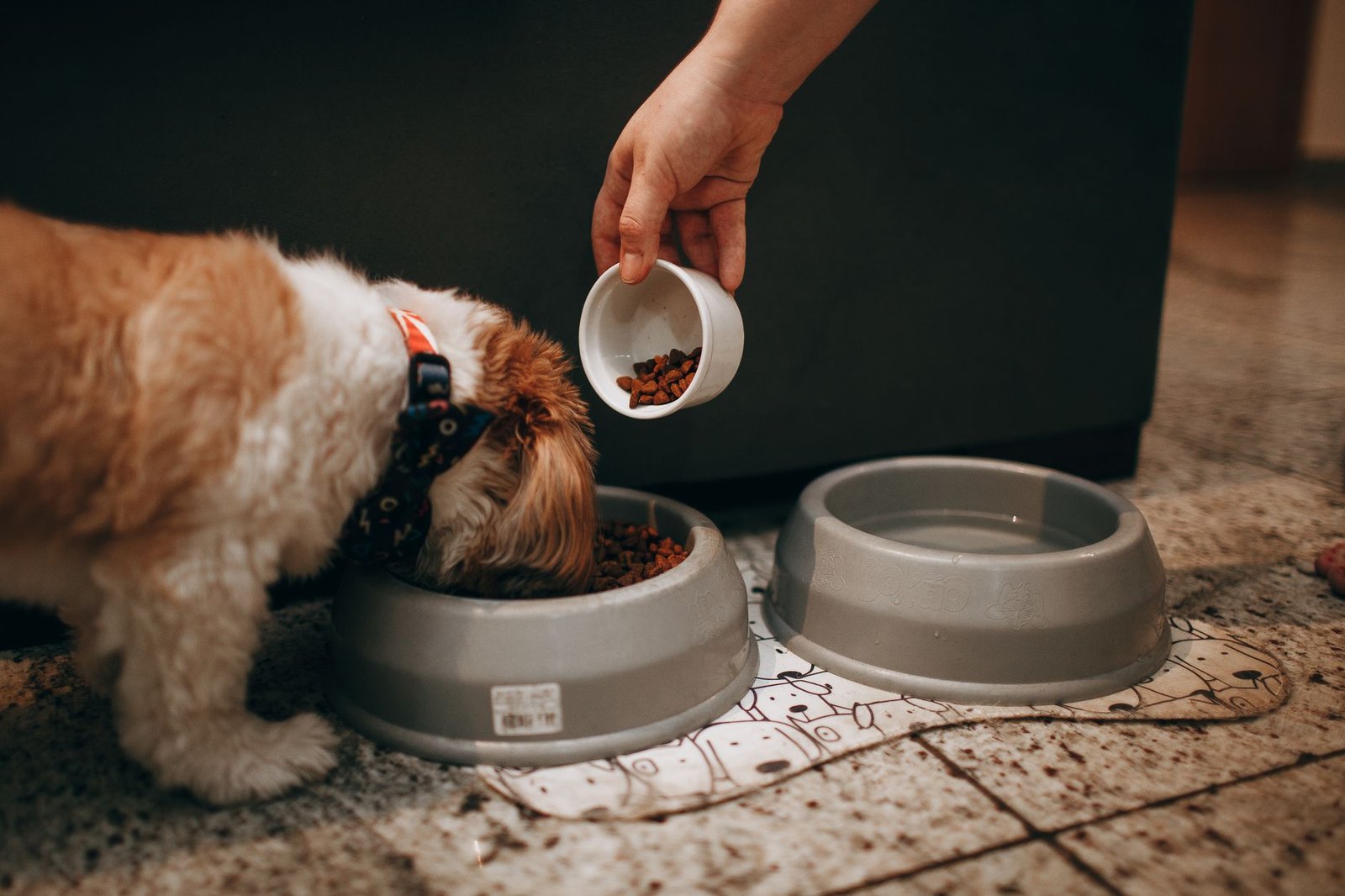
Most dog bowls end up in the same place: shoved against the wall, sliding across the floor, with a puddle of water and a trail of kibble around them.
A dog food station gives your dog one calm spot to eat and gives you one tidy spot for the food, scoop and treats. Here are eight ideas, four built into the house and four renter-friendly ones that move with you.
Pick the right spot first
Where you put the station matters more than how fancy it is.
- Out of the traffic lane. Dogs eat more calmly when people aren’t stepping over them.
- Easy to clean. Tile or vinyl beats carpet every time.
- Near water and a sink so filling bowls is a quick job.
- Away from the cat’s food. Most dogs will happily eat it if they can reach it.
A kitchen corner, a mudroom or the end of a laundry room usually works best.
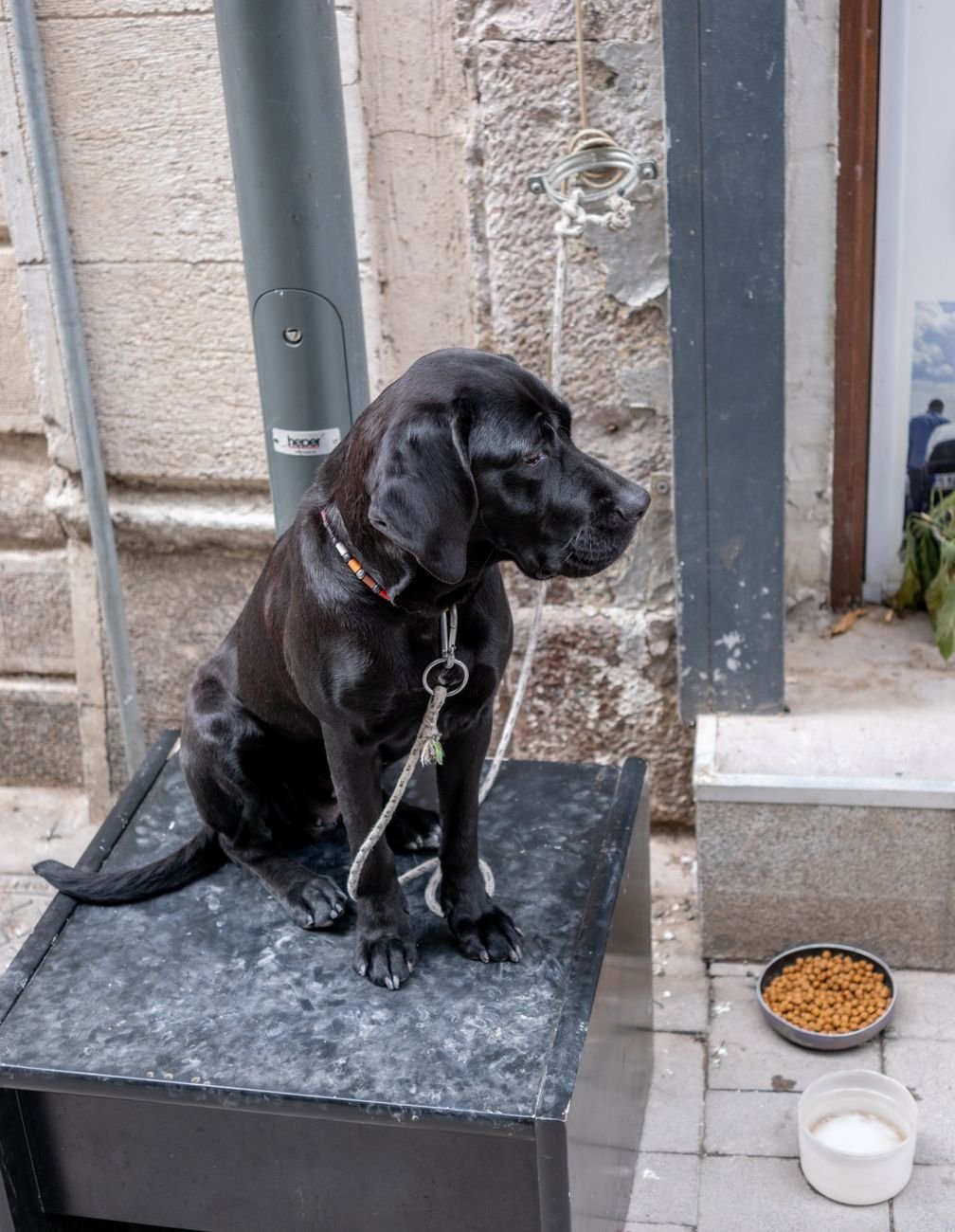
What every station needs
Whatever you build, these basics make feeding time easier.
- Stainless steel or ceramic bowls. They’re easier to keep clean than scratched plastic.
- A mat with a raised edge to catch spills and splashes.
- An airtight food bin, with the food kept in its original bag inside.
- A scoop that matches your dog’s portion, so you’re not guessing every meal.
- A spot for treats up high, out of reach of a clever nose.
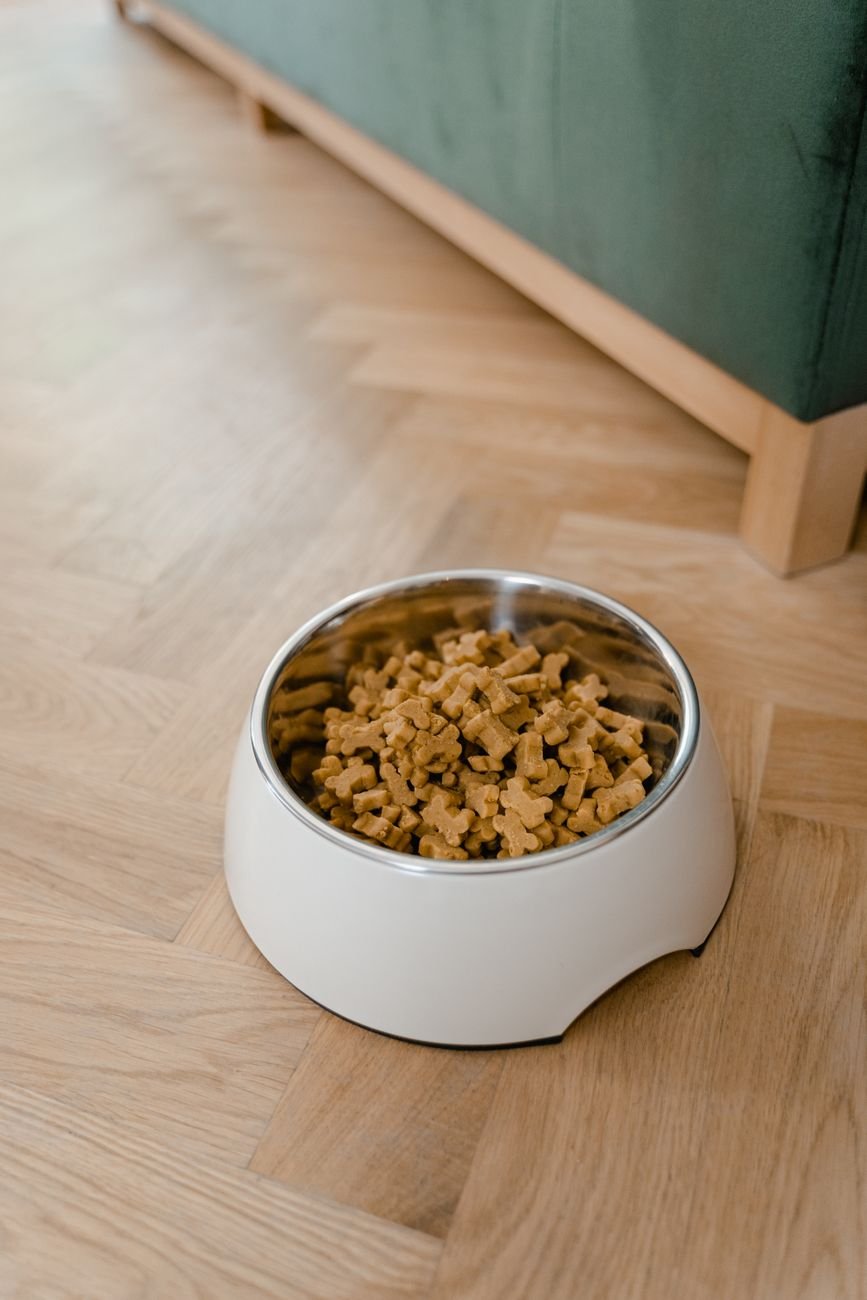
A quick word on bowl height
Raised bowls look neat and can be more comfortable for some older dogs. But they’re debated for large, deep-chested breeds because of a possible link to bloat, a dangerous stomach condition.
If you have a big dog, ask your vet whether a raised or floor-level bowl is better before you build. Many of the ideas below work at either height.
- 20 safe foods and how to serve them
- 14 dangerous foods and the signs to watch for
- What to do if your dog ate something toxic
Built-in idea 1: The toe-kick drawer
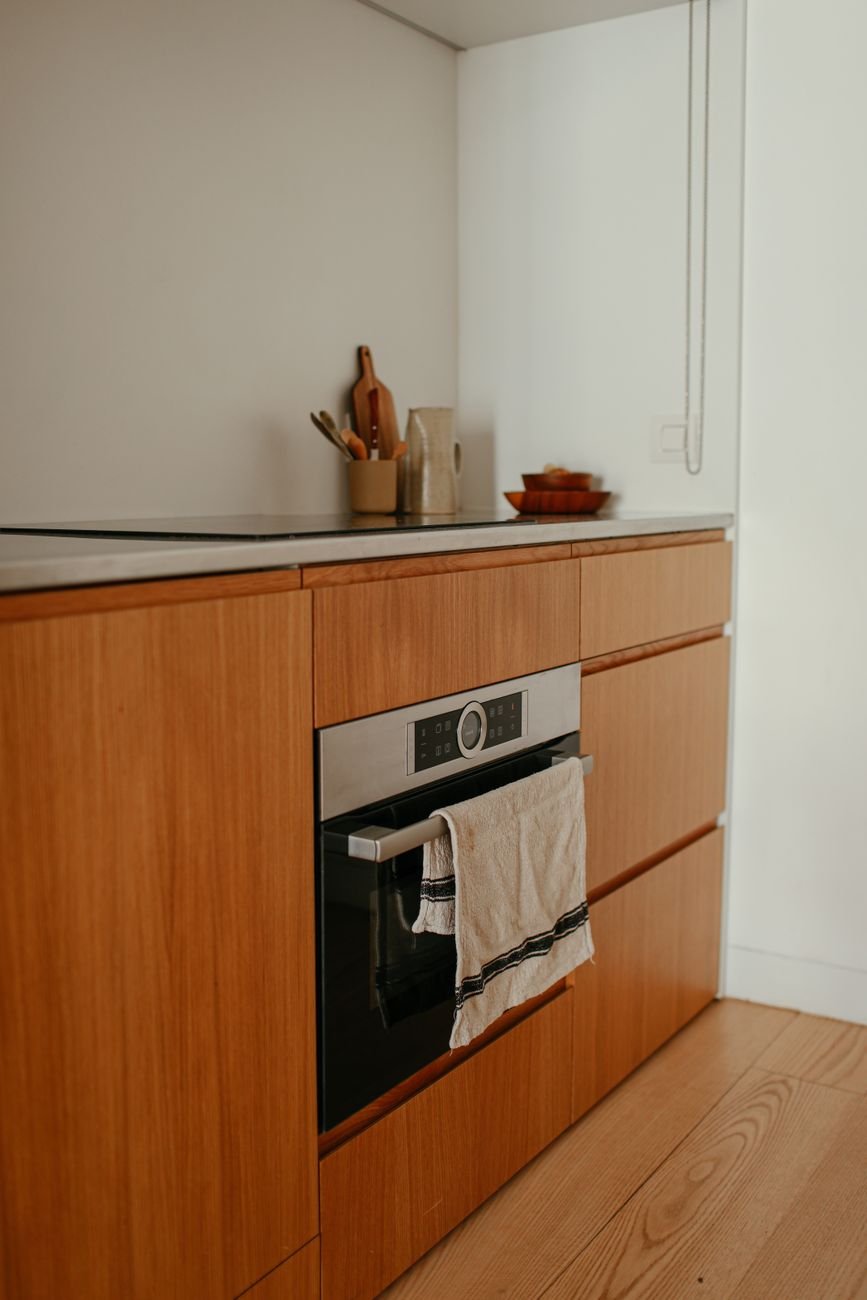
The gap under your lower cabinets can hide a shallow pull-out drawer that holds two bowls.
- Push it closed when your dog’s done eating, and the floor is clear.
- Use a waterproof liner or a bowl tray inside the drawer.
- Kits exist for this, but it’s a job for a confident DIYer or a carpenter.
Best for small and medium dogs, since the drawer sits very low.
Built-in idea 2: The cabinet nook
Remove one lower cabinet, often the narrow one at the end of a run, and finish the opening as an open nook.
- Line the floor and back with tile or a wipeable panel.
- Add a drawer above for the scoop, poop bags and a lint roller.
- Use a pet-safe, water-based finish on any raw wood.
Check what plumbing or wiring runs behind the cabinet before you start cutting.
Built-in idea 3: The island end
The short side of a kitchen island is often wasted. An open shelf there becomes a feeding spot that’s in the room but out of the way.
Put bowls on the bottom shelf and the food bin on the one above it. It’s easy to wipe down and easy to see when bowls are empty.
Built-in idea 4: The mudroom bench
If you have a mudroom or entry nook, build the station into a bench.
- Bowls on a low open shelf at one end
- Food bin in a cubby beside them
- Hooks above for leashes, harnesses and the dog towel
Everything dog-related lives in one place. It’s also a natural spot to wipe muddy paws on the way in.
Renter idea 5: The wooden crate stand
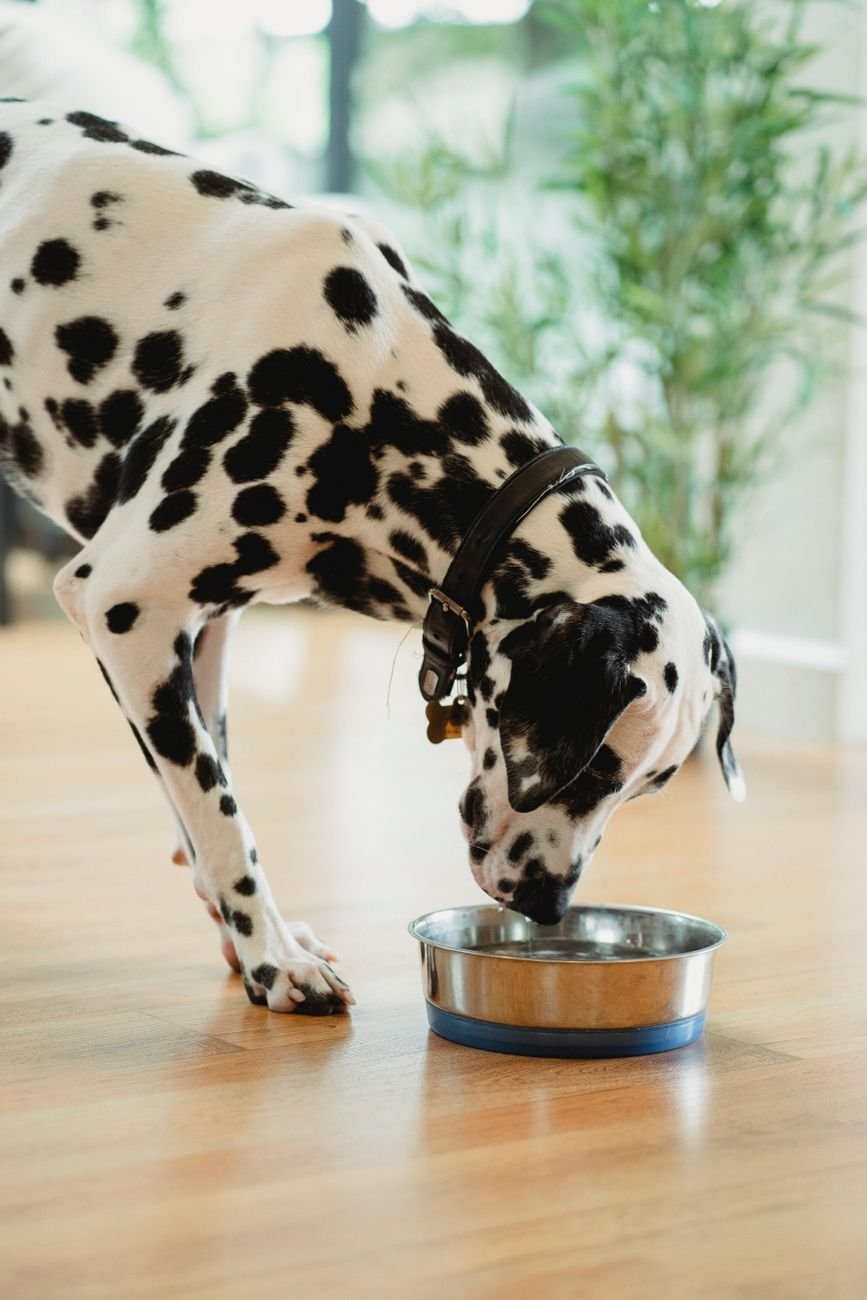
A sturdy wooden crate turned on its side makes an instant stand. Bowls sit on top, and the food bin slides into the opening below.
- Sand every edge smooth and seal it with a pet-safe finish.
- Choose the crate height to suit your dog, or saw it down.
- If you use pallet wood, only use pallets stamped “HT” (heat-treated), never “MB”.
Renter idea 6: The sideways bookcase
A short two-shelf bookcase laid on its side becomes a long, low console.
- Bowls sit on top, on a waterproof tray.
- Food bin, treats and toys go in the cubbies below.
- Add non-slip feet so it doesn’t skid when your dog leans on it.
Anchor it to the wall if it’s tall enough to tip.
Renter idea 7: The rolling cart
A three-tier cart keeps all your supplies together and moves anywhere.
- Top: treats, medication, the scoop
- Middle: poop bags, wipes, brush
- Bottom: a small food bin
Park it next to the bowls. Lock the wheels so it doesn’t roll away.
Renter idea 8: A mat and a wall shelf
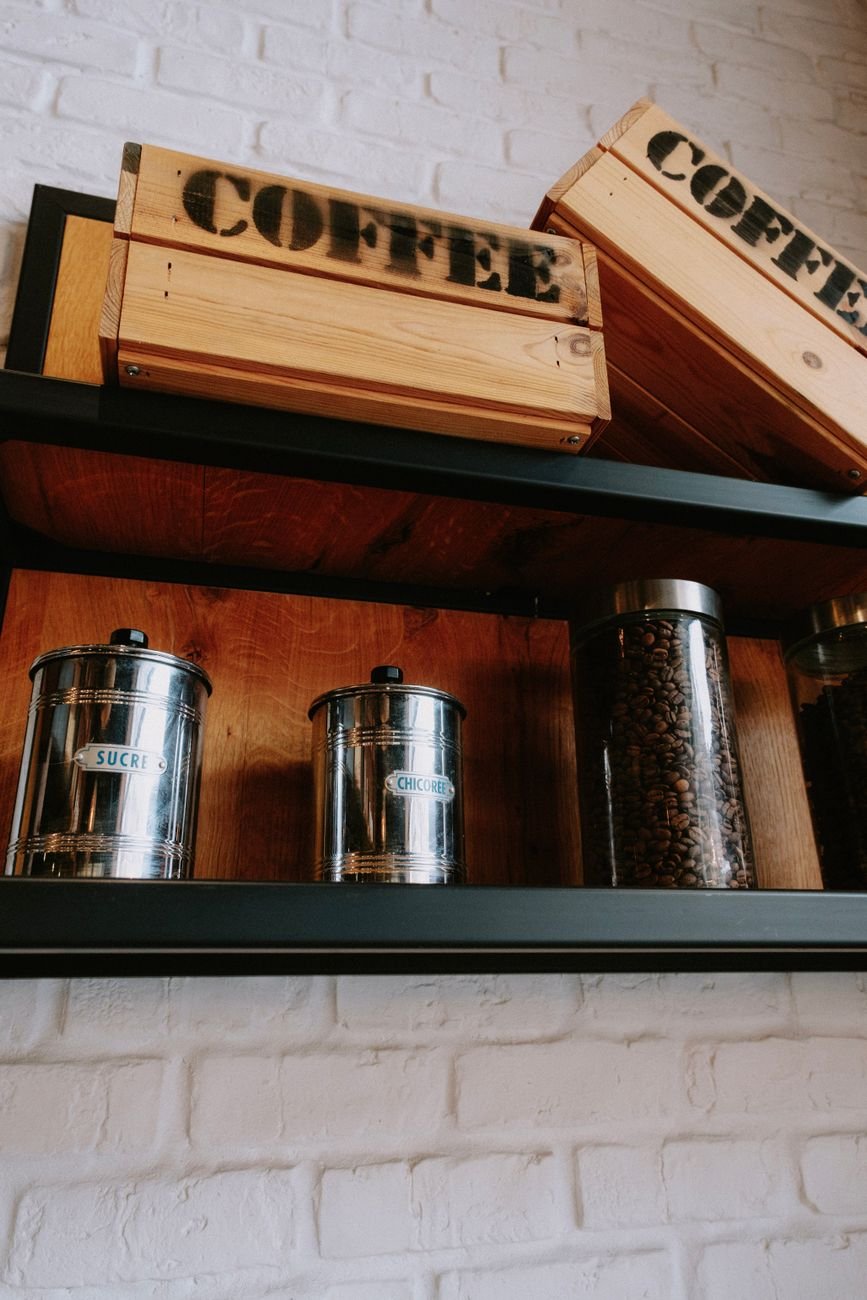
The simplest station needs no furniture at all. A good mat on the floor defines the spot, and a small shelf or hooks above it hold everything else.
- Use removable adhesive hooks if you can’t drill.
- Hang the leash and towel, and keep treats on the shelf.
- Add a framed photo of your dog if you want it to look intentional.
Feeding more than one dog?
Each dog should have their own bowl, with a little space between them.
- Feed them a few feet apart, or in separate spots if one guards food.
- Pick up bowls after meals so nobody finishes someone else’s dinner.
- Slow eaters may need to eat in a different room.
A slow-feeder bowl or puzzle feeder can make mealtime last longer. Our indoor dog enrichment ideas have more ways to do that.
Keep the station clean
Dog bowls get slimy fast, and that film can harbor germs.
- Wash food bowls after every meal, or at least daily, with hot soapy water.
- Refresh water at least once a day.
- Wipe the mat and floor a few times a week.
- Wash the food bin between bags.
Common questions
Where is the best place for a dog feeding station?
A quiet corner with an easy-clean floor, out of the main walkway and away from the cat’s food.
Should dog bowls be raised?
It depends on your dog. For large, deep-chested breeds, ask your vet first because of the bloat debate.
What bowls are best for dogs?
Stainless steel is easy to clean and hard to break. Ceramic is fine if it isn’t chipped.
How can I make a dog food station in a rental?
Use a crate stand, a sideways bookcase or a rolling cart, plus a mat and removable hooks.
How often should I wash my dog’s bowls?
Food bowls after each meal or at least daily, and water bowls every day.


Leave a Reply