

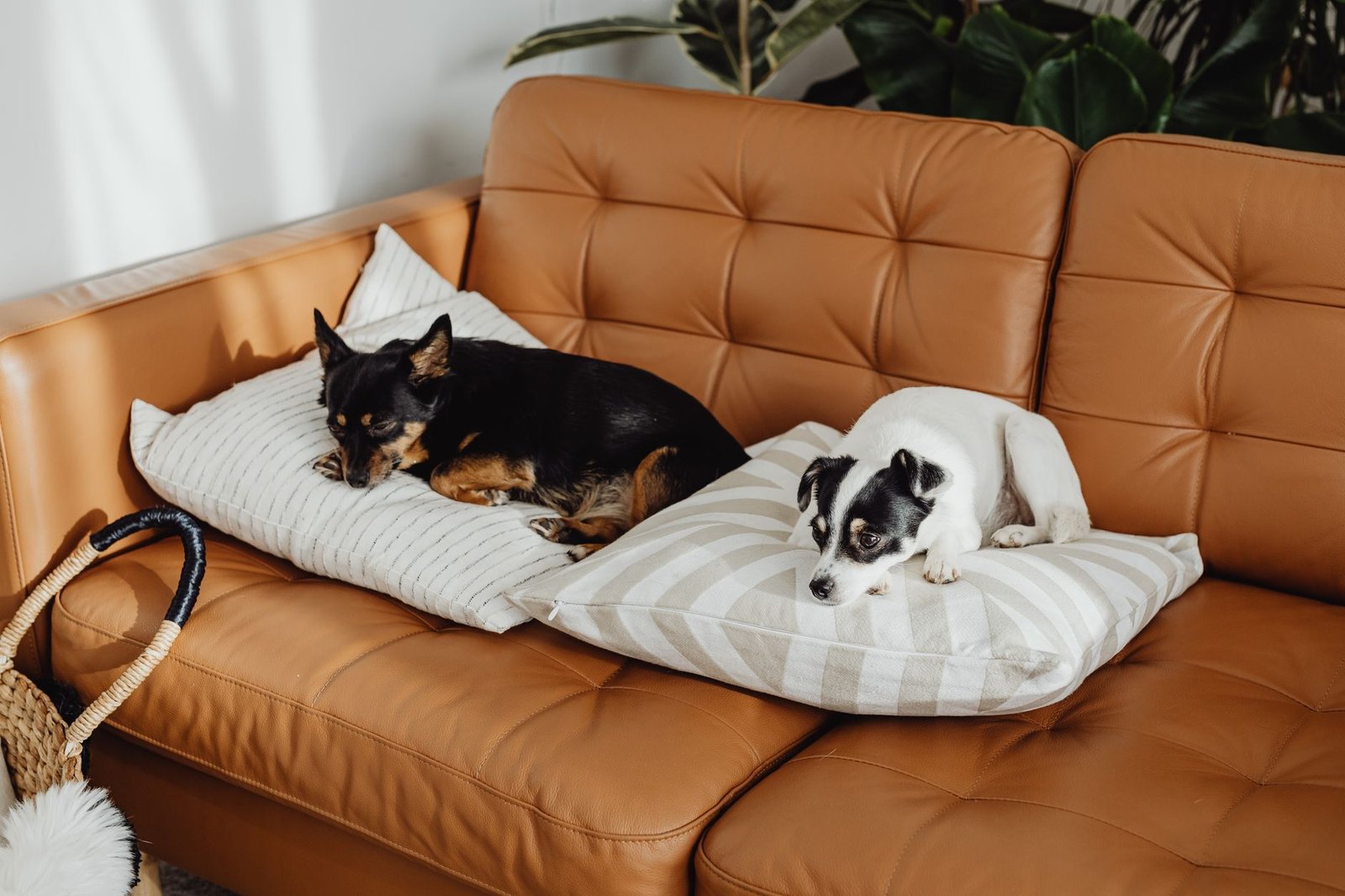
Your dog already has a favorite spot. It’s probably the middle of the hallway, right where everyone trips over them.
Giving them a real place of their own fixes that. These dog areas in the house work in small apartments and big family homes, and most use space you’re wasting right now.
What makes a good dog area
Before you pick a spot, check it against what dogs actually want. Pretty matters less than you’d think.
- Close to the family. Dogs are social. A nook in a back bedroom often goes unused.
- Out of the traffic lane. A sleeping dog shouldn’t be in the path to the kitchen.
- Comfortable temperature. Not next to a heater, a drafty door or a sunny window all afternoon.
- Easy to clean. Washable bedding and a floor you can mop.
- Safe to chew. No cords, cleaning products or plants within reach.
Lie down where the bed will go. If it’s cold, loud or smells like the garbage can, your dog will notice too.
Nooks that use dead space
Every home has awkward corners. These ideas turn them into dog spots.
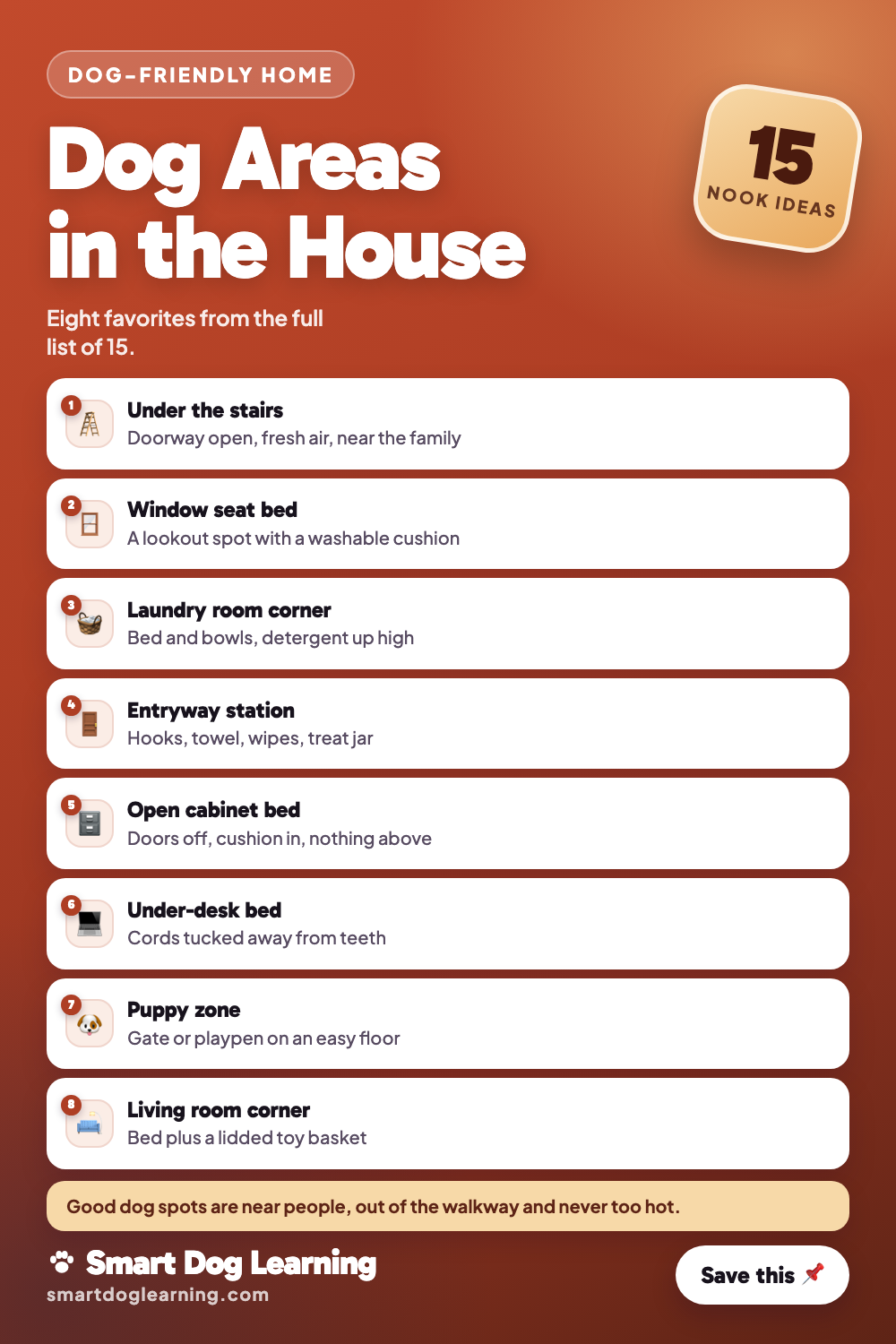
1. Under the stairs
The space under a staircase is a natural den. Remove any door or leave the opening wide so air moves and your dog never gets shut in. Add a bed, a soft light nearby and a hook for the leash.
2. An open kitchen cabinet
Take the doors off a bottom cabinet, remove the shelf and fit a cushion inside. It works best at the end of an island, away from the stove and the trash.
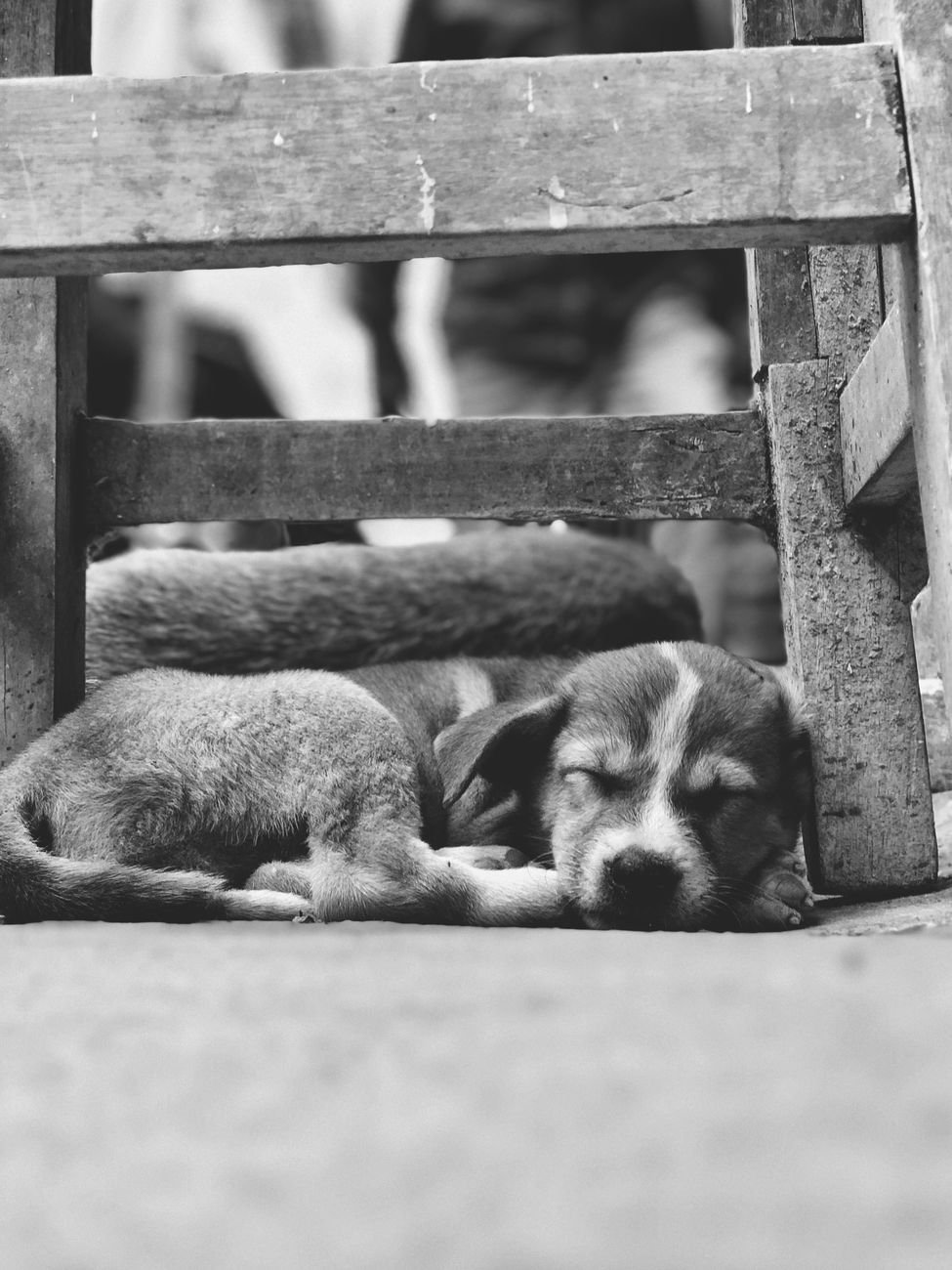
3. A converted closet
A coat closet with the door removed becomes a cozy little room. Keep it ventilated, keep the floor clear of shoes, and hang nothing your dog can pull down.
- Works for puppies, adults, rescues and seniors
- One page per problem, step by step
- Printable PDF, free
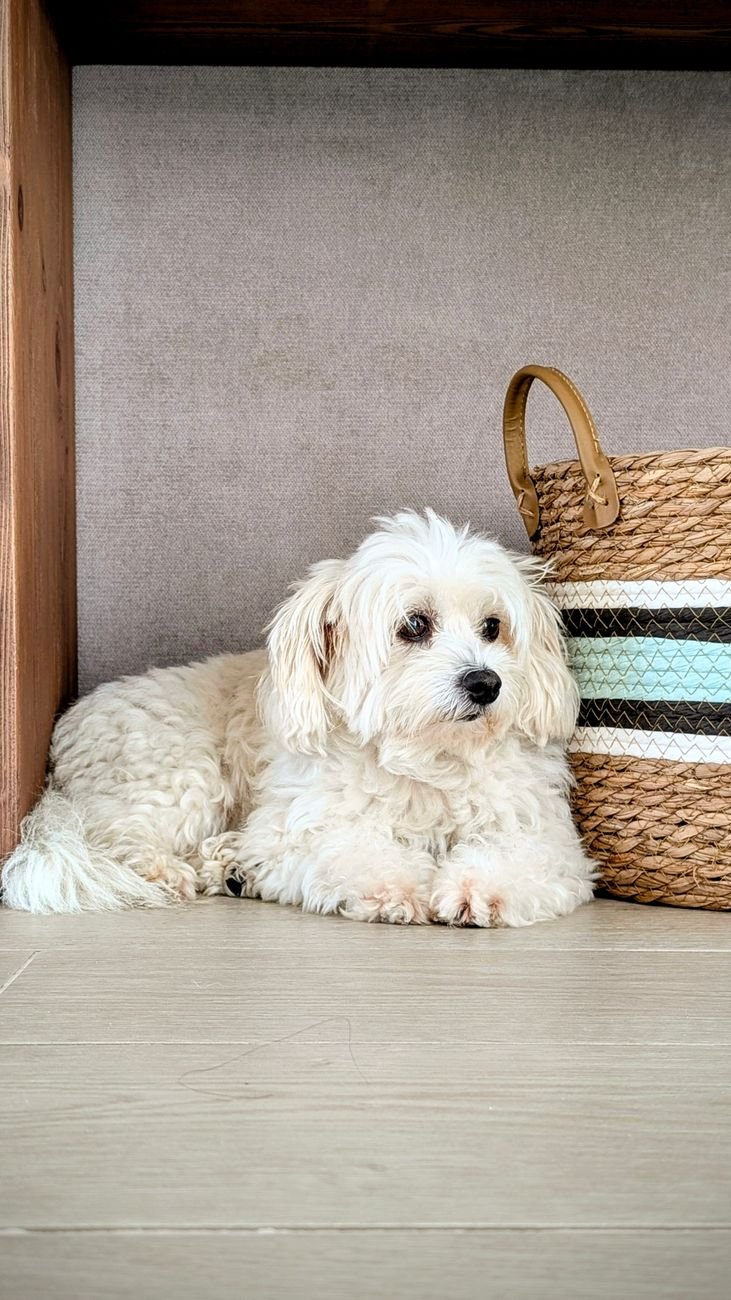
4. The bottom of a bookshelf
Leave the lowest shelf of a sturdy, wall-anchored bookcase empty and slide in a flat bed. Small dogs and cats both love a spot like this.
5. A window seat
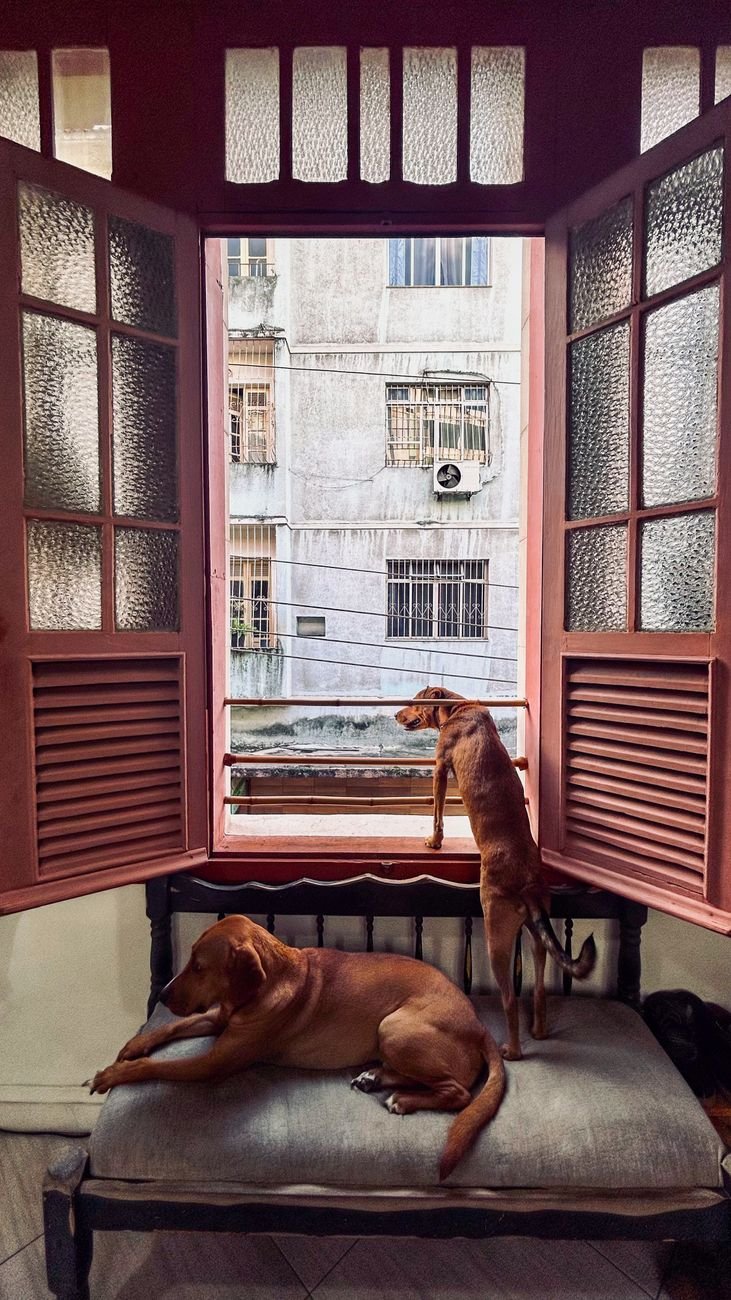
Many dogs love to watch the street. A window seat with a thick, washable cushion gives them a lookout and gives you extra storage underneath.
Skip this one if your dog barks at every passing jogger. A lookout can make that worse.
Dog spots by the door
The entryway is where muddy paws, leashes and excited greetings all happen. A little order here saves your floors.
6. An entryway dog station
Mount a row of hooks for leashes, harnesses and a towel. Add a small shelf or basket for poop bags, wipes and a lidded treat jar.
- Put a washable, non-slip mat right inside the door.
- Keep a paw towel on the lowest hook.
- Store the treat jar up high so your dog doesn’t help themselves.
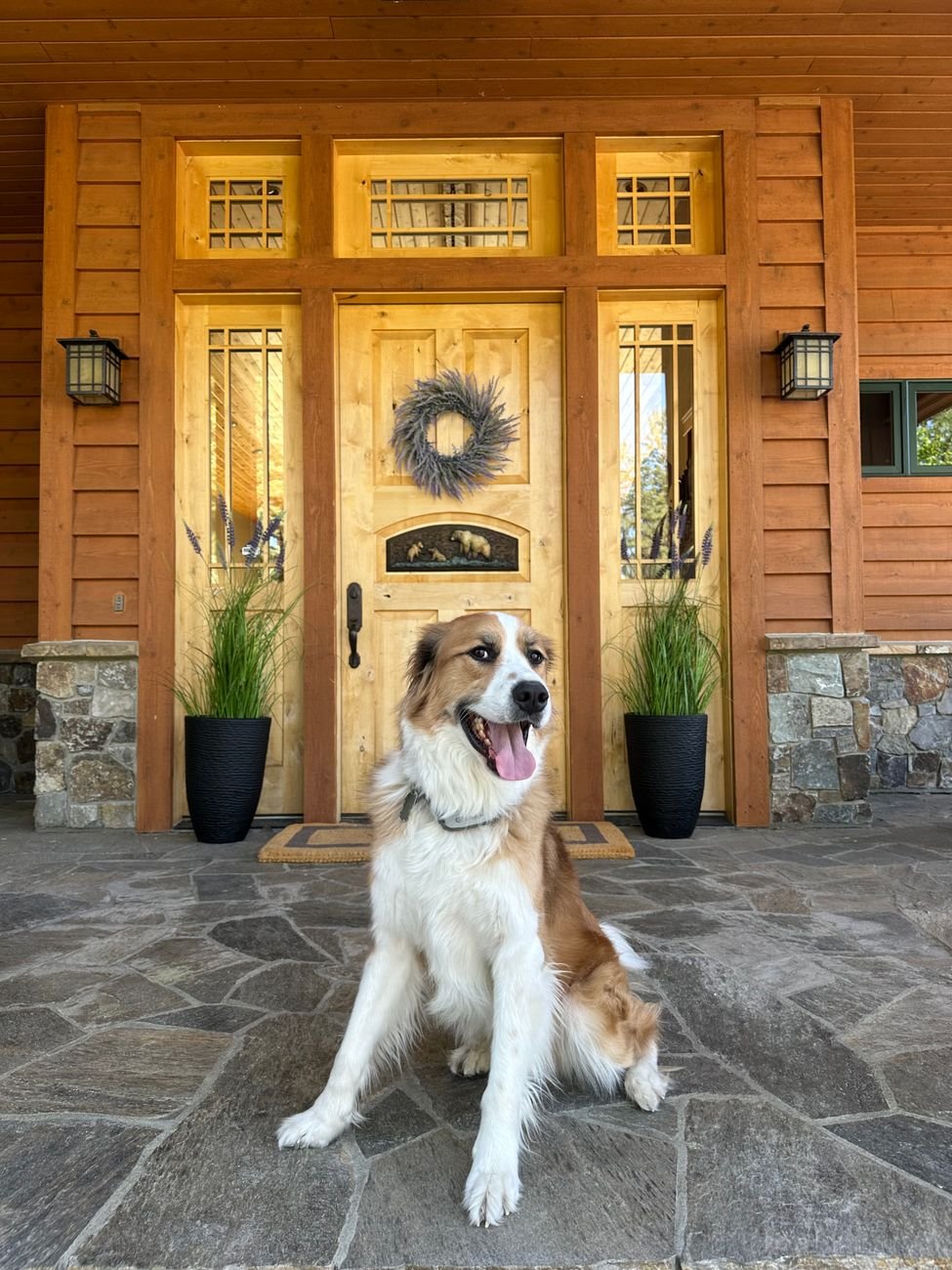
7. A mudroom wash spot
If you have a mudroom, a handheld shower head over a low tub or tray is a game changer after rainy walks. Even a big boot tray with a towel nearby helps.
8. A laundry room corner
Laundry rooms usually have washable floors, which makes them practical for a bed and bowls. Just store detergent pods and dryer sheets up high or behind a latched door, since both are dangerous if eaten.
Living spaces your dog will actually use
The best dog area is often right where you spend your evenings.
9. A living room corner
Put a bed in a corner where your dog can see the couch. Add a lidded basket for toys so they don’t migrate across the rug. Rotating a few toys keeps things fresh, and our indoor enrichment ideas help on rainy days.
10. A bedroom corner
Lots of dogs sleep better near their people. A bed on your side of the room, away from the door, is a happy compromise if you’d rather they stayed off yours.
11. An under-desk bed
Work from home? Slide a flat bed under your desk. Tuck chargers and cords into a cable box first, because a bored puppy will find them.
12. An end table crate
A wooden crate that doubles as a side table hides in plain sight. Look for good airflow on at least three sides, and size it so your dog can stand up and turn around.
Feeding and gear spots
13. A tidy feeding corner
Pick one spot for bowls and keep it there. A raised tray or a washable mat catches spills, and the food bin can sit nearby so meals take seconds.
- Set the water bowl on a mat, a few steps from the bed, so spills don’t soak it.
- Wash bowls daily, like your own dishes.
- Keep people food and the trash can out of reach.
14. A gear wall
Pegboard or a slim cabinet holds brushes, nail clippers, the first aid kit and spare collars. When everything has a hook, you stop buying a third brush.
A safe puppy zone
15. A gated puppy area
Puppies need a small, safe space for when you can’t watch them. A playpen or a baby gate across a kitchen doorway works well.
- Choose a room with an easy-to-clean floor.
- Add a crate or bed, water and a couple of safe chew toys.
- Remove anything they could chew, swallow or knock over.
Our puppy-proofing tips for new dog owners walk through the rest of the house.
Safety checks for any dog nook
A cute nook is only a good nook if it’s safe. Run through this quick list before your dog moves in.
- Airflow: enclosed spaces need an open side and no door that can latch behind your dog.
- Heat: keep beds away from radiators, space heaters and afternoon sun through glass.
- Cords and chemicals: nothing to chew within reach, including dryer sheets, batteries and medications.
- Stable furniture: anchor bookcases and cabinets to the wall so they can’t tip.
- Easy exit: your dog should be able to leave whenever they want.
Older dogs also need a low step in and good footing. A rug on slippery floors helps a lot.
Make the new spot feel like home
Dogs don’t always love a new spot right away. Help them out.
- Put an old T-shirt or their favorite blanket on the bed.
- Toss a treat there a few times a day.
- Give a chew or a stuffed toy only in that spot.
- Never use it as a punishment corner.
Give it a week or two. Most dogs start choosing it on their own.
Common questions
Where should a dog’s bed go in the house?
Near where the family spends time, out of the walkway, and away from heaters and drafty doors.
Is it OK to put a dog bed under the stairs?
Yes, if the space stays open and ventilated. Don’t add a door that could shut your dog in.
How do I make a dog area in a small apartment?
Use vertical space and furniture that doubles up, like a crate side table, a bookshelf nook or hooks by the door.
Should my dog have more than one spot?
Many dogs like two: one where you hang out during the day and one where they sleep at night.
Why won’t my dog use the new nook?
It may be too far from you, too warm or too busy. Move it closer to the family and reward them for using it.

Leave a Reply