

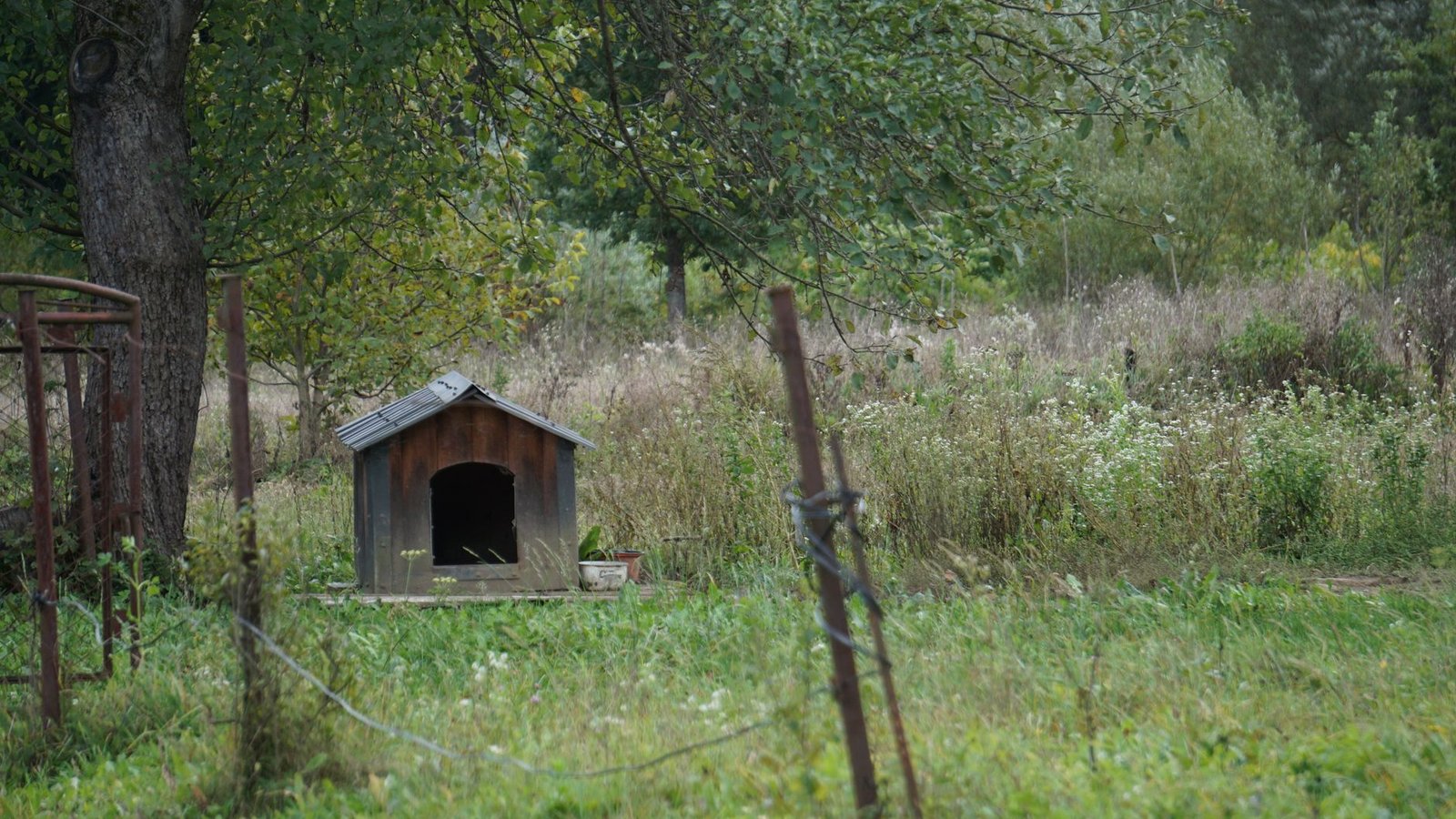
A good dog house is basically a tiny shed with one very opinionated tenant. Get the size wrong and your dog will lie next to it instead of in it.
This dog house DIY guide starts with sizing, because that’s where most builds go wrong. Then you’ll find six simple plans, from a toy-breed A-frame to a big shed-roof house for a Great Dane.
One honest note before we start: a dog house is a shelter for time outdoors, not a replacement for living inside with the family.
Measure your dog first
Bigger isn’t better here. In cold weather, a dog warms the space with body heat, so a house that’s too large stays chilly.
- Shoulder height: floor to the top of the shoulders while standing.
- Standing height: floor to the top of the head.
- Length: nose to the base of the tail.
Got a puppy? Build for the adult size and block off part of the inside with a removable panel until they grow.
Simple sizing rules
These rules of thumb work for most dogs. Adjust a little for very long or very stocky breeds.
- Works for puppies, adults, rescues and seniors
- One page per problem, step by step
- Printable PDF, free
- Door height: about three quarters of shoulder height. Dogs duck in happily.
- Door width: a little wider than the widest part of the chest.
- Inside height: roughly 25% taller than standing height.
- Inside floor: long and wide enough to turn around and lie flat, about 25% more than nose-to-tail length each way.
If your measurements land between two sizes, go with the smaller one for a winter house and the bigger one for a shade house.
Materials that are safe and last
Dogs chew, lick and sleep on every surface of their house, so material choice matters more than looks.
- Frame: untreated pine, fir or cedar 2x2s or 2x4s.
- Walls and floor: exterior-grade plywood, sealed on the outside.
- Roof: plywood topped with asphalt shingles or a metal panel.
- Finish: exterior paint or sealer on the outside only, fully cured before your dog moves in.
- Fasteners: exterior screws, sunk below the surface.
Skip pressure-treated lumber anywhere your dog can chew. If you use pallets, only use ones stamped “HT” (heat treated), never “MB”, which means chemically treated.
Plan 1: the small A-frame
Perfect for toy and small breeds, and the easiest build on this list.
- Cut a plywood floor to size and screw it onto a frame of 2x2s so it sits off the ground.
- Cut two triangle panels for the front and back. Cut the door into the front one.
- Screw the triangles to the floor frame, then join them at the top with a 2×2 ridge.
- Screw two plywood roof panels onto the triangles. The roof is also the walls.
- Add shingles, round every edge with sandpaper, and you’re done.
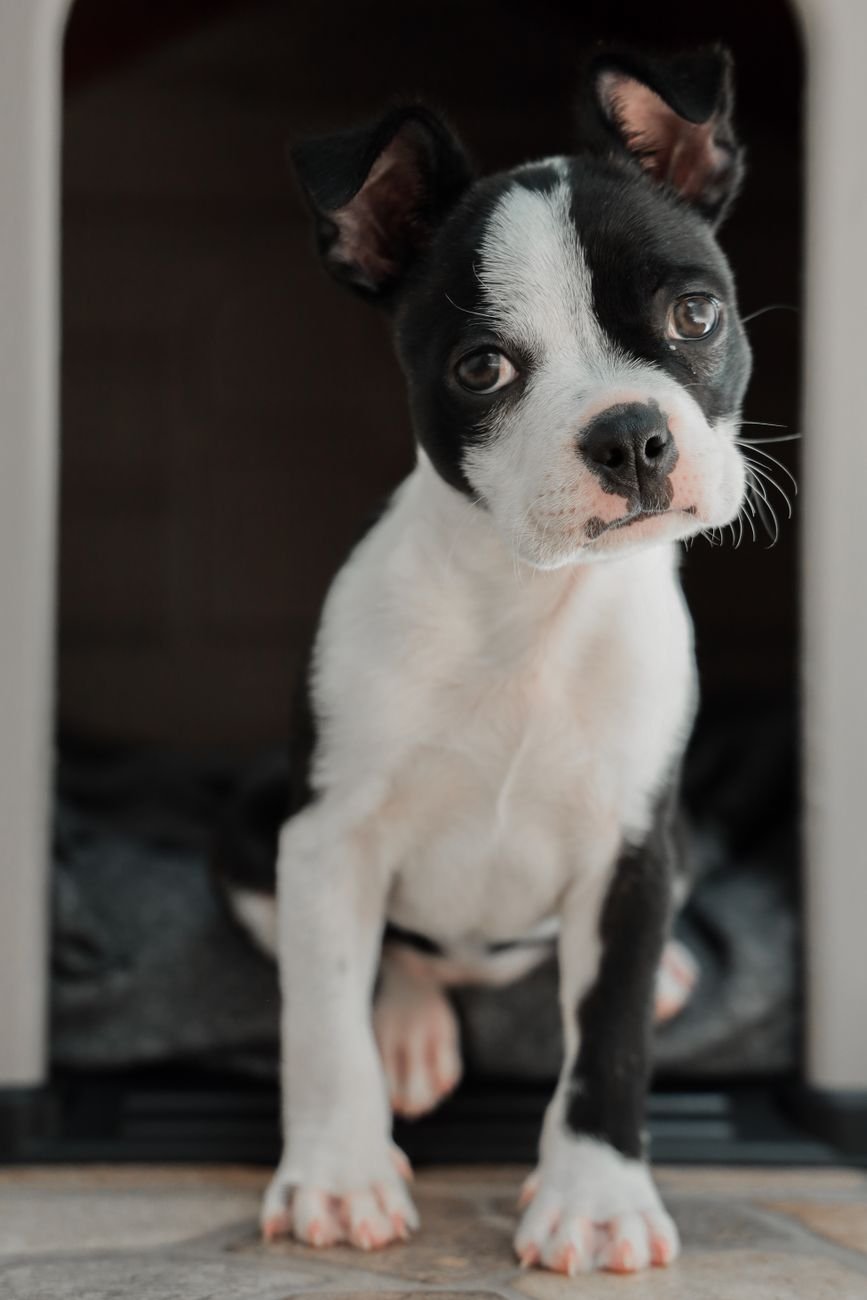
Plan 2: the classic gable house
This is the dog house everyone pictures. It suits most medium dogs, like Beagles, Border Collies and Cocker Spaniels.
- Build a raised floor frame from 2x4s, about 4 inches off the ground.
- Frame four short walls, then add a pitched roof frame on top.
- Skin it with plywood and cut the door near one corner, not dead center. Your dog can curl up out of the wind.
- Hinge one roof panel so you can open it for cleaning. Trust us, you’ll thank yourself.
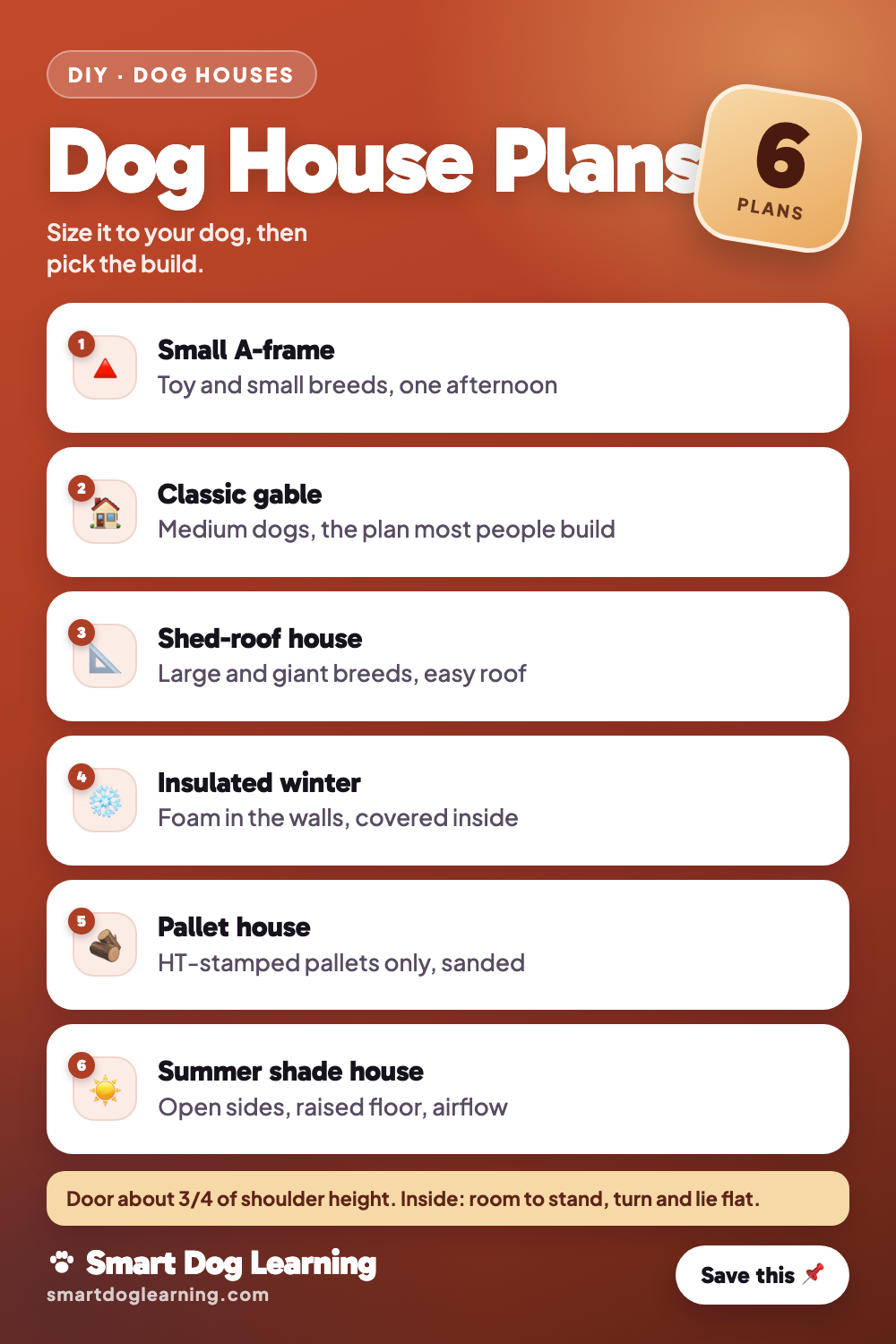
Plan 3: the shed-roof house for big dogs
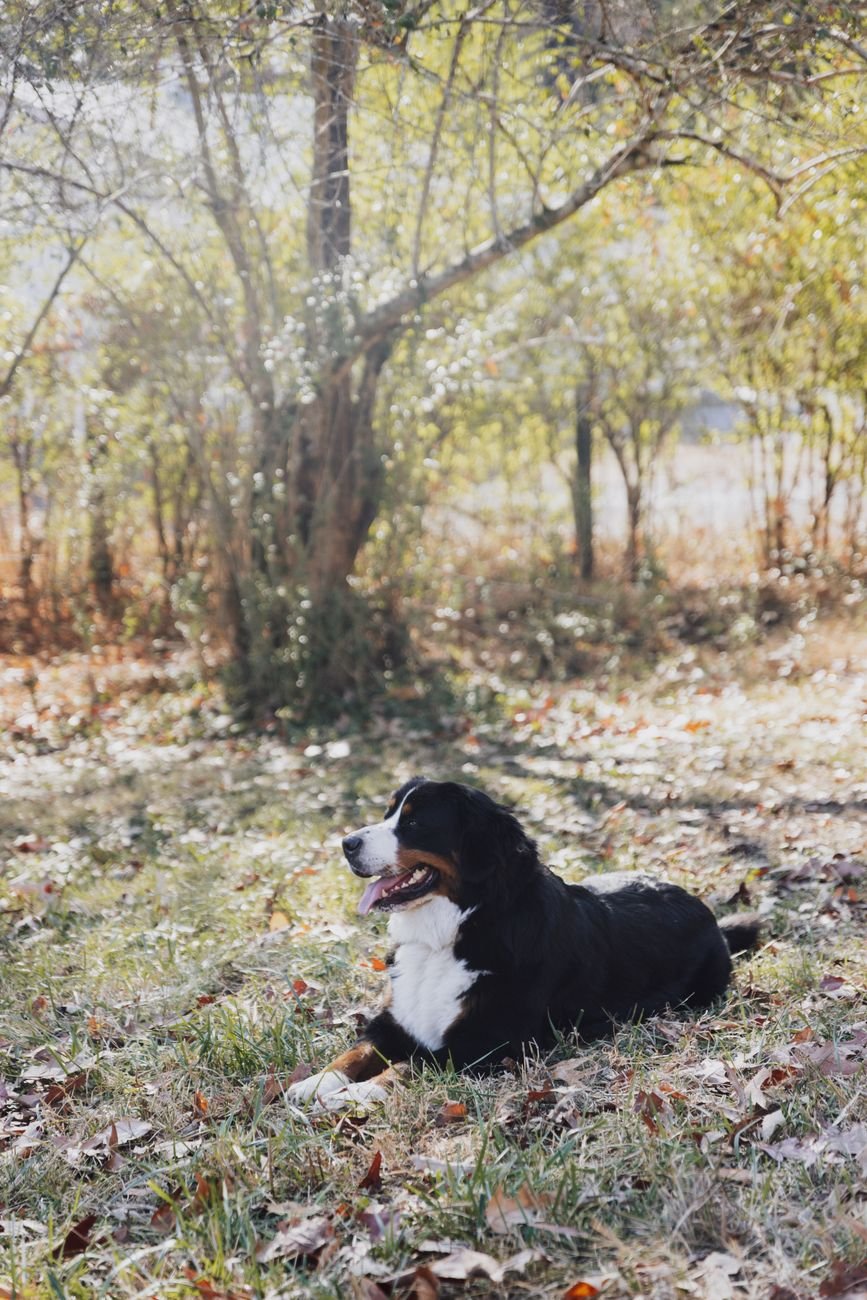
For Labs, Shepherds and giant breeds, a single sloped roof is far easier to build than a peaked one.
- Make the front wall taller than the back so rain runs off behind the house.
- Use 2×4 framing throughout. A big dog leaning on a wall puts real force on it.
- Let the roof overhang the door by a few inches to keep rain out.
- Add a wide door and a low threshold so stiff joints can step in easily.
Living with a large breed? These tips for owners of large dogs cover a lot more than housing.
Plan 4: the insulated winter house
Take the gable or shed-roof plan and add a few upgrades for cold climates.
- Rigid foam board between the wall studs and under the floor.
- Cover the foam completely with an inside layer of plywood. Dogs will chew exposed foam, and it can cause a blockage.
- A flexible door flap made from heavy vinyl strips to block wind.
- Straw bedding rather than blankets. Straw stays drier, while blankets soak up moisture and freeze.
Skip heaters with cords your dog can reach. And on truly bitter nights, bring your dog inside. No dog house makes extreme cold safe.

Plan 5: the pallet house
Cheap and rustic, but it needs care. Two or three HT-stamped pallets can become walls and a floor.
- Pull any loose nails and sand every surface smooth.
- Fill the gaps with plywood panels so wind and rain stay out.
- Add a proper plywood roof with an overhang.
- Check it monthly for splinters and popped nails.
Plan 6: the summer shade house
In hot weather, airflow matters more than walls.
- Build a raised slatted floor so air moves underneath.
- Use a solid roof with a wide overhang and leave two or three sides open.
- Paint the roof a light color so it reflects heat.
- Place it where it gets afternoon shade, with fresh water nearby.
Shade helps, but it can’t make a heat wave safe. Watch for heavy panting and bring your dog indoors when it’s very hot.
Finishing touches that matter
These small details turn a box into a place your dog actually uses.
- A raised floor on every plan, to keep out damp and cold.
- Vent holes high under the roof, so moisture escapes.
- A removable or hinged roof for cleaning.
- A washable mat inside for fair weather. Our DIY dog bed ideas include a few that fit.
Where to put the dog house
- Face the door away from the wind that usually blows through your yard.
- Choose a level spot that doesn’t puddle after rain.
- Keep it close to where your family spends time. Dogs want to see you.
- Keep it away from the fence, so it can’t become a launch pad.
Common questions
How big should a dog house be?
Big enough to stand, turn around and lie flat, but not much bigger. A snug house stays warmer in winter.
What wood is safe for a dog house?
Untreated pine, fir or cedar for the frame and exterior-grade plywood for the panels. Avoid pressure-treated wood where your dog can chew.
Should the door be in the middle?
Off to one side works better. Your dog can curl up in the corner away from the wind.
What bedding is best in winter?
Straw is a common choice because it stays drier than blankets. Change it when it gets damp or dirty.
Can my dog live outside full time in a dog house?
Dogs do best living indoors with their people. Use the house for shelter during outdoor time, and bring them in during extreme weather.




Leave a Reply