

Most cleaning schedules fall apart by Thursday. They’re written for someone with no job, no kids and no muddy dog.
This cleaning schedule is the opposite. A few small jobs every day, one weekly reset and a short monthly list. Miss a day and nothing collapses.
Why a schedule beats a big weekend clean
A once-a-week marathon clean is exhausting, and you lose the whole Saturday. Spreading jobs out keeps the house at “fine” all the time.
- Small jobs stay small. A wiped counter takes a minute. A week-old one takes ten.
- You stop deciding. The list tells you what’s next.
- Guests stop being a panic. The house is never far from presentable.
If your house is a mess right now
Don’t start the schedule on top of a pile. Give yourself one catch-up session first, then let the lists keep it there.
- Grab a trash bag and a laundry basket and do a fast lap of every room.
- Tackle the kitchen first. A clean kitchen makes the whole house feel better.
- Stop after two hours, even if you’re not done. Burnout is the real enemy here.
From tomorrow, you only follow the daily list. The rest catches up over a couple of weeks.
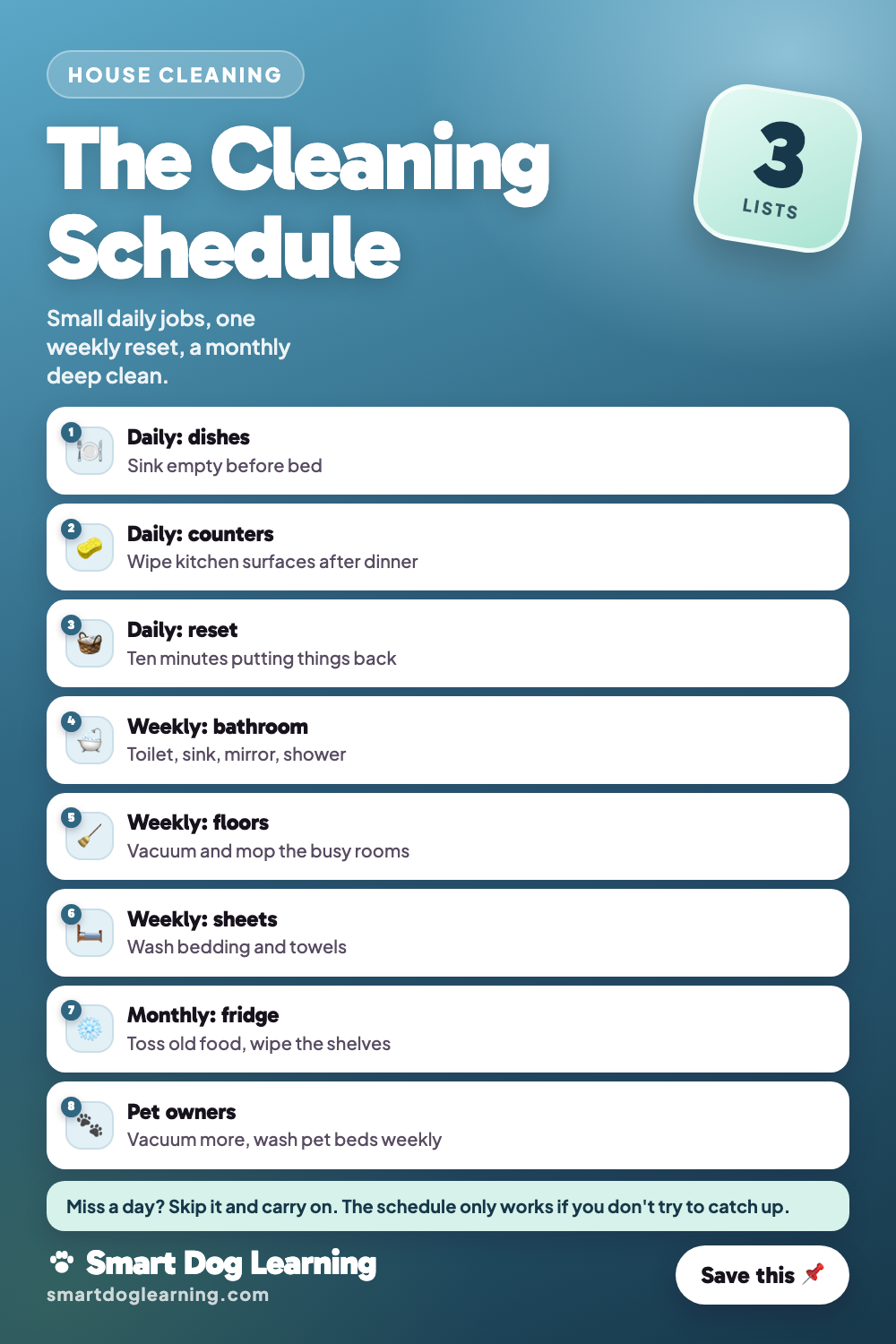
The daily list (about 20 minutes)
These are the jobs that keep mess from building. Split them across the day if that’s easier.
- A never-mix chart: the cleaner combinations that make toxic fumes
- A surface guide: what not to use on stone, wood, cast iron and more
- 5 starter cleaners and a shopping list
- Make the bed. Two minutes and the bedroom looks done.
- Do the dishes or run the dishwasher. Aim for an empty sink before bed.
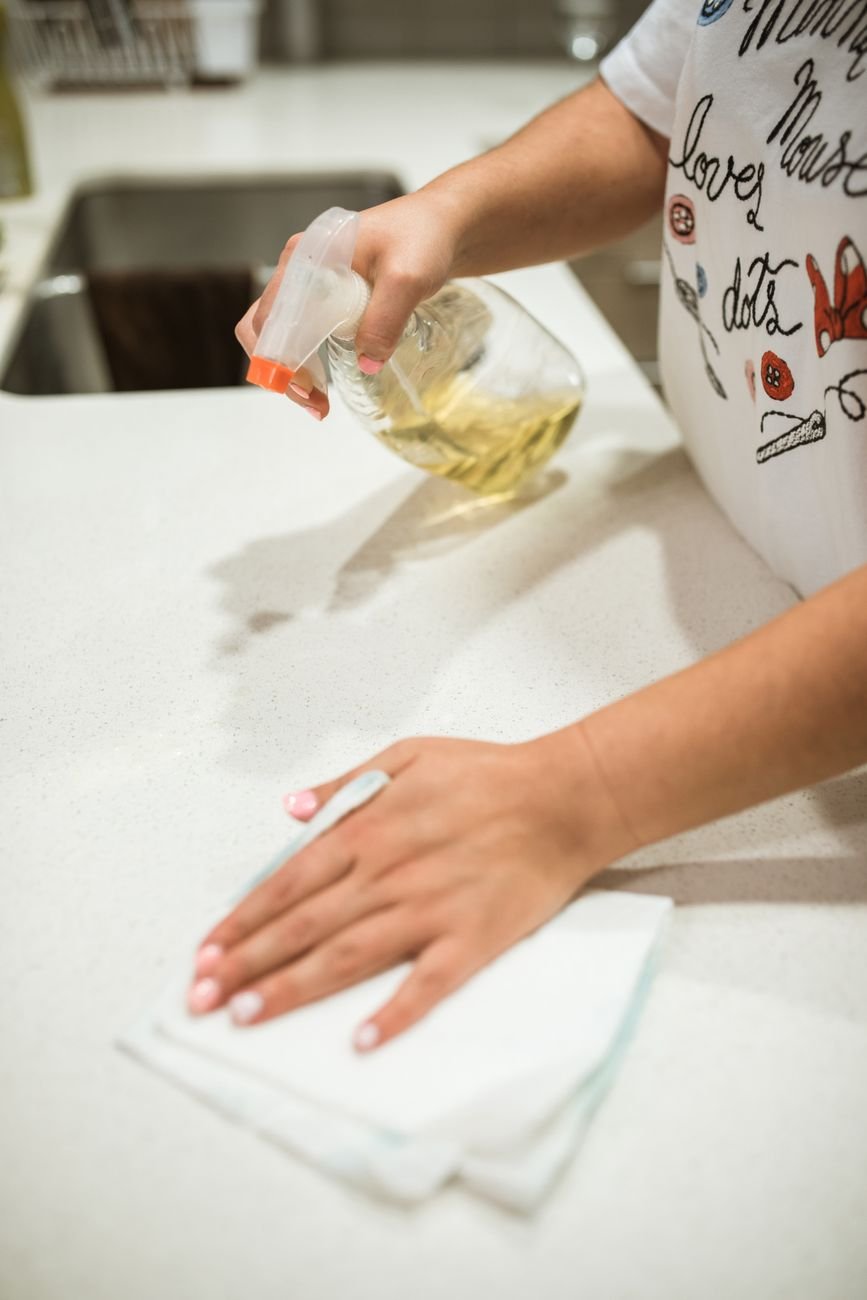
- Wipe the kitchen counters and stovetop after dinner.
- Quick sweep of the kitchen floor, or a spot clean with a stick vacuum.
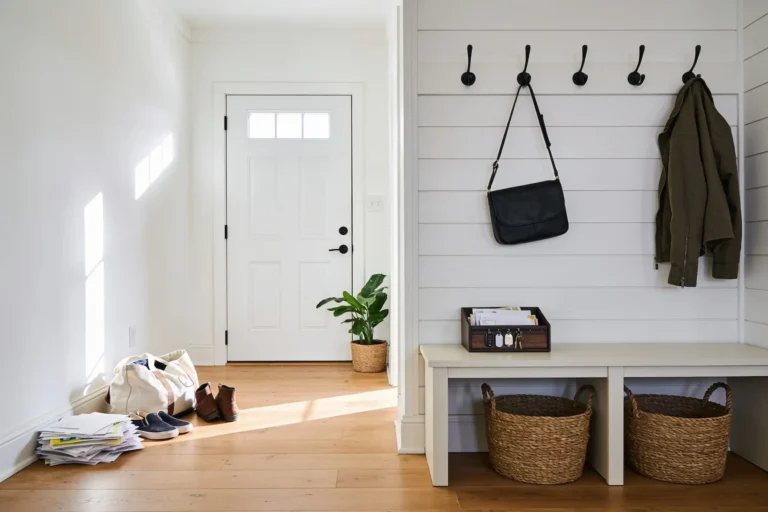
- Ten-minute reset. Put things back where they live: shoes, mail, cups, toys.
- Sort the mail as it comes in. Recycle the junk right away.
That’s it. If you only manage the dishes and the reset, you’re still ahead.
The weekly list (about 1 to 2 hours)
Do these all in one go, or spread them across the week.
- Clean the bathroom: toilet, sink, mirror, shower or tub.
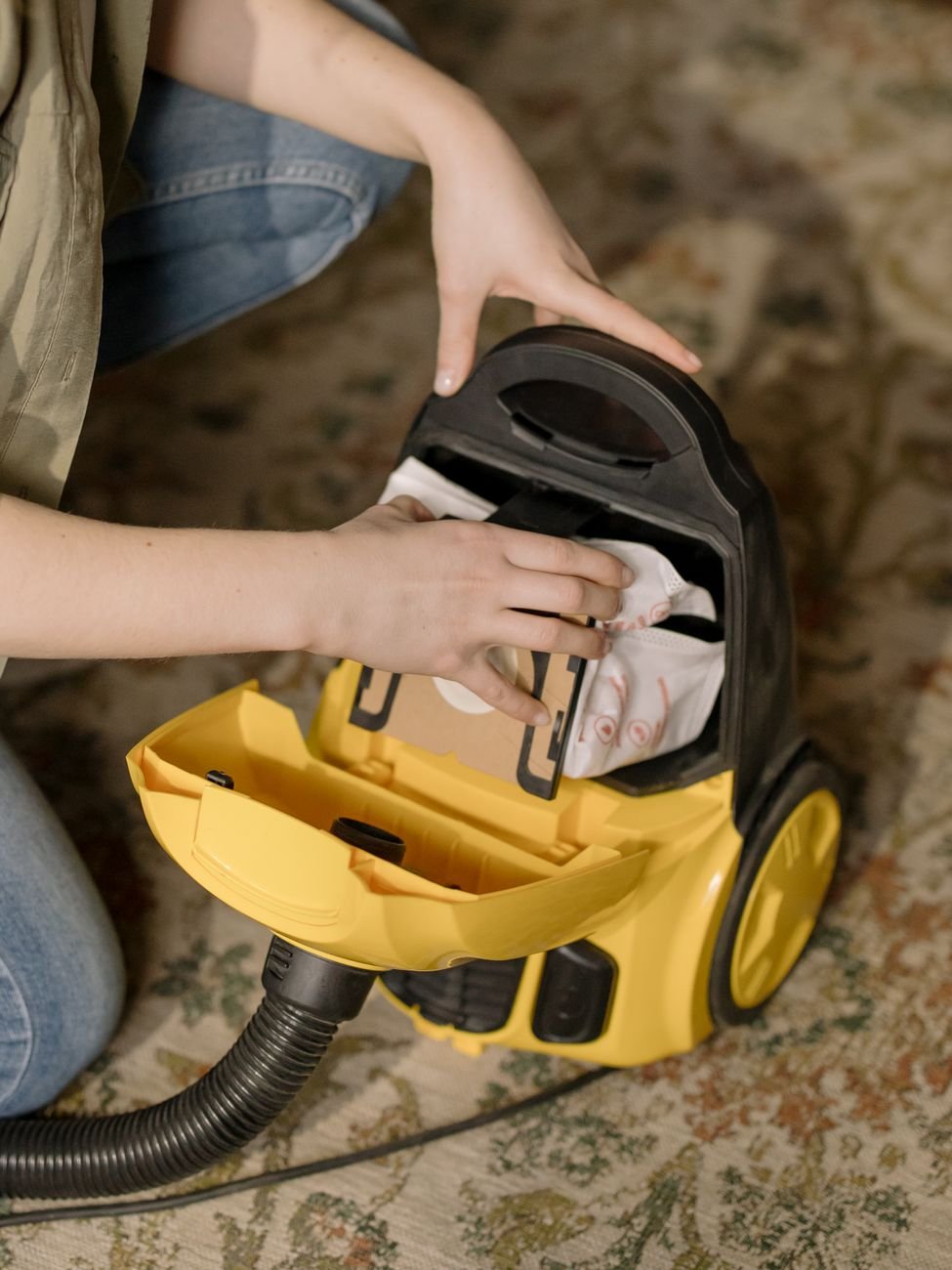
- Vacuum carpets and rugs in the rooms you use most.
- Mop the kitchen and bathroom floors.
- Dust surfaces you can see: tables, shelves, the TV stand.
- Change the sheets and wash towels.
- Take out trash and recycling, and wipe the inside of the trash can lid.
- Clear out the fridge of leftovers before grocery day.
A sample week
If one long session doesn’t work for you, give each day one job. It’s about 15 to 20 minutes on top of the daily list.
- Monday: bathrooms
- Tuesday: dusting
- Wednesday: vacuuming
- Thursday: mopping
- Friday: fridge clean-out and trash
- Saturday: sheets and towels
- Sunday: nothing. Really.
Move things around to fit your week. The day doesn’t matter, the rhythm does.
The monthly list
These jobs don’t need doing often, but they make the house feel deeply clean. Pick one or two each weekend.
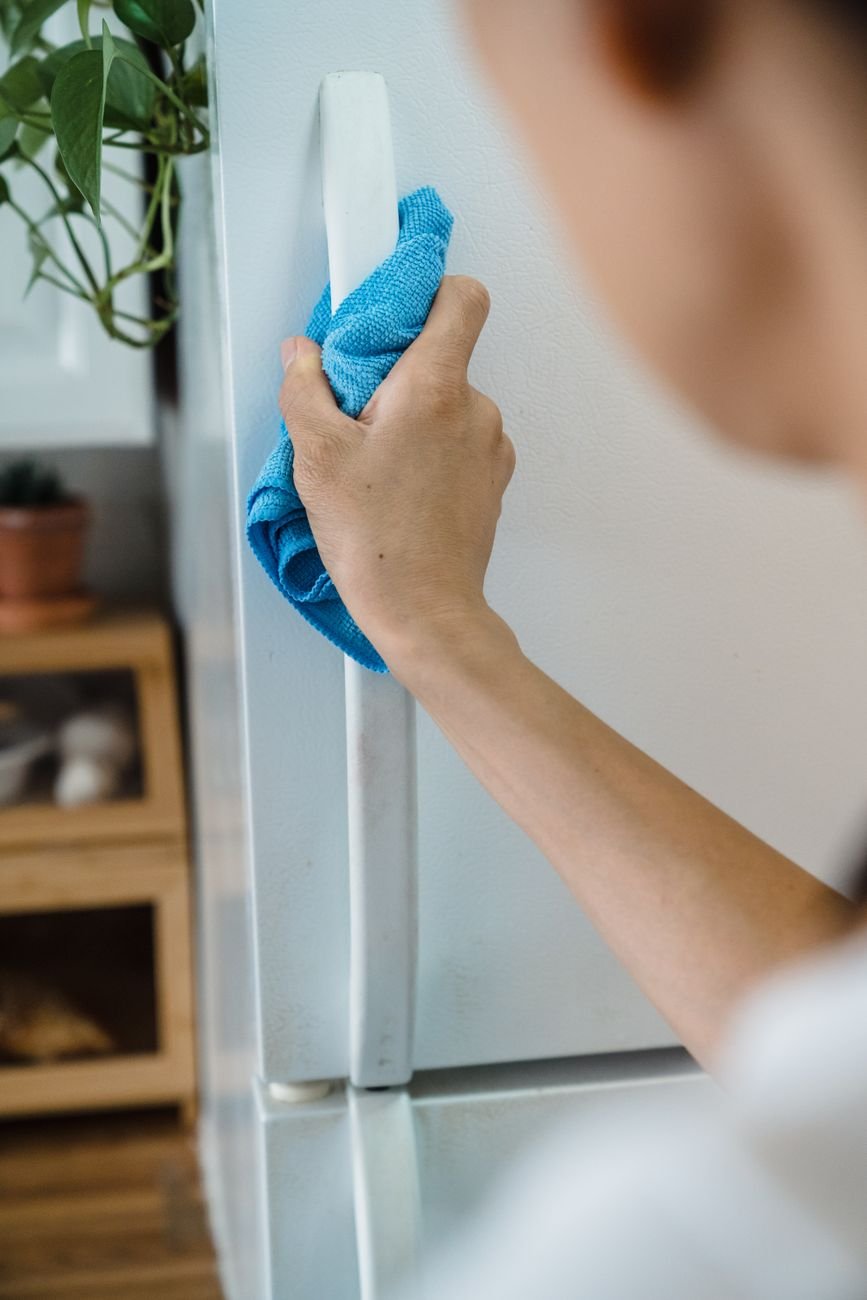
- Wipe the inside of the microwave and fridge.
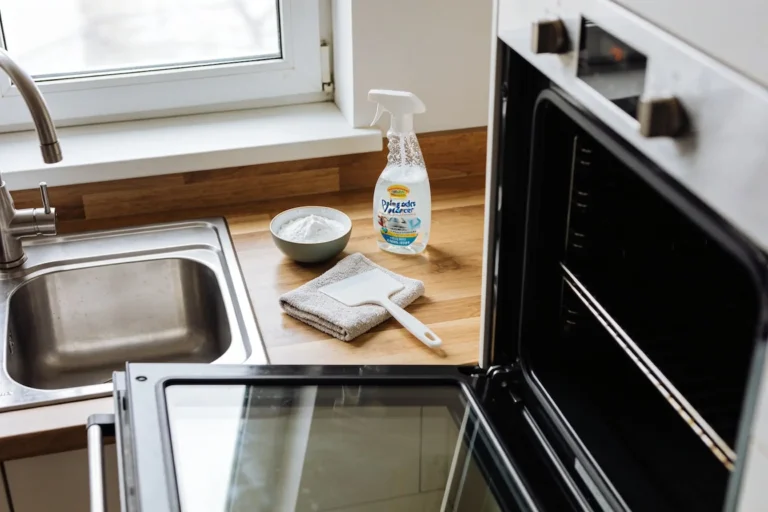
- Clean the oven door and stovetop knobs.
- Wash throw blankets and pillow covers.
- Dust baseboards, light switches and door handles.
- Vacuum under furniture and sofa cushions.
- Clean the washing machine and dishwasher filters.
- Wipe windowsills and the inside of windows.
Seasonal jobs (a few times a year)
Put these on your calendar for spring and fall.
- Wash windows inside and out.
- Rotate the mattress (flip it only if it’s two-sided).
- Clean behind the fridge and stove.
- Wash curtains and vacuum blinds.
- Declutter closets, cupboards and the garage.
- Replace HVAC filters and test smoke detectors.

How to make it stick
The schedule is the easy part. Doing it is harder. A few tricks help.
- Attach jobs to habits. Wipe the counters while the kettle boils. Clean the bathroom sink after brushing your teeth.
- Use a timer. Fifteen minutes feels doable. “Clean the house” doesn’t.
- Keep supplies where you use them. A spray and cloth under each sink saves trips. A simple DIY all-purpose cleaner covers most rooms.
- Don’t catch up. Missed Tuesday? Skip it and do Wednesday.
There are more shortcuts in these household chores hacks.
Keep a cleaning caddy
Half the battle is not having to hunt for supplies. A simple caddy you can carry from room to room makes every job faster.
- An all-purpose spray and a glass cleaner
- Four or five microfiber cloths
- A scrub brush and an old toothbrush for corners
- Rubber gloves
- Small trash bags
- A toilet brush stays in each bathroom, not in the caddy
Wash the cloths with your towels each week and you’ll never run out.
Never mix cleaning products. Bleach plus vinegar, ammonia or other acidic cleaners gives off toxic fumes. Use one product, rinse, then switch.
Sharing the work
One person shouldn’t carry the whole list. Split it up.
- Divide by room, not task. One person owns the bathroom.
- Kids can make beds, empty small trash cans and feed the dog.
- Rotate the jobs nobody wants every month.
A tip for pet owners
Dogs and cats add a whole layer of mess, so bump a few jobs up the list.
- Vacuum high-traffic areas every other day during shedding season.
- Wash food and water bowls daily, the same as your own dishes.
- Wash pet beds and blankets weekly. They hold hair, dander and smell.
- Keep a towel by the door for wet or muddy paws.
- Scoop litter boxes daily and do a full litter change every one to four weeks, depending on the litter.
Use pet-safe cleaners and let floors dry before your pet walks on them. Store all products where curious noses can’t reach.

Common questions
How long should cleaning take each day?
About 15 to 20 minutes covers the daily list. Weekly jobs add an hour or two.
What should I clean every day?
Dishes, kitchen counters, a quick floor sweep and a short reset. Those keep the house from slipping.
How often should I clean the bathroom?
Once a week for a full clean. A quick wipe of the sink and toilet midweek helps a lot.
How do I clean when I work full time?
Do the daily list in short bursts and pick one weekly job per evening. Keep weekends mostly free.
How often should I wash my dog’s bed?
Weekly is a good rule, and more often if your dog sheds heavily or has allergies.

Leave a Reply