
DIY Washing Machine Cleaner To Remove Odors And Buildup
Your washer should smell like fresh laundry, not a damp gym bag. If you catch a whiff of funk or notice gray gunk around the gasket, your machine needs a reset. Good news: you don’t need fancy tabs or a service call. You can nuke odors and slime with pantry staples and a little elbow grease—no hazmat suit required.
Why Your Washing Machine Smells (And How To Fix It)
Front loaders, top loaders—both can trap moisture, lint, and detergent residue. Add fabric softener, and you’ve basically made scented sludge. That buildup feeds mildew, which creates that “why does my clean laundry stink?” aroma. We’ll break it up, flush it out, and keep it from coming back. Simple, cheap, and very satisfying.
The Core Recipe: A Two-Stage Deep Clean
What you’ll need:
- White distilled vinegar (4–6 cups total)
- Baking soda (1 cup)
- Dish soap (a few drops)
- Microfiber cloths and an old toothbrush
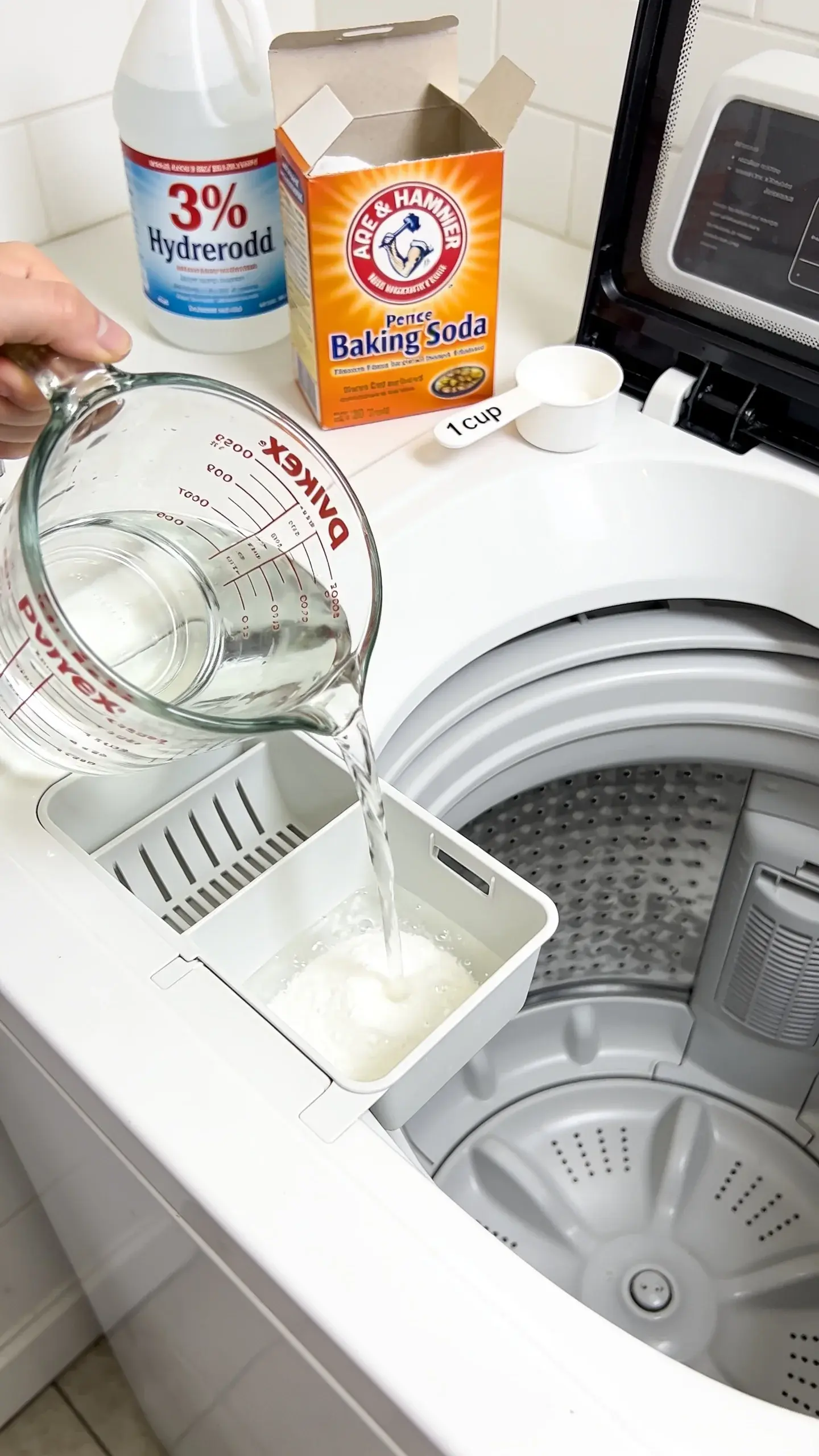
- Optional: 3% hydrogen peroxide for stubborn mold spots
Stage 1: The Interior Flush
- Set the washer to the hottest, longest cycle. No clothes, obviously.
- Add 4 cups of white vinegar directly to the drum. For huge machines, go up to 6 cups.
- Run the cycle. The vinegar dissolves mineral deposits and zaps odor-causing bacteria.
Stage 2: The Detergent Drawer + Gasket Spa
- While the cycle runs, remove the detergent drawer. Soak it in hot water with 1 cup vinegar and a few drops of dish soap. Scrub crevices with a toothbrush.
- Wipe the rubber door gasket (front loaders) or rim (top loaders). Pull back folds and remove lint coins hair—yes, the mystery fluff lives there.
- If you spot mildew, dab with hydrogen peroxide. Let it sit 3–5 minutes, then wipe clean. FYI: Avoid mixing peroxide and vinegar directly.
Stage 3: The Baking Soda Polish
- Sprinkle 1 cup of baking soda into the drum.
- Run another hot cycle. Baking soda neutralizes lingering odors and softens mineral film.
Quick Note On HE Machines
Use the drum for vinegar and baking soda; skip the dispenser. Run the hottest “clean washer” or “sanitize” cycle if available. IMO, that cycle earns its keep here.
Targeted TLC: Nooks You Can’t Ignore
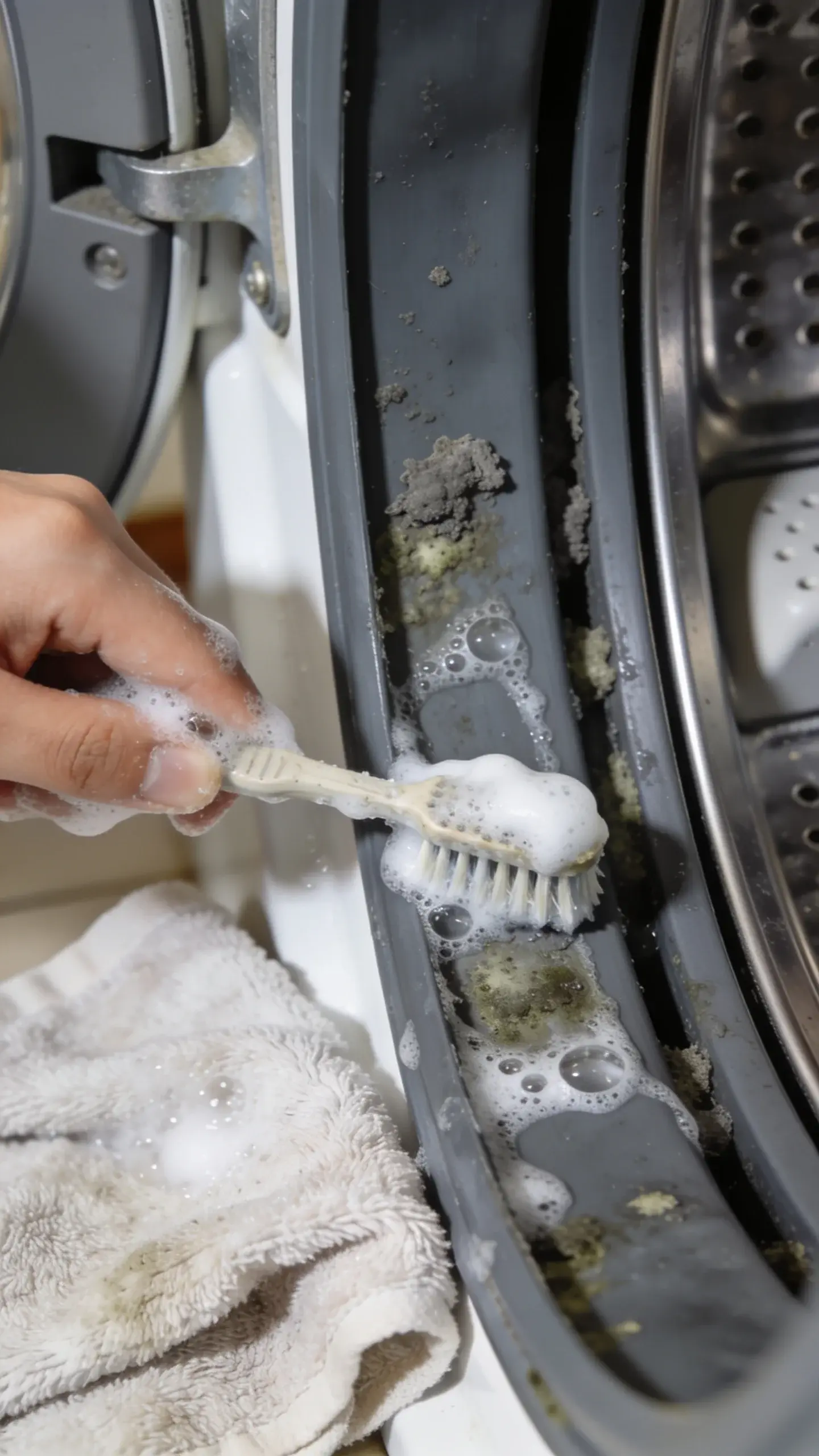
- Filter/Drain Pump (front loaders): Pop the access panel at the bottom front. Place a tray and towel, then twist out the cap—water will gush. Clean coins, buttons, and lint goblins. Reinstall.
- Top Loader Agitator: If removable, lift and rinse under hot water. Scrub with dish soap and a toothbrush.
- Door And Seals: Wipe with a 1:1 vinegar-water mix. Dry completely to starve mildew.
- Hoses: If you see visible crud or the machine fills slow, consider a professional check. Mineral clog city is real.
What About The Dispenser Lines?
Run a hot water cycle with 2 cups vinegar in the dispenser to flush the internal channels. Then follow with a plain hot rinse. Don’t put baking soda in the dispenser—it cakes.
Maintenance Routine: Keep The Funk Away
After Every Load:
- Leave the door and detergent drawer cracked open. Airflow = no swamp vibes.
- Wipe the gasket/rim quickly with a dry cloth.
Weekly:
- Clean the dispenser drawer and the groove it slides into.
- Run a quick hot rinse if you washed towels or gym clothes (they shed bacteria and detergent sludge).
Monthly:
- Do the vinegar-and-baking-soda two-stage clean.
- Check and empty the drain pump filter (front loaders). A 5-minute habit that saves headaches.
Detergent Strategy That Actually Helps
Use half the detergent you think you need—HE machines need way less. Skip liquid fabric softener; it’s basically scented glue. Use white vinegar (1/4 cup) in the softener slot instead—freshens without residue. Dryer sheets? Fun smell, but they can transfer waxes that boomerang back as buildup. Your call, but FYI, less is more.
Natural Cleaners That Pull Their Weight
- White Vinegar: Dissolves mineral scale and fights odors. Safe for stainless drums and most plastics.
- Baking Soda: Mild abrasive, raises pH, and deodorizes without scratching.
- Hydrogen Peroxide (3%): Great spot treatment for moldy gaskets and the drawer cavity.
- Lemon Juice: Works in a pinch for mineral stains, but avoid on rubber if you go heavy—citrus oils can dry it out.
What To Avoid
- Undiluted bleach with vinegar: Never mix. If you use bleach, rinse thoroughly before introducing vinegar.
- Coarse powders: They can scratch the drum or glass.
- Boiling water: Too hot may warp plastics and seals. Stick with the machine’s hottest cycle.
Stubborn Odors: The Nuclear Option (Still DIY)
If the smell laughs at your first attempt, double down:
- Run a hot cycle with 1 cup hydrogen peroxide in the drum.
- Pause mid-cycle for 30 minutes to let it soak, then finish.
- Follow with the baking soda cycle.
Still funky? Remove the back panel and clean the drain hose trap if you’re handy. Otherwise, a tech visit might uncover a hidden sock fortress. It happens.
Top Loader vs. Front Loader: Any Differences?
Top Loaders:
- Scrub the rim, lid underside, and agitator cavity—they collect soap scum.
- Use vinegar in the drum, not the dispenser if it drains too fast.
Front Loaders:
- Gasket is ground zero—clean and dry it religiously.
- Don’t ignore the drain pump filter. It’s the usual odor culprit, IMO.
Smarter Habits For Cleaner Washes
- Wash hot at least once a week (towels/sheets) to keep biofilm at bay.
- Pre-dissolve powdered detergent in warm water if you love powder. No clumps = less residue.
- Don’t overload. Clothes need water circulation, not a sardine can experience.
- Use a rinse-and-spin after heavily soiled loads. Quick, easy insurance.
FAQ
Can I use bleach instead of vinegar?
Yes, but not together. If you choose bleach, add 1/2 cup to the drum and run the hottest cycle. Then run an empty hot rinse to clear residue. Next time, rotate back to vinegar. Variety wins and keeps seals happier.
Is vinegar safe for rubber gaskets and hoses?
In normal cleaning amounts, yes. Don’t soak rubber parts in straight vinegar for hours, and you’re fine. Wipe, rinse, and dry—no drama.
How often should I deep clean the washer?
Monthly for most homes. If you wash daily, have pets, or love liquid softener (no judgment), every 2–3 weeks helps. Your nose will tell you when it’s time.
Why does my laundry still smell after cleaning the machine?
Check the drain pump filter, use less detergent, and run a hot load weekly. Also, dry the gasket and leave the door open. If the odor persists, a clogged drain hose or vent may need attention.
Can I add essential oils for scent?
Sure, but sparingly—3–5 drops in the drum during the baking soda cycle. Too much oil equals residue, which defeats the purpose. Clean first, scent second.
What if I have hard water?
Scale builds faster. Use vinegar monthly, consider a water softener, or add a tablespoon of washing soda to hot towel loads. It boosts cleaning and reduces film.
Conclusion
Your washing machine doesn’t need expensive tabs or a lecture—it just needs consistency. Hit it with vinegar, follow with baking soda, scrub the gunk traps, and keep the door cracked. Do that, and your laundry smells clean, your machine lasts longer, and your future self high-fives you. Easy wins, IMO.

I’ve spent 10+ years in dog training, digging into what makes dogs (and their humans) tick. At Smart Dog Learning, I share my no-nonsense, fun approach to training so you can enjoy life with a well-behaved, happy pup—no boring lectures, just practical results 😉