7 Cleaning Mistakes That Make Your Home Dirtier
You scrub, spray, and swipe—then wonder why the place still feels grimy. Been there. The truth? A few common habits quietly push dirt around instead of kicking it out. Let’s call them out and trade them for smarter moves that actually make your home feel clean-clean, not just “lemon-scented.”
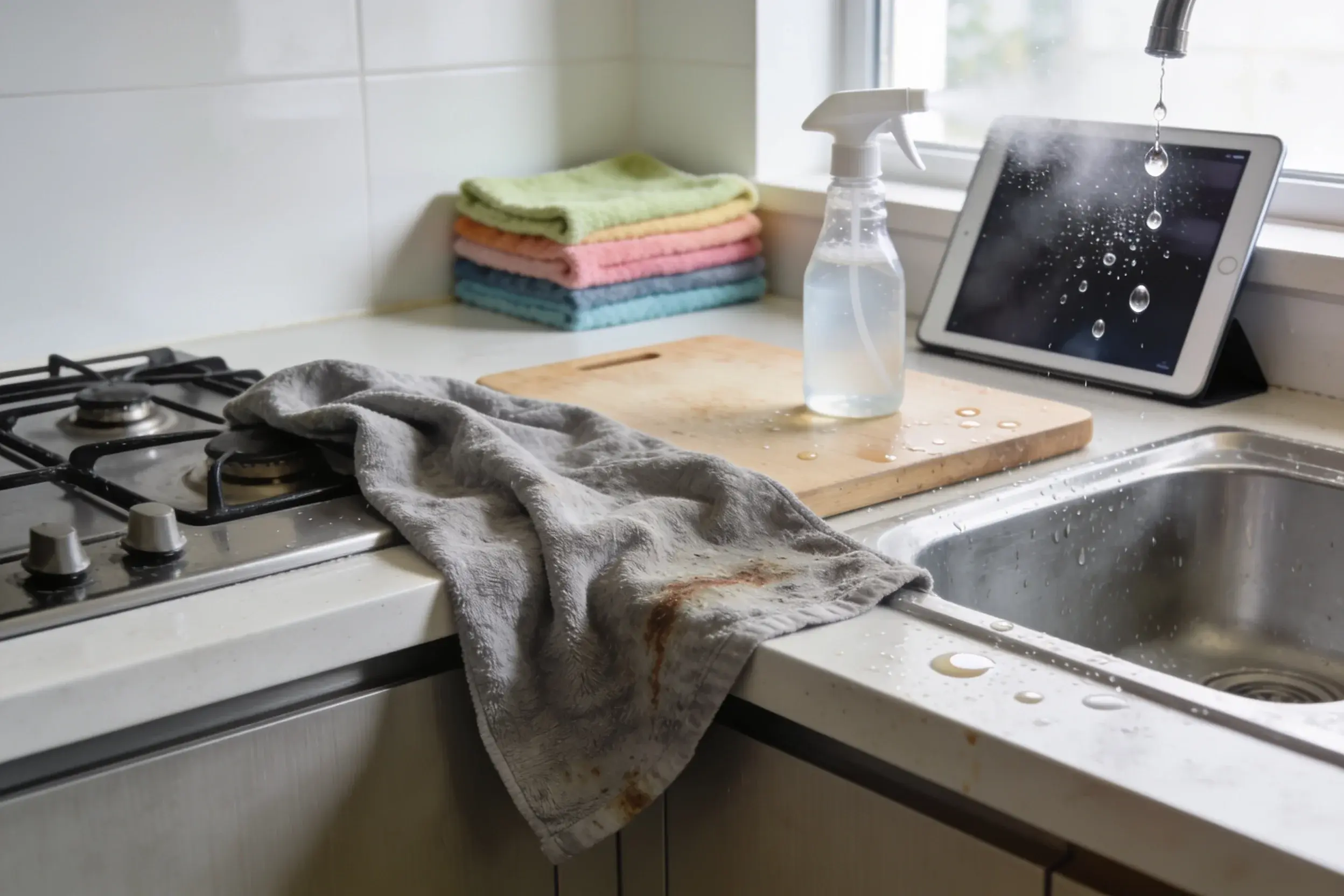
1) Using One Cloth For Everything
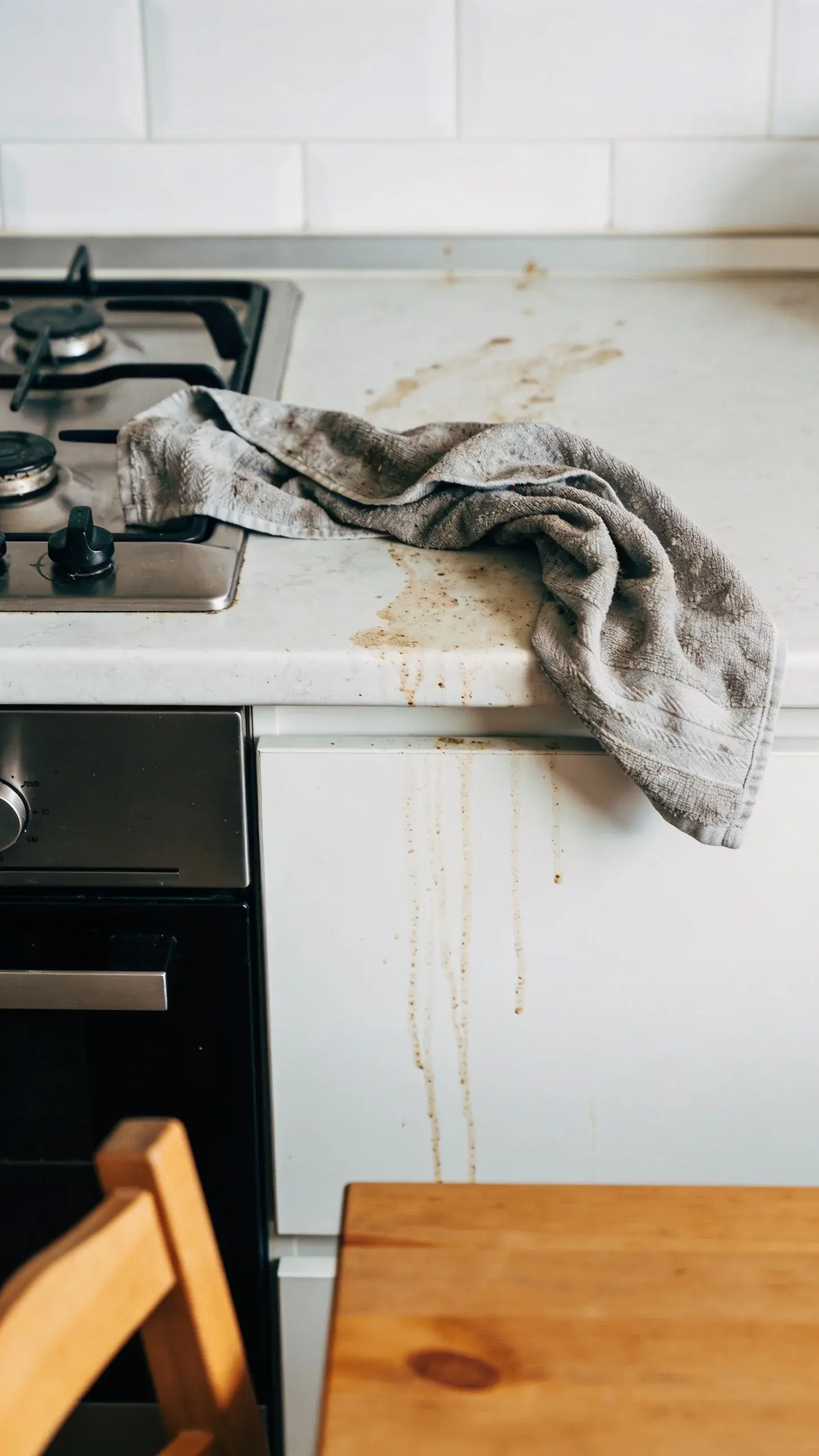
You wipe the counters, then hit the stove, then the dining table with the same rag. Congrats—you just gave your bacteria a grand tour. Cross-contamination doesn’t just look gross; it actually spreads germs where you eat, cook, and relax.
Fix It
- Color-code cloths: One color for bathroom, one for kitchen counters, one for appliances. Easy brain trick.
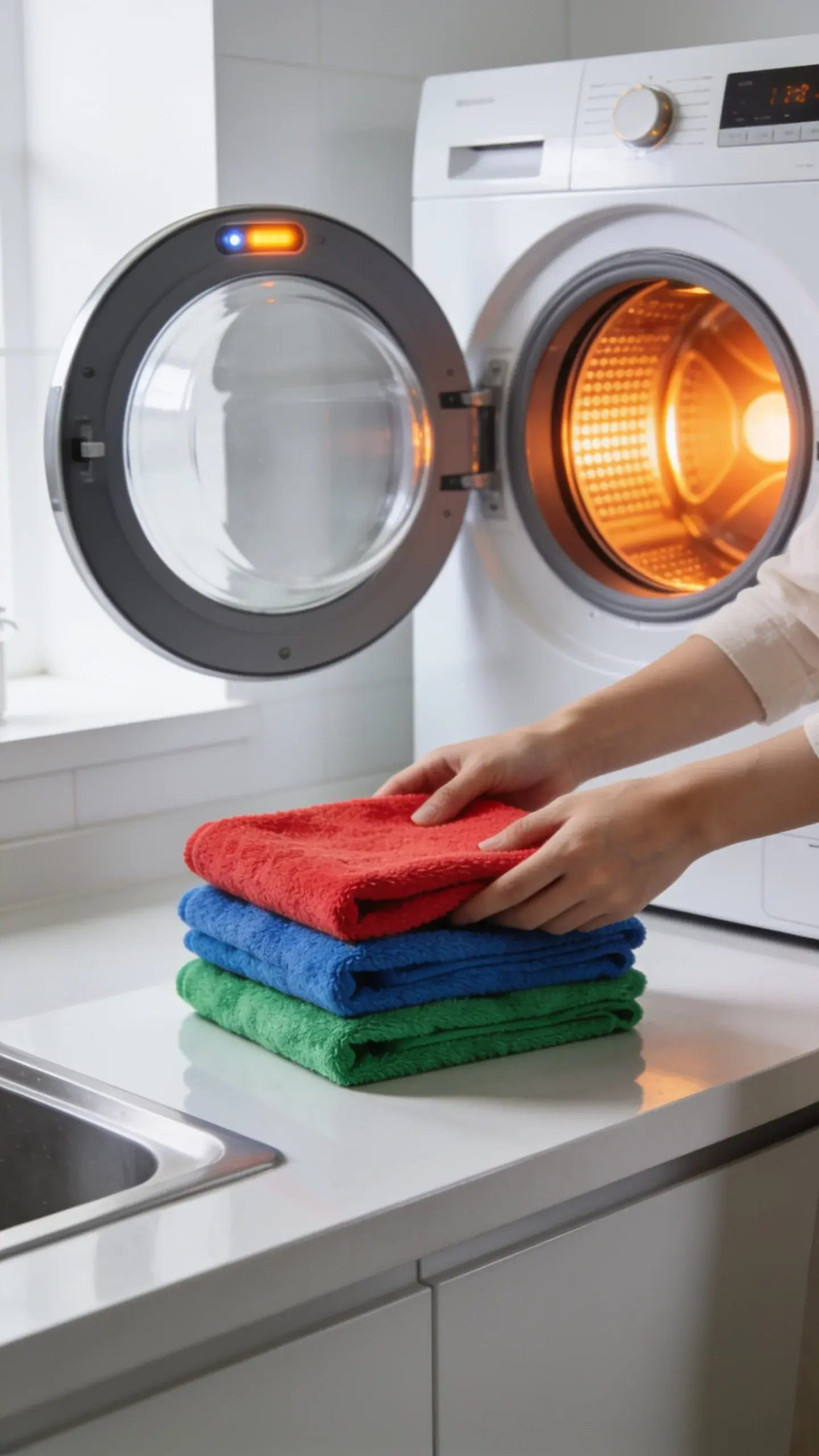
- Wash on hot: Toss microfiber cloths in hot water with detergent after every heavy use.
- Keep a clean stack: Prep 5–7 cloths per cleaning session so you never “just this once” reuse a dirty one.
2) Spraying Cleaner Directly On Surfaces
That satisfying mist on glass and counters? It can leave streaks, residue, and puddles that trap dust. On electronics or wood, overspray can even damage finishes. Spray-and-pray isn’t a cleaning method, it’s a mess accelerator.
Fix It
- Spray the cloth, not the surface: You control coverage and avoid drips.
- Use less product: Most cleaners work better with a thin, even layer. More foam ≠ more clean.
- For glass: Use a barely damp microfiber, then a dry one to buff streaks.
3) Ignoring Dwell Time (AKA Letting Cleaners Work)
You spritz, swipe, and move on like a cleaning ninja. But many products need time to break down grime or kill germs. If you wipe instantly, you basically perfume the dirt.
Fix It
- Read the label: Disinfectants often need 5–10 minutes of contact time. Big difference from “cleaners.”
- Work in zones: Spray the bathroom sink, then mirror, then toilet. By the time you circle back, the product did the heavy lifting.
- Use timers: Set your phone for dwell time. Sounds extra; works wonders.
4) Mopping With Dirty Water
You dunk the mop, slosh the floor, repeat—until the bucket looks like cold brew. Then you “finish” the floors with a film of gray water. If your tile dries dull and sticky, this is why.
Fix It
- Two-bucket method: One for clean solution, one for rinse. Game changer.
- Rinse the mop often: Wring it until it’s just damp. Too wet = streak city and warped wood.
- Change water mid-clean: If it looks dirty, it is. Freshen it up.
5) Vacuuming Last Instead Of First
You dust, then vacuum, then wonder why dust returns a day later. Dust travels downward. When you vacuum first, you kick stuff into the air and it resettles on your freshly wiped surfaces. That’s a rage-inducing loop.
Fix It
- Order matters: Declutter → vacuum/upholstery → dust top-to-bottom → floors last (quick pass or mop).
- Use the right attachments: Crevice tool for baseboards, soft brush for blinds and shelves.
- Replace or wash filters: A clogged filter spits dust back out. FYI, that “clean” smell? Sometimes it’s just hot dust.
6) Overloading The Washing Machine
If you stuff the drum like a clown car, clothes barely move, detergent can’t circulate, and everything comes out… slightly musty. You didn’t wash; you marinated.
Fix It
- Leave a hand’s width of space: Clothes need room to tumble and scrub against each other.
- Measure detergent: Too much creates residue that traps odor. High-efficiency washers need less—trust the cap.
- Open the door after cycles: Let the drum dry. Mold loves a steamy sauna.
7) Forgetting The “Dirtiest Clean” Zones
Some spots collect grime because they look clean at a glance. Door handles, light switches, remote controls, appliance knobs, and phone screens quietly hoard fingerprints, oils, and germs. If the house still smells off, check these culprits.
Hit These Weekly
- Handles and switches: Quick wipe with a disinfecting cloth, then a dry buff to ditch residue.
- Remotes and game controllers: Alcohol wipes on surfaces; cotton swab around buttons.
- Fridge seals and microwave buttons: Mild soapy water, then dry. Grease hides here like a pro.
Bonus: Mixing Products You Shouldn’t
You’re tempted to become a home chemist: bleach + vinegar, ammonia + bleach, multiple descalers. Please don’t. Some combos release toxic gases or damage surfaces. Clean doesn’t require a chemistry degree—just the right single product.
Safe Strategy
- One product per task: If it’s not working, rinse thoroughly and switch to a different cleaner—never mix.
- Label bottles: Especially if you decant into sprayers. Future you will thank you.
- Ventilate: Open windows or run a fan when using stronger products. IMO, fresh air is the cheapest cleaner.
Smart Habits That Keep Things Actually Clean
- Clean top-to-bottom, back-to-front: Start high, end near the exit. You won’t track dirt across a finished floor.
- Micro-clean daily: 10 minutes for dishes, counters, and a quick bathroom wipe beats weekend marathons.
- Use the right tool: Microfiber > paper towels for dusting. Squeegee in the shower = fewer soap scum battles.
- Schedule rotations: Week 1: baseboards; Week 2: vents; Week 3: windows; Week 4: upholstery. FYI, adulting made easy.
FAQs
How often should I replace cleaning cloths and sponges?
Swap kitchen sponges every 1–2 weeks and disinfect them daily if you keep them at all. Microfiber cloths can last hundreds of washes, but retire them when they lose grab or feel slick. Pro tip: keep bathroom and kitchen cloths separate, always.
What’s the best way to dust without kicking particles into the air?
Use a slightly damp microfiber cloth or an electrostatic duster. Work high to low and fold the cloth into quarters so you expose a clean side as you go. Finish with a quick floor pass to catch whatever drifted down.
Do I really need separate cleaners for every room?
Not really. A good all-purpose cleaner, a glass cleaner, a disinfectant, and a degreaser cover 90% of jobs. Just match the product to the surface—stone-safe for natural stone, wood-safe for wood, etc. The real magic comes from technique, not a dozen bottles.
Why do my floors feel sticky after mopping?
You likely used too much cleaner or dirty water. Rinse the mop often, change the water midway, and measure the solution exactly. If residue builds up, mop once with clean water only to reset the finish.
How can I make my bathroom stay cleaner longer?
Squeegee the shower after each use, run the fan for 20 minutes, and keep a dedicated bathroom cloth under the sink for a quick sink-and-counter wipe nightly. These micro-habits nuke moisture and soap scum before they settle. Your future Saturday self will cheer.
Is vinegar safe for everything?
Nope. Avoid vinegar on marble, granite, natural stone, some hardwood finishes, and electronic screens. It can etch or dull finishes. When in doubt, use a pH-neutral cleaner and spot test first, IMO.
Conclusion
You don’t need more elbow grease—you need smarter moves. Ditch the dirty mop water, stop cross-contaminating with one overworked cloth, and let your cleaners do their job with proper dwell time. Small habit tweaks add up to a home that looks, smells, and feels clean without the constant redo loop. Ready to retire the “clean-but-not-really” routine? Your vacuum and your sanity will thank you.

I’ve spent 10+ years in dog training, digging into what makes dogs (and their humans) tick. At Smart Dog Learning, I share my no-nonsense, fun approach to training so you can enjoy life with a well-behaved, happy pup—no boring lectures, just practical results 😉