

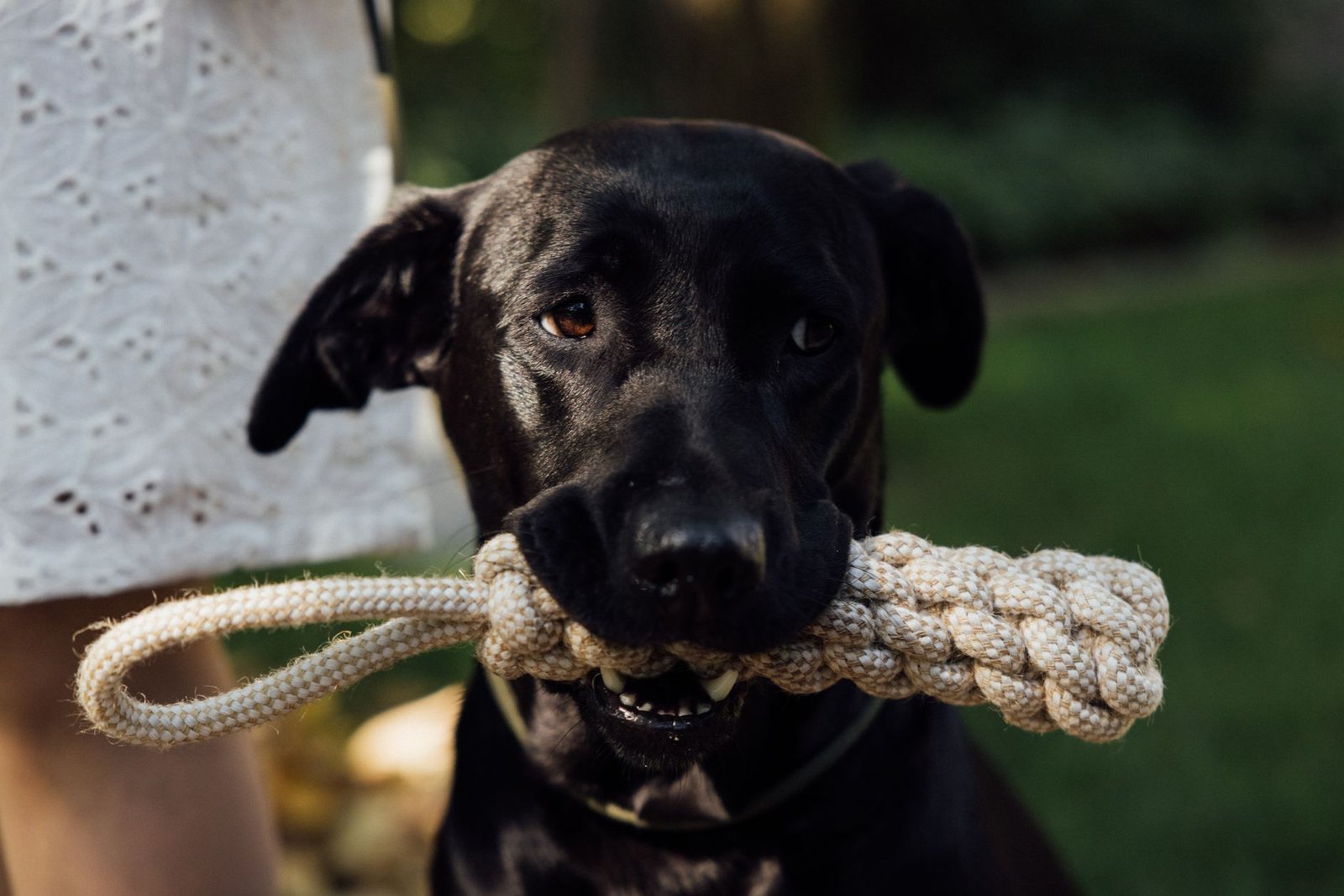
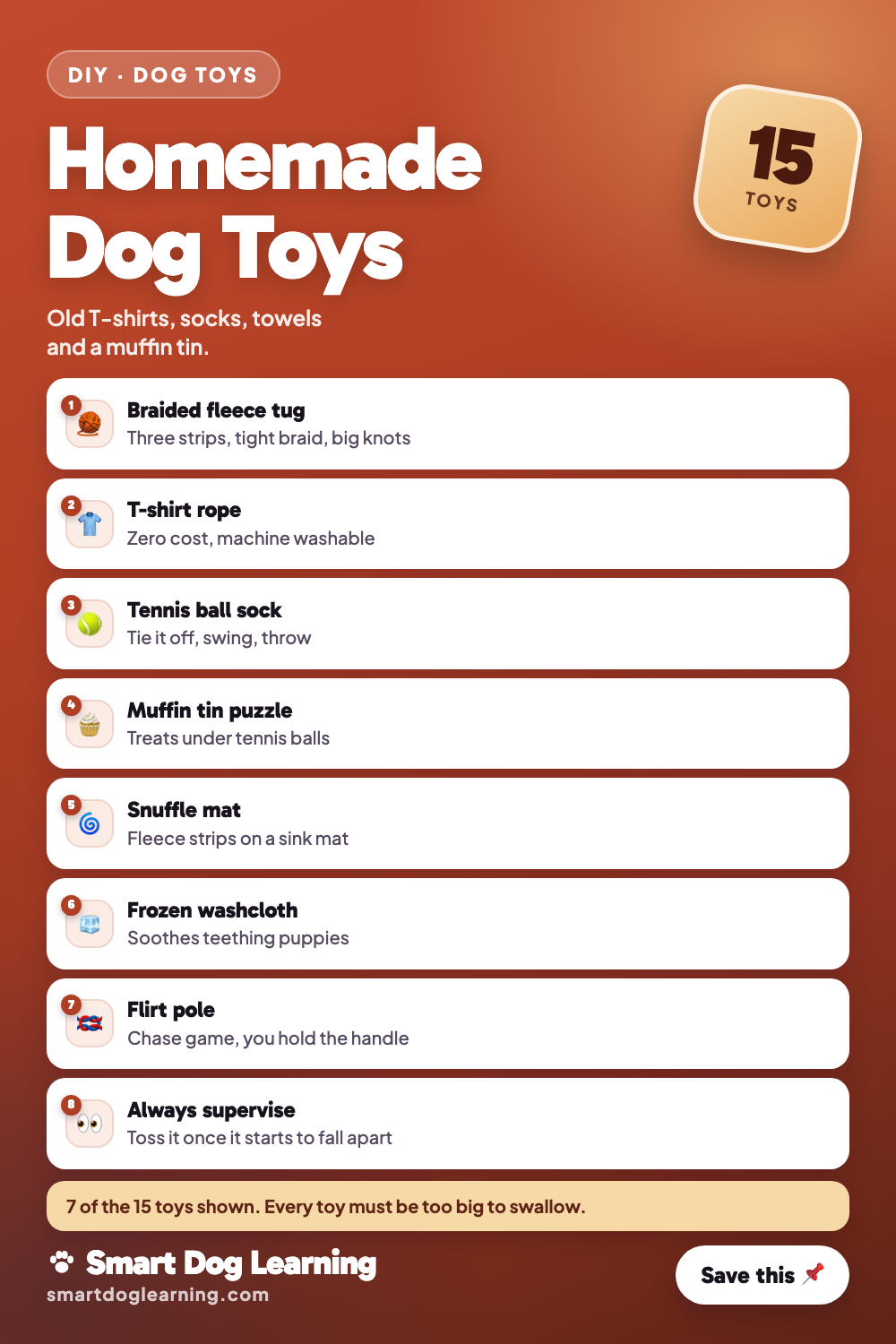
Dogs destroy toys. That’s kind of the point. But watching a $15 squeaky toy get gutted in four minutes stings a little.
These DIY dog toys use old T-shirts, socks, towels and things from your kitchen. Most take under 20 minutes to make, and when your dog wrecks one, you just make another.
Safety first: the rules for homemade toys
A homemade toy should be fun, not a vet bill. Every toy on this list follows these rules.
- Bigger than the mouth. Nothing small enough to swallow whole.
- No small loose parts: no buttons, beads, bells, squeakers or googly eyes.
- No stuffing for dogs who shred. Fiberfill can cause a blockage.
- Supervise play, especially with a new toy.
- Toss it once it falls apart. Loose threads and strips can be swallowed.
Power chewers need tougher store-bought toys. These DIY builds are best for tuggers, fetchers and sniffers.
Tug toys (1 to 4)
1. Braided fleece tug
Cut three strips of fleece, about 3 inches wide and 2 feet long. Knot them together at one end, braid tightly, and knot the other end. Double the knots for big dogs.
2. T-shirt rope
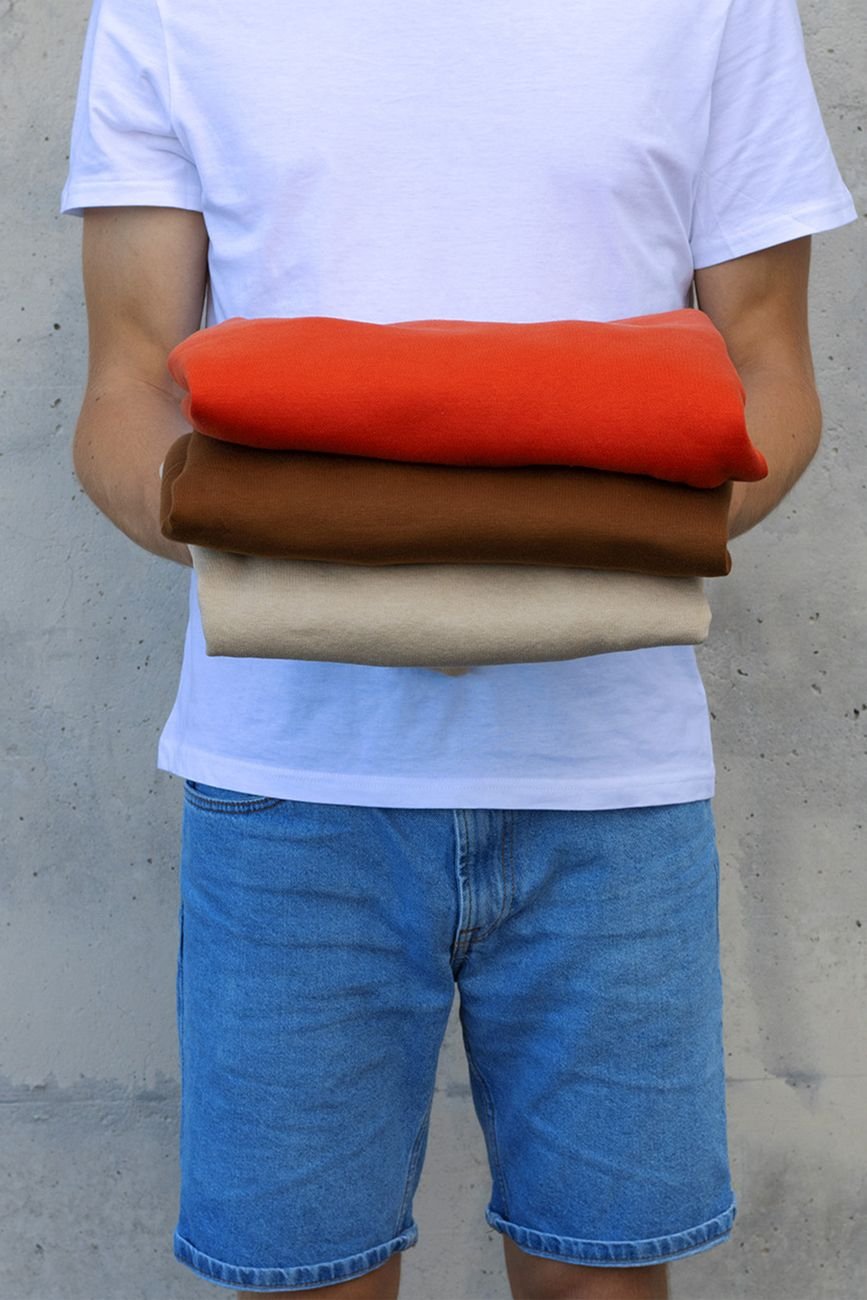
Cut an old T-shirt into long strips, then braid and knot it the same way. It costs nothing and goes straight in the washing machine.
3. Denim tug
Old jeans make a tougher tug. Cut the legs into strips, braid three together and knot both ends hard.
- Works for puppies, adults, rescues and seniors
- One page per problem, step by step
- Printable PDF, free
4. Knotted towel
Roll an old bath towel lengthwise and tie it into one or two big knots. It’s soft on the mouth and great for gentle tuggers and puppies.
Fetch toys (5 to 7)
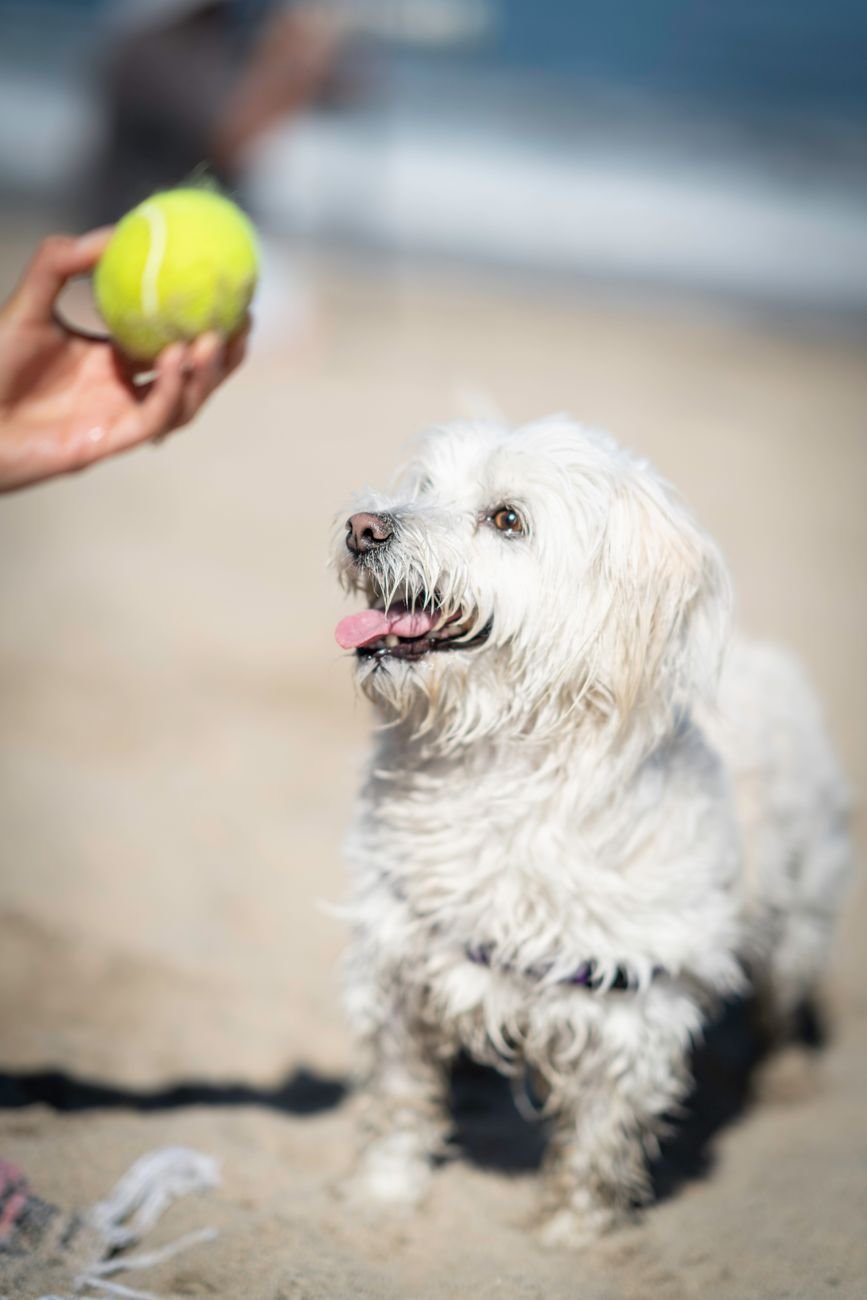
5. Tennis ball sock
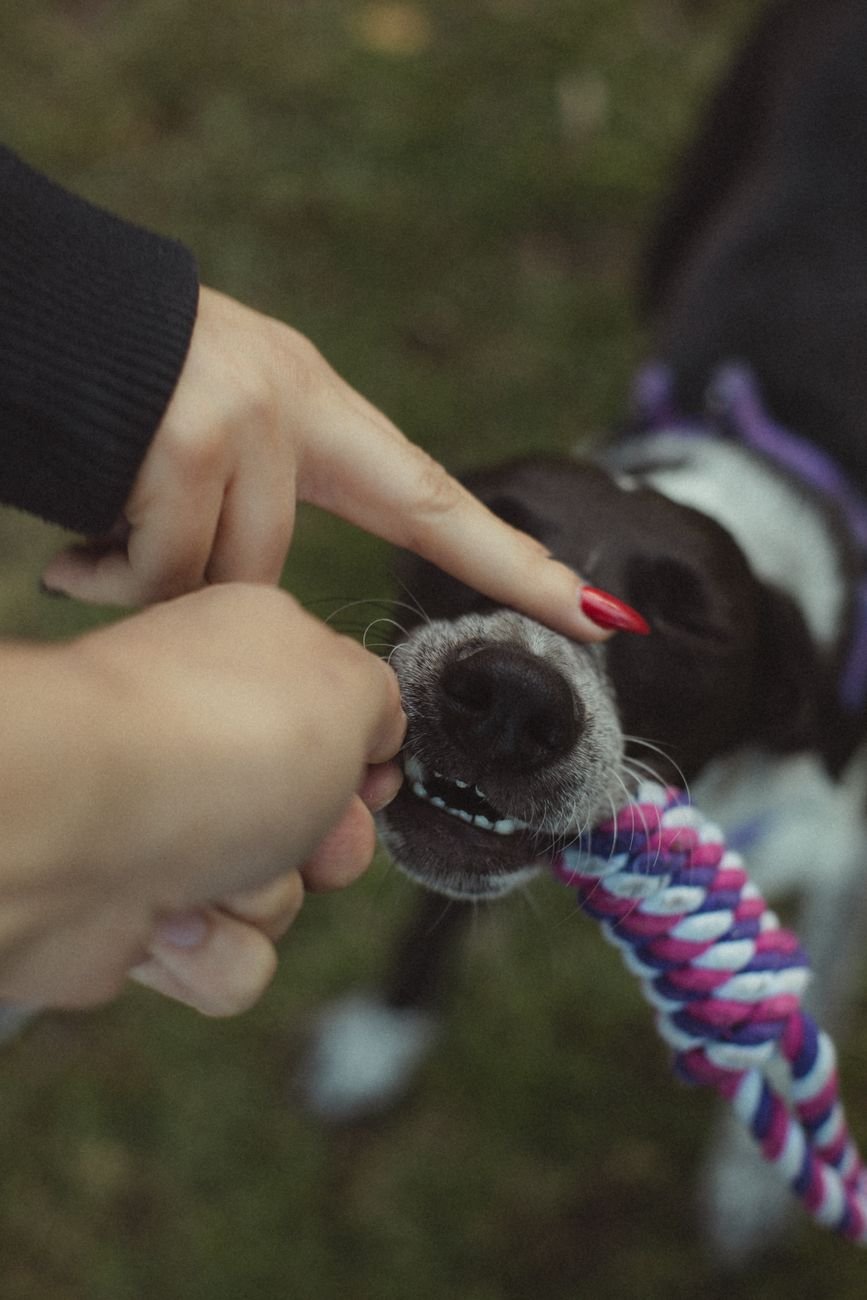
Drop a tennis ball into the toe of a long sock and tie a knot above it. The tail gives your dog something to grab and lets you fling it farther. Pick a ball too big to slip down your dog’s throat, and put the sock away after so it doesn’t become a chew toy.
Some vets note that tennis ball fuzz wears down teeth over time, so keep these for fetch and put them away after.
6. Fleece ball
Tie short strips of fleece together at the middle into a pom-pom shape, then trim it into a tight ball. Soft enough for indoor fetch.
7. Water bottle crinkle sock
Some dogs love the crunch of a plastic bottle. Remove the cap and label, slip the bottle into a thick sock and knot it closed. Supervise every minute and throw it away as soon as the plastic cracks.
Puzzle and sniffing toys (8 to 11)
These work your dog’s brain and nose. Ten minutes of sniffing can tire a dog out surprisingly well.
8. Muffin tin puzzle
Drop a treat in a few cups of a muffin tin and cover every cup with a tennis ball. Your dog has to lift the balls to find the prize.
9. Snuffle mat
Get a rubber sink mat with holes. Cut fleece into strips about 1 by 6 inches, push them through the holes and tie each in a knot. Sprinkle kibble in and let your dog sniff it out.
10. Towel roll-up
Lay a towel flat, scatter treats along it and roll it up loosely. Your dog noses it open to get the goodies. Fold the ends in to make it harder.
11. Cardboard unboxing
Put a few treats in a cardboard box with crumpled paper, close the flaps loosely and let your dog tear in. Remove tape and staples first and pick up the pieces after, since eating cardboard isn’t great.
Want more brain games without building anything? Try these indoor dog enrichment ideas.
Chew and teething toys (12 and 13)
12. Frozen washcloth
Wet a washcloth, twist it into a rope or tie a knot in the middle, and freeze it. It’s great for teething puppies. Take it away once it thaws or starts to fray.
13. Frozen carrot
A whole, washed carrot from the freezer makes a crunchy chew for medium and large dogs. It’s food, so it’s safe if swallowed in pieces. Just pick one big enough that it can’t go down whole.
Active play toys (14 and 15)
14. Flirt pole
Tie a sturdy rope to the end of a length of PVC pipe or a strong stick, and knot a fleece tug onto the other end of the rope. Drag it along the ground and let your dog chase it.
Keep sessions short, play on grass, and let your dog catch it often. Skip it for young puppies and dogs with joint problems. Put it away after, since the rope is not a solo toy.
15. Backyard ball pit
Fill a hard plastic kiddie pool with large plastic balls and toss in a few treats or a favorite toy. Make sure every ball is too big to fit in your dog’s mouth, and throw out any ball that cracks or gets punctured.
Match the toy to your dog
Every dog plays differently. Pick toys that fit how yours likes to have fun.
- Puppies: knotted towel, frozen washcloth, fleece ball
- Tuggers: braided fleece, denim tug, flirt pole
- Sniffers: snuffle mat, towel roll-up, muffin tin
- Seniors: sniffing toys and gentle tug, nothing too jumpy
- Power chewers: skip the fabric and pick a tough rubber toy from the store
New puppy in the house? Our puppy-proofing tips for new dog owners will help keep their real chew targets out of reach.
Keep homemade toys clean and fresh
Fabric toys get grubby fast. Slobber plus dirt equals a toy nobody wants on the couch.
- Wash fabric toys in the machine every week or two with an unscented detergent.
- Check them before every play session for loose strips and holes.
- Rotate toys so only a few are out at a time. Old toys feel new again after a week away.
Common questions
Are homemade dog toys safe?
They can be, if they’re bigger than your dog’s mouth, have no small parts and you supervise. Throw them out once they start to fall apart.
What fabric is best for DIY dog toys?
Fleece and old T-shirts braid well and don’t fray much. Denim is tougher for stronger tuggers.
Can I leave my dog alone with a DIY toy?
It’s best not to. Fabric strips and pieces can be swallowed when nobody’s watching.
My dog ate part of a toy. What should I do?
Call your vet right away, even if your dog seems fine. Vomiting, not eating or a sore belly are signs of trouble.
How do I make a toy harder to destroy?
Braid tighter, use denim and double every knot. For true power chewers, a tough rubber toy is the safer pick.

Leave a Reply