

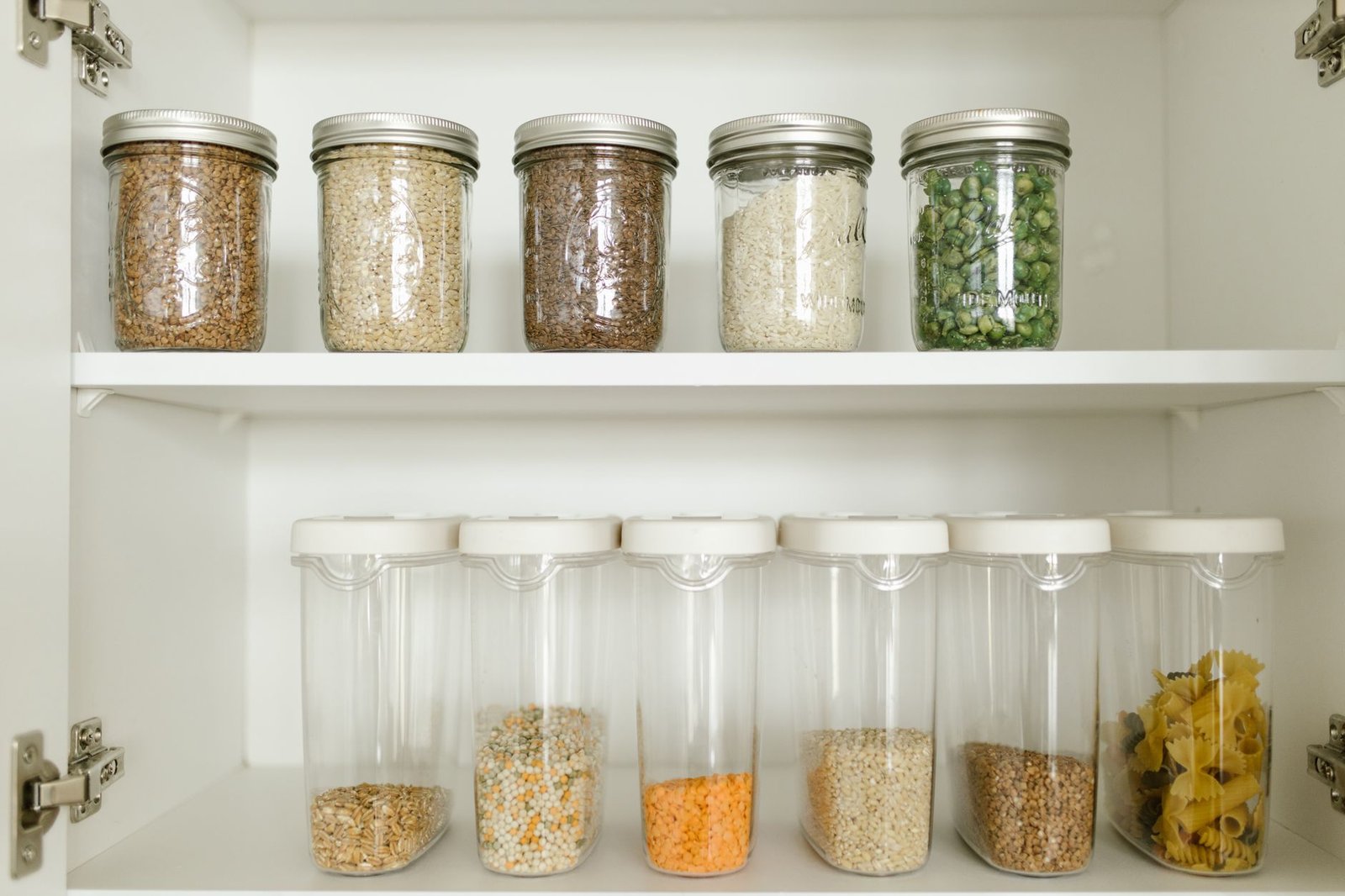
A messy pantry costs real money. You buy a third jar of cumin because you couldn’t find the other two, and the crackers go stale behind the cereal.
This pantry organization system takes a weekend, works in a closet pantry or a single cabinet, and doesn’t need a single matching jar to start.
What you’ll need before you start
Don’t buy containers yet. You’ll know what you need once the pantry is empty. For now, grab:
- Trash bags and a box for donations
- A bucket of warm soapy water and a cloth
- A tape measure for shelf width, depth and height
- Masking tape and a marker for temporary labels
- A notepad for your shopping list
Saturday morning: empty it all
Clear every shelf onto the counter and the kitchen table. All of it. It’s the only way to see what you really have.
- Vacuum crumbs out of the corners.
- Wipe the shelves with warm soapy water and let them dry.
- Check for pantry moths or bugs while it’s empty.
Put on a podcast. This is the least fun part, and it’s done in under an hour.
Edit what you’ve got
Go through every item, one at a time. Be ruthless but fair.
- A never-mix chart: the cleaner combinations that make toxic fumes
- A surface guide: what not to use on stone, wood, cast iron and more
- 5 starter cleaners and a shopping list
- Toss anything expired, stale, or opened so long ago you can’t remember.
- Donate unopened food you won’t eat. Most food banks take shelf-stable items in date.
- Combine duplicates. Three half-bags of pasta become one.
- Note what you’re out of on a shopping list.
You’ll likely end up with a lot less than you started with. That’s the point.
Group everything into zones
This is the heart of the system. Put like with like so every item has one home.
- Breakfast: cereal, oats, pancake mix, nut butters
- Baking: flour, sugar, baking soda, chocolate chips, vanilla
- Grains and pasta: rice, pasta, quinoa, couscous
- Cans and jars: beans, tomatoes, soups, sauces
- Snacks: crackers, chips, granola bars
- Oils, vinegars and spices
- Backups: the extra ketchup, the second bag of coffee
Adjust the zones to how you cook. A family that bakes every weekend needs a bigger baking zone.
Decide where each zone lives
Placement matters more than containers. Put things where you’ll reach for them.
- Eye level: things you use daily, like breakfast and snacks.
- Lower shelves: heavy items like cans, oils and bulk bags. Kids’ snacks go here too.
- Top shelf: backups, holiday baking and rarely used appliances.
- Floor: drinks and bulk bags in bins or crates.
- Potatoes and onions: separate ventilated baskets, kept apart. If you have a dog, keep the onions up off the floor, since onions are toxic to dogs.
Sunday: containers, but only where they help
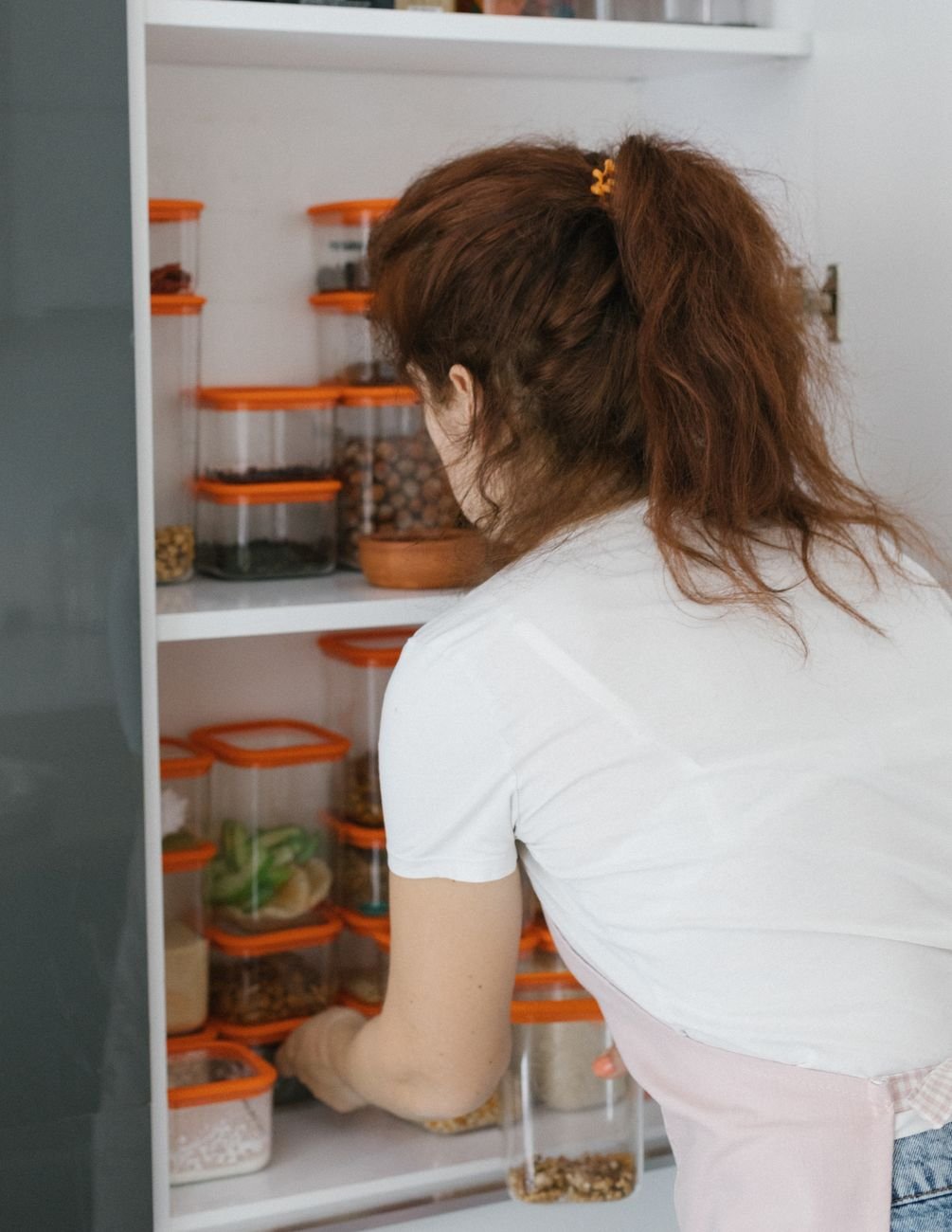
Here’s the honest truth. You don’t need to decant everything into matching jars. It looks great on Pinterest and takes forever to refill.
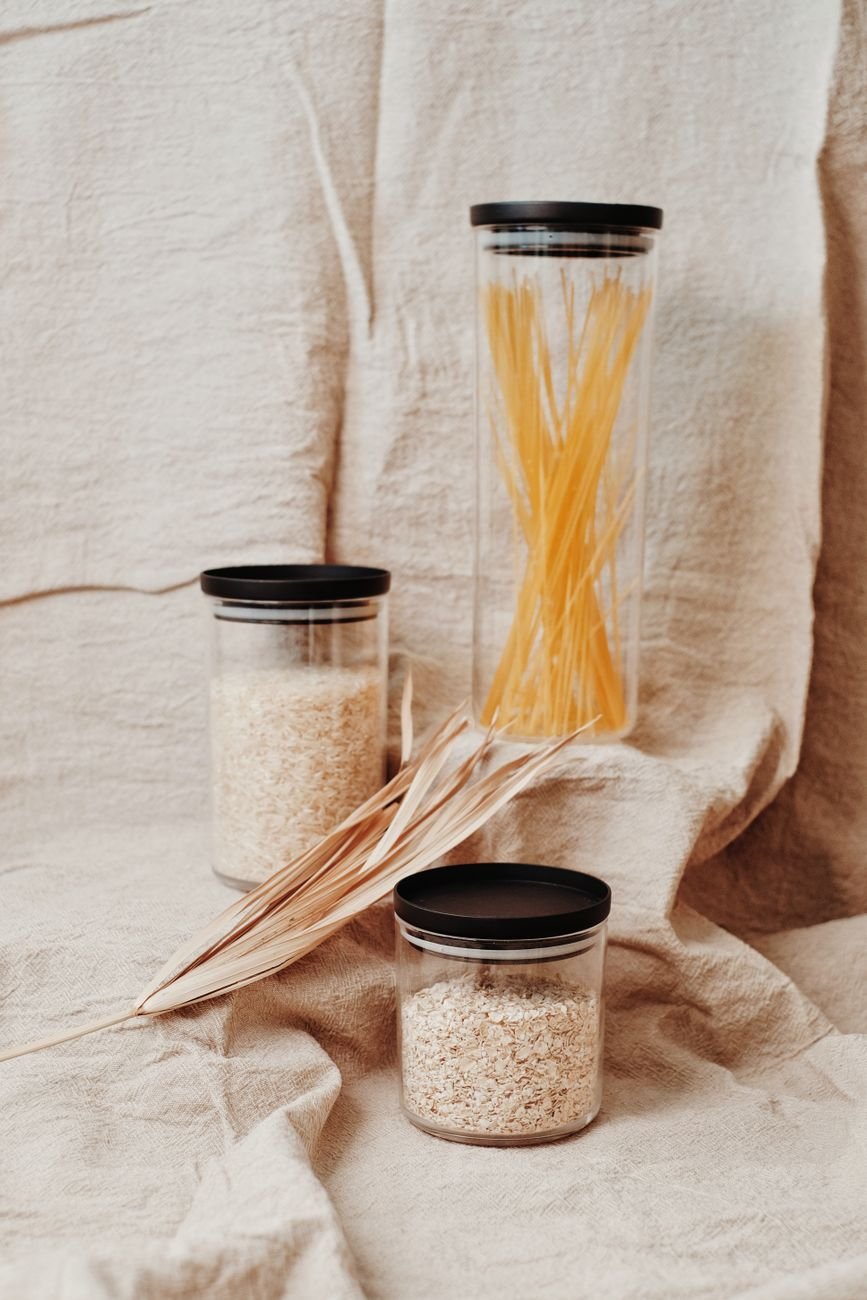
- Decant things you use a lot that come in floppy bags: flour, sugar, rice, oats, pasta.
- Leave in the box anything you go through fast, or that has cooking instructions you need.
- Use airtight containers for anything bugs love, like flour and cereal.
Square containers waste less space than round ones. Clear ones let you see when you’re running low.
Use bins, risers and turntables
A few cheap tools make a big difference, especially in deep shelves.
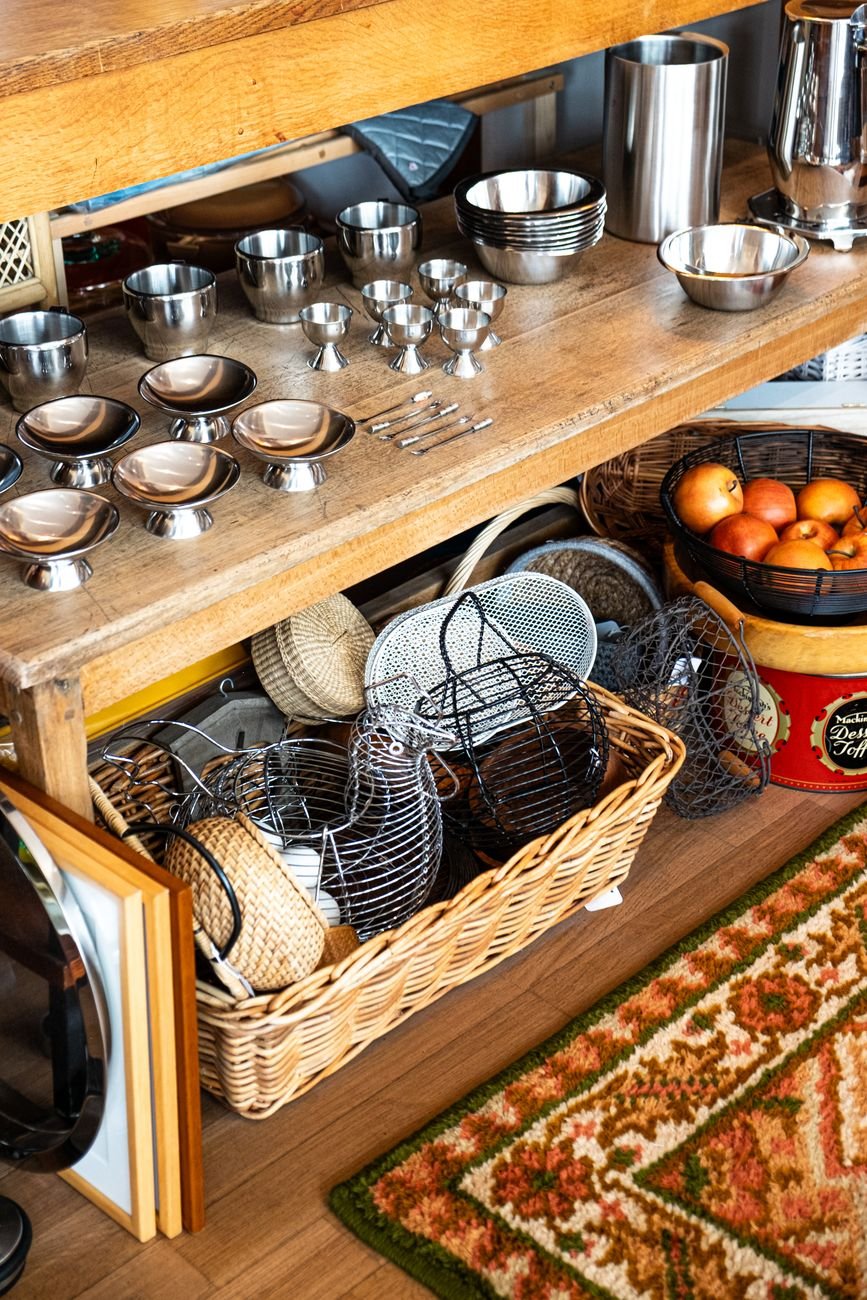
- Bins or baskets for loose items like snack packs and seasoning packets. Pull the bin out like a drawer.
- Can risers so you can see the back row.
- A turntable for oils, vinegars and sauces in a corner.
- An over-the-door rack for spices, foil and plastic wrap.
Label everything
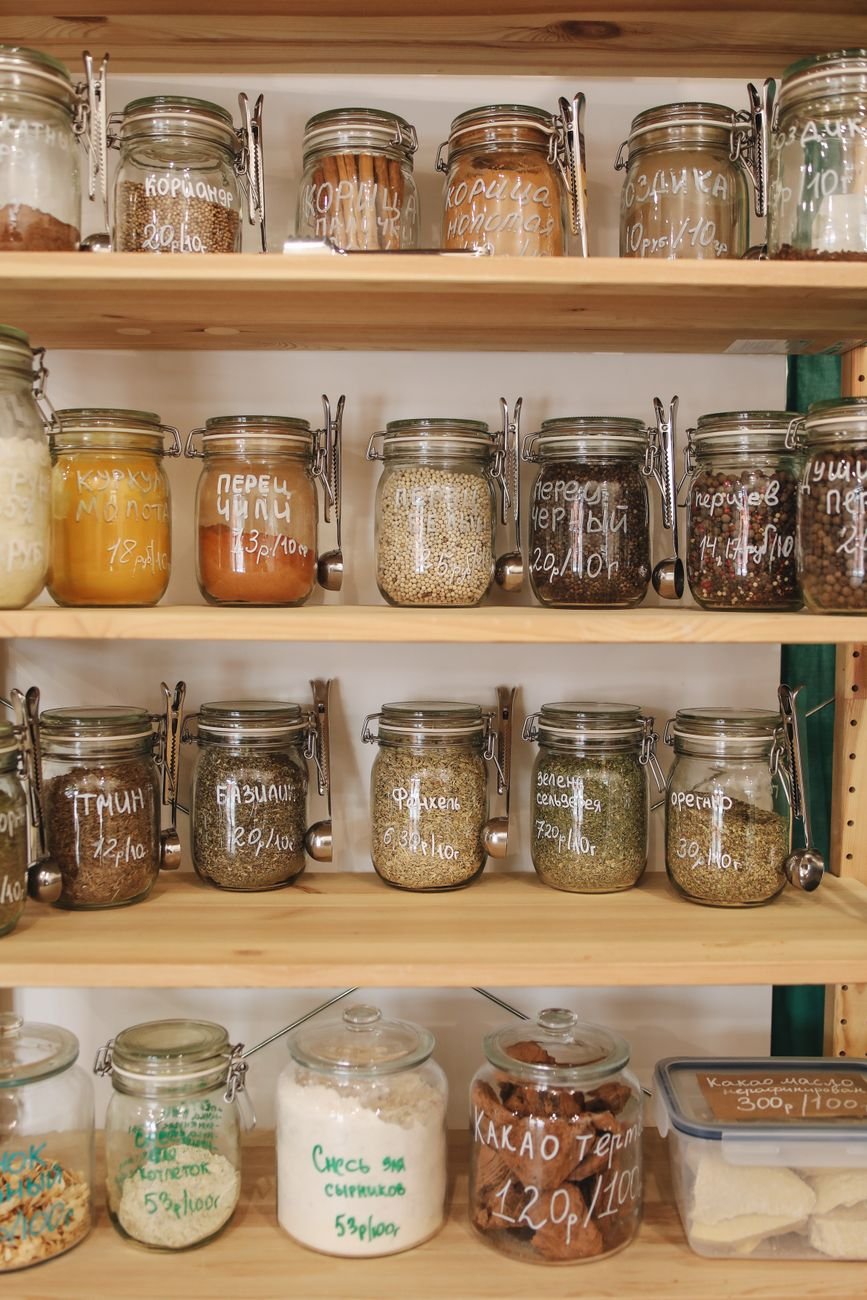
Labels are what make the system last, especially if other people live in your house.
- Label shelf edges with the zone name.
- Label container fronts with what’s inside.
- Write the expiration date on the back of decanted containers with a dry-erase marker or masking tape.
A label maker is nice. Masking tape and a marker work just as well.
No real pantry? It still works
Plenty of kitchens don’t have a walk-in pantry. The same zones work in a single cabinet, a rolling cart or a bookshelf in the hall.
- One cabinet: use a shelf riser to double the space and a door rack for spices.
- A rolling cart: one shelf per zone, and it tucks beside the fridge.
- An open shelf: baskets hide the mess and keep the look calm.
Backups and bulk buys can live somewhere else entirely. A closet shelf or a bin under the bed is fine for the extra paper towels and the second pack of pasta.
A note on storing pet food
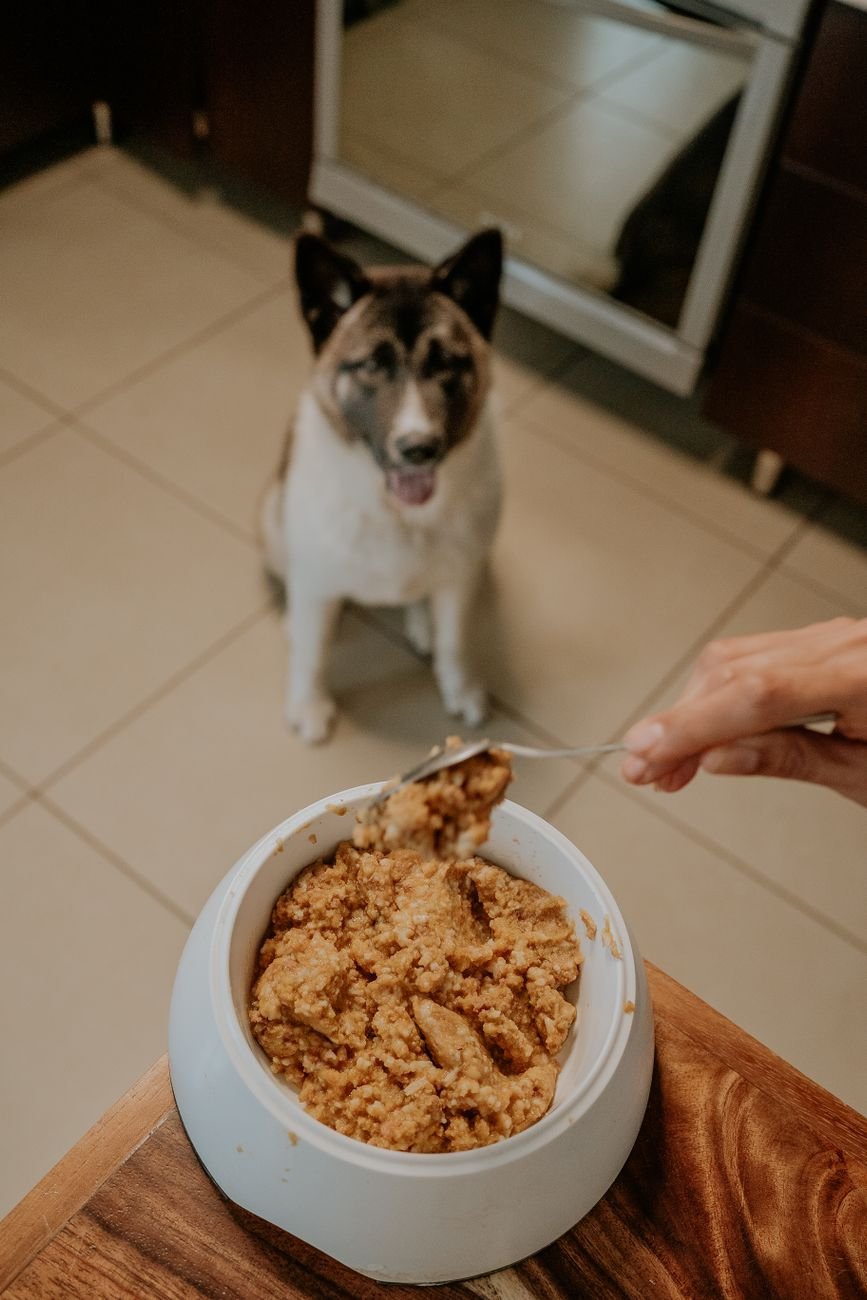
If your dog’s or cat’s food lives in the pantry, give it its own spot on the floor.
- Use an airtight bin to keep food fresh and keep bugs and curious noses out.
- Keep the food in its original bag and put the whole bag inside the bin. The bag has the lot number and best-by date, which you’ll need if there’s ever a recall.
- Wash the bin between bags so old fats don’t go rancid.
- Store treats out of reach, along with chocolate, raisins and anything sugar-free (xylitol). A determined dog can open a low cabinet.
Keep it working
An organized pantry slowly slides back to chaos unless you build in a few habits.
- First in, first out: new groceries go behind the older ones.
- A five-minute tidy once a week before you shop.
- A full reset every three or four months.
The fridge deserves the same treatment. Here’s how to clean a refrigerator and get rid of bad smells. For the rest of the house, try decluttering one room at a time.
Common questions
How do I organize a small pantry?
Use the door, add shelf risers and stick to bins. Store backups somewhere else, like a closet or under the bed.
Should I decant all my food into containers?
No. Decant flour, sugar, rice and other staples, and leave fast-moving items in their boxes.
How do I keep bugs out of my pantry?
Store grains and flour in airtight containers, wipe up spills and check new bags before you put them away.
How often should I clean out my pantry?
A quick tidy weekly and a full empty-and-reset every three or four months.
Can I keep dog food in a plastic bin?
Yes, an airtight, food-safe bin works well. Keep the food in its original bag inside it for the lot number and date.



Leave a Reply