
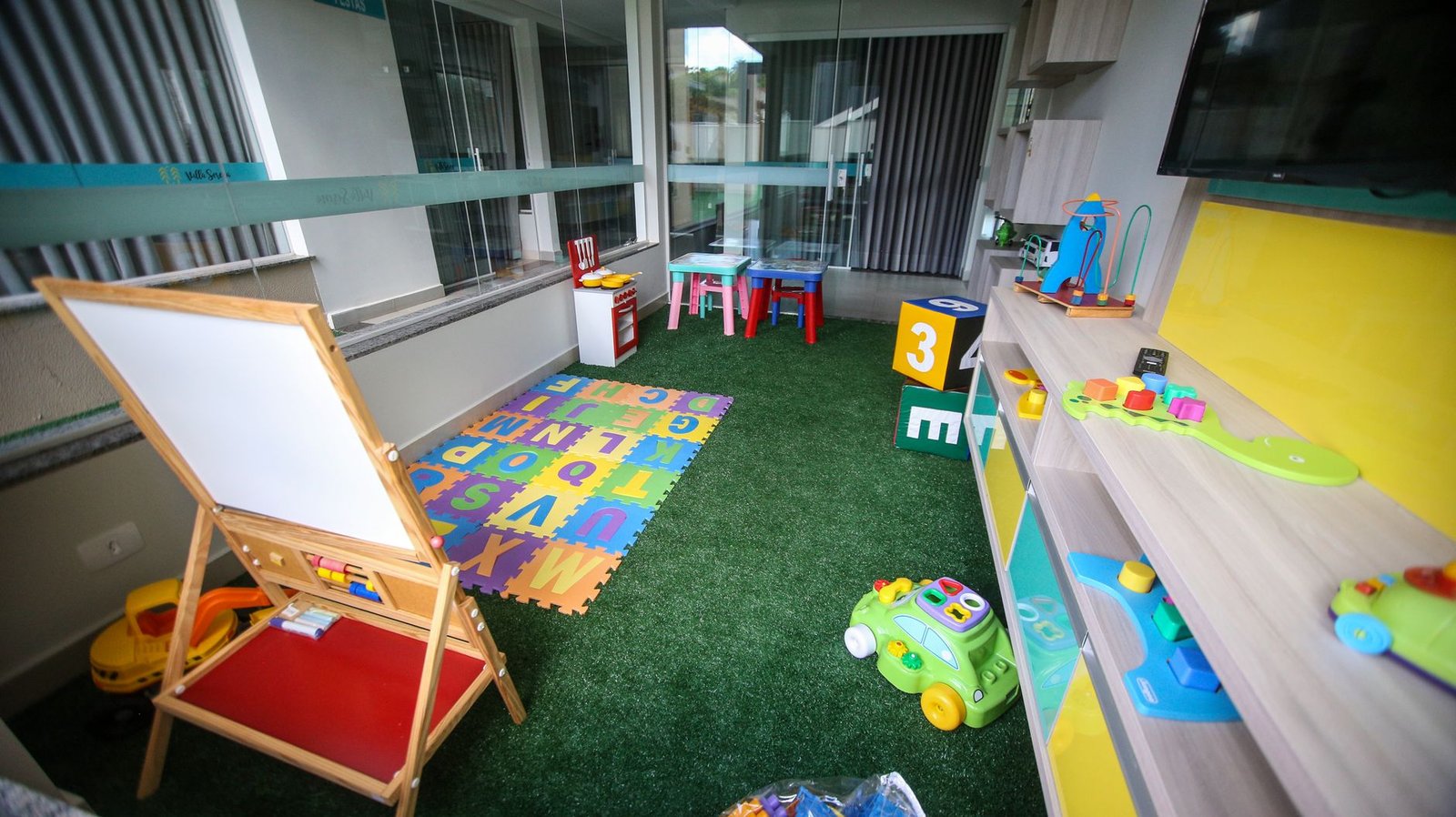
Toddlers dump. Puppies steal. Somewhere under all of it is a playroom you paid good money to furnish.
These playroom organization ideas are built for real life: small kids who can’t read labels yet and a dog who thinks every stuffed animal is his. Nothing fancy, nothing fragile.
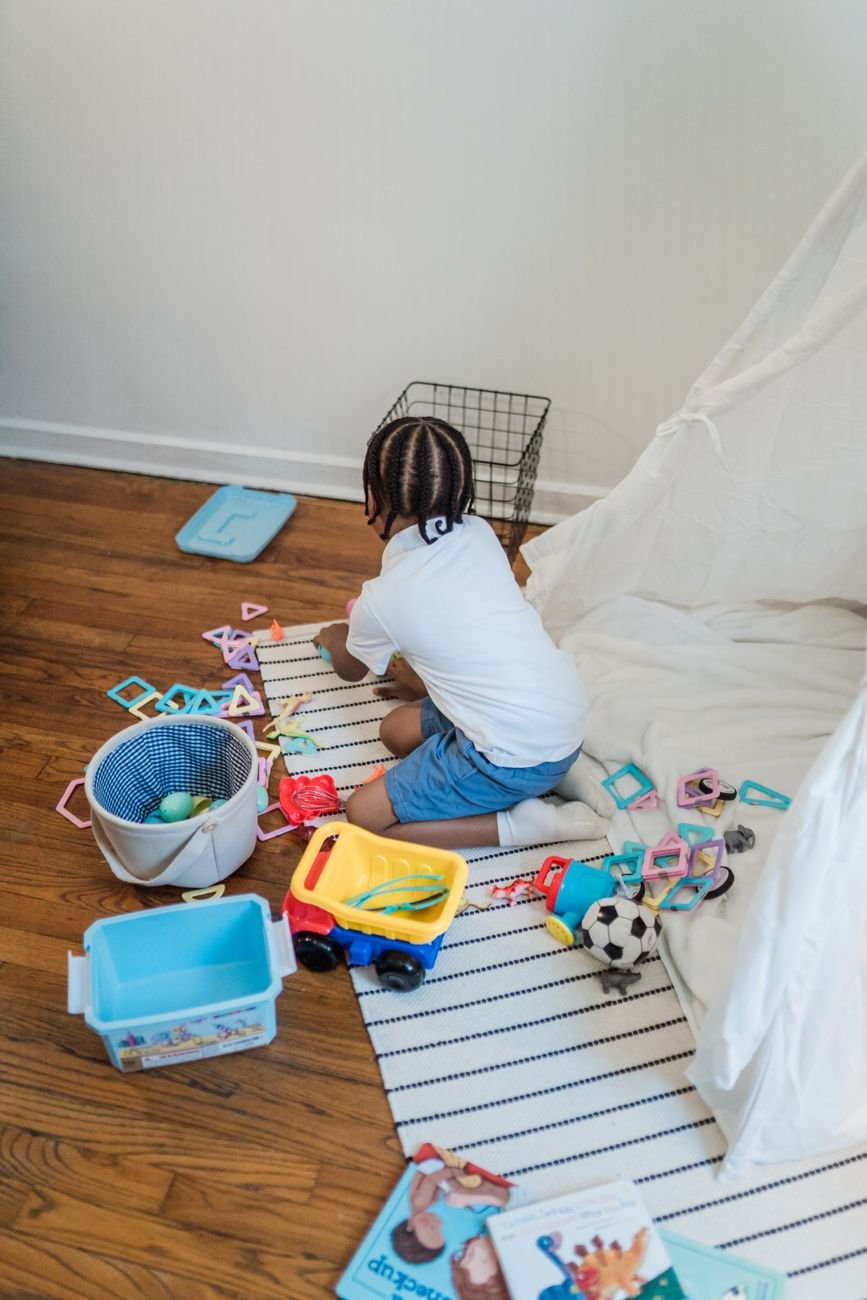
Start by cutting the toy count
No storage system beats too much stuff. Before you buy a single bin, sort what you have.
- Toss broken toys, dried-out markers and puzzles missing half the pieces.
- Donate anything your kids have outgrown or haven’t touched in months.
- Store about half of what’s left in a closet to swap in later.
Do the sorting while the kids are out. Every toy becomes a favorite the moment it’s headed for the donate bag.
Divide the room into zones
Kids play better when the room tells them what happens where. Even a small corner can have zones.
- Build: blocks, train tracks, magnetic tiles
- Pretend: kitchen set, dress-up clothes, dolls
- Art: a small table and chairs
- Books: a cozy spot with a cushion
- Quiet: puzzles and games that need a flat surface
A rug can mark the build zone. A low shelf can split the room in two without blocking light.
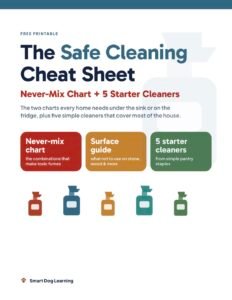
- A never-mix chart: the cleaner combinations that make toxic fumes
- A surface guide: what not to use on stone, wood, cast iron and more
- 5 starter cleaners and a shopping list
Choose low, sturdy, anchored furniture
Toddlers climb. It’s not a question of if. So every piece of storage needs to be safe to climb on, even though it shouldn’t be.
- Anchor every shelf and dresser to the wall with anti-tip straps or brackets.
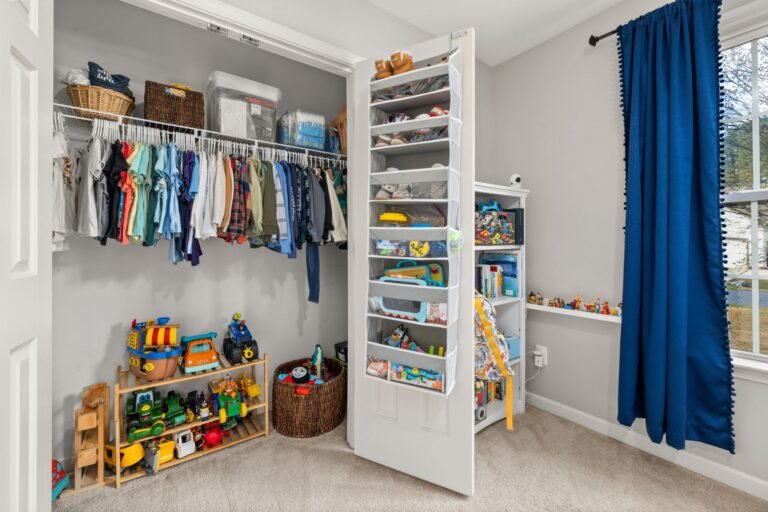
- Pick low cube shelves that kids can reach without stretching.
- Skip toy chests with heavy lids. If you have one, use a lid support that holds it open, or take the lid off.
- Keep cords from blinds and lamps well out of reach.
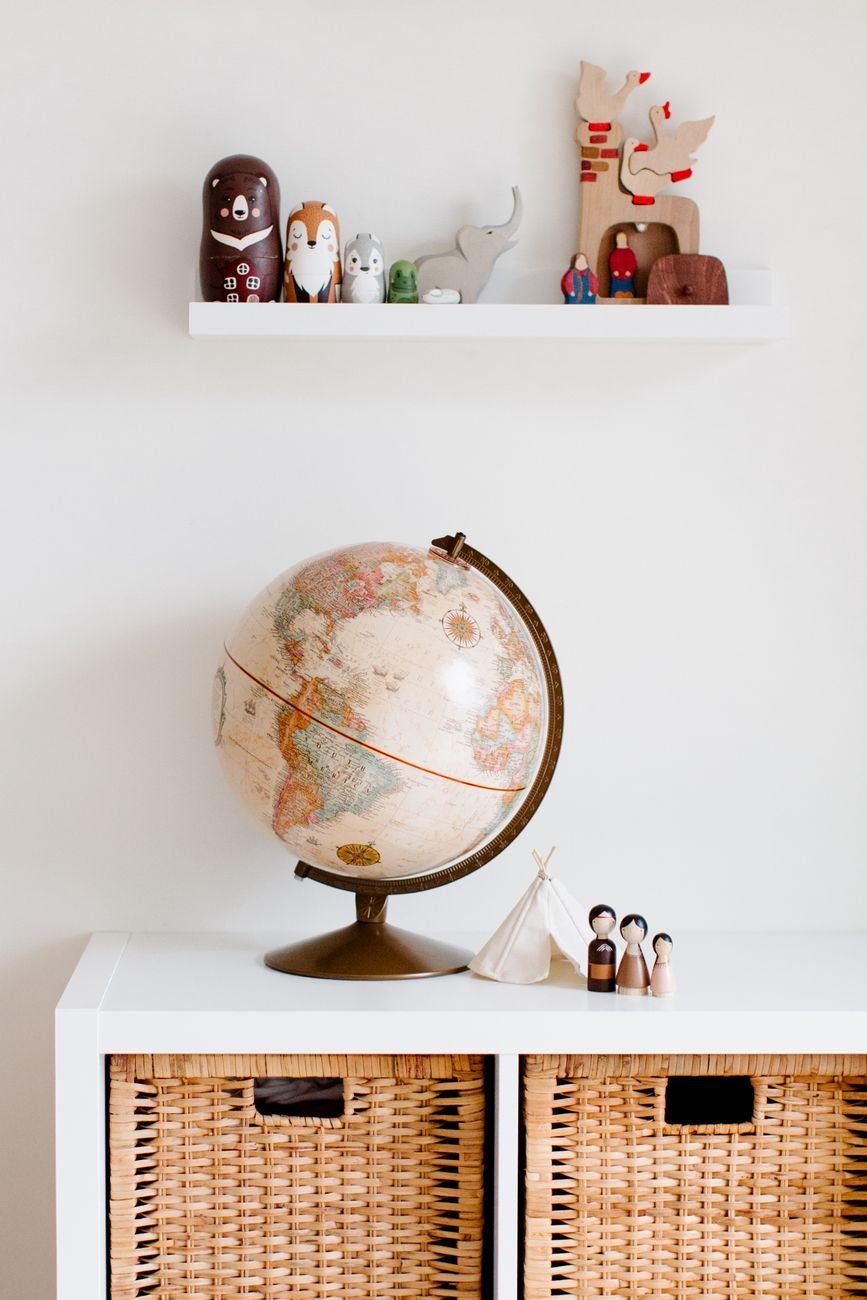
Use open bins with one category each
The best toy bin is the one a two-year-old can use without help. That means no lids, no latches and no stacking.
- One category per bin: cars in one, animals in another.
- Soft fabric bins are light and won’t hurt if they get thrown. They will get thrown.
- Photo labels help pre-readers. Snap a picture of the toys, print it and tape it on.
For more tricks that work in kids’ bedrooms too, see our kids organization hacks.
Small parts go up high (this one matters with a puppy)
Tiny toy pieces are a choking hazard for toddlers. They’re also a big risk for dogs, who can swallow them whole.
- Keep Lego, beads, marbles and small figures in lidded boxes on a high shelf.
- Bring them down for supervised play on a table or a tray, then put them back.
- Button batteries and magnets are especially dangerous if swallowed. Keep toys that use them in good repair, battery doors screwed shut.
- If your dog swallows a toy part, call your vet right away. Don’t wait for symptoms.
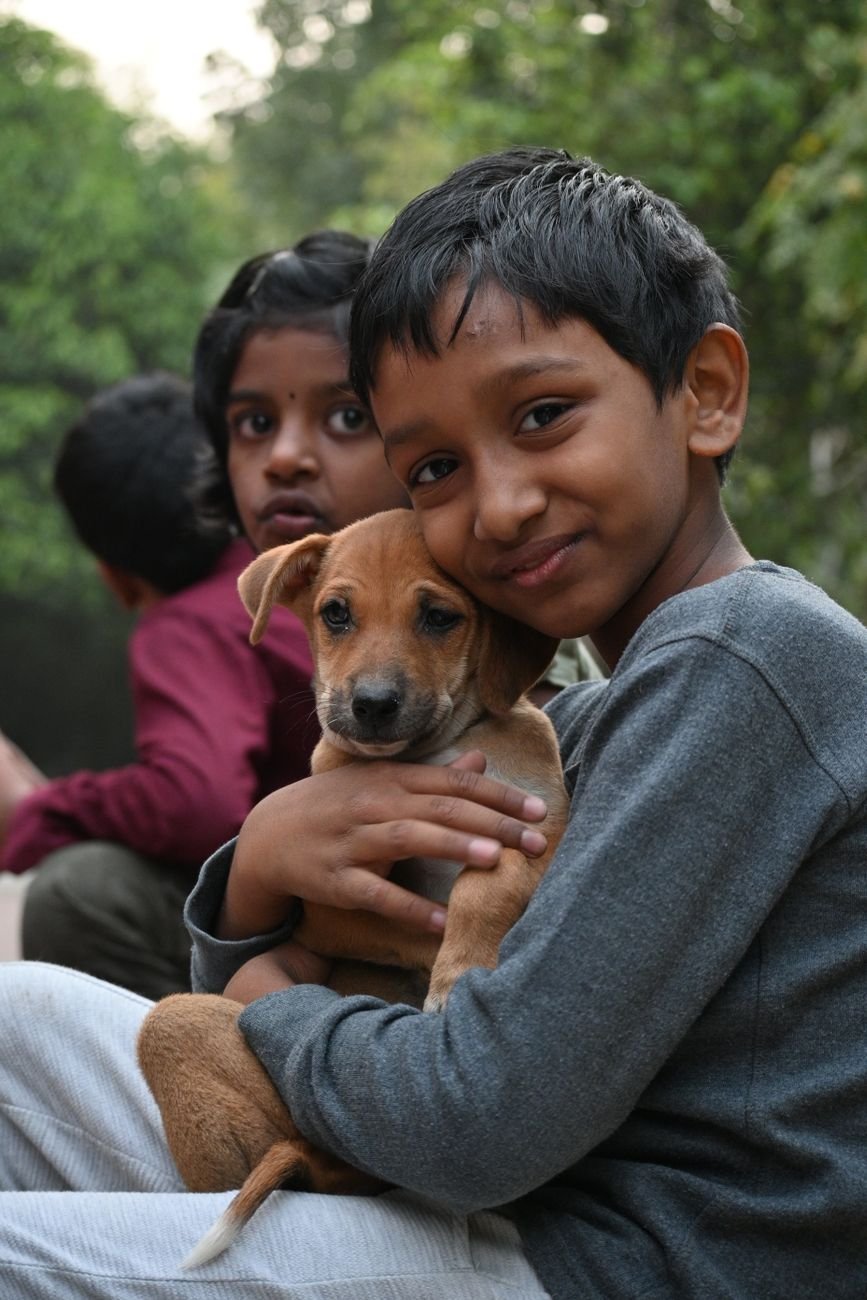
Give the dog his own toy basket
Dogs can’t tell a plush bunny that’s his from a plush bunny that’s your daughter’s. You can make it easier.
- Keep dog toys in one basket in a different room or a different corner.
- Choose dog toys that look different: rubber, rope and chew toys rather than plush animals.
- Trade, don’t chase. If he grabs a kid’s toy, swap it for one of his and praise him.
- Teach “leave it” with treats. It saves a lot of stuffed animals.
A cheap baby gate across the playroom door helps a lot during the puppy months. Need ideas for his basket? Try these easy homemade dog toys.
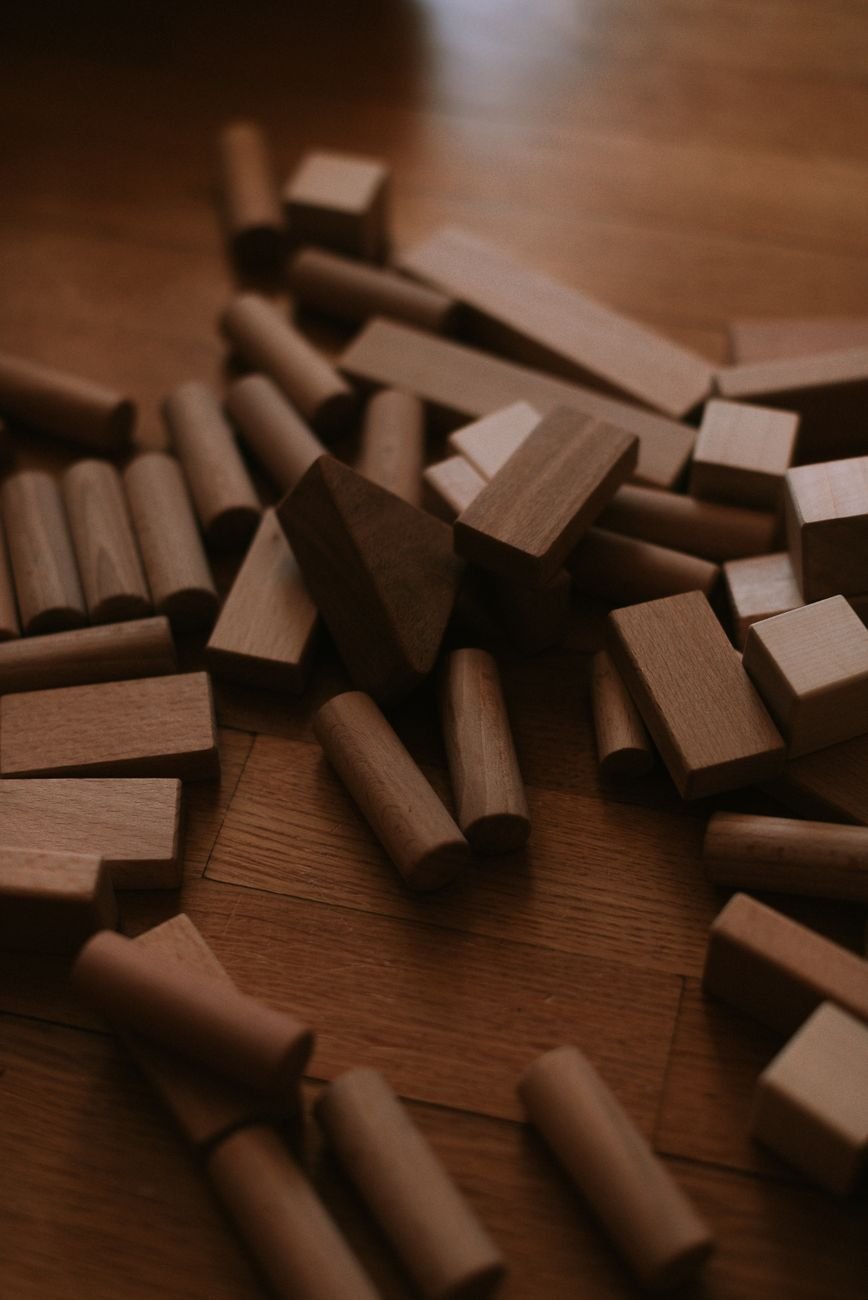
Set up an art station grown-ups control
Crayons on the wall, paint on the dog. Art supplies need a little more structure than blocks.
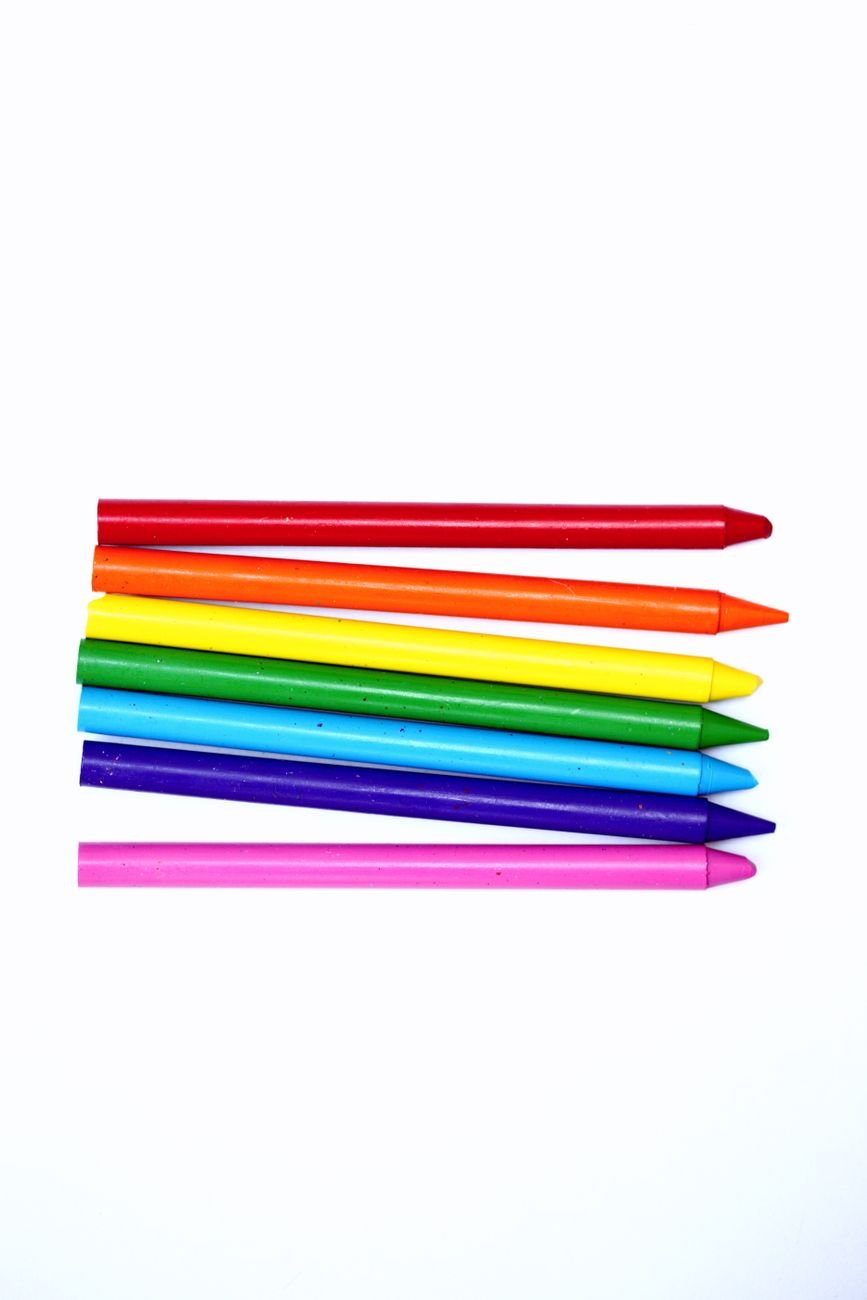
- Keep crayons and paper in a low caddy kids can grab anytime.
- Keep paint, glue, play dough and scissors on a grown-up shelf. They come out on request.
- Use a tray or washable mat to contain the mess.
- Store play dough sealed and high. Homemade play dough is very salty and can make dogs seriously ill.
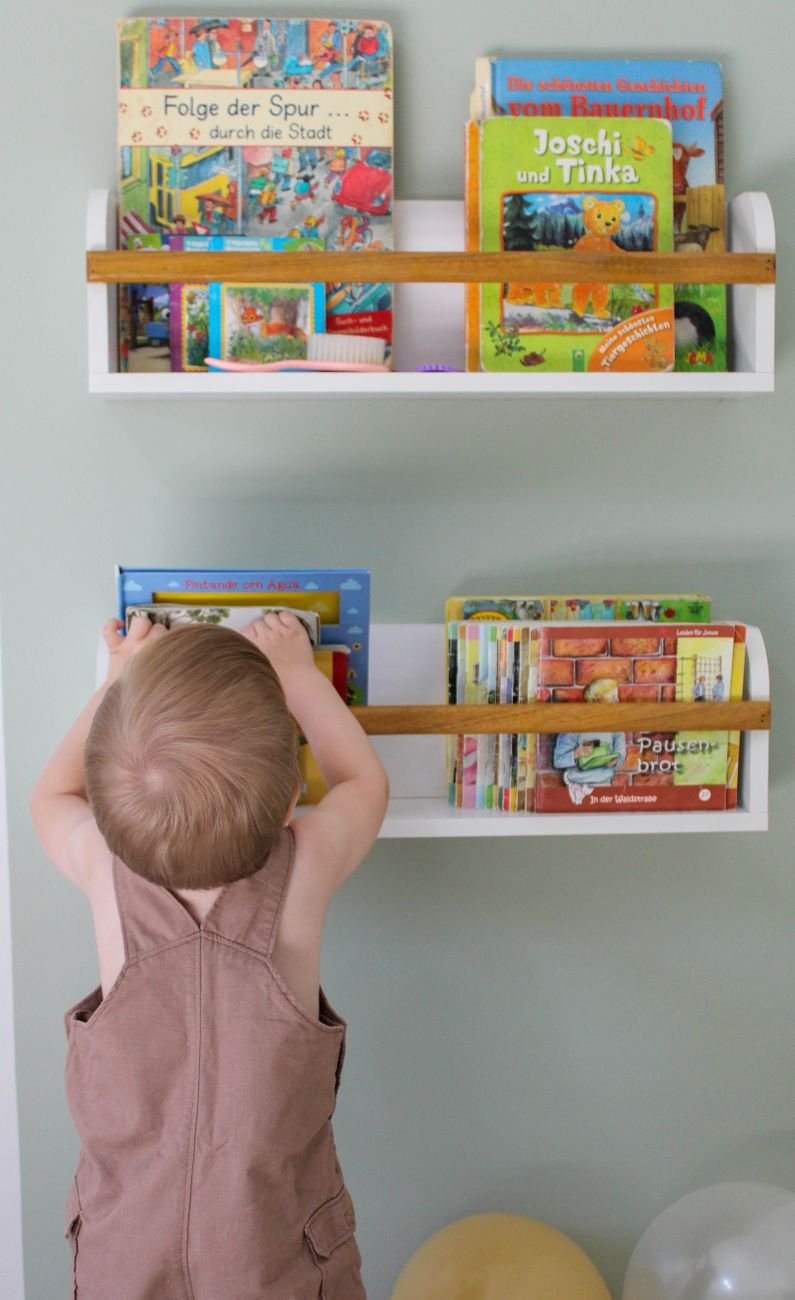
Display books with the covers facing out
Little kids pick books by the picture, not the spine. A forward-facing display gets books read.
- Use a shallow wall ledge or a front-facing book bin.
- Show only 8 to 10 books at a time and swap them weekly.
- Put a floor cushion right next to them. A reading nook doesn’t need to be more than that.
Rotate toys instead of buying more storage
Remember the half you put away? That’s your rotation stash.
- Keep it in labeled boxes in a closet or garage.
- Swap a bin or two every week or two.
- Notice what nobody misses. That’s your next donate pile.
Rotation makes old toys feel new and keeps the floor clearer. It also means less to pick up every night.
Build a nightly reset everyone does
Even the best system falls apart without a reset. Make it short and predictable.
- Set a timer for 10 minutes or play one or two songs.
- Everyone picks up one category at a time: “all the cars,” then “all the animals.”
- Do a quick floor check for small parts before the dog wanders in.
- Grown-ups put the high-shelf stuff away.
Toddlers can help from about age two. It won’t be perfect. That’s fine.
Keep the floor easy to clean
Playrooms get sticky, and dogs shed. A floor that cleans fast makes the whole room easier.
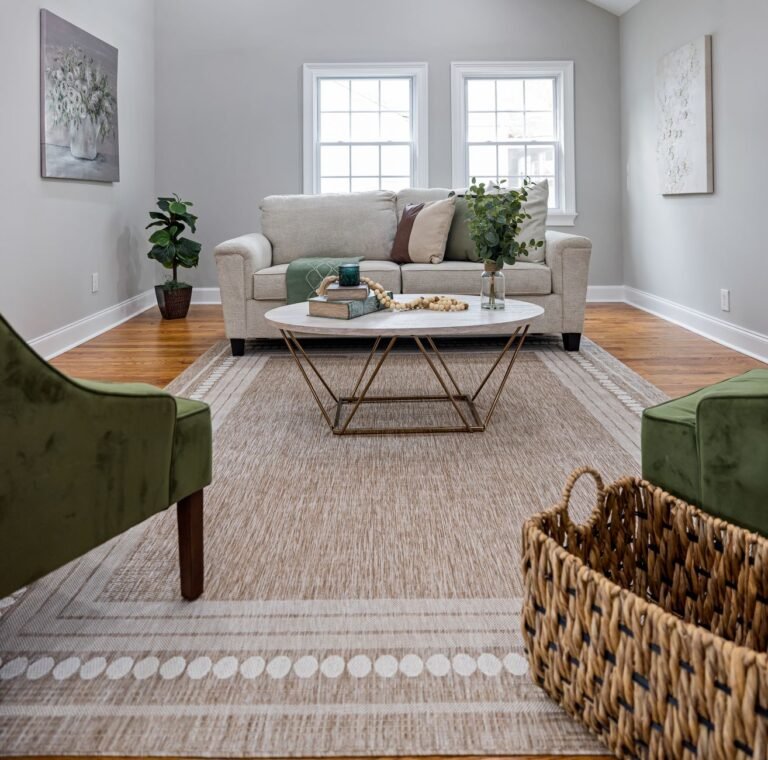
- Choose a low-pile, washable rug or interlocking foam mats you can wipe.
- Leave a clear path for the vacuum.
- Keep a small hand vacuum or lint roller nearby for crumbs and fur.
Common questions
How many toys should be out at once?
There’s no magic number. Start with roughly a third to half of your collection and adjust if kids seem bored or overwhelmed.
What’s the best storage for a small playroom?
A low cube shelf anchored to the wall, fabric bins and a wall ledge for books. Store the rest elsewhere and rotate.
How do I keep my puppy out of the toys?
Use a baby gate, keep small parts up high, give him his own basket of dog toys and practice “leave it” with treats.
Are toy chests safe for toddlers?
Only with a lid support that keeps the lid from slamming, or with no lid at all. Open bins are simpler.
How do I get kids to clean up?
Make it one step, make it short and do it together every night. Picture labels help kids know where things go.

Leave a Reply