

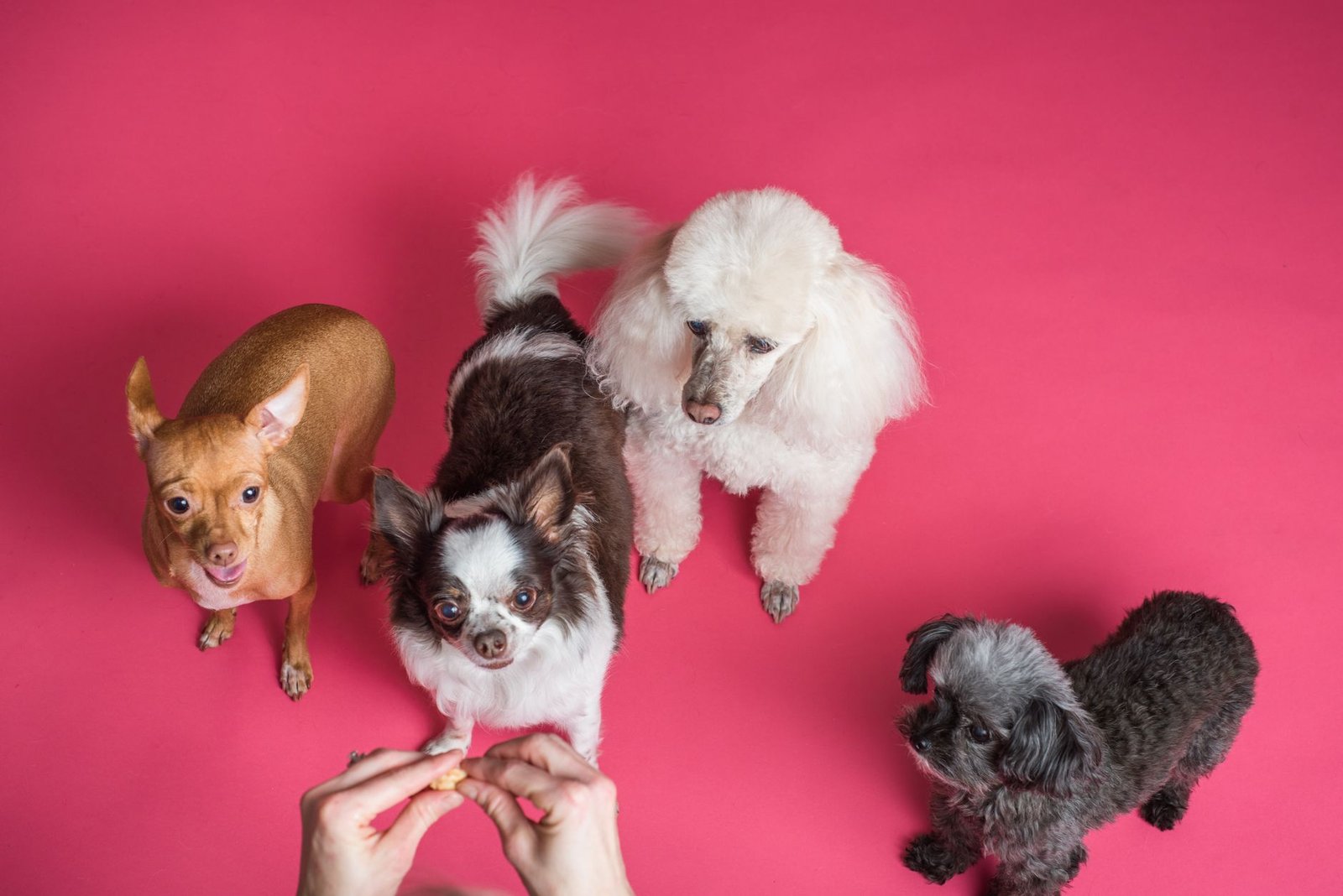
You brought your new dog home, and now there’s a furry stranger chewing your shoes and staring at you, waiting to see what happens next.
Good news: you don’t need to be a pro. These dog training tips cover what every new owner should know, whether you have an 8-week-old puppy or a rescue who’s 5.
Start on day one
Your dog is learning from the moment they walk in. If jumping on the couch works on day one, they’ll assume it works forever.
- Decide the house rules before your dog arrives. Couch or no couch? Bedroom or not?
- Start with the basics: their name, sit and potty spot.
- Give a rescue dog a few calm days to settle before you push hard on training.
Training isn’t a class you finish. It’s a bit of every day.
Keep sessions short and fun
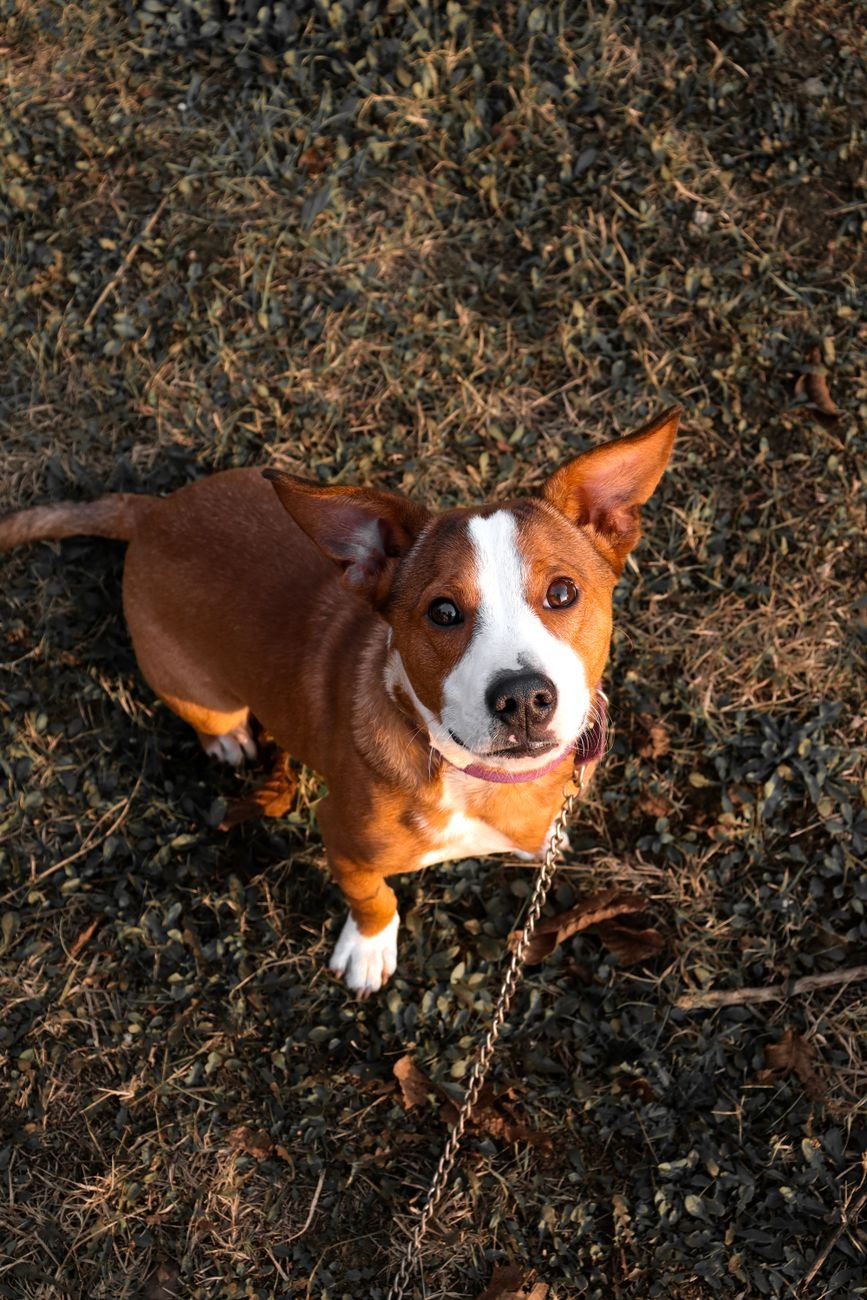
Dogs learn best in quick bursts. Long sessions just make everyone frustrated.
- Aim for about 5 minutes, a few times a day.
- Work on one thing at a time.
- End on a win, with something your dog already knows.
- Stop if your dog checks out, starts sniffing around or gets wound up.
You can slip training into your day. Ask for a sit before meals, before the door opens, before the ball gets thrown.
Reward what you like, the second it happens
Dogs repeat what gets rewarded. That’s the whole secret.
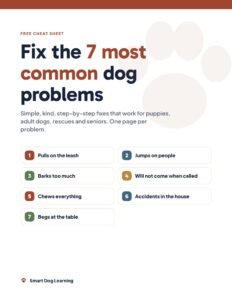
- Works for puppies, adults, rescues and seniors
- One page per problem, step by step
- Printable PDF, free
- Pick a marker word like “yes” or use a clicker.
- Say it the instant your dog does the right thing.
- Follow with a treat within a second or two.
The marker tells your dog exactly which moment earned the treat. Without it, they’re guessing.
Choose the right treats
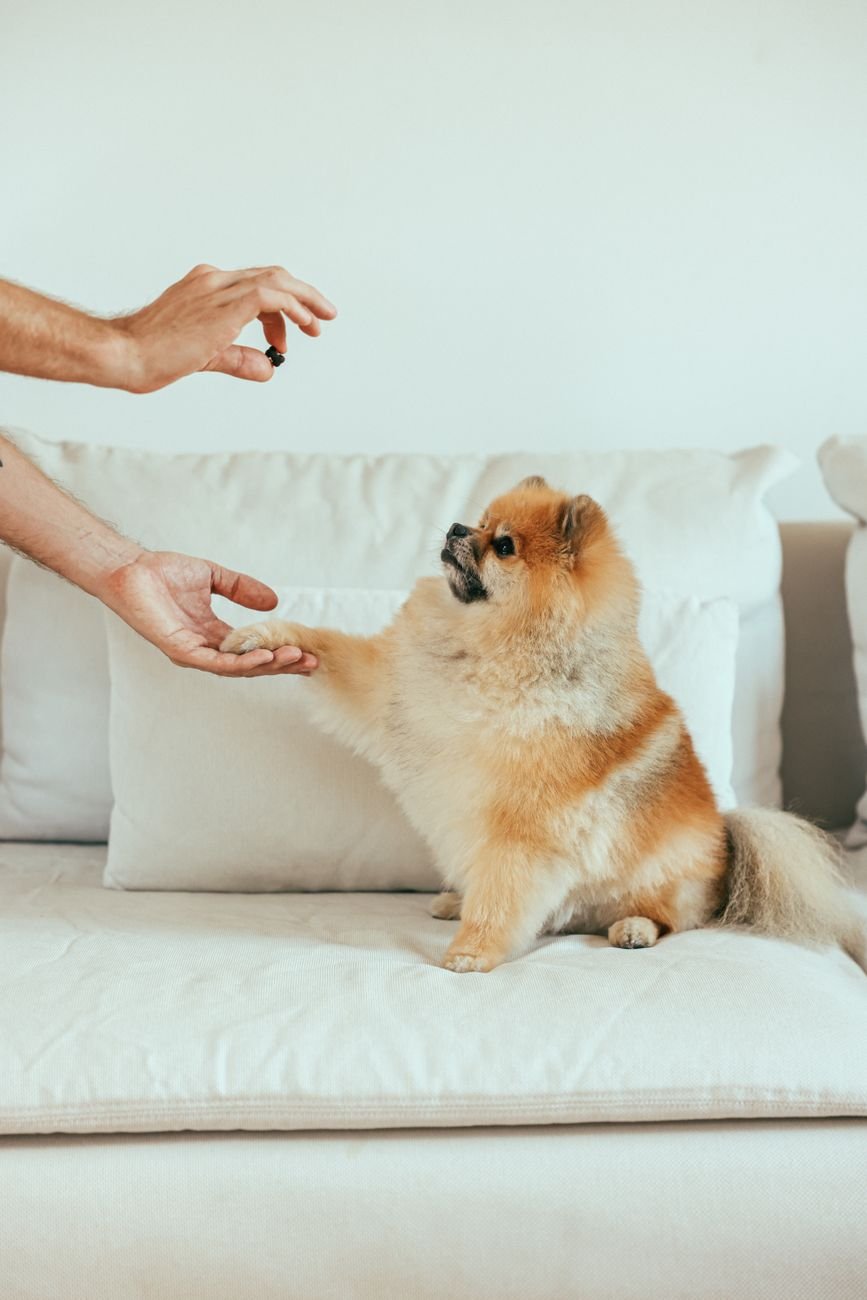
Treats are your paycheck to your dog. Make them worth working for.
- Tiny: about the size of a pea, so your dog doesn’t fill up.
- Soft: quick to eat, so you keep the flow going.
- High value for hard stuff, like coming when called at the park. Small bits of plain cooked chicken work well.
- Count them as part of the day’s food, so your dog doesn’t put on weight.
Want to make your own? These mini peanut butter training treats are just the right size.

Make “come” the best word in the house
A solid recall can keep your dog safe. Build it slowly and make it worth it every time.
- Start inside with no distractions. Say your dog’s name and “come” in a happy voice.
- When they reach you, praise and give a great treat.
- Practice in the yard, then on a long line in quieter outdoor spots.
- Only try off leash in safe, fenced areas once it’s really reliable.
Never call your dog to scold them, give a bath or end the fun at the park every time. They’ll learn that “come” means bad news.
Potty training basics
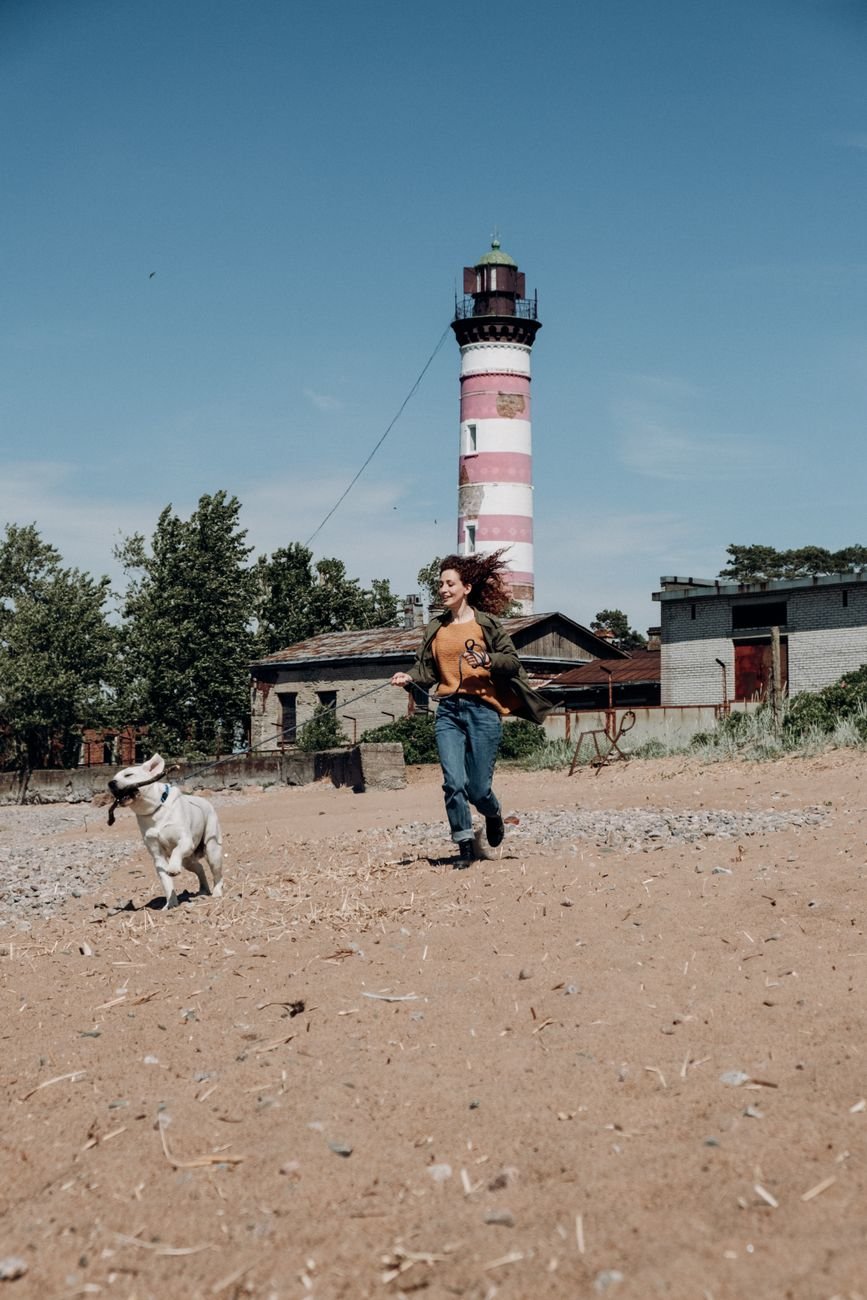
Accidents happen, even with adult dogs in a new home. A schedule fixes most of it.
- Take your dog out after waking, after meals, after play and before bed.
- Young puppies may need to go out every hour or two at first.
- Go to the same spot and stay quiet until they go.
- Reward right there, the moment they finish, not when you get back inside.
If you find an accident, just clean it. Scolding afterward only teaches your dog to hide when they go. Use an enzyme cleaner so the smell doesn’t draw them back. Here’s how to remove urine smells from carpet.
Make the crate a happy place
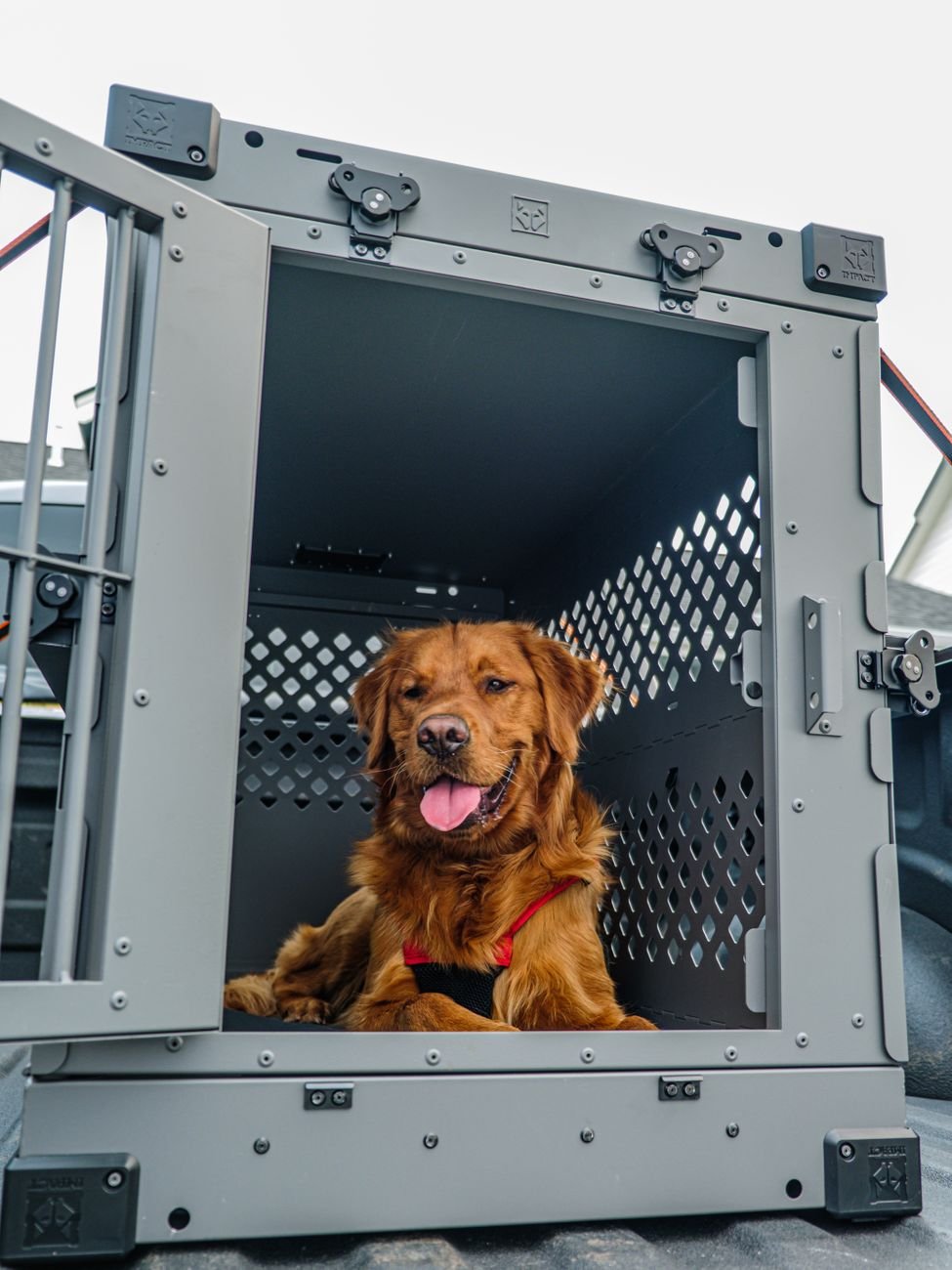
A crate, used kindly, gives your dog a safe den and helps with potty training.
- Feed meals in the crate with the door open at first.
- Toss treats in and let your dog wander in on their own.
- Close the door for short stretches while you’re home, then build up.
- Never use the crate as punishment.
Don’t leave a dog crated for long hours. If you work long days, a dog walker or midday visit helps.
Teach loose-leash walking
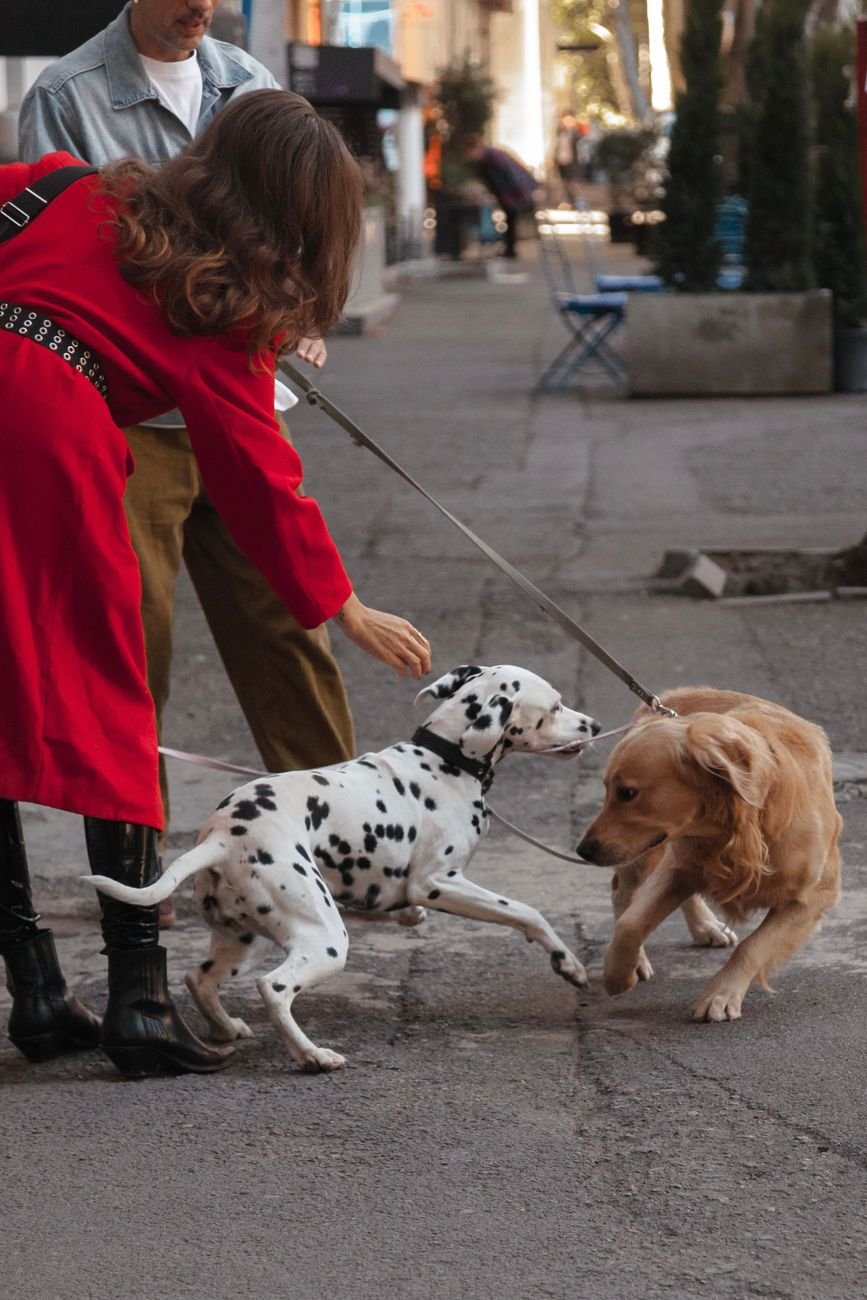
Pulling is the number one complaint of new dog owners. The fix is simple, just not fast.
- When the leash goes tight, stop and wait.
- When your dog comes back and the leash loosens, move forward and reward.
- Treat your dog often when they walk next to you.
- Let them sniff. Sniffing is a big part of why dogs love walks.
A front-clip harness can help with strong pullers while you train.
Socialize gently
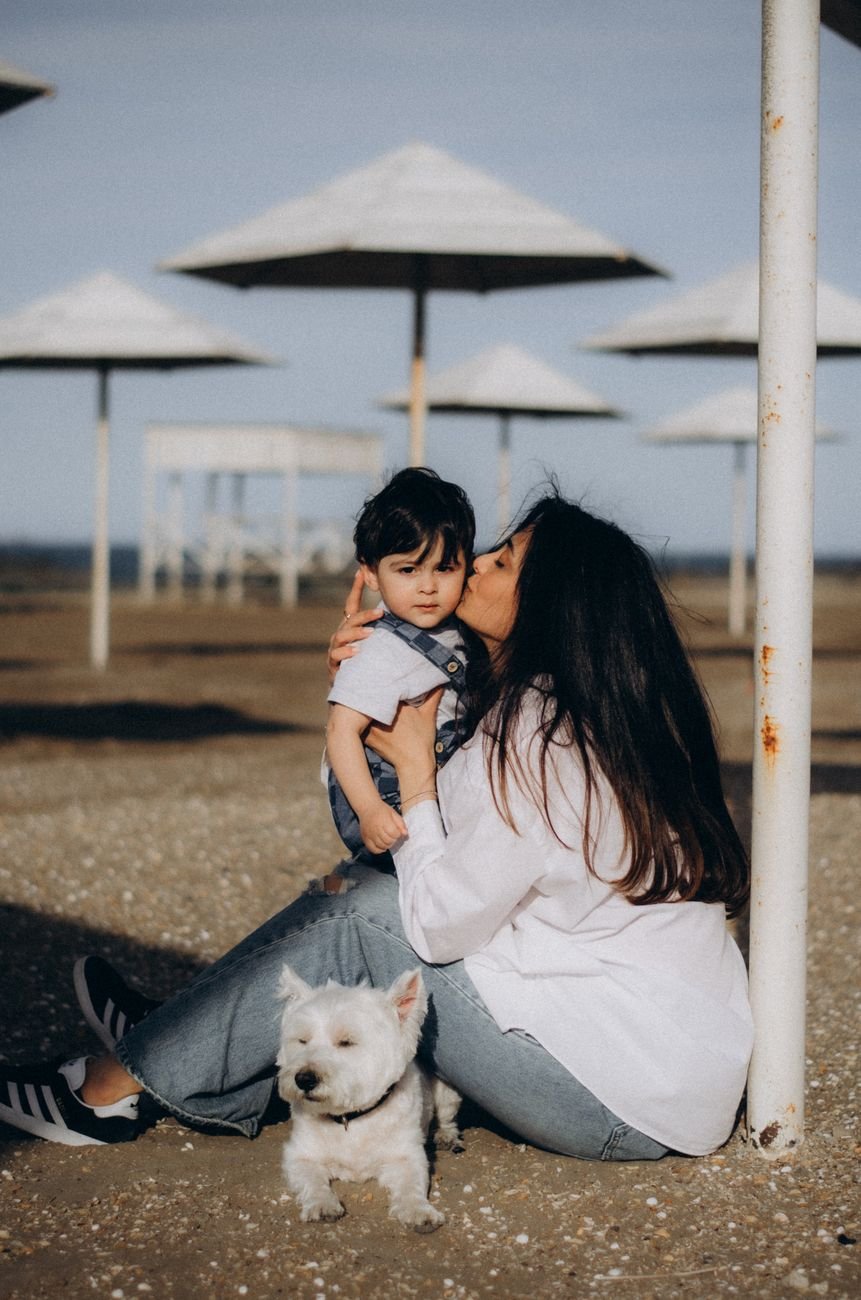
Puppies have a window early in life when new things are easiest to accept. Older dogs can learn too, just more slowly.
- Let your dog see new people, sounds, surfaces and places from a comfortable distance.
- Pair each new thing with treats.
- Watch body language. If your dog tucks their tail, freezes or tries to leave, back off.
- Ask your vet when your puppy can safely meet other dogs and visit busy places, based on their vaccines.
Quality beats quantity. One calm, happy meeting is better than ten scary ones.
Prevent, don’t punish
Yelling, jerking the leash or rubbing a nose in a mess can scare your dog and damage trust. It also doesn’t teach them what to do instead.
- Manage the space: baby gates, closed doors and shoes put away.
- Redirect: swap your sock for a chew toy.
- Reward calm: drop a treat when your dog lies quietly.
Our puppy-proofing tips make management much easier.
Keep everyone on the same page
If one person lets the dog on the couch and another doesn’t, your dog will be confused. Agree on:
- The same cue words, like “off” for furniture and “down” for lying down
- The same house rules
- Who feeds and walks when
Write the cue words on the fridge. It really helps with kids.
Common questions
When should I start training my puppy?
The day you bring them home. Puppies can learn their name, sit and potty habits at 8 weeks.
How long does it take to train a dog?
Basic cues can click in a few weeks, but good manners take months of steady practice. Some dogs learn faster than others.
Can you train an older dog?
Absolutely. Adult dogs often focus better than puppies. Keep sessions short and patient.
Should I hire a dog trainer?
A group class is great for most new owners. Look for a certified trainer who uses reward-based methods.
What if my dog growls or snaps?
Don’t punish the growl, since it’s a warning. See your vet to rule out pain, then work with a qualified behavior professional.


Leave a Reply