

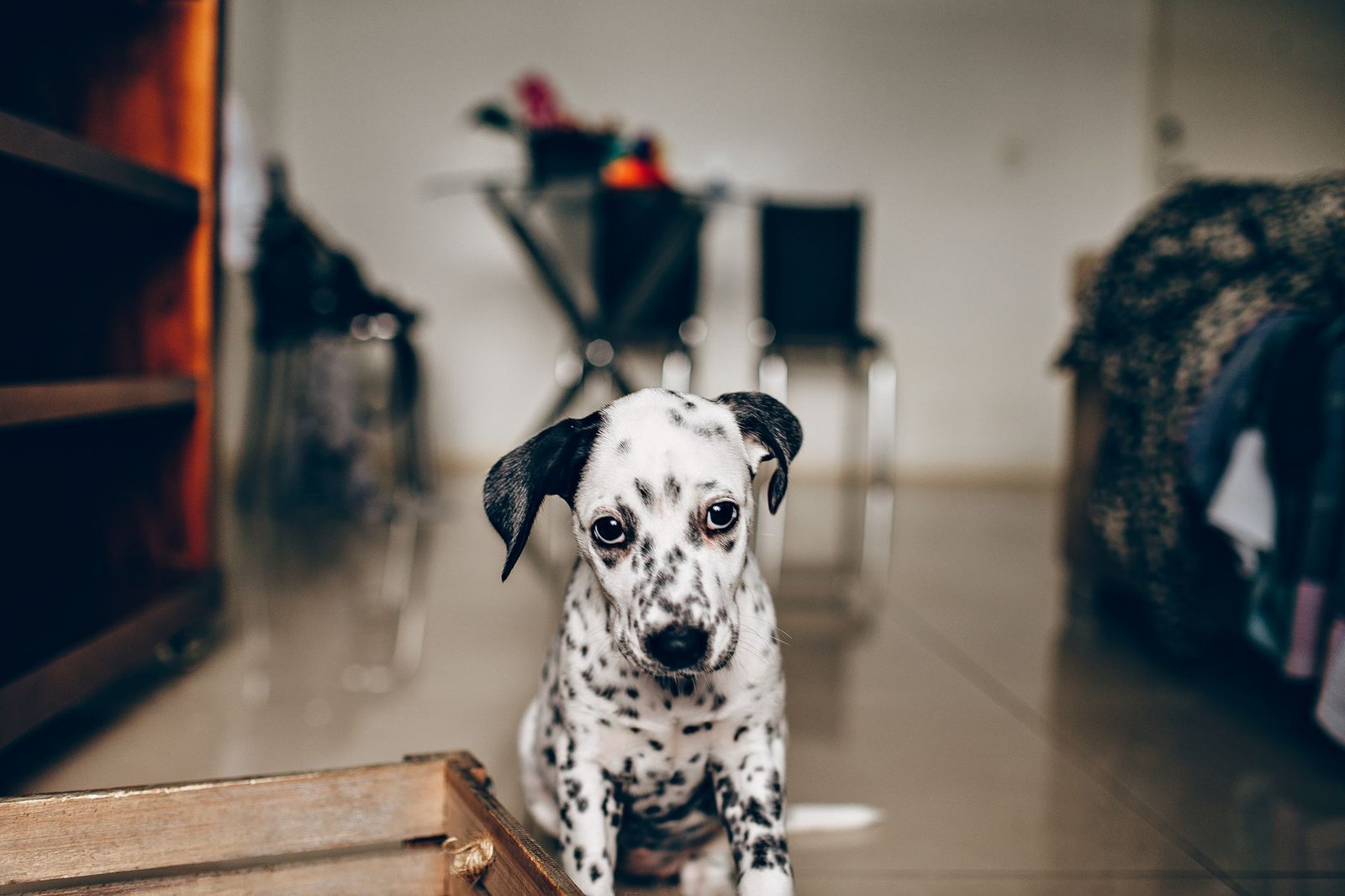
Walk into a pet store with a new puppy on the way and you’ll leave with a cart full of stuff. Half of it will end up in a closet.
This list of puppy essentials is the short version: the things you’ll use every single day, plus the things you can happily skip. Your wallet will thank you.
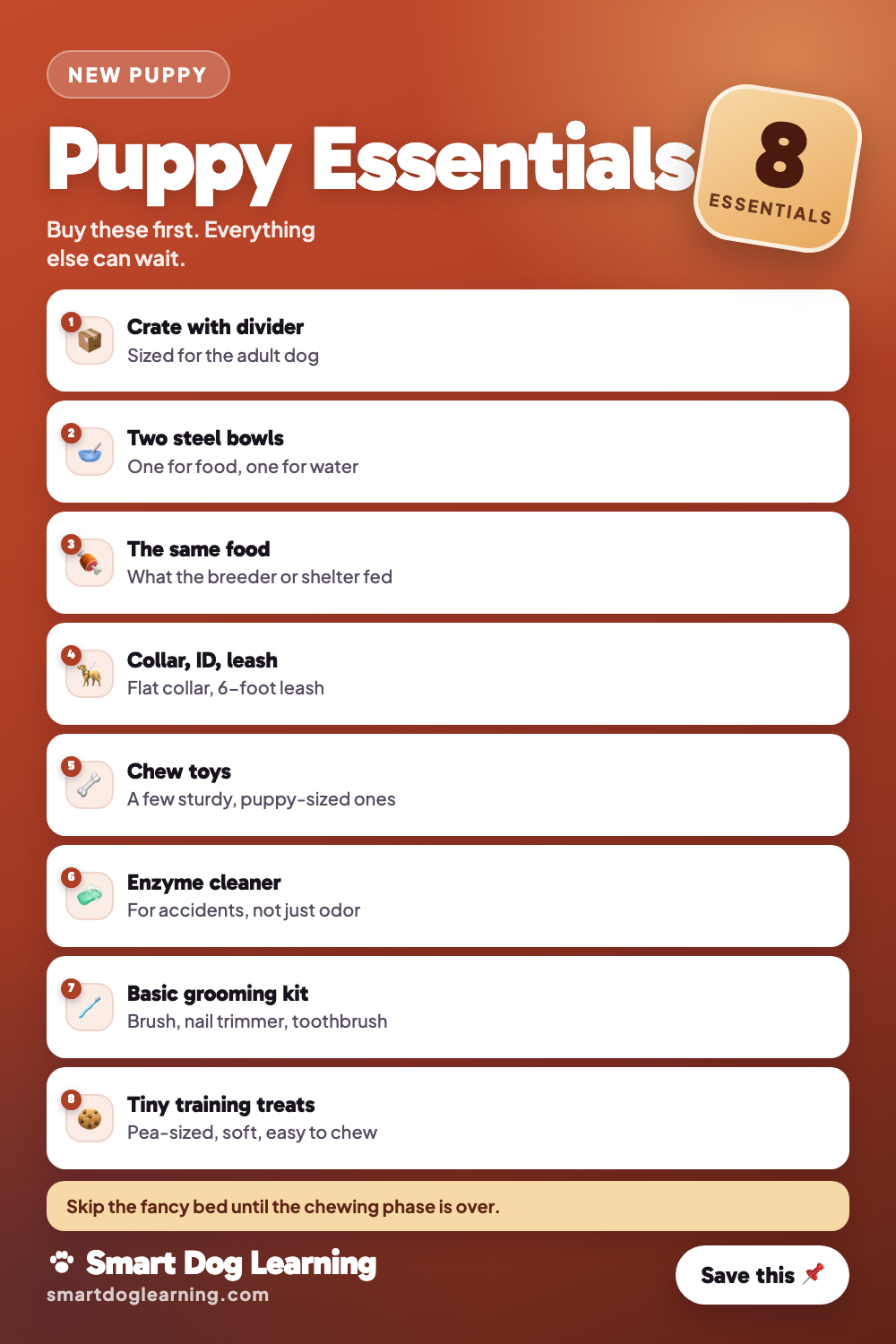
The first-day shopping list
Get these before your puppy comes home. Everything else can wait a week or two.
- A crate with a divider panel
- Two stainless steel bowls
- A small bag of the food your puppy already eats
- A flat collar with an ID tag, and a 6-foot leash
- A few chew toys
- Enzyme cleaner and paper towels
- A brush, nail trimmer and dog toothbrush
- Small, soft training treats
That’s it. Now here’s why each one earns its spot.
A crate that grows with them
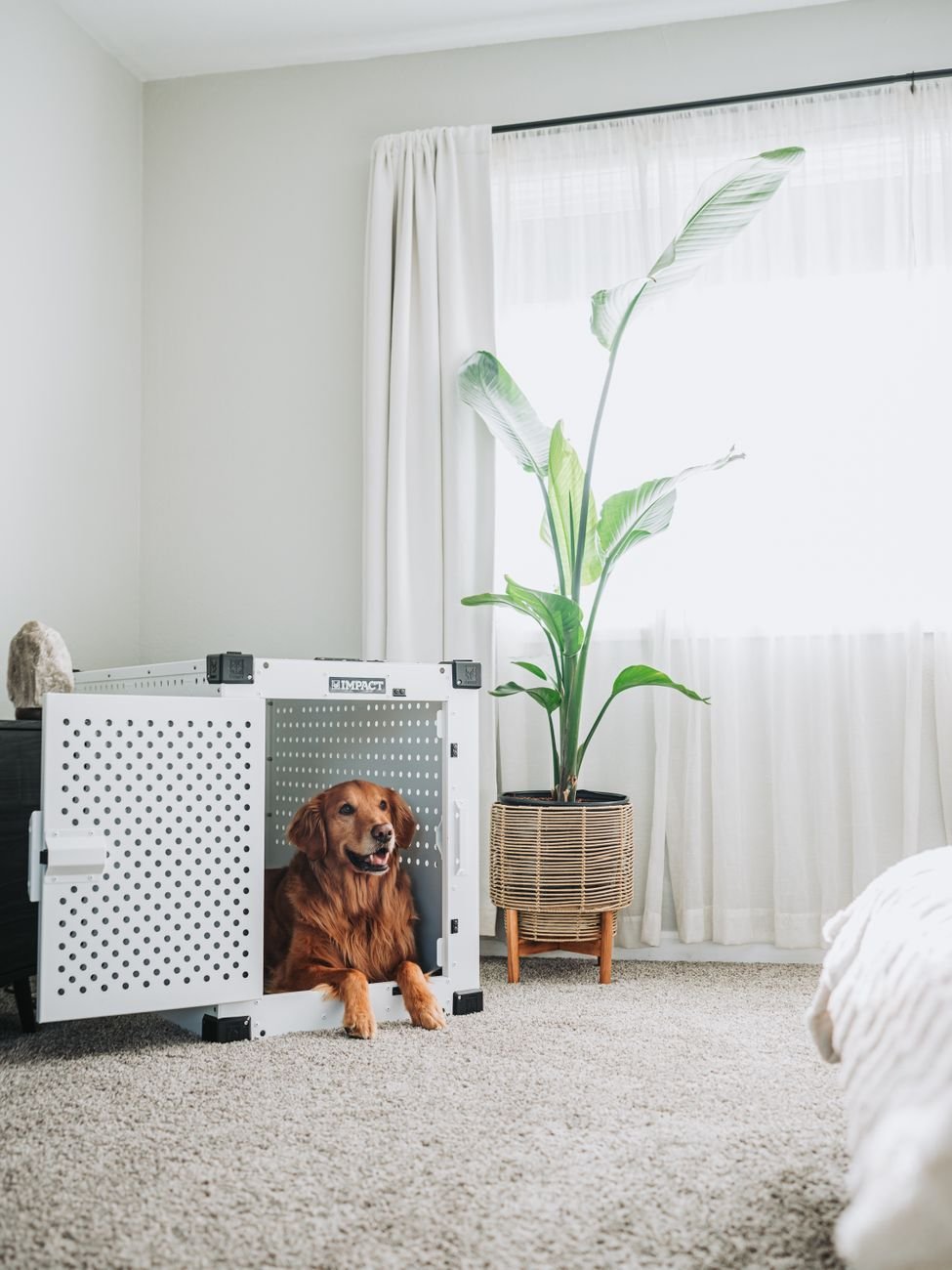
A crate gives your puppy a safe den and makes house training much easier. Most puppies won’t soil the spot where they sleep.
- Buy for the adult size and use the divider to shrink the space for now.
- Your puppy should be able to stand, turn and lie down, but not have a bathroom corner.
- Wire crates are easy to clean and fold flat. Plastic ones feel cozier and work for car trips.
Put a towel inside, not an expensive bed. More on that later.
- Works for puppies, adults, rescues and seniors
- One page per problem, step by step
- Printable PDF, free
Bowls and the right food
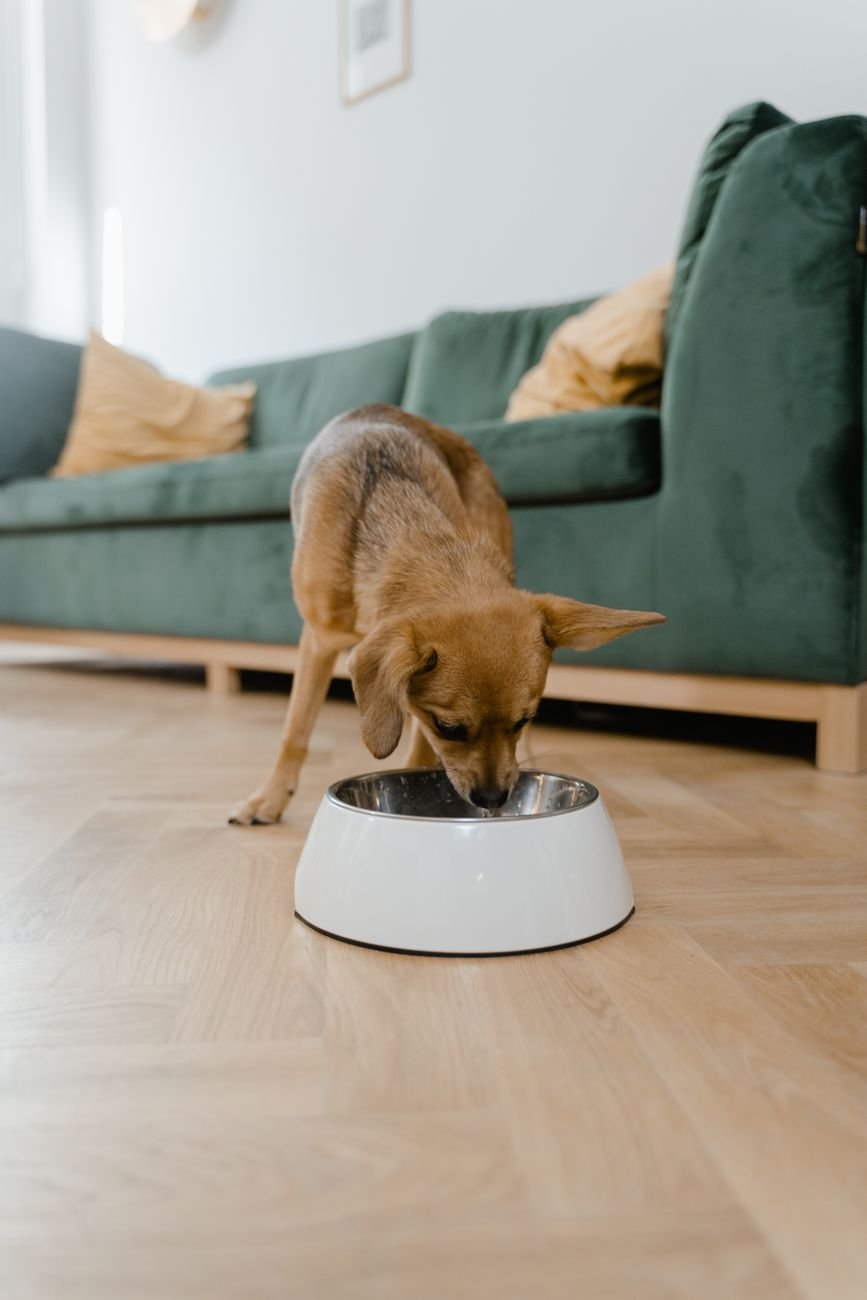
Stainless steel bowls are cheap, dishwasher safe and don’t hold onto smells. Plastic scratches and gets chewed.
- Keep the same food the breeder or shelter fed for the first week or two.
- If you want to switch, mix old and new food over about a week. Sudden changes often mean an upset tummy.
- Choose a food labeled complete and balanced for growth or all life stages. Large breeds need a large-breed puppy formula.
Don’t buy a giant bag yet. Get a small one until you know your puppy does well on it.
Collar, ID and leash
Puppies are escape artists. An ID tag is one of the cheapest things you’ll buy and one of the most important.
- A flat, adjustable collar with your phone number on the tag.
- A plain 6-foot leash. It’s the standard for training and walks.
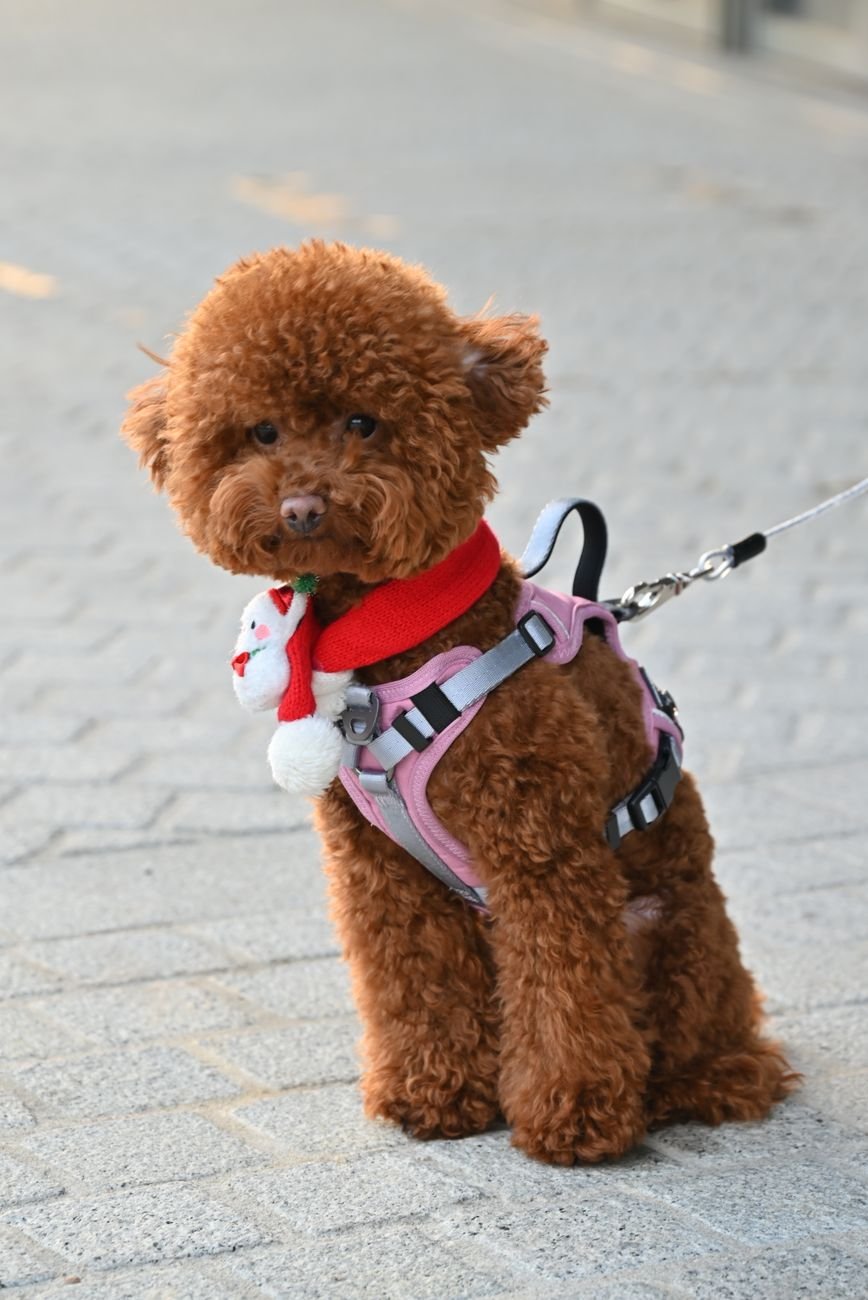
- A harness is a good add-on for small breeds and pullers.
- A microchip, and remember to register it in your name.
Check the collar fit weekly. You should be able to slide two fingers under it, and puppies outgrow collars fast.
Chew toys, and plenty of them
Puppies teethe until around six months old. They will chew something. Your job is to make it the right something.
- A durable rubber toy you can stuff with a little of their food.
- A soft plush toy for gentle play, under supervision.
- A puppy teething toy, sized so it can’t be swallowed.
Rotate them every few days so they stay interesting. Once your puppy is settled, our indoor enrichment ideas are great for rainy days.
Cleanup and accident supplies
Accidents will happen. That’s not a training failure, it’s just puppyhood.
- Enzyme cleaner breaks down the odor that tells your puppy “this is the bathroom.” Regular sprays just cover it up.
- Paper towels, lots of them.
- Poop bags and a holder that clips to the leash.
Puppy pads are optional. They can help in an apartment, but they can also teach your puppy that indoors is fine.
A simple grooming kit
Start handling paws, ears and mouth now, while your puppy is small and curious. Grooming gets much easier later.
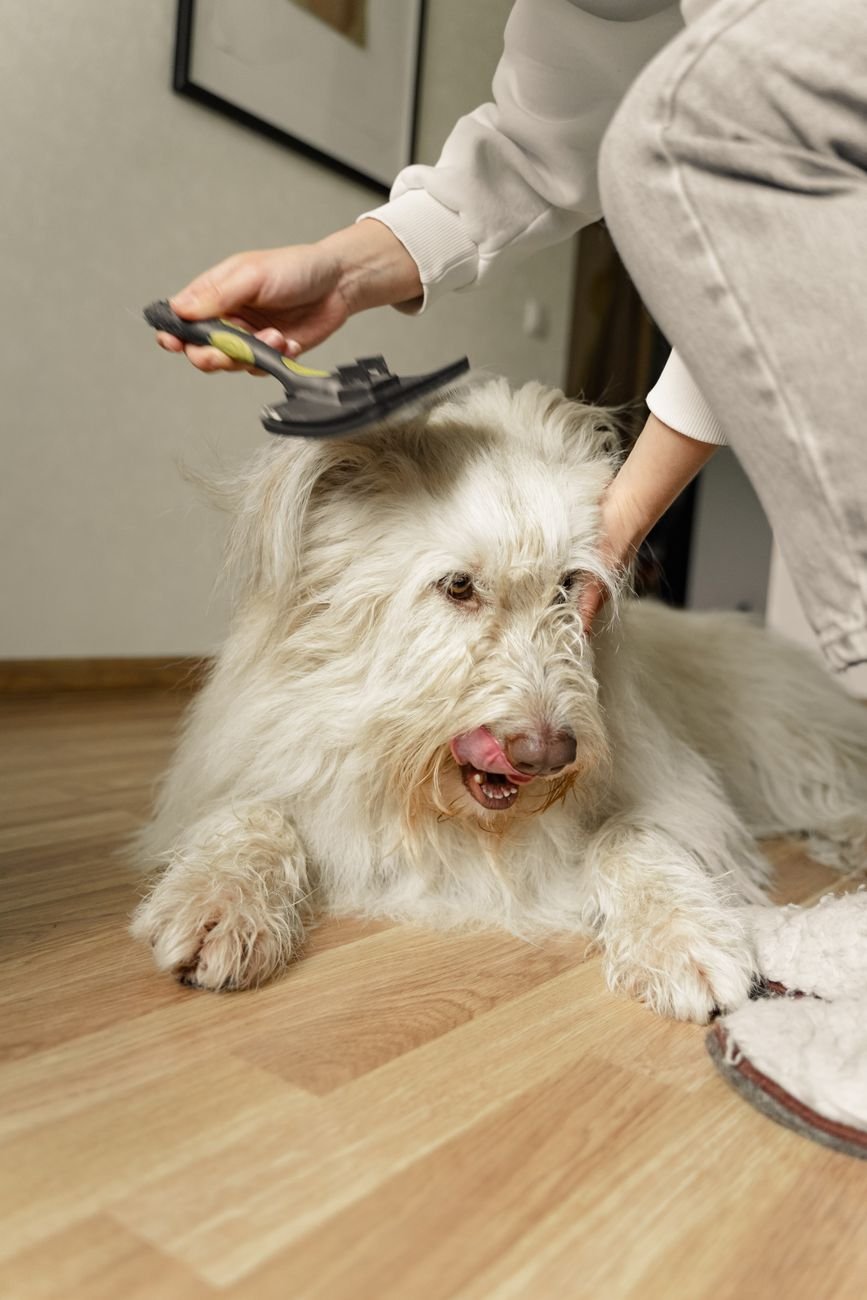
- A brush that suits the coat type. Ask your groomer or breeder.
- Nail trimmers, plus styptic powder in case you cut too short.
- A dog toothbrush and dog toothpaste. Never human toothpaste, since some contain xylitol, which is toxic to dogs.
- A gentle puppy shampoo for the occasional bath.
Training treats
Training starts the day your puppy comes home. Small rewards, given right away, teach faster than anything else.
- Pick soft treats you can break into pea-sized pieces.
- Count them as part of the daily food, so your puppy doesn’t gain too much.
- Some of their regular kibble works as a reward too, especially at home.
What you don’t need (yet)
Here’s where you save money. These are popular, but most new owners regret buying them early.
- A fancy bed. A teething puppy will shred it. Use towels or an old blanket until about six months, then upgrade.
- A retractable leash. It teaches pulling and gives you little control near traffic.
- A mountain of toys. Four or five good ones beat twenty cheap ones.
- Outfits and shoes. Cute, but most puppies don’t need them. A coat makes sense only for tiny or short-haired breeds in cold weather.
- Rawhide. It can splinter or swell and is a choking risk for puppies.
- Lots of supplements. A complete puppy food covers the basics. Ask your vet before adding anything.
Get the house ready too
Supplies are half the job. The other half is making your home safe for a small creature who puts everything in their mouth.
- Tuck away cords, shoes and anything chewable at puppy height.
- Move cleaning products, medications and human food out of reach.
- Use baby gates to keep your puppy in puppy-safe rooms.
Our puppy-proofing tips walk through it room by room. And for the big day itself, here’s what to do in your first 24 hours with a new puppy.
Book the vet visit early
Schedule a checkup within the first few days. Bring any records from the breeder or shelter.
- Your vet will set up a vaccine and deworming schedule.
- Ask about flea, tick and heartworm prevention for your area.
- It’s also a good time to ask about food amounts and spaying or neutering.
Common questions
What do I need before bringing a puppy home?
A crate, bowls, food, a collar with ID, a leash, chew toys, enzyme cleaner and training treats. The rest can wait.
What size crate should I buy?
One that fits your puppy’s adult size, with a divider to make it smaller for now.
Should my puppy have a bed in the crate?
A towel or old blanket is better at first. Teething puppies often chew beds, and stuffing can be dangerous.
How many toys does a puppy need?
Four or five good ones is plenty. Rotate them so they stay new and exciting.
When should my puppy see the vet?
Within the first few days home. Your vet will plan vaccines, deworming and parasite prevention.


Leave a Reply