

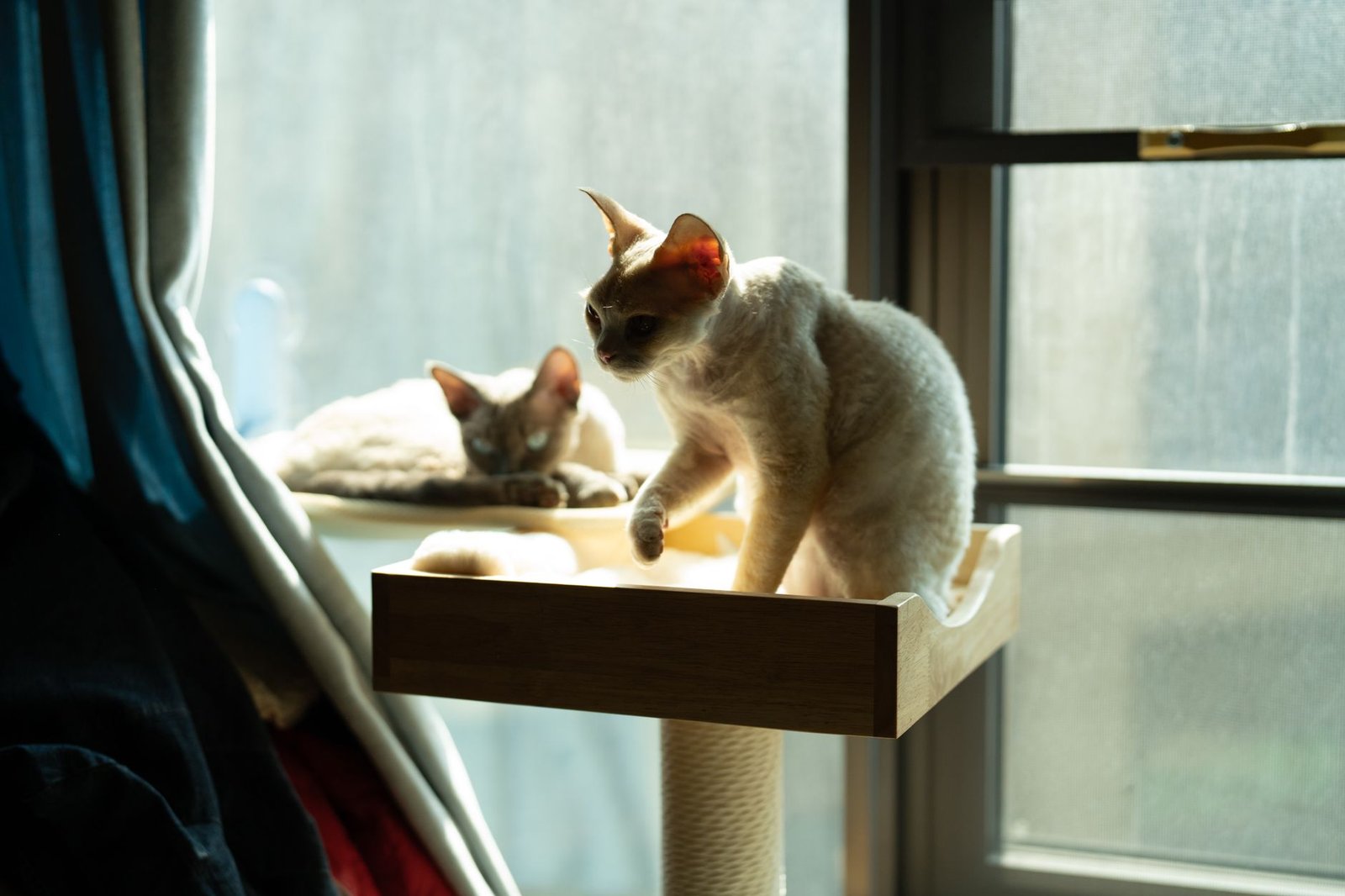
Indoor cats need more than food and a litter box. They need places to climb, hide, scratch and watch the world.
A cat room gives them all of that in one spot. It can be a spare bedroom, a sunroom or just a corner of your living room. These indoor cat room ideas work at any size and on any budget.
Start with how cats use space
Cats think in three dimensions. Floor space matters less than height, views and safe spots.
- Up high is where cats feel safe and in charge.
- Hidden spots help them relax.
- Windows are entertainment.
- Separate zones keep the litter box away from food and beds.
Plan the room around those four things and your cat will use it.
1. Build a climbing wall
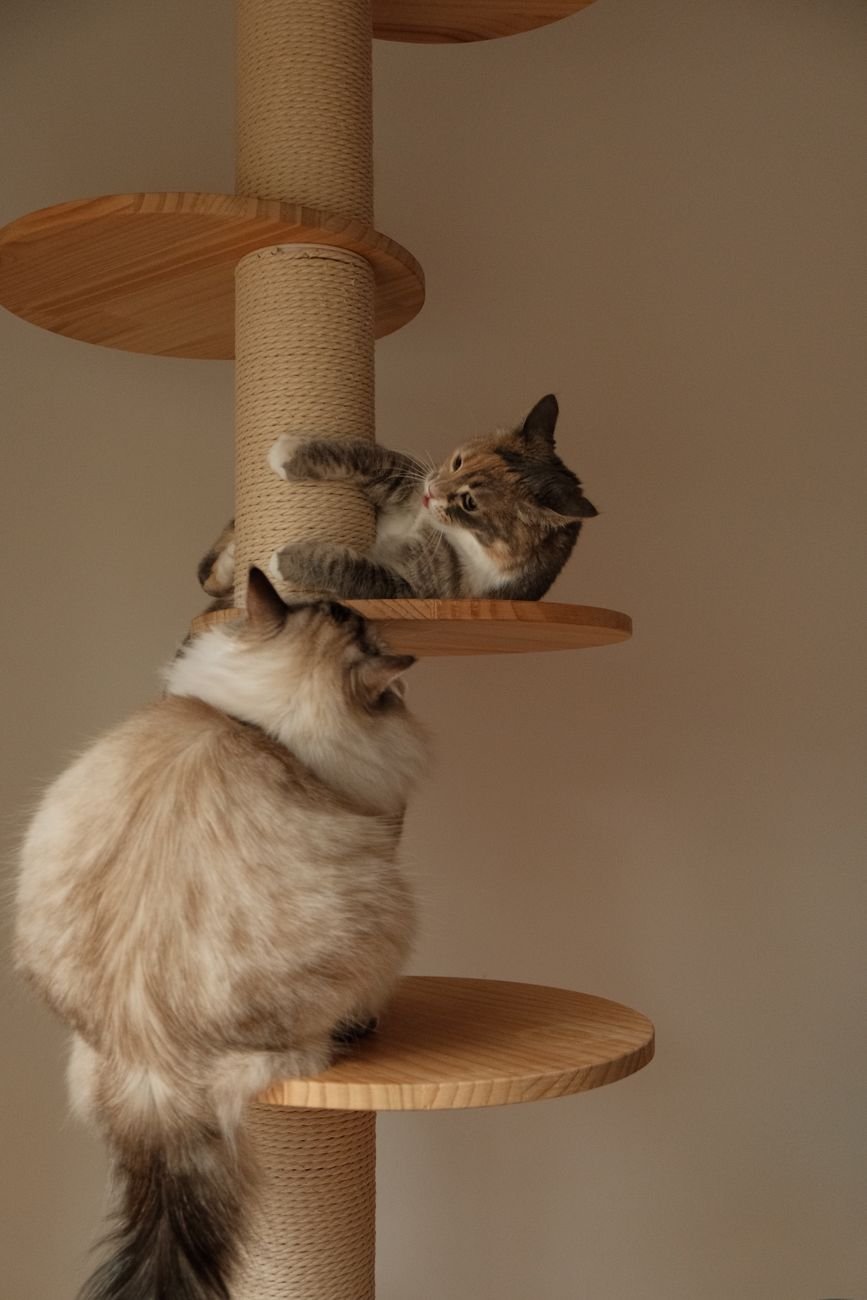
Wall shelves in a staircase pattern turn a blank wall into a playground. They save floor space too.
- Screw shelves into wall studs, not just drywall anchors. A jumping cat puts real force on them.
- Space them so your cat can step, not leap. About 12 to 18 inches apart works for most cats.
- Add carpet or sisal on top so paws don’t slip.
- End at a top perch or a hammock.
For older cats, keep the steps closer and lower.
2. Add a window perch
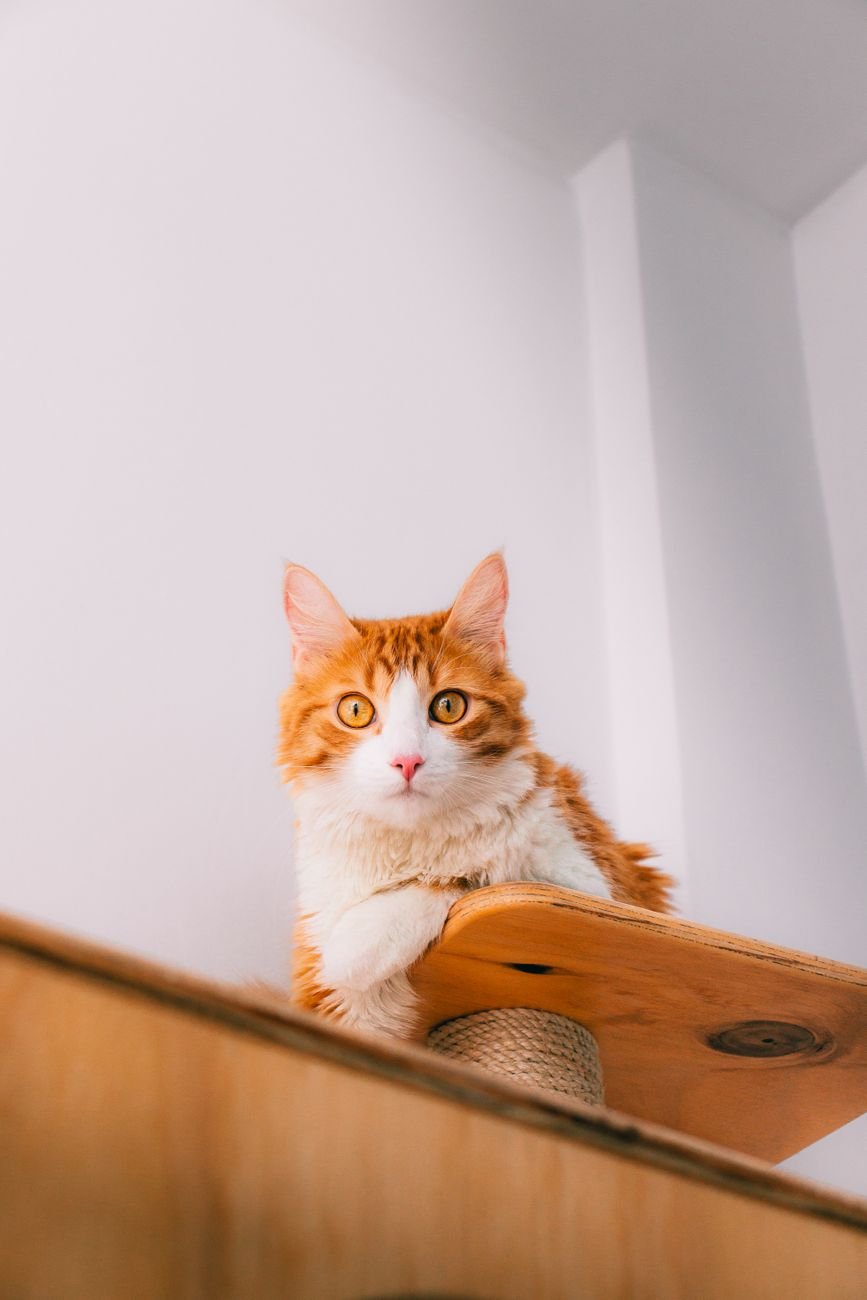
Cats can watch birds and squirrels for hours. A window perch is the best seat in the house.

- 14 safe foods and 14 to avoid, at a glance
- Toxic houseplants (lilies are deadly to cats, even the pollen)
- What to do if your cat eats something toxic
- Check that the window screen is secure. Cats can push through loose screens.
- Use a sturdy perch rated for your cat’s weight.
- A bird feeder outside the window adds a show.
- Pick a window with some sun. Most cats love a warm nap spot.
Blind cords are a strangling risk. Tie them up high or switch to cordless blinds.
3. Make a scratching zone
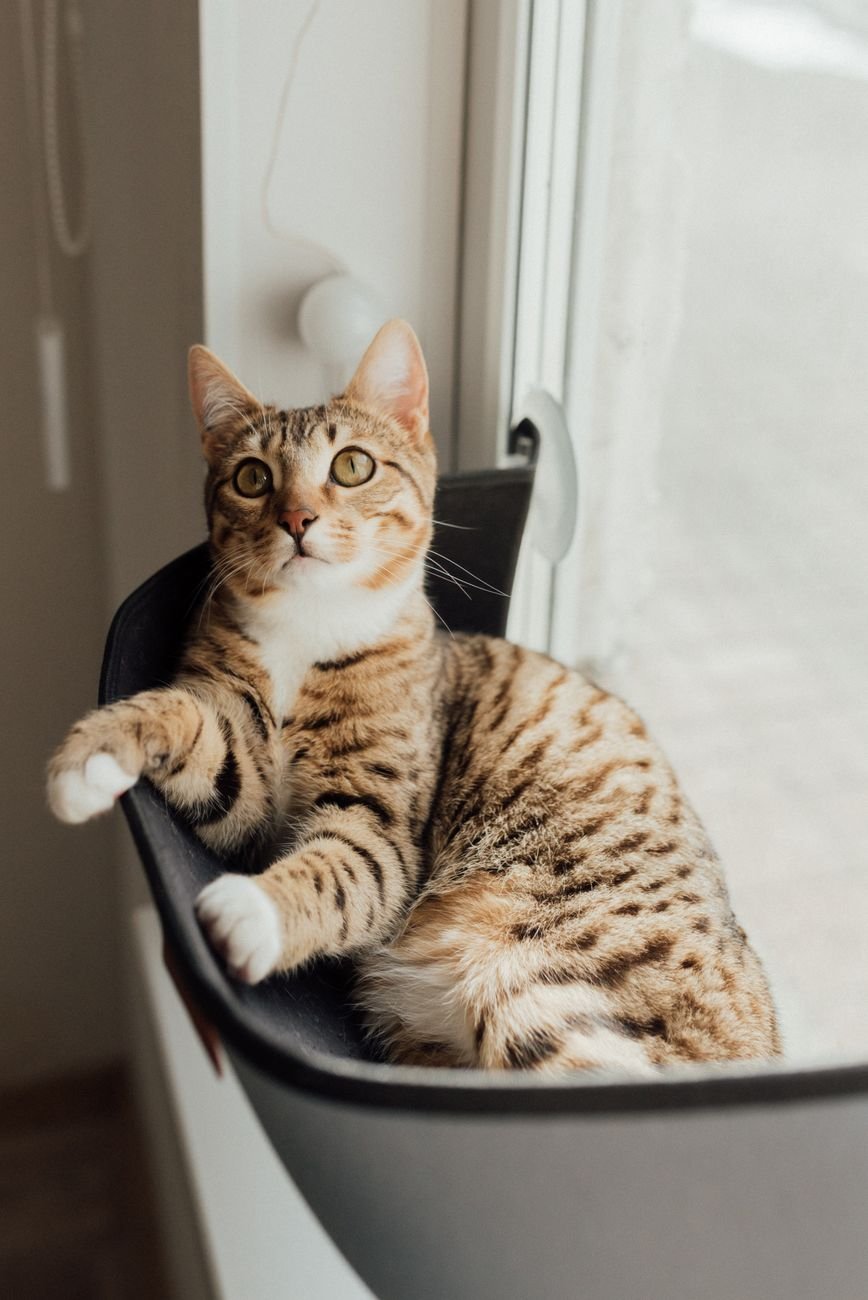
Scratching is normal. It keeps claws healthy and marks territory. Give your cat good options and they’ll leave the couch alone.
- A tall, heavy post that doesn’t wobble when your cat stretches full length.
- Flat cardboard scratchers for cats who scratch on the floor.
- Sisal rope or fabric holds up well.
Put one scratcher near the door and one near where your cat sleeps. Cats like to stretch and scratch right after they wake up.
4. Create hideaways
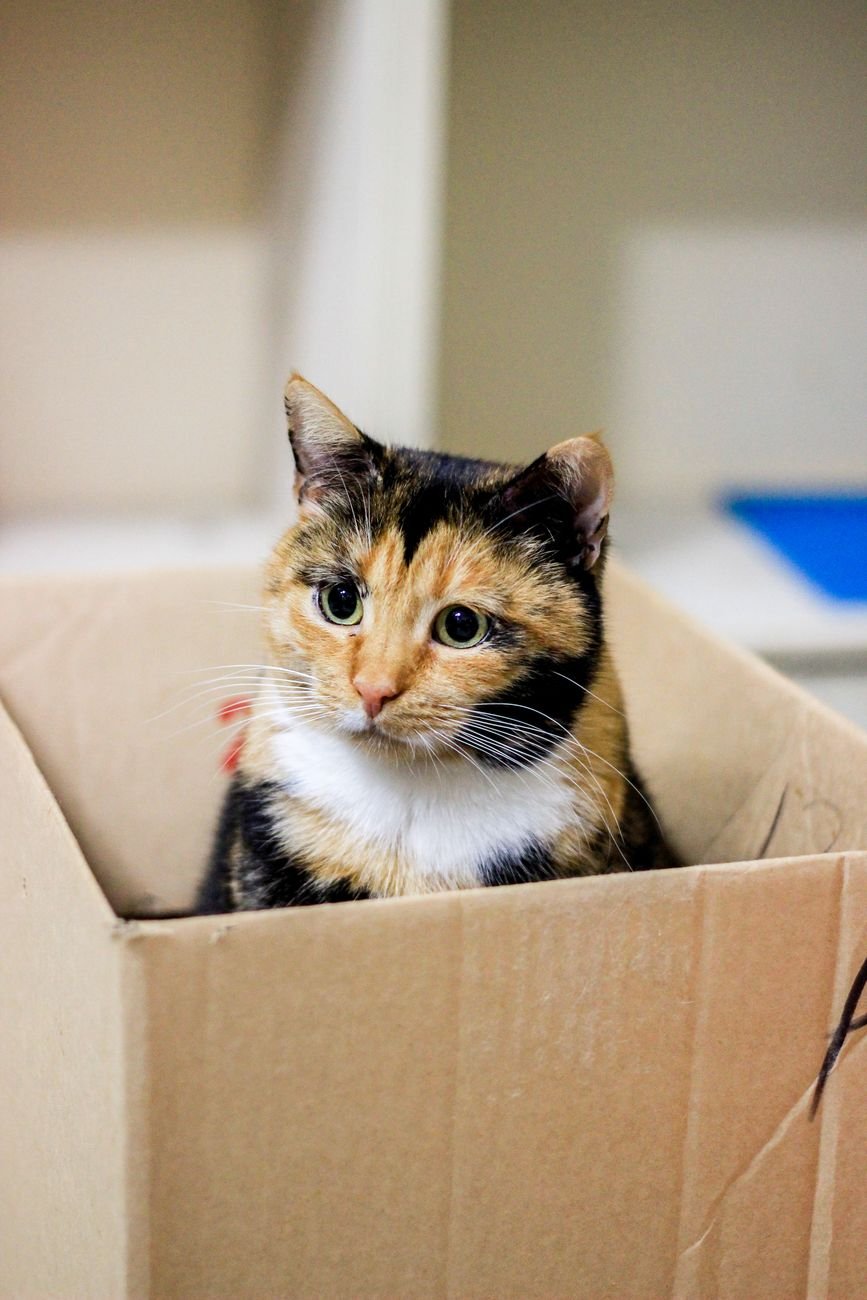
A cat who can hide is a calmer cat, especially in a busy house or with a dog around.
- Cardboard boxes, turned on their side
- Fabric tunnels
- Covered cat beds or cubbies in the cat tree
- A blanket draped over a low shelf
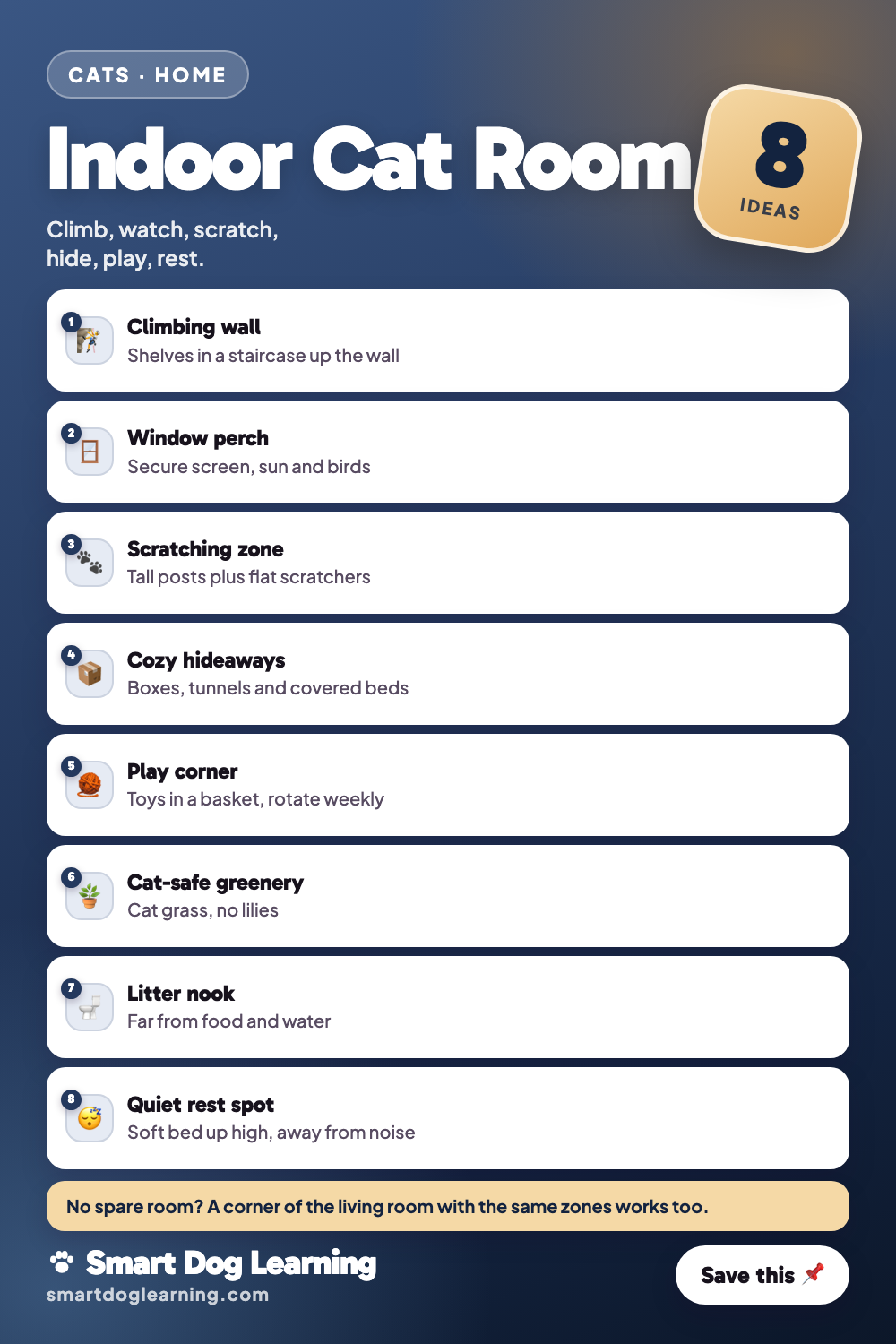
5. Set up a play corner
Indoor cats need to hunt, even if the prey is a feather on a stick.
- Keep toys in a basket and rotate a few each week so they stay new.
- Puzzle feeders make mealtime a game.
- Put away wand toys, strings and ribbons after play. Cats can swallow them, and that can mean surgery.
Ten minutes of play twice a day makes a big difference. Need cheap toy ideas? Try these DIY cat toys. For more ways to keep a bored cat busy, see our cat enrichment ideas.
6. Bring in cat-safe greenery
A pot of cat grass gives your cat something green to nibble. It’s easy to grow from seed on a sunny sill.
Be careful with houseplants. Some are dangerous to cats.
- Lilies are extremely toxic to cats. Even pollen or water from the vase can cause kidney failure. Keep them out of the house.
- Check every plant on the ASPCA’s toxic and non-toxic plant list before you bring it home.
- Skip essential oil diffusers in the cat room. Many oils are harmful to cats.
7. Give the litter box its own nook
Cats don’t like to eat or sleep next to their toilet. Neither would you.
- Put the box on the opposite side of the room from food and water.
- Keep it somewhere quiet, with an easy way in and out.
- The usual guideline is one box per cat, plus one.
- Scoop every day.
Want it out of sight? Our hidden cat litter box ideas keep it hidden without upsetting your cat.
8. Make a quiet rest spot
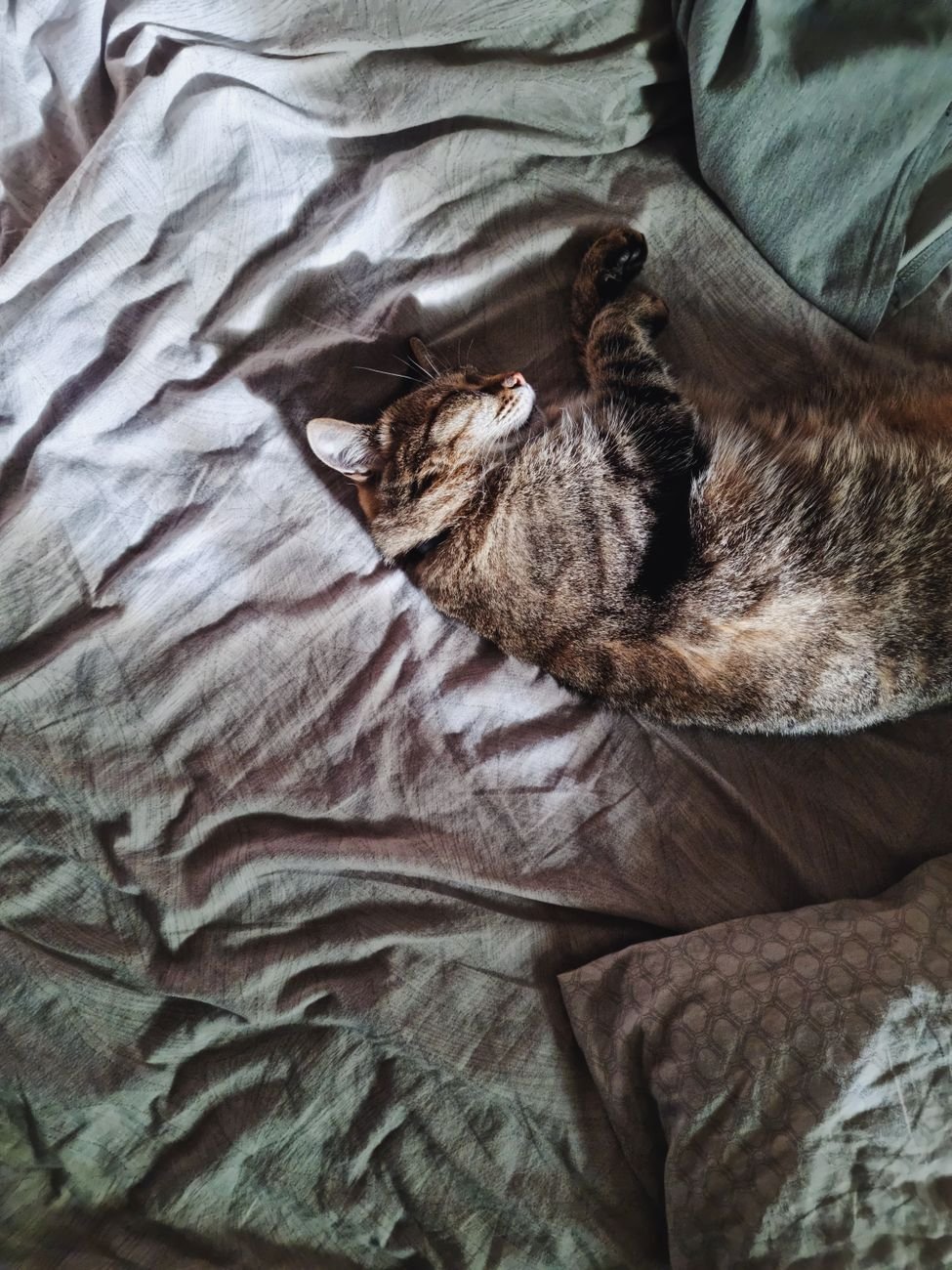
Cats sleep a lot. A good nap spot is warm, soft and a little high up.
- A bed on a shelf or the top of the cat tree
- A heated pad for older cats, on low with a cover
- Away from the door, the washing machine and loud speakers

Planning for more than one cat
Two or more cats can share a room happily, but they need enough of everything so nobody has to compete.
- Several perches at different heights, so each cat can claim a spot.
- More than one way in and out of high areas, so one cat can’t trap another.
- Separate food bowls, spaced apart.
- Extra litter boxes in different spots, not lined up side by side.
Watch for signs of tension, like blocking doorways or hiding all day. If it keeps happening, add more resources or talk to your vet.
Cat-proof the room
Before you move your cat in, check the room the way a curious cat would.
- Hide or cover electrical cords.
- Store cleaning products, medicine and small objects behind closed doors.
- Secure tall furniture and bookshelves so they can’t tip.
- Close gaps behind appliances where a cat could get stuck.
No spare room? Use a corner
You don’t need a whole room. A corner with a cat tree near a window, a scratcher, a hidey box and a bed covers most of what a cat needs.
Keep the litter box in a separate area. Then add wall shelves whenever you’re ready.
Common questions
Is it okay to keep a cat in one room?
It’s fine for a new cat settling in. Long term, most cats are happier with access to more of the house.
What does a cat room need?
A litter box, food and water, something to climb, something to scratch, a hiding spot and a window.
Are cat wall shelves safe?
Yes, if they’re screwed into studs and have a non-slip surface. Check the screws every few months.
What plants are safe in a cat room?
Cat grass is the easy choice. Check any other plant on the ASPCA list, and never bring in lilies.
How do I get my cat to use the new room?
Put familiar bedding and a few treats in it, leave the door open, and let your cat explore at their own pace.



Leave a Reply