

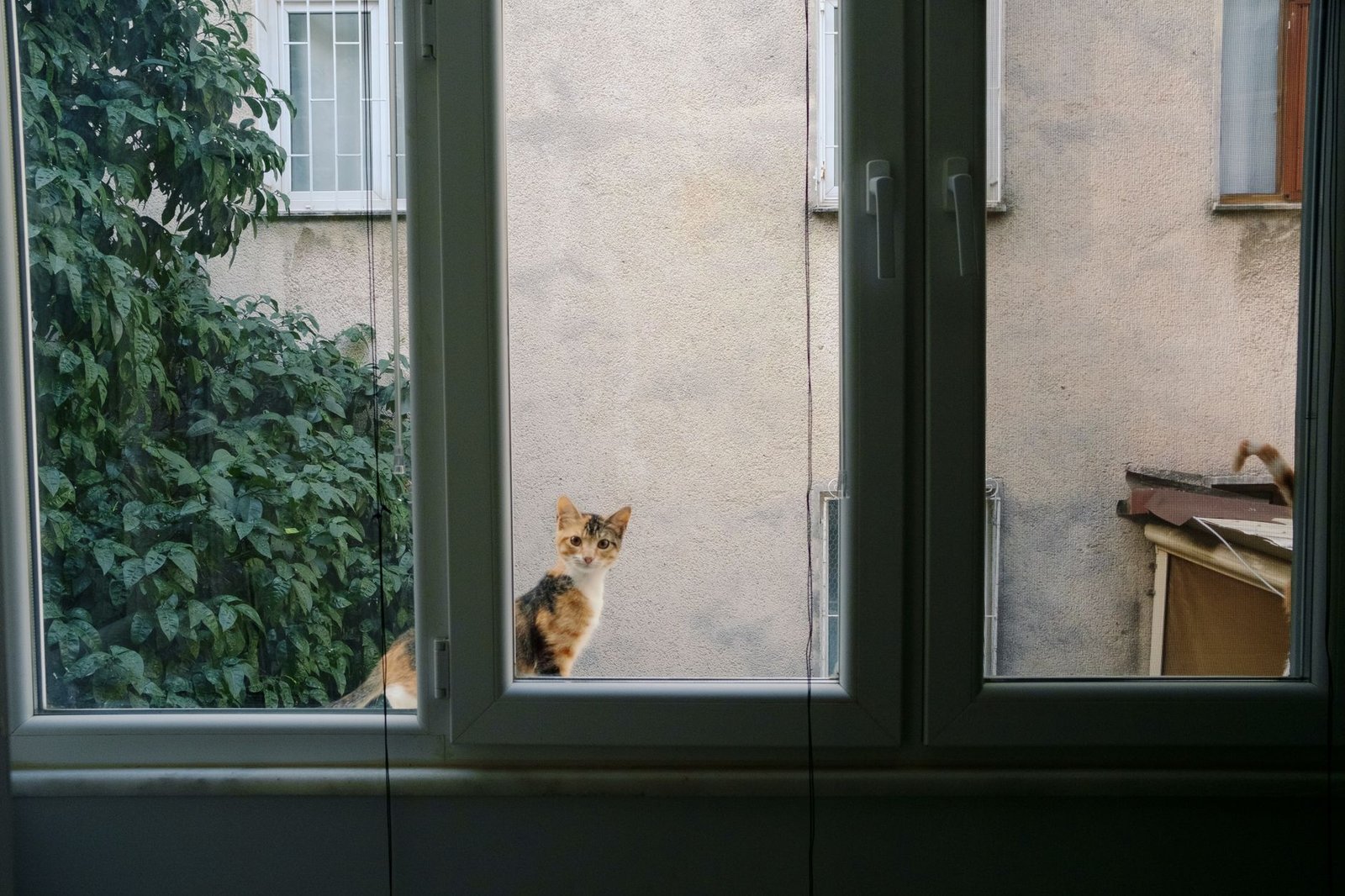
Indoor cats live longer, safer lives. They also get bored, and a bored cat finds its own fun: your curtains, your plants, your ankles at 4 a.m.
These cat enrichment ideas give your indoor cat what the outdoors would: places to climb, things to watch, stuff to hunt and new smells to explore. Most cost little or nothing.
Signs your cat needs more enrichment
Cats don’t tell you they’re bored. They show you.
- Scratching furniture or knocking things off shelves
- Night zoomies and early morning wake-up calls
- Pouncing on feet or picking on another pet
- Overgrooming, overeating or sleeping even more than usual
Some of these can also point to pain or illness. If a change is sudden, or your cat stops eating or using the litter box, see your vet before blaming boredom.
1. Give them vertical space
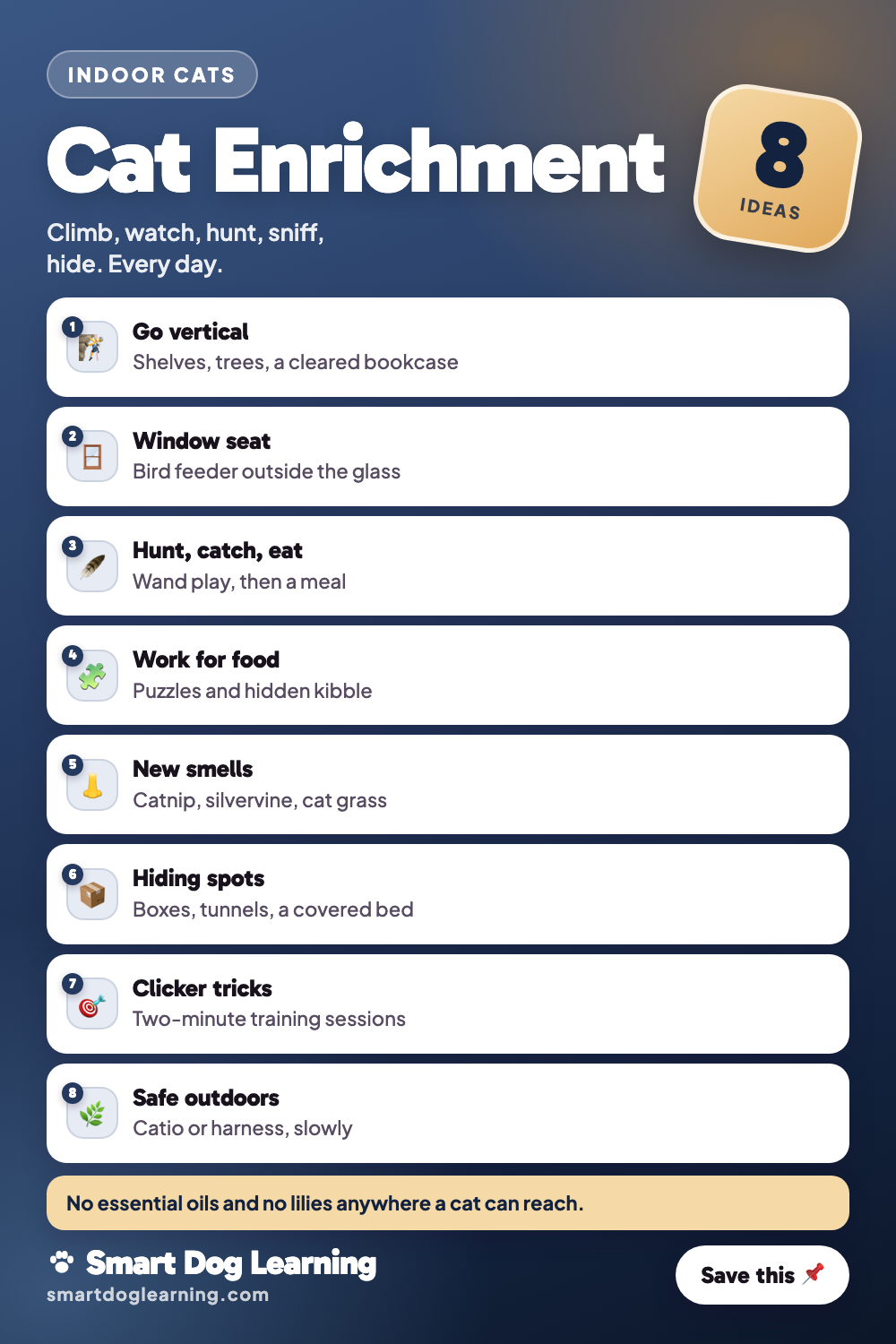
Cats feel safest up high, where they can watch the room. More levels also mean more territory without more square feet.
- A tall, sturdy cat tree near a window
- Wall shelves mounted into studs, spaced for an easy hop
- A cleared bookcase shelf with a folded blanket
- The top of the fridge, if your cat already claims it anyway
In multi-cat homes, extra high spots cut down on squabbles. Nobody has to fight over the one good perch.
2. Turn a window into cat TV
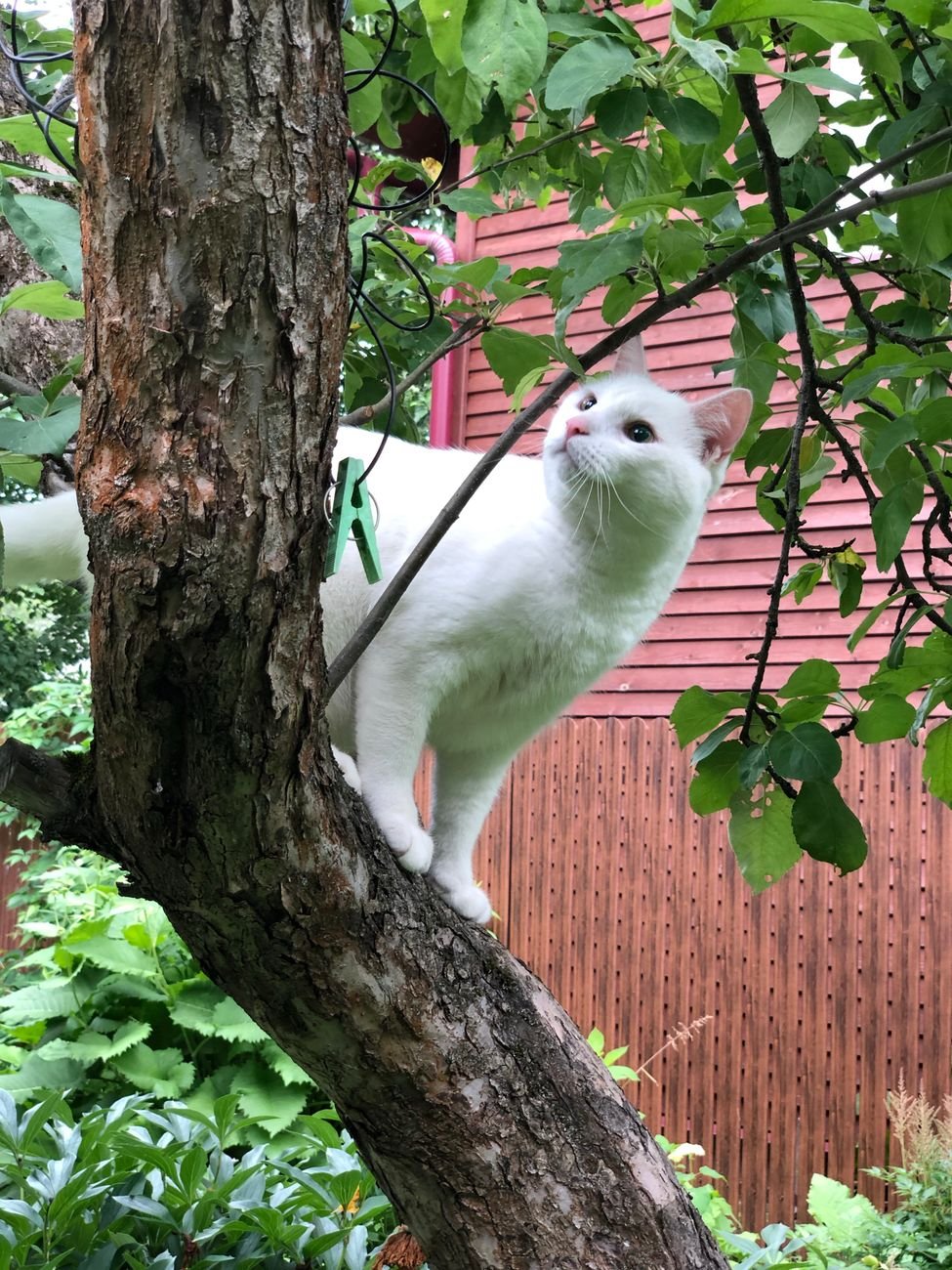
A window is the best free entertainment a cat can get.

- 14 safe foods and 14 to avoid, at a glance
- Toxic houseplants (lilies are deadly to cats, even the pollen)
- What to do if your cat eats something toxic
- Add a window perch or move a chair so your cat can see out.
- Hang a bird feeder outside the glass, a few feet away.
- Plant something that draws butterflies near the window, if you have a yard.
- Make sure screens are secure. Cats can push through loose ones.
Some cats also enjoy bird and fish videos on a screen. Try it. Your cat will let you know if it’s a hit.
3. Play like a hunter
Play is the most important enrichment you can give. Cats are built to stalk, chase, pounce and catch.
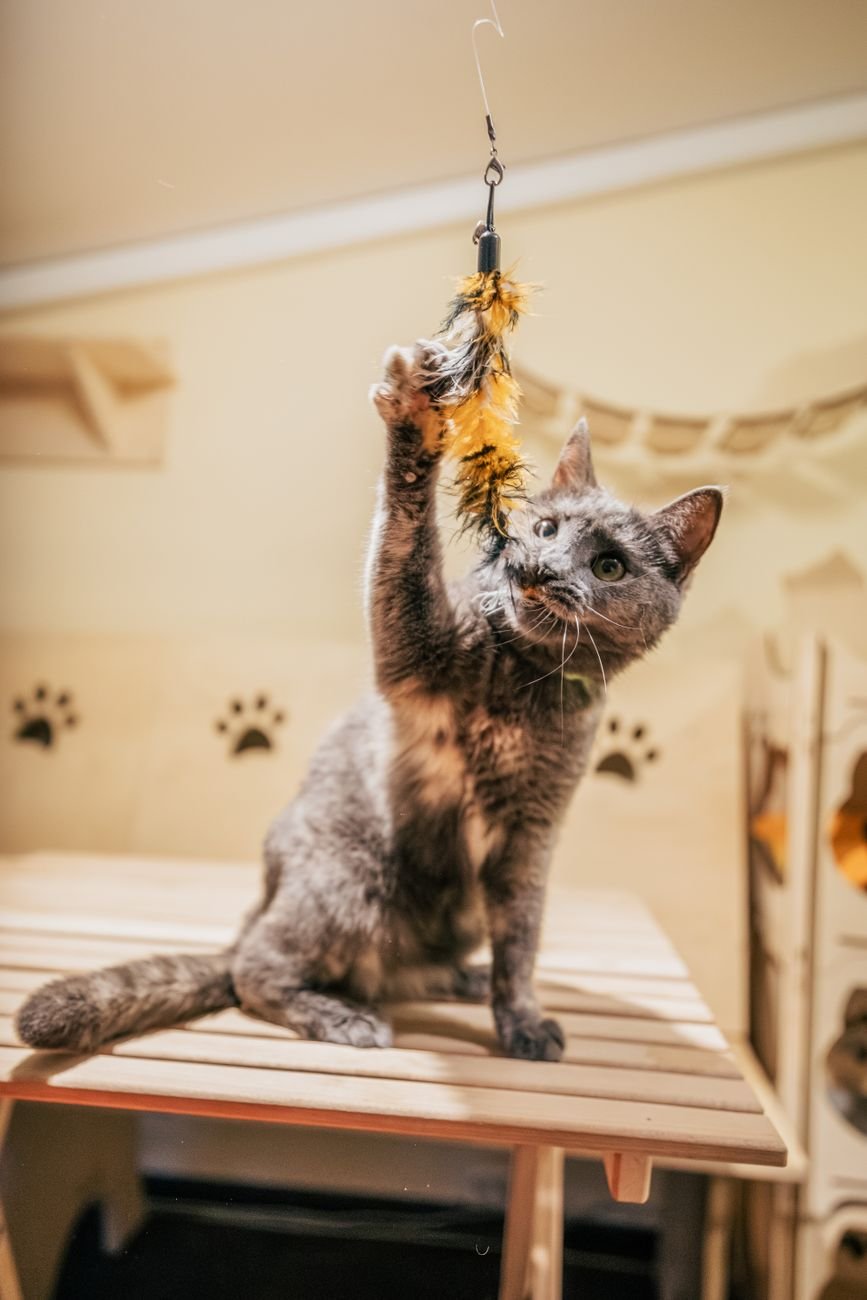
- Use a wand toy and move it like prey: hiding, darting away, pausing.
- Let your cat catch it several times. Winning matters.
- Slow the game down so your cat can wind down.
- End with a small meal or treat. Hunt, catch, eat, groom, sleep.
Aim for two short sessions a day, around 10 minutes each. Put wand toys away after play, since string can be dangerous if swallowed.
If you use a laser pointer, always end by landing it on a toy your cat can actually grab. Chasing a light they never catch can leave some cats frustrated.
4. Make them work for food
Wild cats spend hours finding food. Indoor cats get it in a bowl in two seconds.
- Food puzzles where kibble falls out as the toy rolls
- Muffin tins with a few kibbles in each cup
- Hidden kibble in small piles around the room
- Several small meals instead of one or two big ones
Start easy so your cat succeeds, then make it harder. Use part of their daily food so you don’t overfeed.
5. Add new smells
Scent is a big deal to cats, and it’s easy to change up.
- Catnip in a toy or sprinkled on a scratcher. Not every cat reacts, and that’s normal.
- Silvervine, which some cats who ignore catnip love.
- Cat grass grown from wheat or oat seeds on a sunny sill.
- A paper bag from your shopping trip, handles cut off.
Skip essential oils, diffusers and scented sprays near your cat. Many are harmful to cats. And keep lilies out of the house entirely, since even a little pollen can cause kidney failure.
6. Create hiding spots
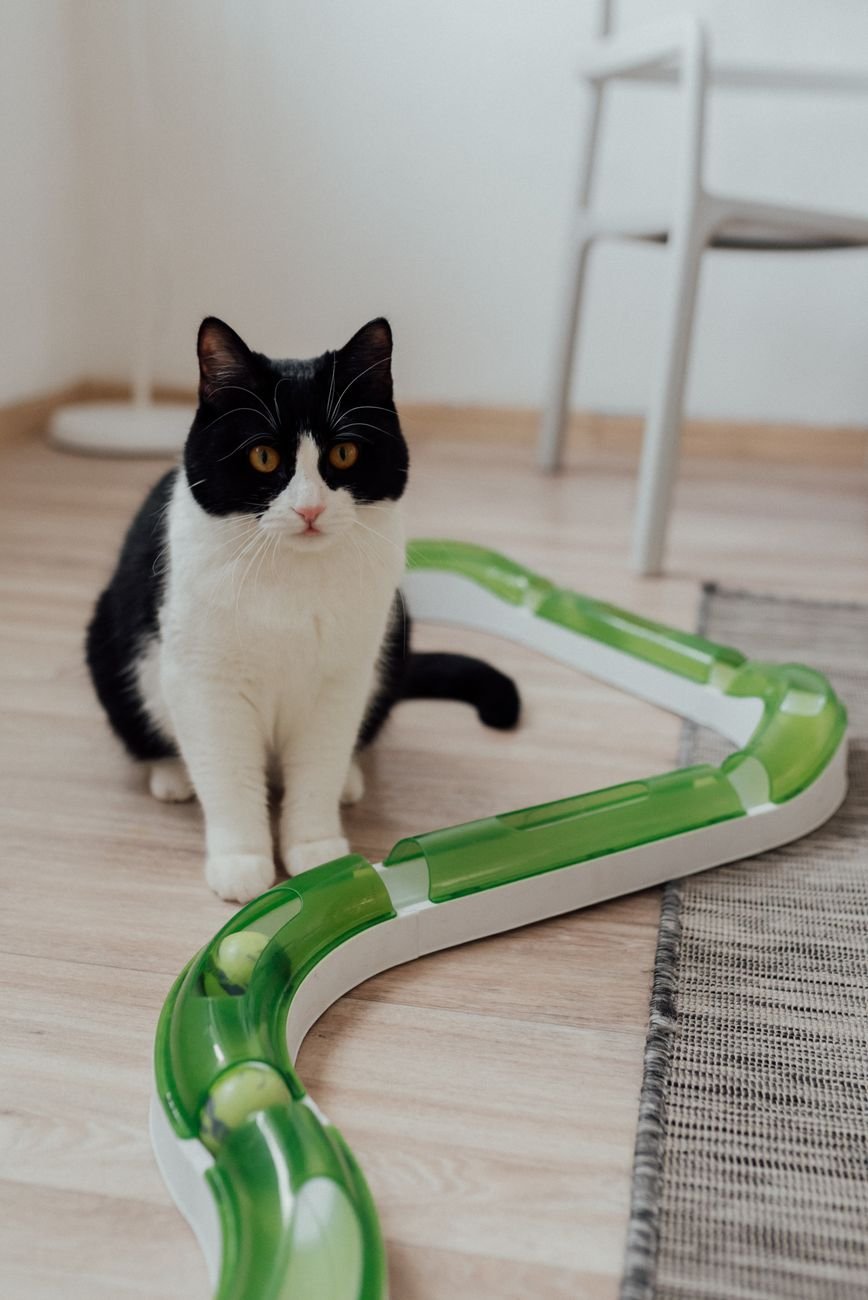
Cats need places to disappear. A hidden cat is a relaxed cat.
- A cardboard box on its side with a blanket inside
- A fabric tunnel for ambushing
- A covered bed or cave in a quiet corner
- A spot under a chair draped with a throw
Want to make a few hideouts and toys yourself? These DIY cat toys use boxes, socks and paper you already have.
7. Teach a trick or two
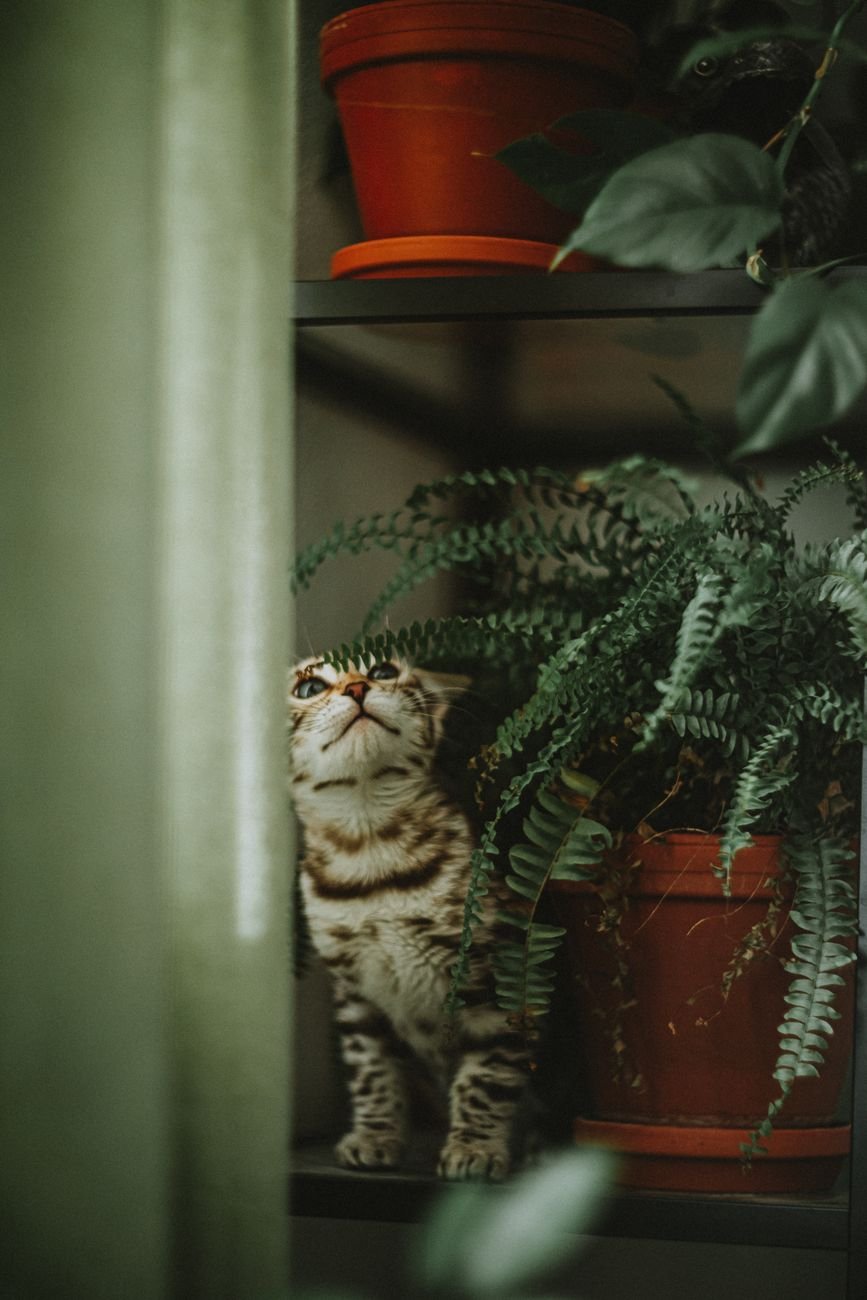
Yes, cats can learn tricks. Training is great mental exercise, and most food-loving cats pick it up fast.
- Use a clicker or a short word like “yes” to mark the right moment.
- Follow it right away with a tiny treat.
- Start with “touch”: click when your cat sniffs your finger or a target stick.
- Move on to sit, high five or coming when called.
Keep sessions to a couple of minutes. Stop while your cat is still interested.
8. Bring the outdoors in safely
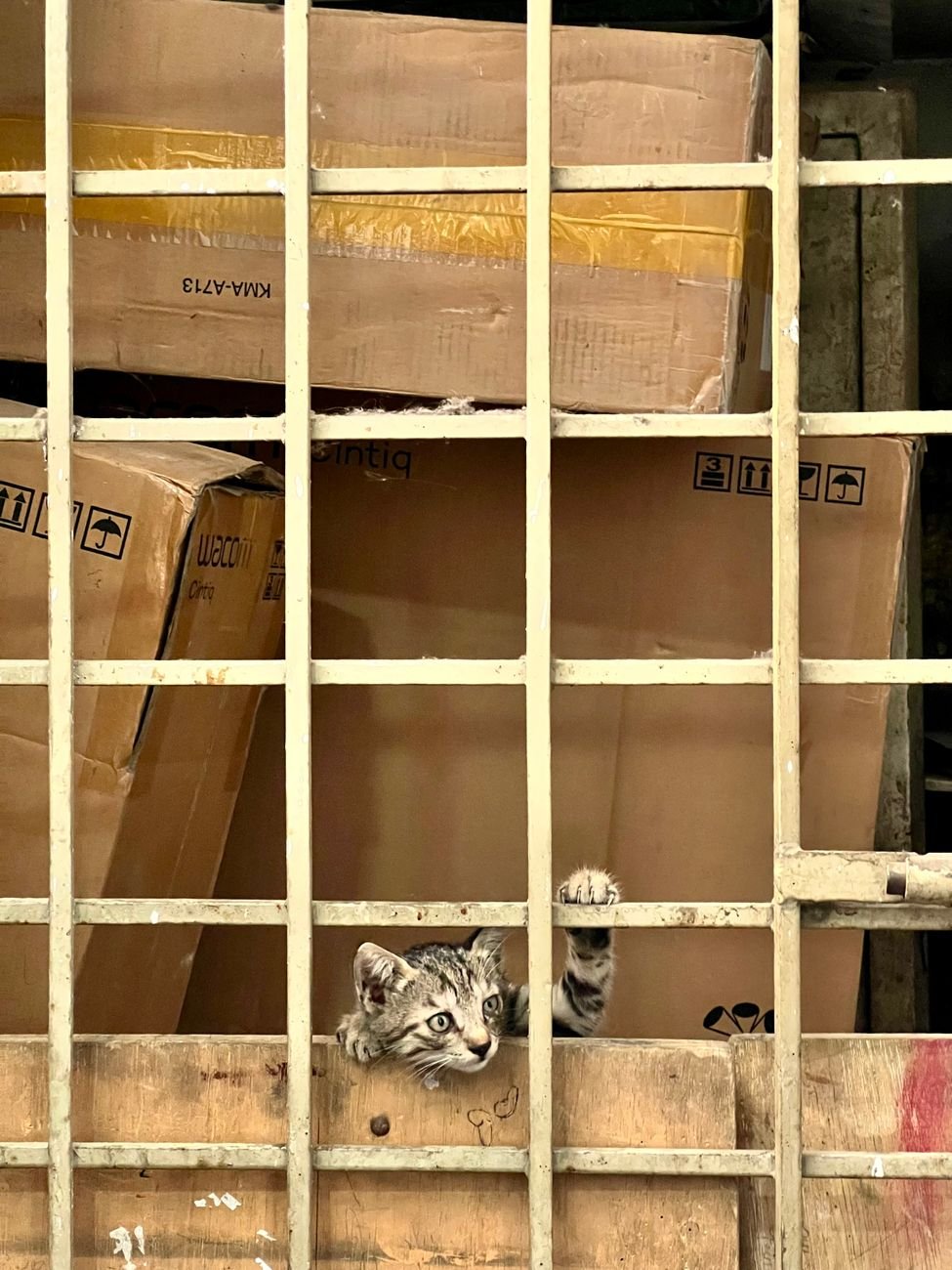
Fresh air and new sights are great enrichment, as long as they’re safe.
- A catio or enclosed balcony with secure mesh
- A window box enclosure for apartment cats
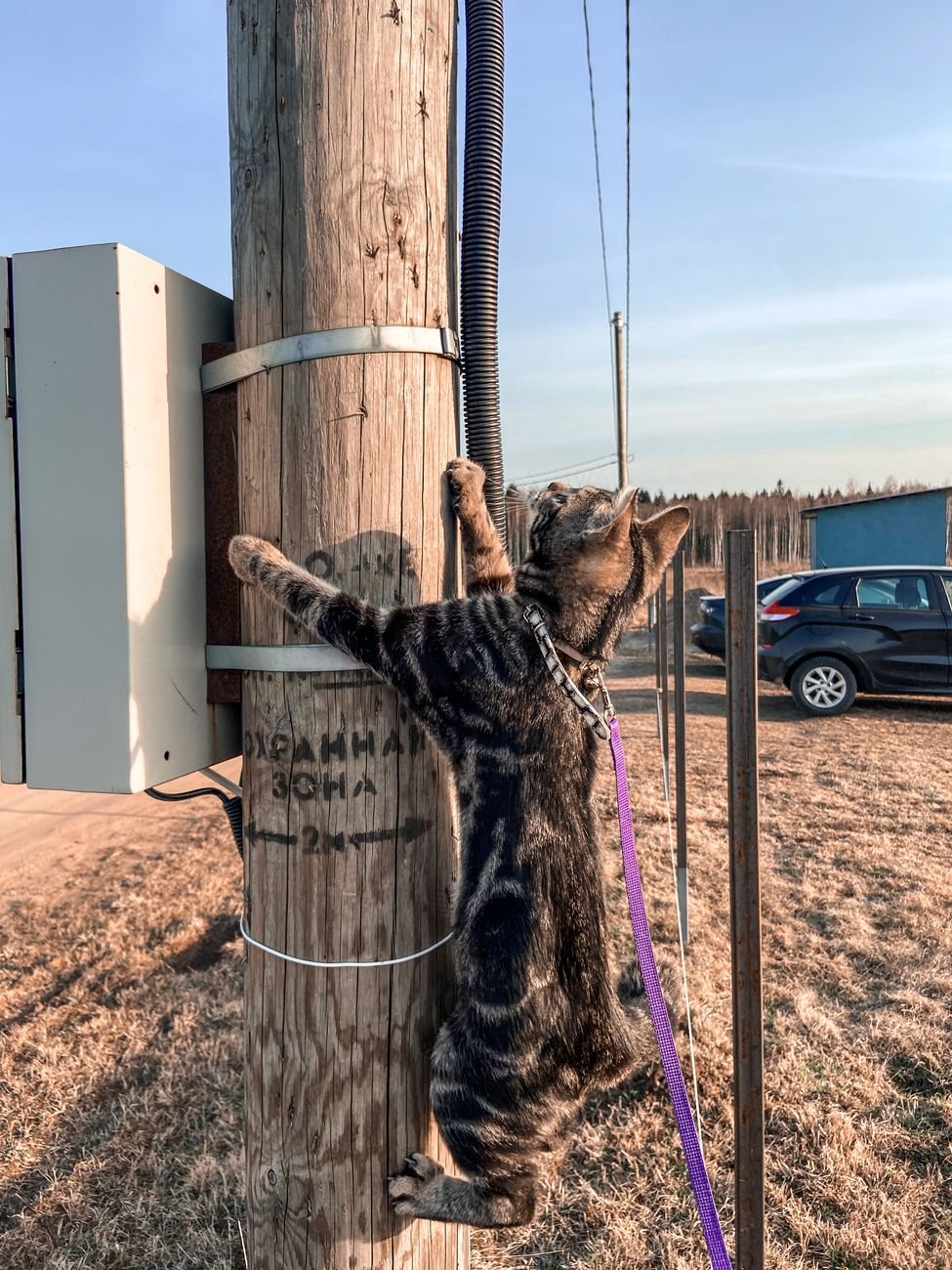
- Harness walks in a quiet yard, after slow practice indoors
Get your cat used to the harness over days or weeks, with treats. Never tie a cat out, and skip busy streets and dog parks.
Rotate and keep a routine
Novelty fades fast. A toy that’s always on the floor becomes furniture.
- Rotate toys every few days. Keep the rest in a closed bin.
- Move a box or bed to a new spot now and then.
- Keep play and meals at regular times. Cats like knowing what’s coming.
Don’t forget the basics. A clean litter box in a good spot is part of a happy indoor life. If yours is an eyesore, here are some hidden litter box ideas that still work for your cat.
Common questions
How much play does an indoor cat need?
Most cats do well with two play sessions a day of about 10 minutes. Kittens and young cats often want more.
Are indoor cats unhappy?
Not if their needs are met. With climbing, play, puzzles and a good view, indoor cats can live full, happy lives.
Is catnip safe for cats?
Yes, catnip is safe for most cats. The effect wears off in a few minutes and some cats don’t react at all.
What plants are safe for indoor cats?
Cat grass, catnip, spider plants and Boston ferns are good picks. Keep lilies out of the house completely.
Should I get a second cat for company?
It can help some cats, but not all cats want a roommate. Try more play and enrichment first, and introduce any new cat slowly.




Leave a Reply