


A barking dog can test anyone’s patience. The mail carrier, the squirrel, the leaf that moved. It never seems to end.
Here’s the thing: barking is normal dog talk. You can’t stop it completely, and you shouldn’t try. But you can figure out why your dog barks, and that’s how you stop dog barking that’s become too much.
First, figure out the why
Every fix depends on the reason. Spend a few days paying attention before you change anything.
- When does it happen? Morning, evening, when you leave?
- Where is your dog? Window, yard, crate, leash?
- What happened right before?
- What does your dog get out of it? Attention, the “intruder” leaving, something to do?
Jot it down on your phone. Patterns jump out fast.
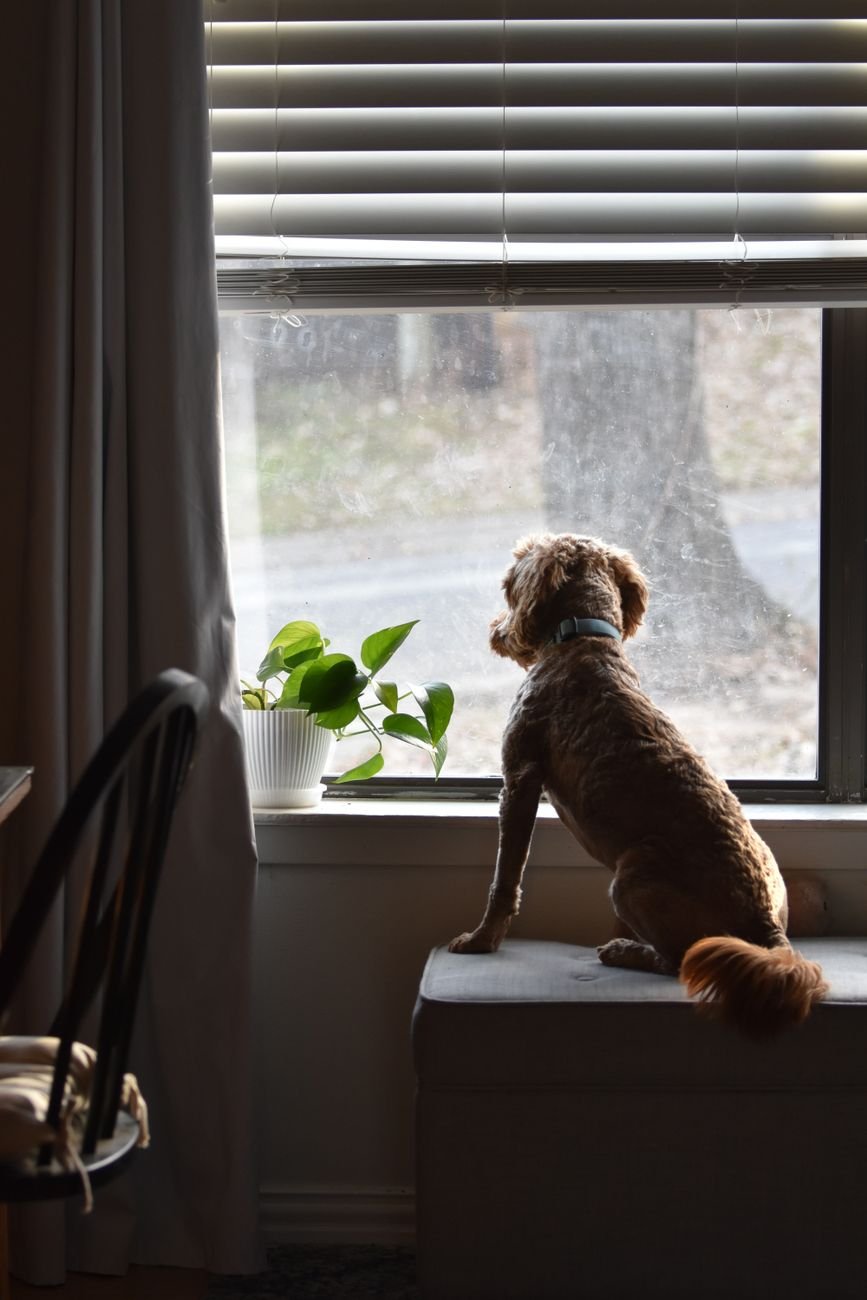
1. Alert barking at the window
Your dog sees a person walk by, barks, and the person leaves. In your dog’s mind, the barking worked. Every single time.
- Block the view with frosted window film or close the blinds in the main lookout spot.
- Move the couch your dog uses as a watchtower.
- When they bark once or twice, say “thanks,” call them away and reward them for coming.
2. Boredom barking
A dog with nothing to do will find something to do. Often it’s barking at nothing.
- Works for puppies, adults, rescues and seniors
- One page per problem, step by step
- Printable PDF, free
- Add a real walk or sniffing time every day. Sniffing is surprisingly tiring.
- Feed meals from puzzle toys or a snuffle mat.
- Short training sessions work the brain as much as a run.
For rainy days, try these indoor dog enrichment ideas.

3. Demand barking
The dog barks at you for dinner, a toy, or the couch. If you give in, you’ve just taught them barking pays.
- Turn away and wait for a second of quiet.
- The moment it’s quiet, give them what they wanted.
- Expect it to get worse for a few days before it gets better. That’s normal.
Everyone in the house has to do the same thing. One person who gives in keeps the barking going.

4. Fear barking
Some dogs bark to make scary things go away: strangers, other dogs, the vacuum. The body language looks different from excited barking: tail low, ears back, backing up.
- Give your dog more distance from the scary thing.
- Pair the trigger with something great, like small pieces of chicken, at a distance where they stay calm.
- Never force them closer or punish the bark. That makes the fear bigger.
5. Barking when left alone
If your dog barks, howls, or scratches at the door only when you’re gone, it may be distress about being alone.
- Practice short absences: step out for a minute, come back calmly.
- Slowly build up time, as long as your dog stays relaxed.
- A frozen stuffed toy right as you leave can help.
Real separation anxiety is hard to fix alone. A vet or a certified behavior professional can help, and sometimes medication is part of the plan.
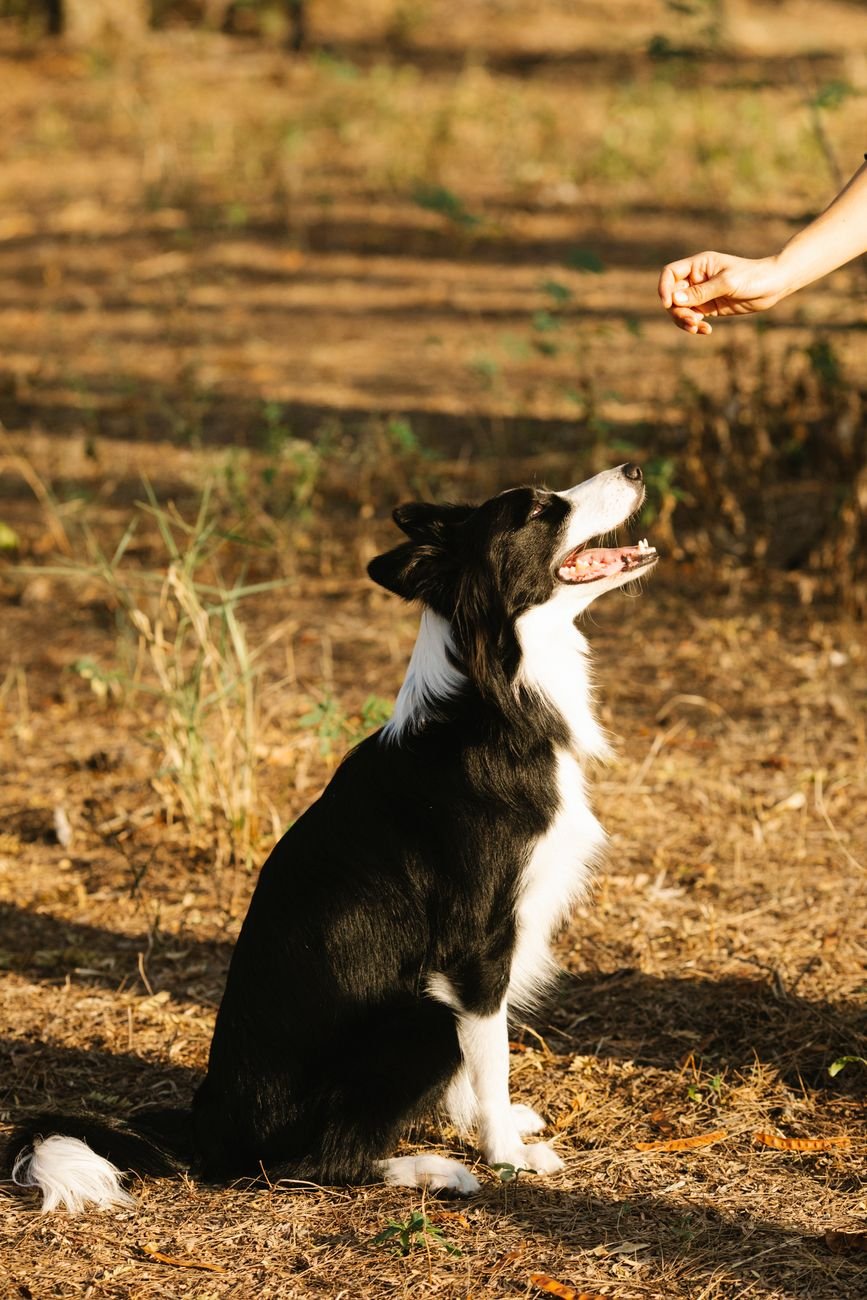
6. Excited greeting barks
Guests arrive, your dog explodes. It’s happy barking, but it’s loud.
- Teach a “go to your mat” cue and practice it long before guests come.
- Ask visitors to ignore your dog until they’re calm.
- Keep greetings low-key when you come home, too.
7. Leash and fence frustration
Some dogs bark at other dogs because they want to say hi and can’t. Others bark because they’re unsure. Both look loud on a leash.
- Cross the street or step behind a parked car to add distance.
- Reward your dog every time they look at the other dog and stay quiet.
- Don’t leave a barky dog alone in the yard to rehearse at the fence.
8. Noise barking
Doorbells, sirens, the neighbor’s dog. Many dogs join in.
- Play recordings of the sound very quietly while you hand out treats.
- Raise the volume slowly over many sessions.
- Use a fan or soft music to mask street noise at night.
9. Pain, illness or aging
Sudden new barking, especially in an older dog, can mean something’s wrong. Pain, hearing loss or confusion can all cause it.
- Barking when touched or picked up can point to pain.
- Barking at nothing in the night can come with aging and confusion.
- A dog losing their hearing may bark louder and more often.
If barking changes out of nowhere, start with a vet visit. No training plan fixes a sore hip.
How to teach “quiet”
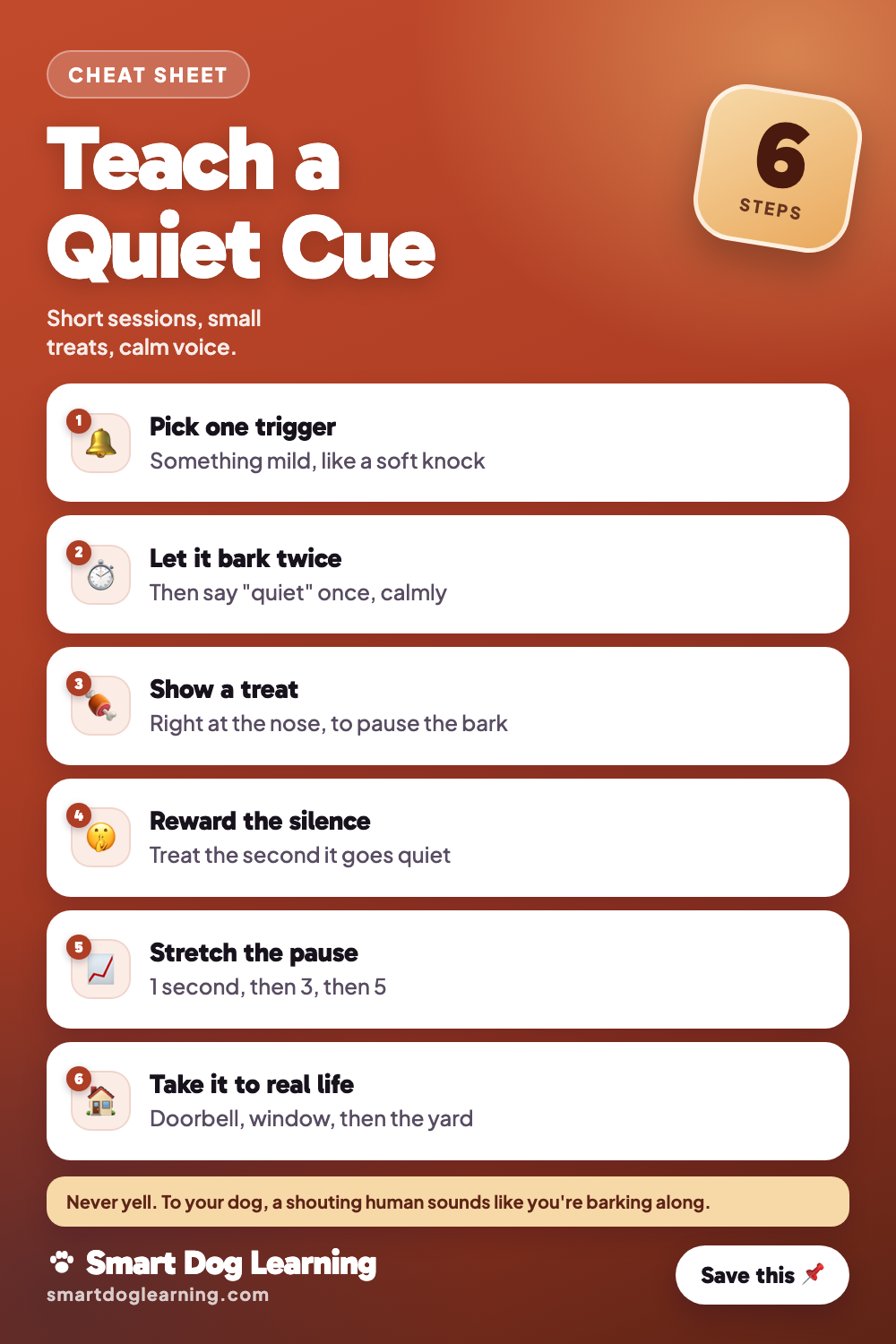
A quiet cue is handy for every type of barking. Teach it in short, calm sessions.
- Pick one mild trigger you can control, like a soft knock.
- Let your dog bark twice, then say “quiet” once, in a normal voice.
- Hold a treat at their nose. Most dogs stop to sniff.
- The second they’re silent, give the treat.
- Slowly ask for longer pauses: one second, then three, then five.
- Practice with real triggers once it works with the easy one.
Want the bigger picture? Our dog training tips for new owners cover rewards and timing.
What not to do
- Don’t yell. It often sounds like you’re joining in.
- Skip shock or spray collars. They can make fear and frustration worse.
- Don’t punish fearful barking. The fear stays. Only the warning goes.
- Don’t expect zero barking. A bark or two at the door is your dog doing their job.
Be patient with yourself, too. Barking took months to become a habit, so it won’t vanish in a weekend. Small wins, like one less bark at the mail carrier, count.

Common questions
How long does it take to stop a dog barking?
It depends on the cause and how long it’s been going on. Many dogs improve within a few weeks of daily practice.
Do bark collars work?
They may stop the noise for a while, but they don’t fix the reason. They can also make fear worse.
Why does my dog bark at night?
Noises, needing the bathroom, boredom or discomfort. Rule out a potty or health issue first.
Should I ignore my dog’s barking?
For demand barking, yes. For fear, pain or distress, no. Help your dog instead.
Can you train an older dog to stop barking?
Yes. Older dogs learn well. Just check with your vet first if the barking is new.




Leave a Reply