

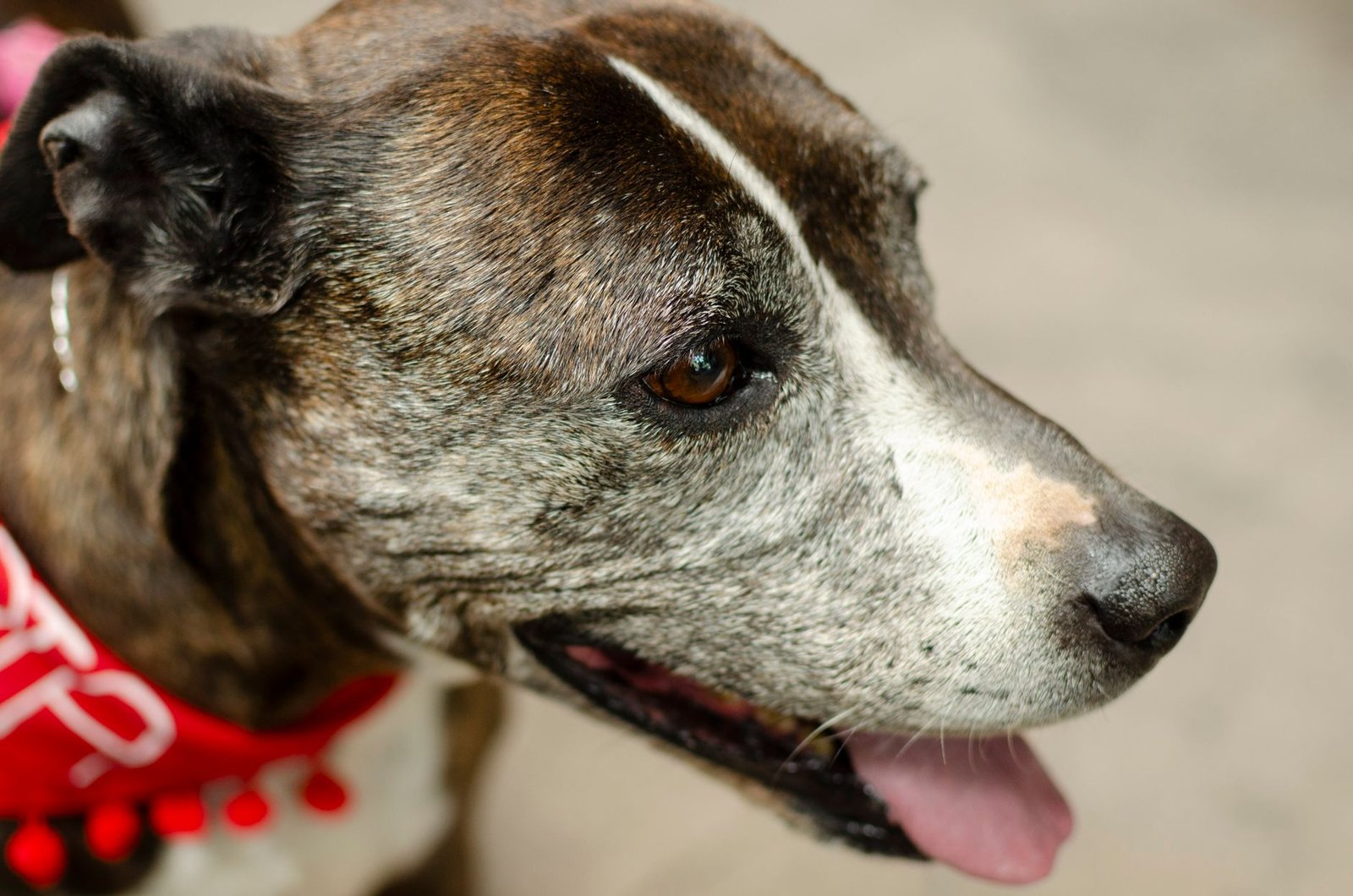
There’s something special about an older dog. The gray muzzle, the slower walks, the way they just want to be near you.
These senior dog care tips help keep those golden years comfortable and happy. Most are small changes at home, plus a closer partnership with your vet.
When is a dog considered a senior?
It depends on size. Bigger dogs tend to age faster than small ones.
- Giant breeds like Great Danes can be seniors from about 5 or 6.
- Large and medium dogs often reach senior age around 7 or 8.
- Small dogs may not slow down until 9 to 11 or later.
Your vet can tell you when to start thinking of your dog as a senior. Every dog ages a little differently.
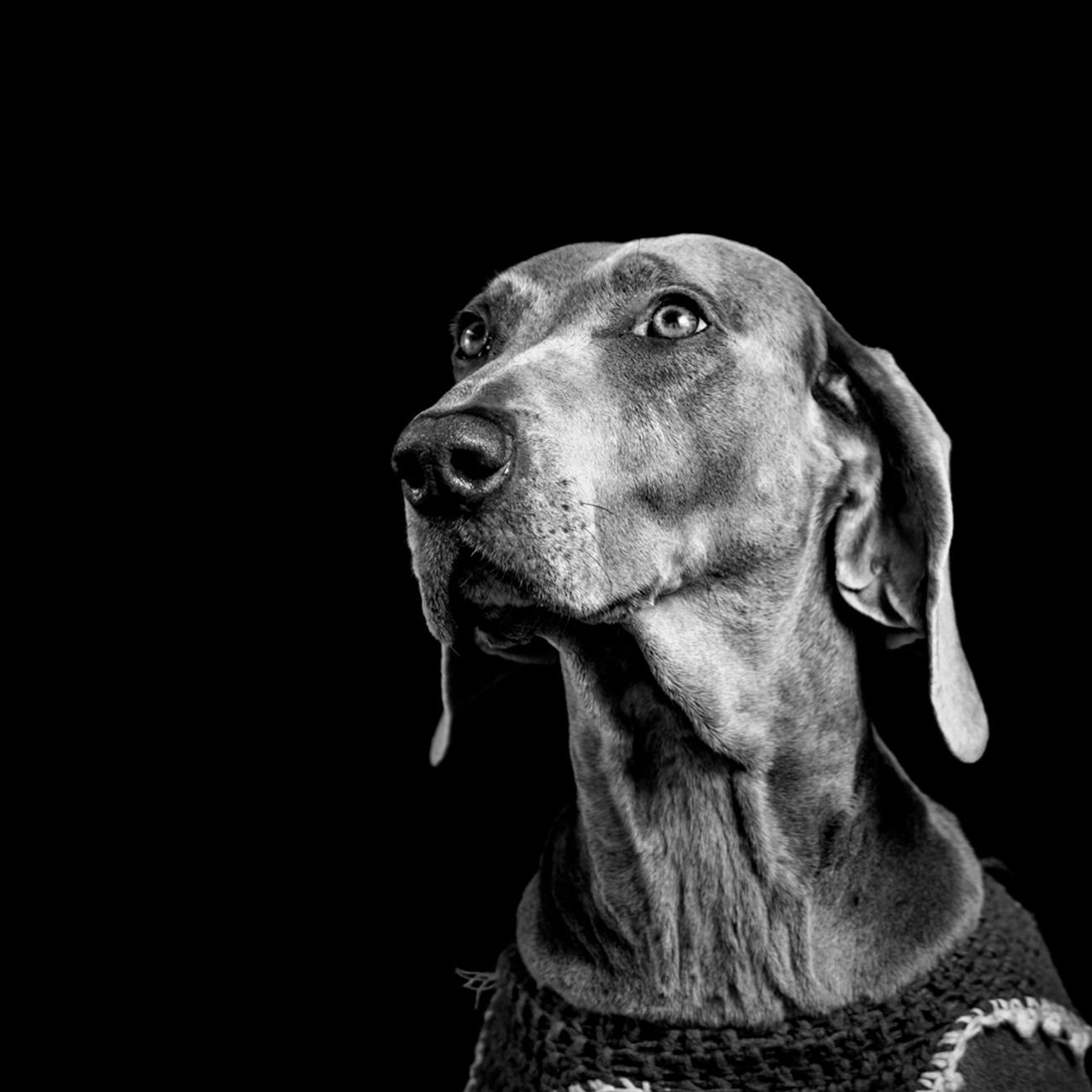
Visit the vet more often
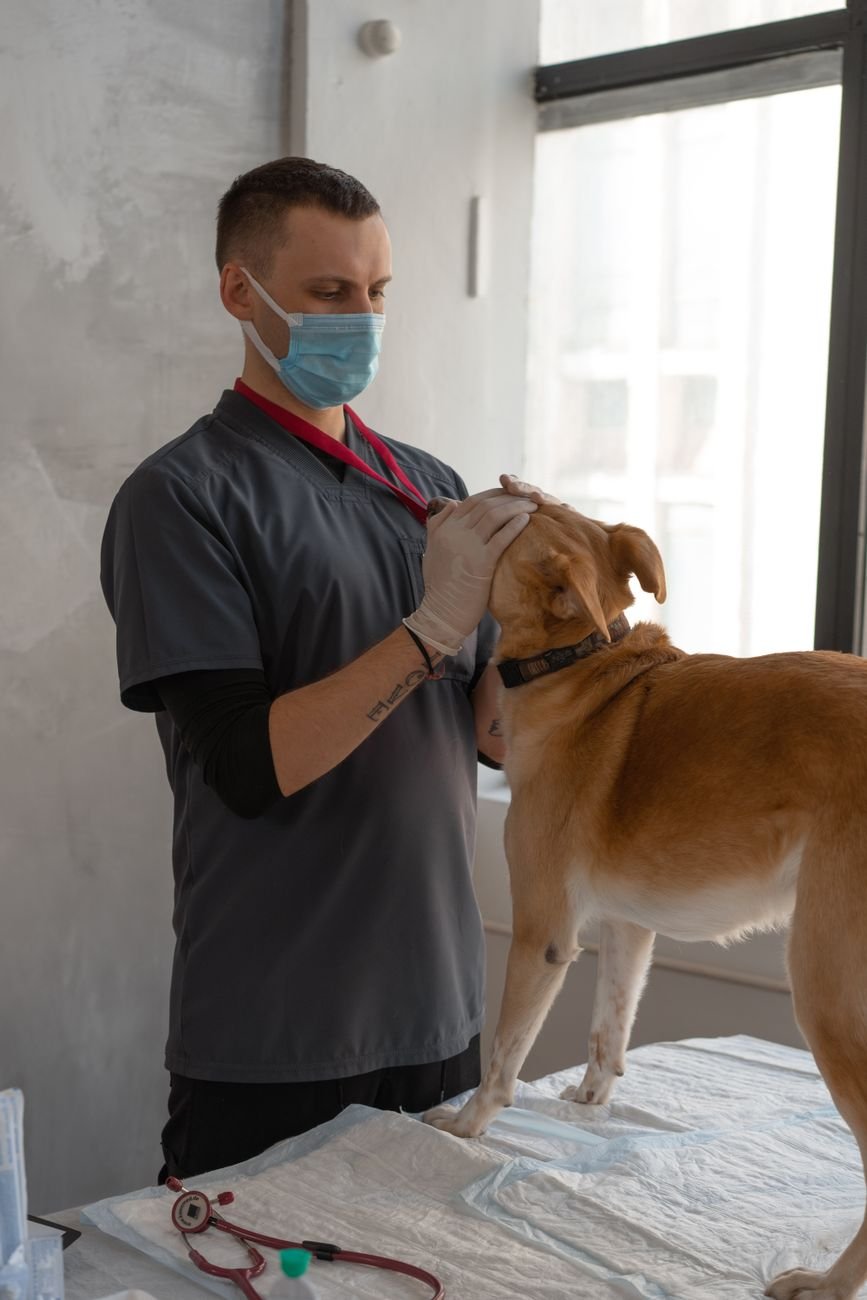
Many vets suggest a checkup about every six months for senior dogs. Problems are easier to manage when they’re caught early.
- Ask about senior bloodwork and a urine test to check organs like the kidneys and liver.
- Have new lumps checked rather than guessing.
- Ask about pain relief options if your dog seems stiff. Never give human painkillers. Many are toxic to dogs.
- Keep a note on your phone of changes you notice between visits.
Feed for an older body
Older dogs often need fewer calories but still need good nutrition.

- The "Safe / Use with care / Never use" ingredient chart for your bathroom cabinet
- The 24-hour patch test, step by step
- 5 starter recipes and a "when to call the vet" guide
- Talk to your vet before switching foods, especially if your dog has kidney, heart or tummy issues.
- Keep them lean. Extra weight puts more strain on aging joints.
- Measure meals instead of free-feeding.
- Soften food with warm water if chewing gets harder.
- Keep fresh water easy to reach, even at night.
A sudden drop in appetite or a big jump in thirst isn’t just “getting old”. Call your vet.
Keep them moving, gently
Exercise still matters. It keeps muscles strong, joints moving and weight in check.
- Swap one long walk for two or three shorter ones.
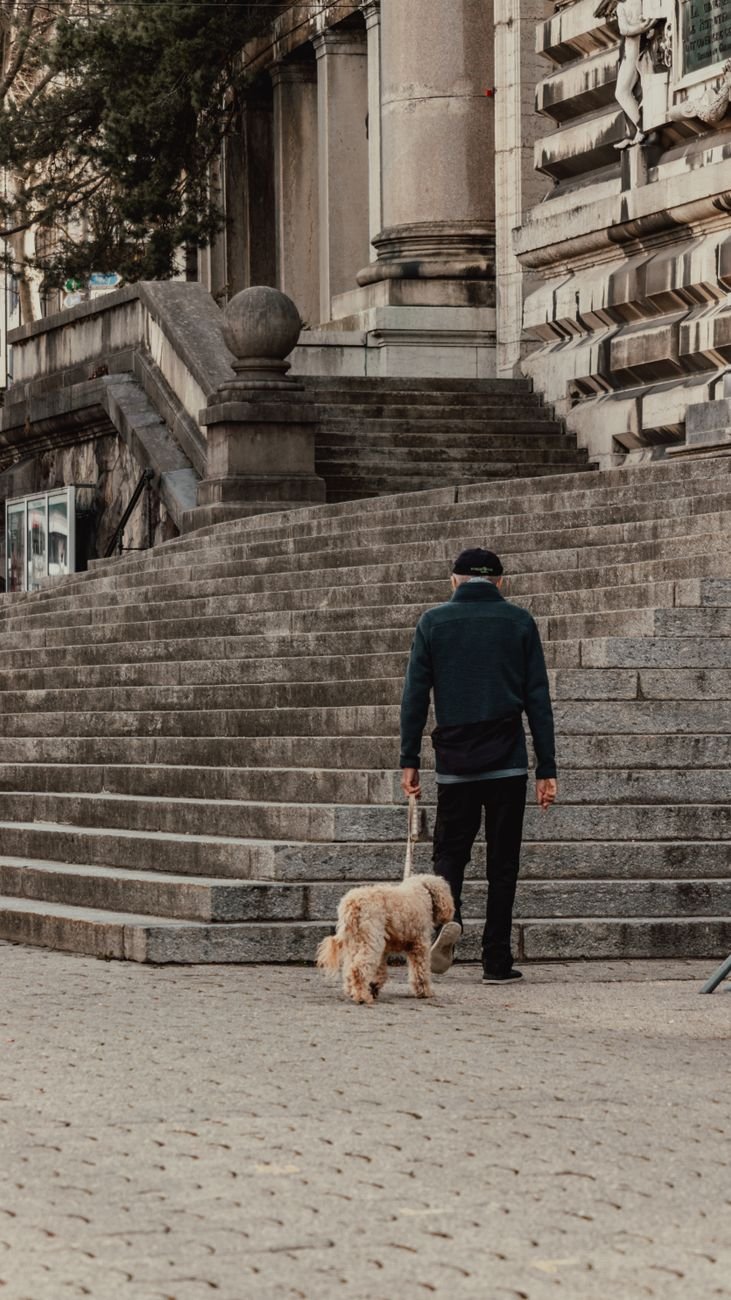
- Let your dog sniff and set the pace. A slow sniff walk is great exercise for the mind.
- Avoid hard jumping, rough play and long runs.
- Watch for limping or stiffness the next day, and scale back if you see it.
Make your home senior-friendly
A few tweaks can make a big difference to a dog with stiff hips or weaker eyes.
- Rugs and runners on slippery wood or tile floors.
- Ramps or pet steps for the couch, bed or car.
- Baby gates at the top of stairs if your dog is unsteady.
- Night lights in hallways for dogs whose vision is fading.
- Keep furniture where it is. Dogs with poor eyesight rely on a familiar layout.
Give them a great bed
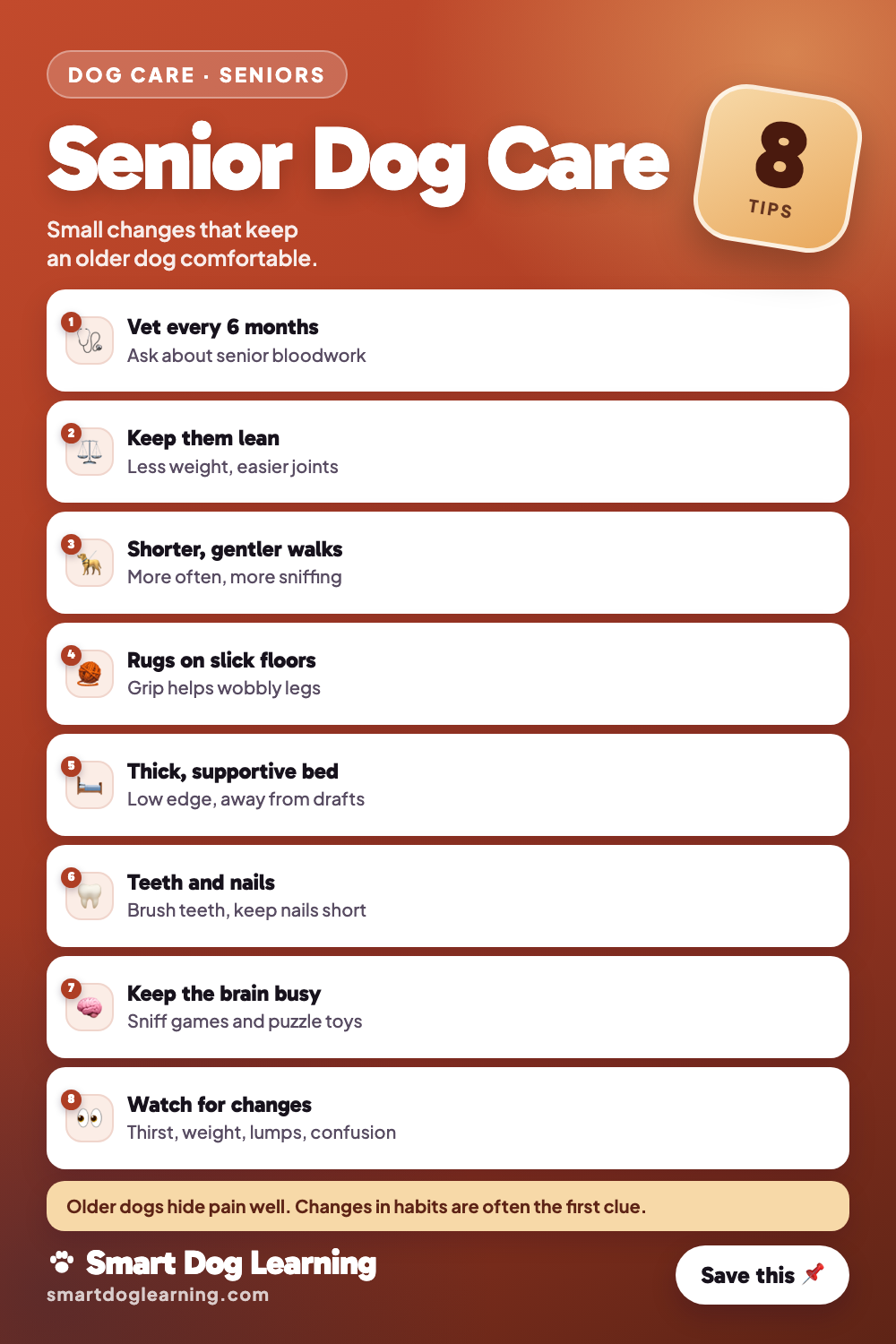
Older dogs sleep more, so their bed really matters.
- Choose a thick, supportive bed, like memory foam, that doesn’t flatten.
- Pick one with a low edge so it’s easy to step in and out.
- Put it somewhere warm and draft-free, near the family.
- Use a washable cover in case of the odd accident.
Like a weekend project? These DIY dog bed ideas include a senior-friendly build.
Don’t skip teeth, nails and grooming
Routine care gets more important with age, not less.
- Teeth: dental disease is common in older dogs and can be painful. Brush with dog toothpaste and ask your vet about cleanings.
- Nails: long nails make walking and grip harder. Trim them little and often.
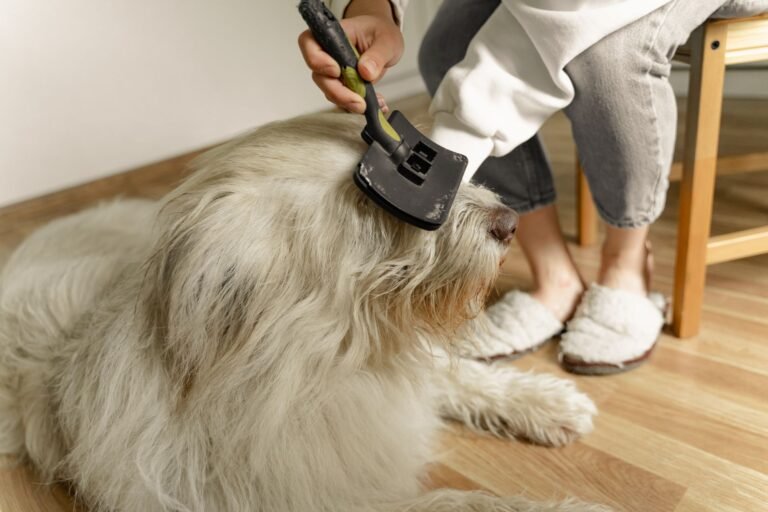
- Brushing: a gentle brush is a good time to feel for new lumps or sore spots.
- Hygiene: some older dogs need help keeping clean around the back end.
Keep their mind busy
Mental exercise helps keep an older brain sharp, and it’s easy on the body.
- Scatter treats in the grass or a snuffle mat.
- Use simple puzzle feeders at mealtime.
- Practice old tricks, or teach gentle new ones like a nose touch.
- Keep up short car rides and visits to familiar places if your dog enjoys them.
For more ideas, try these indoor dog enrichment ideas and pick the calm ones.
Warning signs to watch for
Dogs are good at hiding pain. Call your vet if you notice any of these:
- Drinking or peeing much more than usual
- Weight loss or weight gain without a reason
- New lumps, or lumps that change
- Coughing, heavy breathing or tiring very quickly
- Bad breath, dropping food or chewing on one side
- Limping, trouble getting up, or not wanting stairs
- Confusion, pacing at night or getting stuck in corners
Confusion and night pacing can be signs of canine cognitive dysfunction. Your vet can help with treatment and routines that make it easier.
Think about comfort and quality of life
Many senior dogs live with arthritis or other long-term conditions. The goal is to keep them comfortable and still enjoying their days.
- Help them up with a support harness if their back legs are weak.
- Raise their spirits with favorite foods, toys and people.
- Track good and bad days on a calendar. It helps you spot trends.
- Talk honestly with your vet about pain control and what comfort looks like as things change.
These conversations are hard. Having them early means your dog gets the best care at every stage.
Enjoy the slower pace
Senior dogs don’t need adventures every day. They need comfort, routine and you.
- Keep meals, walks and bedtime at the same times.
- Give extra time for them to get up and go.
- Take lots of photos. You’ll be glad you did.
Common questions
How much should a senior dog sleep?
Older dogs often sleep more than they used to. If your dog suddenly sleeps a lot more or seems hard to wake, check with your vet.
Should I switch my dog to senior food?
Some dogs do well on it, but not all need it. Ask your vet based on your dog’s weight and health.
How much exercise does a senior dog need?
Most still enjoy daily walks, just shorter and gentler. Let your dog’s energy and comfort guide you.
Why is my old dog panting at night?
It can be pain, anxiety, heat or a medical issue. Night panting in an older dog is worth a vet visit.
Can senior dogs still learn new things?
Yes. Short, gentle training sessions are great for their minds. Keep them easy and fun.



Leave a Reply