

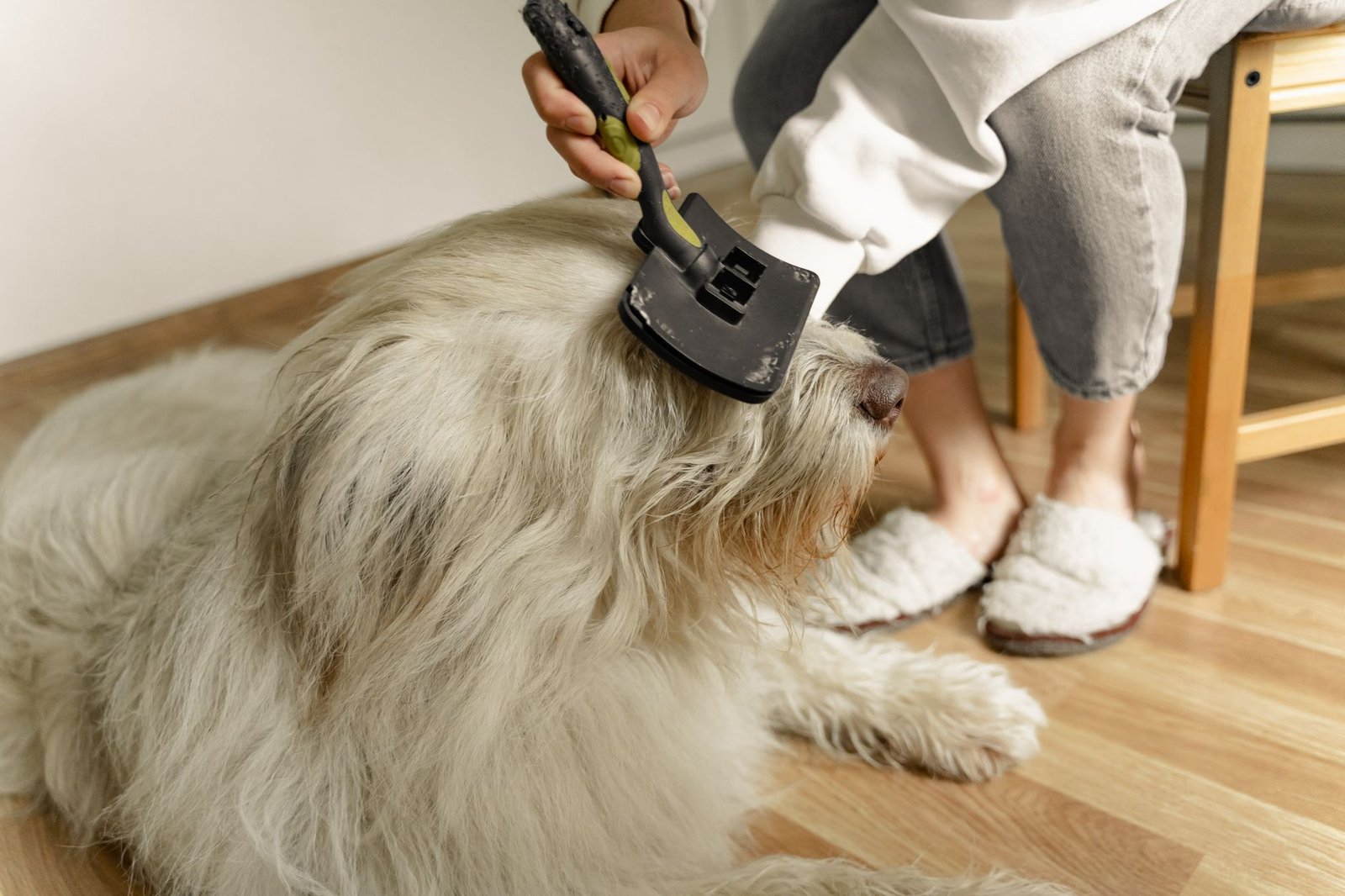
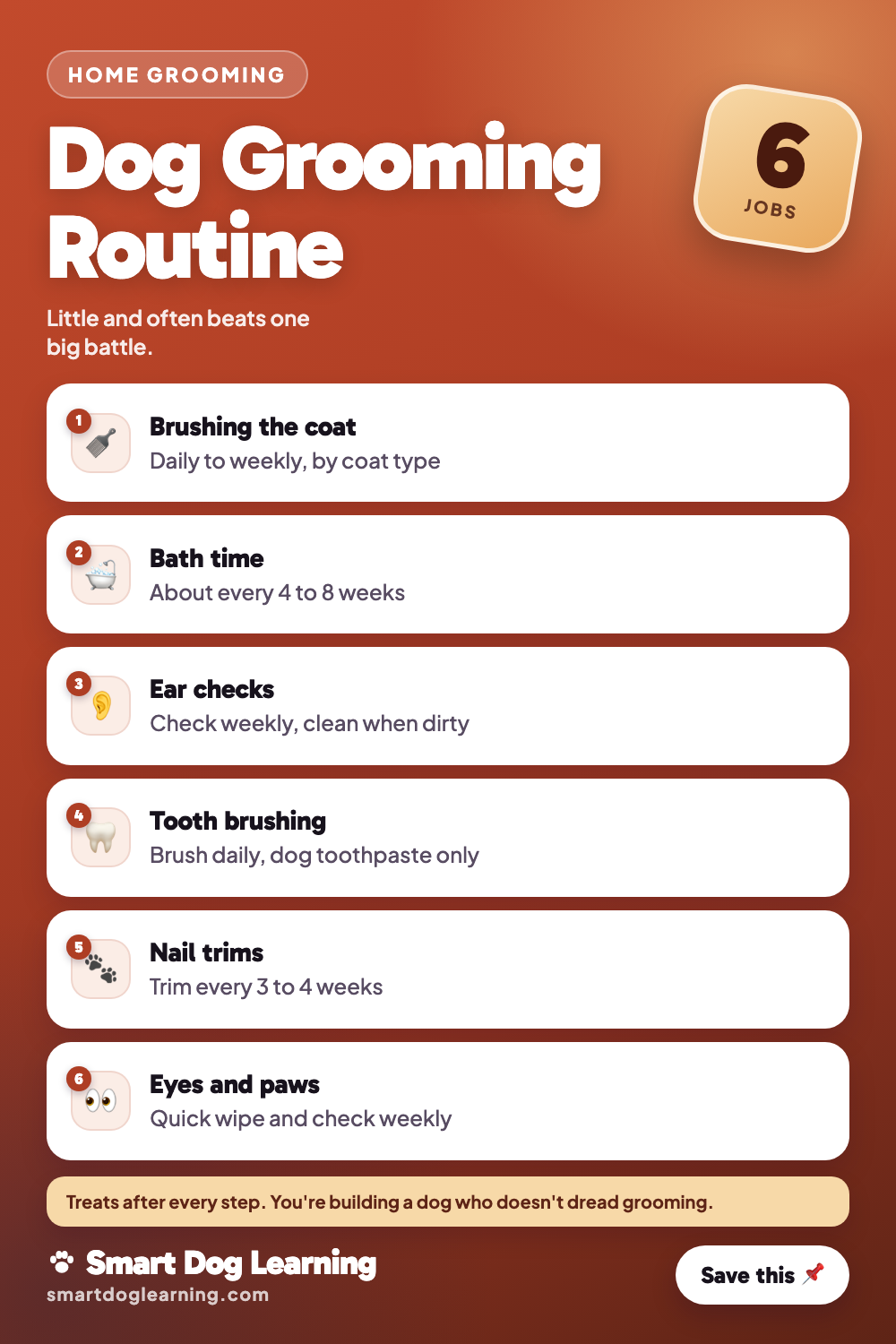
Professional grooming is great, but it adds up fast. And a lot of what keeps a dog clean and comfortable happens between appointments anyway.
These dog grooming tips cover the basics you can do at home: brushing, bathing, ears, teeth, nails, eyes and paws. No fancy table needed, just a few tools and a pocket full of treats.
Start with the right mindset
Grooming goes best when your dog actually likes it. That takes a little patience up front.
- Short sessions. Five calm minutes beat a 45-minute wrestling match.
- Treats for everything. Touch a paw, treat. Lift an ear, treat.
- Pick a calm time, like after a walk, not when your dog is wired.
- Stop before your dog gets upset. End on a good moment, even a tiny one.
Puppies who are handled gently from day one usually grow into easy adults to groom.
Your basic grooming kit
You don’t need everything at the pet store. Start with these and add as you go.
- A brush for your dog’s coat (see the next section)
- A metal comb for finding tangles
- Dog shampoo, not human shampoo
- A dog ear cleaner and cotton balls
- A dog toothbrush and dog toothpaste
- Nail clippers or a grinder, plus styptic powder
- Old towels, a non-slip mat and lots of small treats
Brushing: match the brush to the coat
Brushing removes loose hair, spreads natural oils and catches mats before they get bad. It also means less fur on your floors.
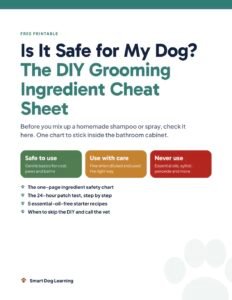
- The "Safe / Use with care / Never use" ingredient chart for your bathroom cabinet
- The 24-hour patch test, step by step
- 5 starter recipes and a "when to call the vet" guide
- Short, smooth coats (Labs, Beagles, Boxers): a rubber curry brush once a week.
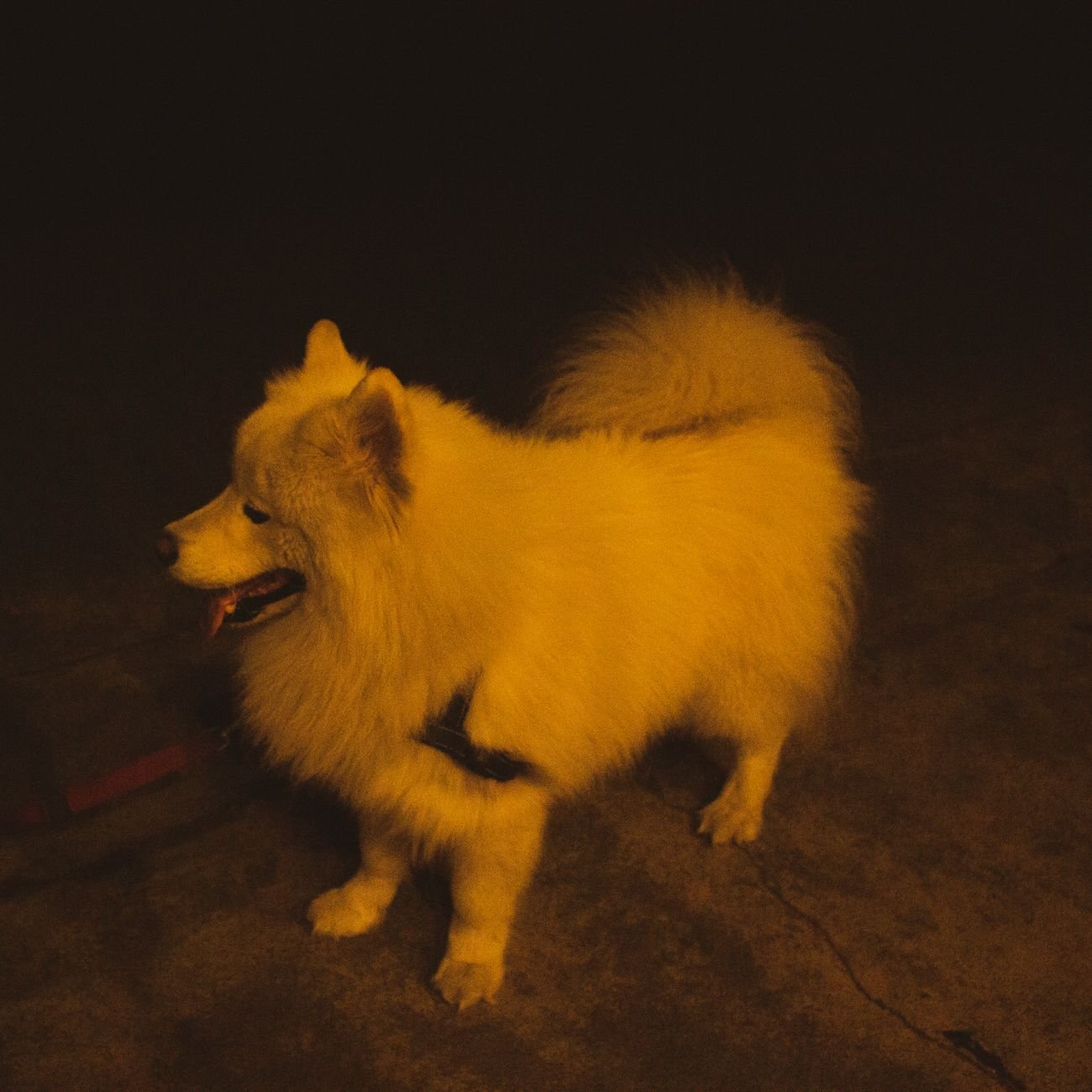
- Double coats (Huskies, Shepherds, Goldens): a slicker brush plus an undercoat rake, a few times a week, and daily during shedding season.
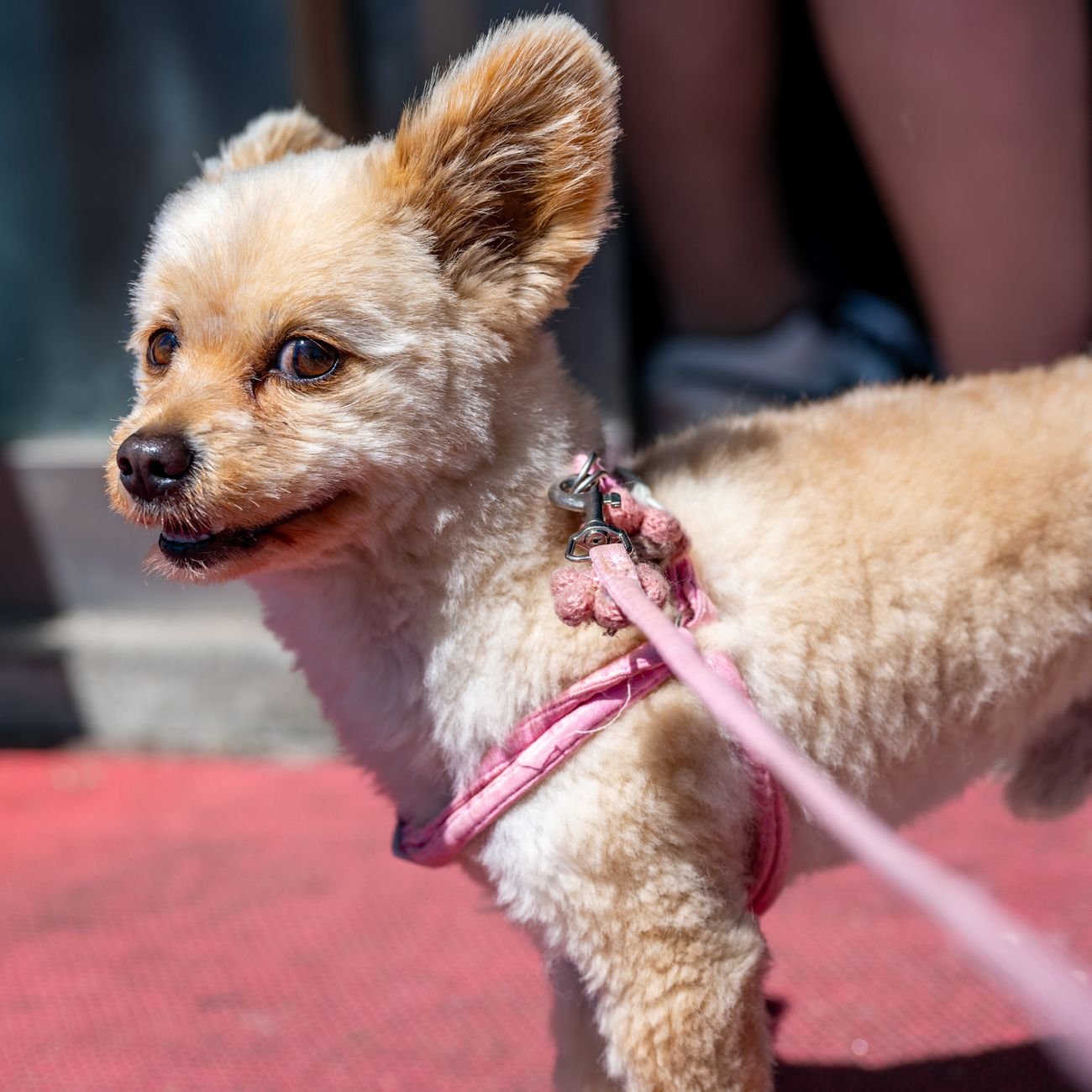
- Long or silky coats (Shih Tzus, Yorkies): a pin brush and comb, ideally every day.
- Curly coats (Poodles, Doodles): a slicker brush and comb, every day or two, right down to the skin.
Brush in the direction the hair grows, in small sections. Go gently over bony spots.
Dealing with mats safely
Mats pull on the skin and can hide redness or sores underneath.
- Small mats: hold the hair at the base and tease them apart with a comb.
- A little dog detangling spray can help.
- Don’t cut mats out with scissors. It’s very easy to cut the skin, which is pulled up into the mat.
- Large or tight mats are a job for a groomer.
And please don’t shave a double-coated dog to “keep them cool.” That coat helps protect them from heat and sun. Ask a groomer or vet first.
Bath time without the drama
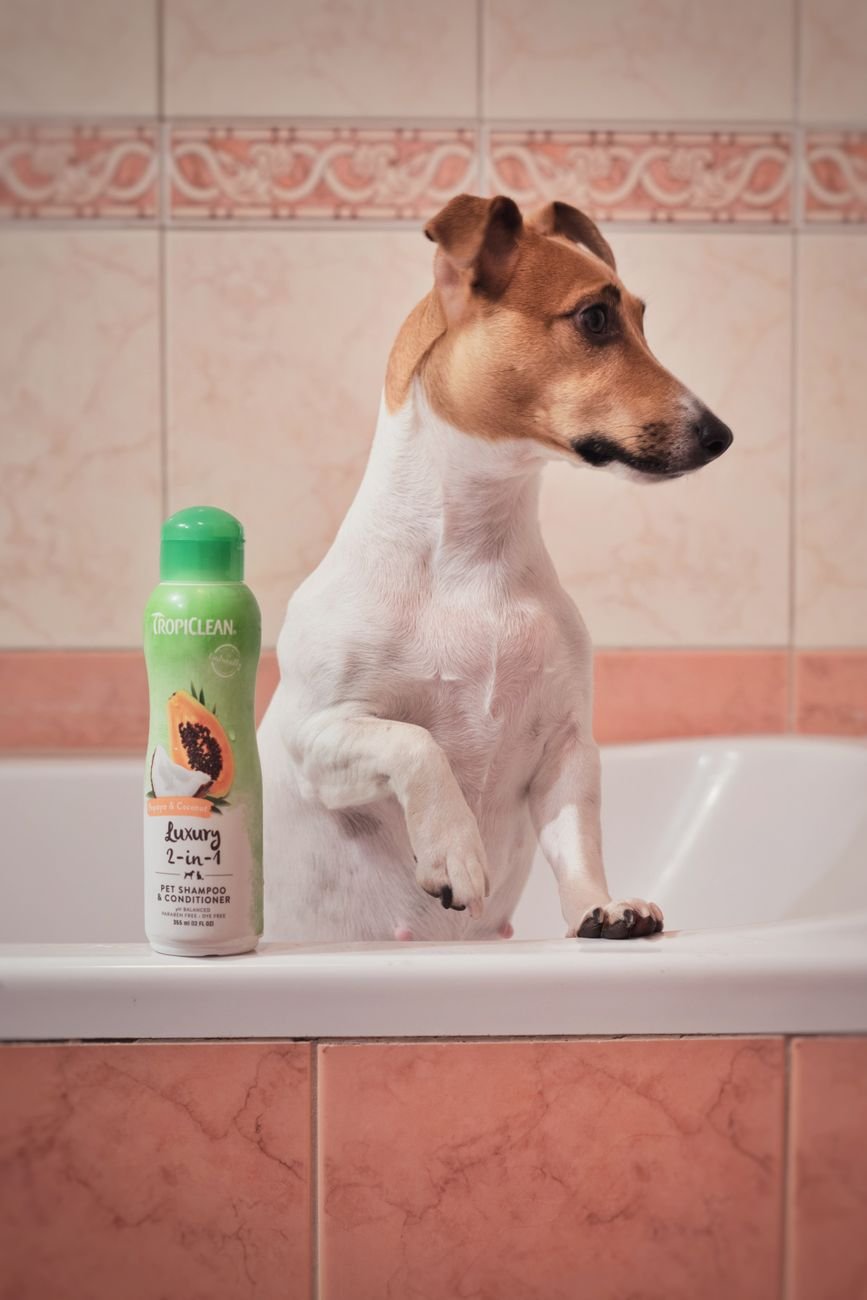
Most dogs only need a bath about every 4 to 8 weeks, or when they roll in something gross. Too many baths can dry out the skin.
- Brush first. Water makes tangles tighter.
- Use lukewarm water and a non-slip mat in the tub.
- Wet the coat all the way to the skin, avoiding the face.
- Lather with dog shampoo. Human shampoo is the wrong pH for dog skin.
- Rinse, then rinse again. Leftover soap causes itching.
- Wipe the face with a damp washcloth.
Drying off
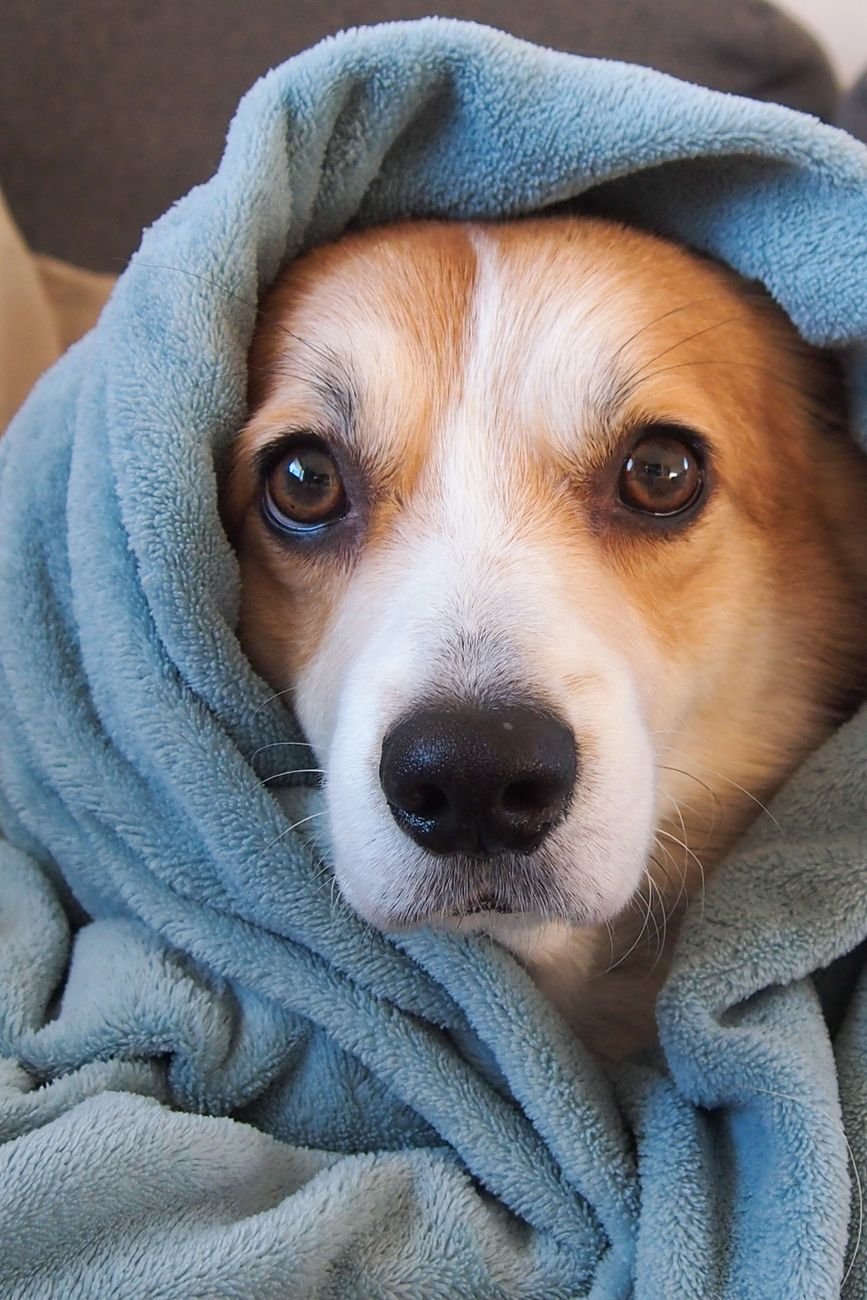
Get as much water out as you can before your dog does the full-body shake.
- Squeeze the coat and blot with a towel. Don’t rub hard, which tangles long hair.
- A hair dryer on the cool or lowest heat setting works if your dog tolerates it. Keep it moving.
- Thick coats need to dry right to the skin to avoid hot spots.
Expect some flying fur. If it ends up in your car too, these car cleaning hacks for dog hair help.
Ears: check weekly
Floppy-eared and hairy-eared dogs are more prone to ear trouble, so look every week.
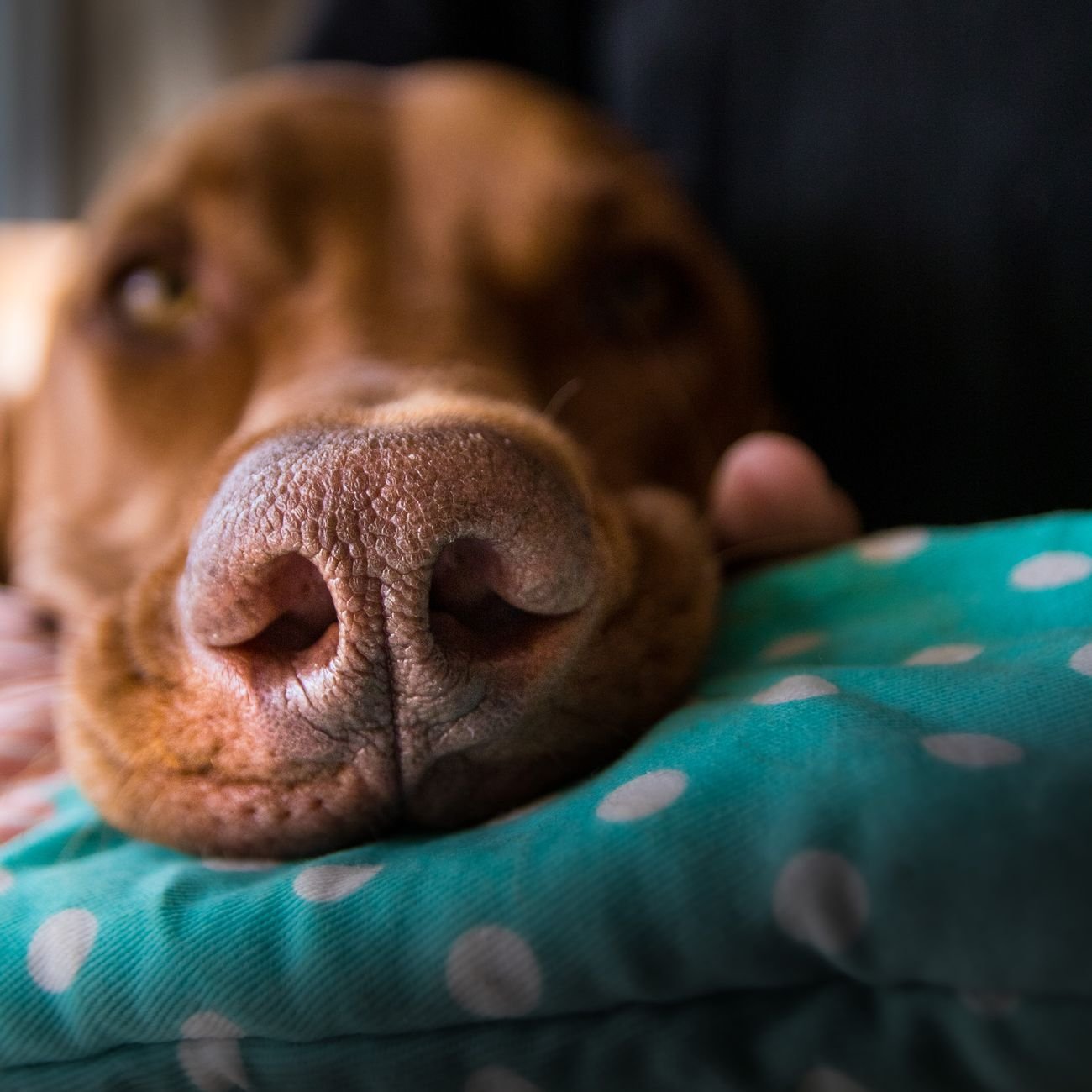
- Healthy ears look pale pink and smell like, well, not much.
- To clean, squeeze a dog ear cleaner into the ear, massage the base and let your dog shake.
- Wipe the outer ear with a cotton ball. Never push cotton swabs into the ear canal.
- Redness, a bad smell, dark gunk, head shaking or scratching mean a vet visit.
Teeth: the job most people skip
Dental disease is common in dogs, and daily brushing is the most effective thing you can do at home.
- Use dog toothpaste only. Human toothpaste can contain xylitol, which is toxic to dogs, and it isn’t meant to be swallowed.
- Start by letting your dog lick a little paste off your finger.
- Then rub along the outer surface of the teeth, a few at a time.
- Work up to the whole mouth over a couple of weeks.
Bad breath, red gums or broken teeth? Book a vet check.
Nails: a quick note
Long nails change how a dog walks and can be painful. If you hear clicking on the floor, it’s time.
- Most dogs need a trim every 3 to 4 weeks.
- Take off small slivers at a time to avoid the quick, the pink part with blood vessels inside.
- Keep styptic powder nearby, just in case.
If your dog panics, a groomer or vet tech can do nails in a couple of minutes while you work on handling at home.
Eyes and paws
These take seconds and catch problems early.
- Eyes: wipe away crust from the corners with a soft, damp cloth, wiping away from the eye.
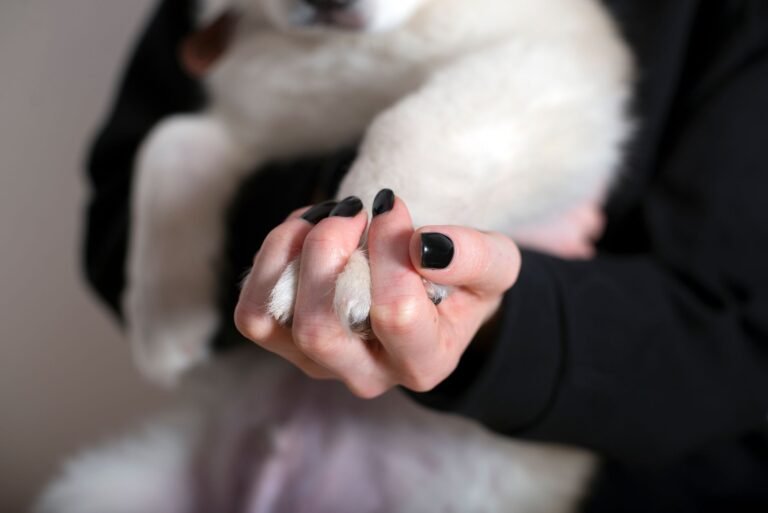
- Paws: check between the toes for burrs, cuts and grass seeds.
- Paw fur: carefully trim long hair under the paw pads so your dog doesn’t slip.
- Skin check: while you’re there, feel for lumps, ticks or fleas.
Found fleas? Here’s an honest look at flea remedies for dogs and what really works.
When to call a professional
Home grooming covers a lot, but some jobs are better left to pros.
- Full haircuts for Poodles, Doodles and other clipped breeds
- Large or tight mats
- Anal glands, which most dogs never need expressed unless there’s a problem
- Any dog who’s scared or snappy during grooming
Ask your vet about lumps, skin changes or anything that just seems off.

Common questions
How often should I groom my dog at home?
Brush anywhere from daily to weekly depending on the coat, and bathe about every 4 to 8 weeks.
Can I use human shampoo on my dog?
No. It’s made for human skin and can irritate your dog’s. Use a gentle dog shampoo.
What brush is best for a beginner?
A slicker brush and a metal comb cover most coats. Smooth-coated dogs do well with a rubber curry brush.
How do I groom a dog that hates it?
Go slow, use lots of treats and keep sessions very short. Ask a trainer or your vet if your dog is really scared.
Should I shave my dog in summer?
Not if they have a double coat. It helps protect them from heat and sunburn. Regular brushing keeps them cooler.




Leave a Reply