


Fleas are miserable for your dog and maddening for you. And the internet is full of “natural” fixes, some of which do nothing and a few of which can make your dog sick.
Let’s sort them out honestly. Here’s which flea remedy for dogs actually works, which ones are a waste of money, and which ones you should never try.
Quick note: this is general information, not a diagnosis. Your vet knows your dog and is the best person to choose a treatment.
First, confirm it’s fleas
Itching has lots of causes, including allergies and skin infections. Check before you treat.
- Part the fur near the base of the tail and on the belly.
- Look for tiny, fast-moving brown insects.
- Look for flea dirt: specks like ground pepper.
- Put the specks on a damp white paper towel. If they smear reddish brown, that’s digested blood, and you’ve found fleas.

Why fleas are so hard to get rid of
The fleas you see are only part of the problem. Adult fleas lay eggs on your dog, and those eggs fall off wherever your dog goes.
- Eggs land in carpets, beds and sofa cushions.
- Larvae hide deep in fibers and cracks, away from light.
- Pupae sit in protective cocoons and can wait weeks before hatching.
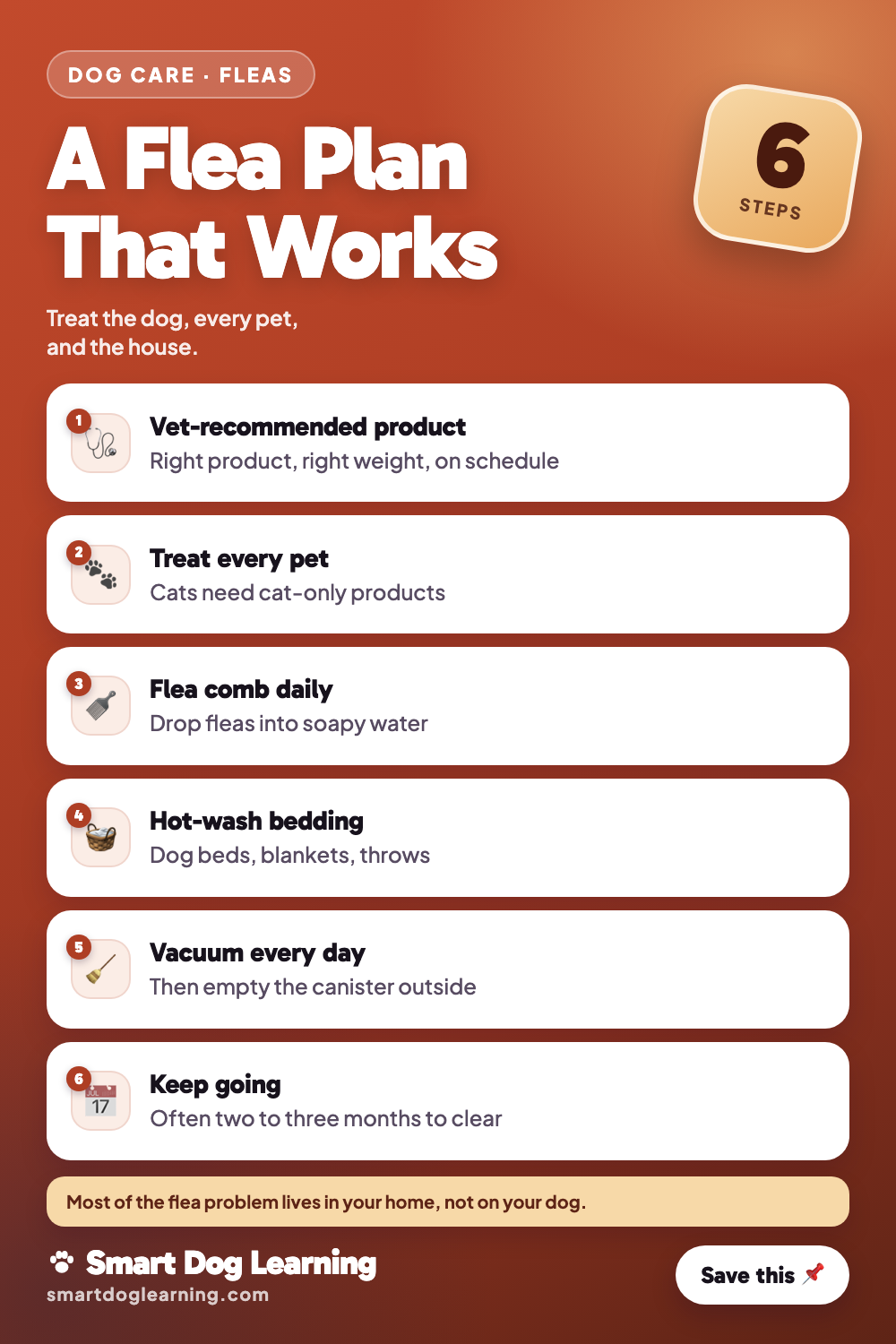
That’s why you need to treat your dog and your home, and keep going for a while. Most of the flea population is in your house, not on your pet.
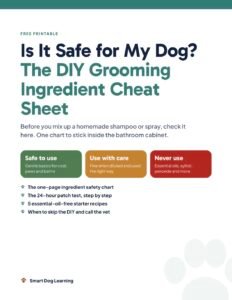
- The "Safe / Use with care / Never use" ingredient chart for your bathroom cabinet
- The 24-hour patch test, step by step
- 5 starter recipes and a "when to call the vet" guide
What works: vet-recommended flea products
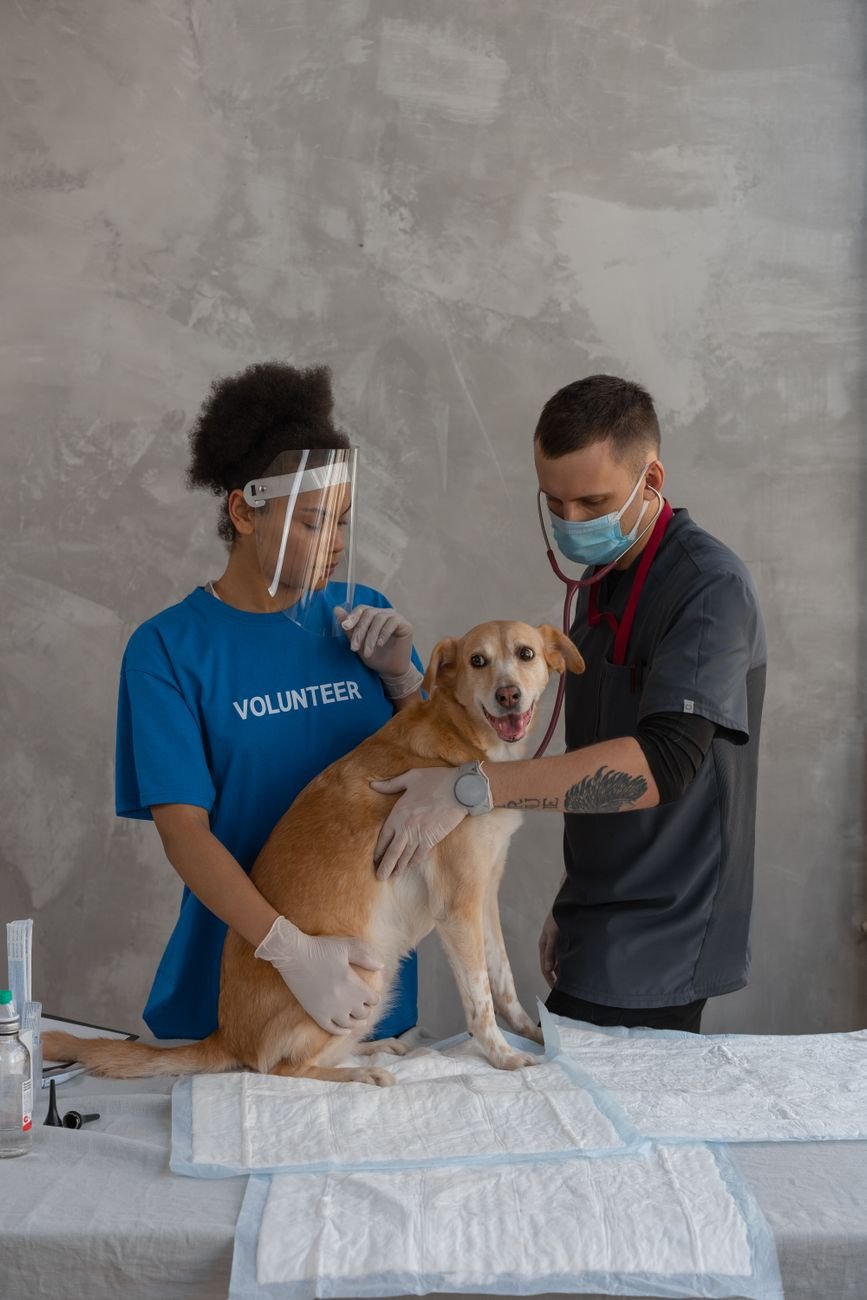
Modern flea preventives are the single most effective tool. Your vet can help you choose between:
- Oral chewables given monthly or every few months.
- Topical spot-ons applied to the skin between the shoulder blades.
- Flea collars from reputable brands that last several months.
Every product has pros and cons. Some oral flea medications carry a warning about rare neurologic side effects, so tell your vet if your dog has ever had a seizure. Always dose by your dog’s current weight and follow the label.
What works: a flea comb and a bath
These won’t solve an infestation on their own, but they’re great support.
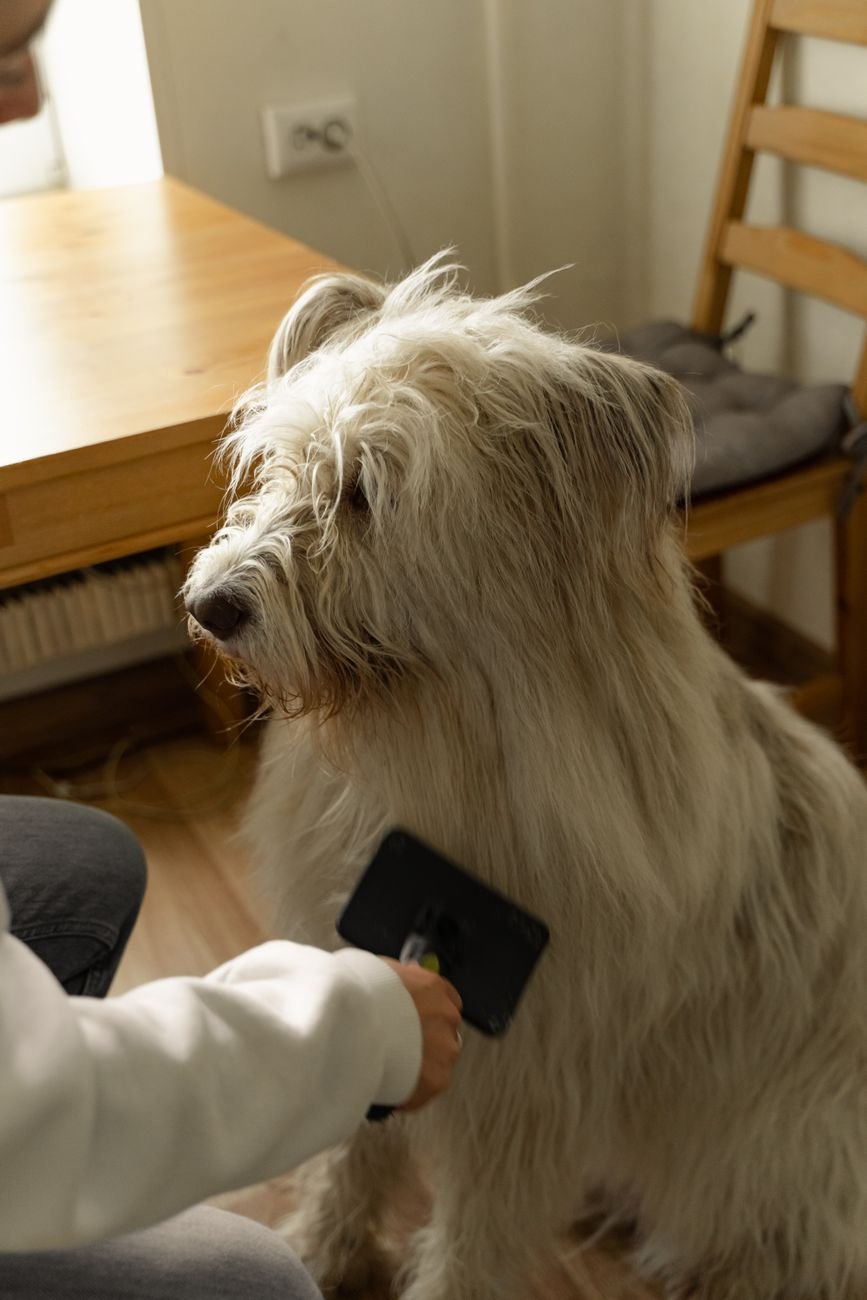
- A fine-toothed flea comb pulls out adult fleas and flea dirt. Dip it in a bowl of soapy water to drown them.
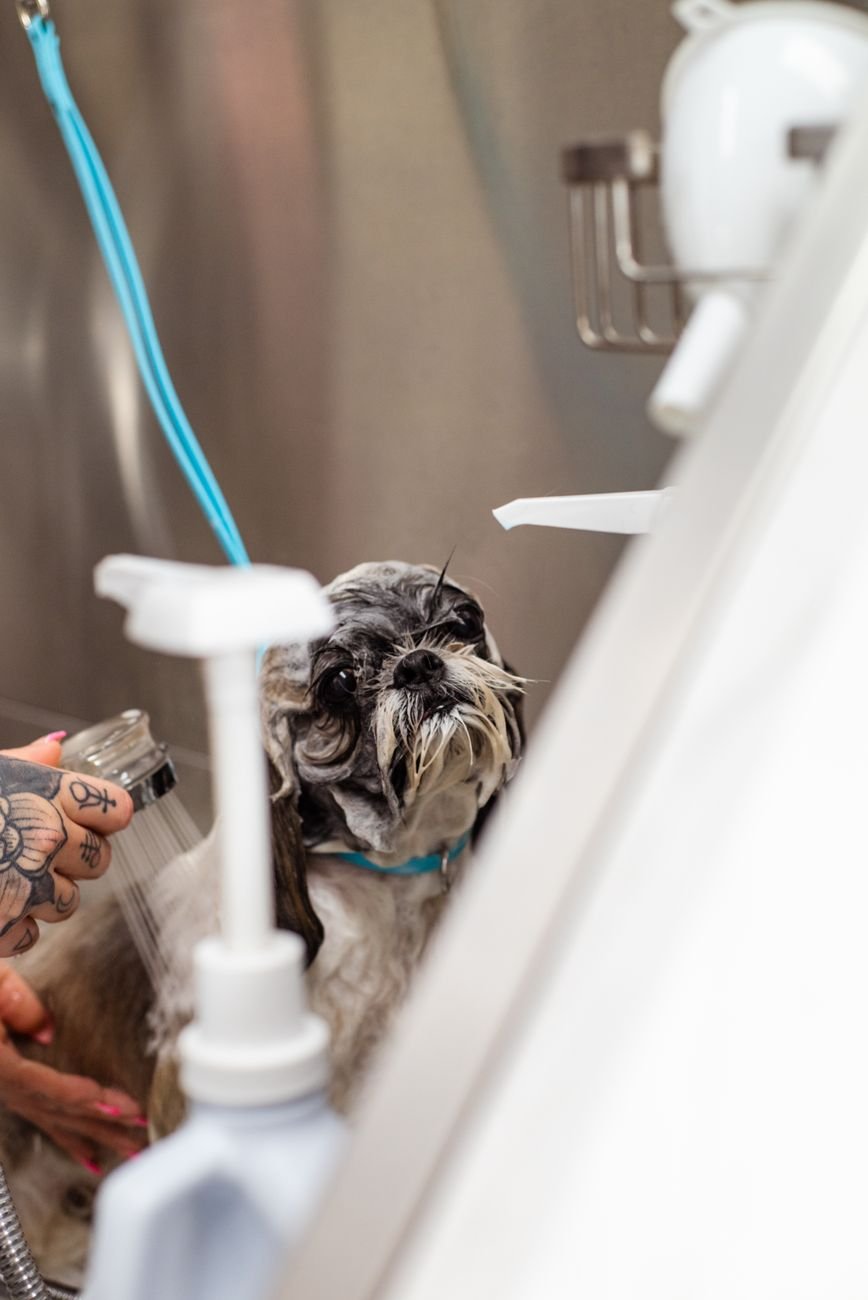
- A bath with a gentle dog shampoo washes off fleas and soothes itchy skin.
- Ask your vet before bathing if you use a spot-on. Some need a couple of days before or after a bath.
A bath only removes the fleas that are on your dog right now. New ones will jump back on from the carpet, which is why the home steps matter.
What works: treating your home
This is the part most people skip, and it’s why fleas keep coming back.
- Vacuum daily for a few weeks: carpets, rugs, sofa cushions, under furniture and along baseboards. The vibration also encourages pupae to hatch so the treatment can reach them.
- Empty the vacuum outside right away, and seal the bag or debris in a trash bag.
- Wash bedding in hot water every few days: dog beds, blankets and anything your dog sleeps on.
- Ask your vet about a home spray with an insect growth regulator for bad infestations. Keep pets out of the room until it’s dry, and follow the label exactly.
Need a rhythm for all that vacuuming? A daily, weekly and monthly cleaning schedule makes it a habit instead of a chore.
What works: treating every pet
If one pet has fleas, assume they all do. Treat every dog and cat in the house at the same time, even the ones who aren’t scratching.
Never use a dog flea product on a cat. Many dog products contain permethrin, which is highly toxic to cats. Even a cat lying against a freshly treated dog can get sick.
What doesn’t work
These are popular online, but there’s little or no good evidence they control fleas.
- Apple cider vinegar. Spraying it or adding it to water doesn’t kill or reliably repel fleas.
- Brewer’s yeast tablets. There’s no good evidence they keep fleas away.
- Ultrasonic flea collars. No good evidence they do anything.
- Lemon sprays. They may irritate skin, and they don’t solve an infestation.
The real cost of these isn’t the money. It’s the weeks your dog spends itching while the fleas multiply.
What’s dangerous
Some home remedies can seriously harm your dog. Please skip all of these.
- Garlic. It’s often sold as a flea repellent, but garlic is toxic to dogs and can damage red blood cells.
- Essential oils like tea tree, pennyroyal, pine and citrus oils. They can cause drooling, weakness, tremors and worse, and tea tree oil poisoning in pets is well documented.
- Splitting a large-dog dose between small dogs, or using the wrong weight range.
- Doubling up products without your vet’s okay.
- Cat exposure to dog products containing permethrin.
- Powders on your dog, like borax, salt or diatomaceous earth. They can irritate skin, eyes and lungs.

When to call the vet
Fleas are more than an annoyance. Get help if you notice:
- Red, scabby or hairless patches, which can mean flea allergy dermatitis
- Pale gums, weakness or tiredness, especially in puppies and small dogs
- Small rice-like segments near the tail, a sign of tapeworms, which fleas can spread
- Any reaction after a flea treatment, like vomiting, tremors or wobbliness
Very young puppies need special care too. Most flea products have a minimum age and weight, so call your vet first.
How to keep fleas from coming back
- Keep up flea prevention year-round, or as your vet recommends for your area.
- Set a phone reminder for the next dose.
- Vacuum and wash bedding weekly.
- Keep your yard tidy, with short grass and no piles of leaves near where your dog lies.

Common questions
What’s the fastest way to kill fleas on a dog?
A fast-acting flea product from your vet. A bath and a flea comb help remove fleas right away while it starts working.
Does Dawn dish soap kill fleas?
Soapy water can wash fleas off, but it doesn’t protect against new ones and can dry the skin. Use a dog shampoo and a real flea product.
Is apple cider vinegar good for fleas?
There’s no good evidence it kills or repels fleas. It’s not worth relying on.
How long does it take to get rid of fleas?
Often two to three months, because new fleas keep hatching in the home. Keep treating until you see none for several weeks.
Can I use my dog’s flea treatment on my cat?
No. Some dog products are toxic to cats. Use only a product made for cats, chosen with your vet.




Leave a Reply