

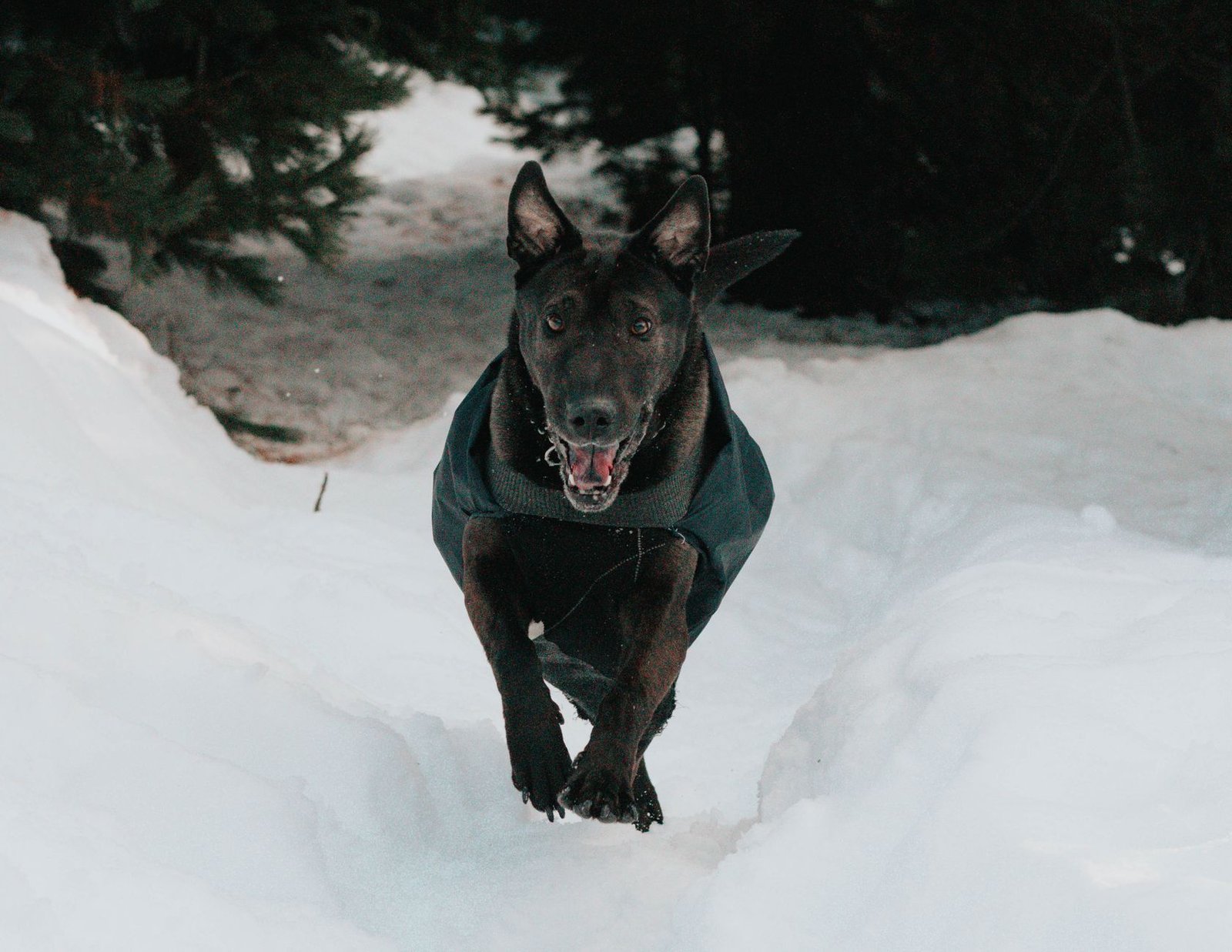
Some dogs bounce through snow like it’s the best day of their life. Others stop dead on the porch and give you a look.
Both are telling you something. Here’s how to choose dog winter clothes that actually help, plus the cold weather safety basics every dog owner should know.
Does your dog actually need a coat?
Not every dog needs winter clothes. It mostly comes down to coat type, size and age.
Dogs that often benefit from a coat:
- Small and toy breeds, like Chihuahuas and Yorkies
- Short-haired dogs, like Boxers, Pit Bulls and Dachshunds
- Lean breeds with little body fat, like Greyhounds, Whippets and Italian Greyhounds
- Puppies, senior dogs and dogs with health conditions
- Dogs recently shaved or with a short summer clip
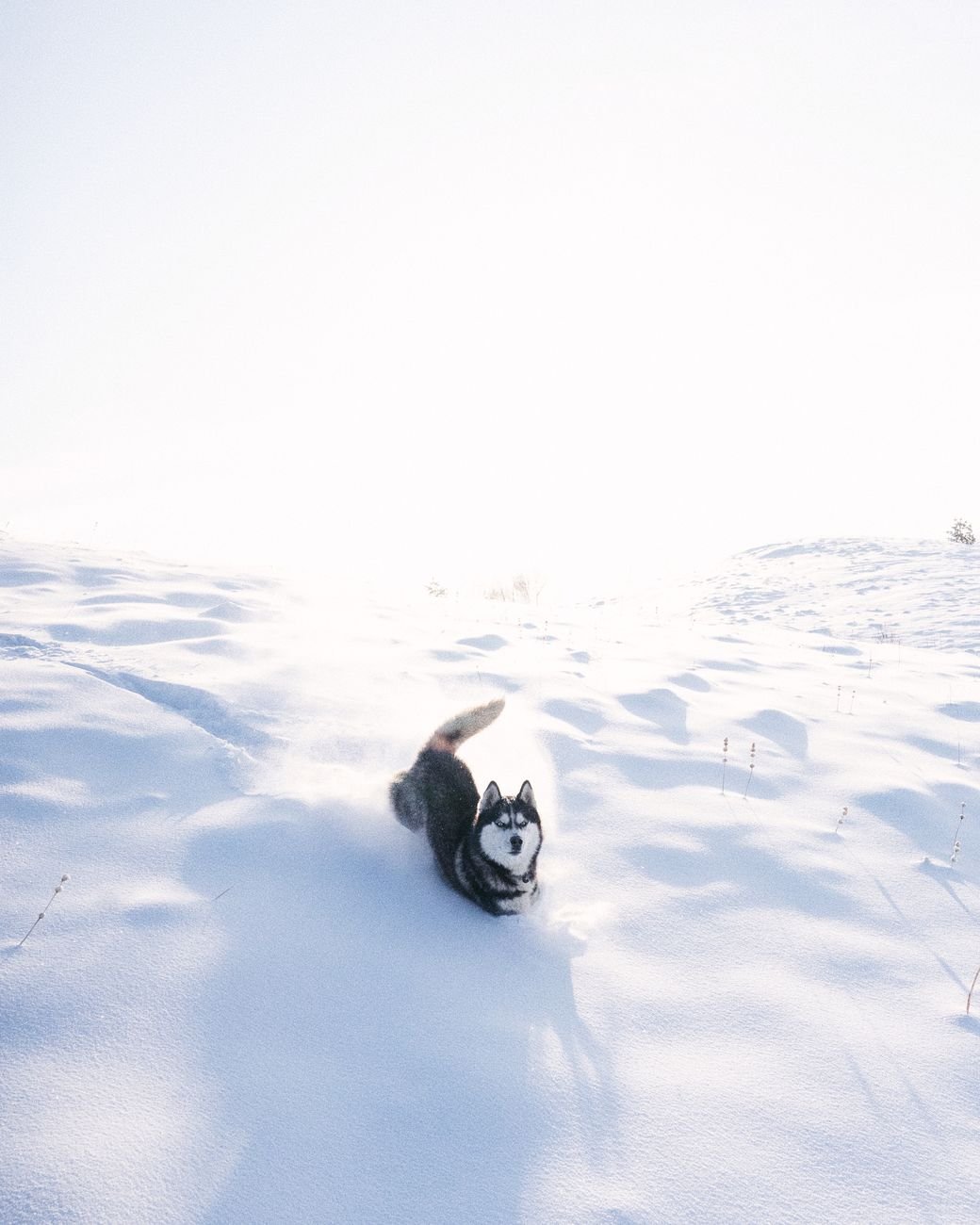
Dogs that usually don’t: thick double-coated breeds like Huskies, Malamutes, Samoyeds and Bernese Mountain Dogs. Their fur already does the job, and a coat can make them overheat.
- Works for puppies, adults, rescues and seniors
- One page per problem, step by step
- Printable PDF, free
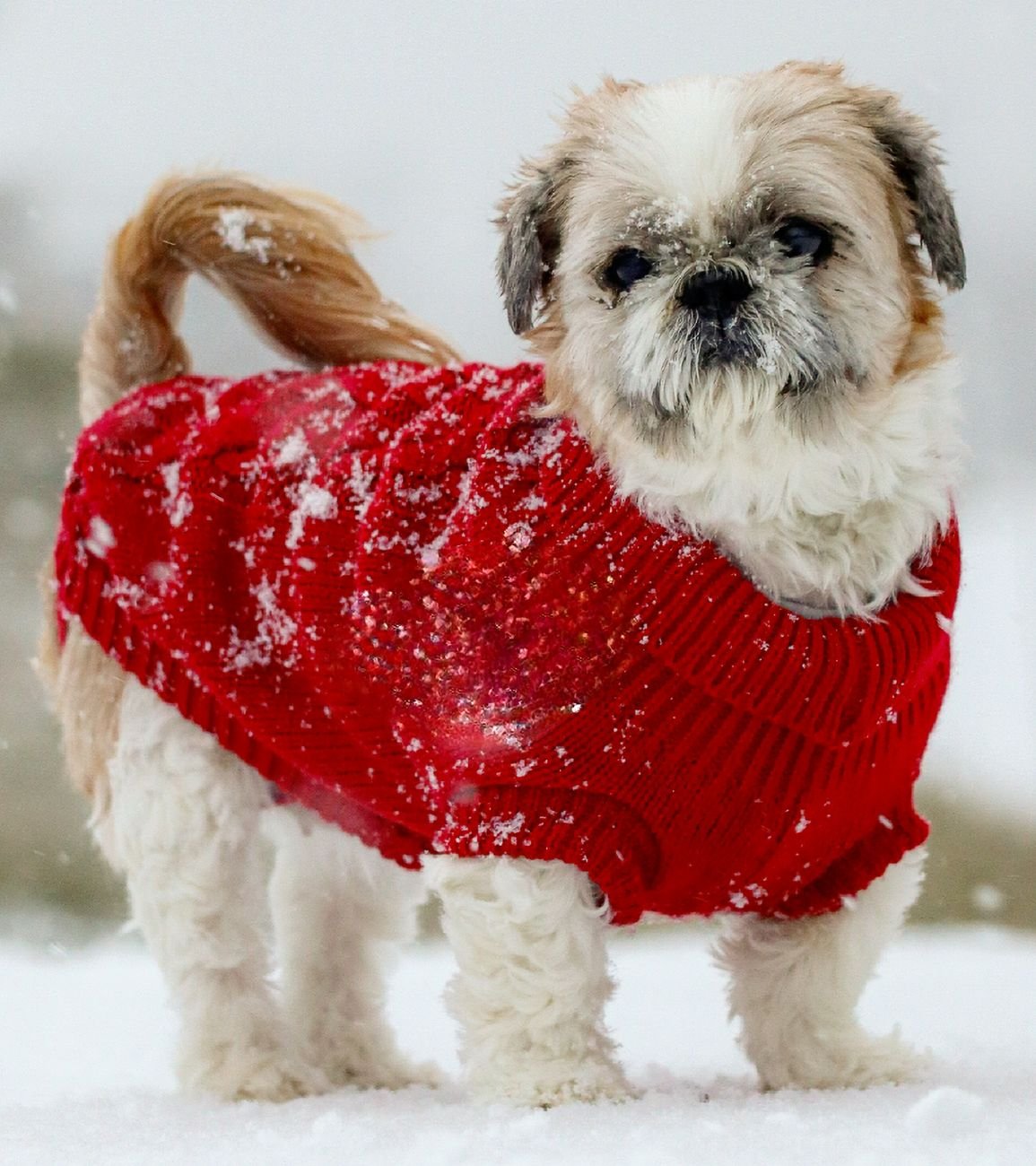
Signs your dog is cold
Your dog can’t tell you they’re cold, but their body will.
- Shivering or trembling
- Hunched posture with the tail tucked
- Lifting paws off the ground
- Slowing down, or trying to turn back home
- Whining or looking for shelter
If you see these, head inside. Next time, try a coat or a shorter walk.
Types of dog winter clothes
Match the clothes to your weather and your dog’s routine.
- Sweaters: great indoors or for dry, chilly walks. Not great in rain or wet snow, since knit soaks through.
- Fleece jackets: warm, light and easy to wash. Good for cold, dry days.
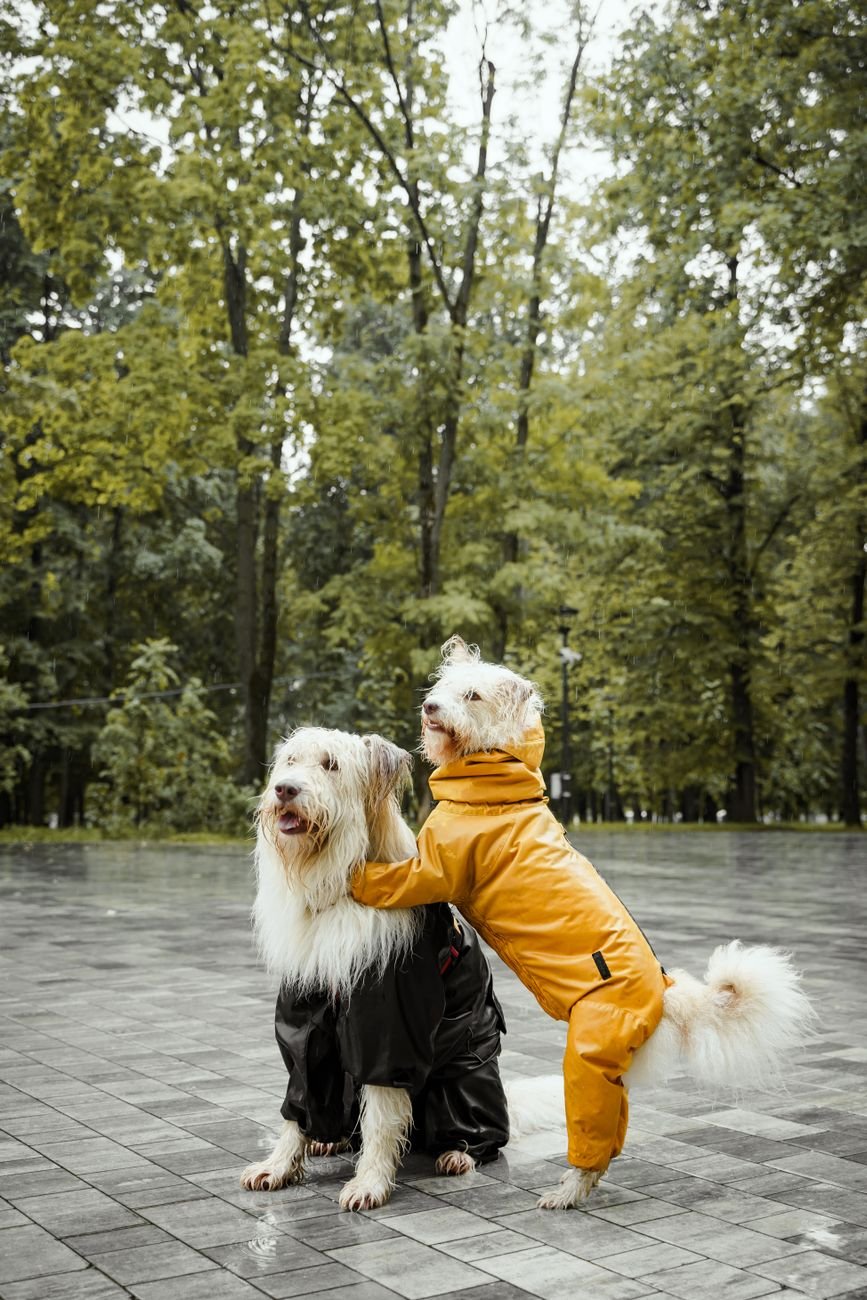
- Waterproof coats: a water-resistant shell with a warm lining. Best for snow, sleet and rain.
- Full-body snowsuits: handy for low-slung dogs whose bellies drag through snow.
- Reflective gear: winter days are short. Bright colors or reflective strips help drivers see you.
How to get the right fit
A badly fitting coat rubs, slips or gets in the way when your dog needs to pee. Measure before you buy.
- Back length: from the base of the neck to the base of the tail.
- Chest: around the widest part of the ribcage, just behind the front legs.
- Neck: around where a collar sits.
Compare these to the brand’s size chart, since sizes vary a lot. A good fit means:
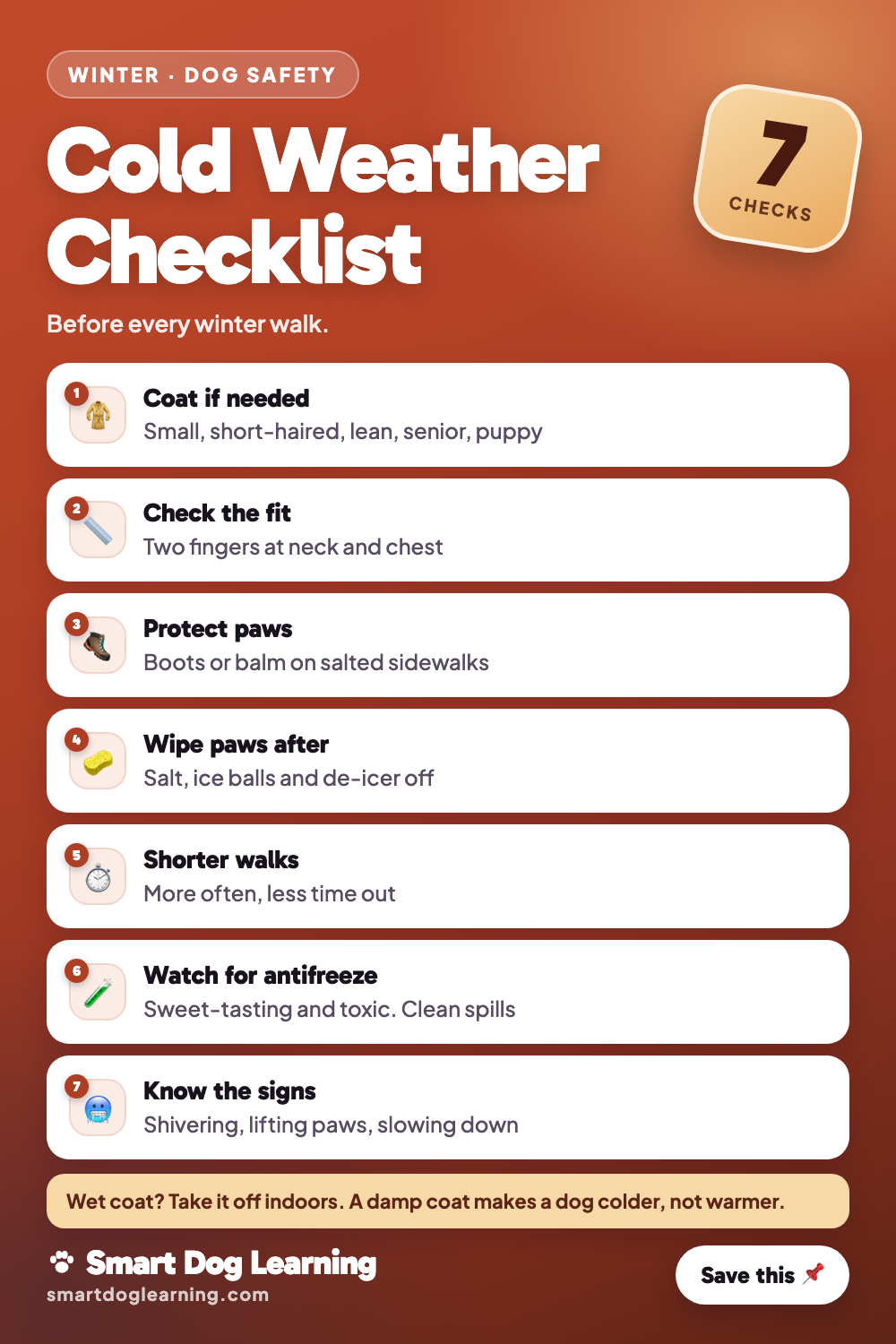
- Two fingers slide under the neck and chest straps.
- Your dog can walk, sit and lie down without restriction.
- Nothing covers the area where your dog pees or poops.
- There are no dangling toggles or loose parts to chew.
Help your dog get used to clothes
Lots of dogs freeze in place the first time they wear a coat. That’s normal, and it passes with practice.
- Start indoors. Let your dog sniff the coat, then reward.
- Put it on for a few seconds and give treats while it’s on. Then take it off.
- Build up slowly over a few days, adding a minute at a time.
- Pair it with good things, like heading out for a walk or a game.
- Never leave clothes on when your dog is home alone.
Paw care in winter
Paws take the biggest beating in winter. Ice, salt and chemical de-icers can crack and irritate pads.
- Dog boots give the best protection. Introduce them slowly indoors with treats. Most dogs high-step at first.
- Paw balm or wax adds a thin barrier if your dog won’t wear boots.
- Trim the fur between the pads so ice balls don’t build up.
- Wipe paws with a warm, damp cloth after every walk. This stops your dog from licking off salt and de-icer.
- Use pet-friendly ice melt on your own steps and driveway.
The big winter danger: antifreeze
Antifreeze often contains ethylene glycol. It tastes sweet, so dogs and cats will lap it up, and even a small amount can be deadly.
- Clean up drips in your garage or driveway right away.
- Store containers tightly closed and up high.
- Keep your dog away from puddles in parking lots.
If you think your dog licked antifreeze, call your vet or an animal poison control line immediately. Don’t wait for symptoms. Treatment works best when it starts fast.
Cold weather walking tips
Winter walks are still important. Just adjust them a little.
- Go shorter and more often on very cold days.
- Walk at the warmest time of day, usually late morning or early afternoon.
- Keep your dog leashed near frozen ponds and lakes. Ice can be thinner than it looks.
- Stay visible with a light-up collar or reflective leash after dark.
- Never leave your dog in a parked car. In winter it cools down like a fridge.
Hypothermia and frostbite: what to do
These are emergencies, but knowing the signs helps you act fast.
- Hypothermia: strong shivering, then weakness, slow breathing, stiff muscles or confusion.
- Frostbite: pale, gray or bluish skin on the ears, tail tip or paw pads, which may turn red and swollen as it warms.
Bring your dog inside and wrap them in dry, warm blankets. Don’t rub frostbitten skin, and don’t use a heating pad or hot water. Then call your vet right away.
Keep home cozy, too
Cold weather safety doesn’t stop at the front door.
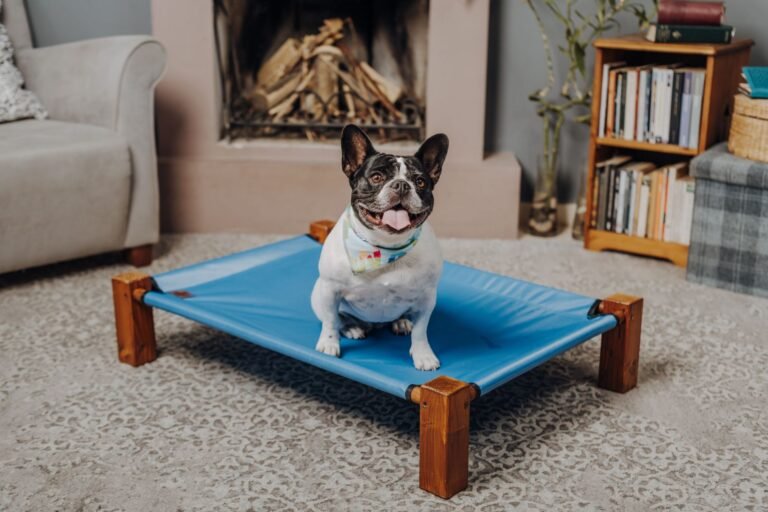
- Move your dog’s bed off cold tile and away from drafty doors. A raised or thick bed helps. These DIY dog bed ideas include warm options.
- Keep space heaters and fireplaces behind a screen.
- Take wet coats and sweaters off as soon as you’re home.
- Fill short walk days with indoor games so your dog still burns energy. Here are some indoor enrichment ideas.
Common questions
How cold is too cold to walk a dog?
It depends on the dog. Small and short-haired dogs feel cold much sooner than big, fluffy ones. Watch your dog and keep walks short on bitter days.
Should my dog wear a sweater indoors?
Only if your home is chilly and your dog is a small, thin-coated or senior dog. Take it off if they pant or seem restless.
Can my dog sleep in their coat?
It’s best not to. Clothes can twist or overheat a dog when you’re not watching. Offer a warm blanket instead.
Are dog boots really necessary?
Not always, but they help a lot on salted sidewalks, ice and very cold days. Paw balm and wiping paws are good backups.
Is snow-melting salt bad for dogs?
It can irritate paws and upset the stomach if licked. Wipe paws after walks and use pet-friendly ice melt at home.

Leave a Reply