

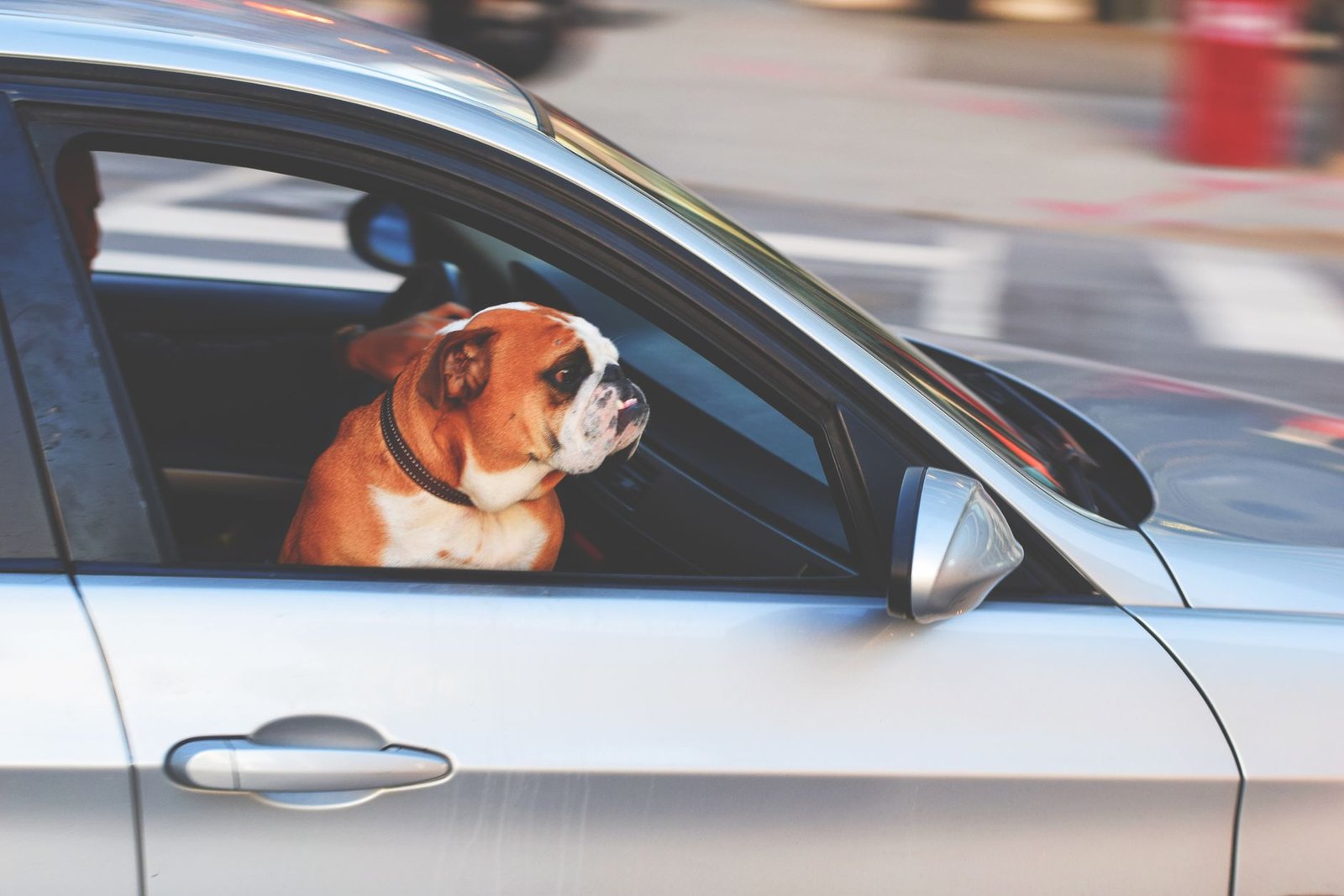
Traveling with your dog is the best. Realizing at a rest stop two hours from home that you forgot the leash? Not so much.
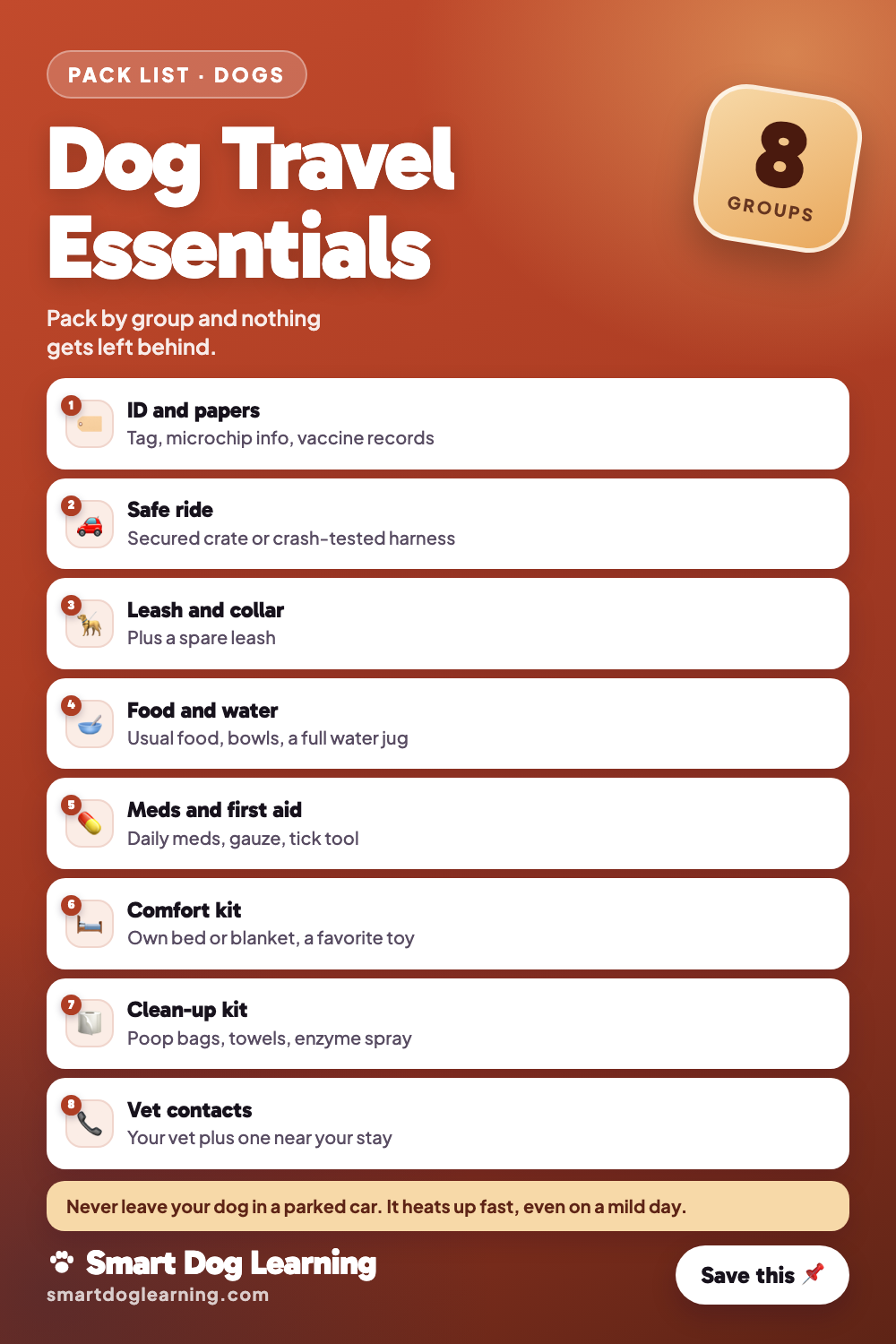
This dog travel essentials checklist splits everything into eight simple groups. Pack group by group and you’ll have what you need for a weekend away, a long road trip or a flight.
Before you go: a quick prep list
A few things need doing a week or two before the trip, not the night before.
- Check your destination is dog friendly. Call the hotel or rental and ask about size limits and pet fees.
- Update the microchip with your current phone number.
- Ask your vet about any paperwork you’ll need, especially for flights or crossing borders.
- Practice short car rides if your dog isn’t used to longer trips.
Airlines, countries and some states have their own rules. Check them directly, since they change.
1. ID and paperwork
If your dog slips away in a strange place, ID is what brings them home.
- Collar with an ID tag that shows your cell number
- Microchip number written down
- Vaccination records, including rabies, as a paper copy and a phone photo
- A recent clear photo of your dog
- Health certificate if your airline or destination needs one
2. A safe way to ride
A loose dog in a car can distract the driver and get hurt in a sudden stop. Pick one safe option and get your dog used to it at home.
- Works for puppies, adults, rescues and seniors
- One page per problem, step by step
- Printable PDF, free
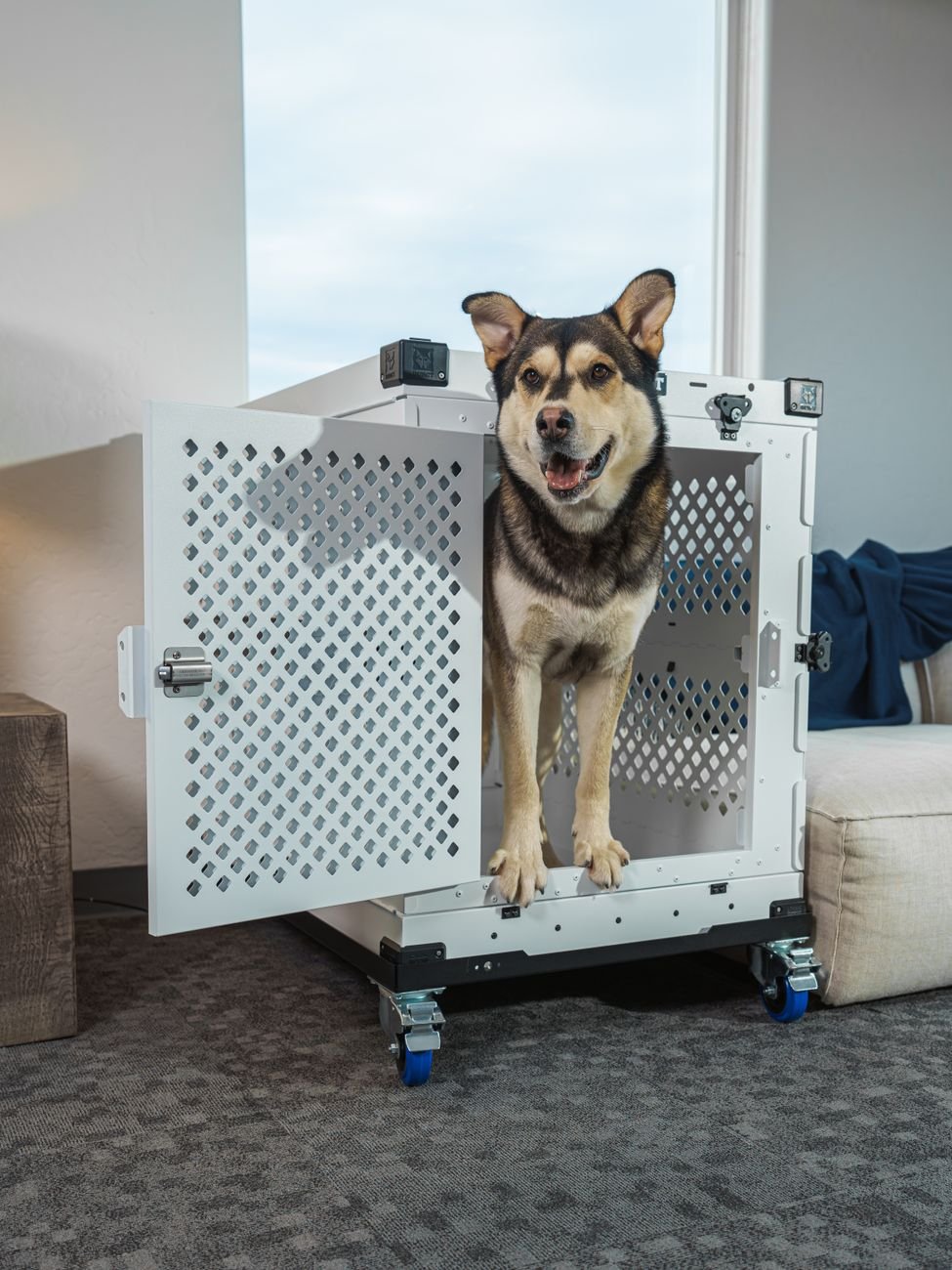
- A crate strapped down in the cargo area or back seat
- A crash-tested car harness clipped to the seat belt
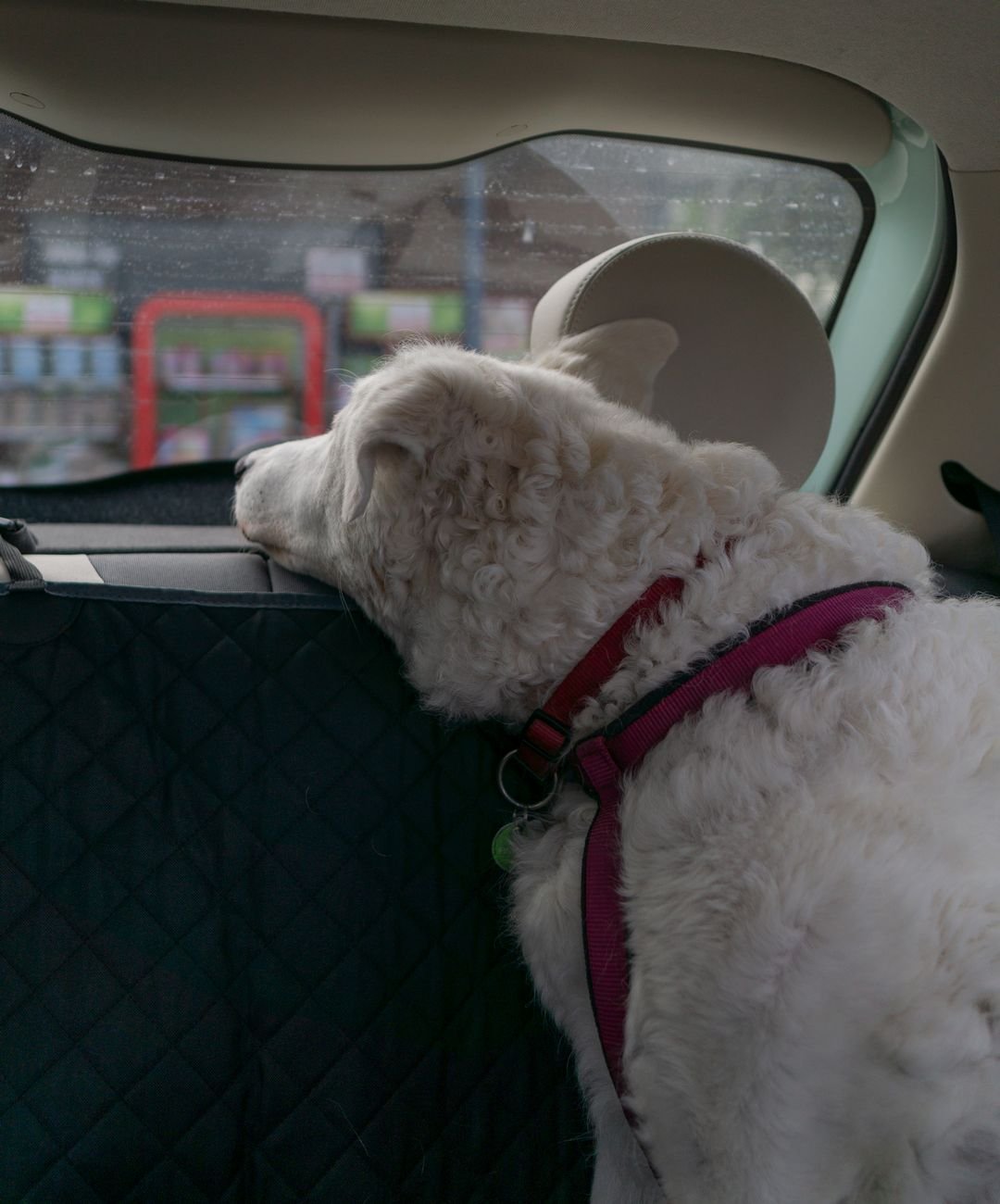
- A seat cover or hammock to protect the seats and catch hair
Keep your dog in the back seat, never up front where an airbag can hurt them. And keep heads inside the window. It looks fun, but bugs and debris can injure eyes.
3. Leash, collar and harness
Bring more than you think. New places mean new distractions.
- Everyday collar or harness
- A sturdy 6 foot leash
- A spare leash tucked in the car or bag
- A long line if you’ll be hiking or at the beach
- A reflective vest or light-up collar for evening walks
Rest stops are busy, noisy places. Clip the leash on before you open the car door, every time.
4. Food and water
Travel is not the time to switch foods. Bring your dog’s usual food so their stomach stays calm.
- Enough food for the whole trip, plus a day or two extra
- Food portions packed in bags or a container, one per meal
- Collapsible food and water bowls
- A big jug of water from home and a travel bottle
- Your dog’s usual treats
- A can opener or scoop if needed
Offer water at every stop. Feed a light meal a few hours before driving if your dog tends to get carsick.
5. Medications and a first aid kit
Pack meds in your carry-on or front seat, not deep in a suitcase.
- Daily medications with a few extra days’ supply
- Flea and tick prevention if a dose falls during the trip
- Gauze, self-stick bandage wrap and medical tape
- Saline to rinse eyes and wounds
- A tick removal tool or fine-tipped tweezers
- Your vet’s phone number and the nearest 24-hour emergency vet at your destination
Is your dog carsick or anxious on the road? Talk to your vet before the trip. Never give human medication without your vet’s okay, since many are dangerous for dogs.
6. Comfort items
New places can be stressful. Familiar smells help your dog settle.
- Their own bed or a well-used blanket
- One or two favorite toys
- A long-lasting chew for quiet time in the hotel
- A travel crate if your dog sleeps in one at home
A tired dog is a calm traveler. A good walk before you leave makes the first stretch of driving much easier.
7. Clean-up kit
Accidents and muddy paws happen. Being ready keeps hosts happy and your car livable.
- Plenty of poop bags
- Old towels for wet or muddy dogs
- Paper towels and pet wipes
- An enzyme cleaner for accidents
- A lint roller for hair on clothes and bedding
- Trash bags
When you’re home, here’s how to tackle the hair: car cleaning hacks for dog hair.
8. Contacts and a plan B
Nobody plans for an emergency on vacation. A few minutes of prep makes a scary moment a lot easier.
- Your vet’s number saved in your phone
- An emergency vet near where you’re staying
- The address of your rental or hotel written down
- A friend at home who knows your dog’s needs
Road trip rules that keep dogs safe
The gear matters, but so do your habits on the road.
- Stop every 2 to 3 hours for a potty break, water and a short walk.
- Never leave your dog in a parked car. Cars heat up fast, even on a mild day with the windows cracked.
- Keep the car cool and out of direct sun when possible.
- Watch for stress: heavy panting, drooling, whining or pacing means it’s time for a break.
Flying with a dog
Flying needs extra planning. Every airline has its own rules for size, carriers and paperwork.
- Book your dog’s spot early, since cabin spots are limited.
- Get an airline-approved carrier and let your dog nap in it for weeks before.
- Ask your vet about flying, especially for flat-faced breeds, which can have breathing trouble.

Common questions
What should I pack for my dog on a road trip?
ID and records, a safe car restraint, leash, food, water, bowls, meds, a first aid kit, bedding, toys and clean-up supplies.
How often should I stop when driving with a dog?
Every 2 to 3 hours is a good rule, more often for puppies and older dogs.
Should I feed my dog before a car trip?
A light meal a few hours before is better than a full stomach right before you leave, especially for carsick dogs.
How do I keep my dog calm when traveling?
Bring familiar bedding and toys, exercise them before you leave and practice short rides at home first.
Do I need vaccination records to travel with my dog?
Often, yes. Hotels, kennels, airlines and borders may ask for proof of rabies vaccination, so keep a copy handy.


Leave a Reply