

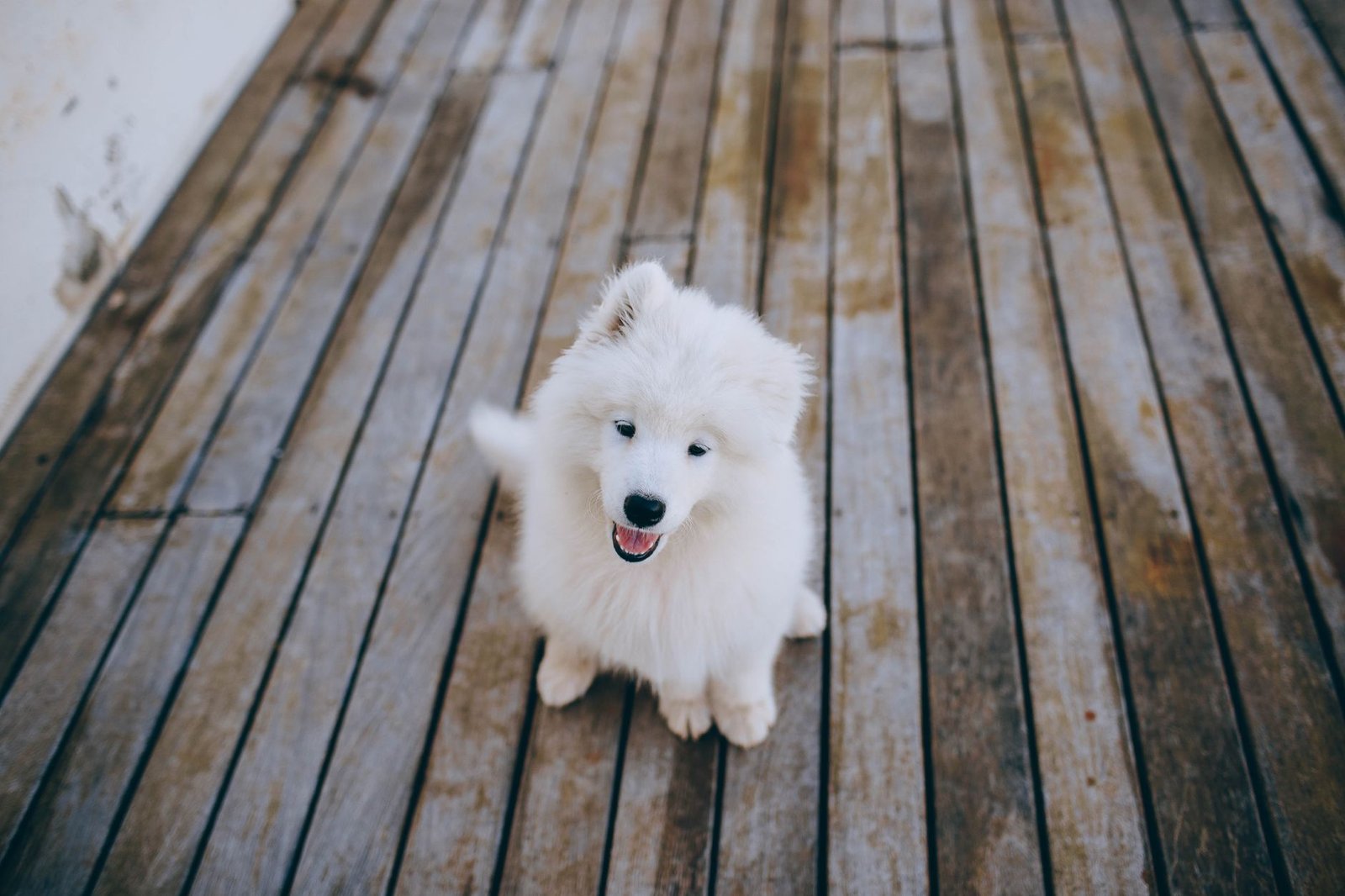
The first night with a new puppy is chaos. Cute chaos, but chaos.
The last thing you want at 11 p.m. is a dash to the store for paper towels. This new puppy checklist covers what to buy, what to set up and what to book before your puppy walks through the door.
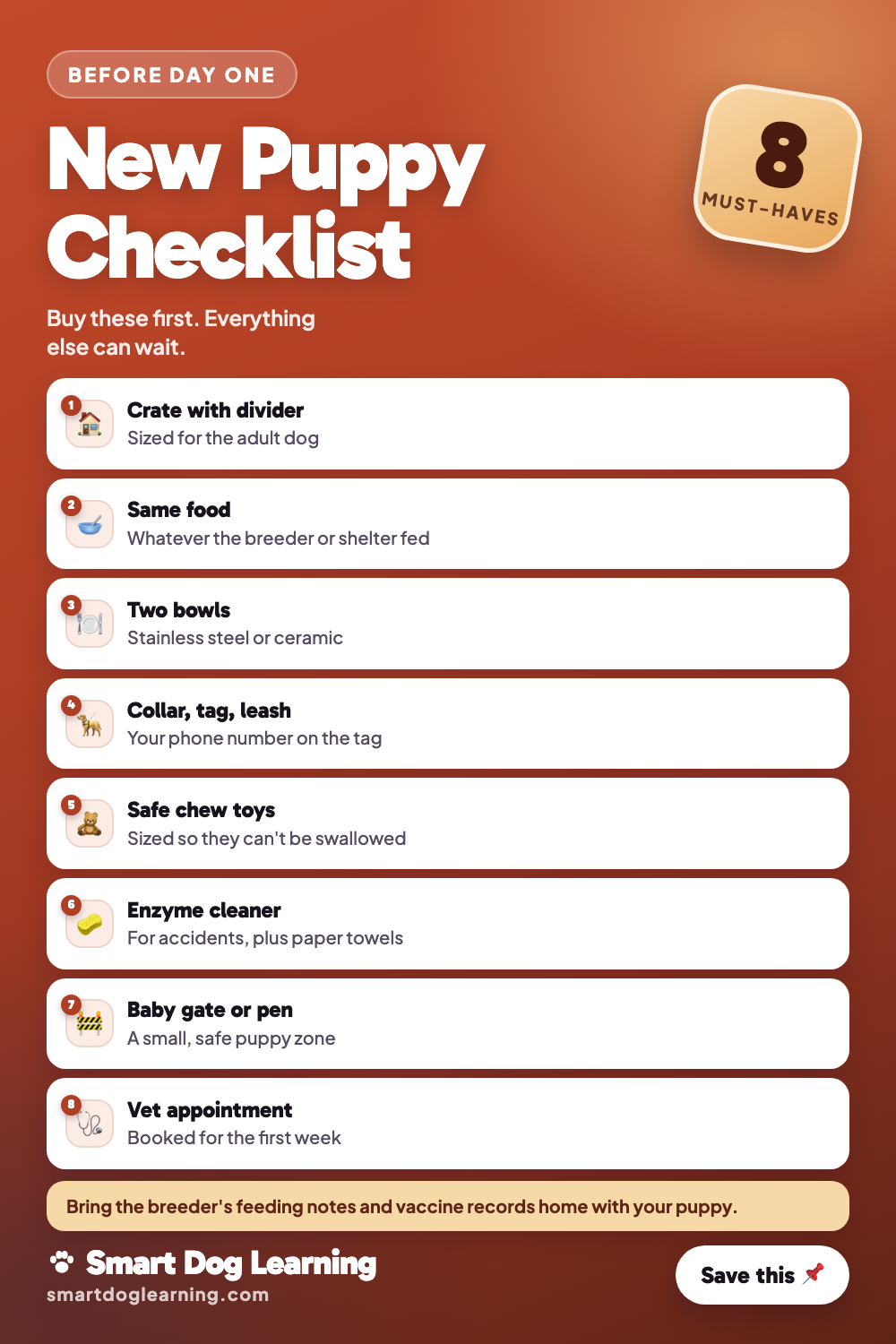
The 8 things you really need on day one
Pet stores will happily sell you a cart full of stuff. Start with these and add the rest as you learn your puppy.
- A crate with a divider panel
- The same food your puppy eats now
- Two bowls, one for food and one for water
- A collar or harness, an ID tag and a leash
- A few safe chew toys
- An enzyme cleaner for accidents
- A baby gate or playpen
- A booked vet appointment
Let’s go through each one, plus the nice extras.
Sleeping and resting
Puppies sleep a lot, often 18 hours a day or more. A safe place to do it matters.
- Crate: buy one sized for your puppy’s adult size, with a divider. Move the divider back as they grow.
- Crate pad or old towels: skip the expensive bed for now. Many puppies chew their first one.
- Something that smells like home: ask the breeder or shelter for a blanket that smells like the litter.
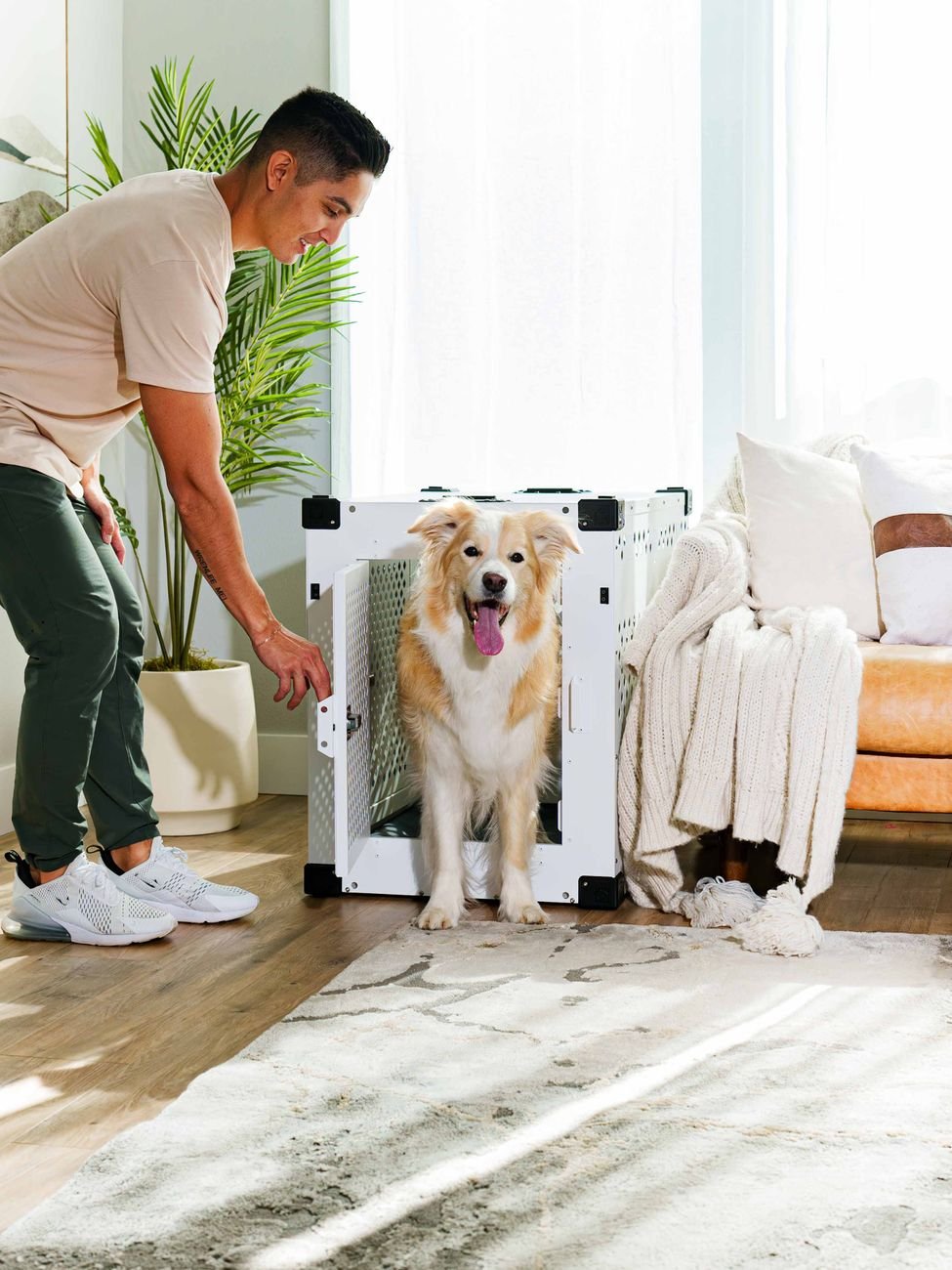
Put the crate in your bedroom for the first nights. Your puppy will settle faster when they can hear you.
Food and feeding
Your puppy’s tummy is already dealing with a lot of change. Keep food the one thing that stays the same.
- Works for puppies, adults, rescues and seniors
- One page per problem, step by step
- Printable PDF, free
- Their current food: ask exactly which brand and formula, and how much they get per meal.
- Switch slowly if you want to change: mix the new food in gradually over about a week.
- Bowls: stainless steel or ceramic are easy to clean and hard to chew.
- An airtight food bin: keep the food in its original bag inside it.
- Small training treats: soft, tiny pieces you can give a lot of.
Never give grapes, raisins, chocolate, onions, garlic or anything with xylitol. Kids especially need to know this one.
Walking and ID
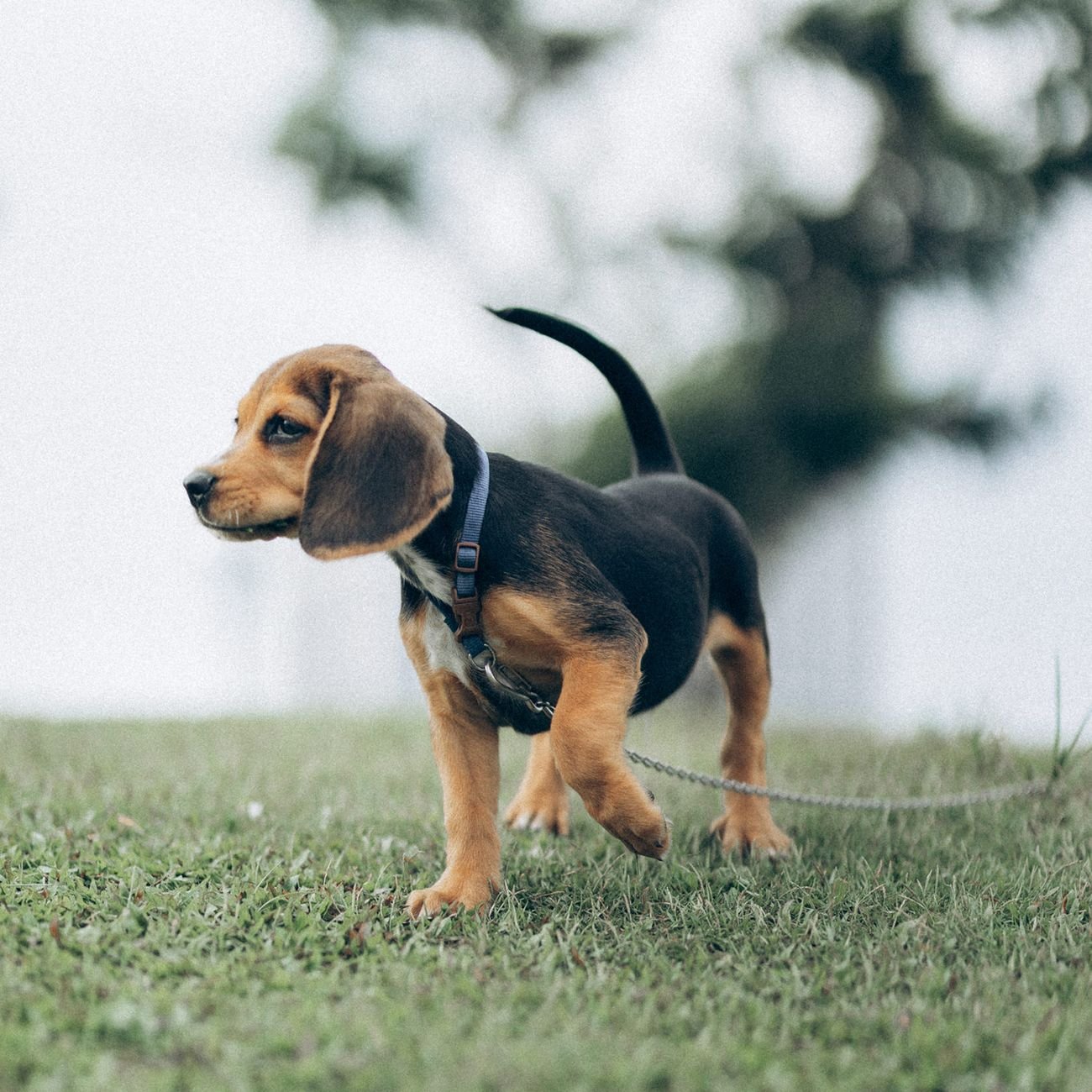
Even before your puppy can go on real walks, they need to wear ID.
- Collar or harness: you should be able to slide two fingers under it. Check the fit weekly, because puppies grow fast.
- ID tag: your name and phone number.
- Leash: a simple 6-foot leash. Skip retractable leashes while you’re training.
- Poop bags and a little holder that clips on the leash.
Ask your vet about a microchip if your puppy doesn’t have one, and remember to register it in your name. If you’re not sure which leash to get, here’s how to choose the right dog leash.
Toys and chewing
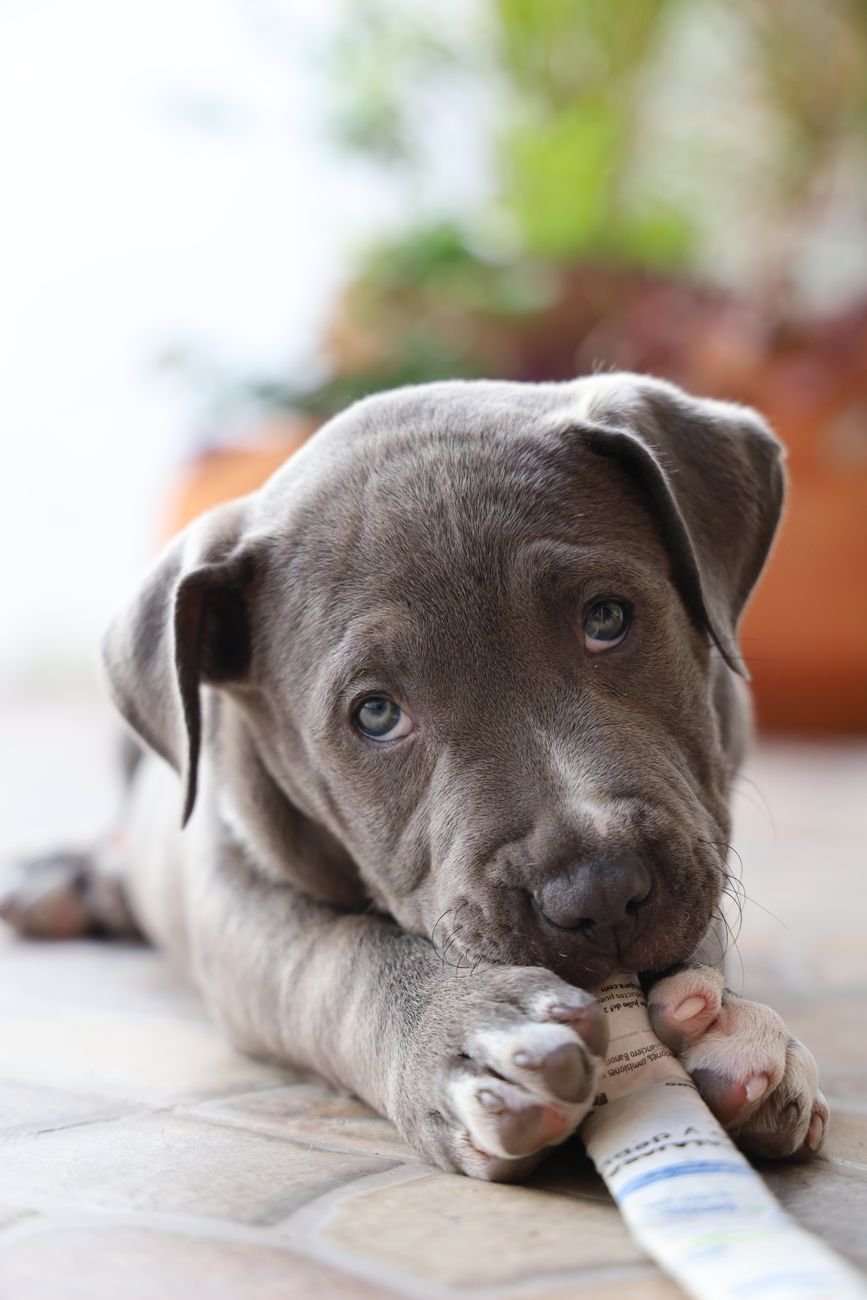
Puppies explore the world with their mouths. Give them better options than your shoes.
- Two or three chew toys made for puppies, too big to swallow.
- A food puzzle or stuffable toy for quiet time in the crate.
- A soft toy for cuddling, if your puppy isn’t a shredder.
Avoid cooked bones and anything small enough to swallow. Ask your vet before giving hard chews, since puppy teeth are still developing.
Potty training supplies
Accidents will happen. Being ready makes them a lot less stressful.
- Enzyme cleaner: it breaks down the smell that draws puppies back to the same spot.
- Paper towels. More than you think.
- Puppy pads only if you live high up or can’t get outside quickly.
- A treat pouch so you can reward them the second they go outside.
Grooming basics
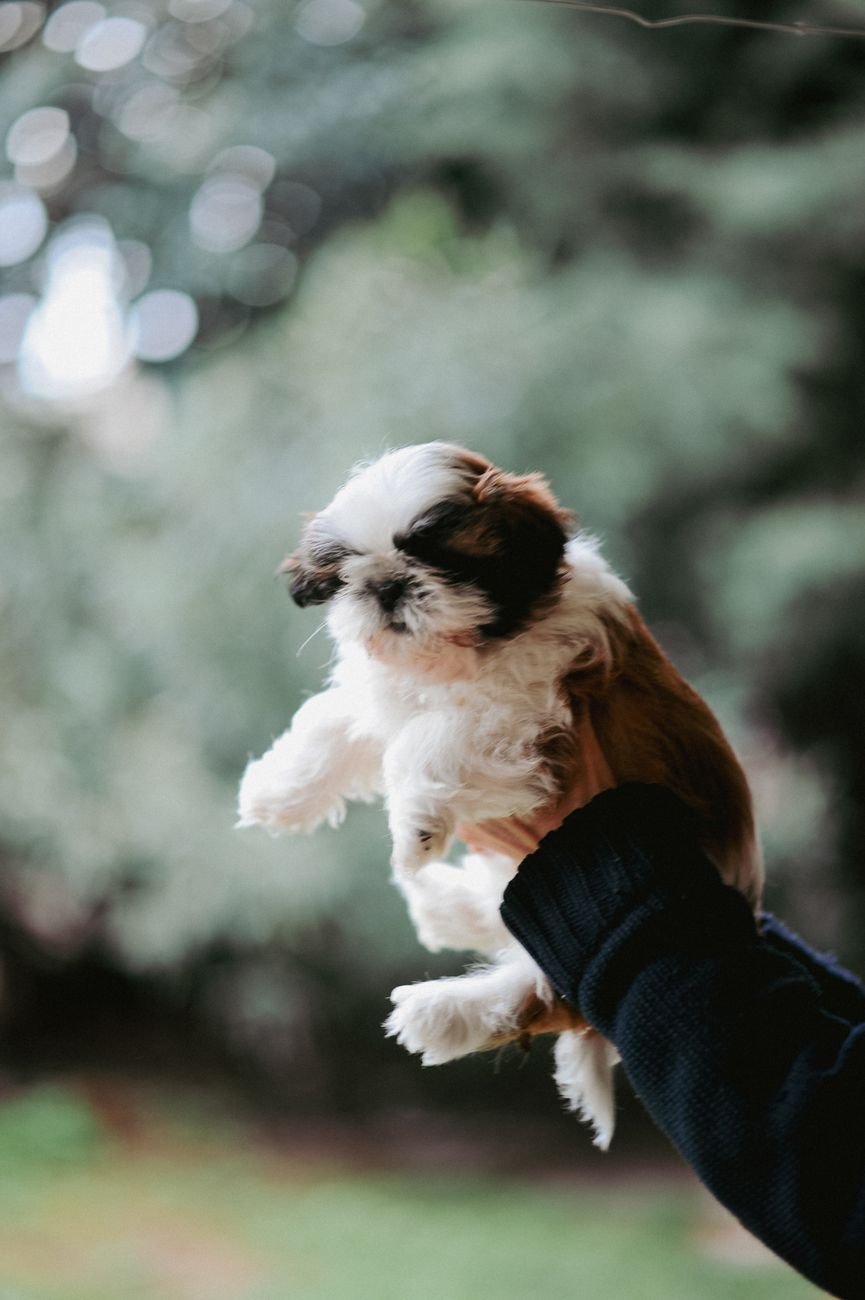
Start gentle handling early so your puppy grows up relaxed about it.
- A soft brush that suits their coat
- Puppy nail clippers or a nail grinder
- A gentle dog shampoo (never human shampoo)
- A dog toothbrush and dog toothpaste
A few seconds of touching paws and ears each day, followed by a treat, pays off for years.
Set up the house the week before
Shopping is half the job. The other half is making your home safe.
- Pick a puppy zone with an easy floor and block it off with a gate or pen.
- Hide cords and charger cables.
- Move cleaning products, medications and trash up high or behind latched doors.
- Check your houseplants, since some are toxic to dogs.
- Pick up shoes, socks and kids’ toys from the floor.
Our puppy-proofing tips for new dog owners go room by room.
Book these before day one
Some of the most important things on the list aren’t things you buy.
- A vet visit in the first week for a checkup and the vaccine schedule.
- Paperwork from the breeder or shelter: vaccine and deworming records, plus feeding notes.
- Pet insurance quotes, if you want it. Some policies won’t cover conditions found before you sign up.
- A puppy class that welcomes young puppies. Ask your vet when it’s safe to start.
Until your vet says otherwise, skip dog parks and busy pet store floors. Puppies aren’t fully protected until their vaccines are done.
Nice to have, not urgent
These can wait until you know your puppy better.
- A proper bed, once the chewing phase calms down
- A car harness or travel crate
- A dog sweater for small or short-coated breeds in winter
- A name tag with their new name, once you’ve picked it
Still stuck on that last one? Our list of girl dog names might help.
The ride home
Day one starts in the car. Plan it so the trip is calm.
- Bring a travel crate or a secured carrier, plus towels in case of carsickness.
- Bring a second adult if you can, so one person can drive.
- Offer a potty break in a quiet spot before you go inside.
Then keep the first day low-key. Visitors can wait until your puppy has settled in.
Common questions
What should I buy first for a new puppy?
A crate, their current food, bowls, a collar with an ID tag, a leash, chew toys, enzyme cleaner and a gate.
What size crate should I get?
One that fits your puppy as an adult, with a divider. They should be able to stand, turn and lie down.
Should I change my puppy’s food right away?
No. Keep them on their current food for the first days, then switch gradually over about a week if you want to.
When should my puppy see the vet?
Within the first week. Bring all the records from the breeder or shelter.
Do I need puppy pads?
Not usually. Frequent trips outside work better for most homes. Pads help if outdoor access is hard.

Leave a Reply