

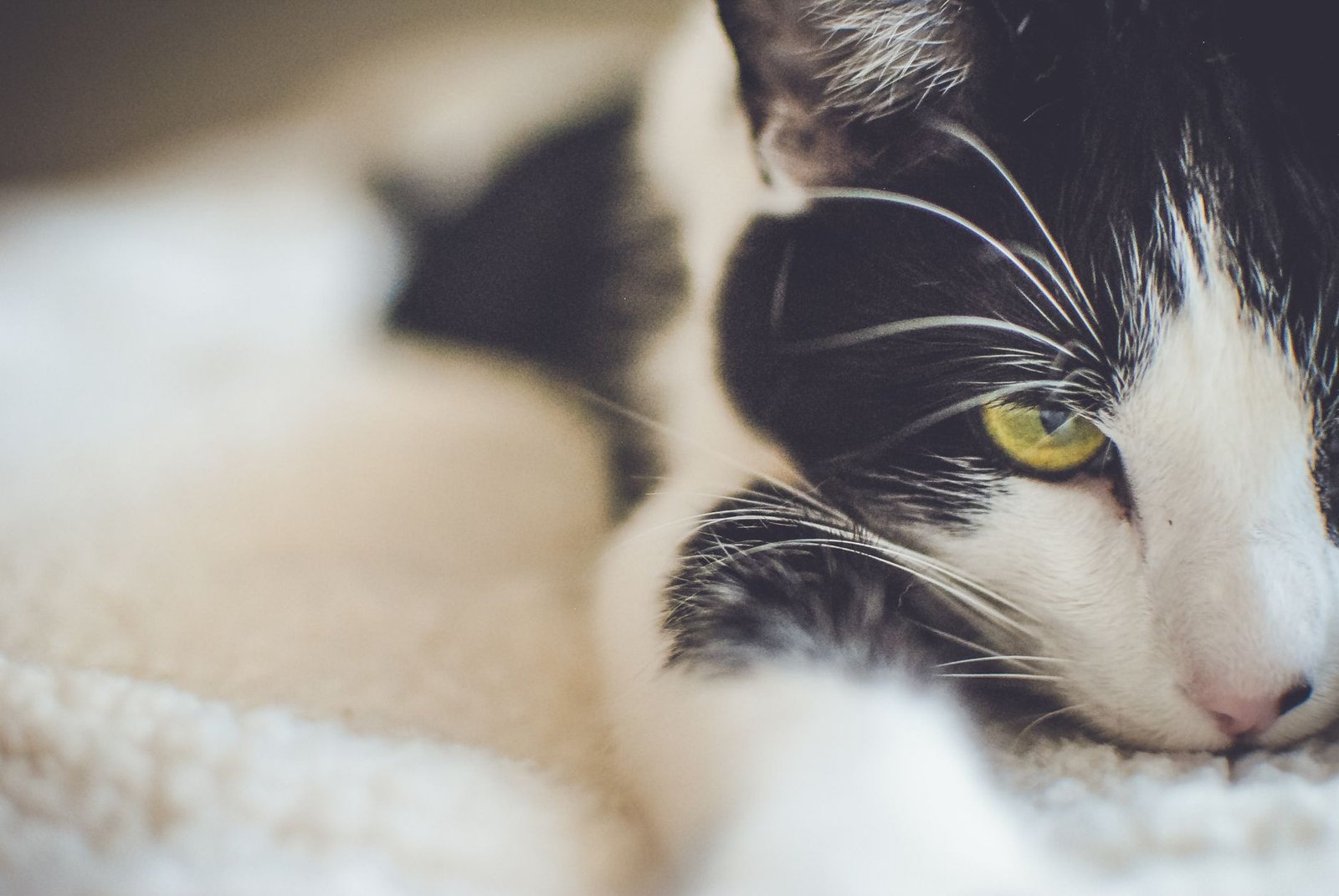
Cats have a reputation for being mysterious. Really, they talk all day long. They just do it with their tails, ears, eyes and the odd 3 a.m. sprint down the hallway.
Once you know the signals, cat behavior starts making a lot more sense. Here’s what your cat is actually trying to tell you.
Read the whole cat, not one signal
One body part rarely tells the full story. A swishing tail means something different on a cat that’s playing than on a cat with flat ears.
- Look at the tail, ears, eyes and body together.
- Notice the situation. Play, petting, a stranger, a vet trip?
- Learn your own cat’s normal. Every cat has quirks.
What the tail says
The tail is the easiest place to start. It’s like a mood flag.
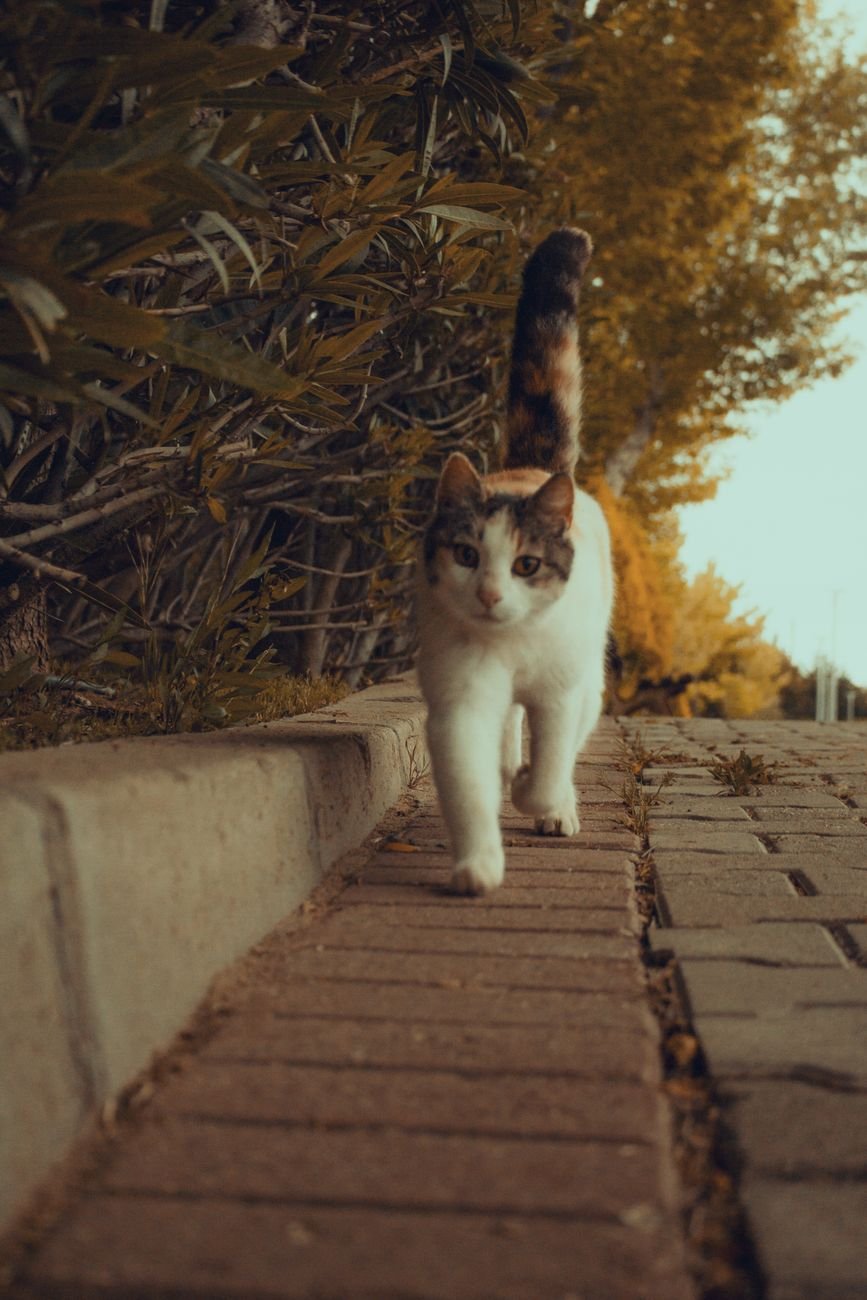
- Straight up, maybe with a little hook at the tip: friendly and happy to see you.
- Wrapped around the body: calm, or a little reserved.
- Puffed up like a bottle brush: scared or startled.
- Low or tucked: nervous or unsure.
- Thumping or lashing side to side: irritated. Stop what you’re doing.
- Slow, gentle swish: focused, often watching something to pounce on.
What the eyes and ears say
Ears and eyes change fast, so they’re great for reading moods in the moment.
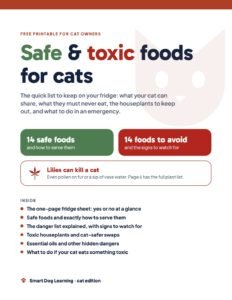
- 14 safe foods and 14 to avoid, at a glance
- Toxic houseplants (lilies are deadly to cats, even the pollen)
- What to do if your cat eats something toxic
- Slow blink: a sign of trust. Try slow blinking back.
- Soft, half-closed eyes: relaxed and comfortable.
- Wide, round pupils: excited, scared or in play mode. Check the rest of the body.
- Hard, unblinking stare: can be a challenge, especially between cats.
- Ears forward: curious and alert.
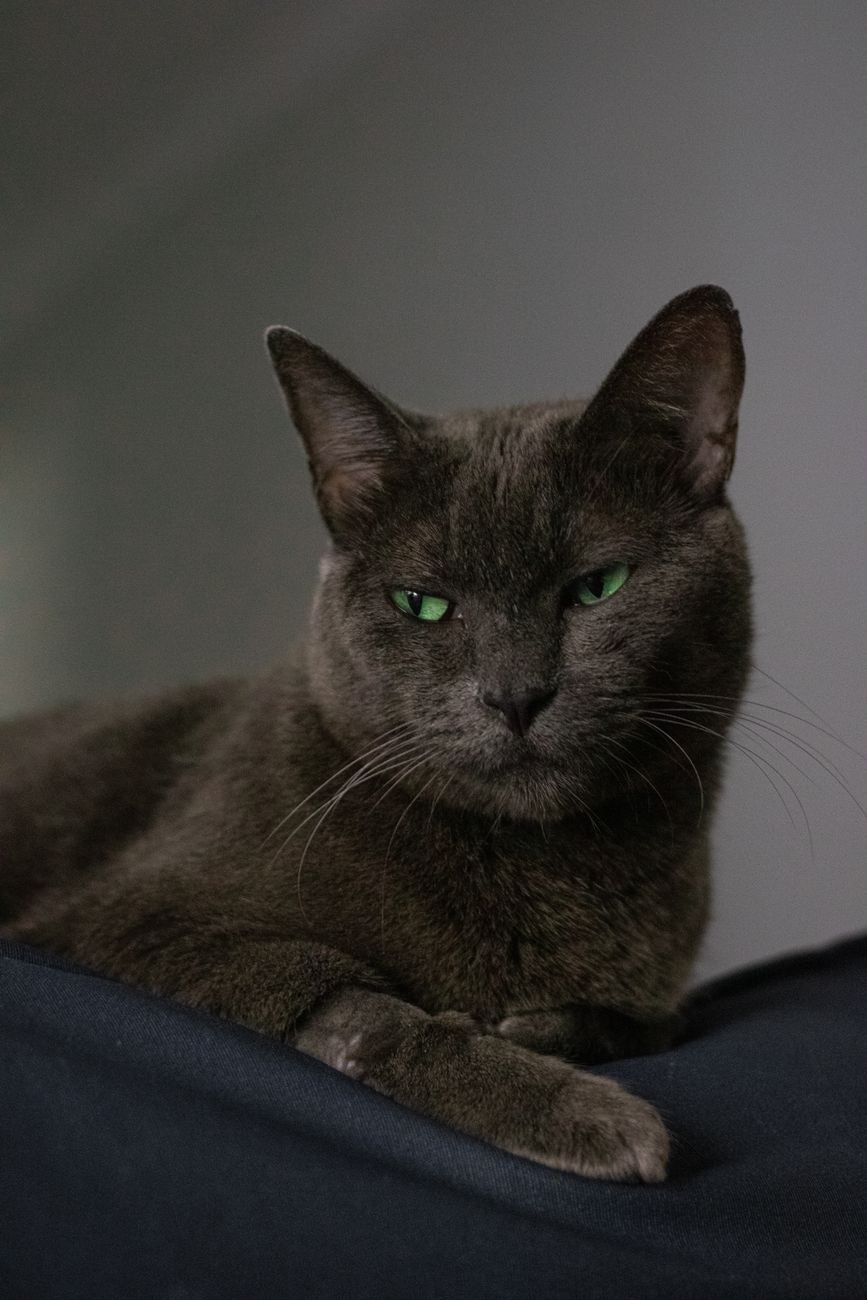
- Ears turned sideways or flat (“airplane ears”): fearful, annoyed or ready to defend.
The belly trap
Your cat rolls over and shows you that fluffy belly. It feels like an invitation. Often, it isn’t.
A belly-up cat is telling you they feel safe with you, which is a big compliment. But many cats don’t like belly rubs, and reaching in can trigger claws and back feet.
- Admire the belly. Pet the head or cheeks instead.
- If your cat does love belly rubs, lucky you. Some do.
Purring, meowing and other sounds
Adult cats mostly meow at people, not at other cats. Your cat has basically learned to talk to you.
- Purring: usually contentment. Cats also purr when stressed, hurt or unwell, so watch the context.
- Short meows: a greeting or a request, often “feed me.”
- Long, loud yowls: can mean frustration, a cat in heat, or confusion in older cats.
- Chirping or chattering at the window: excitement about birds they can’t reach.
- Hissing or growling: back off. Your cat feels threatened.
Kneading, head bumps and other love signs
Some cat affection is easy to miss. Here’s what it looks like.
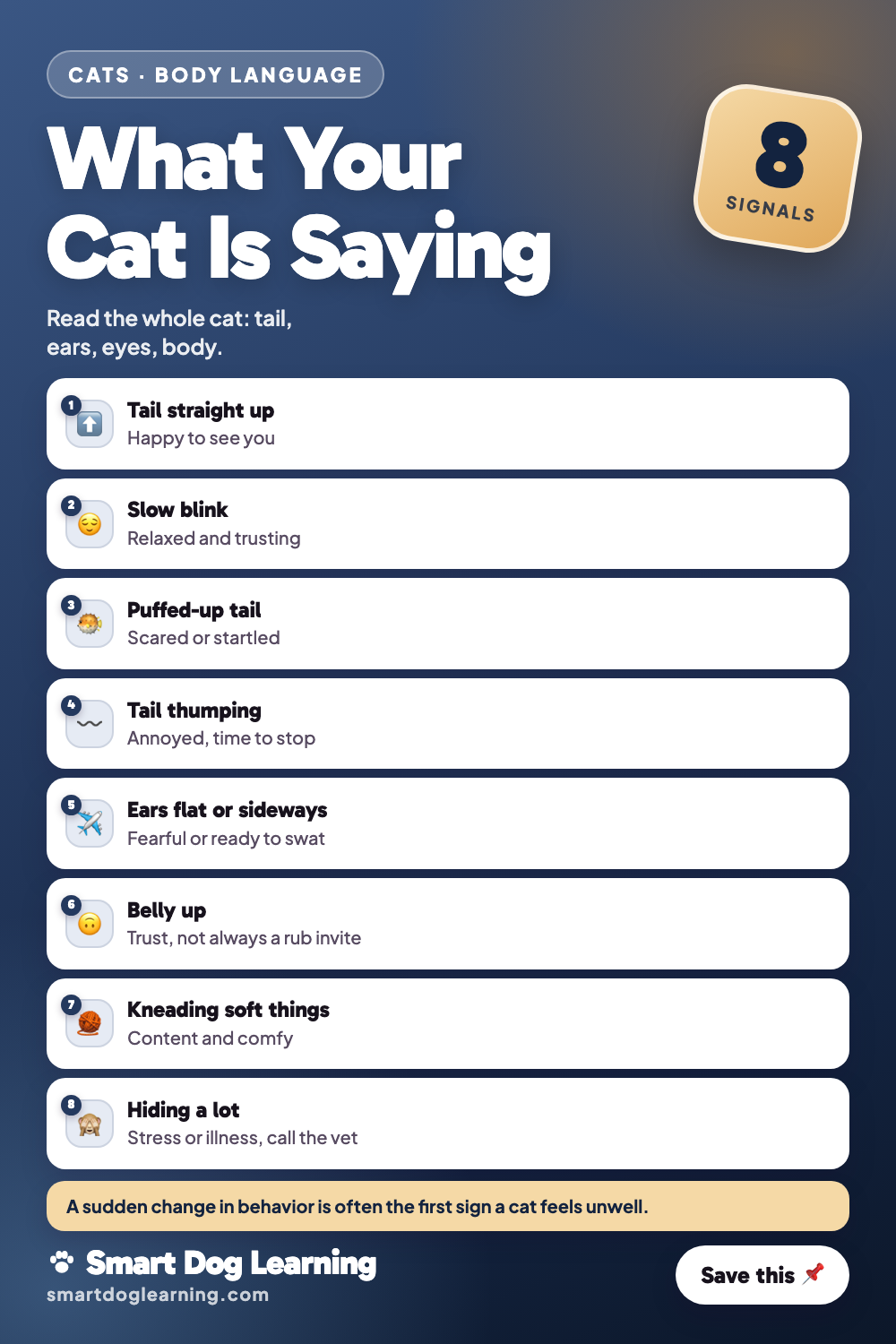
- Kneading: pushing paws into a soft blanket or your lap. It starts in kittenhood and usually means comfort.
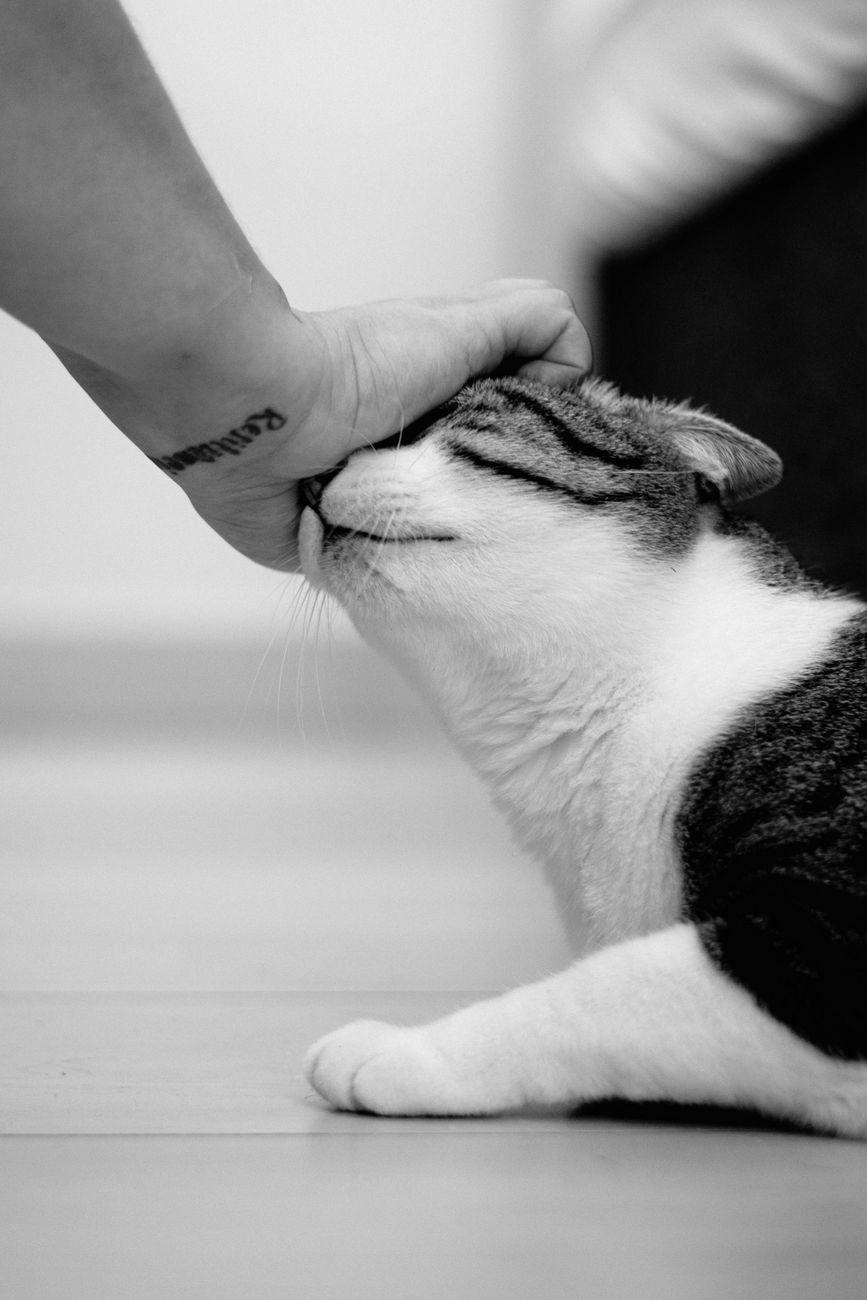
- Head bunting: bumping or rubbing their head on you. They’re marking you with scent from glands on their face. You belong to them now.
- Following you room to room: they like your company, even if they act casual.
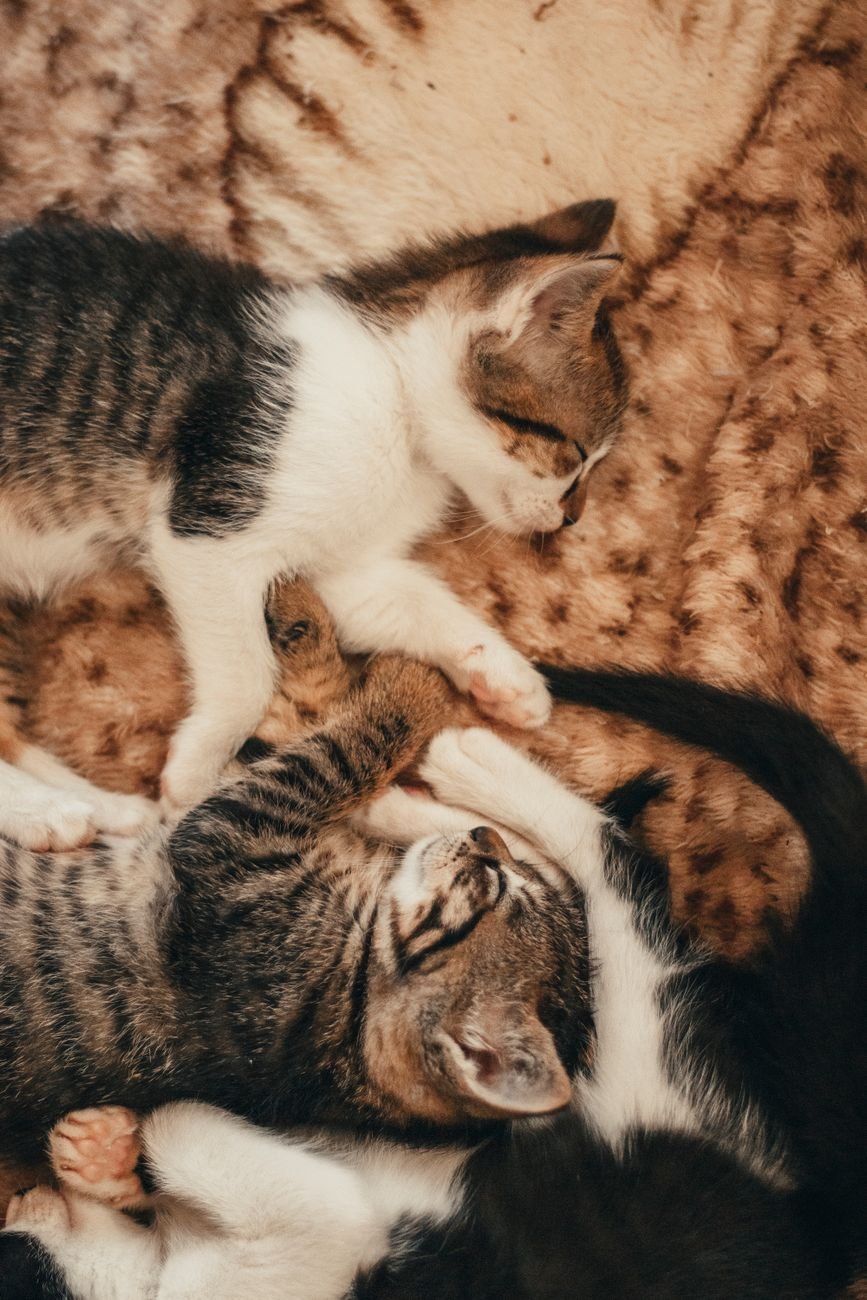
- Sleeping near you: cats are vulnerable asleep, so this is real trust.
If kneading claws hurt, put a thick blanket on your lap. Don’t punish it.
Weird but normal cat behaviors
Some cat habits look strange to us but make total sense to a cat.
- Zoomies: bursts of running, often at night. Built-up energy needs somewhere to go.
- Knocking things off tables: curiosity, play, or a smart way to get your attention.
- Bringing you “gifts”: outdoor cats bring prey, indoor cats bring toys. It’s a hunting instinct thing.
- Sitting in boxes: small spaces feel safe and warm.
- Scratching furniture: keeps claws healthy, stretches muscles and leaves scent. Give them a sturdy scratching post instead.
A bored cat does more of the annoying stuff. Our cat enrichment ideas for indoor cats help burn off that energy.
Signs your cat is stressed
Cats hide stress well. Small changes are worth noticing.
- Hiding much more than usual
- Overgrooming, sometimes leaving bald patches
- Eating less, or eating much faster
- Peeing or pooping outside the litter box
- Swatting or hissing more than normal
Common causes include a move, a new pet or baby, a dirty litter box or a change in routine. Give your cat quiet hiding spots, high perches and a predictable day.
When behavior means a vet visit
Cats are good at hiding pain. Often, a behavior change is the only clue that something’s wrong.
- Litter box problems: peeing outside the box can mean a urinary issue. Get it checked.
- A cat straining to pee with little or nothing coming out is an emergency, especially in male cats. Call your vet right away.
- Sudden aggression can point to pain.
- Hiding and not eating for a day or more needs a vet.
- Constant yowling at night in an older cat is worth mentioning at the next checkup.
How to talk back to your cat
You can use cat language too. It helps your cat feel understood.
- Slow blink at them from across the room.
- Let them come to you. Offer a finger to sniff instead of reaching over their head.
- Stop petting when the tail starts to thump.
- Play daily with a wand toy so they can stalk and pounce.
- Keep the litter box clean. It matters more than most people think.
Bringing a new cat home? Our guide to kitten care in the first 30 days walks you through the early weeks.
Common questions
Why does my cat bite me when I pet it?
Many cats get overstimulated. Watch for a thumping tail or twitching skin and stop before the bite.
Why does my cat stare at me?
Usually curiosity, affection or a reminder about dinner. A soft stare with slow blinks is a friendly one.
Why does my cat knead me?
It’s a comfort habit from kittenhood. It usually means your cat feels safe and content.
Why does my cat get the zoomies at night?
Cats are most active at dawn and dusk. A good play session before bed often helps.
Is purring always a happy sign?
Mostly, but not always. Cats can purr when stressed or in pain, so look at the whole picture.

Leave a Reply