
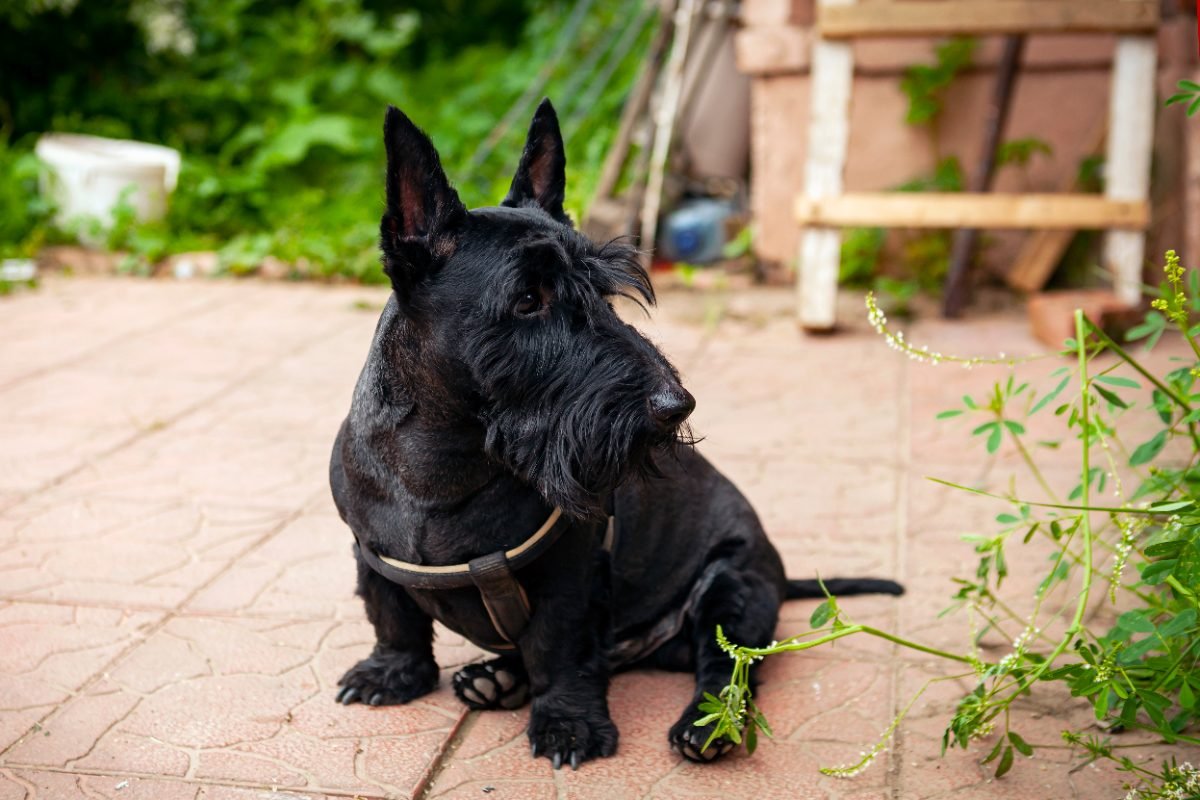
Scottish Terrier Care Guide: Everything New Owners Need to Know
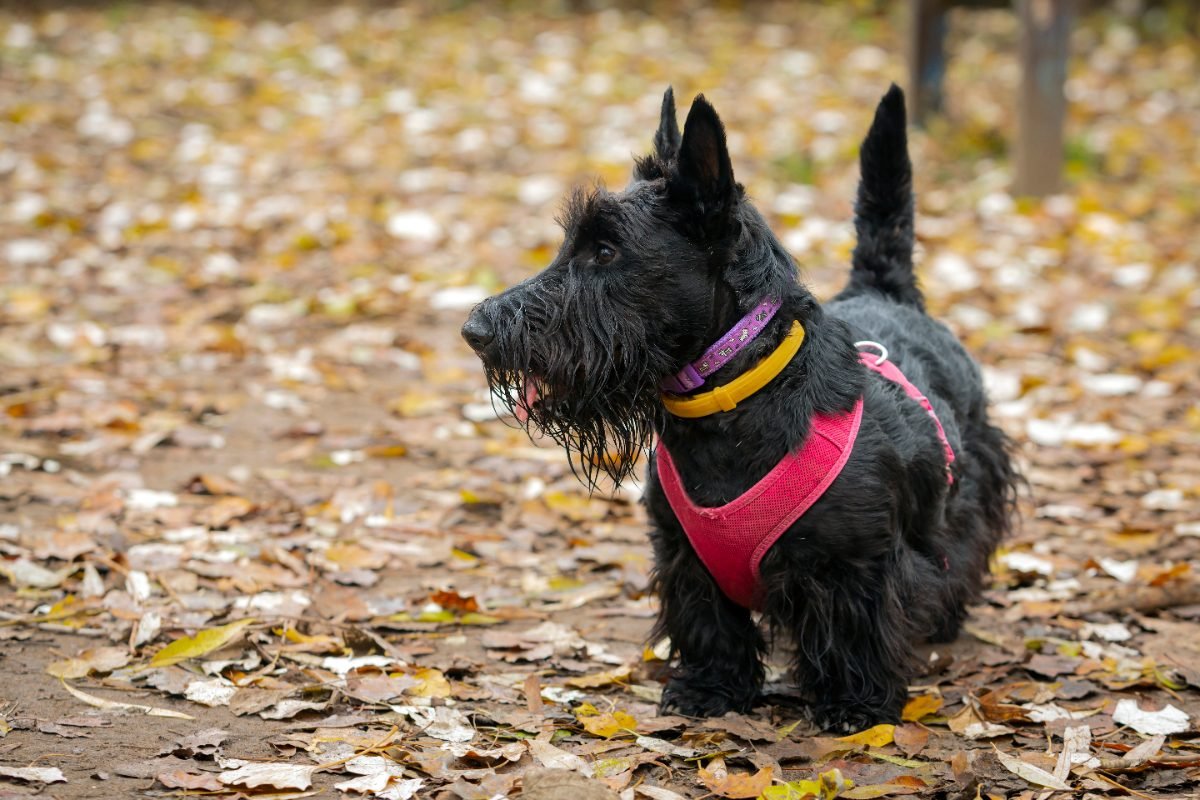
The Scottish Terrier walks like he owns the building and is mildly disappointed in the standard of upkeep.
He is 20 pounds of dignity, opinion and beard. He does not fawn, he does not follow you room to room, and he will absolutely make you feel like you are the one who needs to earn the relationship.
People who love Scotties really love Scotties. People who wanted a cuddly small dog are usually confused within a fortnight. Let’s work out which one you are.
What Exactly Is a Scottish Terrier?
The Scottie is an earthdog from the Scottish Highlands, bred to go underground after fox, badger and rat. That means facing a cornered animal, alone, in the dark, in a tunnel, with no human help available.
A dog selected for that job is necessarily brave, self reliant and completely uninterested in backing down. Everything charming and everything frustrating about the breed comes from there.
The Quick Stats
- Height: 10 inches at the shoulder
- Weight: 18 to 22 pounds
- Lifespan: 11 to 13 years
- Coat: Harsh wiry outer coat with a soft dense undercoat
- Colors: Black, wheaten, or brindle
- Energy: Moderate, bursts of terrier intensity
- Shedding: Low, which is a genuine selling point
FYI that low shedding coat comes with a catch, and the catch is hand stripping. More on that below.
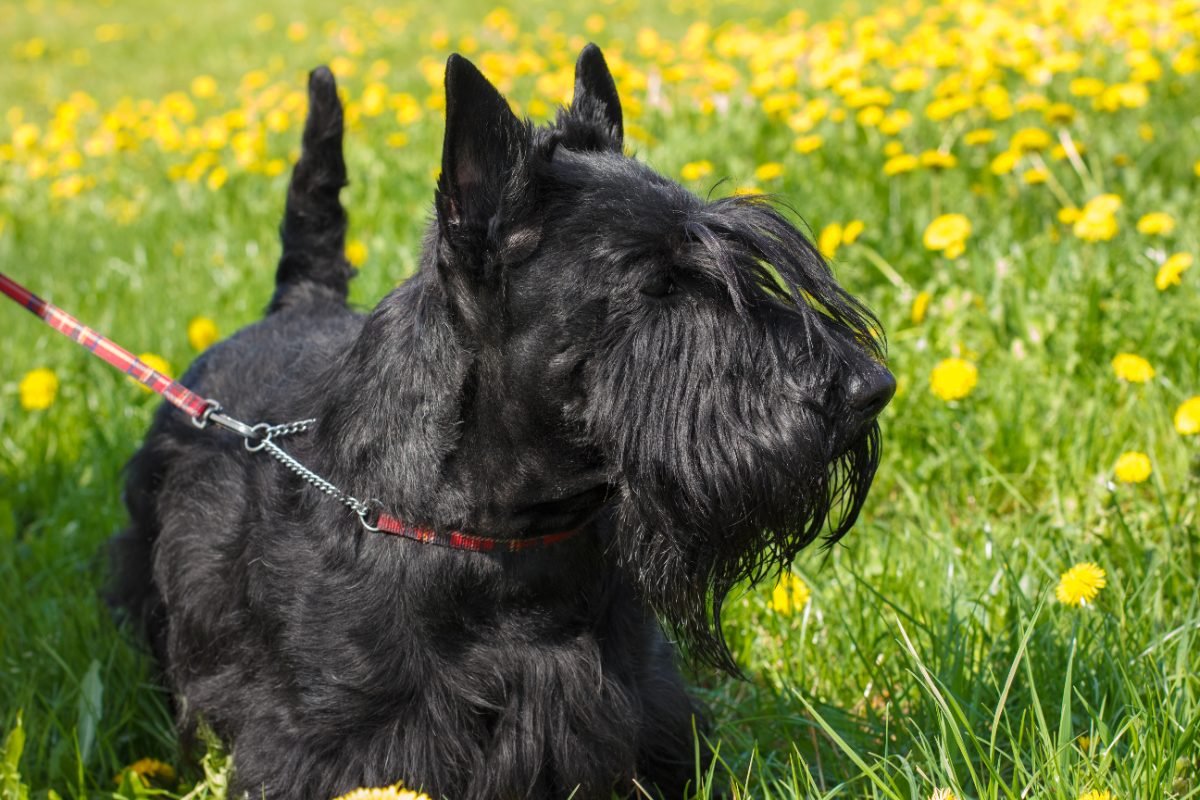
The Scottie Temperament Is Famously Independent
This is not a lap dog wearing a beard. Scotties are dignified, self contained and often described as more cat than dog in the way they dole out affection.
He will love you deeply and demonstrate it about twice a week. The rest of the time he is patrolling, supervising, or lying somewhere with a view of the door.
What to expect:
- Loyal to one or two people, aloof with strangers
- Bold to the point of complete fearlessness, size irrelevant
- Stubborn, genuinely and enthusiastically so
- Alert barkers, they will announce everything
- Often intolerant of other dogs, particularly same sex
- Strong prey drive, small furry things are targets
They are also very funny, though rarely on purpose. Scotties have a way of expressing disapproval that lands somewhere between a headmaster and an offended cat.
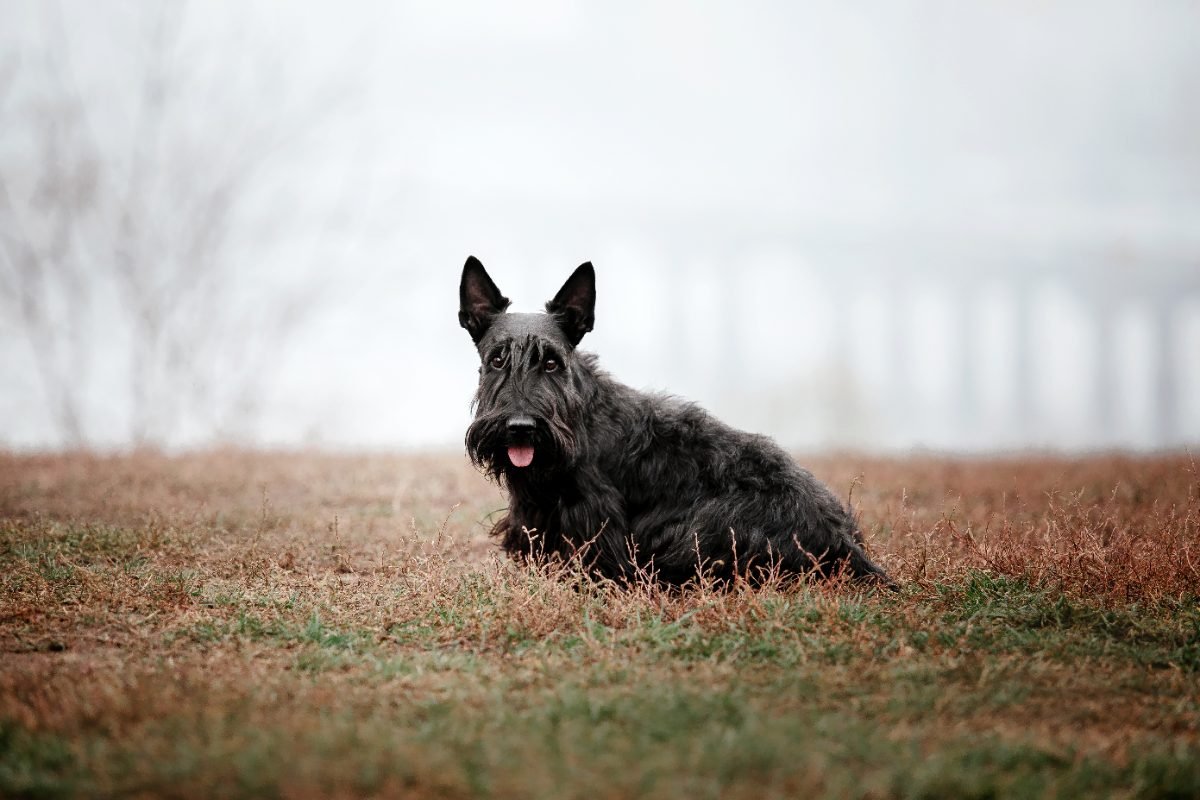
Terrier Instincts You Cannot Train Away
Manage these rather than fight them, because they are structural.
Digging. He was bred to excavate toward prey. Your garden is a series of promising leads. Give him a sanctioned digging pit or accept some renovation.
Chasing. Squirrels, cats, rabbits, next door’s guinea pig. Recall becomes theoretical the moment something small moves.
Barking. Alert barking is part of the earthdog package. You can moderate it with a “quiet” cue, you cannot delete it.
- On lead or in a secure garden, always
- Fences need depth as well as height, they dig under
- Never trust recall around wildlife
- Provide legal outlets, digging pits, earthdog trials, puzzle toys
- Introduce cats and small pets carefully, or not at all
Grooming: The Hand Stripping Conversation
Here is the practical detail that surprises most new owners.
A Scottish Terrier has a harsh wiry double coat. To keep the correct texture and colour, dead hair should be hand stripped, not clipped. Clipping is faster and cheaper, and it permanently softens the coat, fades the black to a dusty grey, and often increases skin problems.
- Hand stripping every 4 to 6 months by a groomer who does it properly
- Brush two to three times a week between times
- Comb the beard and furnishings after meals, they collect everything
- Bathe every 4 to 6 weeks, dry thoroughly
- Trim between paw pads, nails every 3 weeks
- Expect $70 to $120 per grooming session, more for full stripping
Plenty of pet Scotties get clipped and live perfectly happy lives. Just go in knowing what the trade is rather than discovering it two years later.
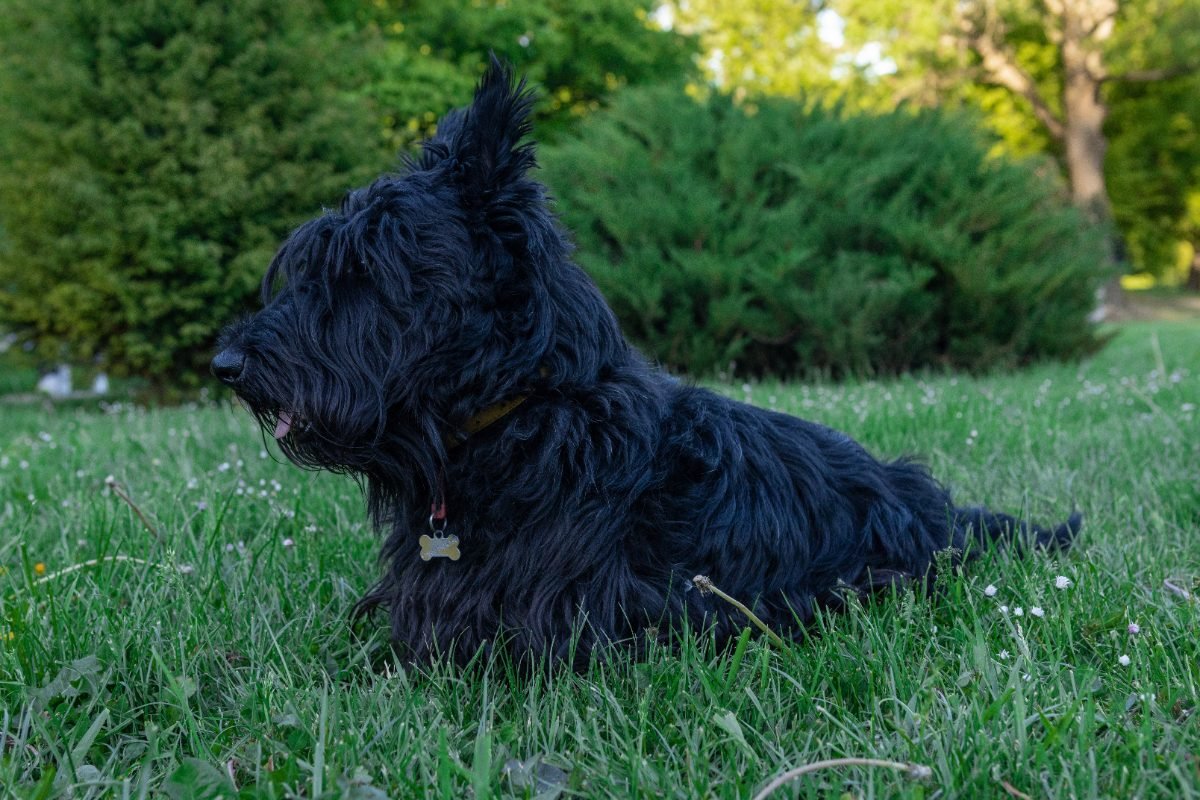
Exercise Needs Are Moderate
Refreshingly manageable. About an hour a day, split across two walks, plus some play.
- Two 30 minute walks suits most adults
- Short bursts of intense play work well
- They enjoy having a job, earthdog and barn hunt are natural fits
- Mental work matters, a bored Scottie invents projects
- Watch heat, that dense double coat traps it
They suit apartments reasonably well provided the walks happen and the neighbours tolerate some barking.
Training a Dog With Firm Opinions
Scotties are intelligent and rank low on obedience lists for exactly the same reason all terriers do. They evaluate requests rather than obeying them.
- Short sessions, five to ten minutes, high value food
- Ask once, wait, never nag or repeat the cue
- Never harsh corrections, a Scottie will simply dig in and resent you
- Make it a game, terriers respond well to play based reward
- Start socialisation early, they can become reactive to other dogs
- Teach “leave it” and a “quiet” cue as priorities
IMO the owners who thrive with this breed are the ones who find the stubbornness funny rather than insulting.
Health Issues to Budget For
The Scottie has a few genuinely breed specific conditions worth knowing.
- Scottie Cramp, a movement disorder unique to the breed, usually manageable and not painful
- Von Willebrand disease, a bleeding disorder, testable in parents
- Transitional cell carcinoma, bladder cancer, this breed has a notably elevated risk
- Craniomandibular osteopathy, jaw bone disorder in puppies
- Patellar luxation and joint issues
- Hypothyroidism and skin conditions
That bladder cancer risk is worth taking seriously. Limit lawn herbicide exposure, keep fresh water available, and get any blood in urine or straining checked promptly rather than treating it as a routine infection.
The Honest Cost Breakdown
- Puppy from a reputable breeder: $1,200 to $2,500
- First year including vet, gear and training: $1,500 to $2,500
- Annual after that: $1,200 to $2,000
- Grooming: $70 to $120 every 6 to 8 weeks
- Emergency fund: $2,000 to $3,000
Is a Scottish Terrier Right for You?
Good fit if you:
- Want a dignified, independent, low shedding companion
- Find stubbornness entertaining rather than infuriating
- Will budget for regular professional grooming
- Live somewhere a bit of barking is tolerable
- Have no small furry pets running loose
Skip this breed if you:
- Want a constantly affectionate lap dog
- Need reliable off lead recall
- Have young children who want a tolerant playmate
- Are precious about the lawn
- Want an easy first dog
Final Thoughts
The Scottish Terrier is a big dog that ran out of budget for legs, and he has never once let that affect his self image.
Groom him properly or accept a softened coat. Give him somewhere legal to dig. Train with humour and food, never force. Keep him on lead. Watch for bladder symptoms as he ages.
Do that and you get eleven or twelve years of a proud, brave, quietly devoted companion who thinks the two of you are equals.
He is not entirely wrong about that. 🙂

I’ve spent 10+ years in dog training, digging into what makes dogs (and their humans) tick. At Smart Dog Learning, I share my no-nonsense, fun approach to training so you can enjoy life with a well-behaved, happy pup—no boring lectures, just practical results 😉