

6 Mistakes Tibetan Mastiff Owners Make (And How to Avoid Them)
Almost every Tibetan Mastiff that ends up in rescue was bought by someone who wanted a lion and got a livestock guardian.
They are the same animal. The problem is that one of those is a photograph and the other has opinions about your postman, your fence line and whether 3am is a reasonable time to patrol.
Here are the six mistakes that reliably go wrong. If you are still researching the breed, read our full <a href=”https://smartdoglearning.com/tibetan-mastiff-care-guide/”>Tibetan Mastiff care guide</a> first.
Mistake 1: Buying for the Look
Let’s start with the honest one, because it underlies most of the rest.
The Tibetan Mastiff went through a global status symbol phase, with absurd prices and viral photos of enormous maned dogs. A lot of people bought the image. Very few bought the temperament, and rescues absorbed the difference.
This dog was bred to make independent decisions about threats, alone, at night, for two thousand years. That is not decorative. It shows up in your living room as a dog who evaluates every visitor and does not particularly care about your opinion.
Ask yourself honestly:
- Do you want a guardian, or do you want a large impressive companion?
- Are you fine with a dog that will never be reliably obedient?
- Can you handle a dog that decides your friend is not welcome?
- Do you have property, or just a house?
If those answers wobble, this is genuinely not your breed, and there is no shame in that.
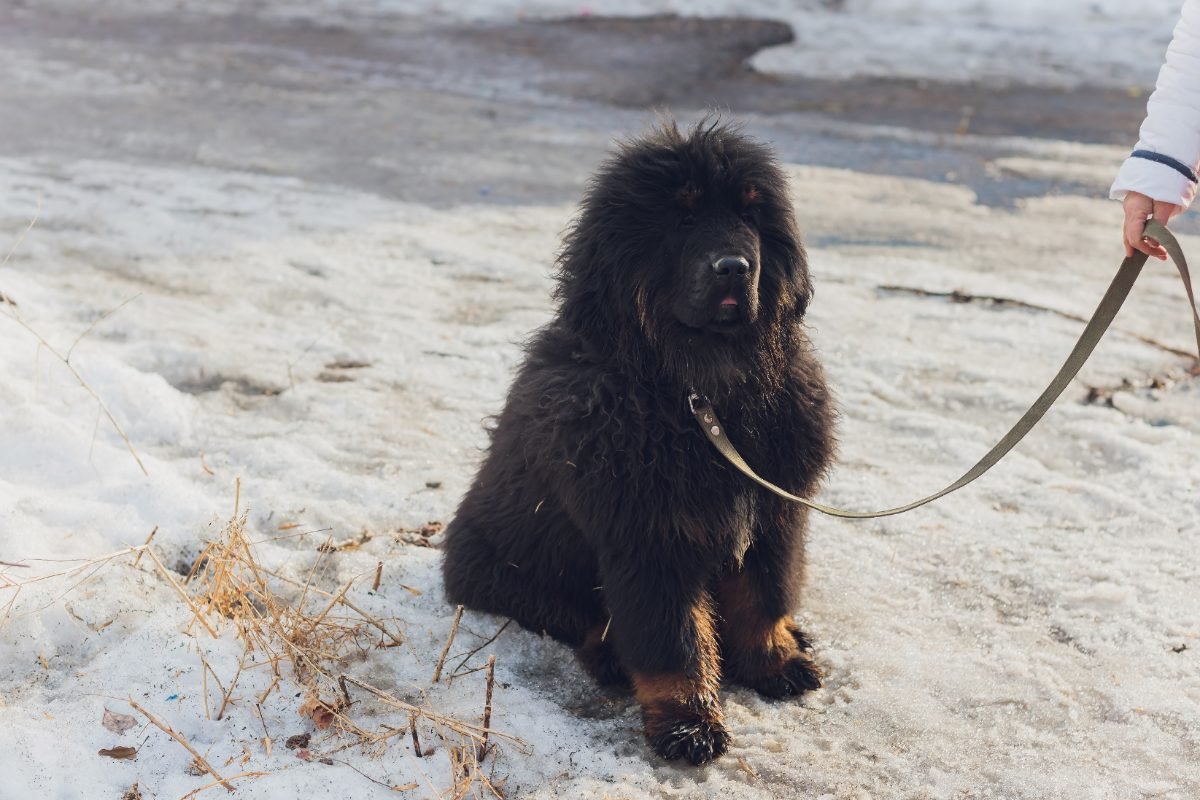
Mistake 2: Underestimating the Fence
Containment failures with this breed are serious, because a loose guardian who has expanded his territory to the pavement is a genuine public risk.
Six feet minimum, solid, with no footholds. They climb better than their size suggests, they dig with real purpose, and several have learned to work gate latches.
- Solid panel fencing, not chain link they can climb
- Concrete or buried wire along the fence line to stop digging
- Locking gates, not just latching ones
- Never invisible or electric fencing, a guardian in drive walks straight through it
- Check the perimeter regularly, they test it
FYI many home insurers ask about this breed specifically. Check your policy before the dog arrives rather than after an incident.
Mistake 3: Skipping Socialisation Because He Seems Confident
Tibetan Mastiff puppies are not shy. They are self assured, calm and apparently unbothered. Owners read that as “he does not need much socialisation.”
That is exactly backwards. A confident guardian who has met very few people simply becomes a confident guardian who treats all unfamiliar people as intruders.
- Start at 8 weeks and continue relentlessly through 2 years
- Hundreds of calm, neutral encounters with different people
- Visitors arriving at the house, repeatedly, in a controlled way
- Different environments, surfaces, sounds and situations
- Never force interaction, but never skip exposure either
- Reward calm observation, never reward suspicion
This is the highest priority item in the first two years. Not sit. Not recall. This.

Mistake 4: Leaving Him Outside at Night
This is the mistake that generates the neighbour complaints, the noise citations and eventually the rehoming.
Tibetan Mastiffs are nocturnal barkers by design. Himalayan flocks were raided at night, so the breed patrols and vocalises through the dark hours. It is not boredom or anxiety, it is the job description.
- Bring him indoors every night, without exception
- Never leave him unattended outside after dark
- Manage triggers, block sight lines to the street where you can
- Accept that some barking is permanent, you cannot train the breed out of the breed
- Be realistic about neighbours before you buy, not after
Owners who plan for an outdoor guardian dog in a suburb are setting themselves up for a fight they will lose.
Mistake 5: Trying to Dominate Him
Because he is large and independent, people reach for force. It goes badly every time.
A Tibetan Mastiff under physical correction does not submit. He either escalates, which is genuinely dangerous at 140 pounds, or he disengages from you entirely and quietly stops considering you relevant. Neither outcome is recoverable quickly.
What works:
- Short sessions, high value food, ask once and wait
- Consistent household rules that never shift
- Management over confrontation, remove the opportunity rather than punish
- A rock solid “place” command so he has a job when guests arrive
- Respect, because that is the only currency this breed trades in
Target good manners, lead skills and safe handling. Competitive obedience is not the goal and chasing it will only frustrate you both.
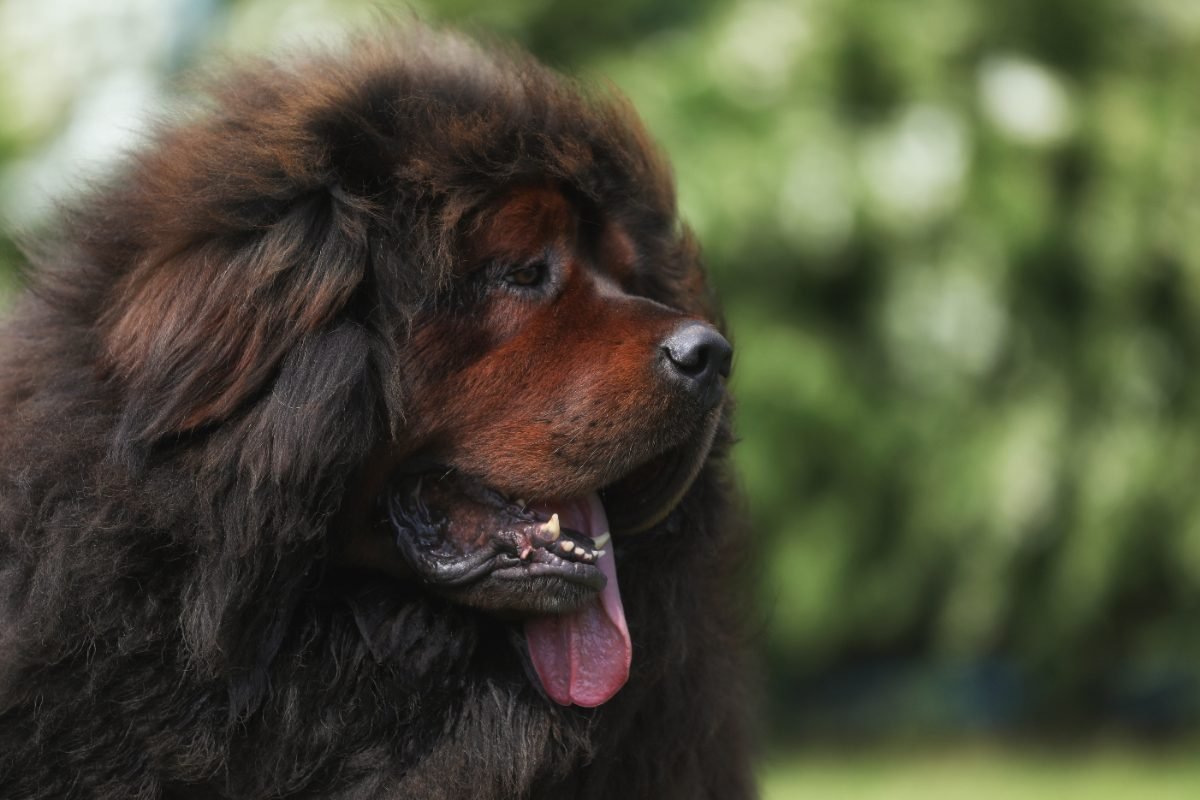
Mistake 6: Neglecting the Coat Until the Annual Blow
Tibetan Mastiffs shed less than you would expect for most of the year, which lulls owners into complacency. Then once a year, the entire undercoat comes out at once.
Owners who have not been line brushing discover mats packed against the skin under that mane, particularly on males. Those mats trap moisture, cause hot spots and often need cutting out.
- Two to three brushings a week year round, not just during the blow
- Line brush to the skin, focusing on the mane, behind ears and trousers
- Undercoat rake daily during the annual blow, which lasts weeks
- Bathe every 6 to 8 weeks and dry completely
- Never shave, that coat regulates heat in both directions
- Budget $100 to $200 per professional groom for a dog this size
What Getting It Right Looks Like
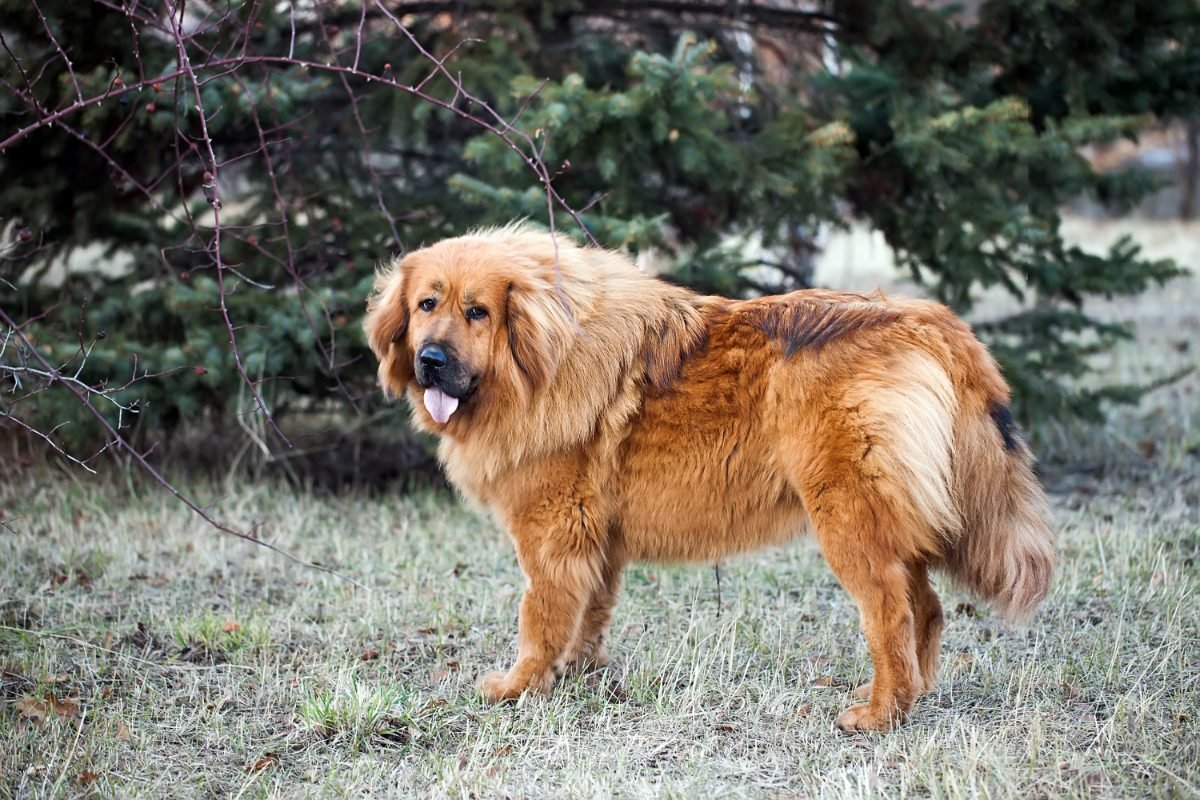
Meet the breed on its terms and the Tibetan Mastiff is remarkable.
Indoors he is calm, quiet and surprisingly low energy, often described as more like a large cat than a large dog. He is devoted to his family in an understated way, gentle with children he has grown up with, and utterly reliable about the one job he cares about.
The commitment list is clear:
- Real socialisation for the first two years
- Six foot solid fencing and locked gates
- Indoors every night
- Line brushing two to three times a week
- Training for manners, never through force
- A breeder who does hips and CIDN testing
Final Thoughts
The Tibetan Mastiff is one of the few breeds that has barely been changed by modern dog culture. He is close to what he was on the Tibetan plateau, and that is the appeal and the problem simultaneously.
Socialise obsessively. Fence properly. Bring him in at night. Brush that coat. Ask, never demand.
Do that and you get twelve years or more of a dignified, watchful, deeply loyal guardian who has decided your family is his.
He will never fetch. He was never going to. 🙂

I’ve spent 10+ years in dog training, digging into what makes dogs (and their humans) tick. At Smart Dog Learning, I share my no-nonsense, fun approach to training so you can enjoy life with a well-behaved, happy pup—no boring lectures, just practical results 😉