

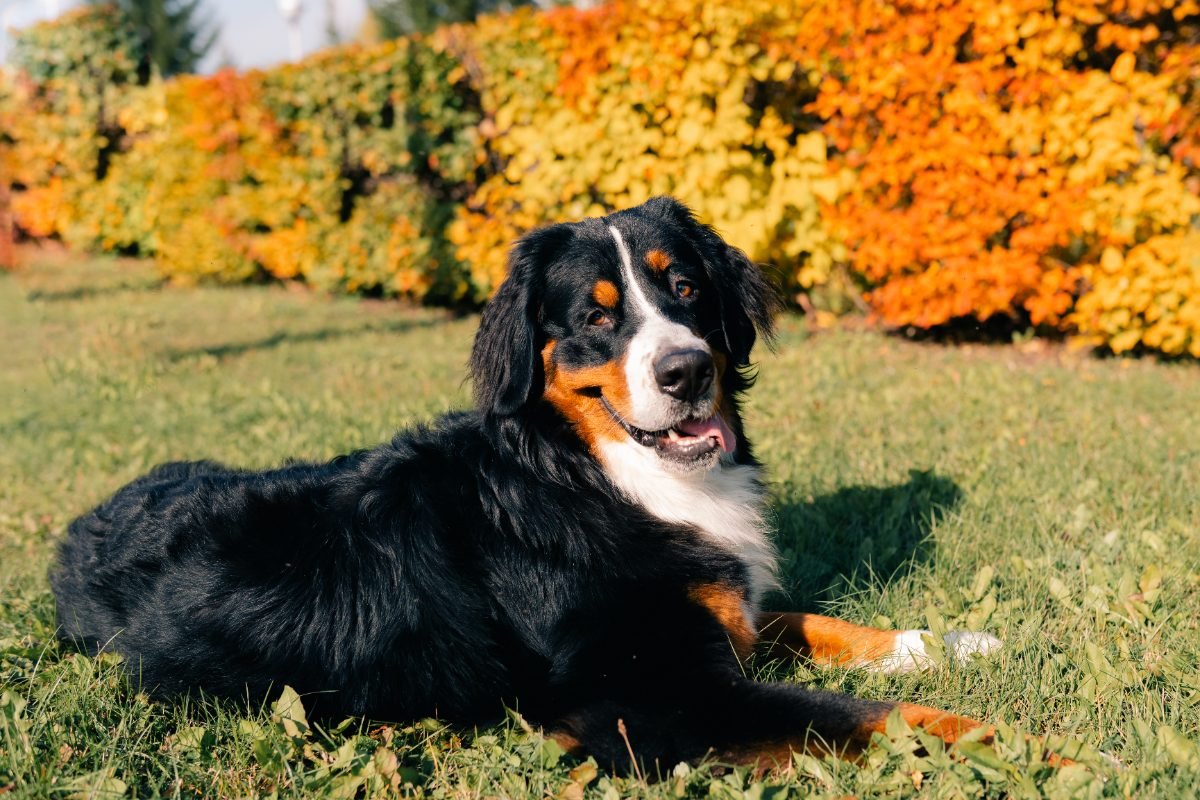
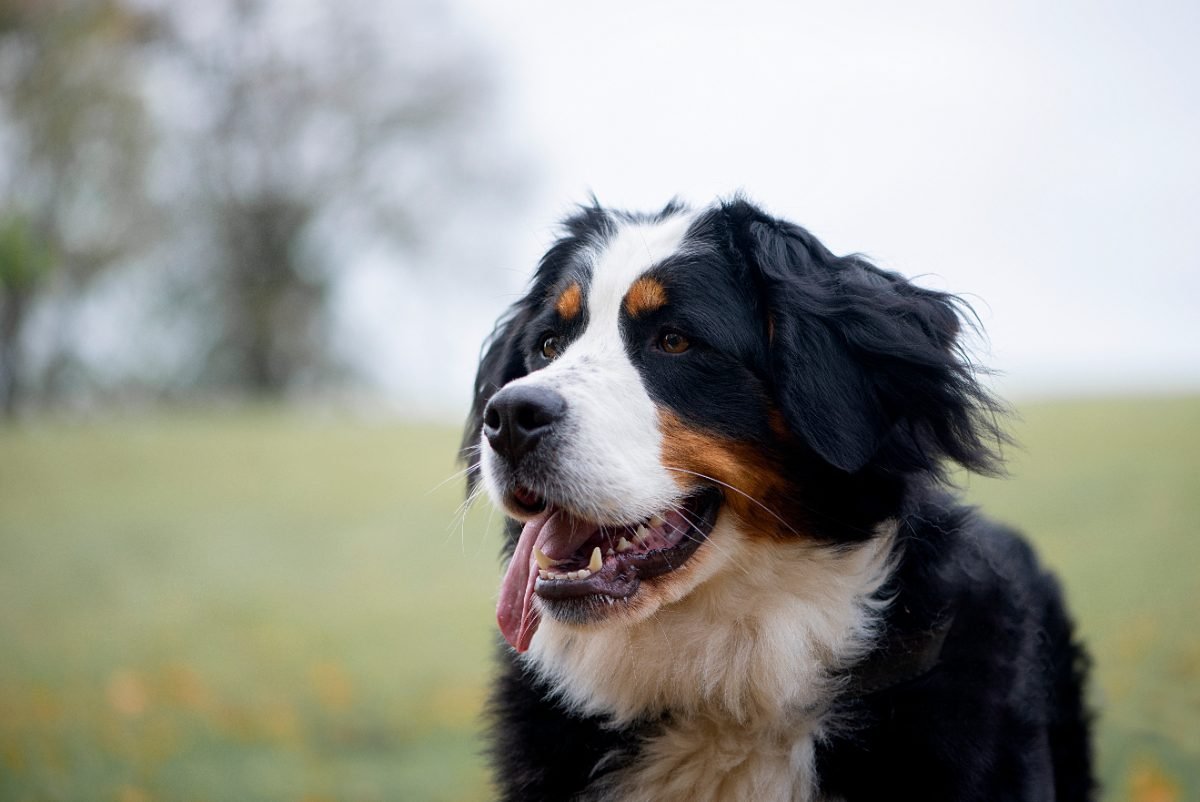
The Bernese Mountain Dog might be the friendliest giant on earth. Big, calm, absurdly handsome, and convinced that every human he meets is there specifically to see him.
If you want a dog that genuinely loves everyone, this is the breed. No aloofness, no guarding drama, no suspicion of the mailman. Just a hundred pounds of goodwill and hair.
A video you have to see
BERNESE MOUNTAIN DOG – Characteristics and Care
Video by AnimalWised on YouTube
There is a catch though, and it is a big one. We will get to that. First, the good stuff.
What Exactly Is a Bernese Mountain Dog?
The Berner comes from the canton of Bern in Switzerland, where farmers used him to pull carts, drive cattle and guard the farmyard. He is one of four Swiss Sennenhund breeds and the only one with a long coat.
Cart pulling matters here. This is a working dog built for steady effort in cold weather, not a couch decoration, and definitely not a hot climate dog.
The Quick Stats
- Height: 23 to 27.5 inches at the shoulder
- Weight: 70 to 115 pounds, males noticeably heavier
- Lifespan: 7 to 10 years, and that is the honest range
- Coat: Long, thick, double coated, tricolor black white and rust
- Energy: Moderate. Bursts of activity, then long naps
- Shedding: Constant, with two spectacular blowouts a year
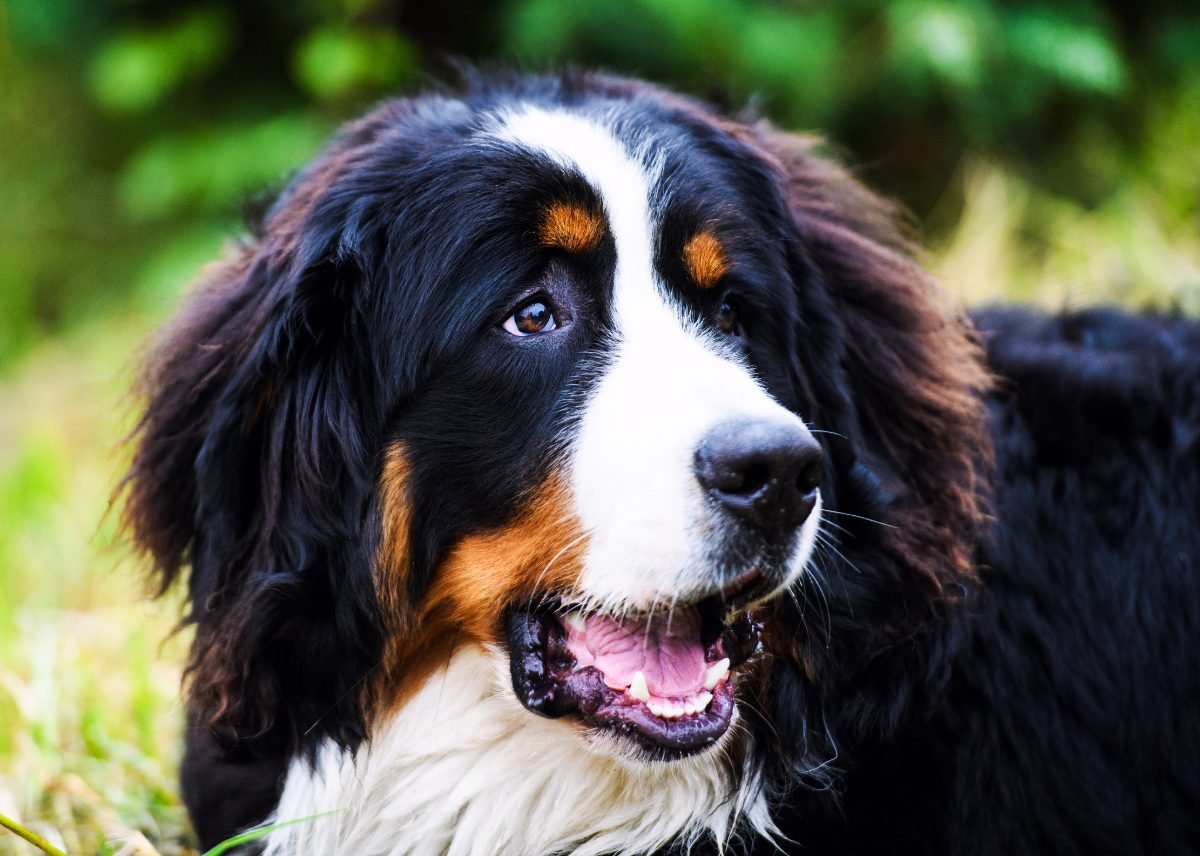
FYI the tricolor markings are fixed by the breed standard. Any breeder advertising “rare” Berner colors is selling you something that should not exist.
The Temperament Is the Selling Point
Berners are famously good natured. Gentle with children, patient with chaos, friendly toward strangers and other dogs, and deeply attached to their people.
This breed does not do well left alone. That is the part people underestimate. A Berner wants to be in the room with you, ideally leaning on your leg with his full body weight. They call it the Berner lean and it is not optional.
What to expect:
- Affectionate to the point of being a hundred pound shadow
- Slow to mature, mentally puppyish until nearly three years old
- Sensitive, harsh handling genuinely upsets them
- Alert barkers but poor guard dogs, they like people too much
- Prone to separation anxiety if regularly left for long days
If your household is empty ten hours a day, this is not your breed. IMO that single factor rules out more prospective Berner owners than anything else.
Puppyhood and That Slow Growth
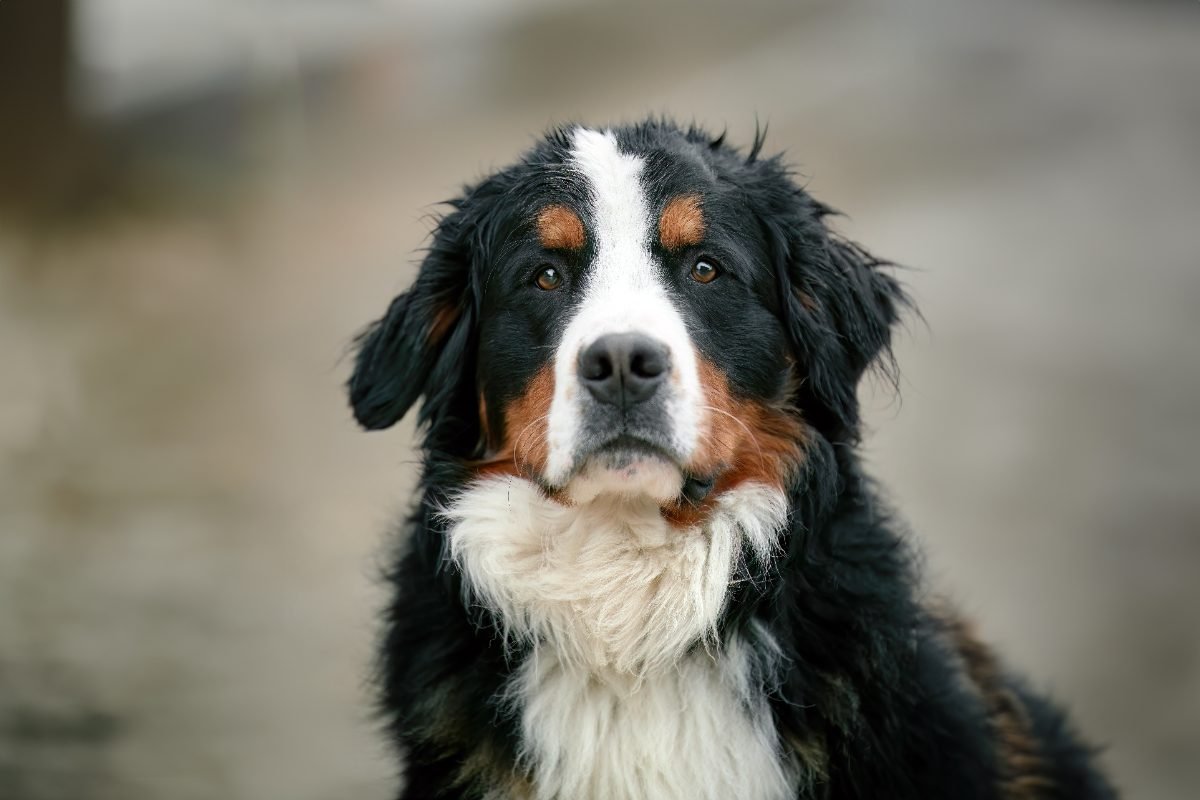
Berner puppies grow fast and mature slowly, which is a tricky combination.
The body outpaces the joints, so how you exercise a Berner puppy has lifelong consequences. Overdo it in the first 18 months and you accelerate hip and elbow problems the breed is already prone to.
- Five minutes of formal exercise per month of age, twice daily, no more
- No stairs repeatedly, no jumping from heights, no long runs
- Free play on grass is fine, forced roadwork is not
- Large breed puppy food until 18 to 24 months, controlled calcium matters
- Start socialization early anyway, they are friendly but still need exposure
Training is easy by giant breed standards. Berners want to cooperate and respond beautifully to gentle, reward based work. They also shut down fast if you get sharp with them, so keep it light.
Grooming: Plan for Hair Everywhere
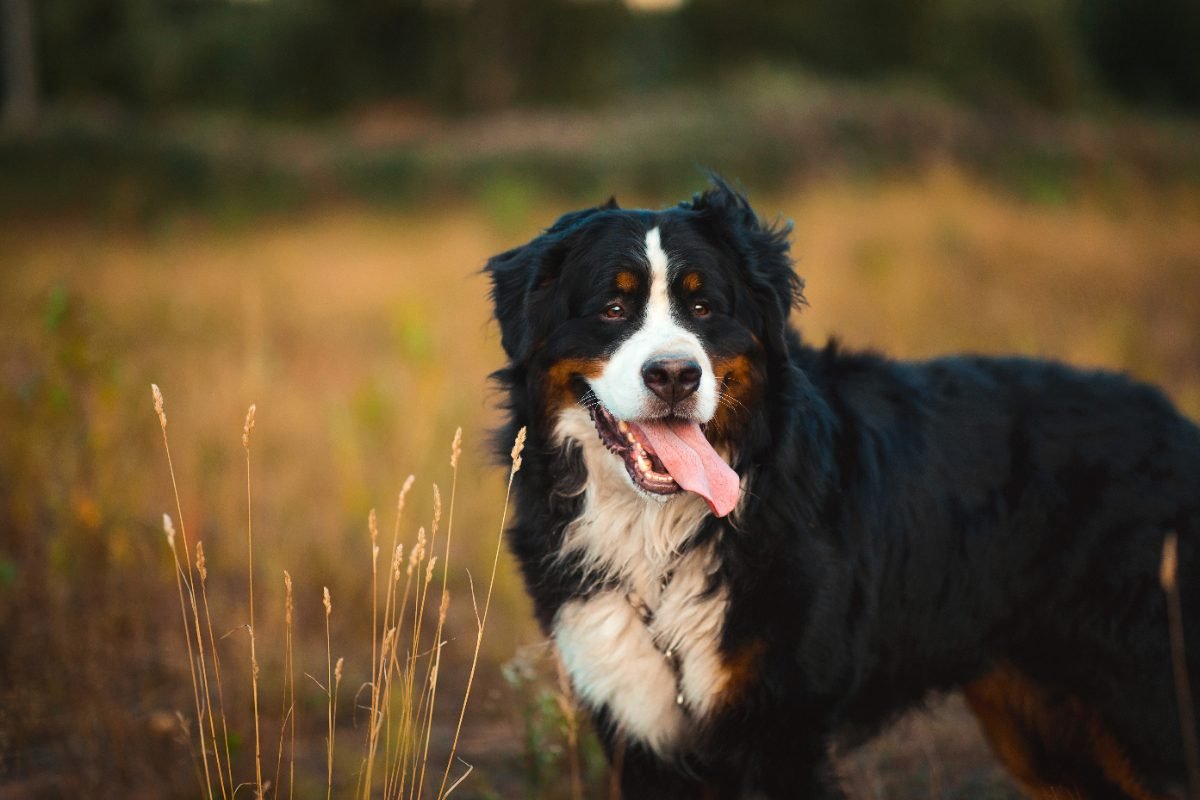
That gorgeous coat is a permanent commitment.
Brush two to three times a week minimum, daily during shedding season. The feathering behind the ears and on the legs mats fastest, so that is where to focus.
- Line brush down to the skin, do not just smooth the surface
- Undercoat rake during the big seasonal blowouts
- Bathe every 6 to 8 weeks, dry thoroughly
- Check ears weekly, drop ears trap moisture
- Nails every 3 to 4 weeks, big dogs make big scratches
They shed year round and then blow coat twice a year in a way that has to be seen to be believed. Black hair on light floors, white hair on dark clothes. There is no outfit that wins.
Exercise Needs Are Moderate, Not Low
People assume a big calm dog needs little exercise. Not quite.
An adult Berner needs about an hour a day, split into two sessions. Long steady walks, hiking, light cart or backpack work. They love having a job and they excel at carting, which is genuinely fun to train.
- Walk in the cool parts of the day, always
- Heat is dangerous, this dog was built for alpine winters
- Swimming is great low impact exercise for adults
- Mental work matters, they are smart and get bored
Watch the temperature obsessively in summer. A Berner in 80 degree heat is a dog in distress, even if he looks fine.
The Health Reality You Need to Hear
Here is the catch I mentioned. Let’s not dance around it.
Bernese Mountain Dogs have one of the shortest lifespans of any breed, averaging 7 to 8 years. Cancer is the reason. Roughly half of all Berners die of it, particularly histiocytic sarcoma, which the breed is uniquely predisposed to.
Other issues to know:
- Hip and elbow dysplasia, very common, demand OFA scores on both parents
- Bloat (GDV), feed two meals, no exercise around mealtimes
- Von Willebrand disease, a bleeding disorder, testable
- Progressive retinal atrophy and other eye conditions
- Degenerative myelopathy in some lines
I am not telling you this to talk you out of it. I am telling you because too many people find out at year six and feel blindsided. Go in knowing you are trading years for quality, and make the years count.
The Honest Cost Breakdown
- Puppy from a health testing breeder: $2,000 to $4,500
- First year including vet, gear, food and training: $3,000 to $4,500
- Annual after that: $2,000 to $3,500
- Professional grooming if outsourced: $90 to $150 every 6 to 8 weeks
- Emergency fund you genuinely need: $5,000 or pet insurance
Insurance is worth more on this breed than almost any other. Cancer treatment runs into five figures fast, and the odds are not in your favor.
Is a Bernese Mountain Dog Right for You?
Good fit if you:
- Are home most of the day or can bring the dog with you
- Live somewhere with real winters and mild summers
- Want a family dog that adores children
- Will actually brush a heavy coat several times a week
- Can accept a shorter life with open eyes
Skip this breed if you:
- Work long hours away from home
- Live in a hot climate
- Cannot tolerate constant shedding
- Want a guard dog
- Would struggle emotionally with a 7 to 8 year lifespan
Final Thoughts
The Bernese Mountain Dog gives you everything a family could want in a dog and then leaves too early. That is the whole deal, plainly stated.
Buy from a breeder who health tests obsessively. Keep him lean, keep him cool, keep his joints protected while he grows. Get pet insurance before you need it. And do not leave him alone all day, because that is the one thing he genuinely cannot handle.
Do all that and you get seven or eight years of the most affectionate, good tempered company a dog can offer.
Ask any Berner owner whether it was worth it. You already know the answer. 🙂

Leave a Reply