

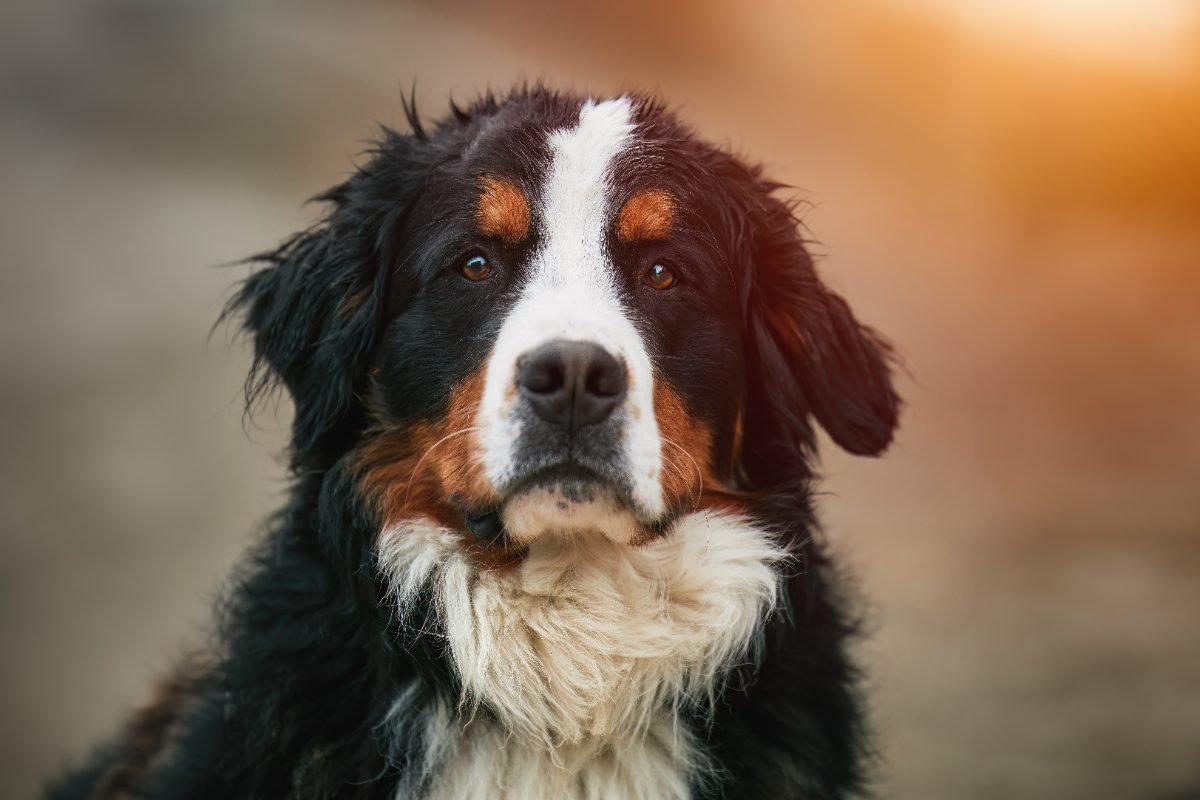
Bernese Mountain Dogs are so easygoing that owners get complacent. That is the whole problem in one sentence.
This breed forgives a lot. He will not resource guard, he will not turn reactive, he will not punish your training mistakes. So people relax, skip things, and only find out years later that the shortcuts cost the dog time he did not have to spare.
A video you have to see
10 Reasons Why The Bernese Mountain Dog Might Not Be The Dog For You
Video by Benny Berner on YouTube
Here are the six mistakes that actually matter with Berners. Most of them are about health, because with this breed, health is the whole game. New to the breed? Start with our full Bernese Mountain Dog care guide.
Mistake 1: Over-Exercising a Growing Puppy
This one causes permanent damage and it happens constantly.
Berner puppies look sturdy at six months. They are not. Growth plates stay open until around 18 months, and this breed is already predisposed to hip and elbow dysplasia. Every long run, every repeated stair climb, every jump out of the car during that window loads joints that are not finished.
Five minutes of formal exercise per month of age, twice a day. A four month old puppy gets twenty minute walks, not a hike.
- Free play on grass is fine, the puppy self regulates
- Forced roadwork, jogging and long hikes are not
- Limit stairs, lift him in and out of vehicles
- No agility jumping or hard turns until growth plates close
- Large breed puppy formula until 18 to 24 months for controlled growth
People push because the dog seems willing. Berners are always willing. That is exactly why you have to be the one who stops.
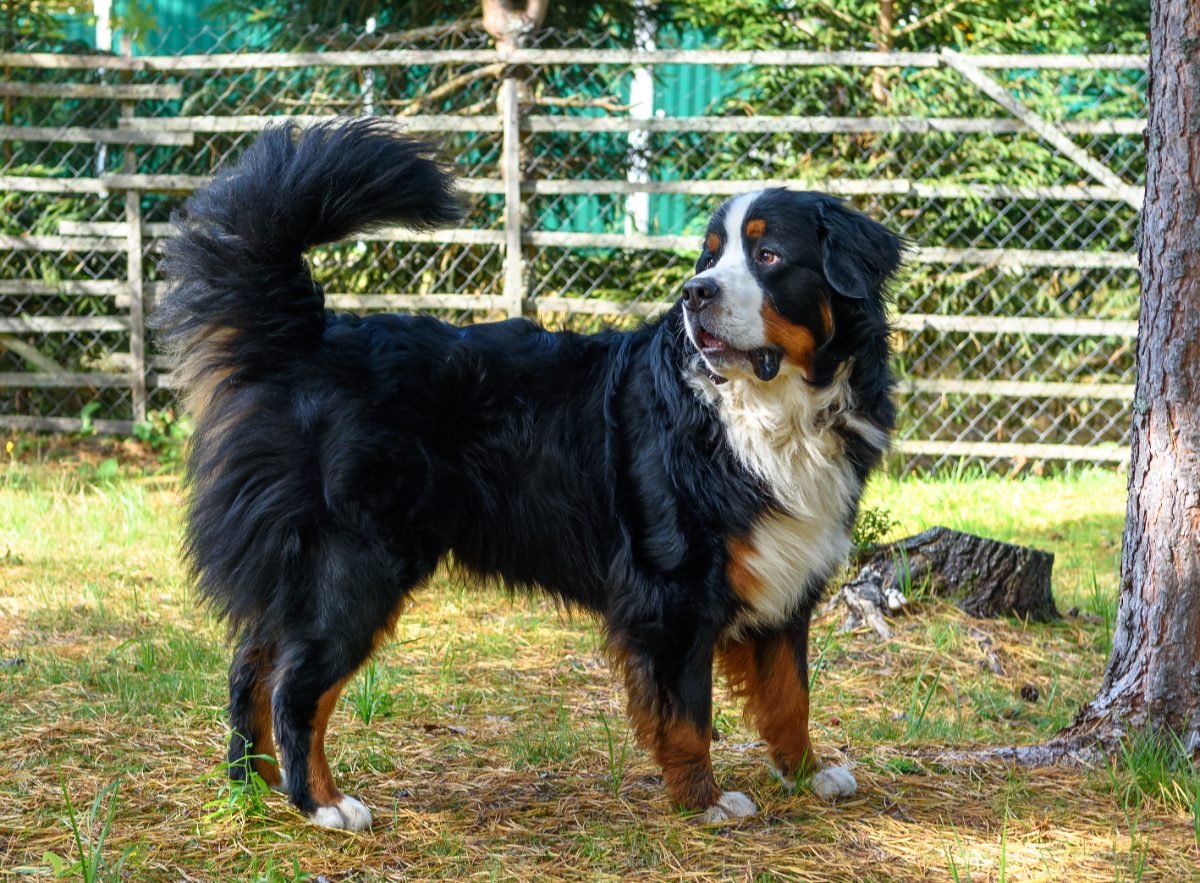
Mistake 2: Leaving Him Alone All Day
Berners are not independent dogs. Not even slightly.
This breed was bred to work alongside a farmer all day, every day, and that need for constant company came along with the good looks. A Berner left alone nine hours a day does not adjust. He develops separation anxiety, which in a hundred pound dog means destroyed doors and genuine distress.
If your house is empty full time, choose a different breed. That is not gatekeeping, it is honesty.
Workable arrangements:
- Someone home most of the day, or a job you can bring him to
- Daycare a few days a week if he enjoys it
- A midday walker at absolute minimum
- A second dog helps but does not replace human company
The Berner lean, where he rests his whole body weight against your legs, tells you everything about what this dog wants.
Mistake 3: Underestimating the Heat
That coat was engineered for Swiss winters. Summer is genuinely dangerous.
Berners overheat faster than almost any other breed, and they will keep playing right up until they collapse because they have no self preservation instinct about it. A Berner does not slow down when he is too hot. He waits for you to notice. :/
- Walk at dawn and dusk only during summer
- Air conditioning is equipment for this breed, not a luxury
- Never shave the coat, it insulates against heat as well as cold
- Learn the signs: heavy panting, drooling, bright red gums, wobbling
- Cooling mats, shade and constant water access
FYI anything above roughly 75 degrees deserves caution with a Berner. Above 85 is a real risk even for a short walk.
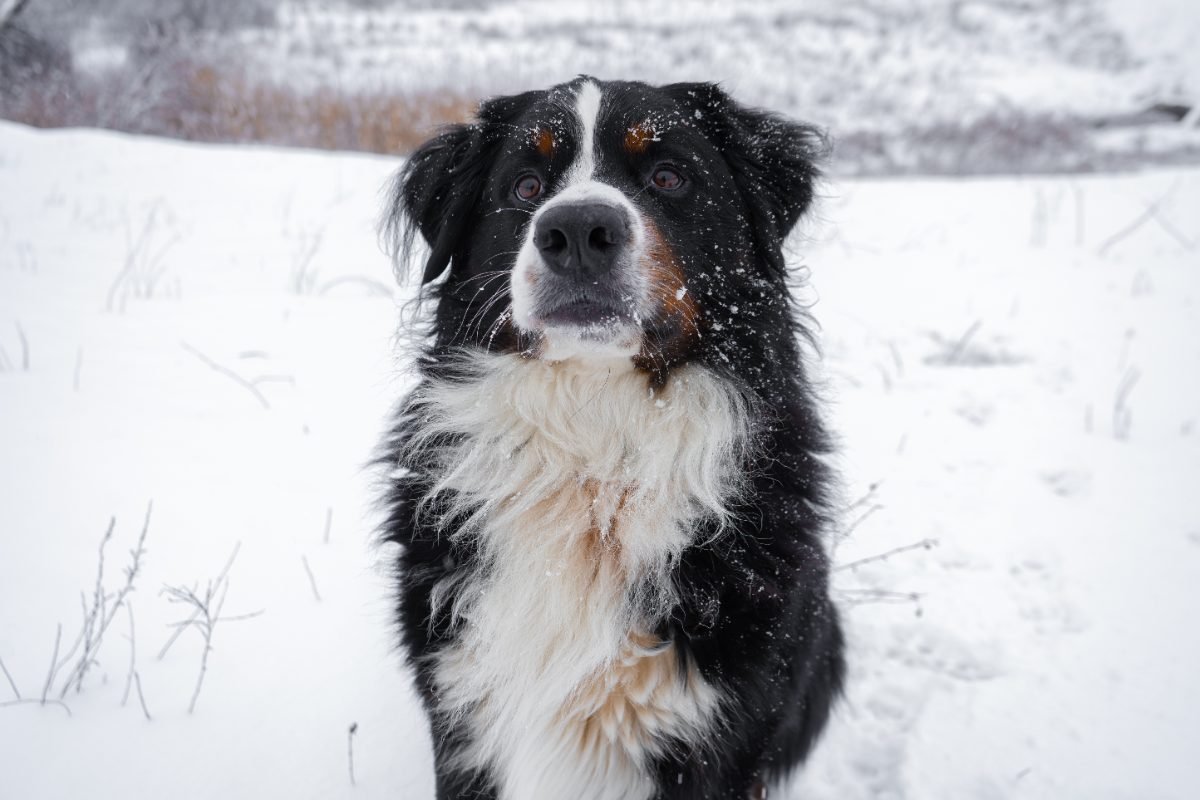
Mistake 4: Skipping the Coat Until It Mats
Berners have long feathering behind the ears, on the legs and around the tail. Those spots mat quietly and quickly.
Owners brush the big obvious body coat, feel productive, and completely miss the areas that actually tangle. Then six weeks later there are solid mats behind the ears that have to be cut out.
Two to three brushings a week minimum, daily when blowing coat.
- Line brush right down to the skin, section by section
- Prioritize behind the ears, armpits, trousers and tail feathering
- Undercoat rake during seasonal blowouts, and they are dramatic
- Dry thoroughly after baths, damp undercoat causes hot spots
- Check ears weekly, drop ears plus moisture equals infection
Mistake 5: Buying Without Health Testing
This is the mistake with the highest cost, and it is entirely avoidable.
Bernese Mountain Dogs average 7 to 8 years, and roughly half die of cancer. Histiocytic sarcoma runs in specific lines. Hip and elbow dysplasia are widespread. None of that is a reason to avoid the breed, but it is every reason to be ruthless about where your puppy comes from.
Ask for, and actually see:
- OFA or PennHIP hip scores on both parents
- OFA elbow clearances
- Cardiac and eye certifications
- Von Willebrand disease testing
- Honest longevity information about the grandparents
A breeder who talks openly about cancer in their lines is a good breeder. One who claims their lines “do not have it” is either uninformed or lying, and both should end the conversation.
A well bred Berner runs $2,000 to $4,500. That is not the expensive part of this dog. The expensive part arrives later.
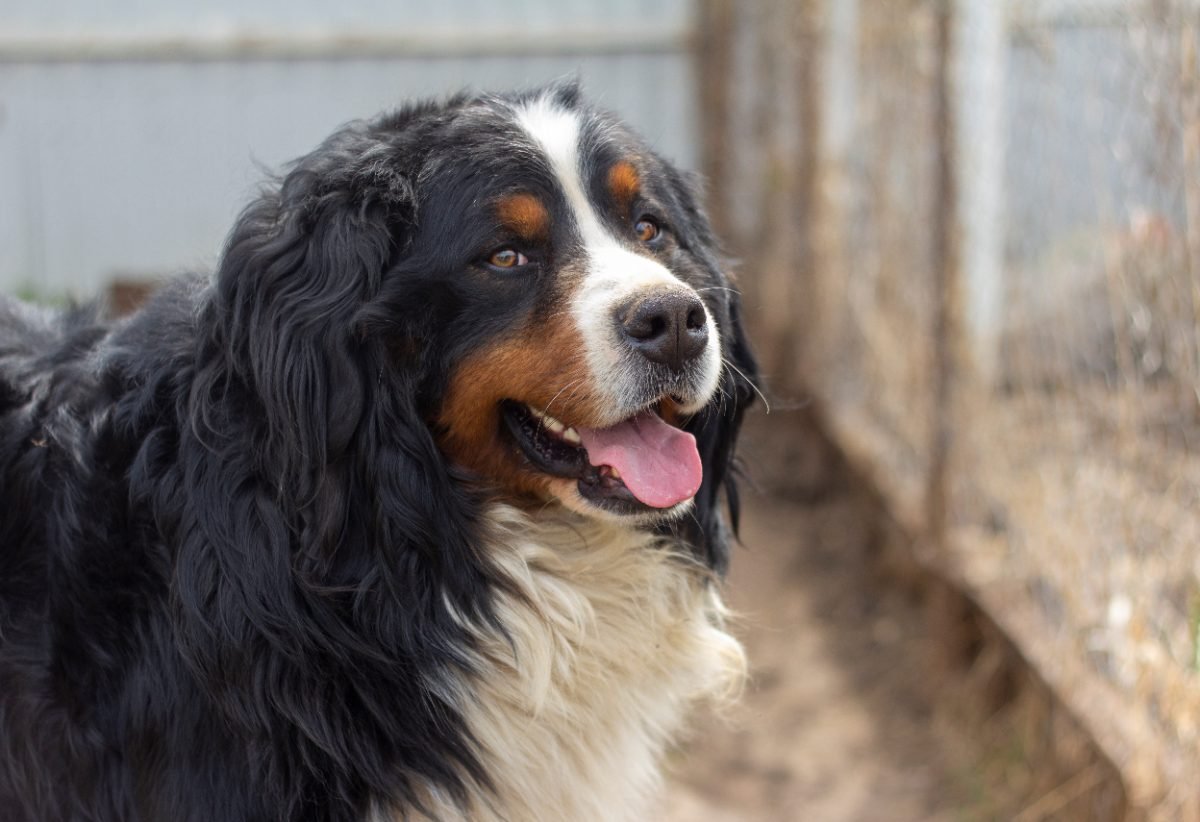
Mistake 6: Waiting Too Long on Pet Insurance
Nobody enjoys thinking about this, which is precisely why it gets skipped.
Given the cancer statistics, a Berner is close to the strongest insurance case of any breed. Treatment routinely runs $8,000 to $15,000. Emergency bloat surgery adds another $3,000 to $8,000 on top.
Buy insurance in the first few months, before anything is on record. Every condition that shows up before you enroll becomes a pre-existing exclusion, permanently.
- Enroll as a puppy, premiums are lowest and nothing is excluded yet
- Choose accident and illness cover, not accident only
- Check the hereditary condition clauses specifically
- Or self insure properly, meaning real money in a real account
Owners who skip this end up making treatment decisions based on their bank balance instead of the dog. Nobody wants to be in that position.
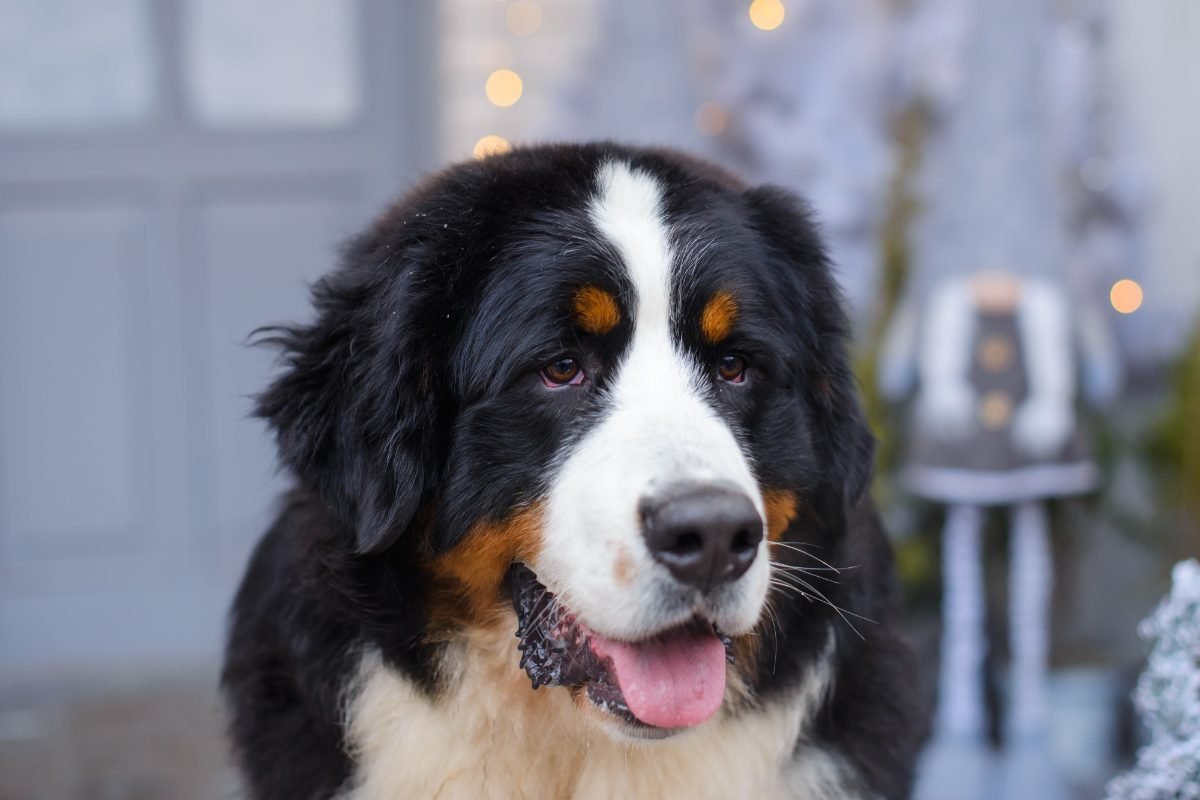
What Getting It Right Looks Like
Strip away the health worry and the Berner is close to an ideal family dog.
He is gentle with children, patient with noise and chaos, friendly toward strangers and other dogs, and content to spend the entire evening lying across your feet. He trains easily because he genuinely wants to cooperate, and he takes correction badly only because he cares so much what you think.
Your job is basically protective:
- Protect his joints while he grows
- Protect him from heat
- Protect his coat from matting
- Protect his odds by buying from a health testing breeder
- Protect your ability to treat him by insuring early
- And do not leave him alone all day
Final Thoughts
Every mistake on this list shortens a life that is already short. That is the uncomfortable thread running through all six.
You cannot fix the cancer statistics. You can absolutely control joint damage, heat stress, matting, breeder quality and whether you can afford treatment when it matters. Those five things are entirely in your hands.
Do them properly and you get seven or eight years of the most affectionate, good natured, endlessly patient company a dog can give.
Then you will probably go and get another one. Berner people always do. 🙂

Leave a Reply