
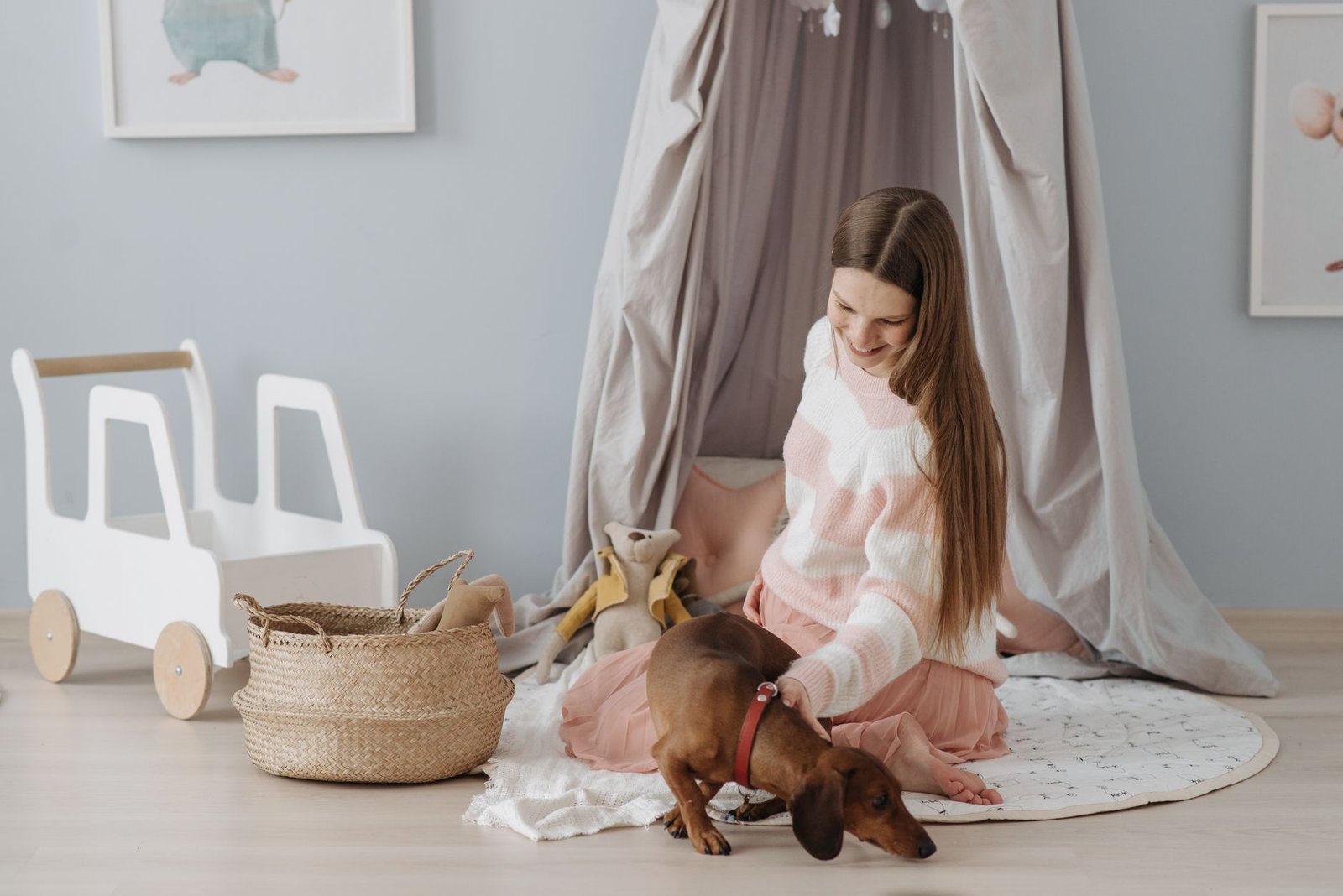
Pet stuff multiplies. One day it’s a leash and a bowl. A few years later it’s three baskets of toys, a drawer of collars and a closet shelf of beds nobody sleeps in.
If you want to declutter your home in a way that sticks, the pet supplies are a great place to start. Here’s how to decide what to keep, what to donate and what to toss, zone by zone.
Set up three bins first
Grab three boxes or laundry baskets and label them.
- Keep: things your pet uses and that are in good shape.
- Donate: clean, safe items your pet has outgrown or ignores.
- Toss: anything broken, chewed apart, expired or unsafe.
Set aside about two hours, or tackle one zone a day for a week. Then gather everything in one spot. Check the car, the garage, the hall closet and under the couch. Yes, there’s a ball under there.
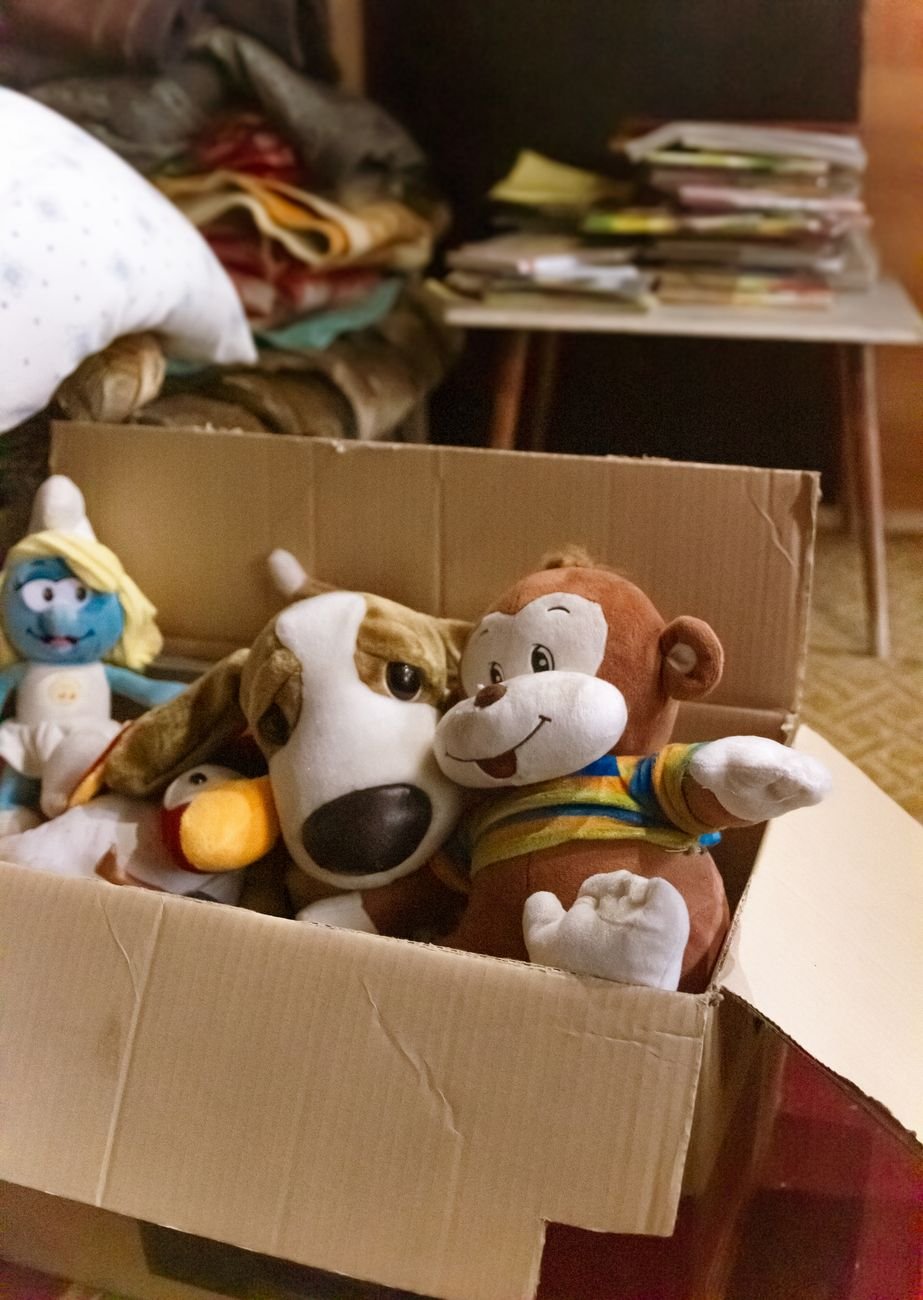
Toys: keep the favorites, toss the hazards
Toys are the biggest pile for most people, and the most important for safety.
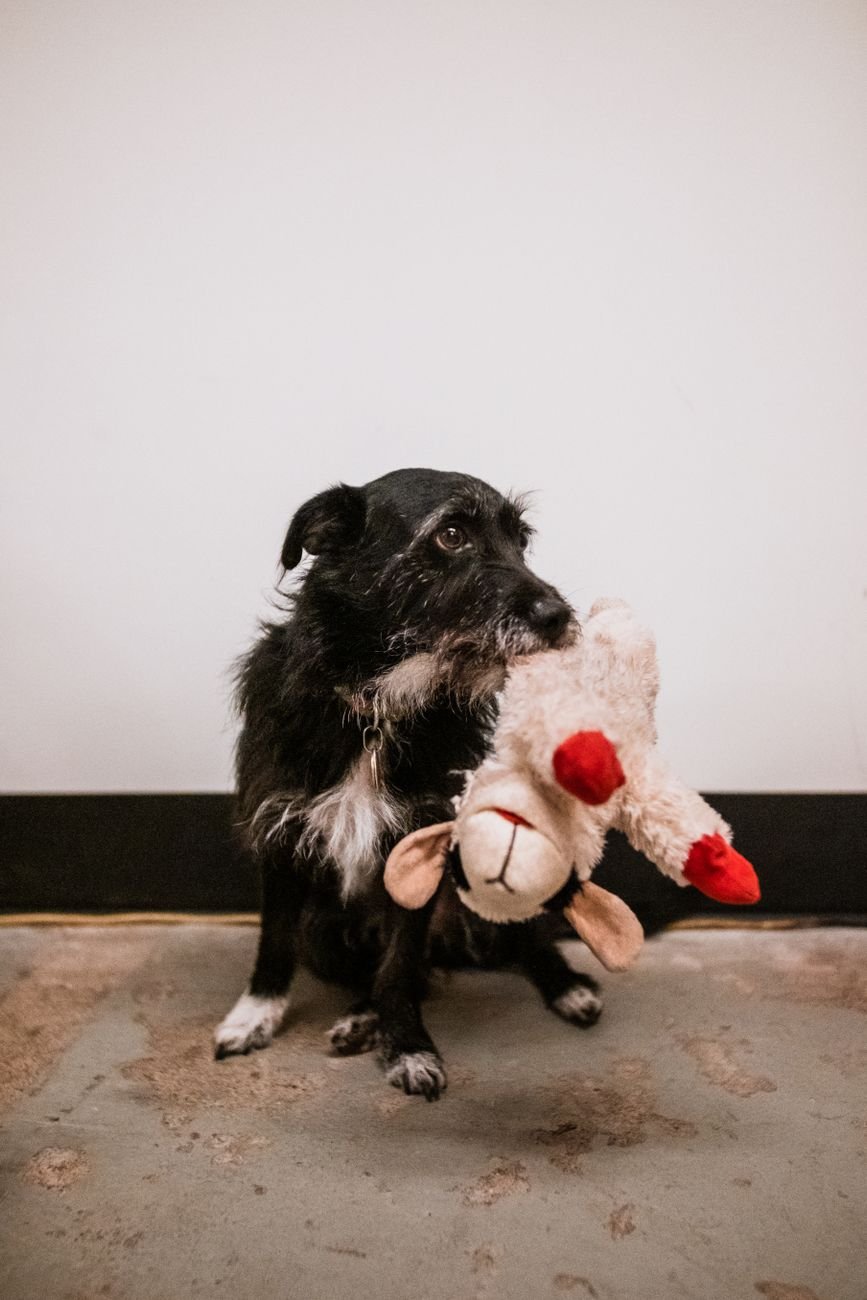
- Toss plush toys with holes, exposed stuffing or squeakers that can come out.
- Toss balls or chews that have worn small enough to swallow.
- Toss rope toys that are unraveling into long strings.
- Donate clean, intact toys your pet never plays with. Call first, since some shelters only accept new toys.
- Keep the few favorites and rotate them.
Rotating keeps toys exciting. Keep five or six out and swap them every week or two.
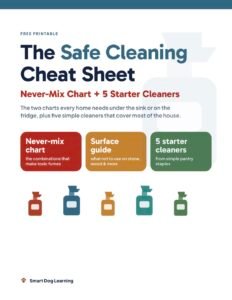
- A never-mix chart: the cleaner combinations that make toxic fumes
- A surface guide: what not to use on stone, wood, cast iron and more
- 5 starter cleaners and a shopping list
Bowls and feeders
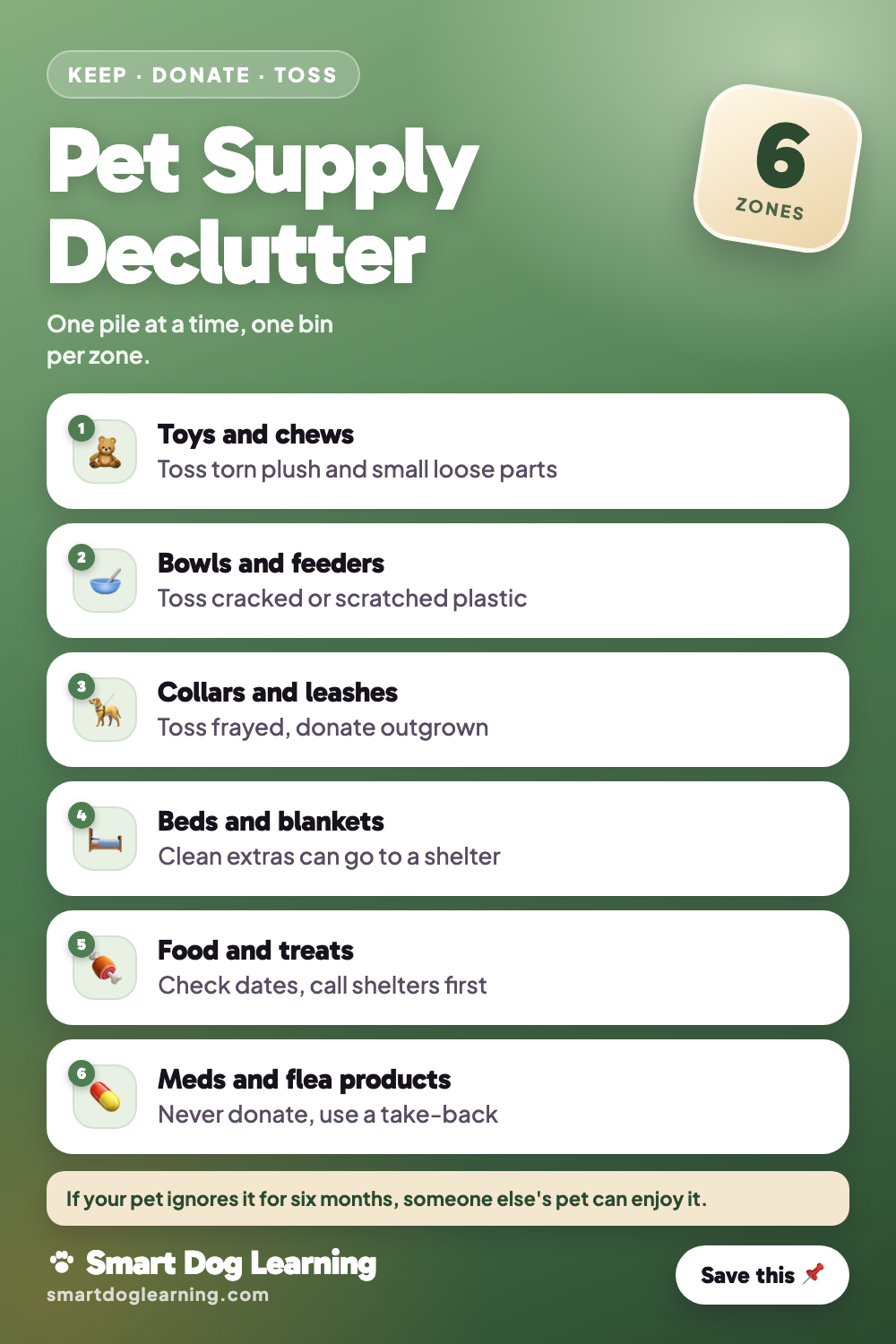
Bowls don’t seem like clutter, but most homes have far more than they use.
- Toss plastic bowls that are cracked or deeply scratched. Scratches hold bacteria.
- Keep two sets of stainless steel or ceramic bowls so one is always clean.
- Donate extra bowls and slow feeders in good condition.
- Toss chipped ceramic bowls, since chips can cut a tongue.
Collars, leashes and harnesses
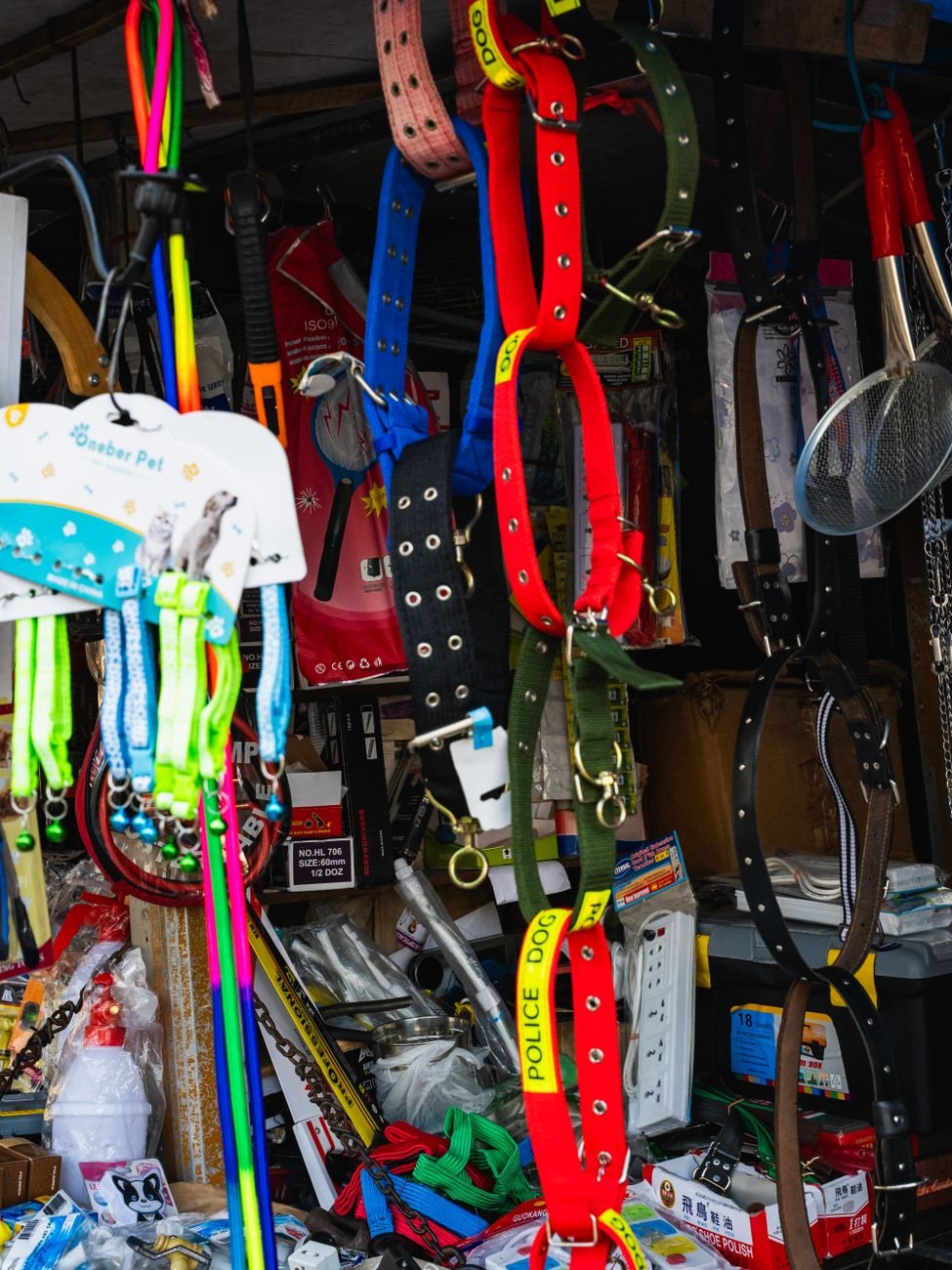
These wear out quietly. Check every one in good light.
- Toss anything with fraying, cracked plastic buckles or rusty clips. A broken leash is a lost dog.
- Donate puppy sizes your dog has outgrown if they’re still in good shape.
- Keep one everyday set, one spare and any special gear like a long line.
- Check that the ID tag is still readable and the phone number is current.
Beds, blankets and crates
Beds take up the most space, so this zone frees up a lot of room.
- Keep the beds your pet actually sleeps in.
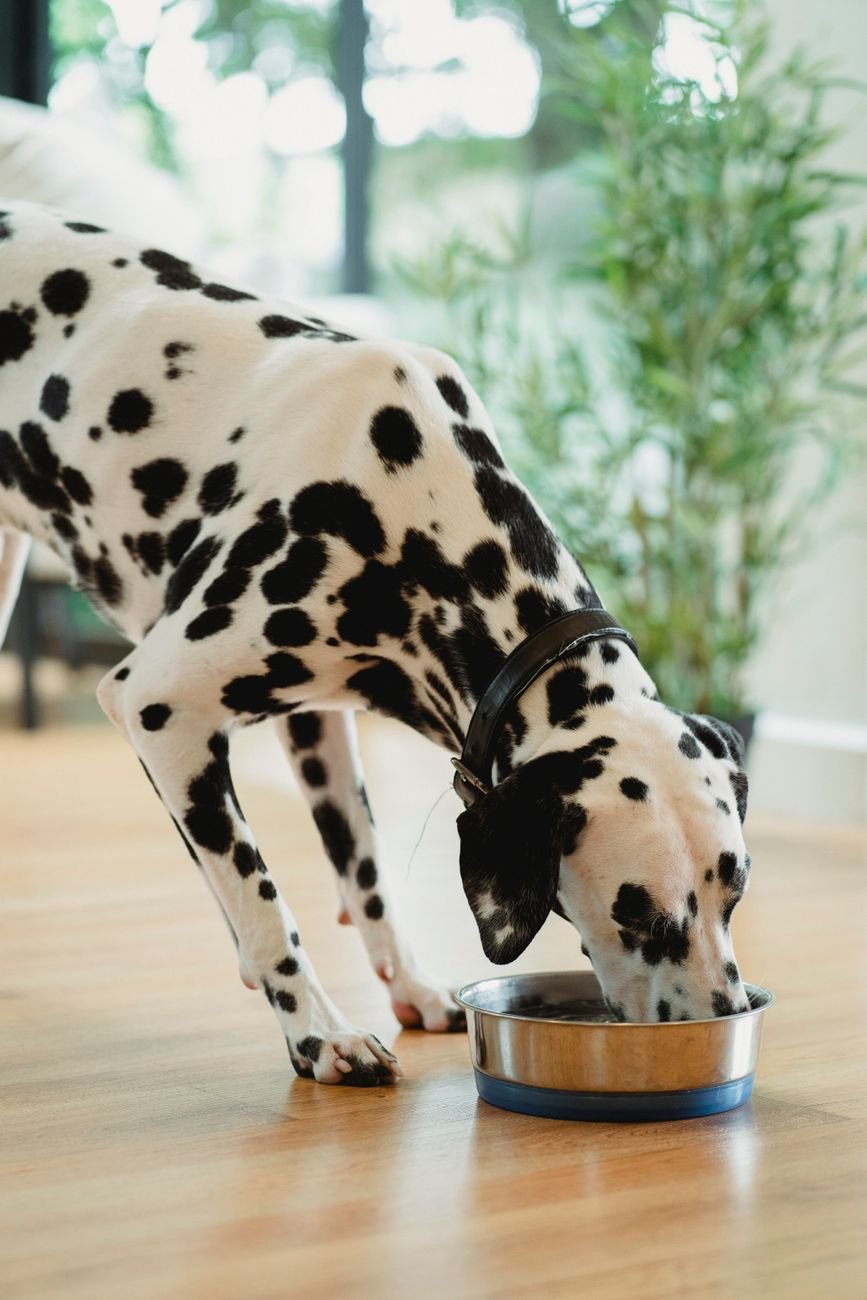
- Wash and donate clean extra beds, blankets and towels. Many shelters welcome them, but call first.
- Toss beds with chewed-out foam or a smell that won’t wash out.
- Sell or donate crates and pens your dog no longer needs.
Food and treats
Open the pantry or wherever pet food lives and check every bag.
- Toss anything past its best-by date, or food that smells rancid or looks moldy.
- Donate unopened food in date. Pet food banks and shelters often need it.
- Ask first about opened bags. Some shelters accept them, many don’t.
- Keep food in its original bag inside an airtight bin, so you have the lot number for recalls.
Need a better setup? These dog food storage ideas keep food fresh and tidy.
Medicines, flea products and supplements
This zone needs extra care. Gather everything into one box and check each label.
- Never donate prescription medicines or opened flea and tick products.
- Dispose of expired medicine through a pharmacy or local drug take-back program. No take-back nearby? Ask your pharmacist or vet how to throw it out safely, and don’t flush it.
- Keep current products with the dosing info, sorted by pet.
- Never use a dog flea product on a cat. Some dog products contain permethrin, which is toxic to cats.
Not sure if something is still okay to use? Ask your vet.
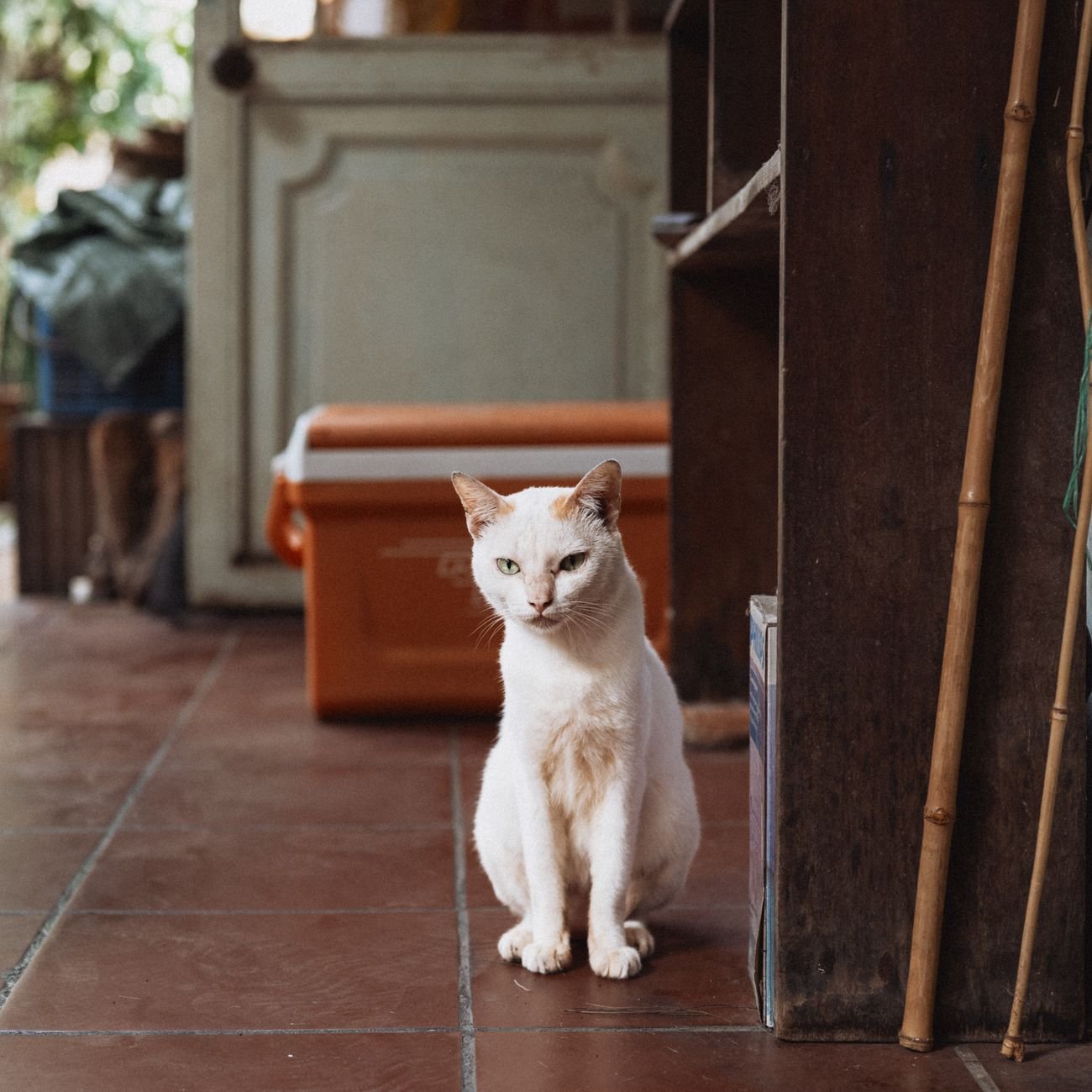
Cat supplies need a look too
Cat gear takes up more space than you’d expect, and some of it wears out quietly.
- Litter boxes: replace scratched plastic boxes, since scratches hold odor. Keep one box per cat, plus one extra.
- Scratchers: toss cardboard scratchers that are shredded flat. Sisal posts can often be rewrapped.
- Cat trees: check for wobbly levels and loose platforms. Donate sturdy ones your cat ignores.
- Wand toys: toss frayed strings and loose feathers, and always put wand toys away after play.
- Carriers: keep one sturdy carrier per cat with working latches.
Leave the carrier out with a soft blanket inside. Cats who see it every day get far less stressed on vet day.
Grooming tools and clothes
Grooming gear piles up fast, especially if you’ve tried a few brushes.
- Keep the one brush and one comb that work for your pet’s coat.
- Toss nail clippers with dull or loose blades.
- Donate outgrown sweaters, coats and boots.
- Toss half-used shampoos that have separated or expired.
Give everything a home
Once you’ve edited, put the keepers back in clear zones so you can find them.
- A basket for toys near where your pet plays.
- Hooks by the door for leashes and harnesses.
- A labeled bin for grooming tools.
- A high shelf or locked box for medicines.
For a full setup, these dog nook ideas give your dog’s things a home of their own.
Keep it from piling up again
A few small habits keep the clutter away for good.
- One in, one out: a new toy means an old one goes.
- Monthly toy check: toss anything damaged.
- Donate bag: keep one by the door for outgrown gear.
- Twice a year: check food dates and medicine expiry.
Common questions
Can I donate used dog toys to a shelter?
Some shelters accept clean, intact used toys, others only take new ones. Call ahead and ask.
How do I dispose of old pet medicine?
Use a pharmacy or local drug take-back program. Ask your vet if you’re not sure.
Do shelters accept opened bags of dog food?
Some do and some don’t. Unopened food in date is always the safest donation.
When should I throw away a dog toy?
When it has holes, loose parts, unraveling rope or is small enough to swallow.
How many toys does a dog really need?
Five or six out at a time is plenty. Rotate the rest to keep them interesting.


Leave a Reply