

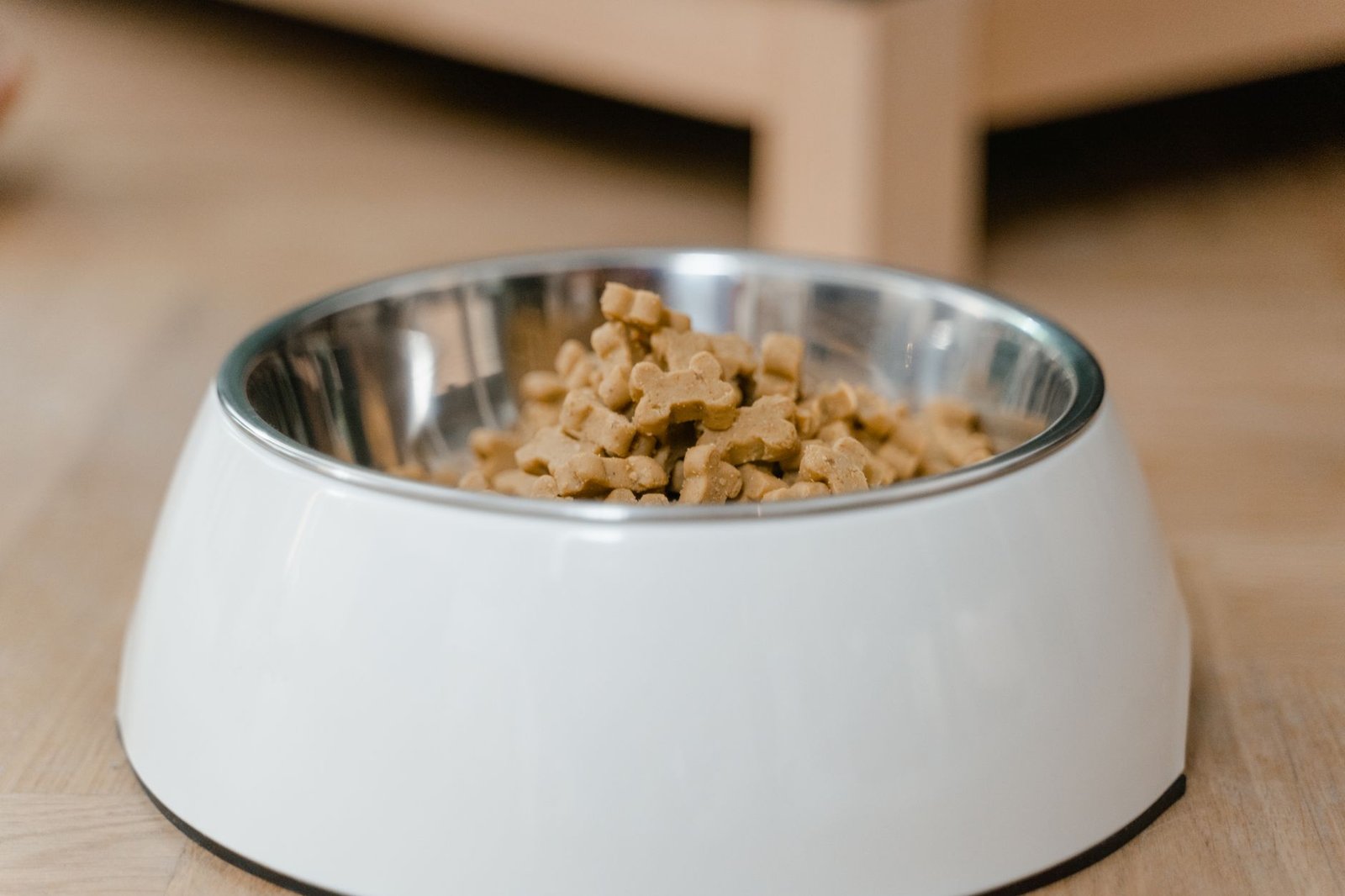
That big bag of kibble was a great deal. But by week five it smells a bit off, and your dog is suddenly fussy about dinner.
Dry food goes stale once the bag is open. The fats in it react with air, heat and moisture. Smart dog food storage slows that down, keeps bugs and mice out, and stops your dog from helping themselves.
Why storage matters more than you think
Kibble looks like it lasts forever. It doesn’t.
- Air makes the fats go stale and then rancid.
- Heat speeds that up.
- Moisture can lead to mold.
- Pests like pantry moths, ants and mice love an open bag.
Stale food is less tasty, and food that’s gone moldy or rancid shouldn’t be fed at all.
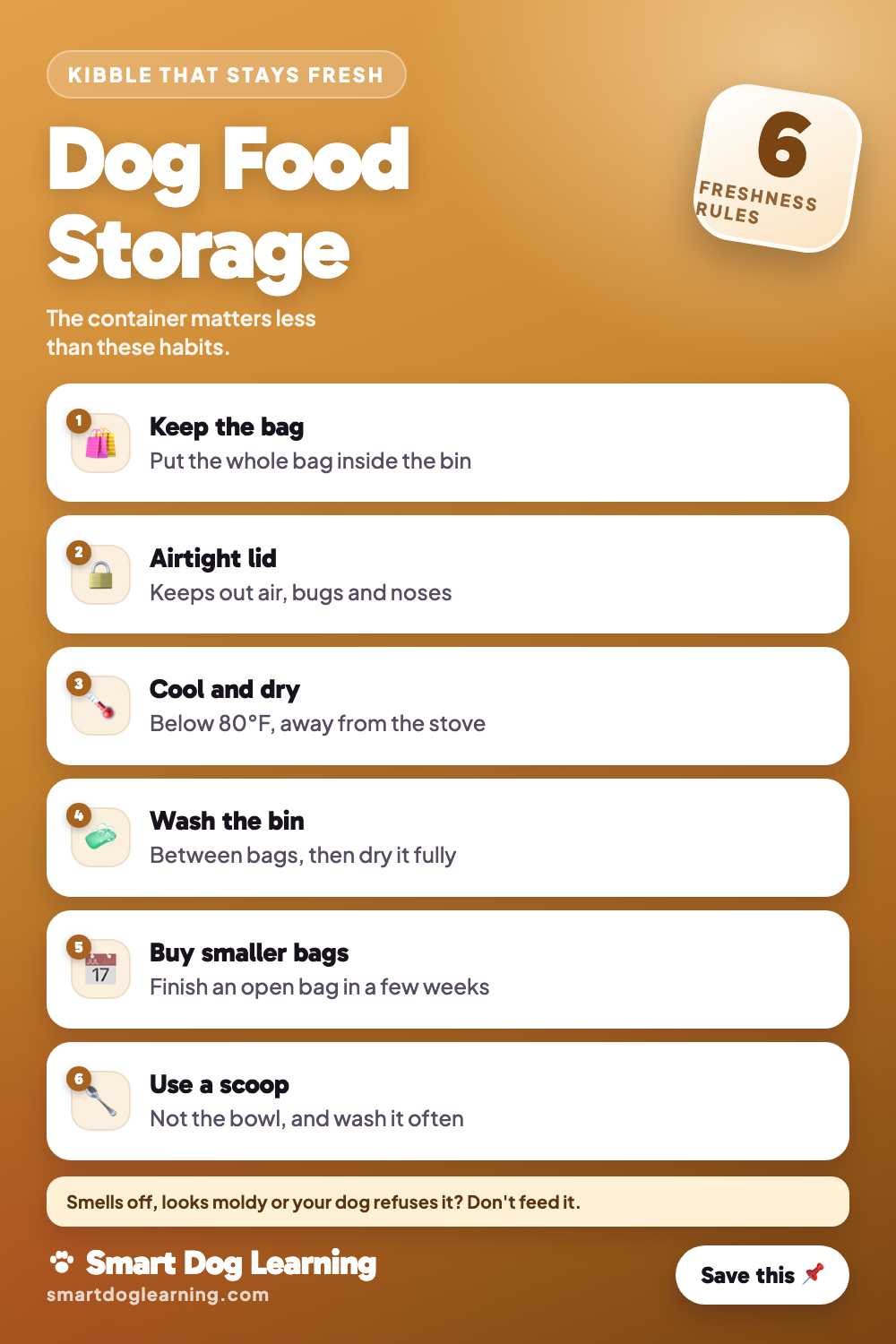
Rule one: keep the original bag
This is the tip most people miss. Don’t pour kibble straight into a plastic bin and toss the bag.
- The bag is designed to protect the food.
- It has the lot number and best-by date, which you’ll need if there’s ever a recall.
- It keeps old fat residue from building up on the bin walls.
Put the whole bag inside the container, roll the top down and close the lid. If you’d rather pour it, cut out the barcode, lot number and date and tape them to the bin.
Rule two: pick the right spot
Where you store the food matters as much as what you store it in.
- 20 safe foods and how to serve them
- 14 dangerous foods and the signs to watch for
- What to do if your dog ate something toxic
- Cool and dry: ideally below 80°F.
- Not next to the stove, dishwasher or a sunny window.
- Not in a hot garage or damp basement, especially in summer.
- Off the floor if you’ve ever had mice or ants.
A pantry floor, a lower kitchen cabinet or a laundry room usually works well.
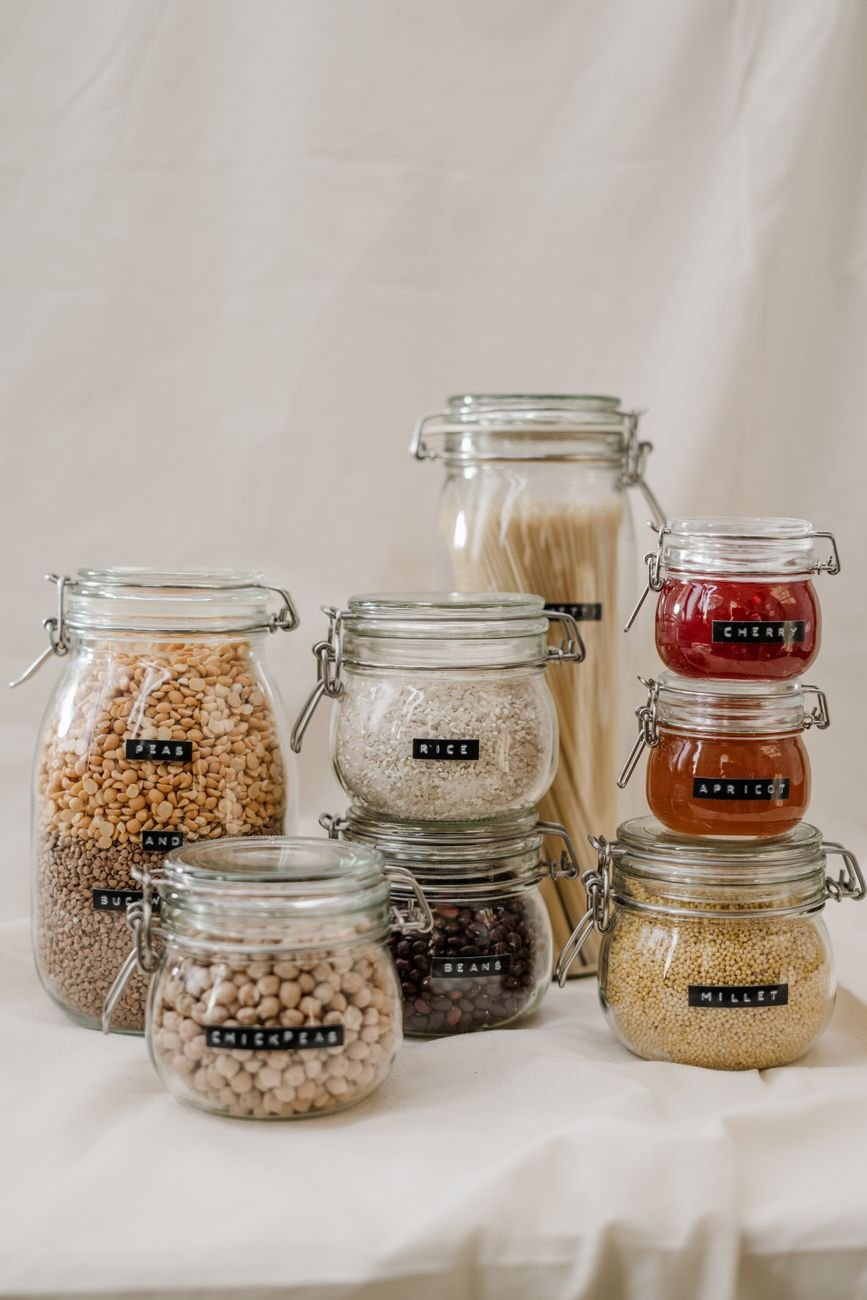
8 dog food storage ideas
Pick the one that fits your space and your dog’s size. A Chihuahua and a Great Dane need very different setups.
1. A rolling airtight bin
Great for big bags and big dogs. Wheels make it easy to pull out from a closet or pantry, and a locking lid stops a clever nose.
2. Stackable containers
Two smaller airtight containers on top of each other. Keep the open bag in one and treats or a spare in the other.
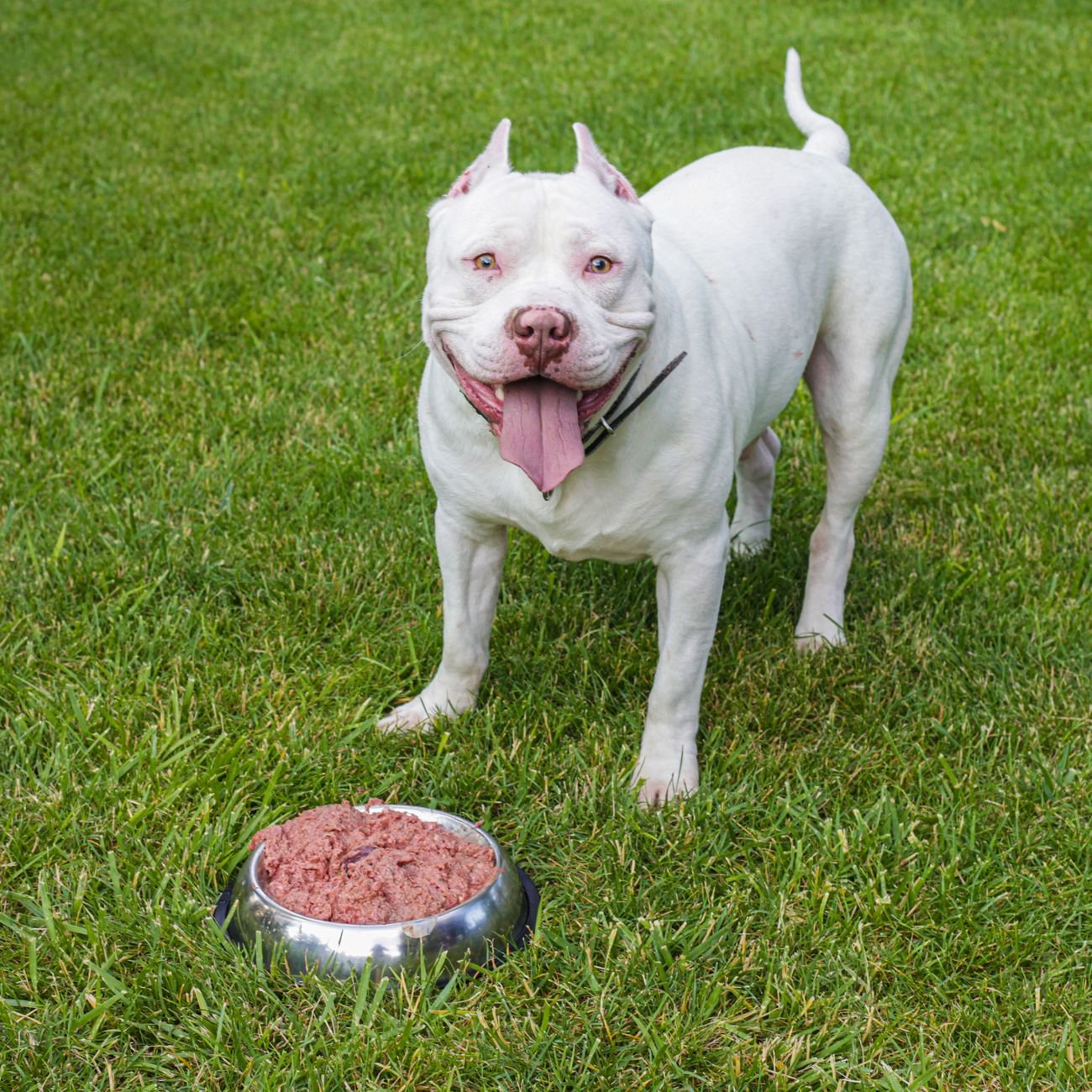
3. A tilt-out cabinet
A piece of furniture with a tilt-out bin hides the food completely. It doubles as a side table or a spot for the leash basket.
4. A pull-out drawer bin
If you’re redoing the kitchen, a deep bottom drawer with a lidded bin inside makes feeding take seconds.
5. A food-safe bucket with a gamma lid
A screw-on gamma lid turns a food-safe bucket into an airtight, pest-proof container. It’s cheap and almost impossible for dogs to open.
6. Glass canisters for small dogs
Small dogs don’t eat much, so a large glass canister with a sealing lid holds a week or two of food. Keep the rest in the bag, sealed, in a bin.
7. A dedicated feeding station
Food, bowls, scoop and treats all in one corner means fewer trips across the kitchen. Choose a spot with a floor you can wipe.
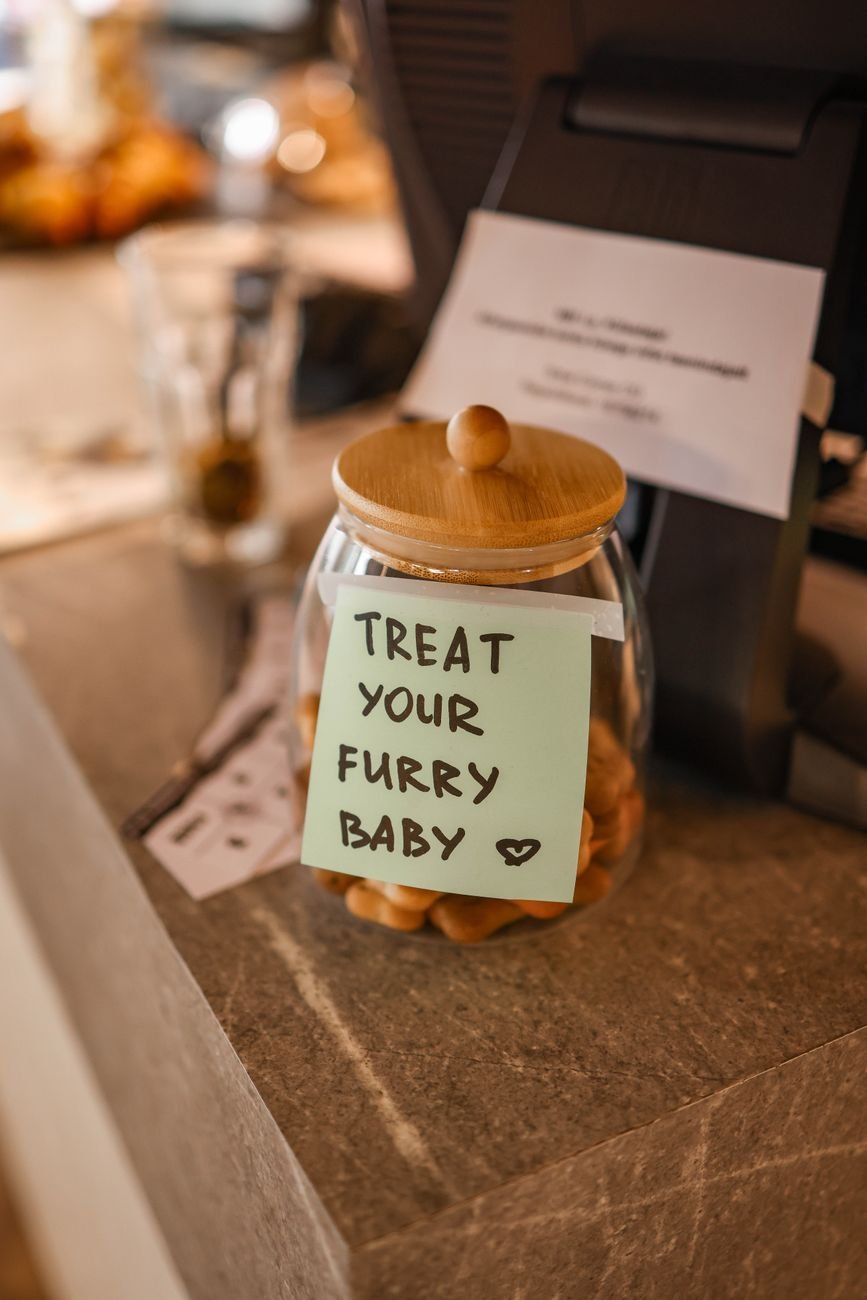
8. A treat jar up high
Treats go stale too. Keep them in a lidded jar on a counter or shelf your dog can’t reach.
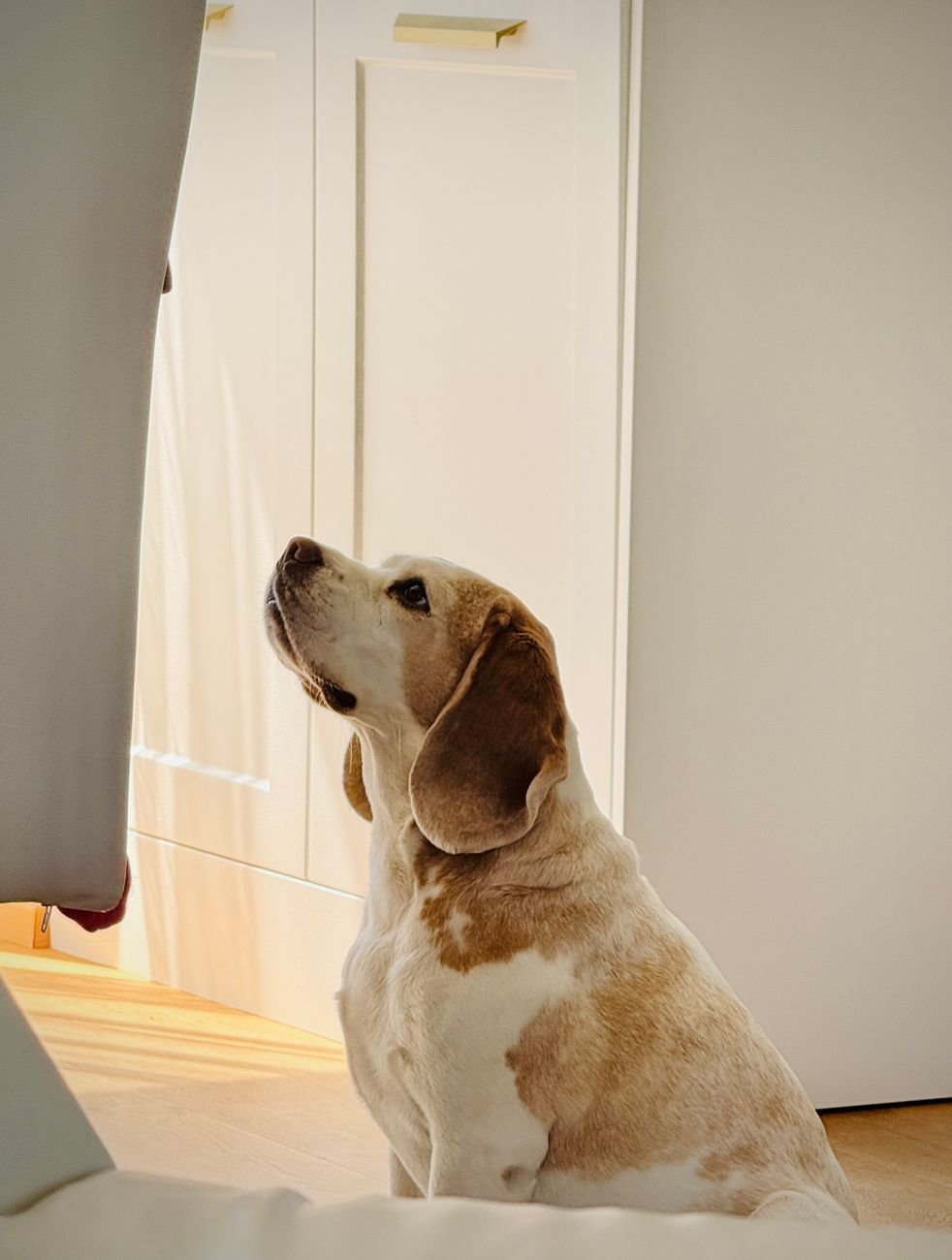
Keep bugs and mice out
An open bag of kibble is a buffet for pests. A few habits keep them away.
- Check new bags for holes or webbing before you bring them inside.
- Sweep up spilled kibble around the bin and bowls every day.
- Lift bowls after meals if you have ants or mice, rather than leaving food out all night.
- Don’t add new food to an infested bin. Toss the bad food, wash the bin and start fresh.
If you set traps or bait, place them where your dog can never reach them. Rodent bait is very dangerous for dogs.
Containers to avoid
Not every bin is a good idea.
- Non-food-safe plastic like storage totes meant for the garage.
- Gravity dispensers where you pour new food on top of old. The old food at the bottom never gets used up.
- Anything without a tight seal, like an open basket or a cardboard box.
Wash the container between bags
Old crumbs and oily residue go rancid and can spoil a fresh bag.
- Empty the bin completely when a bag is finished.
- Wash it with hot soapy water and rinse well.
- Let it dry fully before the next bag goes in. Any moisture invites mold.
- Wash the scoop at the same time.
Use a scoop, not your dog’s bowl, to dish out food. It keeps the rest of the bag cleaner.
Buy the right bag size
The biggest bag isn’t always the best deal if half of it goes stale.
- Many brands suggest finishing an opened bag within about 4 to 6 weeks. Check yours.
- Look at the best-by date before you buy.
- Do the math: how many cups a day, and how many cups in the bag.
If you have one small dog, a smaller bag often works out cheaper in the end.
Wet food and fresh food
Canned and fresh foods need different care.
- Unopened cans: cool, dry cupboard.
- Opened cans: covered, in the fridge, used within the time on the label. Most say a few days.
- Fresh or homemade food: fridge or freezer, in portions.
- Leftovers in the bowl: toss wet food your dog hasn’t eaten after a short while.
Short on space for a big bin? Our weekend pantry organization system shows how to free up a floor spot for it.
Common questions
Is it OK to store dog food in a plastic container?
Yes, if it’s food-safe and airtight. Keep the food in its original bag inside it.
How long does kibble stay fresh after opening?
Many brands suggest about 4 to 6 weeks. Check your bag, and store it airtight and cool.
Can I keep dog food in the garage?
Only if it stays cool and dry. Most garages get too hot in summer and attract pests.
How can I tell if dog food has gone bad?
A sour or paint-like smell, mold, clumping from moisture or bugs. If in doubt, throw it out.
How do I stop my dog getting into the food?
Use a locking lid or a gamma lid, or keep the bin behind a latched cabinet door.


Leave a Reply