
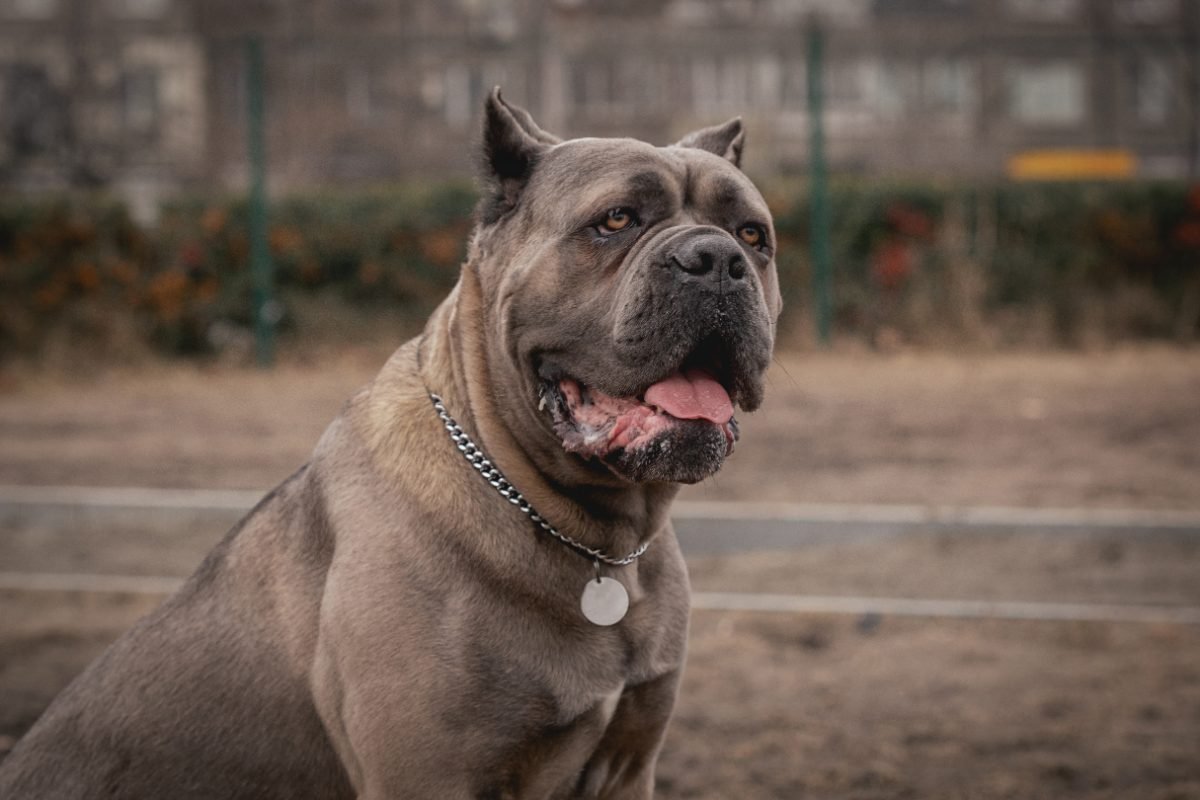
6 Mistakes Cane Corso Owners Make (And How to Avoid Them)
Cane Corso owners rarely fail because they do not care. They fail because they care about the wrong things at the wrong time.
I have watched people pour money into fancy collars and raw food while completely ignoring the one thing that actually decides how the dog turns out. Then at 14 months, when the dog hits 105 pounds and starts making his own decisions about the mailman, they panic and start googling.
So let’s fix that before it happens. Here are the six mistakes that turn a promising Corso into a problem, and exactly how to dodge each one. If you are brand new to the breed, read our full <a href=”https://smartdoglearning.com/cane-corso-care-guide/”>Cane Corso care guide</a> first, then come back here.
Mistake 1: Treating Socialization Like a Nice-to-Have
This is the big one. The mistake that ruins more Corsos than everything else on this list combined.
Owners hear “guardian breed” and decide the dog should be suspicious of everyone, so they keep him home and away from strangers on purpose. Then they act shocked when he cannot handle a routine vet visit at two years old.
A Corso is going to be wary of strangers no matter what you do. That trait is baked in after two thousand years of selective breeding. Socialization does not delete it and it should not. What socialization actually does is teach him the difference between “unfamiliar” and “threat,” and that distinction is the entire ballgame with this breed.
A properly socialized Corso watches a stranger walk past and does nothing. An unsocialized one has no category for that person, so he defaults to the only setting he has.
What to do instead
- Meet 100+ new people before 20 weeks, all ages, sizes and appearances
- Expose him to surfaces, sounds and general chaos, not just other dogs
- Keep every session short and boring, no wrestling matches with strange dogs
- Reward calm observation from a distance, not excited greeting
- Do vet visits where nothing happens except treats and going home

Mistake 2: Trying to Show Him Who Is Boss
Someone on a forum told you Corsos need a firm hand and an alpha owner. That person almost certainly does not own one.
Heavy handed correction on a guardian breed builds a defensive dog, and a defensive 110 pound dog is a genuine liability. Alpha rolls, scruff shakes and prong yanks on a nervous adolescent do not teach respect. They teach him that hands near his neck mean conflict is starting. That lesson tends to come back around at the worst possible moment.
Corsos are not plotting to overthrow you. They are trying to work out what the rules are. Give them rules that never move and they settle into the structure almost gratefully.
What actually works
- Calm, boring repetition of identical expectations every single day
- Reward the behavior you want instead of punishing everything you do not
- Remove the chance to rehearse bad habits rather than correcting them after
- Fair consequences, like the fun stopping, never pain
- End sessions while he is still winning, not when you are frustrated
IMO this is where owners either build a great dog or quietly break one. There is very little middle ground.
Mistake 3: Waiting on Leash Work Until He Is Big
At 20 pounds, a Corso puppy pulling on the leash looks enthusiastic. At 95 pounds it is a shoulder injury and a dog you quietly stop taking out.
And a Corso that stops getting walked becomes a bored, frustrated, under-socialized Corso. The whole thing snowballs from one lazy decision made when he was small enough to drag around.
Lock in loose leash walking before six months. Not “start thinking about it.” Lock it in, to the point it is automatic.
- Practice indoors first, where absolutely nothing is interesting
- Stop dead the second the leash goes tight, every time, no exceptions
- Pay heavily when he chooses to check in with you on his own
- Use a well fitted harness or flat collar and skip tools that just mask pulling
- Walk at quiet times first, then add difficulty deliberately
The dog who learns at 15 pounds that tension means the walk pauses never has to learn it at 95.

Mistake 4: Under-Stimulating a Working Brain
Corsos were bred to guard property, move livestock and hold wild boar. That is a job description, not a personality quirk.
Give a dog built like that nothing to do and he will invent his own job. Usually that job is “monitor every window and announce everything that moves,” which is how reactivity gets built in slow motion right under your nose. :/
Physical exercise alone does not solve it either. A tired body attached to a bored brain still finds work to do, and you will not like the work it picks.
Cheap mental work that genuinely helps
- Fifteen minutes of proper obedience drilling beats another mile of walking
- Puzzle feeders and snuffle mats instead of a food bowl
- Scent games, hide treats around a room and let him hunt them out
- Teach completely pointless tricks, because the learning is the point
- A rock solid “place” command so he has a default job when the house gets busy
That last one deserves its own paragraph honestly. A dog who parks himself on a mat when the doorbell rings is a dog you can have guests around. It solves more problems than any other single behavior.
Mistake 5: Letting Him Get Heavy
Everyone loves a big boy. Veterinarians do not.
A Corso carrying an extra 15 pounds is not more impressive, he is a hip replacement moving closer. This breed already sits in a rough spot for joint disease, and every additional pound compounds the load on structures that were already under strain.
You should feel his ribs without pressing. If you cannot, he is overweight, regardless of how good he looks to you in photos.
- Measure meals with an actual cup, do not eyeball them
- Count training treats as part of the daily food, because they are
- Feed two meals rather than one large one, since deep chested breeds carry bloat risk
- Large breed puppy formula until 18 to 24 months for controlled growth
- Weigh him monthly and write the number down somewhere
Keeping a Corso lean is the cheapest thing you will ever do for his lifespan. It costs nothing except discipline at the food bowl.

Mistake 6: Buying From the Wrong Breeder
Here is the uncomfortable part. A lot of Cane Corso behavior problems are not training failures at all. They were purchased.
Temperament is heritable. So is hip dysplasia. When somebody breeds for a blocky head and an intimidating look with zero regard for nerve strength, you get a dog genetically inclined toward fear and reactivity. No amount of skilled handling fully undoes that, and pretending otherwise is how people end up heartbroken.
Red flags that should end the conversation:
- No OFA or PennHIP scores on either parent
- You cannot meet the mother, or she seems fearful or sharp
- Puppies going home before 8 weeks
- The breeder mostly talks about size, rare colors or “protection ability”
- Several litters available right now, today, your pick
- No health guarantee, and no questions asked about you
FYI a well bred Corso from a health tested pairing runs $1,500 to $4,000. The $700 puppy on a classifieds site is not a bargain, it is a payment plan. You settle that balance later in vet bills and behaviorist sessions, usually at a much worse exchange rate.

The First 90 Days Matter Most
Look back at this list and notice something. Five of the six mistakes happen before the dog turns one.
That is not a coincidence. The Cane Corso is an easy dog to live with and a genuinely hard dog to raise. Almost everything that makes an adult Corso pleasant or difficult gets decided while he is still small enough to pick up.
So if you are bringing one home soon, your first ninety days should look like this:
- Socialization every single day, even if it is only ten minutes
- Leash manners drilled indoors before they ever matter outdoors
- Two measured meals, weight tracked weekly
- A place command started in week one
- Zero harsh corrections, no exceptions, no matter what the internet says
Final Thoughts
None of this is complicated. It is just front loaded, and front loaded work is the kind people skip.
Put the effort in while he is 20 pounds and you get a decade of calm, steady, deeply loyal company from a dog who would genuinely stand between you and trouble. Coast through puppyhood and you spend that same decade managing problems you built yourself, one skipped session at a time.
Socialize early. Train fair, never harsh. Keep him lean and busy. Buy from someone who health tests.
Do those four things properly and most of the rest sorts itself out. 🙂

I’ve spent 10+ years in dog training, digging into what makes dogs (and their humans) tick. At Smart Dog Learning, I share my no-nonsense, fun approach to training so you can enjoy life with a well-behaved, happy pup—no boring lectures, just practical results 😉