

Cane Corso Care Guide: Everything New Owners Need to Know
So you have fallen for the Cane Corso. Big blocky head, calm eyes, and the kind of presence that makes delivery drivers rethink their career path. I get it. Totally.
But before you put money down on a puppy, let’s talk about what living with one actually looks like. Because here is the thing nobody says out loud: the Cane Corso is not a beginner dog. Not even a little bit.
This is 100+ pounds of muscle attached to a brain that will test you. Get it right and you get the most loyal dog of your life. Get it wrong and you get a very large problem. Fair warning.
What Exactly Is a Cane Corso?
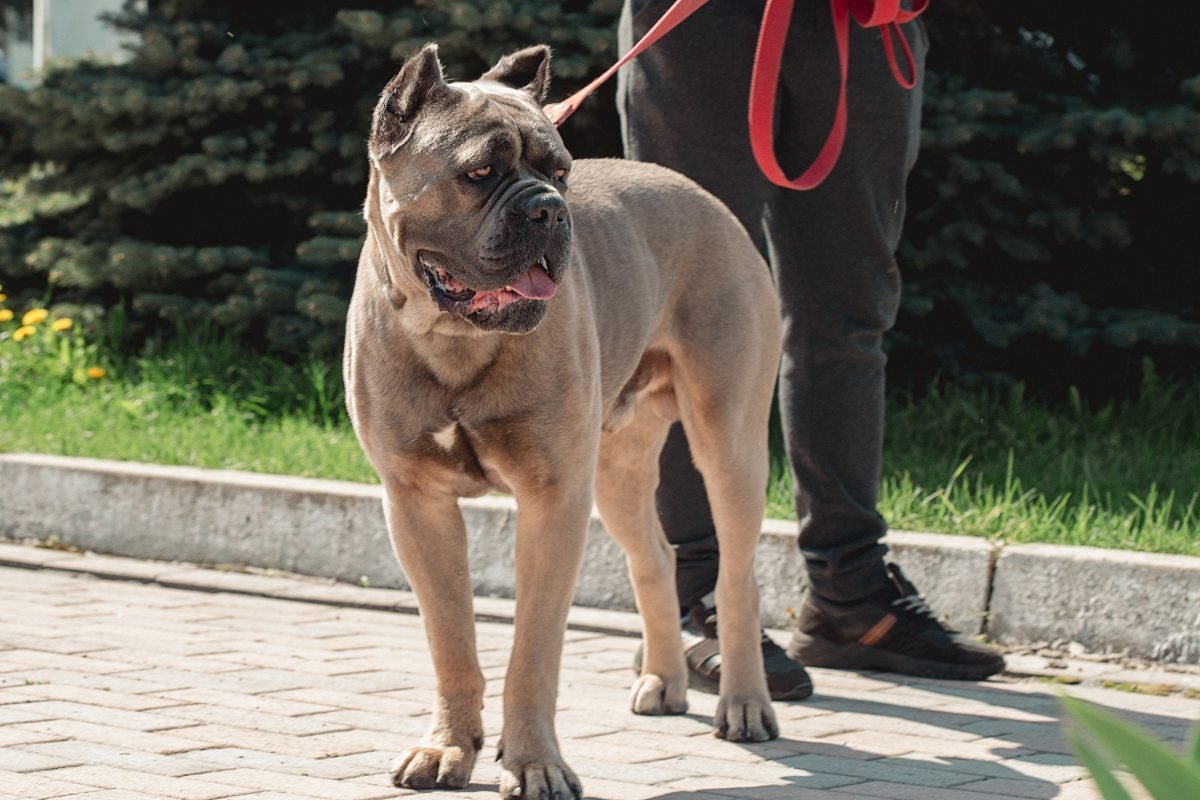
The Cane Corso (say it “KAH-neh KOR-so”, not “cane” like a walking stick) is an Italian mastiff. Romans ran them as war dogs. Italian farmers later used them to guard property and hunt wild boar.
That resume matters. It explains basically everything about how this breed behaves in your living room today.
The Quick Stats
- Height: 23 to 28 inches at the shoulder
- Weight: 88 to 120 pounds, males run noticeably bigger
- Lifespan: 9 to 12 years
- Coat: Short, stiff, double layered, and yes it sheds
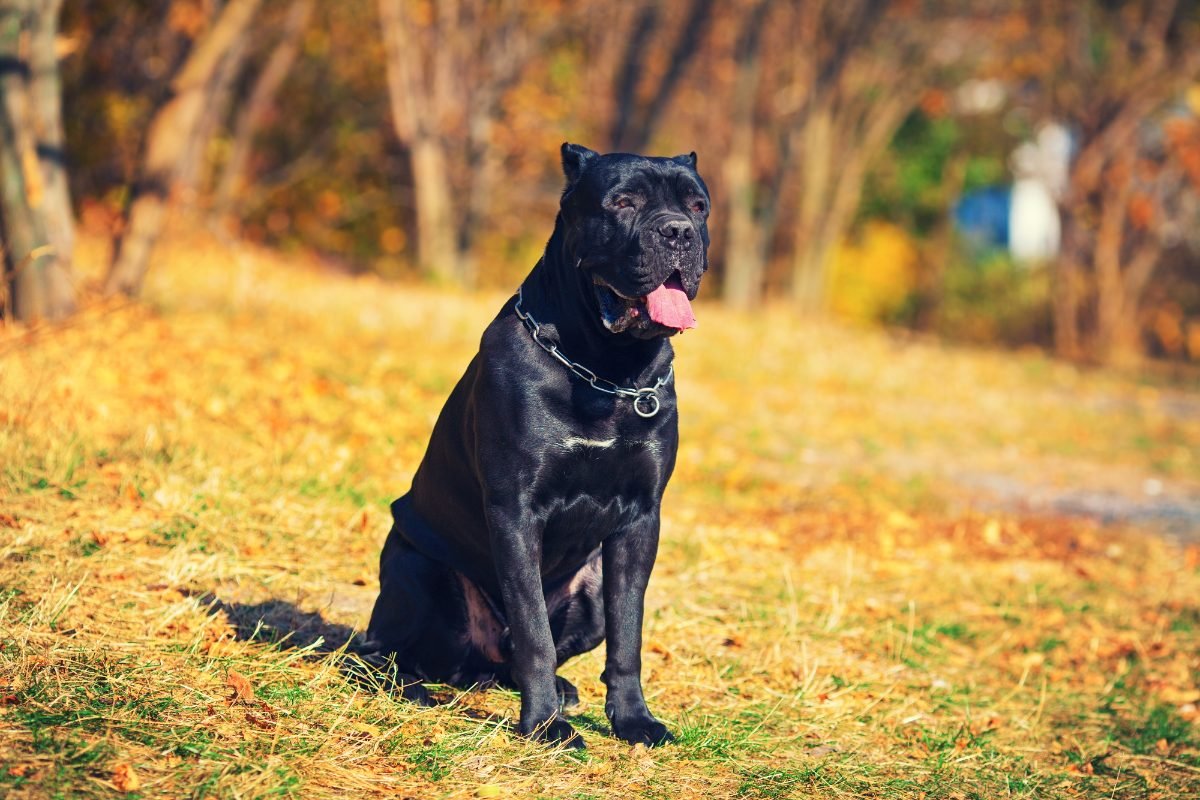
- Colors: Black, gray, fawn, red, often brindled
- Energy: Moderate to high. Not a couch ornament.
FYI those weight numbers are not exaggerated. A grown male Corso outweighs most adults who walk him.
The Temperament Nobody Warns You About
Everyone tells you Corsos are loyal. True. What they skip is that a Corso is naturally suspicious of strangers and will happily make its own decisions about who belongs on your property.
That is not aggression. That is a guardian instinct doing exactly what humans bred it to do for two thousand years. Your job is to manage it, not delete it. You cannot train it out, and honestly you would not want to.
With family though? A well raised Corso turns shockingly soft. My brother’s male, Otto, is 110 pounds and follows people room to room because he is convinced he qualifies as a lapdog. The mailman meets a completely different animal.
What to actually expect:
- Deep family bond, often velcro level
- Wary but not hostile with strangers, assuming you socialized properly
- Confident and stubborn, they will push back on wishy washy leadership
- Surprisingly quiet and low key indoors for their size
- Frequently not a fan of unfamiliar dogs, especially same sex
Puppyhood Is the Make or Break Window
Want the single most important sentence in this guide? Here: what you do between 8 and 20 weeks decides the dog you live with for the next decade.
A Corso puppy is adorable. It is also a guardian breed installing its operating system. Every person, sound, surface and situation it meets in that window gets filed as “normal.” Everything it misses gets filed as “suspicious” later.
Your Socialization Checklist
- 100+ different people in the first few months, all ages, sizes and looks
- Car rides, elevators, stairs, tile, gravel, grass, metal grates
- Vacuums, traffic, thunderstorms, kids shrieking
- Calm vaccinated adult dogs (skip the chaotic dog park)
- Vet visits where nothing bad happens, just treats and going home
Skip this part and you end up with a 110 pound dog that loses its mind over a skateboard. Nobody enjoys that walk.

Training a Dog That Outweighs You
Here is where owners go wrong. They hear “guardian breed” and assume they need to be tough. Wrong answer. Heavy handed training on a Corso builds a defensive dog, and a defensive 110 pound dog is genuinely dangerous.
What works is calm, boring, relentless consistency. Corsos are smart and they want a clear job with clear rules. Give them rules that never move and they settle into the structure happily.
The non negotiables:
- Loose leash walking locked in before 6 months. At 90 pounds you are not out-muscling anyone.
- A rock solid “place” command. Send them to a bed when guests arrive and you just solved most door problems.
- Impulse control work. Wait for food, wait at doors, wait before jumping out of the car.
- Handling practice. Nails, ears, mouth, paws. Your vet will send a thank you card.
IMO that “place” command is worth more than every cute trick combined. A dog that parks itself on a mat when the doorbell rings is a dog you can actually live with.
Exercise: How Much Is Actually Enough?
Corsos are not marathon dogs. They are also not potatoes. Under-exercise one and you will discover exactly what 110 pounds of boredom does to a couch. :/
Target roughly:
- Adults: 60 to 90 minutes daily, split across two sessions
- Puppies: 5 minutes per month of age, twice daily, and no more
- Mix steady walking with sniffing time, light hikes and structured play
Hold off on forced running and long jogs until at least 18 months. Their growth plates close late, and pounding pavement early wrecks joints you cannot repair.
Mental work counts too. Fifteen minutes of training or a puzzle feeder drains a Corso harder than another lap around the block. Genuinely, try it.

Feeding a Dog This Size Without Going Broke
A grown Corso puts away roughly 4 to 6 cups of quality food daily, split into two meals. Budget somewhere between $80 and $150 a month depending on what you feed.
The rules that matter:
- Two meals, never one. Deep chested breeds carry bloat risk and one giant meal raises it.
- No hard exercise for an hour either side of eating
- Large breed puppy formula until 18 to 24 months, because controlled calcium protects growing joints
- Keep them lean. You should feel ribs without digging. Extra weight on this frame destroys hips.
Keeping a Corso lean is honestly the cheapest health insurance available to you.
Grooming, Finally an Easy Part
Good news for once. That short coat asks almost nothing of you.
- Brush weekly, twice weekly when they blow coat in spring and fall
- Bathe every 6 to 8 weeks, or whenever they roll in something regrettable
- Clean facial wrinkles and ear folds weekly. Moisture gets trapped there and turns into infections fast.
- Nails every 3 to 4 weeks
- Teeth several times a week
They do shed, though. Those short stiff hairs weave into upholstery like tiny needles. Anyone claiming short coat means no shedding has never vacuumed after one.
Health Issues to Watch For
Nine to twelve years is respectable for a giant breed, but it is still short. Watch for:
- Hip and elbow dysplasia. Ask breeders for OFA or PennHIP scores. No scores, no puppy. Walk away.
- Bloat (GDV). Life threatening. Learn the signs now: unproductive retching, swollen hard belly, pacing and restlessness. That is an emergency vet trip, not a wait and see.
- Cherry eye and entropion. Eyelid problems are common here and often need surgery.
- Demodectic mange in puppies with immature immune systems
- Idiopathic epilepsy in certain lines
- Cardiac conditions, so ask about heart clearances too
Pet insurance deserves real consideration with this breed. A single bloat surgery runs $3,000 to $8,000 and it arrives without warning.
The Honest Cost Breakdown
Nobody wants to talk numbers, so here they are:
- Puppy from a reputable breeder: $1,500 to $4,000
- First year including vet, gear, training and food: $2,500 to $4,000
- Every year after that: $1,800 to $3,000
- Emergency fund you should genuinely keep: $5,000
Cheap Corso puppies absolutely exist. They usually come from people who skipped health testing and temperament selection, and you pay that discount back later with interest in vet bills and behavior work.
So Is a Cane Corso Right for You?
Let’s be blunt about it.
Good fit if you:
- Have owned dogs before, ideally big ones
- Work from home or can bring the dog along
- Want a training project, not just a pet
- Have space and a genuinely secure fence
- Can handle strangers crossing the street when they spot you
Skip this breed if you:
- Are a first time dog owner
- Travel constantly
- Want a dog that everyone can pet
- Live somewhere with breed restrictions (check your insurance policy, seriously)
- Believe he will simply grow out of it
Still reading and still want one? That is actually a good sign. The people who get scared off by a list like this are usually the exact people who should not buy this breed.
Final Thoughts
The Cane Corso is not a hard dog. It is a demanding one, and those are different things.
Put the work in early, stay consistent, and you end up with a calm, deeply loyal companion who would genuinely put himself between you and trouble. Cut corners and you end up with a dog you cannot control. There is very little middle ground with this breed.
Do the socialization. Drill the place command. Keep him lean. Most of the rest tends to sort itself out. 🙂

I’ve spent 10+ years in dog training, digging into what makes dogs (and their humans) tick. At Smart Dog Learning, I share my no-nonsense, fun approach to training so you can enjoy life with a well-behaved, happy pup—no boring lectures, just practical results 😉