

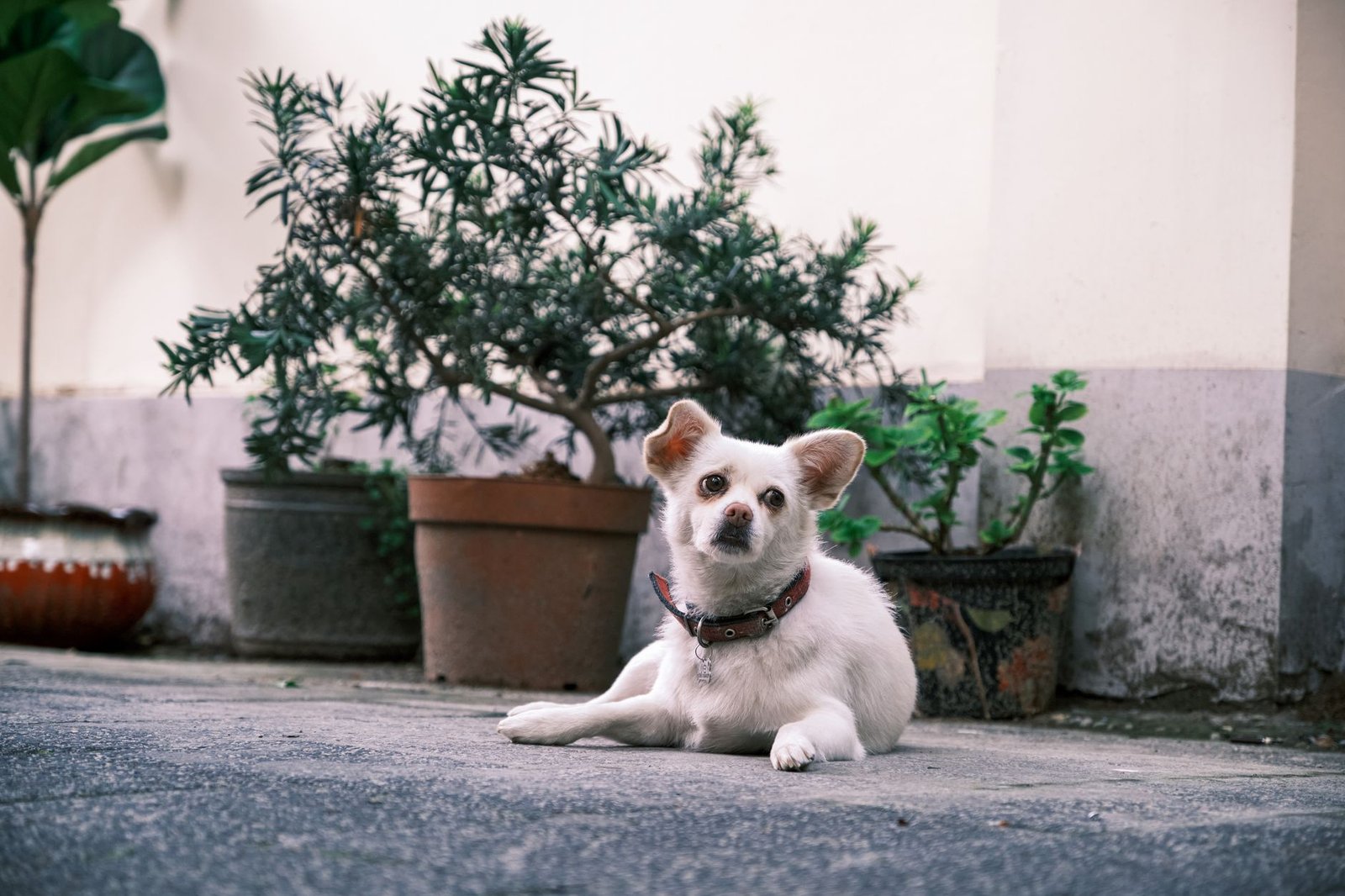
Apartment living and dogs go together just fine. The trick is picking a dog who’s happy with less space and doesn’t make your neighbors hate you.
These small dog breeds tend to do well in apartments. We’ll be honest about the downsides too, because every breed has some.
What makes a dog apartment-friendly
Size helps, but it’s not the whole story. A tiny terrier with energy to burn can be harder in a studio than a calm, larger dog.
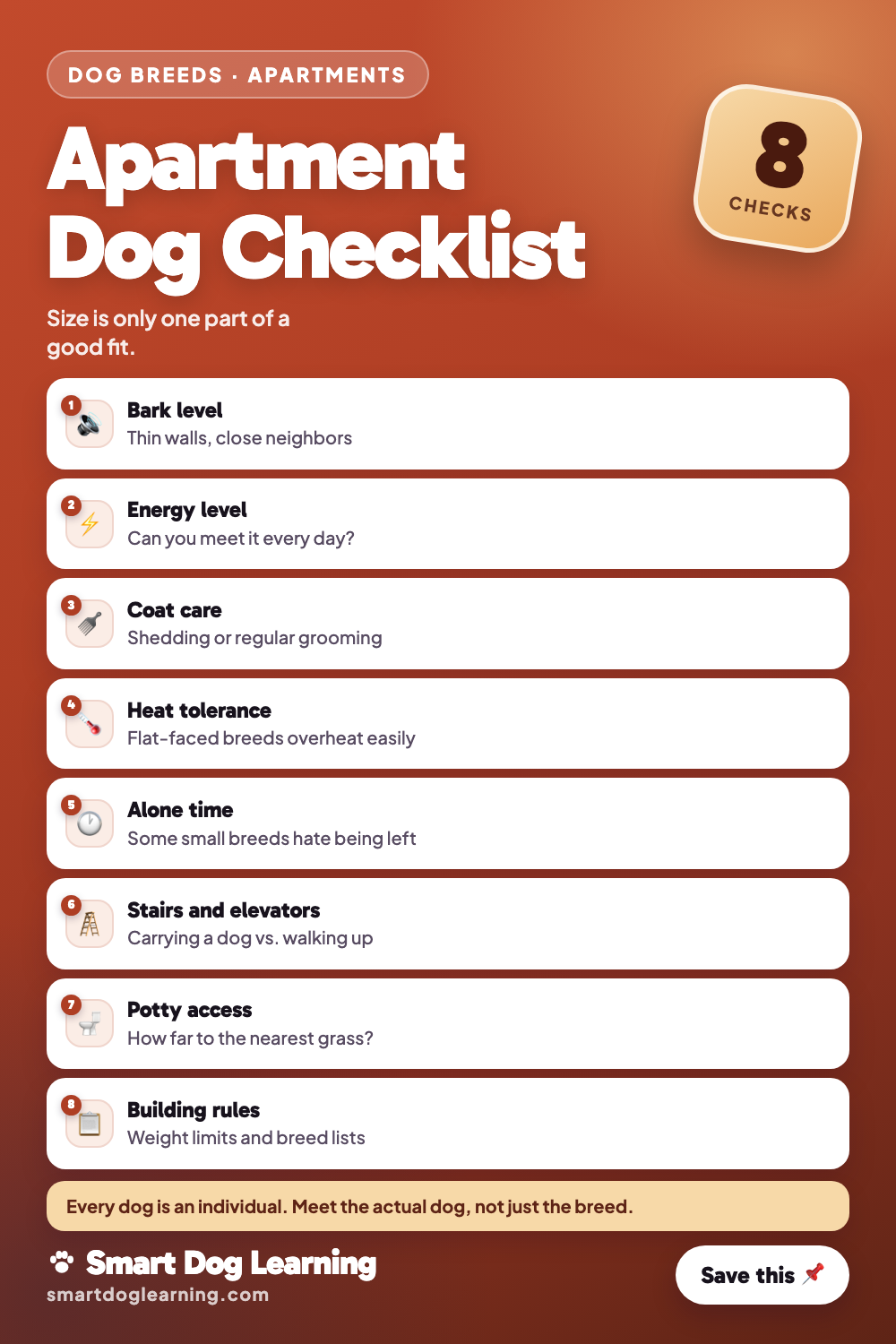
- Bark level: thin walls carry every yap.
- Energy: can you give them the exercise they need every single day?
- Coat care: shedding versus regular grooming visits.
- Heat tolerance: top-floor units get hot, and flat-faced breeds struggle.
- Alone time: some small breeds get very anxious when left.
- Stairs: a walk-up means carrying a puppy or an older dog.
- Potty access: how far is the nearest patch of grass?
- Building rules: check weight limits and breed lists before you fall in love.
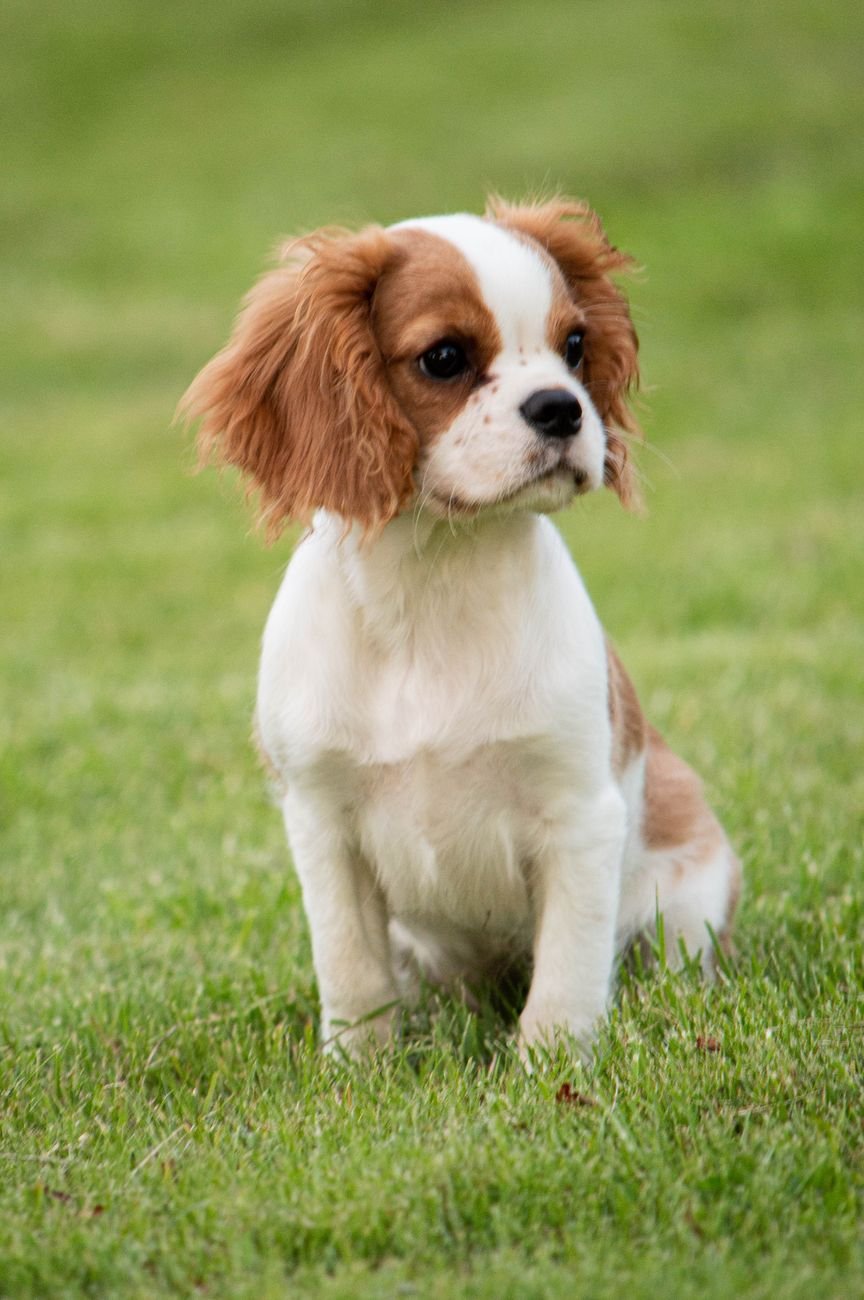
1. Cavalier King Charles Spaniel
Sweet, gentle and happy to nap on the sofa after a walk. Cavaliers usually weigh about 13 to 18 pounds and get along with almost everyone.
- Good: quiet, adaptable, great with kids and other pets.
- Watch for: they don’t like being alone, and the breed is prone to heart disease. Choose a breeder who health-tests.
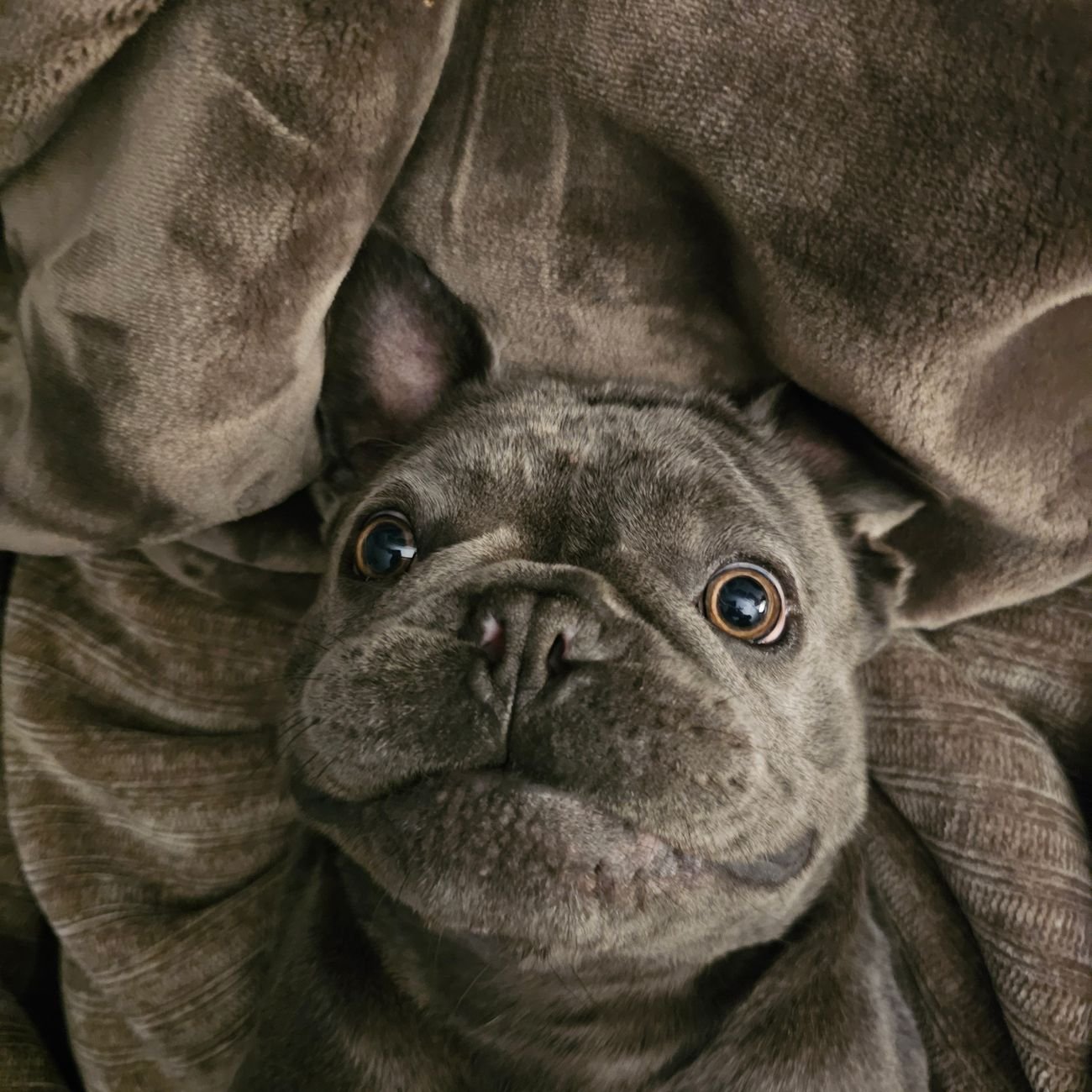
2. French Bulldog
Frenchies are funny, low-energy and rarely bark much. That makes them one of the most popular city dogs around.
- Works for puppies, adults, rescues and seniors
- One page per problem, step by step
- Printable PDF, free
- Good: short walks are enough, and the short coat is easy.
- Watch for: breathing problems and overheating. No long walks in summer heat, and AC is a must.
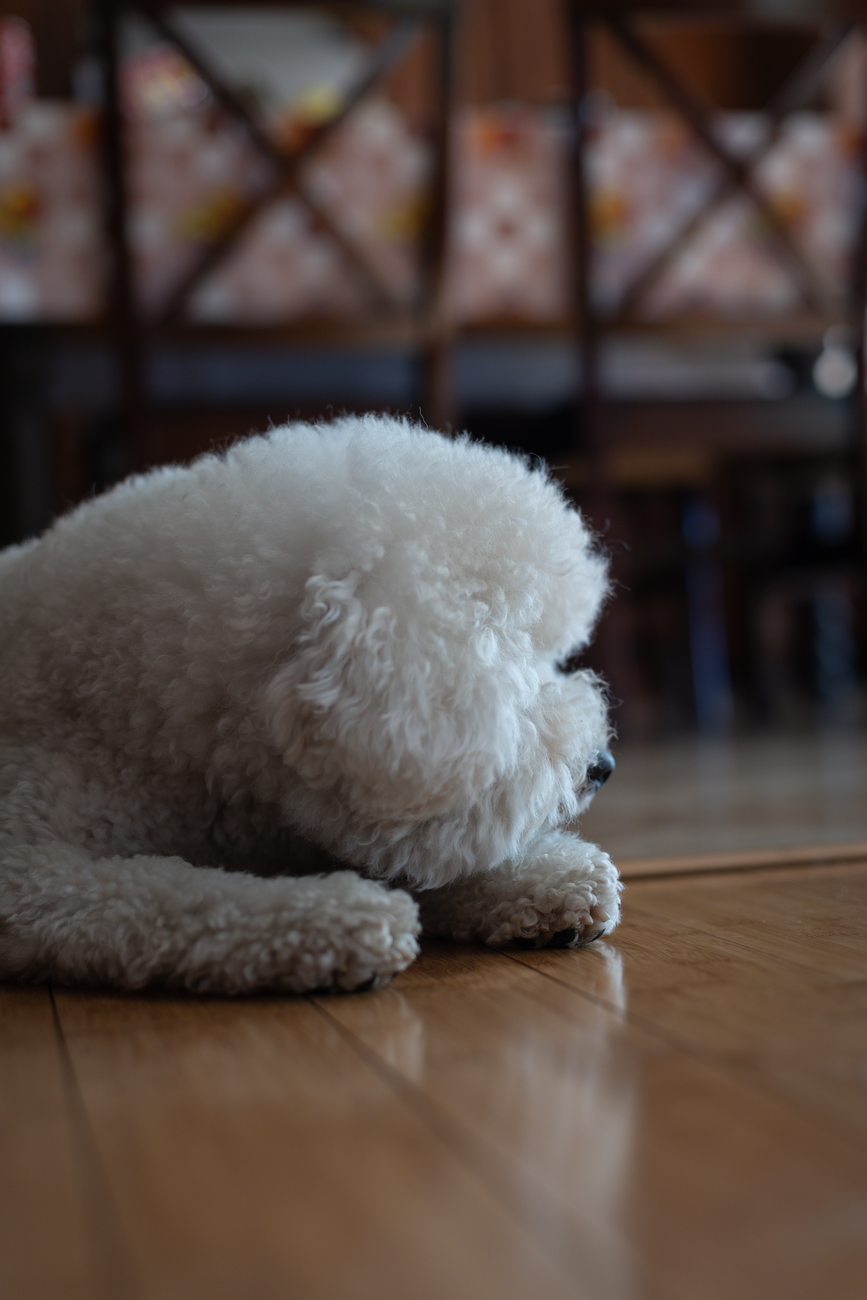
3. Bichon Frise
A cheerful little cotton ball, usually around 12 to 18 pounds. Bichons shed very little.
- Good: friendly, playful and easy to train with treats.
- Watch for: the coat needs professional grooming every 4 to 6 weeks, and they can be slow to house-train.
4. Havanese
Havanese are outgoing, smart and tend to be quieter than many toy breeds. Most weigh 7 to 13 pounds and love to follow you from room to room.
- Good: adaptable, affectionate and fun to teach tricks.
- Watch for: they bond hard and can struggle with long days alone.
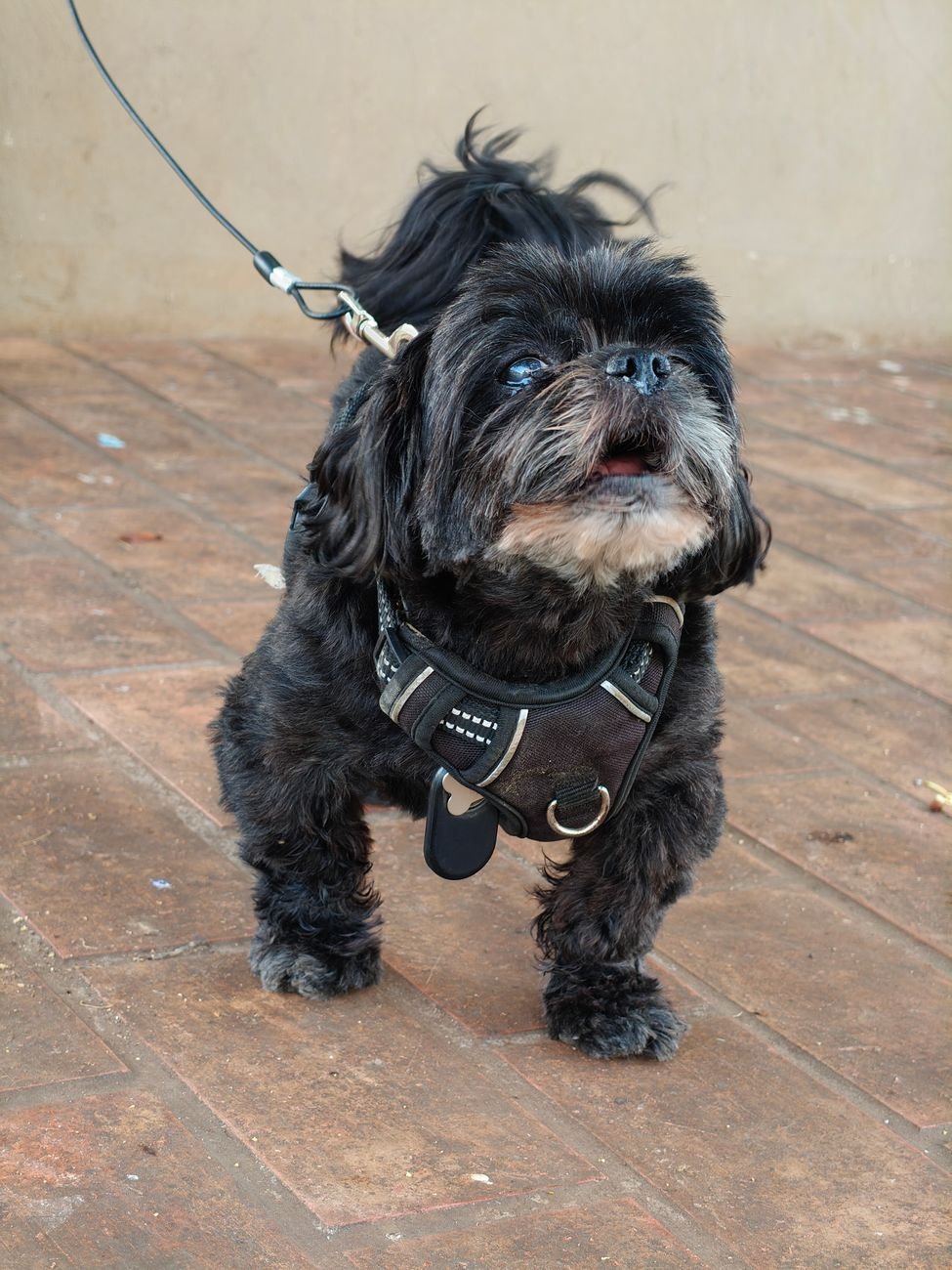
5. Shih Tzu
Bred to be a companion, and it shows. Shih Tzus are calm indoors and happy with a couple of short walks.
- Good: relaxed, friendly, not big barkers.
- Watch for: daily brushing (or a short clip) and a flat face that doesn’t love heat.
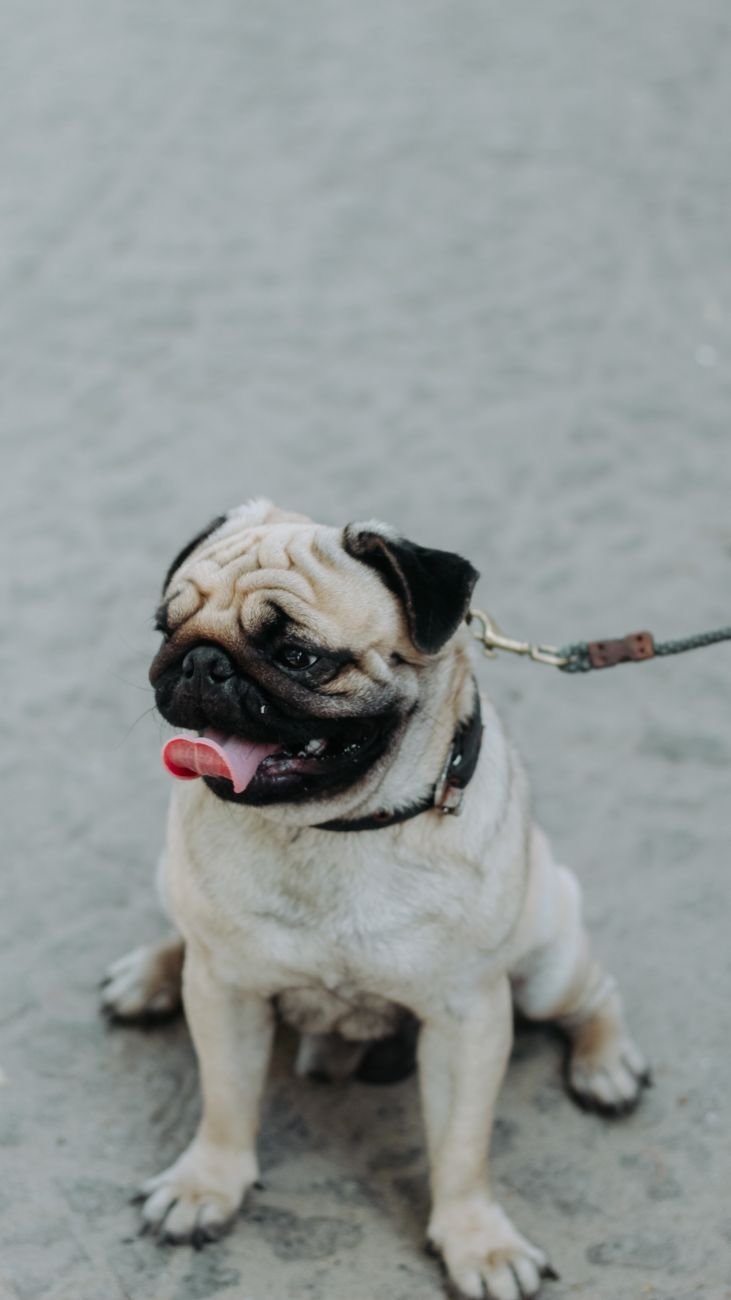
6. Pug
Pugs are clowns who want to be wherever you are. They don’t need much space or exercise.
- Good: easygoing and usually quiet.
- Watch for: breathing issues, heat sensitivity and a love of food. Pugs gain weight easily.
7. Boston Terrier
Lively but polite, with a tuxedo coat that needs almost no grooming. Bostons range from about 12 to 25 pounds.
- Good: friendly, trainable and not usually barky.
- Watch for: more energy than a Frenchie, and the same short-nose heat issues.
8. Maltese
Under 7 pounds of fluff and charm. Maltese are easy to carry up stairs and fit anywhere.
- Good: low-shedding and very affectionate.
- Watch for: they can be barky without training, and they’re delicate around small kids.
9. Toy or Miniature Poodle
Poodles are some of the smartest dogs out there, in a small, low-shedding package. Toys are usually 4 to 6 pounds, and minis about 10 to 15.
- Good: very trainable and tidy.
- Watch for: a busy brain that needs games and training, plus regular grooming.
10. Chihuahua
The tiniest option on the list, often under 6 pounds. One short walk and a lap are enough for most.
- Good: very little space, very little food, lots of personality.
- Watch for: barking at every noise, getting cold easily, and dental problems. Early socialization helps a lot.
Small breeds that can be a harder fit
Small doesn’t always mean easy. These are wonderful dogs, but they often need more than a busy apartment owner expects.
- Jack Russell Terrier: tiny body, huge energy. They need a lot of running and a job to do.
- Beagle: friendly, but many howl and bay, and that sound carries through walls.
- Dachshund: brave and loud for their size, and long backs don’t love lots of stairs.
- Miniature Schnauzer: smart and lovable, but often an enthusiastic watchdog.
Can they live in an apartment? Absolutely, with an owner who’s ready for the walks, the training and the noise.
Don’t forget mixed breeds
Shelters and rescues are full of small mixed-breed dogs who’d love an apartment.
- An adult rescue’s personality is already known. You can see if they’re calm or barky before you commit.
- Ask the foster how the dog handles being alone, stairs and noise.
- Many rescues will match you with a dog that fits your space.
Make apartment life work
Whatever breed you choose, a few habits make apartment life easier for everyone.
- Walk at least twice a day, plus quick potty breaks.
- Use puzzle feeders and sniff games to tire out a busy mind.
- Practice alone time in short steps, starting with a few minutes.
- Teach a “quiet” cue early and reward calm behavior.
- Add rugs to cut down noise for the neighbors below.
New to dogs? Our dog training tips for new owners cover the basics, and the new puppy checklist helps you get ready.
Common questions
What is the quietest small dog breed for an apartment?
Cavaliers, French Bulldogs, Shih Tzus and Pugs tend to bark less than most. Individual dogs vary, so meet the dog first.
What small dog is best for first-time owners?
Cavaliers, Bichons and Havanese are friendly and easy to train. All need daily walks and some grooming.
Which small dogs don’t shed much?
Bichons, Maltese, Havanese, Shih Tzus and Poodles shed very little. No dog is truly allergy-free, though.
Can a small dog be left alone while I work?
Some can manage a few hours, but most dogs shouldn’t be alone all day. A midday walker or doggy daycare helps.
Are small dogs easier to train?
Not always. Small dogs learn just as well, but people often skip training because they’re small. Train them like a big dog.


Leave a Reply