

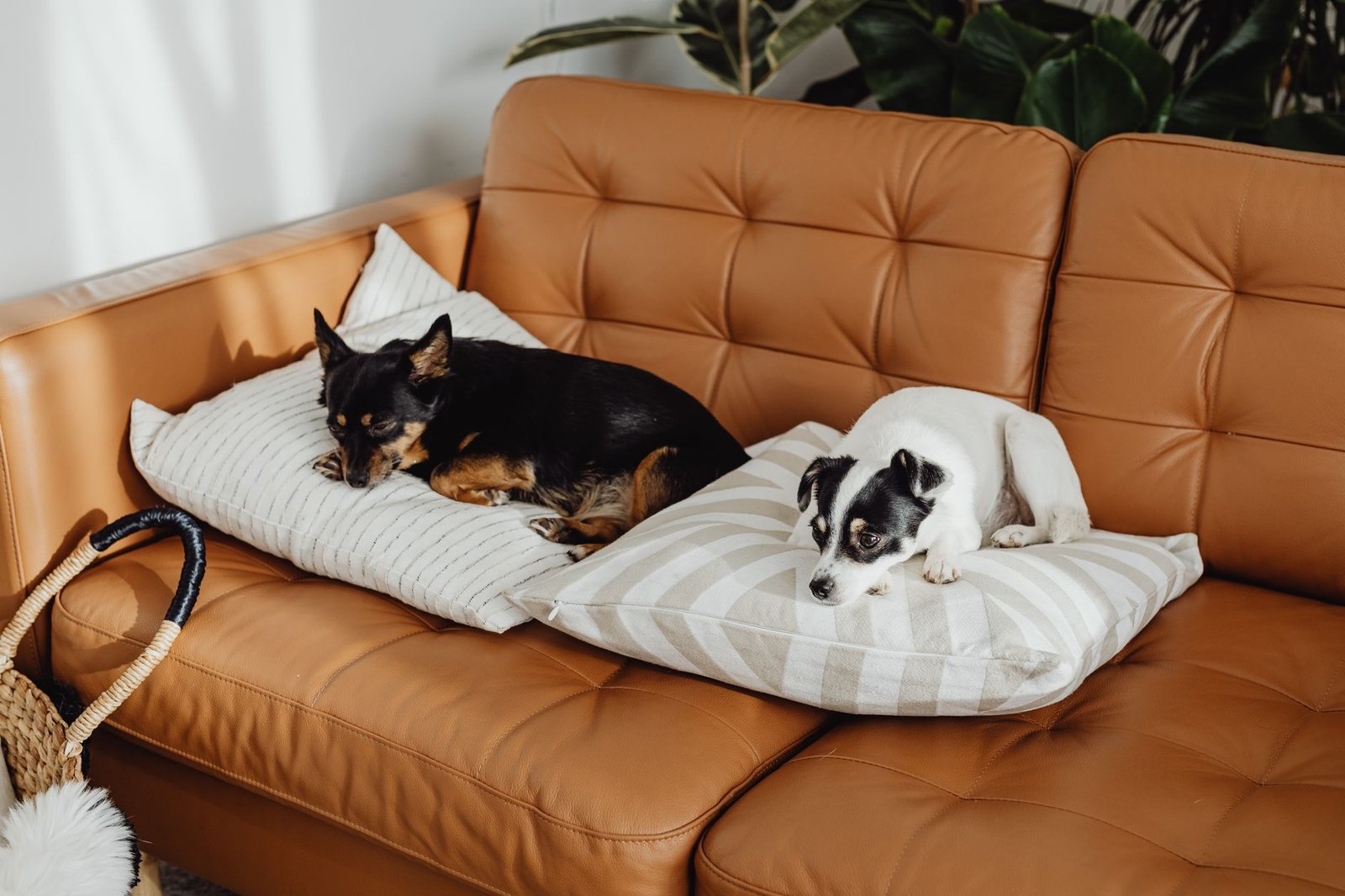
Love the dog. Love the cat. Don’t love the fur on the couch, the black pants and every corner of the rug.
Good news: pet hair removal gets a lot easier with the right tool for each surface. Here are 12 tricks that actually work, sorted by where the fur ends up.
Why pet hair is so hard to remove
Pet hair clings for two reasons. Static holds it to fabric, and the tiny scales on each hair hook into fibers.
- Friction from rubber breaks that grip.
- A little moisture cuts the static.
- Slow, overlapping passes pick up what fast ones miss.
Most of the tricks below use one of these three ideas.
Furniture and upholstery
The couch is ground zero in most pet homes. Start here, and do a quick pass a few times a week so the fur never gets matted into the fabric.
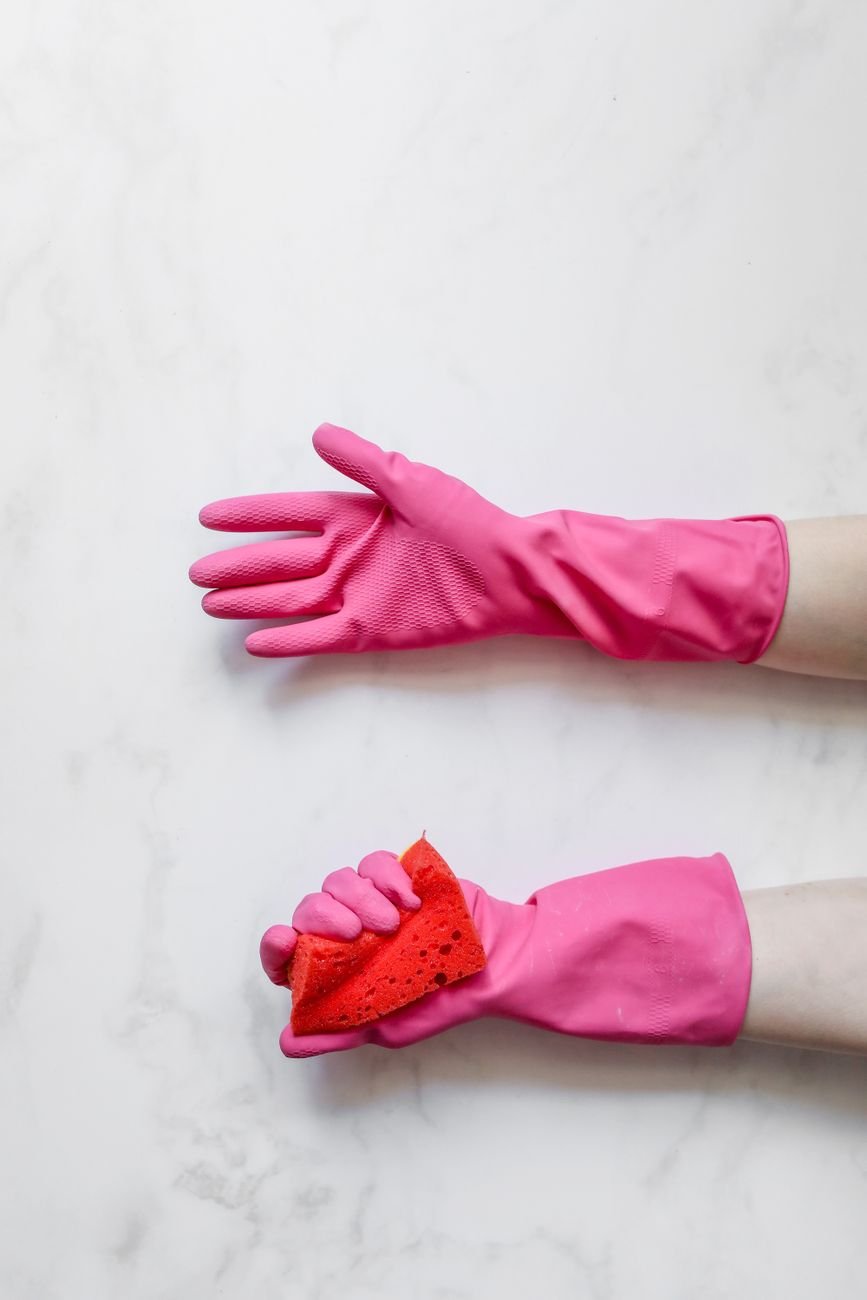
1. The damp rubber glove
Put on a rubber dish glove, dampen it lightly and wipe the cushion in one direction. The hair rolls into clumps you can pick off. It’s cheap and weirdly satisfying.
2. A pet hair stone or rubber brush
These rough, porous tools grab fur from upholstery and car seats. Test a hidden spot first, since they can pill delicate fabrics like velvet.

- A never-mix chart: the cleaner combinations that make toxic fumes
- A surface guide: what not to use on stone, wood, cast iron and more
- 5 starter cleaners and a shopping list
3. Slow vacuum passes
Use the upholstery tool or a motorized pet tool. Go slowly in overlapping rows, and get into the creases where hair hides.
4. Washable throws on favorite spots
If your pet has a spot, cover it. A washable blanket catches most of the fur, and you just toss it in the laundry.
Clothes
Fur on your clothes is the part everyone else notices. These two fix it.
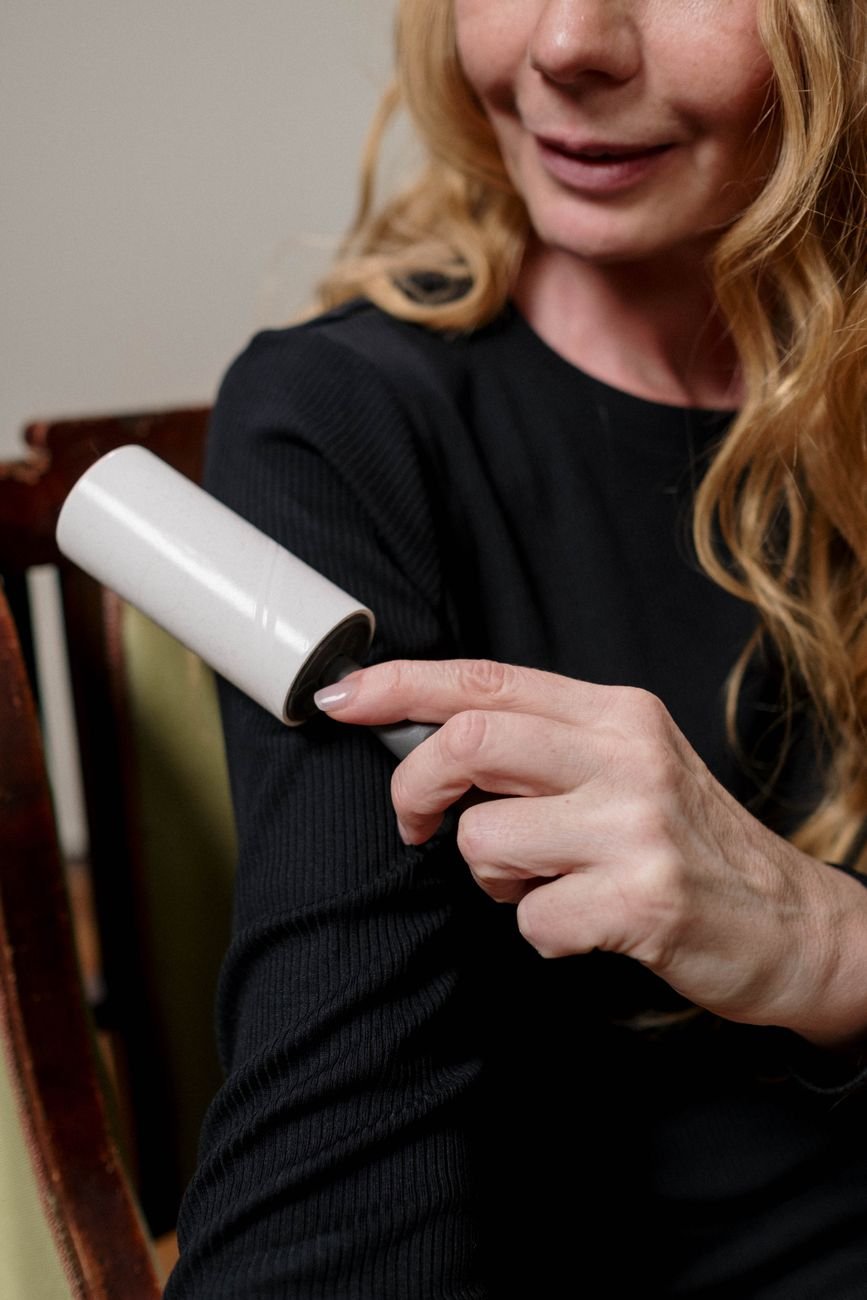
5. A lint roller (or packing tape)
Keep a lint roller by the front door and one in the car. Out of sheets? Wrap packing tape around your hand, sticky side out, and pat.
6. Lightly mist, then wipe
For stubborn hair on a sweater or chair, mist the fabric lightly with plain water from a spray bottle. Then wipe with your rubber glove or a damp sponge. The water cuts the static.
Laundry
Washing a fur-covered blanket can coat everything else in the load. A little prep stops that.
7. Dryer fluff before washing
Run furry items in the dryer for about 10 minutes on a no-heat or low-heat setting before you wash them. Wool dryer balls help shake hair loose. Most of it ends up in the lint trap.
8. Clean the lint trap and drum
Empty the lint trap after every furry load. Wipe the washer drum with a damp cloth, and run an empty rinse cycle now and then to flush out leftover hair.
Carpets and rugs
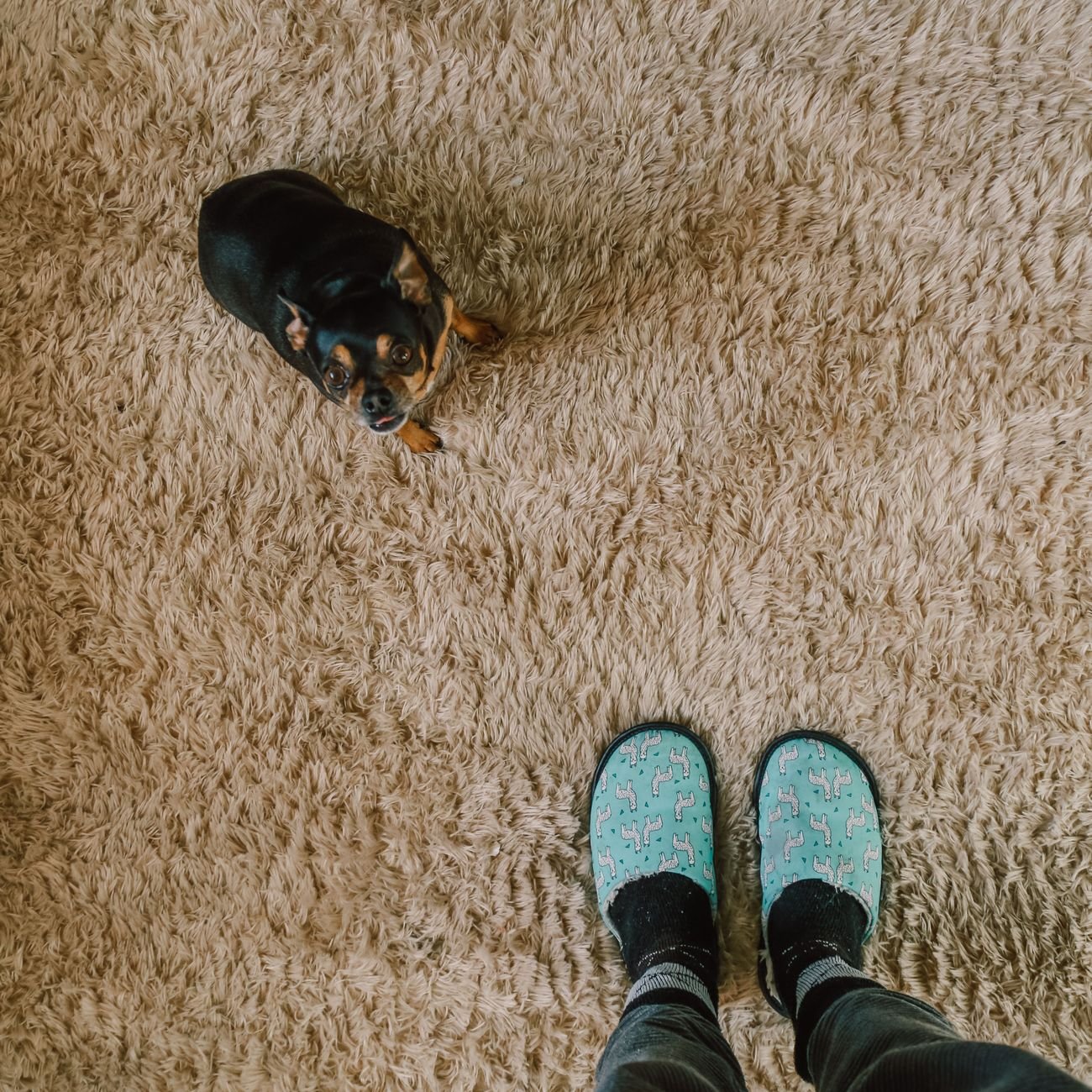
Carpet fibers trap fur deep down. Vacuums miss a lot of it, so loosen it first. Low-pile rugs are easiest, while shag and thick wool hold on to every hair.
9. A rubber broom or dry squeegee
Drag a rubber broom or a dry window squeegee across the carpet in short strokes. You’ll be shocked at how much fur piles up, even right after vacuuming. Vacuum up the piles.
10. Vacuum in two directions
Go over high-traffic areas once in rows, then again crosswise. Empty the canister or change the bag often, because a full vacuum loses suction fast. Clean the brush roll when hair wraps around it.
Stop it at the source
The best pet hair is the hair that never hits the floor. These two tricks cut down on everything above.
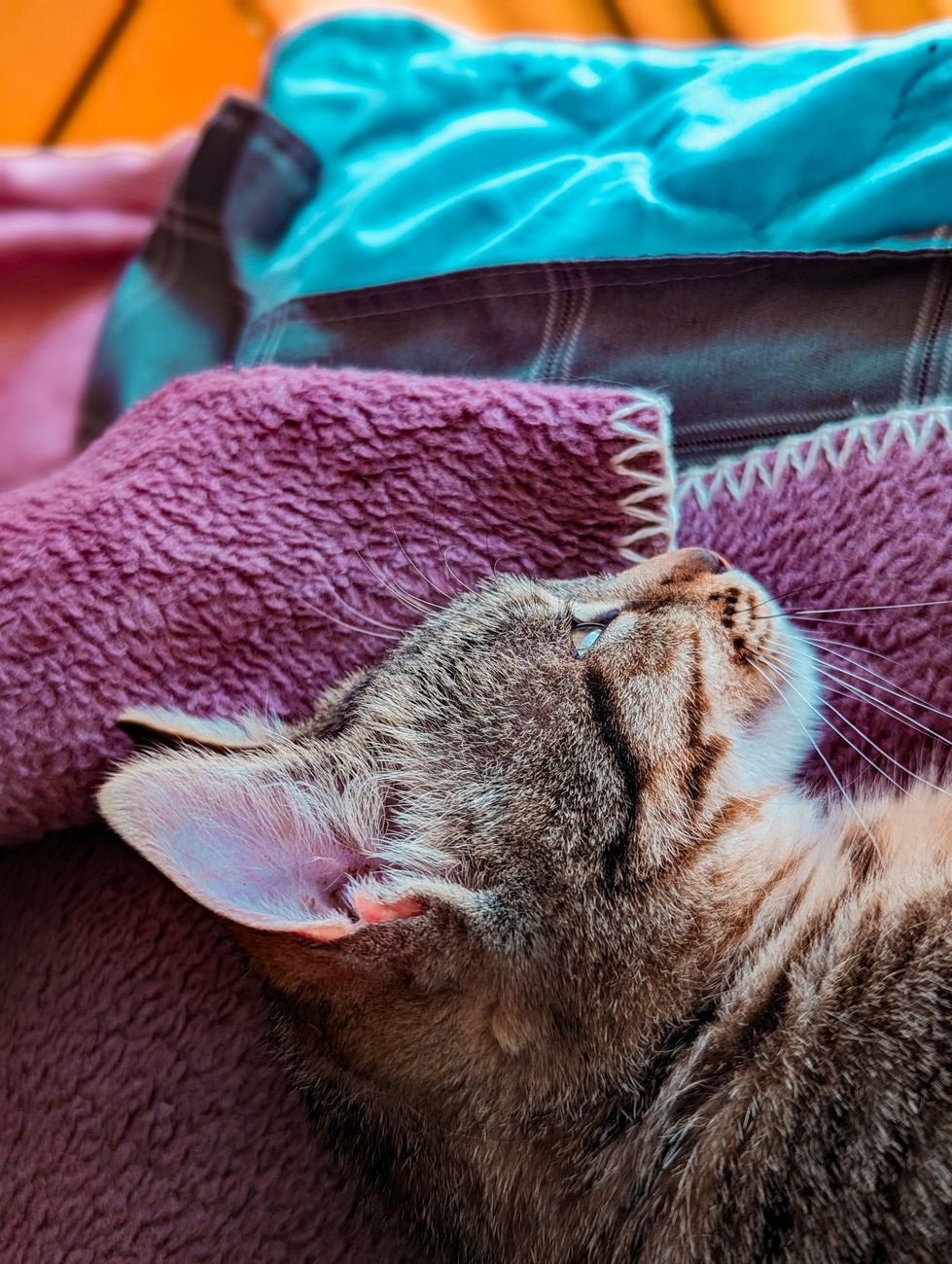
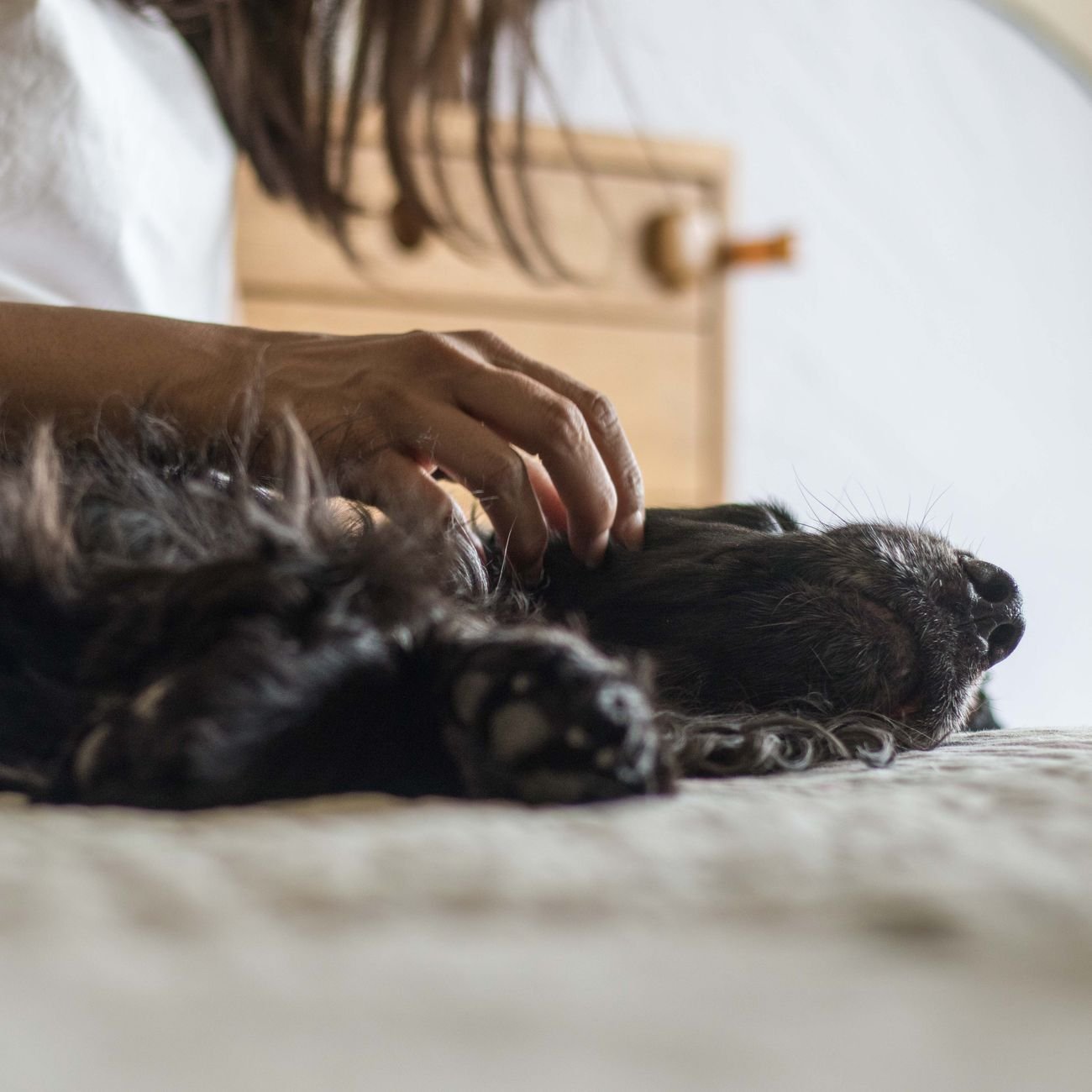
11. Brush your pet regularly, outside
Brushing pulls loose fur out before it sheds onto your stuff. Do it outdoors or on the porch when you can.
- Short coats: a rubber curry brush once or twice a week.
- Double coats: an undercoat rake or slicker brush, more often during shedding season.
- Cats: a soft brush or grooming glove, in short sessions they enjoy.
If your pet suddenly sheds a lot more than usual, or you see bald patches or itchy skin, check with your vet. Heavy shedding can have a health cause.
12. Change the HVAC filter
Your heating and cooling system pulls floating fur into the filter. Change it on schedule, or more often with heavy shedders. An air purifier in the room where your pet sleeps helps too.
Make it a routine
Pet hair never really stops. A light routine beats a big cleanup once a month.
- Daily: a quick lint roll before you leave and a fast pass on the couch.
- Twice a week: vacuum floors and furniture, and brush your pet.
- Weekly: wash throws and pet bedding.
- Monthly: rubber broom the carpets and check the HVAC filter.
Fit it into your week with this weekly cleaning schedule. And for the back seat, here’s how to get dog hair out of your car.
A few pet safety notes
Keep your helpers safe while you clean.
- Keep dryer sheets away from pets. They can upset a pet’s stomach if chewed or swallowed.
- Throw away used tape and lint roller sheets right away. Pets like to chew them.
- Pick up clumps of fur and hair wrapped around brush rolls so pets don’t eat them.
Common questions
What is the fastest way to remove pet hair from a couch?
A damp rubber glove or rubber brush, followed by a vacuum. It takes a few minutes for a whole couch.
Do dryer sheets remove pet hair?
Some people use them, but they’re risky if a pet chews one. Wool dryer balls and a quick tumble before washing work well without that worry.
How do I get pet hair out of a rug without a vacuum?
Use a rubber broom or a dry squeegee to rake the fur into piles, then pick it up by hand or with a damp cloth.
What fabrics resist pet hair best?
Tightly woven fabrics like microfiber, canvas and leather are easiest to clean. Velvet, chenille and loose knits grab fur the most.
Will brushing really cut down on shedding?
Brushing doesn’t stop shedding, but it catches loose fur before it lands on your floor and furniture. You’ll notice the difference within a week or two.



Leave a Reply