5 Cleaning Hacks Tips And Tricks That Actually Work
Tired of scrubbing like a Victorian chimney sweep and seeing zero results? Same. These are the shortcuts I actually use when I want my place to look spotless without devoting an entire Saturday to it. We’re talking legit hacks—no witchcraft, no 27-step routines. Just simple moves that punch above their weight.
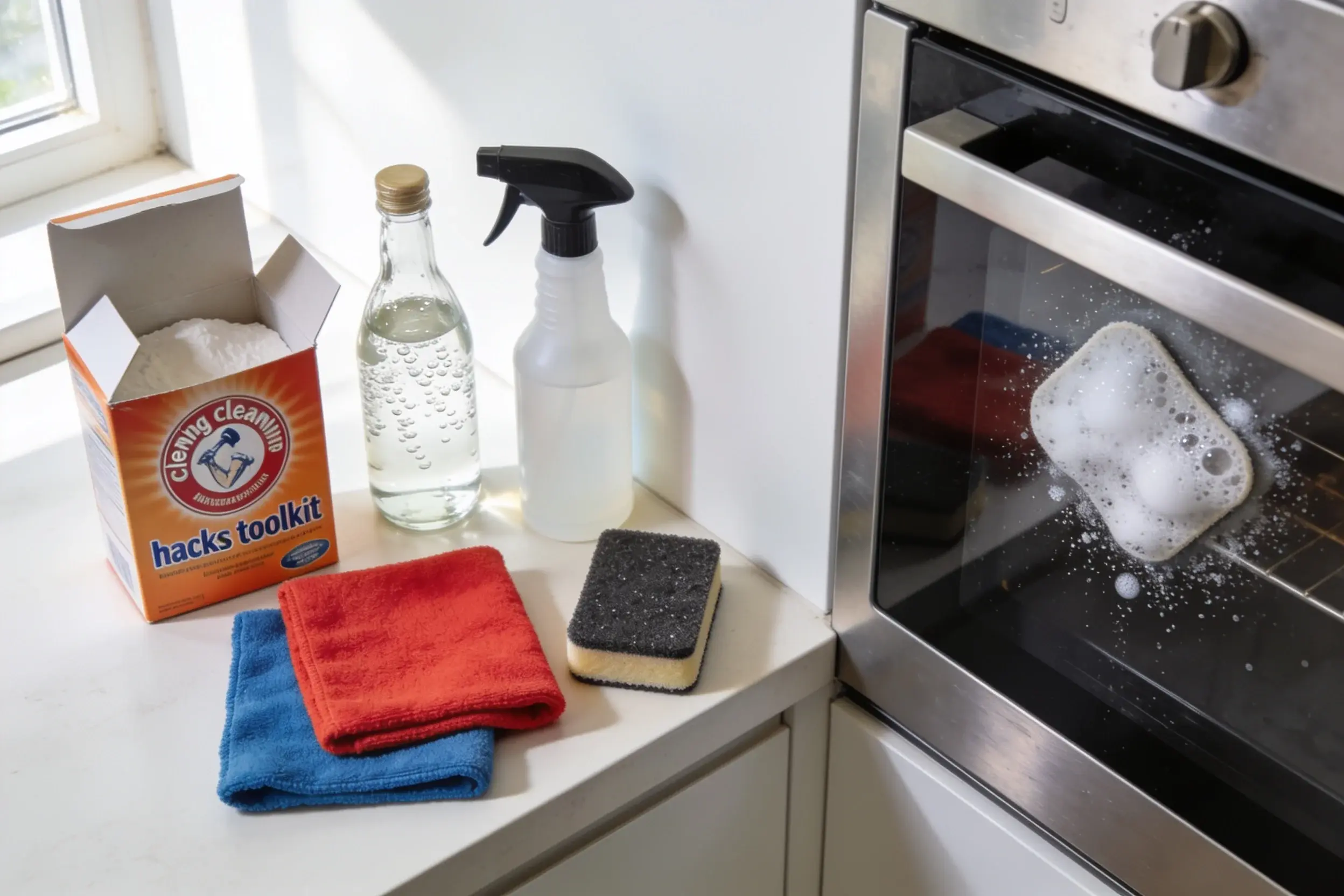
The One-Two Punch: Baking Soda + Vinegar (But Use It Right)
You’ve heard of this combo, but most people misuse it. Don’t just mix them in a bowl and watch the fizz show. That neutralizes them and does… basically nothing.
How To Use It For Stains And Grime
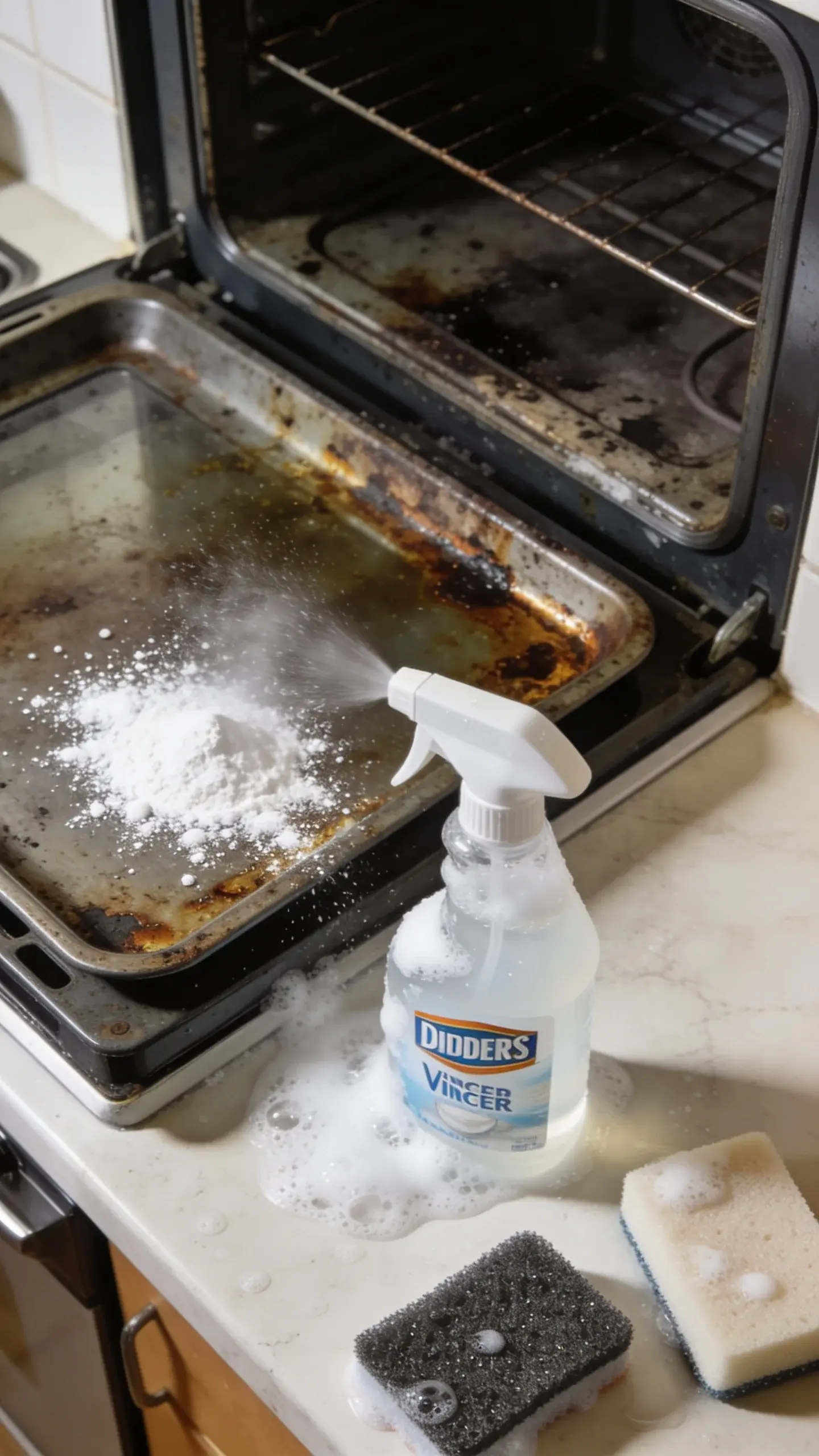
- Ovens and cookware: Sprinkle baking soda on gunky spots, mist with vinegar, and let it foam for 10 minutes. Scrub with a non-scratch pad. Rinse. Boom—baked-on crud, gone.
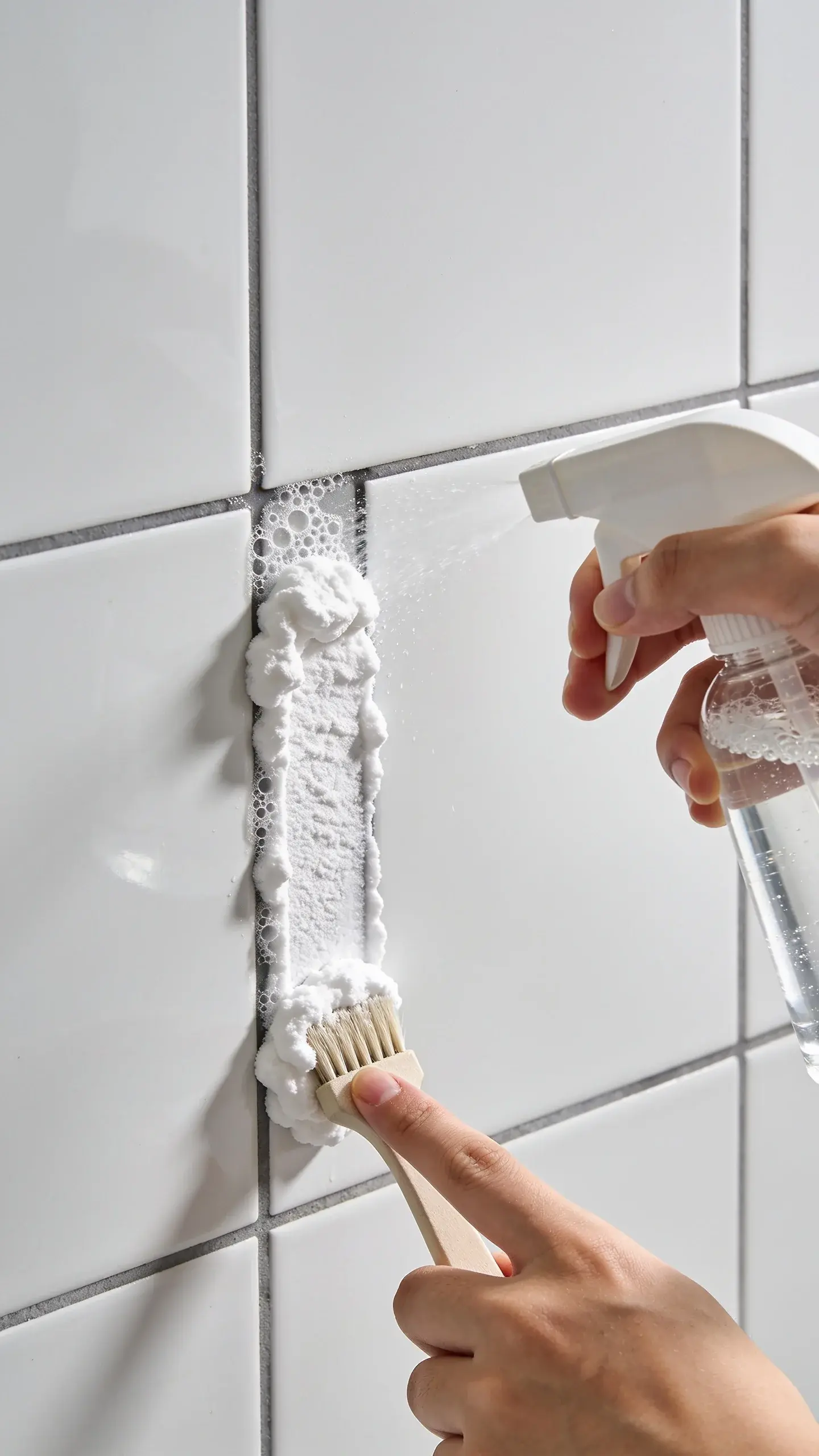
- Shower grout: Make a paste with baking soda and a splash of water. Rub into grout lines. Spray with vinegar, let it fizz for 5 minutes, then brush and rinse.
- Drain refresh (not unclogging): Pour 1/2 cup baking soda followed by 1 cup hot vinegar. Wait 10 minutes, then flush with boiling water. It cuts stink, FYI—not a miracle for full clogs.
Pro tip: Rinse surfaces well after. Vinegar can dull natural stone, so skip it on marble, granite, or travertine.
Microfiber Cloths: The Secret Weapon You’re Probably Underusing
Paper towels? Money bonfire. Microfiber traps dust and oils like a magnet. It cleans with just water—wild, right?
Set Up A Simple System
- Color-code: One color for kitchen, another for bathroom, a third for glass. No cross-contamination nightmares.
- Two-towel method: One damp for cleaning, one dry for buffing to a streak-free finish.
- Wash rules: Cold water, no fabric softener (it clogs fibers), low heat dry. Your cloths will last ages.
Use cases that slap: Stainless steel, mirrors, TV screens, dusty blinds, and car interiors. IMO, if you only change one habit, make it this.
Dishwasher: Not Just For Dishes
Your dishwasher doubles as a mini sanitizing robot. Let it do the boring stuff while you pretend you’re productive.
What You Can Safely Toss In
- Range hood filters: Top rack, hot cycle, grease-be-gone.
- Fridge shelves and bins: Let glass warm to room temp first to avoid shattering. Then run a gentle cycle.
- Kids’ plastic toys and pet bowls: Top rack, no heated dry for fragile items.
- Toothbrush holders, soap dishes, sink strainers: They get gross. The dishwasher fixes that.
Avoid: Wood, cast iron, carbon steel knives, nonstick pans, and anything labeled hand-wash only.
The 10-Minute Power Clean Routine (It Actually Works)
When guests text “On our way!” and your place looks like a raccoon Airbnb, use this sprint. Set a timer. No detours.
- Clear surfaces fast: Grab a laundry basket and sweep clutter off counters and tables. Hide it. We’ll deal later (maybe).
- Kitchen triage: Load the dishwasher, soak the worst pan with hot water and a splash of dish soap.
- Bathroom sparkle: Spray mirror, sink, and toilet seat with a multipurpose cleaner. Wipe with a microfiber. Drop a toilet tablet if you’ve got one.
- Floors matter most: Quick vacuum or Swiffer high-traffic zones. Crumbs make a place feel dirty even when it’s not.
- Finishing move: Light a candle, open a window for 3 minutes, fluff pillows. Instant “I totally clean every day” vibe.
FYI: This routine prioritizes what people actually notice. Is it deep cleaning? Nope. Does it trick the eye? Absolutely.
Lemon And Salt: The Dual-Action Scrub You’ll Use Everywhere
When you need abrasion plus deodorizing, lemon and salt tag-team like pros.
Where It Shines
- Wood cutting boards: Sprinkle coarse salt, cut a lemon in half, and scrub. Let sit 5 minutes, rinse, dry, and oil lightly.
- Rusty knives or tools (light rust): Lemon juice + salt paste, wait 10–15 minutes, scrub with a sponge, rinse, dry immediately.
- Sink stains: Salt for grit, lemon for brightness. Rinse well to prevent corrosion on some metals.
Caveat: Don’t use on marble or natural stone—acids etch. Also, avoid prolonged contact with carbon steel knives.
Steam: Your Zero-Chemicals MVP
If you hate fumes, steam does the heavy lifting. A basic handheld steamer breaks down grease, lifts stains, and kills bacteria.
Practical Steam Wins
- Microwave cleanup: Bowl of water + lemon slices, microwave 3 minutes, let sit 2 more, wipe away splatter.
- Shower doors and tracks: Steam softens soap scum; squeegee and finish with microfiber for a crystal-clear look.
- Fabric refresh: Steam curtains, sofas, and mattresses to reduce odors and dust mites. Test a small area first.
- Grout lines: Direct steam, then scrub with a stiff brush. Rinse. It’s weirdly satisfying.
Bonus: The “Set It And Forget It” Soak Method
Why scrub when time can do the work? Soaking loosens buildup and saves your elbows.
Best Soak Solutions
- Showerheads: Fill a bag with white vinegar, secure around the head, soak 1–2 hours, scrub lightly, run water.
- Burnt pans (stainless or enameled): Cover with hot water, add a tablespoon of baking soda, simmer 10 minutes, cool, scrape gently.
- Range grates: Seal in a trash bag with a few tablespoons of household ammonia. Ventilate well. Leave overnight, rinse thoroughly. Do not mix with other cleaners.
Safety first: Label bags, keep pets and kids far away, and never mix ammonia with bleach—ever.
FAQ
Can I mix vinegar with dish soap for a stronger cleaner?
Yes, for soap scum it’s awesome. Use a 1:1 mix of warm vinegar and dish soap in a spray bottle, shake gently, spray on glass and tile, wait 10 minutes, then rinse. Avoid natural stone. And don’t add bleach—like, never.
What’s the best way to prevent streaks on glass and mirrors?
Use a slightly damp microfiber for the first pass, then buff with a dry one. Work in overlapping S-shaped strokes from top to bottom. If you see smears, you used too much product—less is more.
How do I keep my stainless steel appliances fingerprint-free?
Wipe with a damp microfiber, then apply a tiny bit of mineral oil on a clean cloth and buff with the grain. It fills micro-scratches and repels prints. Reapply every couple weeks, IMO.
Is bleach necessary for a clean bathroom?
Not always. For everyday cleaning, a hydrogen peroxide-based cleaner or vinegar (not on stone) works fine. Use bleach for serious disinfection jobs like after illness, but ventilate and never mix it with other chemicals.
What should I absolutely not put in the dishwasher?
Skip wood, cast iron, carbon-steel knives, nonstick pans, crystal, and anything labeled hand-wash only. Dishwasher heat and detergent can warp, dull, or strip finishes. Hand wash those with mild soap and a soft sponge.
Are essential oils actually helpful in cleaning?
They smell nice and some have mild antimicrobial properties, but don’t rely on them for serious disinfection. Add a few drops to DIY cleaners for scent only. Tea tree and lemon are solid picks, FYI.
Conclusion
You don’t need a cart full of specialty cleaners to win the war on grime. Lean on a few high-impact moves—microfiber magic, steam power, set-and-forget soaks, and smart use of pantry staples. Keep it simple, work in bursts, and save your energy for literally anything more fun than scrubbing baseboards. Your future self (and your Saturday) will thank you.

I’ve spent 10+ years in dog training, digging into what makes dogs (and their humans) tick. At Smart Dog Learning, I share my no-nonsense, fun approach to training so you can enjoy life with a well-behaved, happy pup—no boring lectures, just practical results 😉