

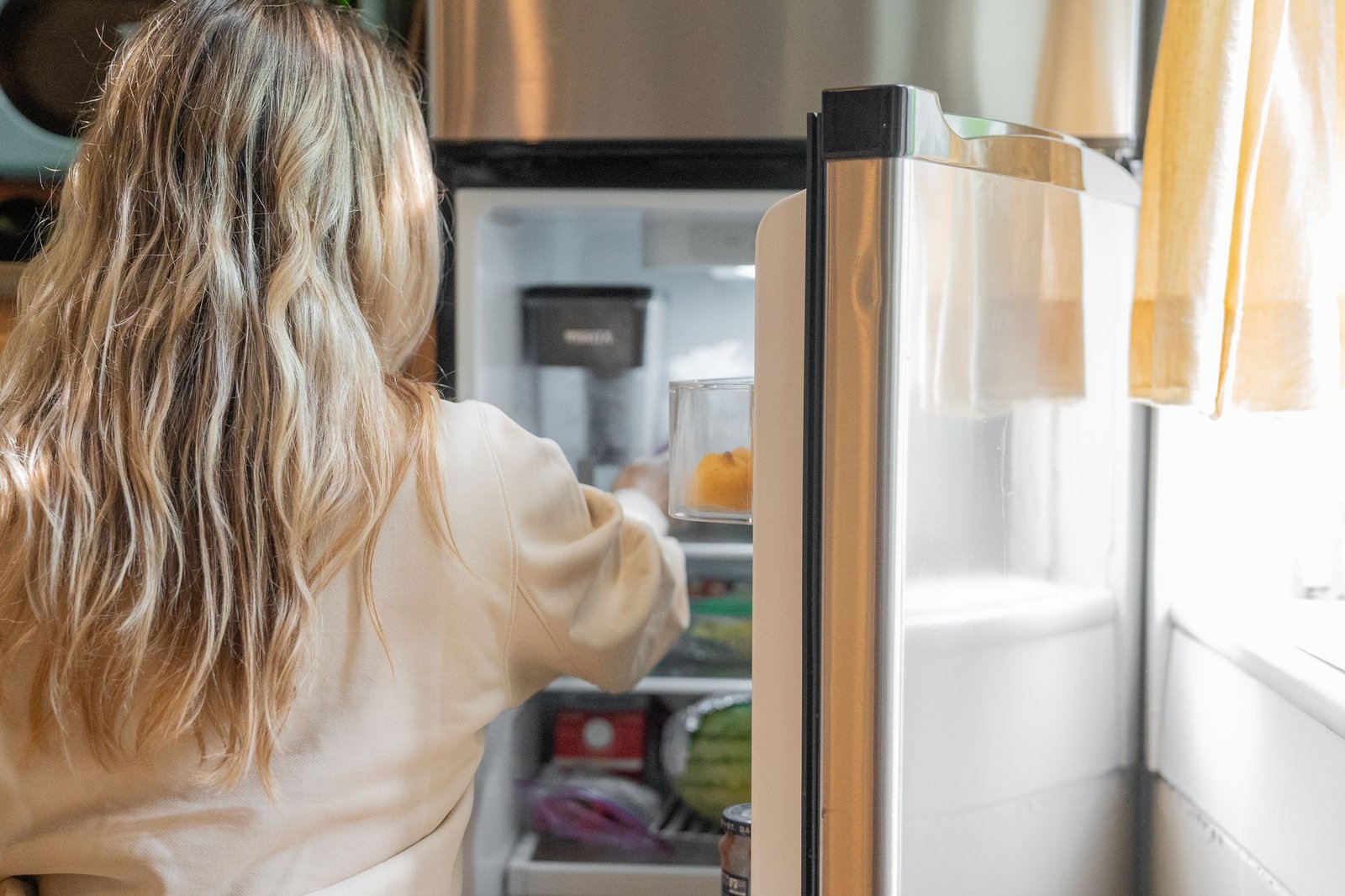
Most of us load the fridge wherever there’s a gap. Then the spinach turns to slime and the leftovers hide until they grow fur.
Good fridge organization isn’t about matching bins. It’s about putting each food where the temperature suits it, so it stays fresh longer and you actually eat it.
Start with the right temperature
None of this works if your fridge runs warm. Buy a cheap appliance thermometer and check it.
- Fridge: 40°F or below.
- Freezer: 0°F.
- Check again after a big grocery haul or a hot day.
Don’t overstuff it either. Cold air needs room to move, so a packed fridge has warm pockets.
Clean it out first
Give yourself a fresh start before you set up zones.
- Take everything out and toss anything expired or questionable.
- Wash shelves and drawers with warm soapy water and dry them.
- Wipe sticky bottles before they go back in.
Got a lingering smell? Here’s how to clean a refrigerator and get rid of bad smells.
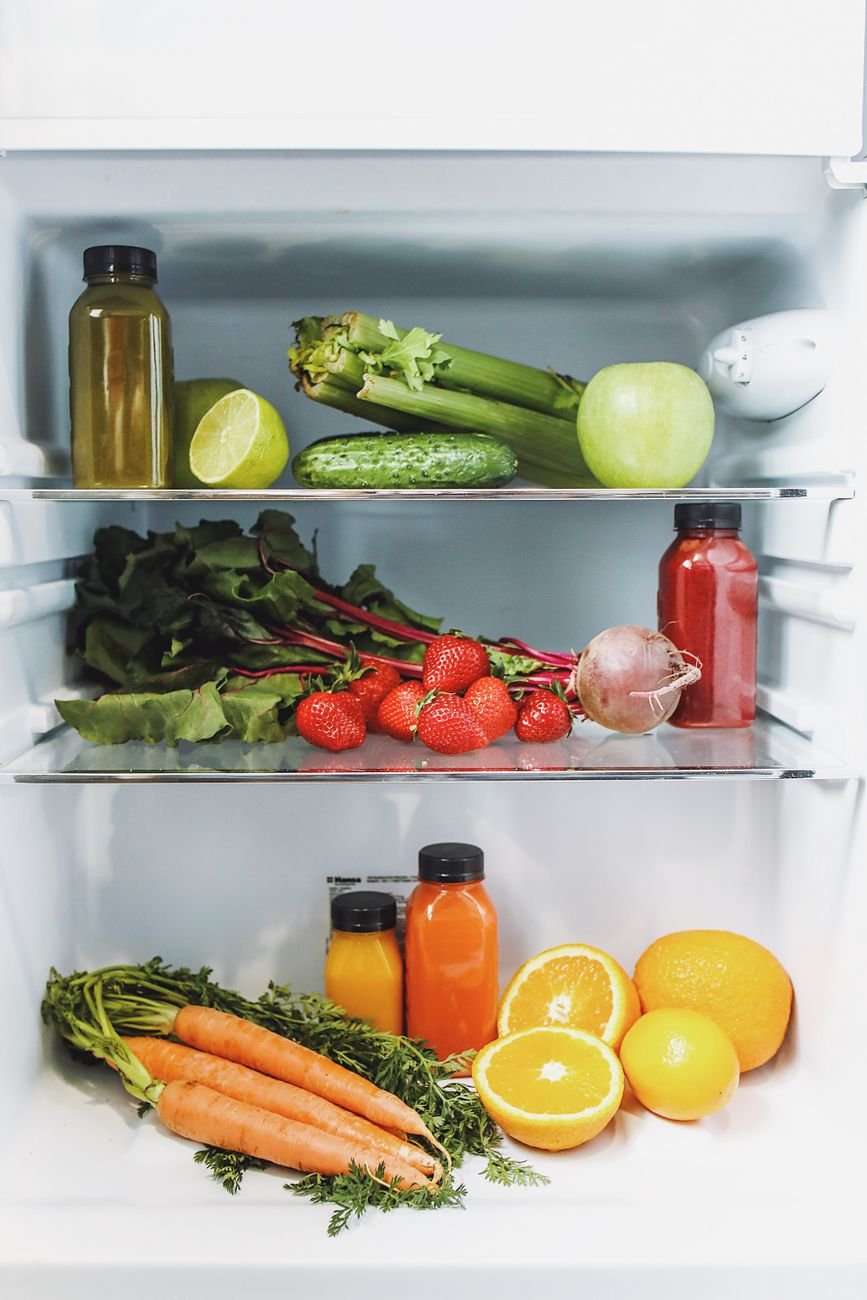
Top shelf: ready-to-eat food
The top shelves hold food that doesn’t need cooking. Keeping it up high also keeps it away from raw meat drips.
- A never-mix chart: the cleaner combinations that make toxic fumes
- A surface guide: what not to use on stone, wood, cast iron and more
- 5 starter cleaners and a shopping list
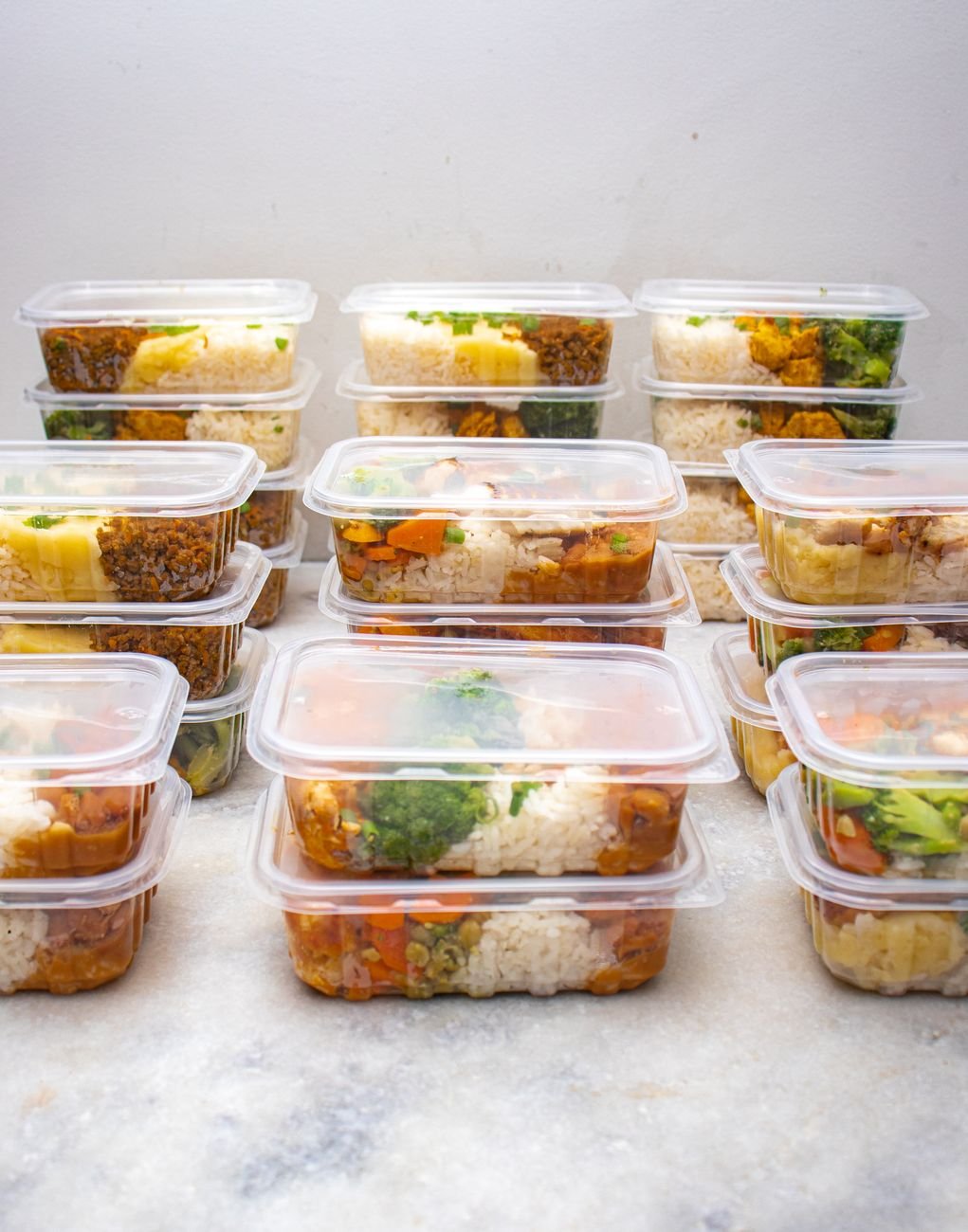
- Leftovers in clear containers
- Drinks and water pitchers
- Hummus, dips and deli items
- A “eat this first” bin for things that need using up
That last one is the single best trick in this article. When anyone opens the fridge for a snack, they see it first.
Middle shelf: dairy and eggs
The middle shelves hold a steady temperature, which suits dairy.
- Milk: here, not in the door. The door is the warmest part of the fridge.
- Eggs: in their original carton, which protects them and shows the date.
- Yogurt, cheese and sour cream: grouped together in a shallow bin.
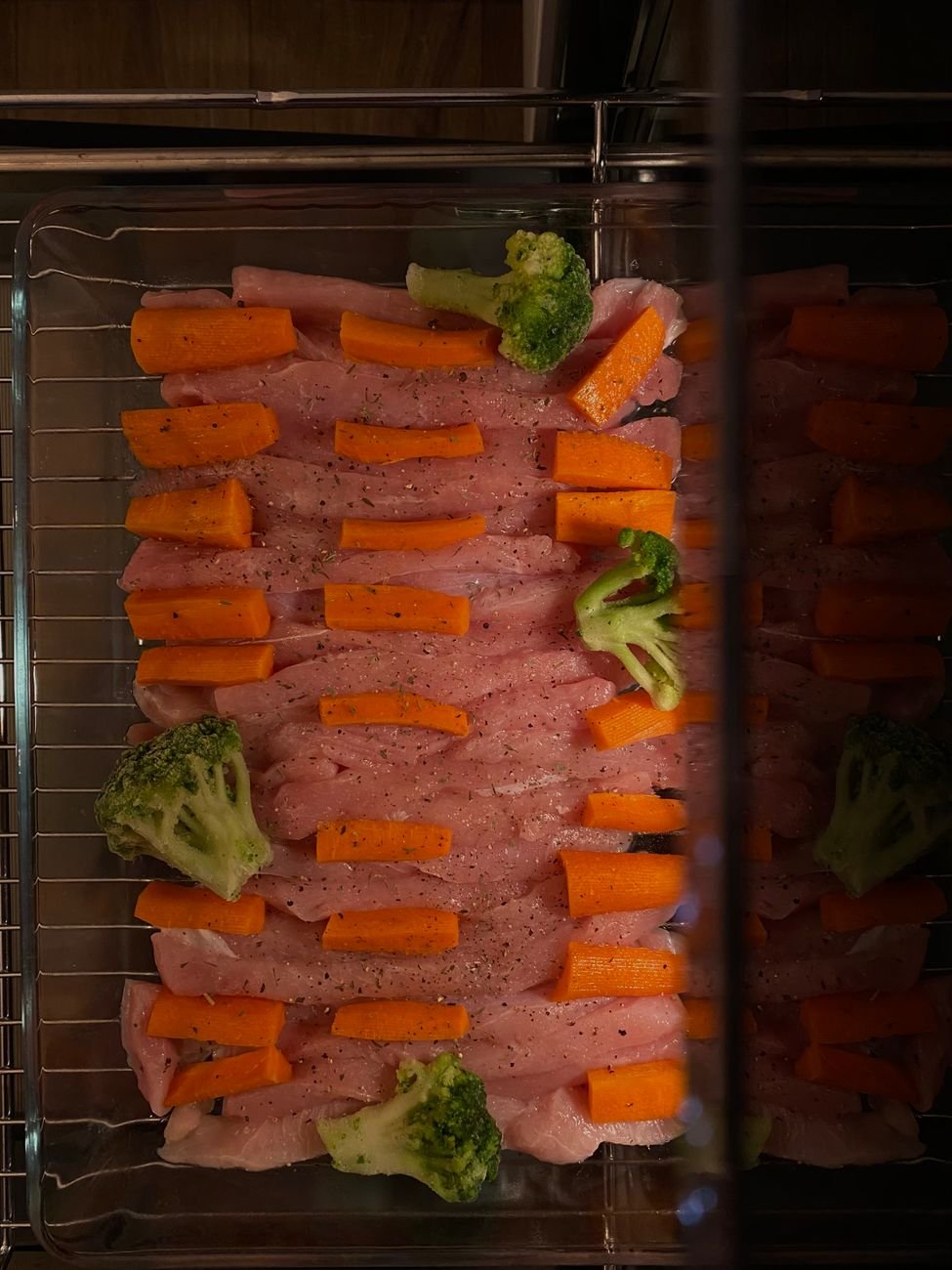
Bottom shelf: raw meat and fish
This is the coldest shelf in most fridges. It’s also the safest place for raw meat, since nothing can drip down onto it.
- Keep raw meat, poultry and fish on a rimmed tray or in a bin.
- Leave it in its packaging, or put it in a sealed container.
- Cook or freeze raw chicken and ground meat within a day or two.
Thawing something? Do it here, on a plate, never on the counter.
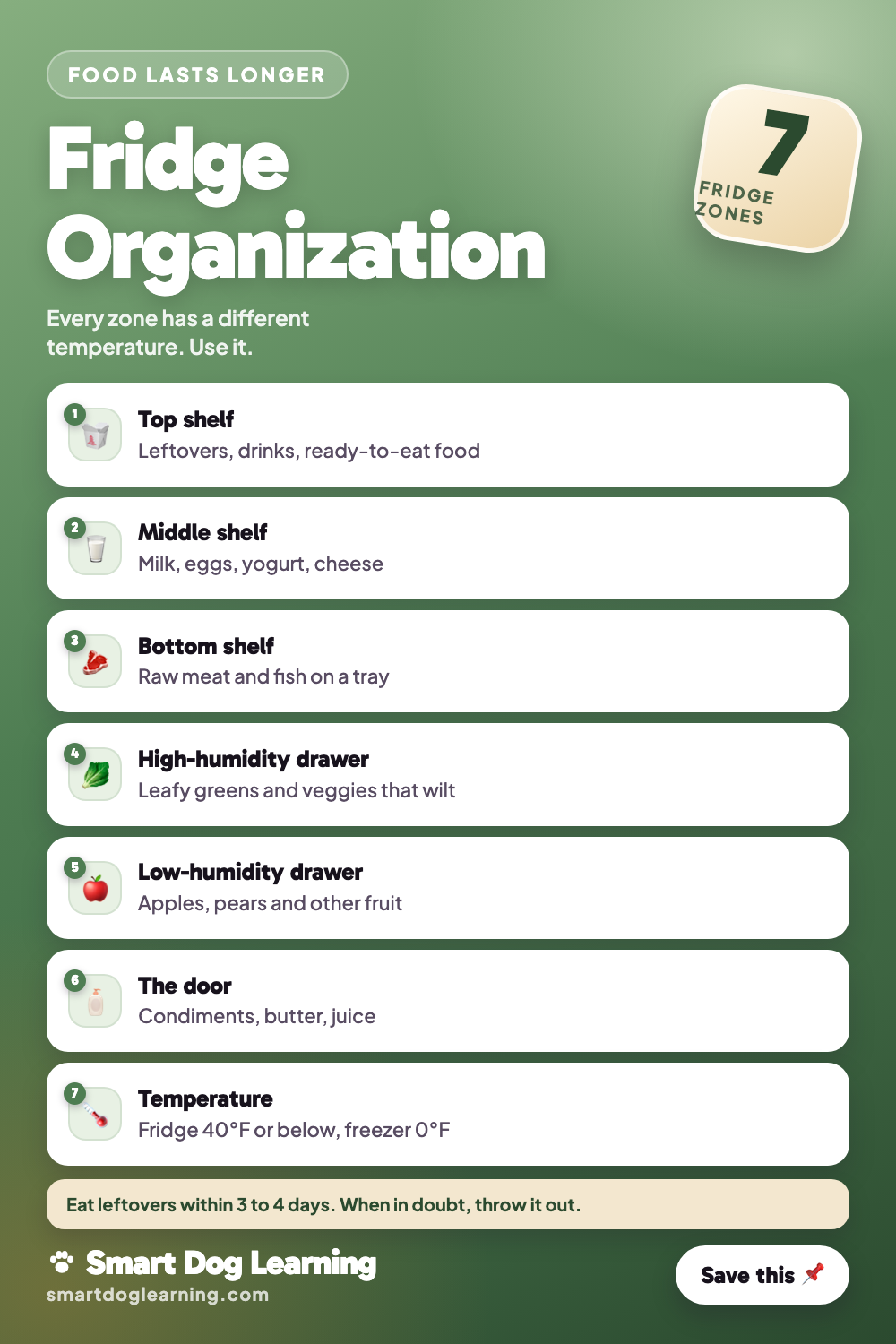
Crisper drawers: use the humidity settings
Those little sliders on your crisper drawers actually matter. Many fridges have one for each drawer.
- High humidity (vent closed): leafy greens, herbs, broccoli, carrots, cucumbers. Anything that wilts.
- Low humidity (vent open): apples, pears, grapes and other fruit that tends to rot.
Keep apples away from your greens. Apples give off ethylene gas, which makes nearby produce ripen and spoil faster.
The door: condiments only
The door swings open all day, so it gets the most temperature changes. Use it for food that can handle that.
- Ketchup, mustard, mayo and hot sauce
- Salad dressings and jams
- Butter
- Juice and soda
A small turntable on a shelf is great for the overflow of jars that won’t fit in the door.
Containers that help food last
You don’t need a full set of fridge bins. A few well-chosen ones make a big difference.
- Clear containers so you can see leftovers at a glance.
- Shallow bins to group small things like yogurt cups and cheese.
- A paper towel in your salad greens container to soak up moisture.
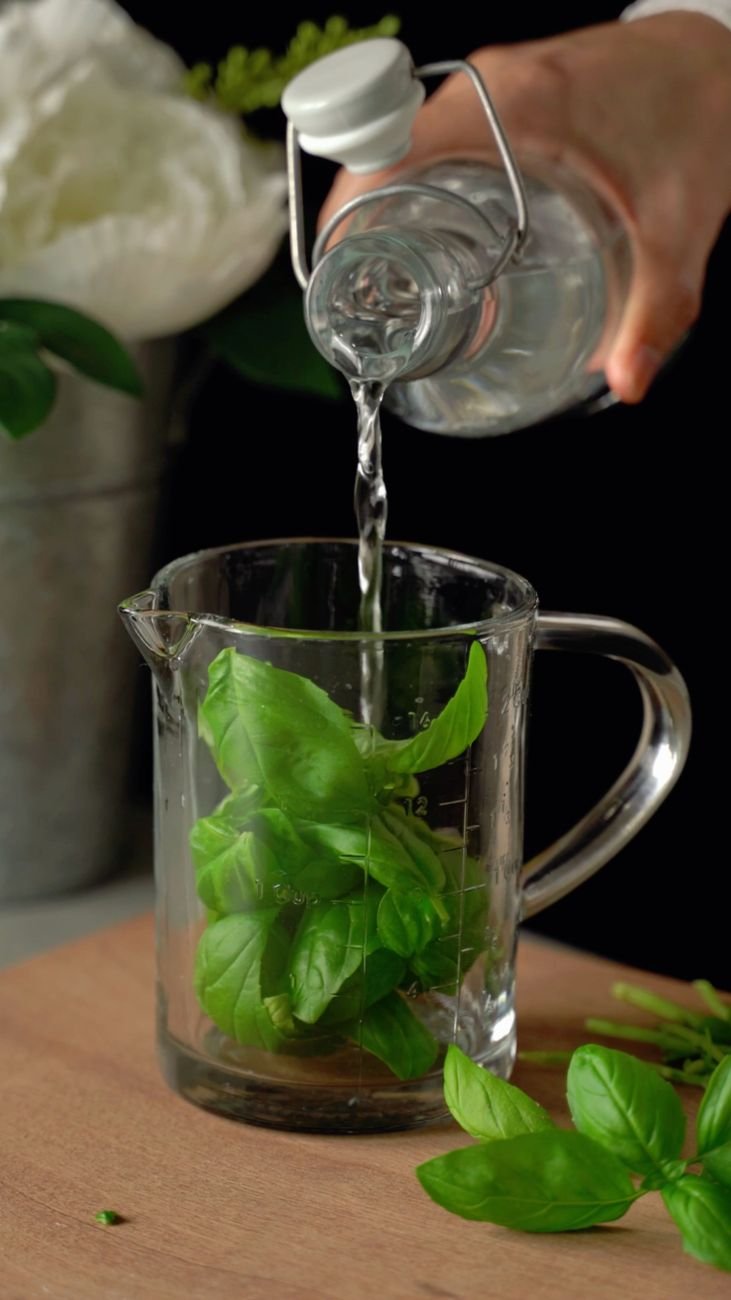
- A jar of water for parsley, cilantro and basil, like a little bouquet. Cover parsley and cilantro loosely with a bag. Basil is happier on the counter.
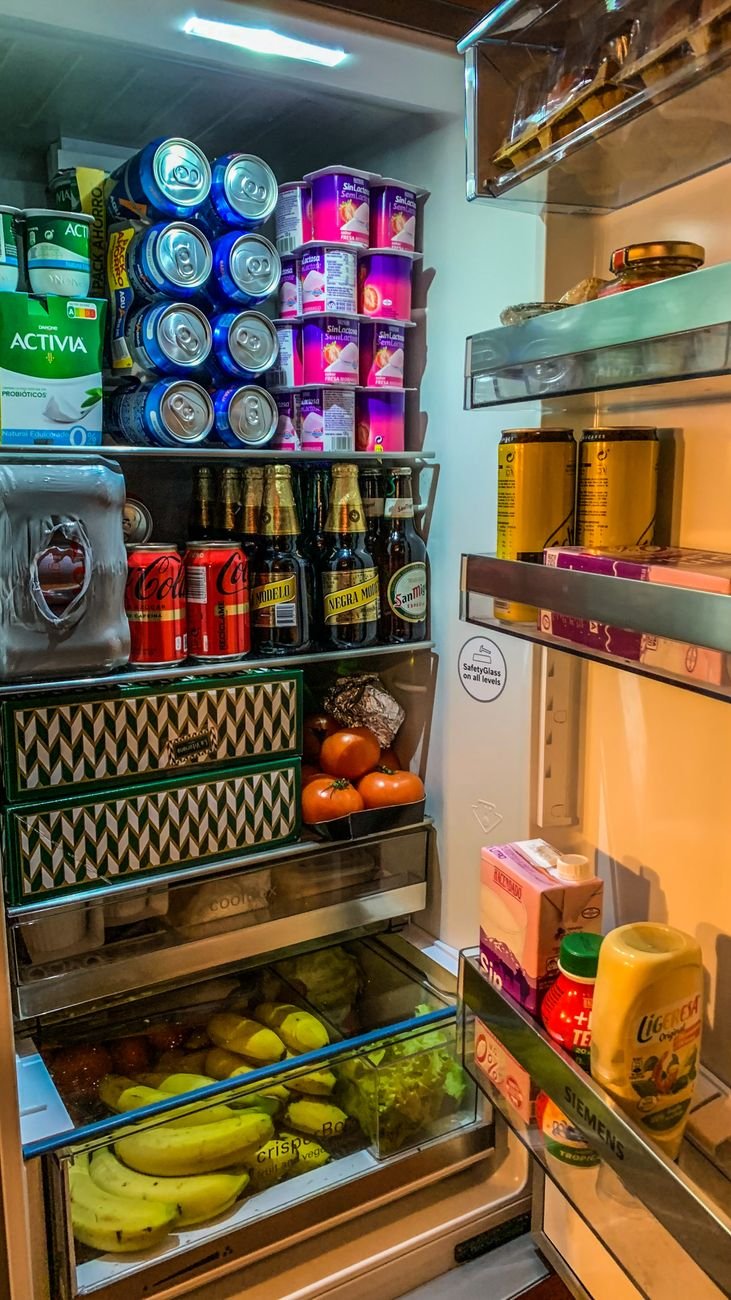
What doesn’t belong in the fridge
Some foods actually get worse in the cold.
- Tomatoes lose flavor. Keep them on the counter until ripe.
- Potatoes and onions go in a cool, dark spot, stored apart. Keep onions out of your dog’s reach, since they’re toxic to dogs.
- Bread goes stale faster. Freeze what you won’t eat in a few days.
- Bananas ripen on the counter.
Don’t forget the freezer
The freezer is where food goes to be forgotten. A little order keeps it useful.
- Freeze flat: soups, sauces and ground meat in flat bags stack like books and thaw faster.
- Use bins by category: meat, vegetables, bread, ready meals.
- Label with the date: frozen food stays safe, but quality slowly drops over the months.
- Keep a list on the door of what’s inside, and cross things off as you use them.
- Squeeze out the air before sealing to help prevent freezer burn.
A quick freezer check once a month stops you from buying a third bag of peas.
Label and date everything
Leftovers are easy to forget. A quick label solves it.
- Keep masking tape and a marker in a kitchen drawer.
- Write what it is and the date on every leftover container.
- Eat leftovers within 3 to 4 days, or freeze them.
If you have a dog, give opened canned dog food a covered container and a label too. Most brands say to use it within a few days, so check yours.
Keep it working every week
A fridge drifts back to chaos fast. A small habit keeps it on track.
- Before grocery day: clear out old leftovers and wipe any spills.
- First in, first out: new food goes behind older food.
- Plan one meal around whatever’s in the “eat this first” bin.
Once the fridge is done, the pantry is a natural next step. Our weekend pantry organization system uses the same zone idea.
Common questions
What is the best way to organize a fridge?
Ready-to-eat food on top, dairy in the middle, raw meat on the bottom, produce in the drawers and condiments in the door.
Why shouldn’t milk go in the fridge door?
The door is the warmest part of the fridge, and its temperature changes every time you open it.
Which crisper drawer is for vegetables?
The high-humidity drawer, with the vent closed. Fruit goes in the low-humidity drawer.
How long do leftovers last in the fridge?
About 3 to 4 days. Freeze anything you won’t eat by then.
What temperature should my fridge be?
40°F or below for the fridge and 0°F for the freezer. An appliance thermometer is the easiest way to check.

Leave a Reply