


You work all day, come home to dinner, homework and a dog who needs a walk. Then you look around and the house is a mess again.
A regular cleaning schedule assumes you have hours. This cleaning schedule for working moms assumes you have about 15 minutes a night and one hour on the weekend. That’s it.
Lower the bar first
This is the part nobody says out loud. You can’t keep a magazine-clean house and a full-time job without help. Nobody can.
- Aim for clean enough: dishes done, bathrooms not gross, floors not crunchy.
- Pick the two or three things that bother you most and protect those.
- Let the rest be “good enough” until the weekend.
Your kids won’t remember the dust on the baseboards. They’ll remember if you were stressed every night.
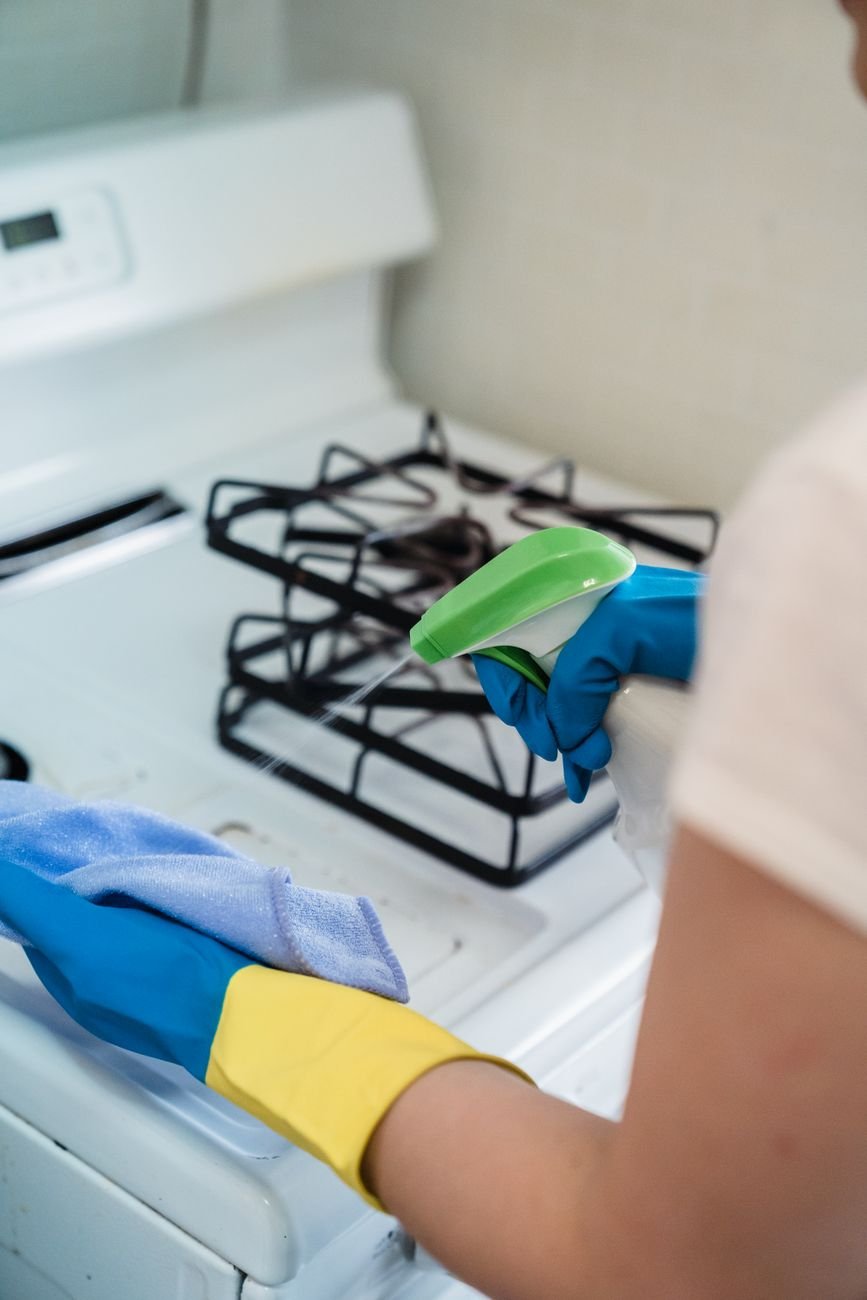
The nightly 15-minute reset
This is the backbone of the whole schedule. Do it every weeknight, right after dinner or after the kids go to bed.
- Dishes: load the dishwasher and run it. Hand-wash only what has to be.
- Counters: wipe kitchen counters and the table.
- 10-item pickup: everyone puts away ten things in the main room.
- Tomorrow prep: backpacks by the door, lunches in the fridge.
Set a timer. When it rings, you’re done, even if something’s left. Stopping is part of the deal.

- A never-mix chart: the cleaner combinations that make toxic fumes
- A surface guide: what not to use on stone, wood, cast iron and more
- 5 starter cleaners and a shopping list
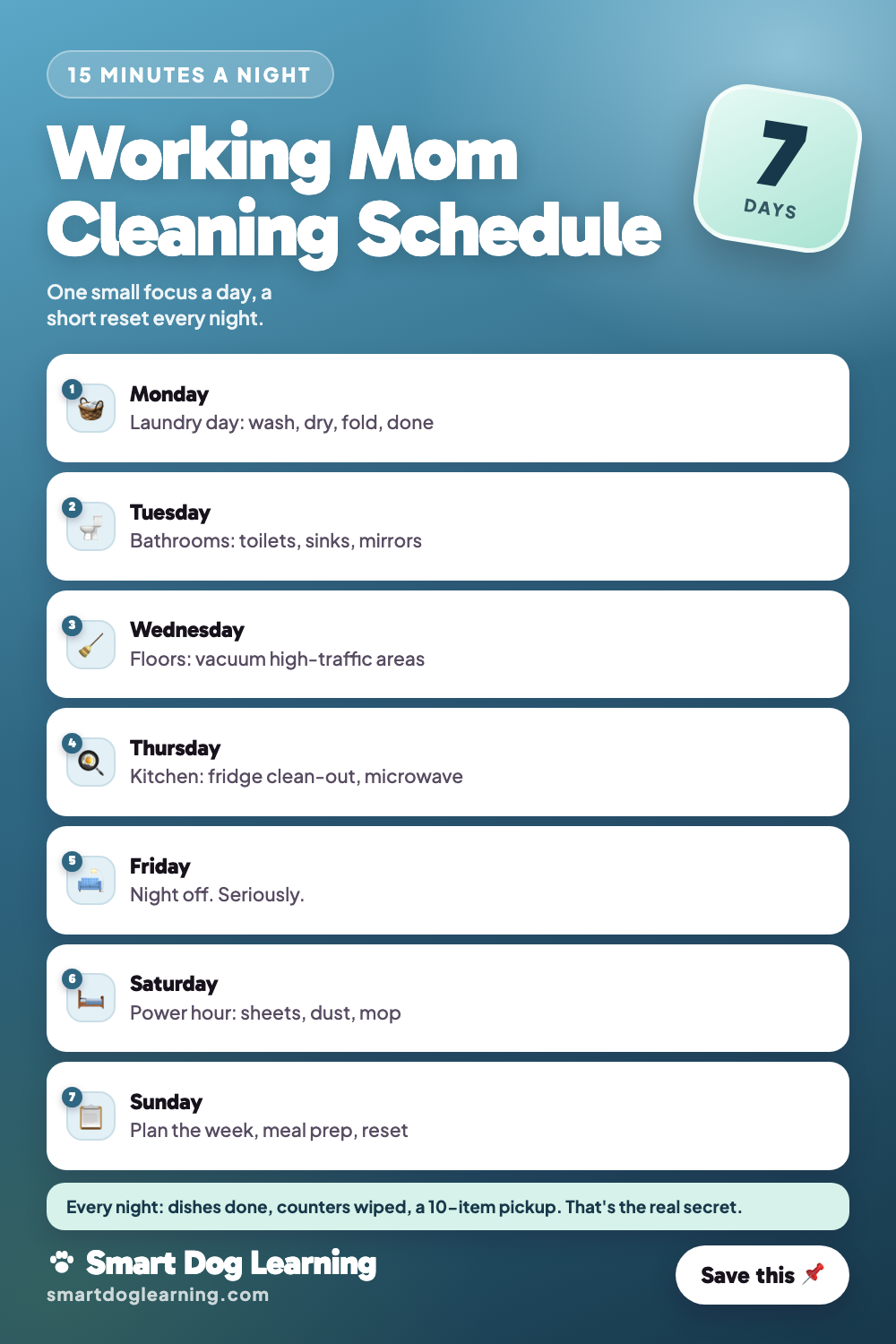
One focus a day
On top of the nightly reset, each weeknight gets one small focus. Most take 15 to 20 minutes.
- Monday: laundry. One or two loads, folded and put away the same night.
- Tuesday: bathrooms. Toilets, sinks and mirrors, with a quick spray of the shower.
- Wednesday: floors. Vacuum the kitchen, entry and living room.
- Thursday: kitchen. Toss old leftovers before the weekend shop and wipe the microwave.
- Friday: nothing. Order pizza. You earned it.

The weekend power hour
Saturday morning, one hour, everyone at home helps. Put on music and get it done before anyone leaves the house.
- Strip and wash the beds.
- Dust the main surfaces.
- Mop the kitchen and bathroom floors.
- Take out all trash and recycling.
- One “extra” job that rotates: windows, the fridge shelves or baseboards.
Sunday is for planning, not scrubbing. Look at the week ahead, do a little meal prep and enjoy the house you cleaned.
Get the kids involved
Kids can do a lot more than we think. It takes longer at first, but it pays off fast.
- Ages 3 to 5: put toys in bins, put dirty clothes in the hamper, feed the dog with help.
- Ages 6 to 8: make their bed, set the table, match socks, wipe the bathroom sink.
- Ages 9 to 12: load the dishwasher, vacuum a room, fold laundry, take out trash.
- Teens: their own laundry, clean a bathroom, cook one simple dinner a week.
Keep a chore chart on the fridge. A simple checkmark system works better than a complicated reward plan.

Share it with your partner
If you have a partner, split the work by task, not by “helping”. Helping means you’re still the manager.
- Each person owns specific jobs start to finish.
- Write the list down so nothing lives only in your head.
- Swap jobs every few months so nobody’s stuck with the worst ones forever.
Set up your shortcuts
A few setup tricks save you minutes every single day.
- A caddy per floor with spray, cloths and a scrub brush, so supplies are always close.
- Wipes or a spray bottle under each bathroom sink for 60-second wipe-downs.
- Hampers in every bedroom, so clothes never land on the floor.
- A donation box in a closet for outgrown clothes and toys.
- Fewer things out. Every item on a counter is something to wipe around.
A simple homemade spray covers most surfaces. Try our DIY all-purpose cleaner.

Outsource what you can
Paying for help isn’t failing. It’s buying back time with your family.
- Grocery pickup or delivery saves an hour or more a week.
- A cleaner once or twice a month can handle the deep jobs.
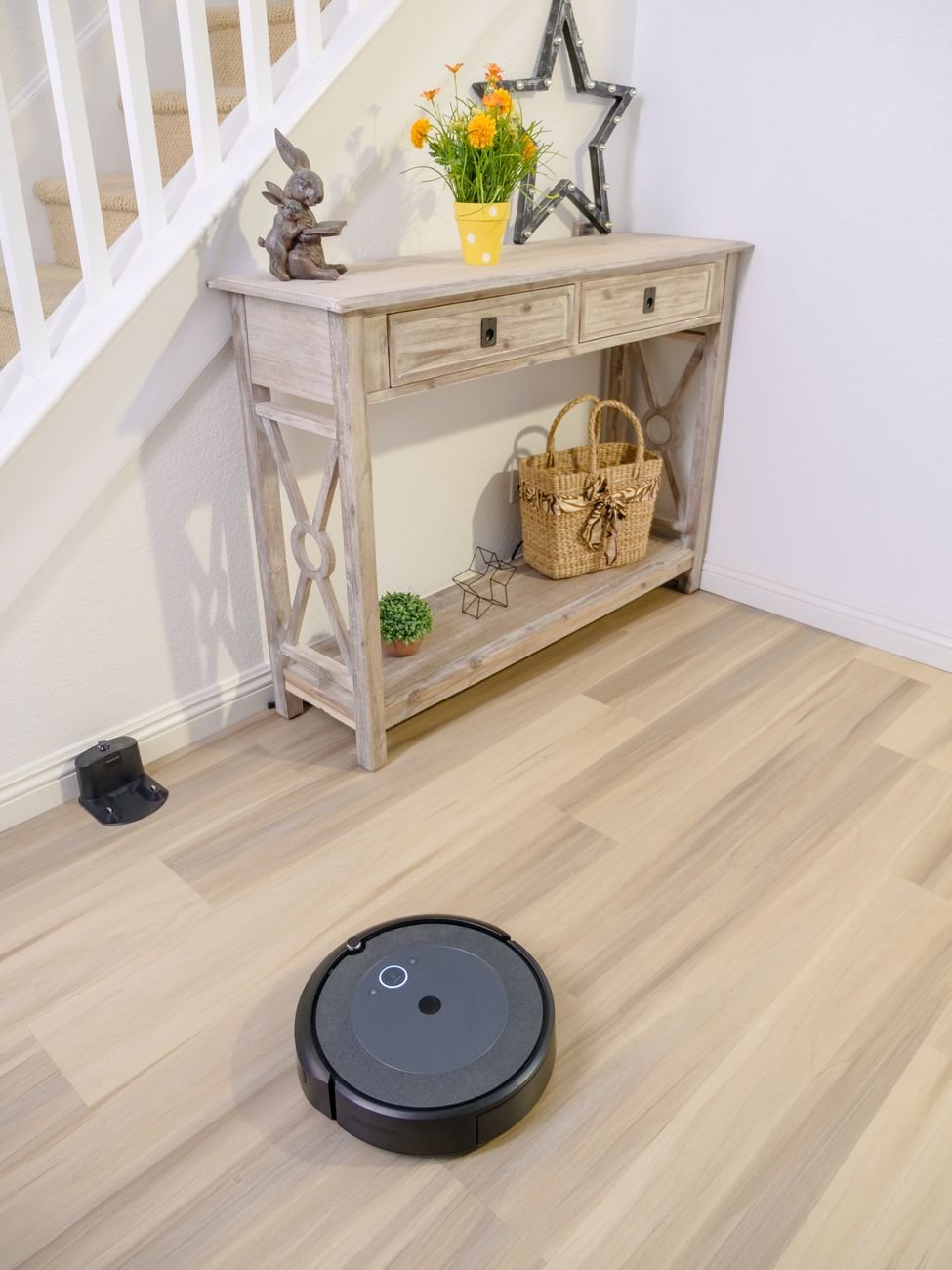
- A robot vacuum keeps up with crumbs and pet hair between real cleans.
- Wash-and-fold laundry service for the busiest weeks.
Pick the one that removes your most-hated job. That’s the one worth the money.
If you have pets
Dogs and cats add hair, paw prints and the occasional mystery puddle. Build them into the schedule instead of fighting them.
- Keep a towel by the door and wipe paws after walks.
- Brush your dog a couple of times a week. Hair on the brush is hair not on the couch.
- Wash pet beds and blankets every week or two.
- Scoop the litter box daily. It takes two minutes and keeps the whole house smelling better.
- Use pet-safe cleaners and keep all products out of reach.
When the week falls apart
Sick kids, late meetings, a work trip. Some weeks the schedule just doesn’t happen.
- Do only the nightly dishes and counters. Skip everything else.
- Don’t try to “catch up” by doubling the next day. Just restart on the next Monday.
- Use the weekend power hour to cover the basics: laundry, bathrooms, trash.
A schedule is a guide, not a test. Missing a day doesn’t mean it isn’t working.
Want the full version?
If you have more time some seasons, add monthly and seasonal jobs like the oven, windows and closets. Our daily, weekly and monthly cleaning schedule lays them all out.

Common questions
How do working moms keep the house clean?
Short daily resets, one small focus each day, a weekend power hour and help from kids, a partner or paid services.
How much time should I spend cleaning each day?
About 15 to 20 minutes on weeknights is enough to keep a house under control. Use a timer and stop when it rings.
What’s the most important daily cleaning task?
Doing the dishes and wiping the kitchen counters. A clean kitchen makes the whole house feel tidier.
What chores can young kids do?
Kids 3 to 5 can pick up toys and put clothes in a hamper. By 6 to 8 they can set the table and make their bed.
Is it OK to take a day off from cleaning?
Yes. Build one into the week on purpose. Rest is part of a schedule you can actually keep.



Leave a Reply