Borzoi Puppy Guide: Raising a Sighthound
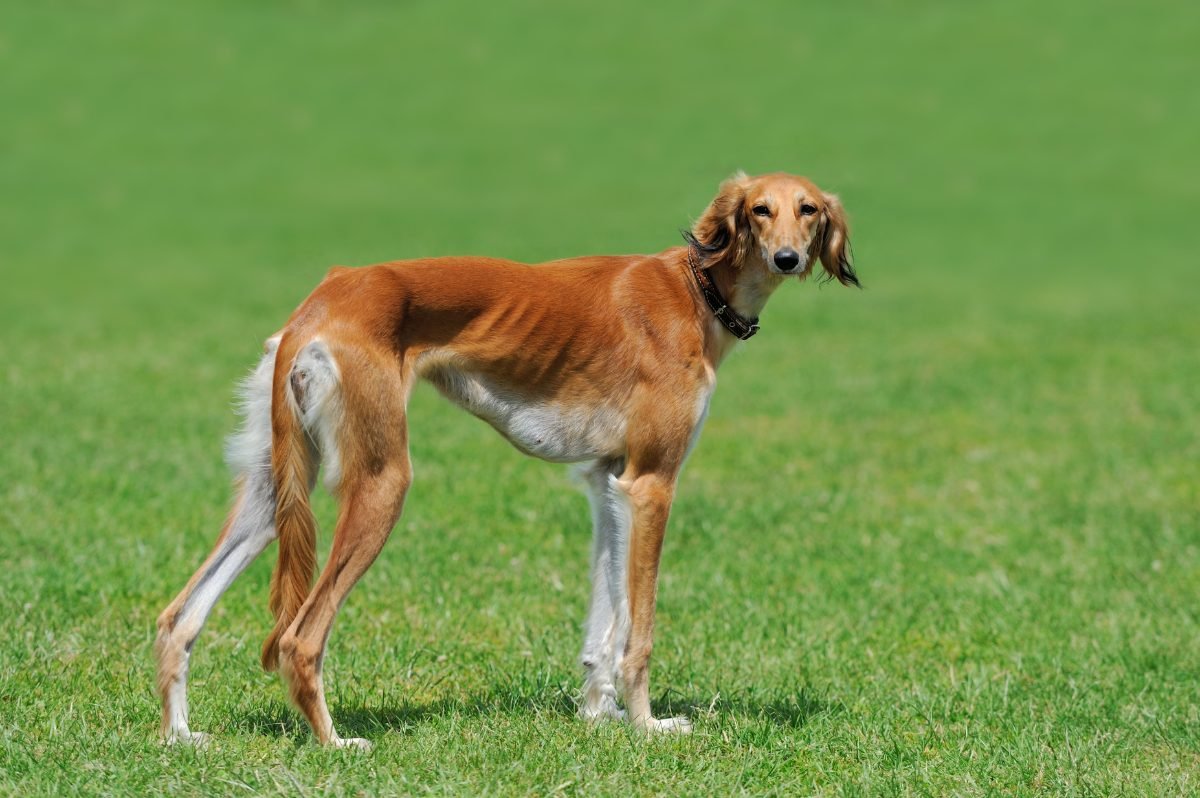
Bringing home a Borzoi puppy is a strange experience. You collect a leggy, slightly awkward creature that looks like a coat hanger wearing silk, and eighteen months later you have a 100 pound aristocrat who can outrun a horse.
The gap between those two dogs is where all the work happens. And most of it is not obedience training, it is physical protection and careful socialisation during windows that close permanently.
Here is what the first year actually looks like.
Weeks 8 to 12: The Foundation Window
Your puppy arrives around eight weeks and the clock is already running on socialisation.
Everything he meets before 16 weeks gets filed as normal. Everything he misses gets filed as suspicious. In a naturally reserved sighthound, that second category becomes a lifelong problem if you are careless.
Priorities in this first month:
- Calm introductions to as many new people as possible
- Different surfaces, tile, gravel, grass, metal, wobbly things
- Household noise, vacuum, doorbell, traffic, television
- Car journeys that end somewhere pleasant
- Crate training from night one, it becomes his safe space
- Daily gentle handling of paws, ears, mouth and tail
Keep every session short and let him retreat when he wants. Borzoi puppies are sensitive and a frightening experience sticks harder than in most breeds.
The Growth Problem Nobody Explains Properly
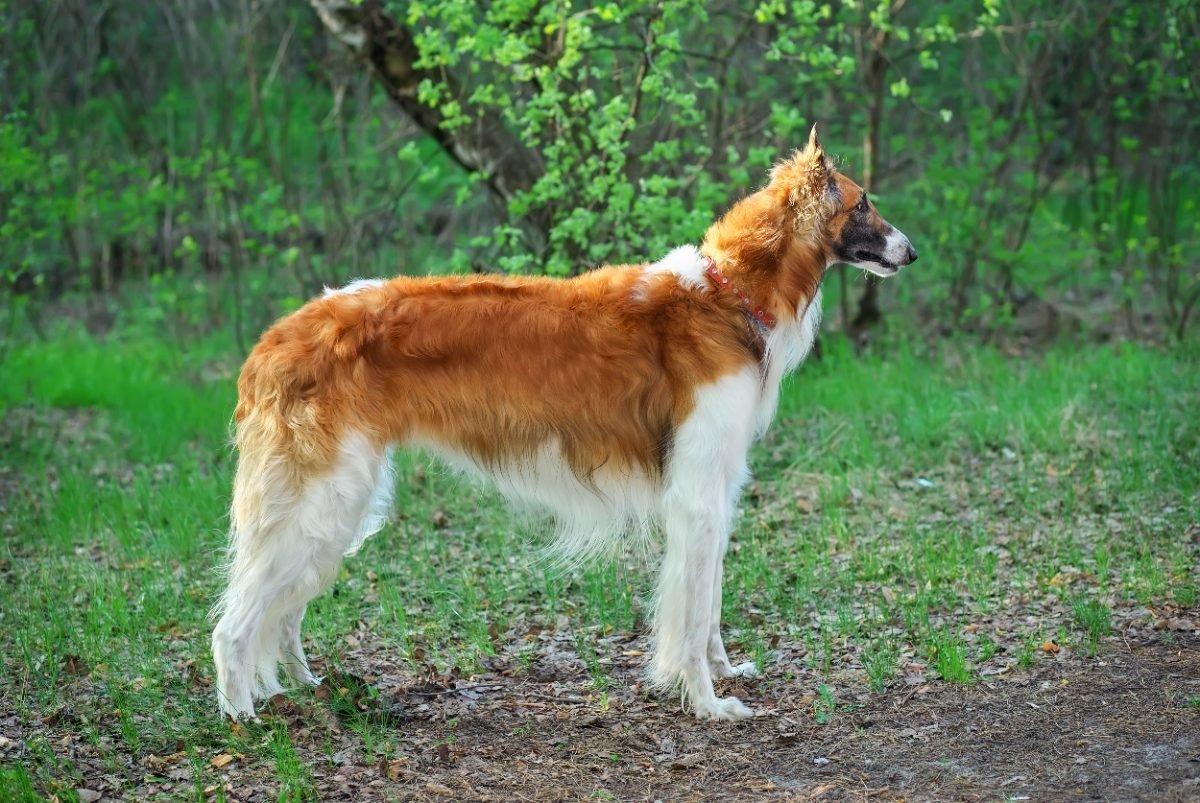
A Borzoi goes from roughly 15 pounds at 8 weeks to 60 or 70 pounds by six months. That is an extraordinary amount of skeleton built very quickly.
Growth plates stay open until around 18 months, and until they close, the joints cannot absorb repetitive impact.
The rule is simple and worth taping to the fridge:
- Five minutes of formal exercise per month of age, twice daily
- Three months old means 15 minute walks, twice a day
- Six months old means 30 minute walks, twice a day
- Free play on soft grass does not count, he self regulates that
- No jogging, cycling, long hikes or structured running
- No stairs repeatedly, lift him in and out of the car
- No jumping down from furniture or tailgates
It feels overly cautious when your six month old is bouncing off the walls. Do it anyway. Sighthound joints damaged during growth do not repair.
Feeding a Fast Growing Giant
Nutrition during growth matters more here than in most breeds, and the mistake people make is feeding too much rather than too little.
A lean Borzoi puppy grows more slowly and more soundly than a chubby one. Rapid growth is directly linked to joint disease.
- Large breed puppy formula until 18 to 24 months, controlled calcium
- Three meals a day until six months, then two
- Never one large meal, deep chested sighthounds are a bloat risk
- No hard exercise for an hour either side of eating
- You should see a hint of ribs and a clear waist throughout growth
- Do not supplement calcium, it actively causes harm
Borzoi are naturally lean to a degree that alarms strangers. Ignore the person at the park who tells you your dog is too thin. Ask your vet instead.
Months 4 to 8: The Awkward Adolescent
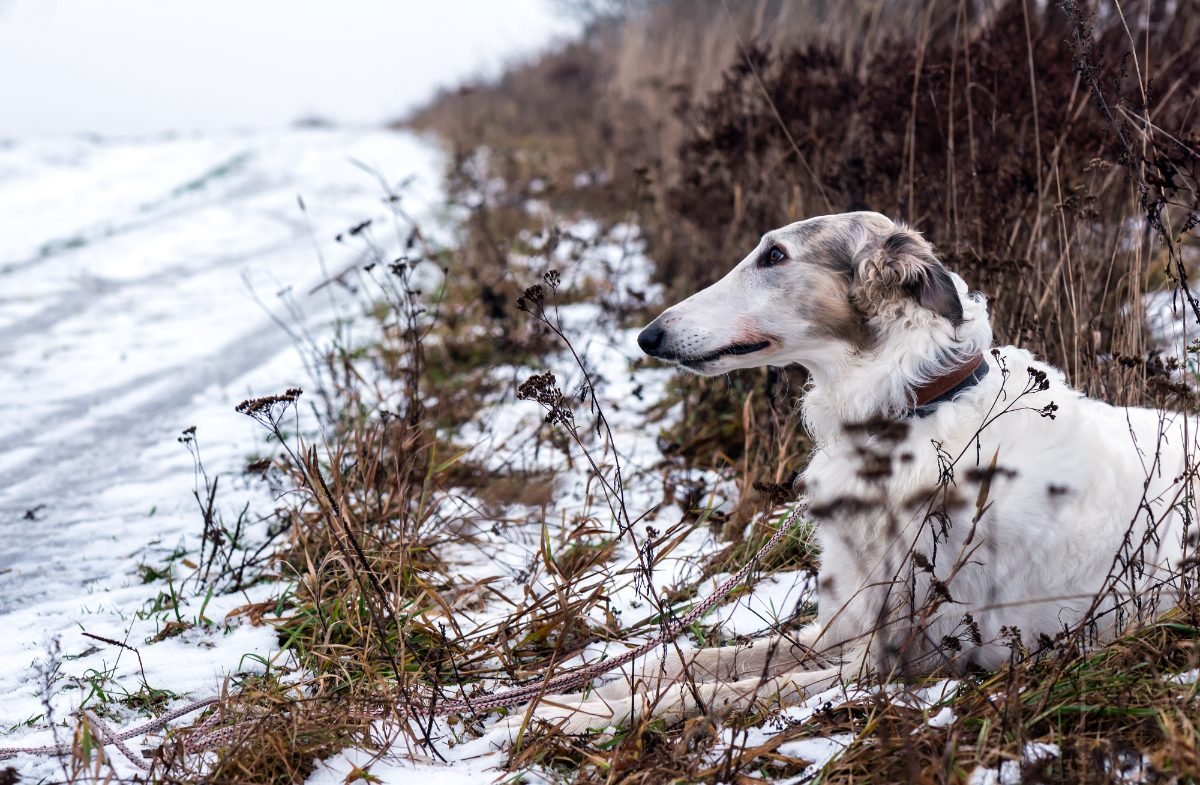
This is when the elegant puppy turns into an ungainly collection of legs and starts questioning things.
Expect:
- A second fear period somewhere around 6 to 14 months
- Recall quietly degrading as prey drive switches on
- Testing of boundaries, particularly around furniture and counters
- Sudden height gains, he can reach the worktop now
- Growing pains, some limping is normal but always check with a vet
Handle the fear period gently. If he suddenly becomes worried about something he was fine with last month, do not force it. Reduce intensity, add distance, reward calm, and let it pass.
Coat, Skin and Comfort
Borzoi have a silky coat that is far less work than it looks, but they have almost no body fat and that has practical consequences.
- Brush twice a week, more during seasonal shedding
- Pay attention to feathering behind ears and legs, that is where mats form
- Soft, well padded bedding is a health requirement, not luxury
- Pressure sores develop on hard floors, they are bony everywhere
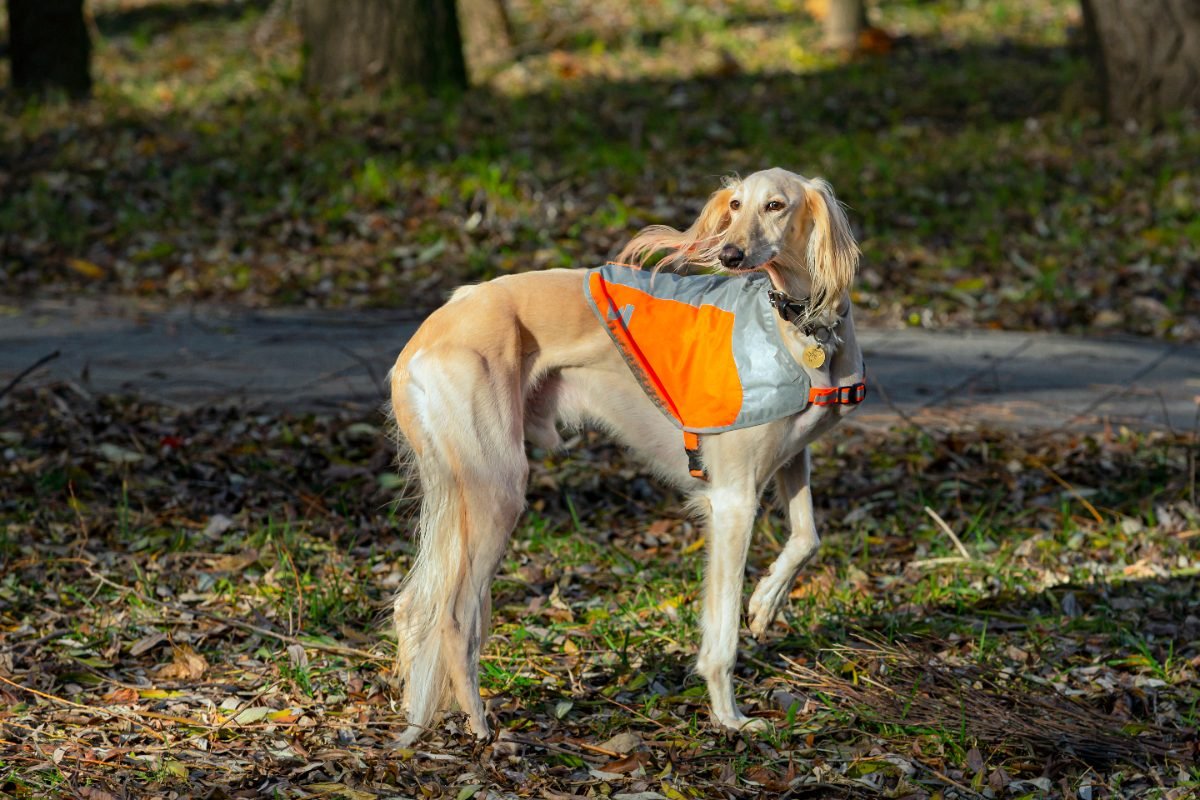
- A coat in cold weather is sensible, thin skin and no fat
- Nails every 3 weeks, they hate it, start early
The Vet Conversations to Have Early
Two things about sighthounds that ordinary vets sometimes miss.
Anaesthesia protocols differ. Sighthounds metabolise certain drugs differently and have low body fat, so standard dosing can be dangerous. Confirm your vet has sighthound experience before you need surgery.
Bloodwork ranges differ too. Normal sighthound results often look abnormal on a standard chart, particularly haematocrit and thyroid values. A vet unfamiliar with the breed may chase a problem that does not exist.
Also worth discussing:
- Bloat risk and whether a preventive gastropexy makes sense
- Cardiac screening, Borzoi have breed specific heart considerations
- Progressive retinal atrophy and eye certification in the parents
What the First Year Costs
- Puppy from a reputable breeder: $1,500 to $3,000
- Vaccinations, neutering, routine vet: $800 to $1,500
- Food for a growing giant: $700 to $1,200
- Crate, martingale collars, bedding, coats: $400 to $700
- Training classes: $200 to $500
- Realistic first year total: $3,500 to $6,000
Month 12 to 18: The Payoff
Here is the part that makes it worth it.
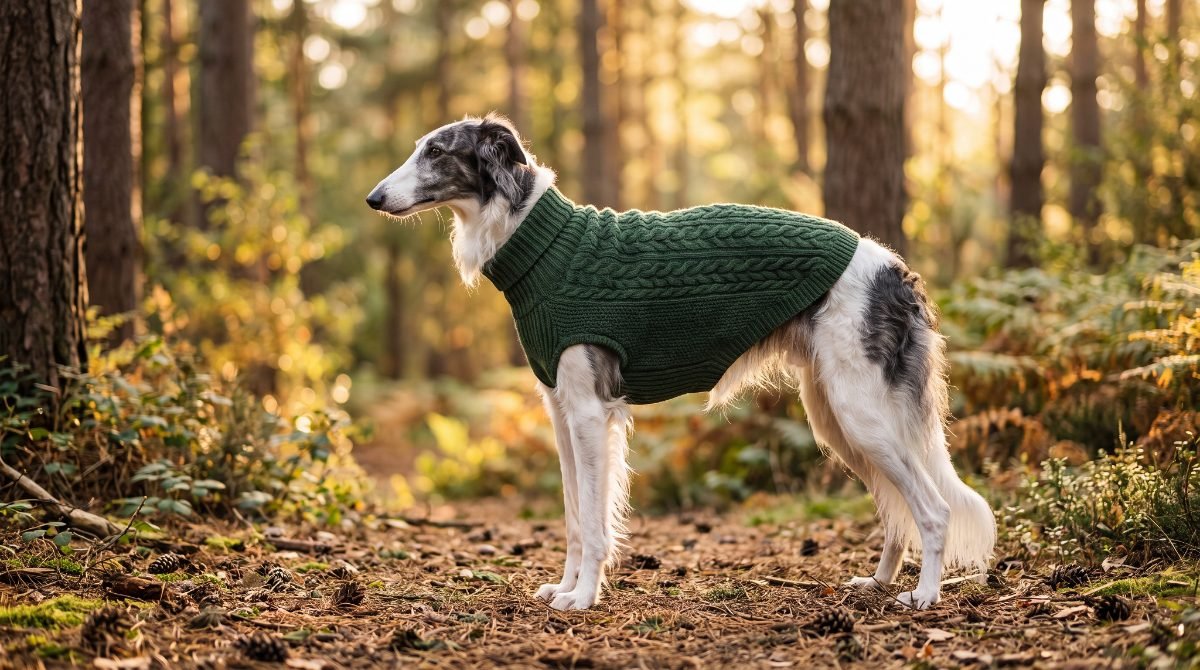
Somewhere in the second year, the gangly adolescent switches off and becomes an adult Borzoi. And an adult Borzoi is one of the calmest, quietest, most low maintenance house dogs you can own.
He will sprint for ten minutes and then lie on the sofa for nine hours. He does not bark much. He does not destroy things. He is affectionate with his people and politely uninterested in everyone else.
For the full adult picture see our <a href=”https://smartdoglearning.com/borzoi-care-guide/”>Borzoi care guide</a>, and for training specifics read our <a href=”https://smartdoglearning.com/borzoi-puppy-training-tips/”>Borzoi puppy training tips</a>.
Final Thoughts
Raising a Borzoi puppy is mostly an exercise in restraint. Restrain the exercise, restrain the food, restrain the urge to push him socially, and restrain your expectations about recall.
Do the socialisation early because that window shuts. Protect the joints because that damage is permanent. Keep him lean because it is the single best thing you can do for his structure.
Then wait. Somewhere around eighteen months the dog you were promised shows up.
And honestly, he is worth every cautious walk. 🙂
I’ve spent 10+ years in dog training, digging into what makes dogs (and their humans) tick. At Smart Dog Learning, I share my no-nonsense, fun approach to training so you can enjoy life with a well-behaved, happy pup—no boring lectures, just practical results 😉