

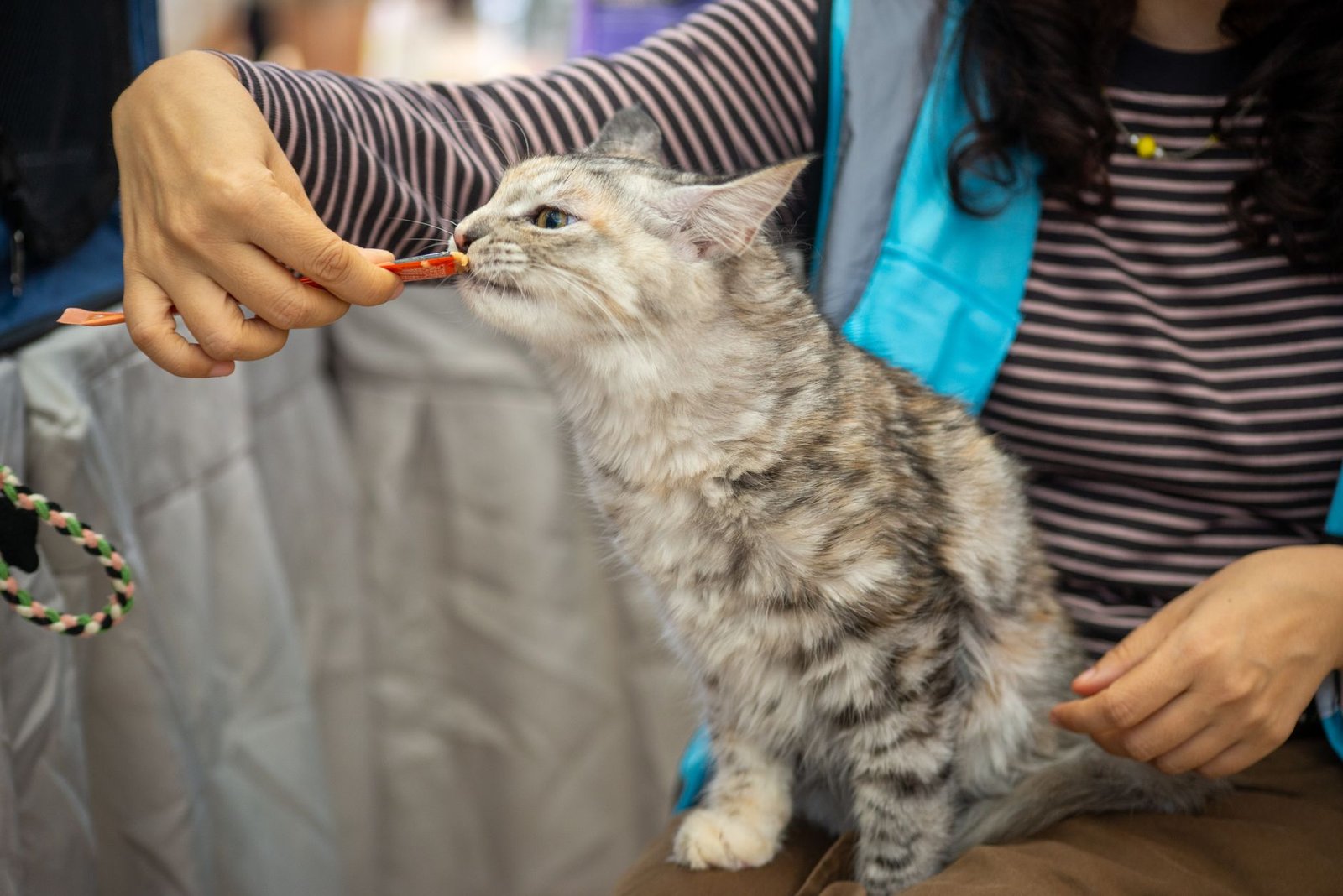
Cats are picky. Store-bought treats can be pricey, and the ingredient lists are long.
These easy homemade cat treats use three ingredients or less, and most of them are things already in your fridge. No fancy molds, no special flours you’ll never use again.
The ground rules for cat treats
Cats aren’t small dogs. They’re carnivores, and their bodies handle food differently from ours.
- Meat is the star. Chicken, fish and egg make the best treats. Flour is only there to hold things together.
- Cook it all. No raw fish, raw egg or raw meat in homemade treats.
- Season nothing. No salt, butter, oil or spices.
- Keep them tiny. Think pea-sized for most recipes.
Ingredients to skip completely
Some everyday foods are toxic to cats. Keep these out of every treat, and check labels on broth and baby food.
- Onion and garlic, including onion or garlic powder
- Chives and leeks
- Grapes and raisins
- Chocolate, coffee and anything with caffeine
- Xylitol and other sugar-free sweeteners
- Milk and cream (many adult cats don’t digest lactose well)
One sneaky trap: a lot of store-bought broth and meat baby food contains onion powder. Read the label every time.
1. Tuna bites (3 ingredients)
The crowd-pleaser. Most cats lose their minds over these.
- 1 can tuna in water, drained well
- 1 egg
- About 1/2 cup oat flour (blend plain oats until fine)
- Heat the oven to 350°F and line a tray with parchment.
- Mash the tuna and egg together, then add flour until it forms a soft dough.
- Roll pea-sized balls and press each one flat with a fork.
- Bake 10 to 15 minutes, until firm and dry to the touch.
Pick tuna packed in water with no added salt. Tuna is a treat for now and then, not an everyday thing.
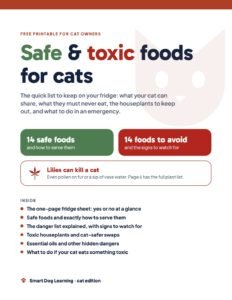
- 14 safe foods and 14 to avoid, at a glance
- Toxic houseplants (lilies are deadly to cats, even the pollen)
- What to do if your cat eats something toxic
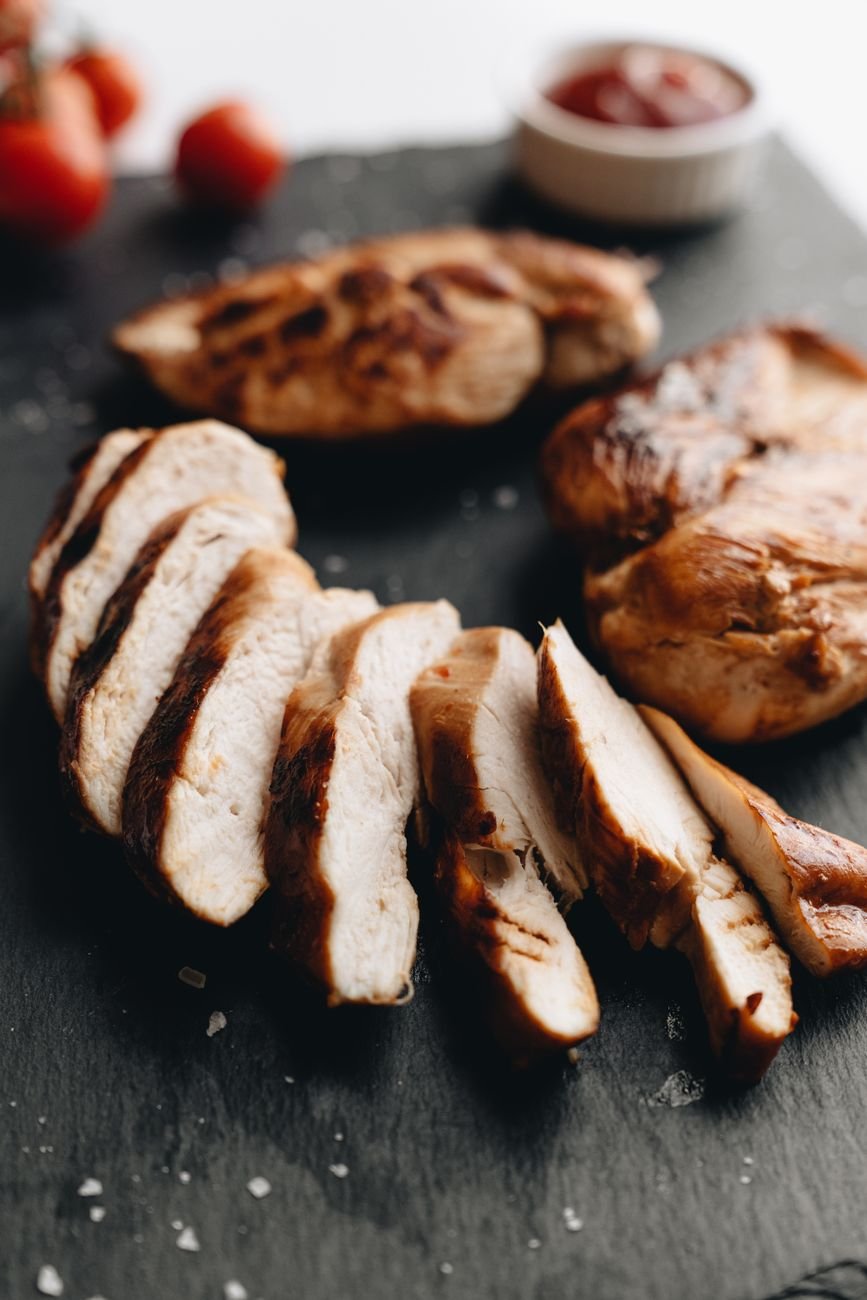
2. Dried chicken strips (1 ingredient)
All you need is boneless, skinless chicken breast.
- Poach the chicken in plain water until it’s cooked through to 165°F.
- Let it cool, then slice it very thin, about 1/8 inch.
- Lay the strips on a rack over a tray and dry them in the oven at 200°F for 1 to 2 hours, until leathery.
- Snip into tiny pieces before serving.
Cooking the chicken first is the safe way. Drying raw meat at low heat doesn’t reliably kill bacteria.
3. Egg crumbles (1 ingredient)
The fastest treat on this list. Scramble one egg in a nonstick pan with no butter, milk or salt.
Cook it until there’s no runny part left. Cool it, then crumble it into tiny bits.
- Sprinkle a few bits on dinner for a picky eater.
- Use it as a reward during brushing or nail trims.
- Keep it in the fridge and use it within three days.
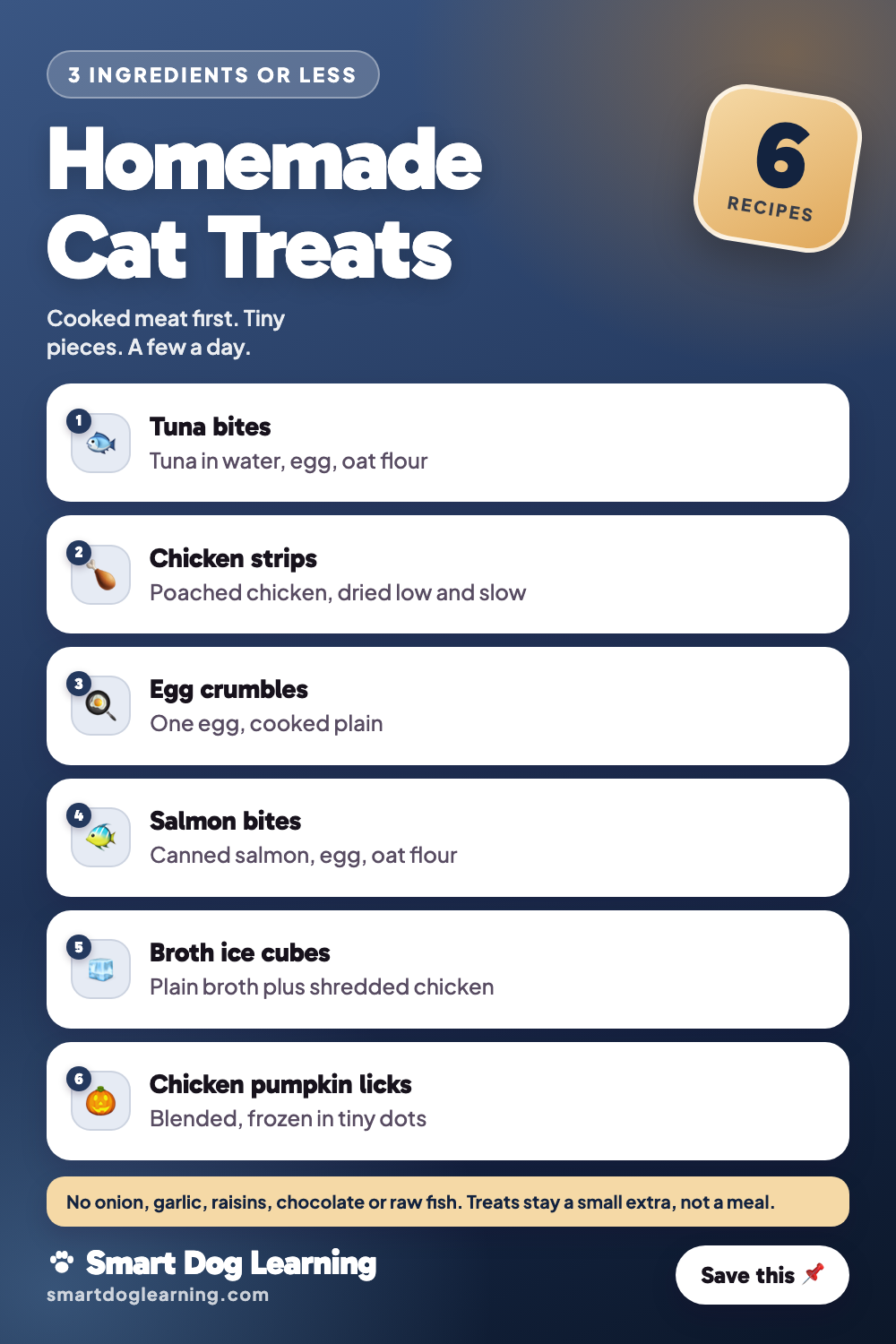
4. Salmon bites (3 ingredients)
Same idea as the tuna bites, with a milder fish.
- 1 small can salmon in water, no salt added, drained
- 1 egg
- About 1/2 cup oat flour
Mix, roll into pea-sized balls, flatten and bake at 350°F for 10 to 15 minutes. If your can has soft bones in it, mash them in well or pick them out.
5. Broth ice cubes (2 ingredients)
Great for cats who don’t drink much water. They lick these on a plate like a little popsicle.
- Simmer plain chicken in water. That water is your broth.
- Skim off the fat and let it cool.
- Add a pinch of finely shredded chicken to each ice cube slot and fill with broth.
- Freeze, then serve one cube on a saucer.
Make your own broth here. Boxed broth almost always has salt, onion or garlic.
6. Chicken pumpkin licks (3 ingredients)
A soft, lickable treat that feels fancy but costs pennies.
- 1/2 cup cooked, plain chicken
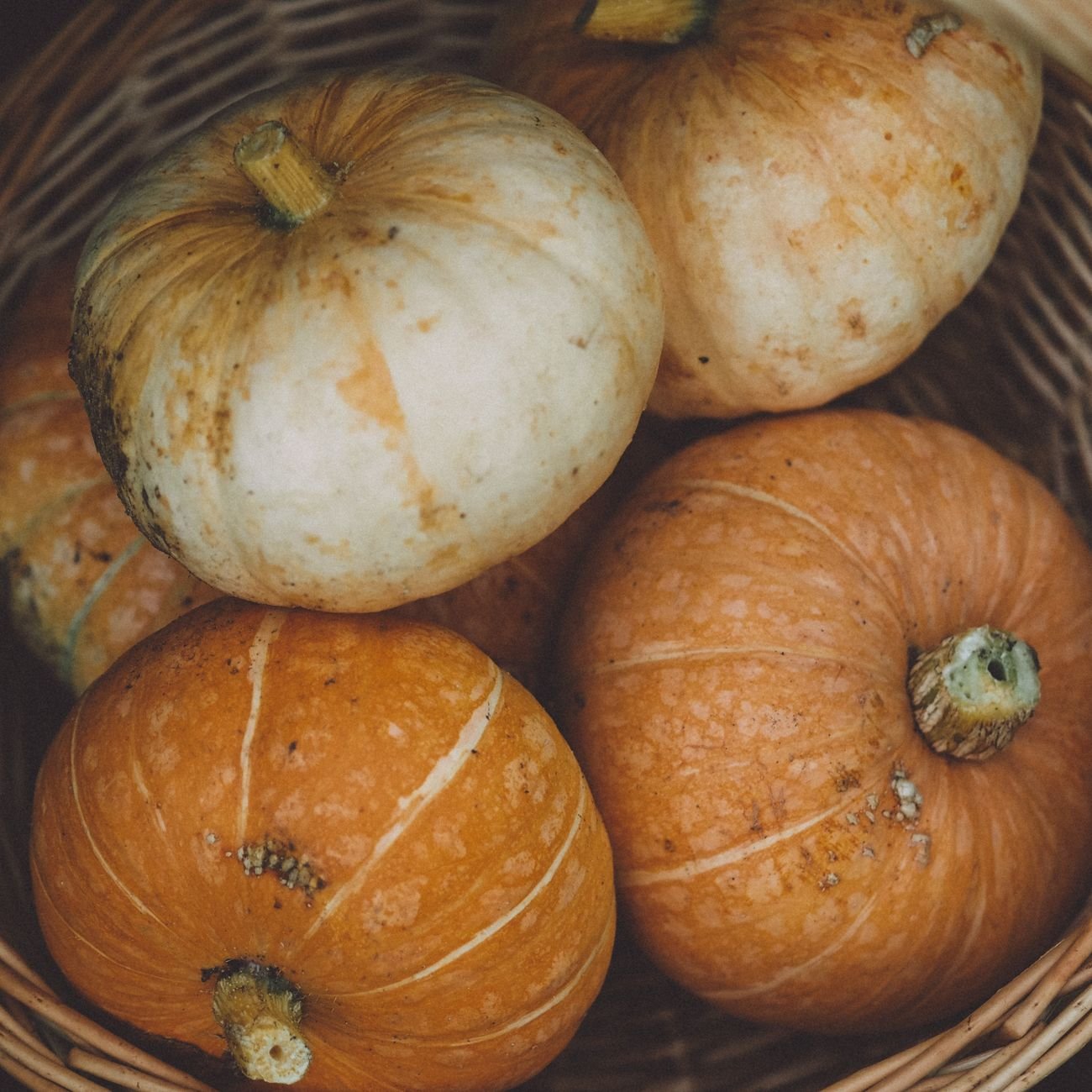
- 1 tablespoon plain canned pumpkin (not pie filling)
- A few tablespoons of water or your homemade broth
Blend until smooth. Pipe or spoon tiny dots onto parchment and freeze. Serve one or two at a time, or offer a spoonful straight from the fridge.
How many treats can my cat have?
Treats are a small extra. A common rule of thumb is that treats stay under 10% of your cat’s daily calories, and their regular complete food covers the rest.
- For most adult cats, that’s just a few tiny pieces a day.
- Cut back on dinner a little if you’re handing out lots of rewards.
- Cats with kidney disease, diabetes, allergies or a special diet should get the vet’s okay first.
Homemade treats aren’t balanced meals. If you’re curious about cooking your cat’s food, this beef mash for cats shows how much extra goes into making a full meal work.
Trying a new treat
Start with one piece and wait a day. Watch for vomiting, loose stool or itchy skin.
Some cats simply won’t care. That’s normal. Try a different protein or a different texture before you give up.
Storing your homemade treats
- Fridge: 3 to 4 days in an airtight container.
- Freezer: up to 2 months. Freeze in small bags and thaw one at a time.
- Room temperature: not for these. There are no preservatives.
Label the bag with the date. You’ll forget, and so will everyone else in the house.
Use treats for more than snacking
Tiny treats are perfect for play and training. Hide a few in a puzzle feeder or toss them down the hall for your cat to chase.
For more ways to keep an indoor cat busy, try these cat enrichment ideas.
Common questions
Can kittens eat homemade treats?
In tiny amounts, once they’re eating solid food well. Their kitten food matters most, so keep treats very small.
Is tuna bad for cats?
Not as an occasional treat. Too much tuna isn’t balanced and can turn cats picky, so keep it to now and then.
Can I use regular flour instead of oat flour?
Yes, a little whole wheat or all-purpose flour works. Use only enough to bind the dough.
Can cats have cheese as a treat?
Many adult cats don’t digest dairy well. Skip it and stick with cooked meat, fish or egg.
Why won’t my cat eat the treats?
Cats are suspicious of new smells. Offer a crumb on your finger, try a different protein, or warm it slightly.




Leave a Reply