

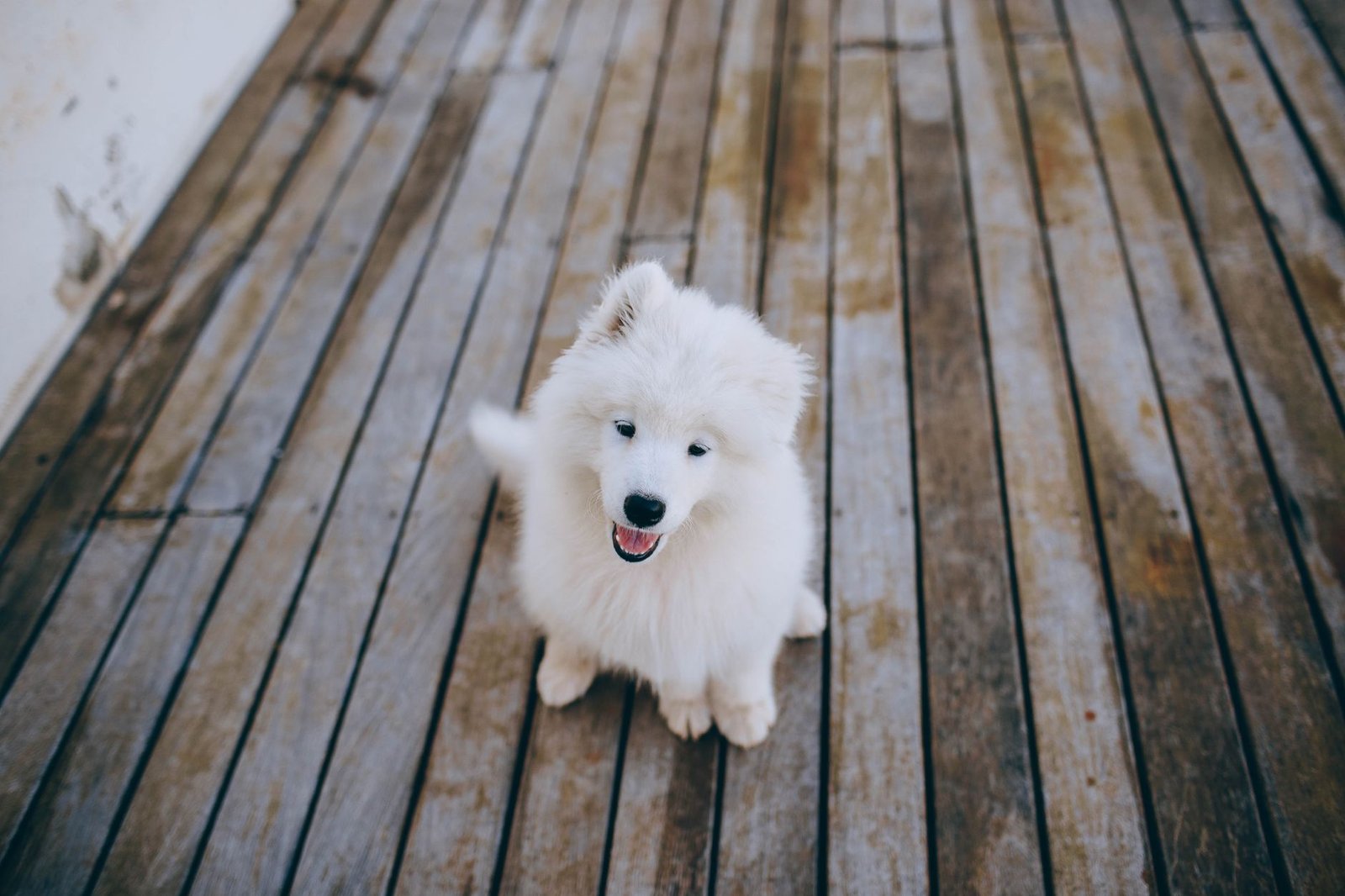
Pets and clean floors don’t always get along. There’s the muddy paw parade, the water bowl splash zone and the tumbleweeds of fur that appear an hour after you vacuum.
These floor cleaning hacks are made for homes with dogs and cats. They keep more dirt outside, make cleanup faster and use products that are safe for little paws.
Stop dirt at the door
The easiest floor to clean is the one that never got dirty. Most mess walks in on four feet.
- Use two mats: a rough one outside for mud and an absorbent one inside for wet paws.
- Pick washable mats with rubber backs so they don’t slide.
- Shake or wash them weekly. A full mat just moves dirt around.
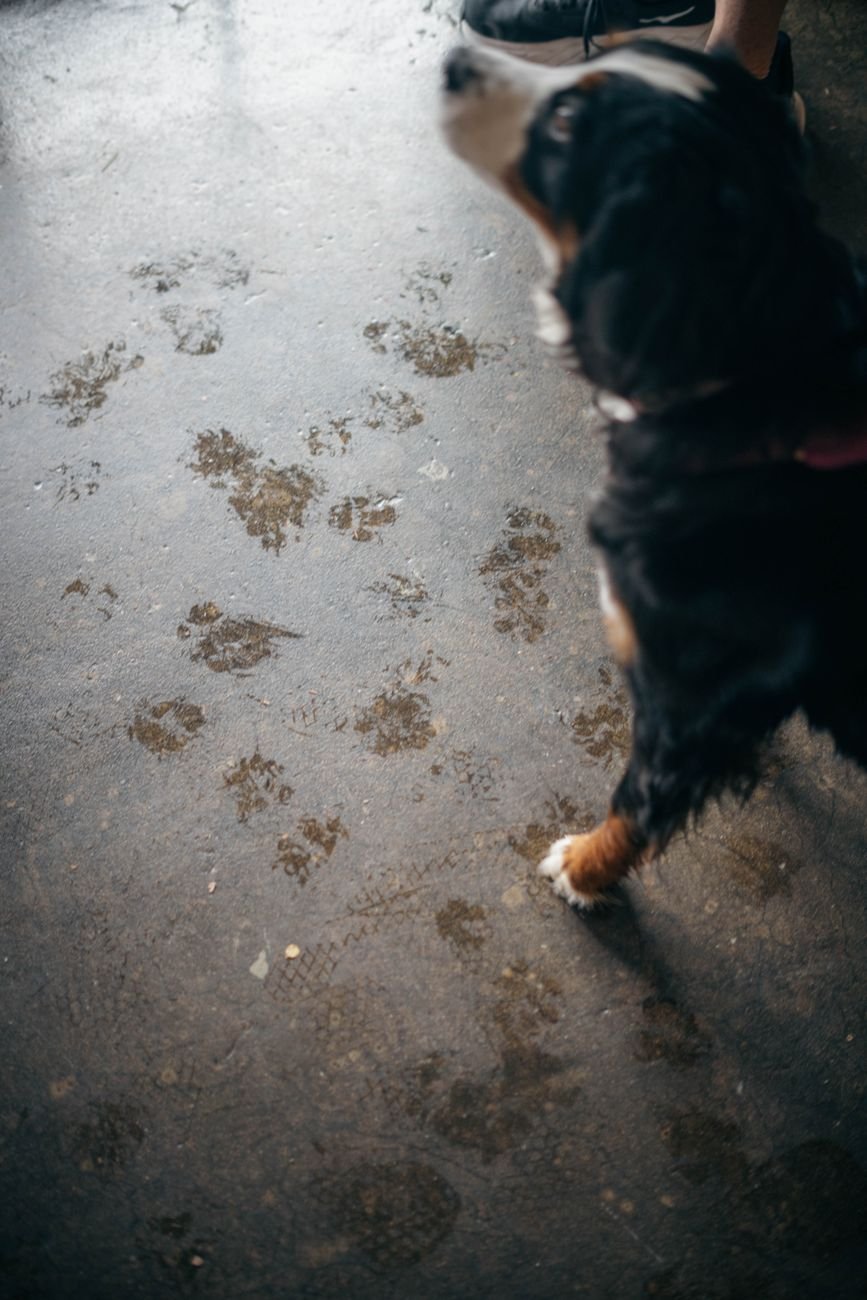
Set up a paw-wiping station
Keep everything you need right by the door so wiping paws becomes automatic.
- A basket of old towels or a microfiber paw towel.
- Unscented pet wipes, or a bowl of plain water for muddy days.
- A few treats so your dog learns to wait and offer a paw.
Long-haired dog? Keeping the fur between their paw pads trimmed means far less dirt gets carried in.
Always dry clean before wet cleaning
Mopping a floor covered in fur turns it into a hairy paste. Get the loose stuff up first.
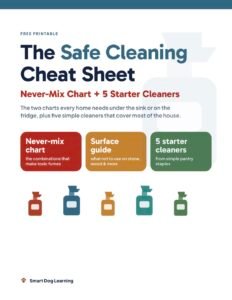
- A never-mix chart: the cleaner combinations that make toxic fumes
- A surface guide: what not to use on stone, wood, cast iron and more
- 5 starter cleaners and a shopping list
- Vacuum with the hard floor setting, or with the brush roll off.
- Use a microfiber dry mop for quick daily passes. It grabs fur and dust.
- A rubber broom pulls fur out of corners and along baseboards.
Do this daily in busy areas. It takes five minutes and saves you a big weekend cleanup.
Mop the right way for your floor
Each floor type needs its own approach. When in doubt, check the flooring maker’s care guide.
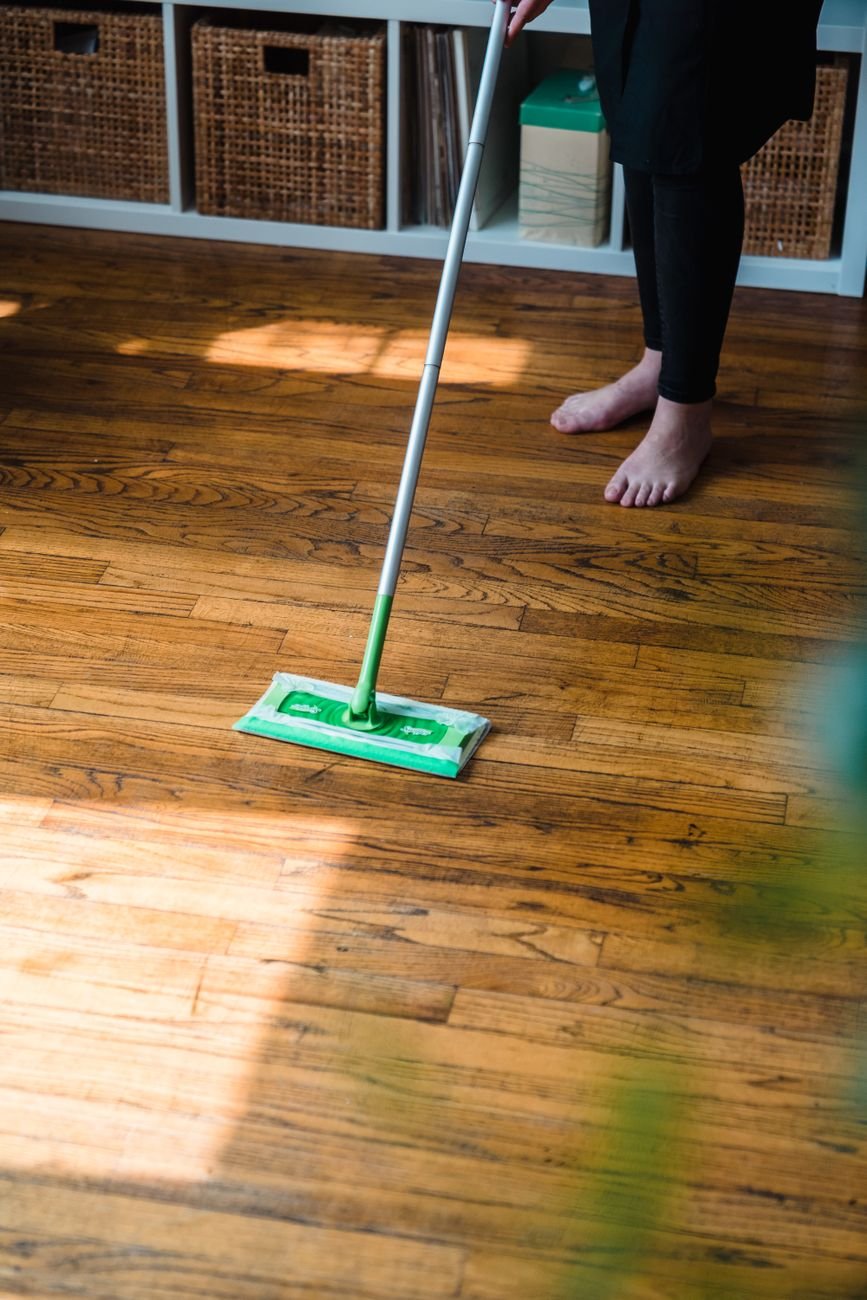
- Sealed hardwood: a pH-neutral wood cleaner and a damp, well-wrung mop. Standing water damages wood.
- Laminate: barely damp. Water in the seams makes it swell.
- Vinyl and LVP: warm water with a little mild dish soap works well.
- Tile: warm soapy water, with extra attention to the grout.
- Natural stone: a stone-safe cleaner only. Never vinegar or acidic cleaners, which etch the surface.
Handle pee and poop accidents properly
Accidents happen, especially with puppies and older pets. The goal is to remove the smell, not just the stain.
- Pick up solids with paper towels.
- Blot liquid. Don’t rub it into the floor.
- Spray an enzyme cleaner made for pet urine and leave it as long as the label says.
- Wipe and let it dry.
Skip ammonia cleaners. They smell a bit like urine to your pet and can invite repeat accidents in the same spot.
Disinfect safely when you need to
Most days, soap and water are enough. Disinfect when there’s been vomit, diarrhea or raw meat on the floor.
- Use a registered disinfectant and follow the label, including the contact time.
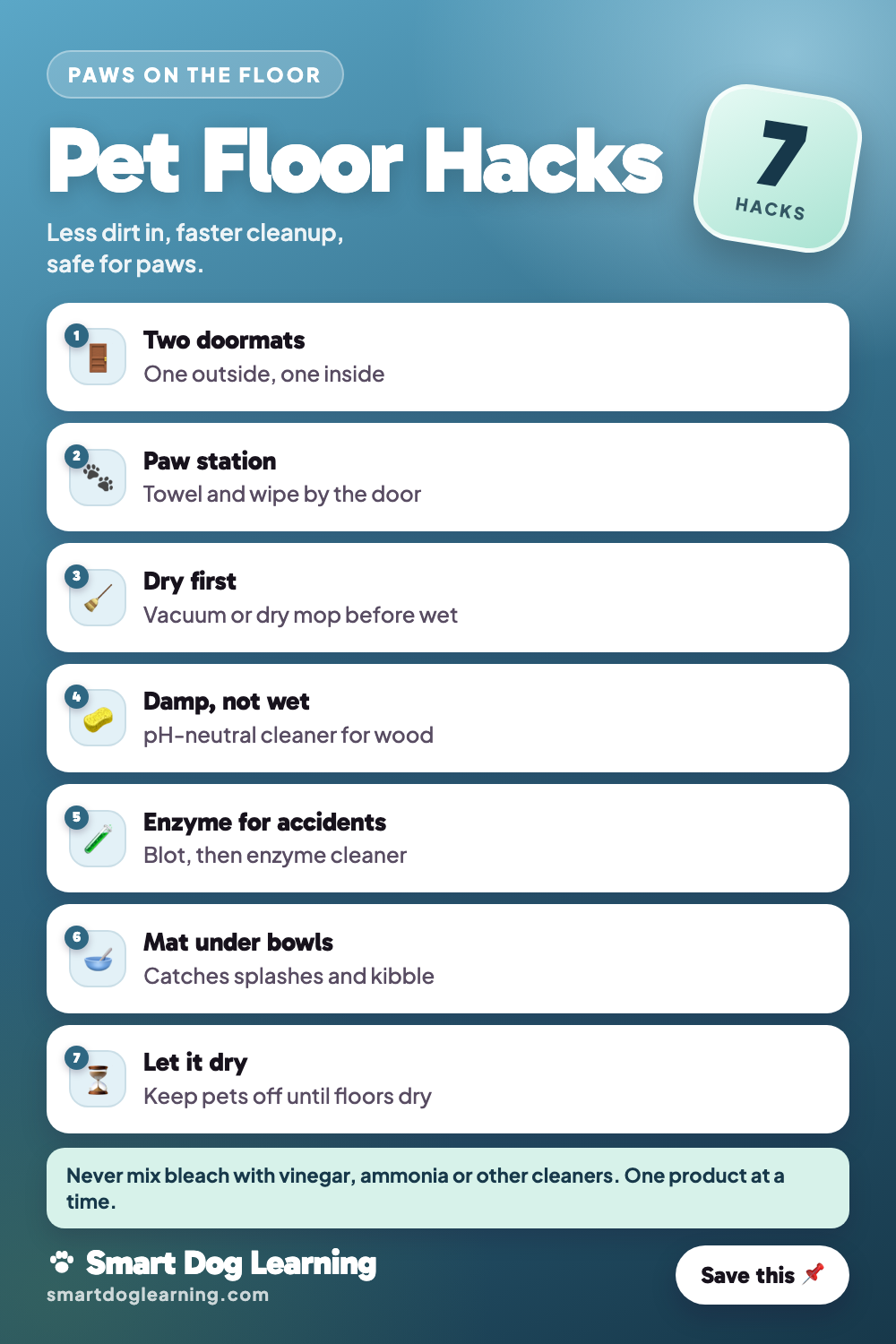
- Never mix bleach with vinegar, ammonia, rubbing alcohol or other cleaners. It creates toxic fumes.
- Vinegar is not a disinfectant. It’s fine for some cleaning, but it won’t kill most germs.
- Rinse with plain water if the label says to, so your pet doesn’t lick residue.
Keep pets off wet floors
This one gets overlooked. Pets walk on wet floors, then lick their paws.
- Close a door or use a baby gate while you mop.
- Let floors dry fully before pets walk through.
- Wet floors are slippery, especially for older dogs.
Store all cleaners up high or behind a latched door, since curious noses find low cabinets fast.
Protect floors from scratches
Clean floors look better without a web of claw marks.
- Trim nails regularly. If you hear clicking on the floor, they’re probably too long.
- Add rugs or runners on your dog’s favorite routes, like the hall to the back door.
- Non-slip rugs also help senior dogs get traction.
- Felt pads under food bowls and furniture prevent scuffs.
Contain the feeding zone
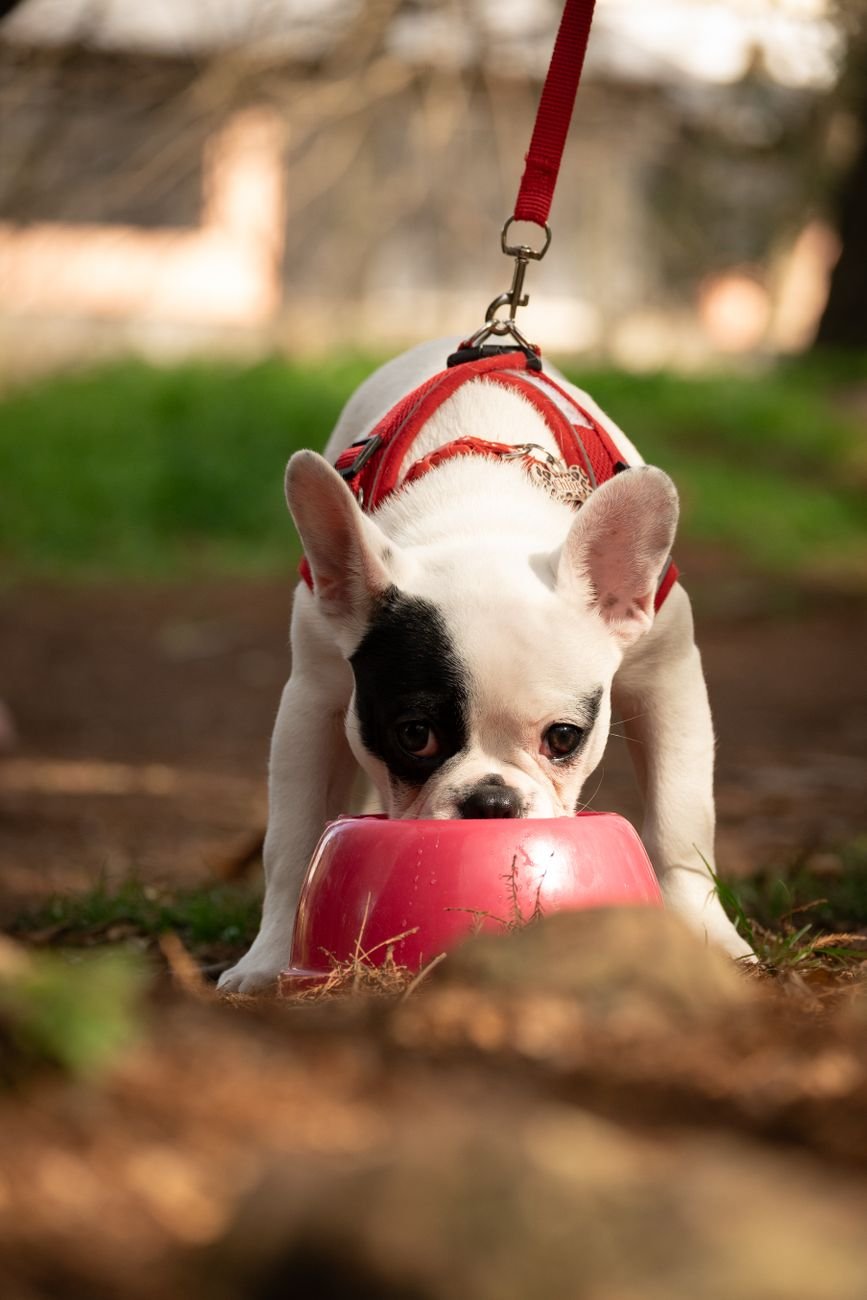
The area around food and water bowls is usually the dirtiest patch of floor.
- Put a washable, waterproof mat under the bowls.
- Try a no-spill water bowl for sloppy drinkers.
- Wipe the area daily and wash the mat weekly.
Clean up vomit and hairballs fast
It always happens on the one clean floor, right before guests arrive. Here’s the quick routine.
- Scoop the solids with paper towels or a plastic scraper.
- Wash the spot with warm soapy water.
- Use an enzyme cleaner on any lingering smell.
- Disinfect if it was a stomach bug, then let it dry.
Vomiting more than once, or along with tiredness or not eating, is worth a call to your vet.
A 10-minute daily floor routine
You don’t need to mop every day. A short routine keeps fur and grime from building up.
- Shake out the door mats.
- Dry mop or vacuum the kitchen and entry.
- Spot clean the bowl area and any paw prints.
Let a robot do the daily work
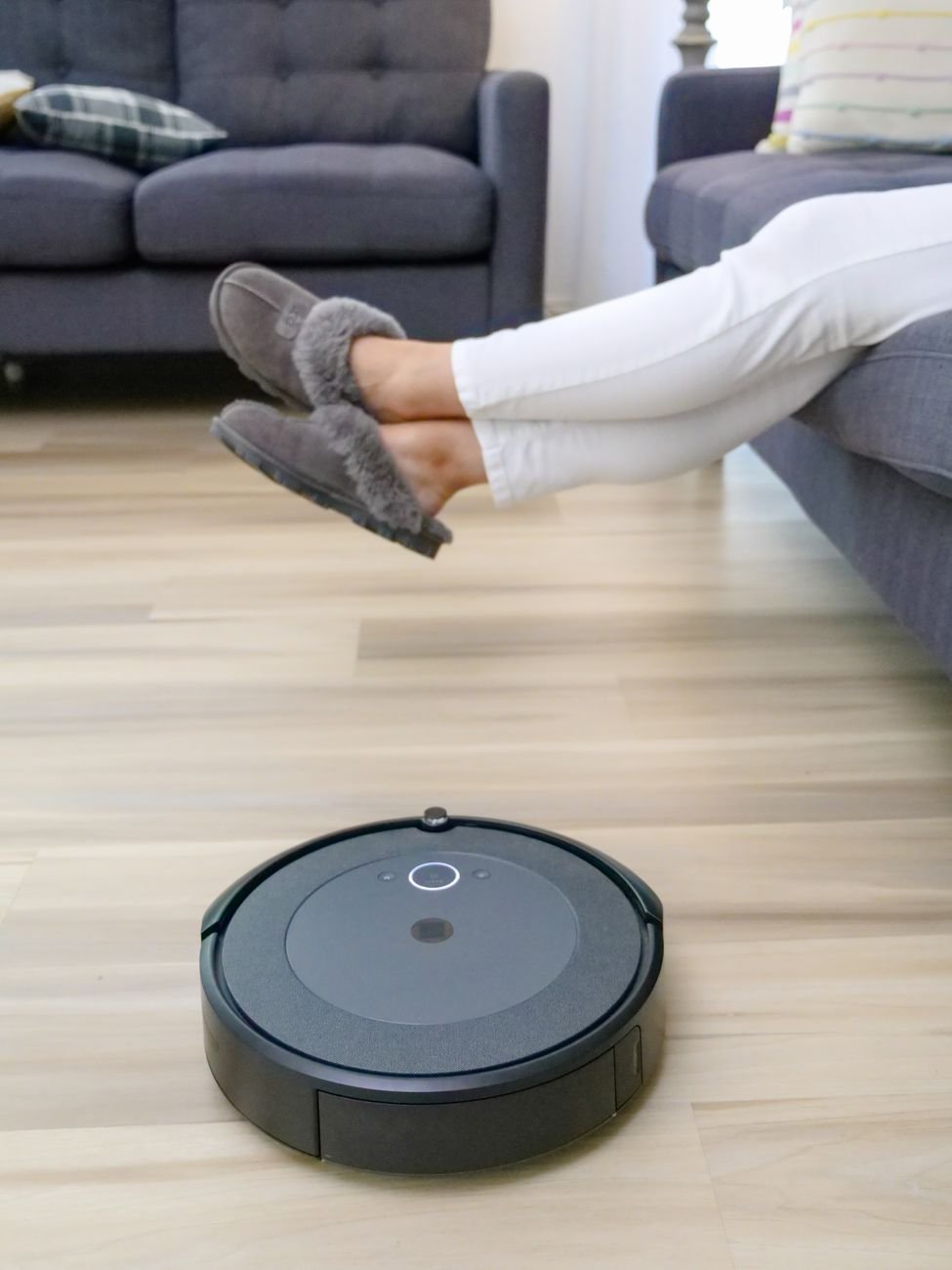
A robot vacuum is honestly one of the best tools for pet homes. Run it daily to keep fur under control.
- Empty the bin and clean the brushes often. Pet hair wraps around them.
- Pick up toys and cords first.
- Check the floor for accidents before you run it. A robot spreading poop is a very bad day.
Build these tasks into your weekly cleaning schedule. If you also have carpet, here’s how to remove urine smells from carpet.
Common questions
What is the safest floor cleaner for homes with pets?
Mild dish soap in warm water works on most sealed floors. For wood or stone, use a pH-neutral cleaner made for that floor.
How often should I mop with pets?
Mop busy areas once or twice a week, and dry mop or vacuum daily.
Is vinegar safe to use on floors with pets?
Diluted vinegar is okay on glazed tile, but check your vinyl maker’s guide, never use it on stone, and remember it doesn’t disinfect.
How do I get rid of pee smell on hard floors?
Blot, then use an enzyme cleaner made for pet urine. Avoid ammonia cleaners.
How do I stop my dog from scratching hardwood floors?
Keep nails trimmed and add rugs or runners on the routes your dog uses most.


Leave a Reply