

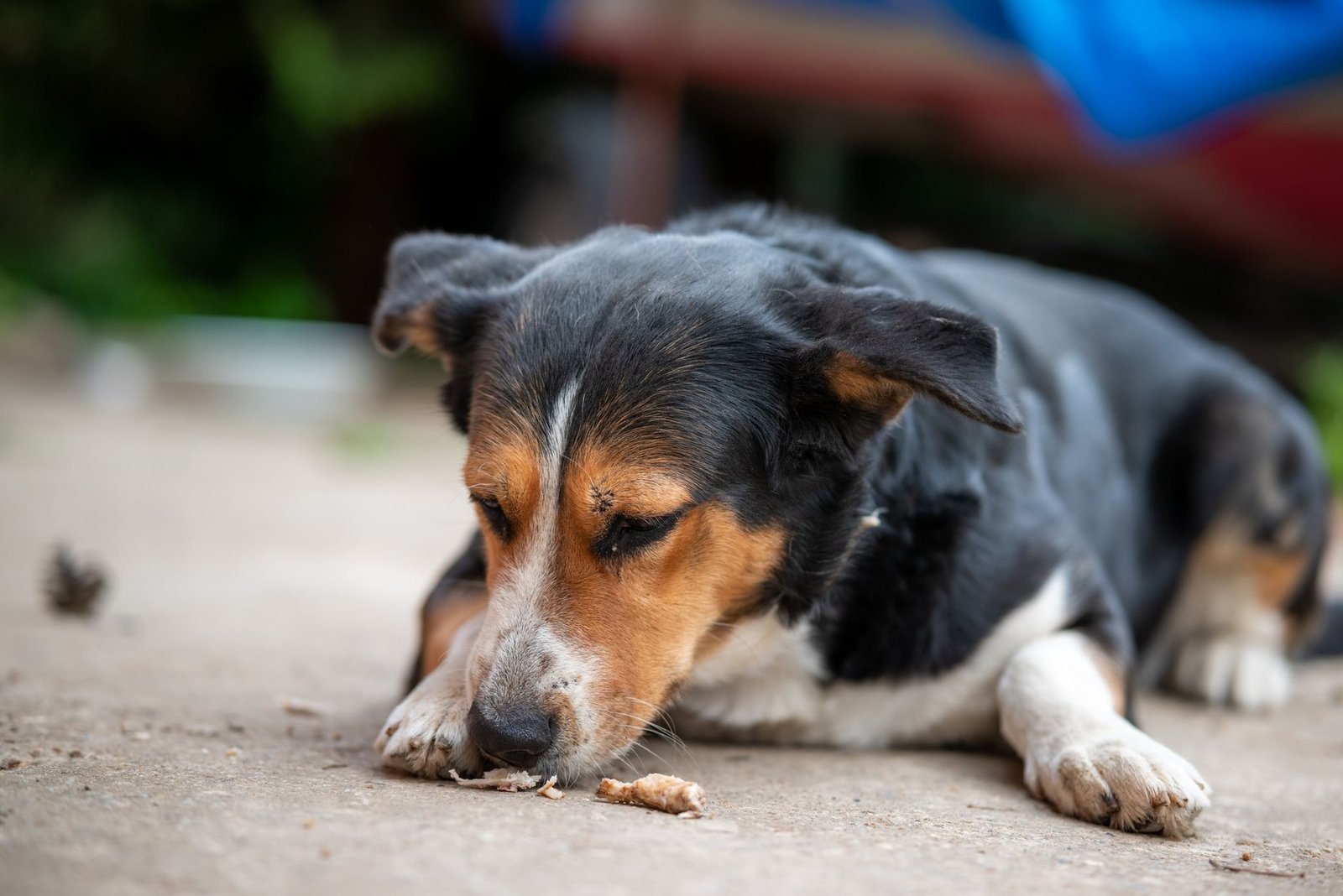
Your dog stares at your apple like it’s the best thing that ever happened. Can you share?
Often, yes. Plenty of fruit dogs can eat makes a sweet, crunchy treat. A few fruits, though, are truly dangerous, and grapes are at the top of that list.
Here’s what’s safe, how to serve it, and what to keep out of reach. Bookmark it for the next time those puppy eyes show up at snack time.
The ground rules first
Fruit is a treat, not a meal. Your dog’s regular food already covers what they need.
- Keep treats small. A common rule of thumb is that all treats together stay under about 10 percent of your dog’s daily calories.
- Wash it and cut it small. Bite-size pieces prevent choking, especially for small dogs.
- Remove seeds, pits, cores, stems and tough rinds.
- Serve it plain. No sugar, syrup, chocolate dip or yogurt coating.
- Start with one new fruit at a time and a tiny amount, so you can spot an upset tummy.
If your dog has diabetes, kidney disease or a sensitive stomach, ask your vet before adding any new food.
8 fruits dogs can eat
These are the favorites. Each one is safe in small amounts when you prep it the right way.
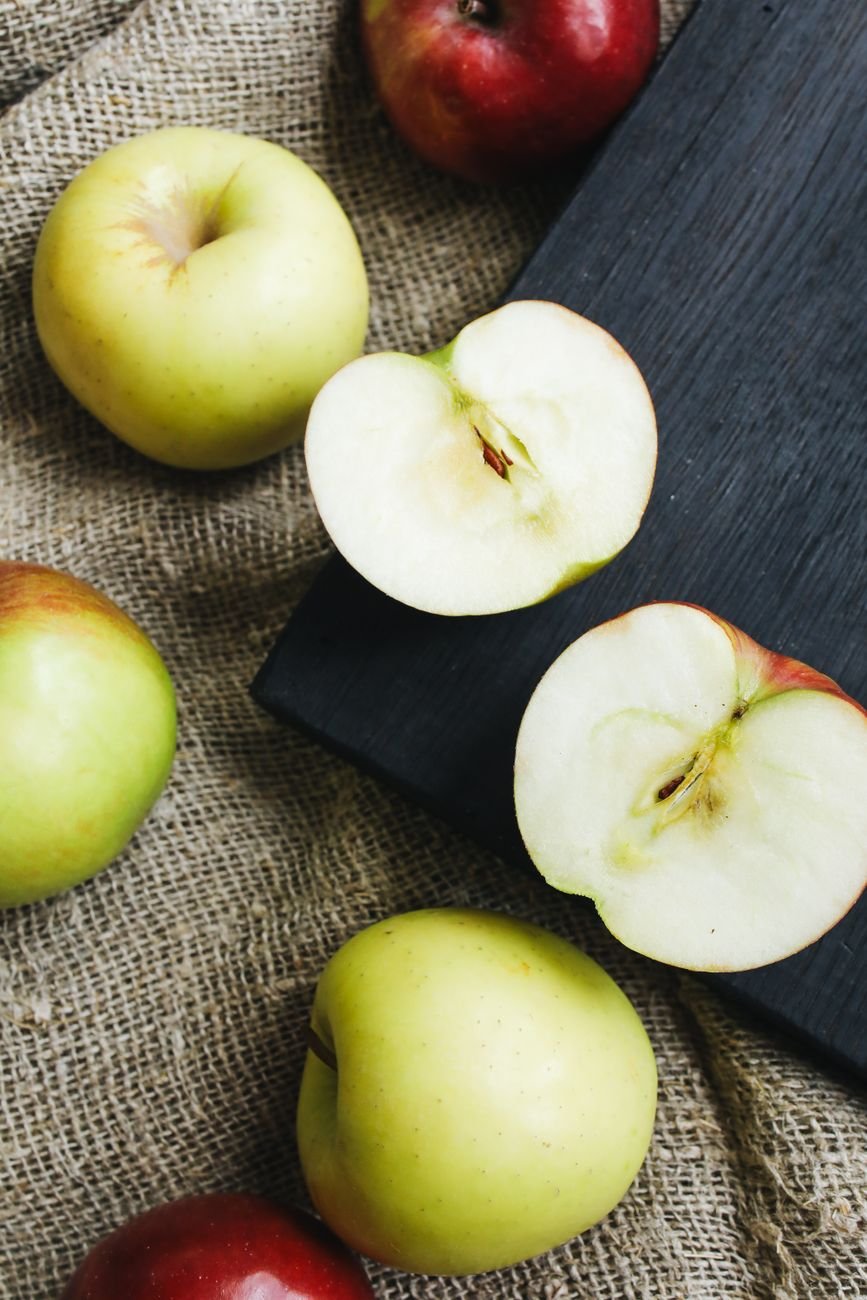
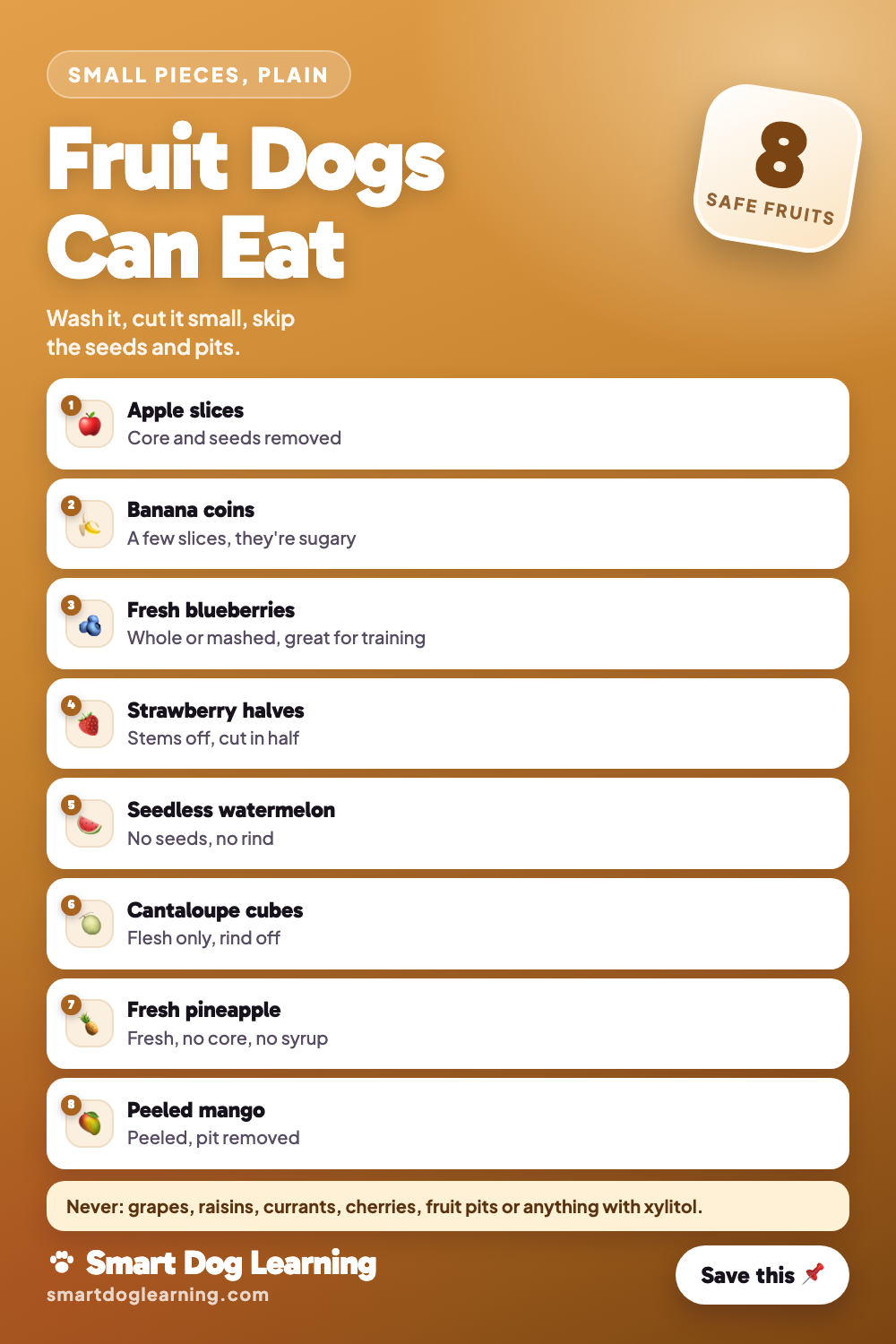
1. Apples
Crunchy and great for chewers. Cut out the core and seeds, since seeds contain a compound that releases cyanide and the core is a choking risk.
- 20 safe foods and how to serve them
- 14 dangerous foods and the signs to watch for
- What to do if your dog ate something toxic
2. Bananas
Soft and easy for older dogs. They’re high in sugar, so a few slices is plenty. Never give the peel.
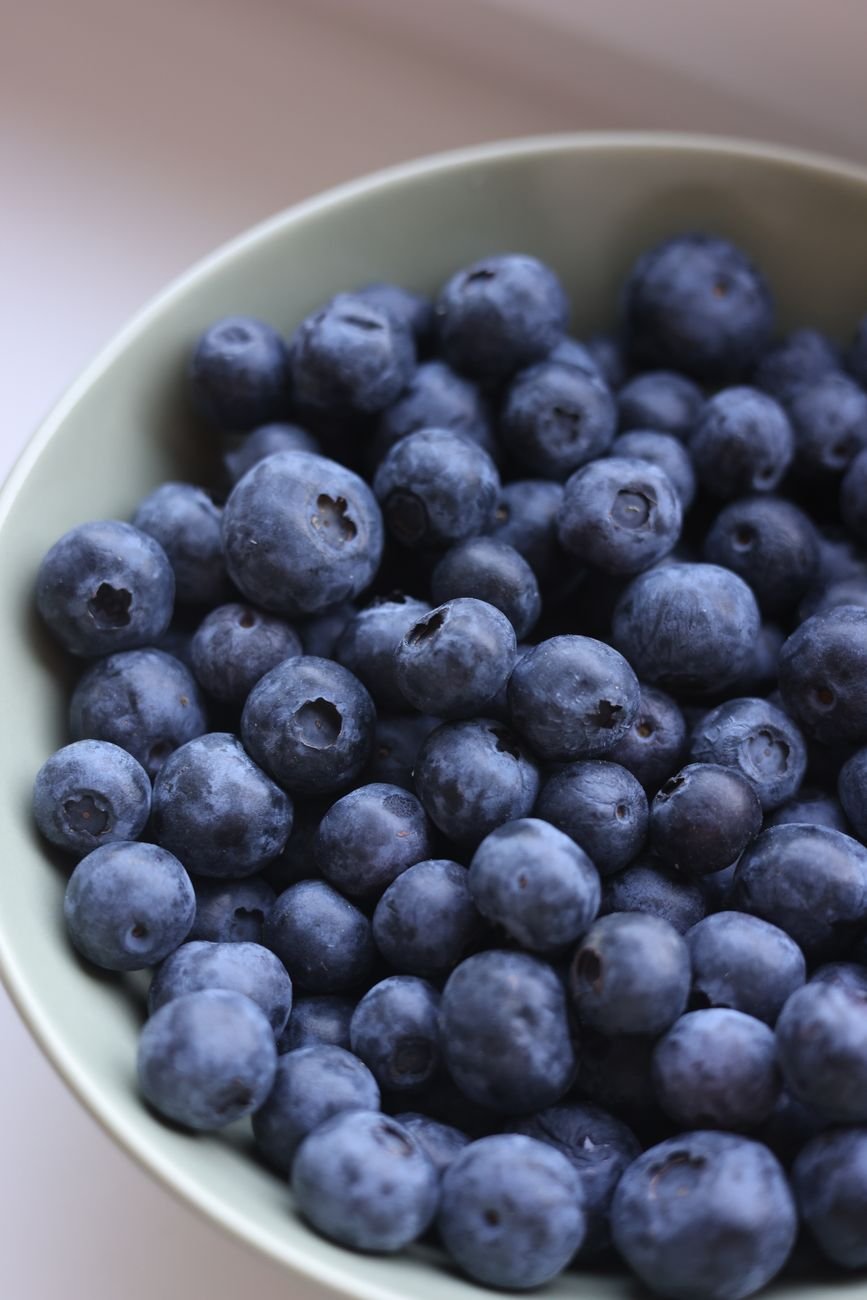
3. Blueberries
Tiny, low in calories and perfect as training treats. Mash or halve them for very small dogs.
4. Strawberries
Pull off the green tops and cut them in half or quarters. They’re sweet, so keep the portion small.
5. Watermelon
A hydrating summer snack. Use seedless flesh only and skip the rind, which can upset the stomach or cause a blockage.
6. Cantaloupe
Another juicy melon. Scoop out the seeds and cut away the rind before serving small cubes.
7. Pineapple
Fresh pineapple only, with the skin and hard core removed. Canned pineapple usually sits in sugary syrup, so skip it.
8. Mango
Peel it and remove the big pit, which is a serious choking and blockage hazard. Then offer a few small cubes.
How to prep fruit for your dog
Two minutes of prep makes fruit safer and easier to digest.
- Wash it under running water, just like you would for yourself.
- Peel it if the skin is tough or bitter, like mango, pineapple, banana and melon.
- Remove every seed, pit, core and stem. Check twice with apples and melons.
- Cut it to size. Blueberry-size pieces for toy breeds, bite-size cubes for big dogs.
- Store extras in the fridge in a sealed container and use them within a couple of days.
Frozen fruit is a great summer option. Just keep frozen pieces small, since hard chunks can be tough on teeth.
Fruits dogs can’t eat
This list is short, but it’s the important part. Keep these out of reach.
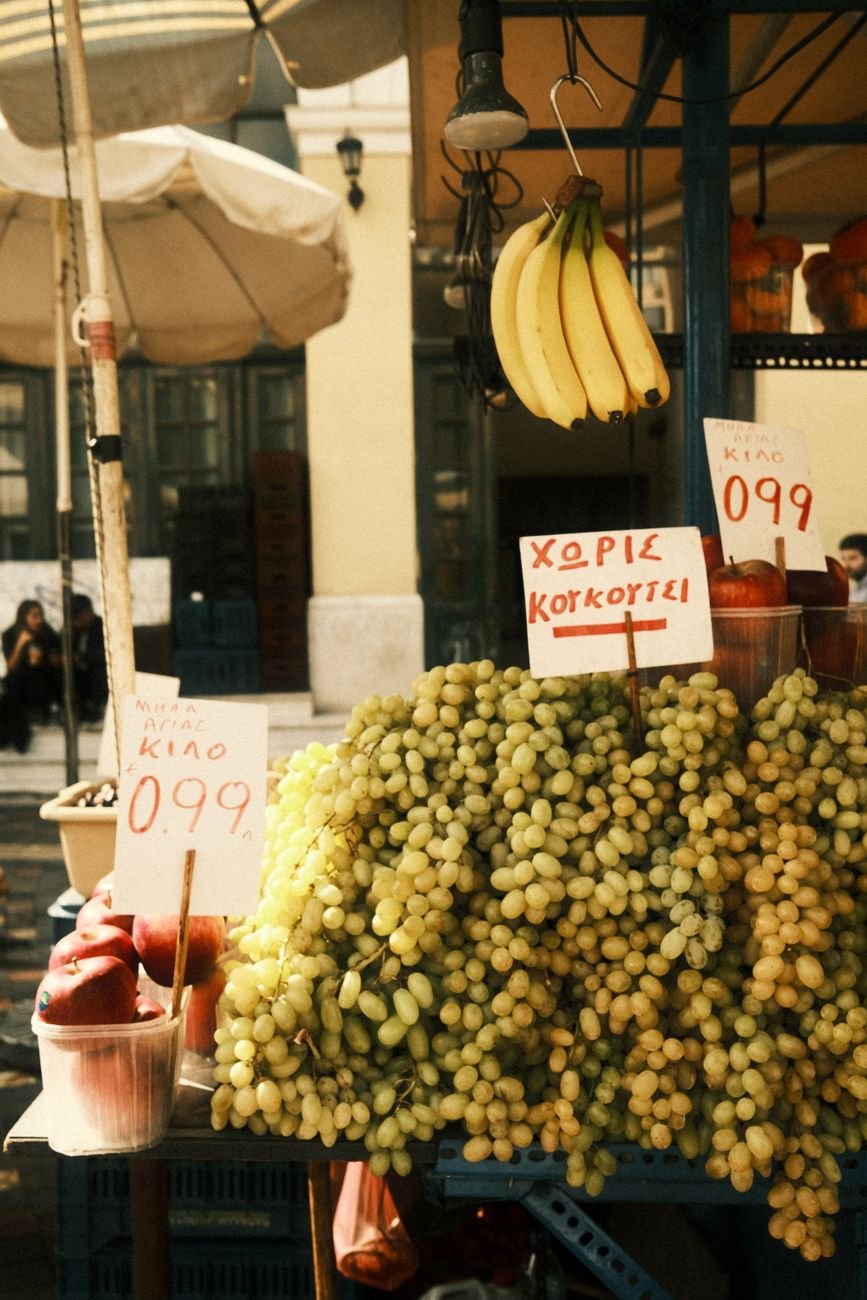
- Grapes, raisins and currants: they can cause kidney failure in dogs, and no one knows a safe amount. Even a few can be a problem for some dogs.
- Cherries: the pits, stems and leaves contain cyanide compounds, and the pits can cause blockages. It’s easiest to skip them.
- Avocado: the pit is a big choking hazard, and the skin and leaves contain persin, which can upset a dog’s stomach.
- Fruit pits in general: peach, plum, apricot and nectarine pits are choking and blockage risks, and some contain cyanide compounds.
- Lemons, limes and grapefruit: the peels and plants can irritate a dog’s stomach. Most dogs hate the sour taste anyway.
- Star fruit: it contains oxalates that can harm the kidneys, so keep it off the list.
Watch out for “fruit” foods
Sometimes the fruit is fine but what it comes in isn’t.
- Trail mix and granola: often hide raisins, chocolate and macadamia nuts.
- Fruit cakes, muffins and cookies: may contain raisins, nutmeg or chocolate.
- Sugar-free yogurt, jams and gum: may contain xylitol, which is very toxic to dogs. Always read the label.
- Canned fruit and fruit cups: usually packed in syrup.
- Dried fruit: concentrated sugar, and dried mixes often include raisins.
What to do if your dog eats a toxic fruit
Don’t wait for symptoms, especially with grapes or raisins.
- Move your dog away and pick up anything that’s left.
- Note what they ate, about how much and when.
- Call your vet or an emergency clinic right away.
- You can also call the ASPCA Animal Poison Control Center at (888) 426-4435. A consultation fee may apply.
Don’t make your dog vomit at home unless a vet tells you to. It isn’t safe in every case.
Easy ways to serve fruit
A little creativity makes fruit feel like a big deal.
- Frozen blueberries as crunchy summer treats.
- Watermelon cubes in a puzzle toy or snuffle mat.
- Mashed banana spread thin inside a lick mat.
- Apple slices as a chewy reward on walks.
- Fruit pupsicles made with plain yogurt and water.
Want recipes? Try these frozen pupsicle treats or these simple 3-ingredient dog treats.
How much fruit is too much?
Less than you think. Fruit is sweet, and too much can mean loose stools or extra weight.
- Toy dogs: one or two small pieces.
- Medium dogs: a small handful.
- Large dogs: a bit more, still as a treat.
If you see diarrhea, vomiting or itching after a new fruit, stop and check with your vet.
Common questions
Can dogs eat pears?
Yes, in small pieces with the core, seeds and stem removed. Skip canned pears in syrup.
Can dogs eat oranges?
A segment or two of peeled orange with the seeds out is fine for most dogs. Skip the peel, and skip it entirely for diabetic dogs.
Are grapes really that dangerous?
Yes. Grapes and raisins can cause kidney failure, and there’s no known safe amount. Call your vet right away if your dog eats any.
Can puppies eat fruit?
Small tastes of safe fruit are fine once they’re eating solid food. Keep pieces tiny and portions very small.
Can dogs eat raspberries and blackberries?
A few at a time is fine. Raspberries naturally contain a tiny bit of xylitol, so keep the portion small.



Leave a Reply