

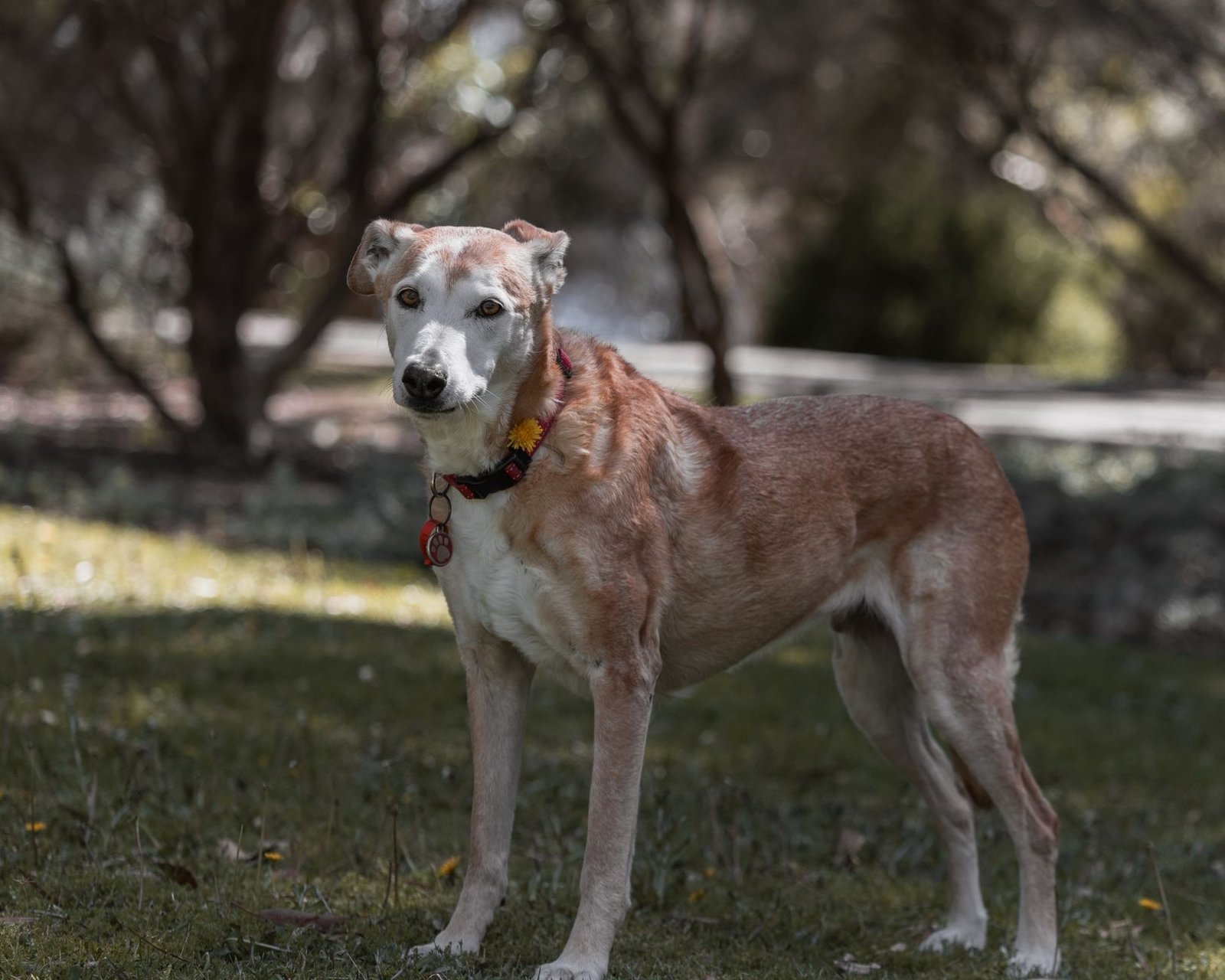
Older dogs still love treats. Their teeth and gums just don’t always love hard biscuits anymore.
These soft dog treats are homemade, gentle to chew and made with a short list of dog-safe ingredients. All five bake low and short, so they stay tender inside.
Why senior dogs need softer treats
As dogs age, chewing can get harder. You might notice your dog dropping hard treats or chewing on one side.
- Worn or missing teeth make crunchy biscuits tricky.
- Sore gums can make chewing uncomfortable.
- A smaller appetite means a soft, smelly treat is more tempting.
- Pills are easier to hide in something soft.
If your dog suddenly struggles to eat, paws at their mouth or has bad breath, see your vet. Dental pain is common in older dogs and very treatable.
Ingredients to check before you bake
Every recipe here uses simple, dog-safe ingredients. A few things still need a careful look at the label.
- Peanut butter: must be xylitol-free (sometimes listed as birch sugar). Unsalted is best.
- Pumpkin: plain canned pumpkin, not pumpkin pie filling, which has sugar and spices.
- Applesauce: unsweetened with no added sugar or sweeteners.
- Salmon: canned in water, no salt added.
- Chicken: plain cooked, no seasoning, onion or garlic, and no cooked bones.
Oat flour is easy to make. Blend rolled oats until fine. You can swap in whole wheat flour if your dog does fine with wheat.
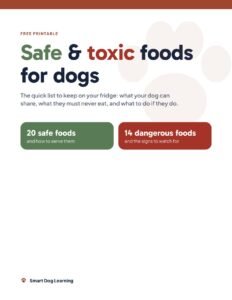
- 20 safe foods and how to serve them
- 14 dangerous foods and the signs to watch for
- What to do if your dog ate something toxic
The basic method for all five
The trick to soft treats is a lower oven and a shorter bake.
- Heat the oven to 325°F and line a baking sheet with parchment.
- Mix the ingredients into a thick, scoopable dough.
- Drop teaspoon-sized balls onto the sheet and flatten them slightly.
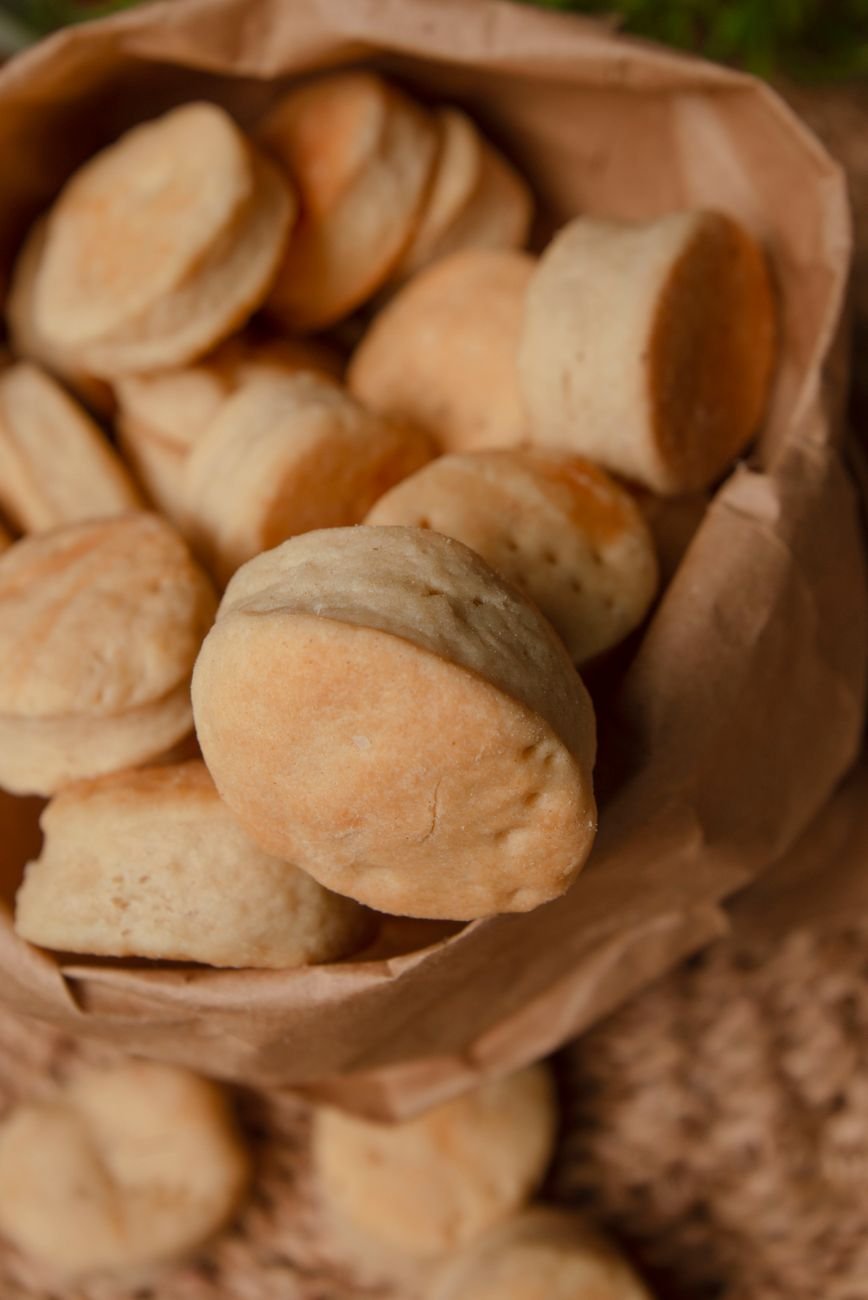
- Bake until just set and no longer sticky. Don’t let them brown.
- Cool completely before serving.
1. Pumpkin peanut butter soft chews
- 1 cup plain pumpkin puree
- 2 tablespoons xylitol-free peanut butter
- 1 egg
- About 2 cups oat flour
Mix and drop by the teaspoon. Bake 15 to 18 minutes. Pumpkin keeps these moist, and most dogs go wild for the peanut butter smell.
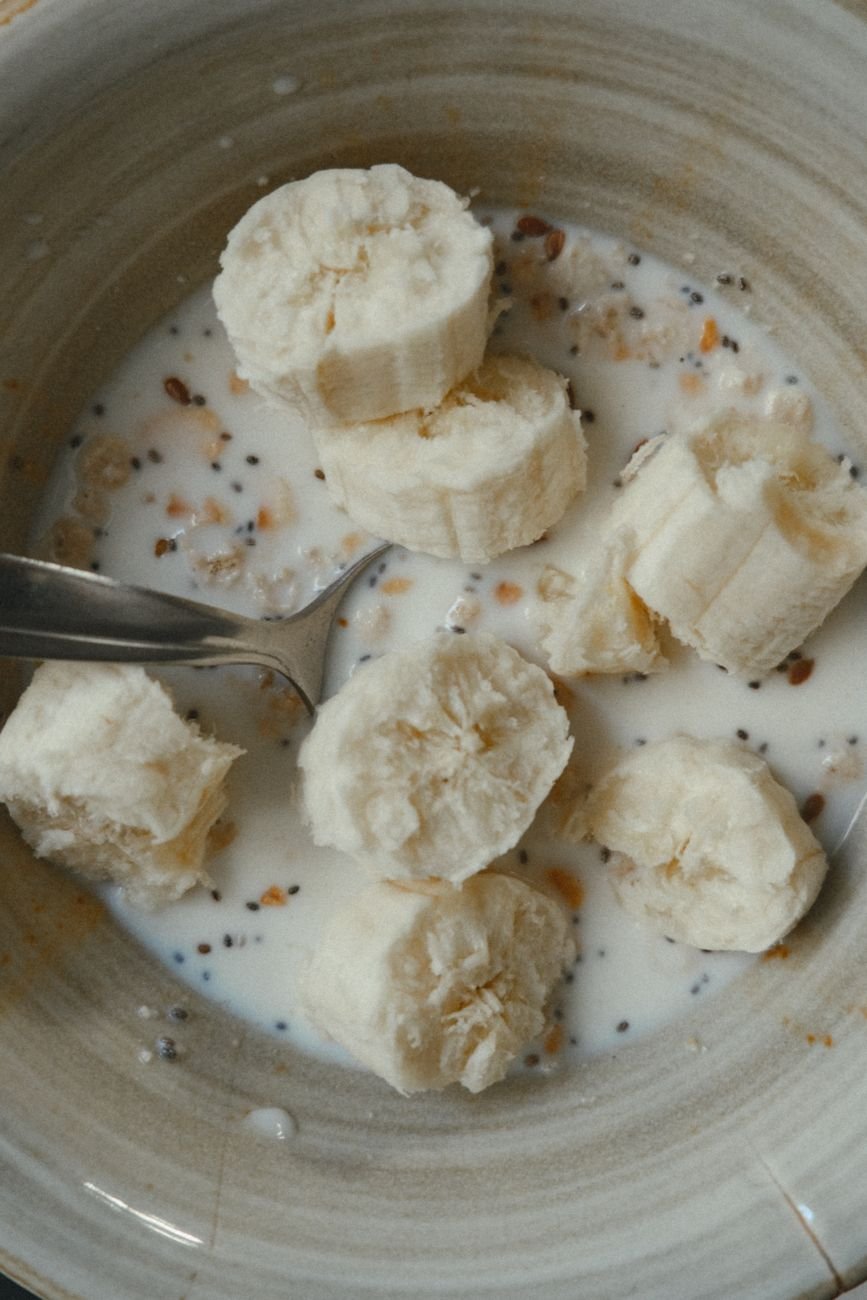
2. Banana oat soft cookies
- 1 ripe banana, mashed
- 1 egg
- About 1 1/4 cups oat flour
Bake 12 to 15 minutes. Banana is naturally sweet, so keep these small. They’re a good pick for dogs who don’t do peanut butter.
3. Chicken and carrot bites
- 1 cup plain cooked chicken, shredded very fine
- 1/2 cup finely grated carrot
- 1 egg
- About 1 cup oat flour
Bake 15 to 20 minutes. Make sure the chicken is cooked through before it goes into the dough. These smell amazing to a dog with a fading appetite.
4. Salmon and sweet potato bites
- 1 small can salmon in water, no salt added, drained
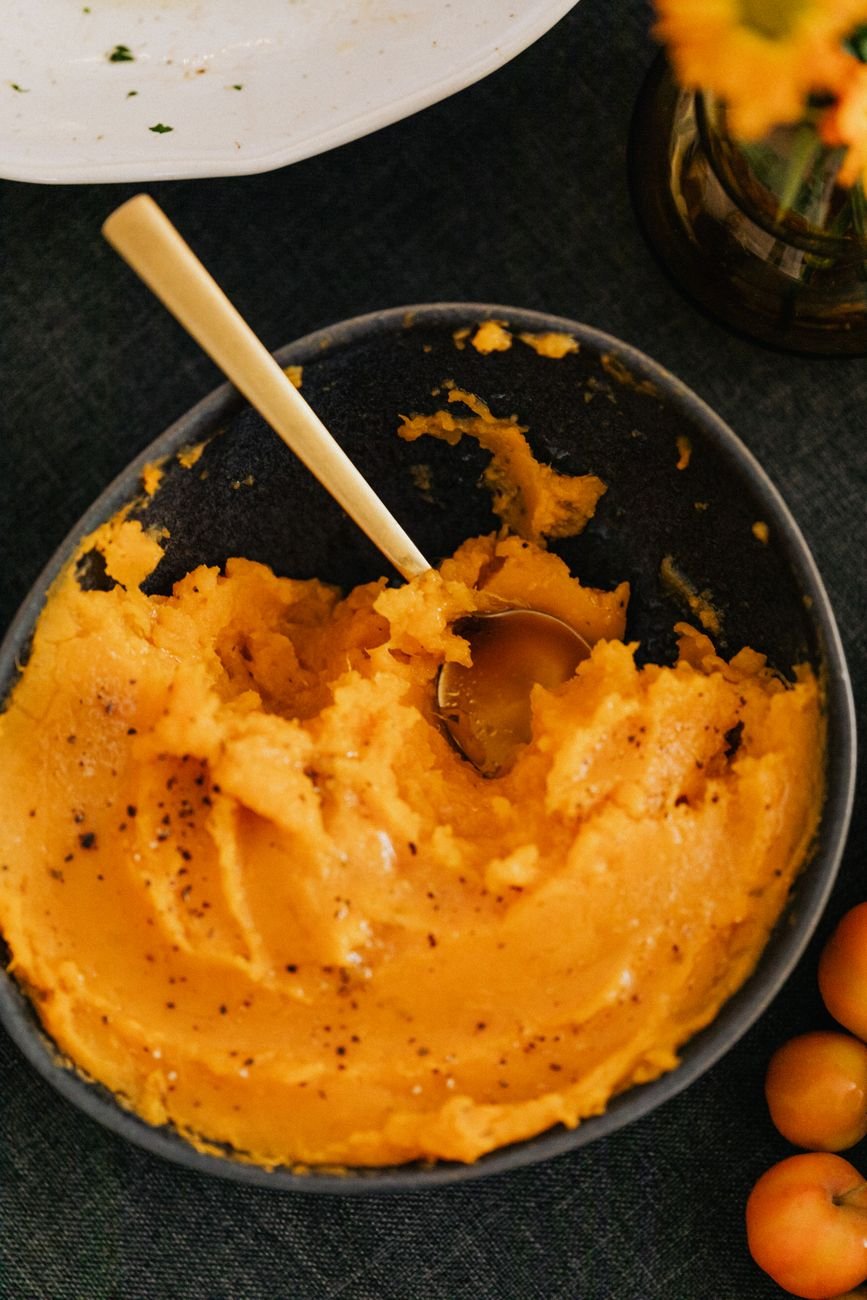
- 1 cup mashed cooked sweet potato, skin removed
- 1 egg
- About 1 cup oat flour
Mash the salmon well and pick out any large bones. Bake 15 to 20 minutes. Fair warning: your kitchen will smell like fish.
5. Applesauce oat chews
- 1/2 cup unsweetened applesauce
- 1 egg
- About 1 1/2 cups oat flour
Bake 12 to 15 minutes. These are the mildest of the five and a nice option for a sensitive stomach.
Tips for extra soft treats
Some seniors need something closer to a soft cookie than a biscuit. These small changes help.
- Add a spoonful of water or extra puree if the dough feels stiff.
- Make them thinner and smaller so they cook through quickly.
- Pull them early. They firm up a little as they cool.
- Store them in the fridge as soon as they cool. Treats left out on the counter dry out and go hard.
Easy ways to serve them
Soft treats aren’t just for rewards. They can make daily life easier for an older dog.
- Crumble one over dinner to tempt a picky eater.
- Hide a pill by pressing a soft treat around it.
- Use tiny pieces for training. Senior dogs enjoy learning new tricks too.
- Hand one over after a vet visit or a nail trim to end on a good note.
Let them come to room temperature first if they’ve been in the fridge. Cold treats can be less tempting for a dog with a weak sense of smell.
How to keep soft treats fresh
Soft treats have more moisture than crunchy biscuits, so they spoil faster. Treat them like leftovers.
- Fridge: in an airtight container for about a week.
- Freezer: up to about 3 months. Thaw a few at a time.
- Toss anything that smells off or shows any mold.
Want more simple recipes? Try these 3-ingredient dog treats. Just bake them a little shorter for a softer bite.
How many treats can a senior dog have?
Older dogs often move less, so extra calories add up fast. Extra weight is hard on aging joints.
- Keep treats under 10% of your dog’s daily calories.
- Break treats into small pieces. Your dog cares about how many, not how big.
- Cut back their meal a little on heavy treat days.
Talk to your vet first if your dog has
Some health conditions change what’s safe. Ask before adding new treats if your dog has:
- Kidney disease, which may limit protein and phosphorus
- Pancreatitis, where fatty foods like peanut butter and salmon can be a problem
- Diabetes, where fruit like banana and applesauce matters
- Food allergies or a prescription diet
Common questions
What treats are good for old dogs with bad teeth?
Soft, small, baked treats like the ones above, or plain cooked chicken in tiny pieces. Have your vet check those teeth too.
How do I make homemade dog treats soft?
Use moist ingredients like pumpkin or banana, bake at 325°F and take them out as soon as they’re set.
How long do soft homemade dog treats last?
About a week in the fridge in an airtight container, or up to around 3 months in the freezer.
Can senior dogs eat peanut butter?
Most can in small amounts, as long as it’s xylitol-free. Skip it for dogs with pancreatitis unless your vet says it’s fine.
Can I use these treats to hide pills?
Yes, a soft treat wraps around a pill easily. Check with your vet that the pill can be given with food.
Soft Dog Treats for Senior Dogs (5 Homemade Recipes)
Ingredients
Instructions
- Heat the oven to 325°F and line a baking sheet with parchment.
- Mix the ingredients into a thick, scoopable dough.
- Drop teaspoon-sized balls onto the sheet and flatten them slightly.
- Bake until just set and no longer sticky. Don't let them brown.
- Cool completely before serving.


Leave a Reply