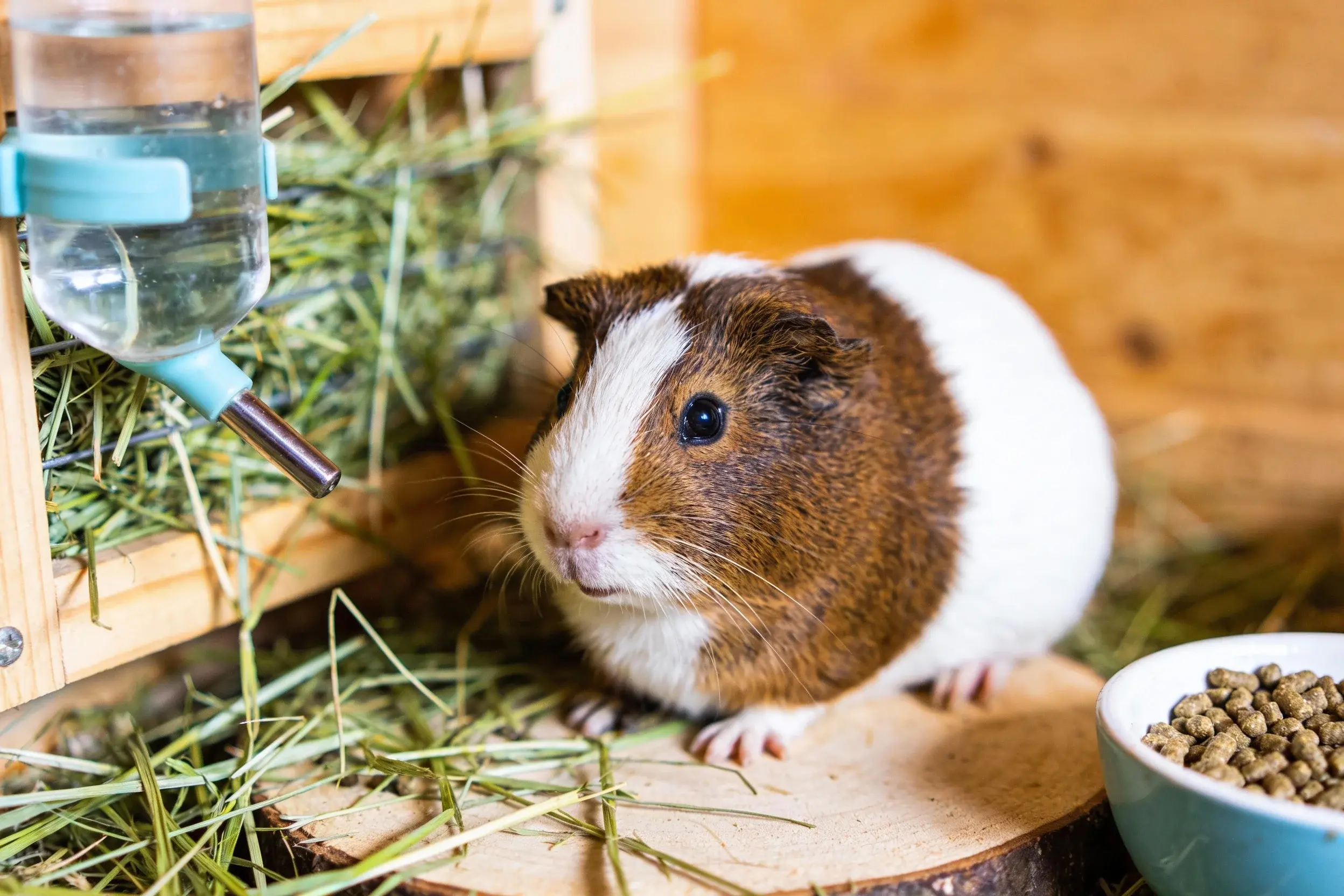
Common Guinea Pig Health Problems and How to Prevent Them
Guinea pigs hide illness like tiny furry ninjas. One day they popcorn around, the next they huddle in a corner and refuse dinner. You can’t negotiate with a digestive tract, so prevention beats emergency vet visits every time. Let’s talk about the usual culprits, how to dodge them, and when to call a pro before things get scary.
Diet Drama: The Root of Most Problems
Your pig’s health starts (and often ends) with what lands in the bowl. Guinea pigs need vitamin C daily because their bodies can’t make it. No vitamin C = scurvy = sore joints, crusty skin, and a very unhappy squeaker.
Build a bulletproof menu
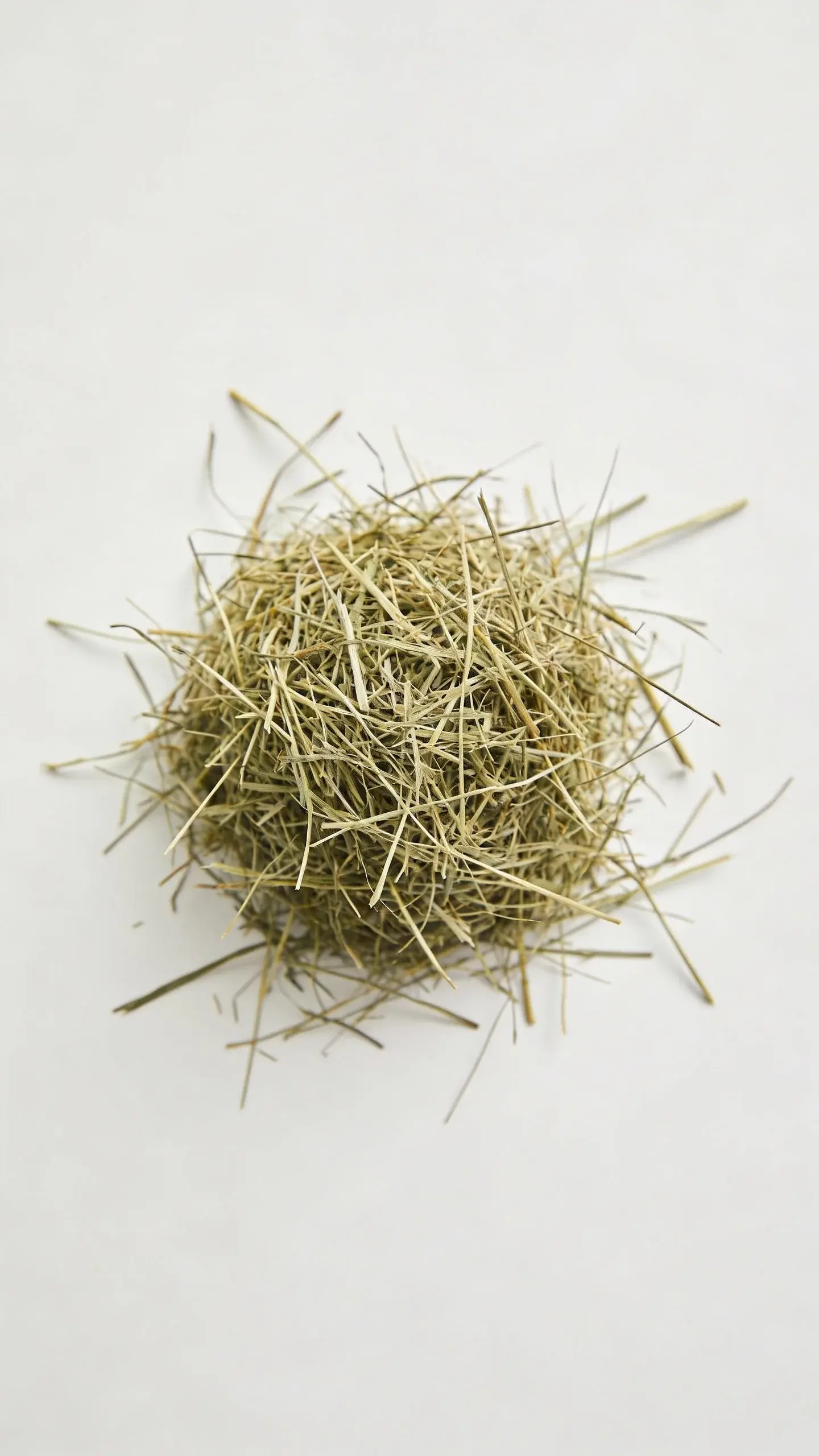
- Unlimited grass hay (timothy, orchard, meadow) for digestion and teeth. Skip alfalfa for adults—it’s too rich.
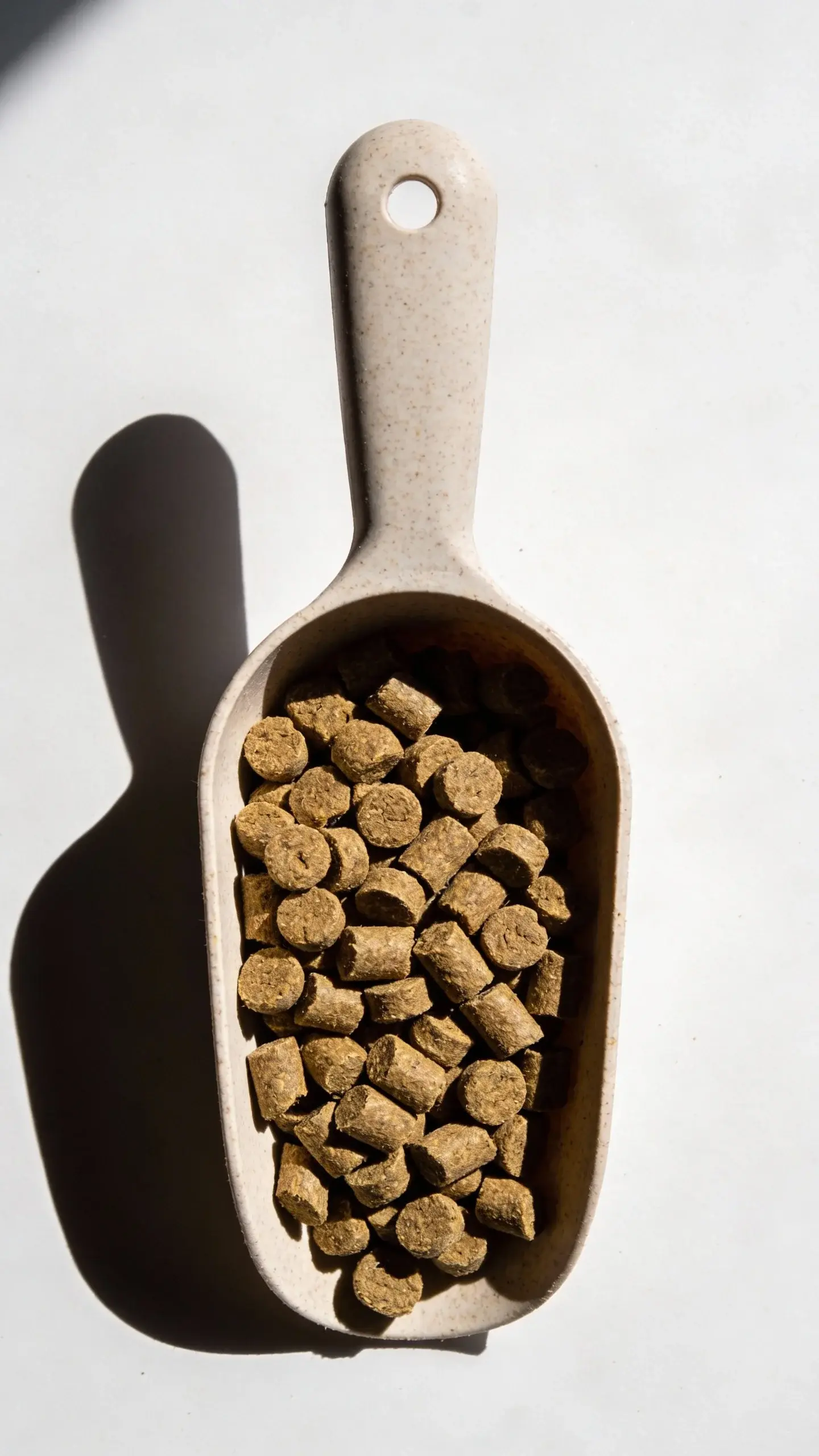
- Quality pellets with stabilized vitamin C. No seeds, colored bits, or mystery “treat” chunks.
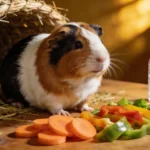
- Fresh veggies daily: bell peppers (vitamin C champs), leafy greens like romaine and cilantro. Rotate options.
- Fresh water always. Clean the bottle and nozzle daily like you mean it.
Foods to avoid
- Iceberg lettuce (mostly water, minimal nutrients)
- Potato, onion, garlic, rhubarb (toxic)
- High-sugar fruit every day (treat fruit like dessert, not dinner)
Teeth: Constantly Growing, Sometimes Problematic
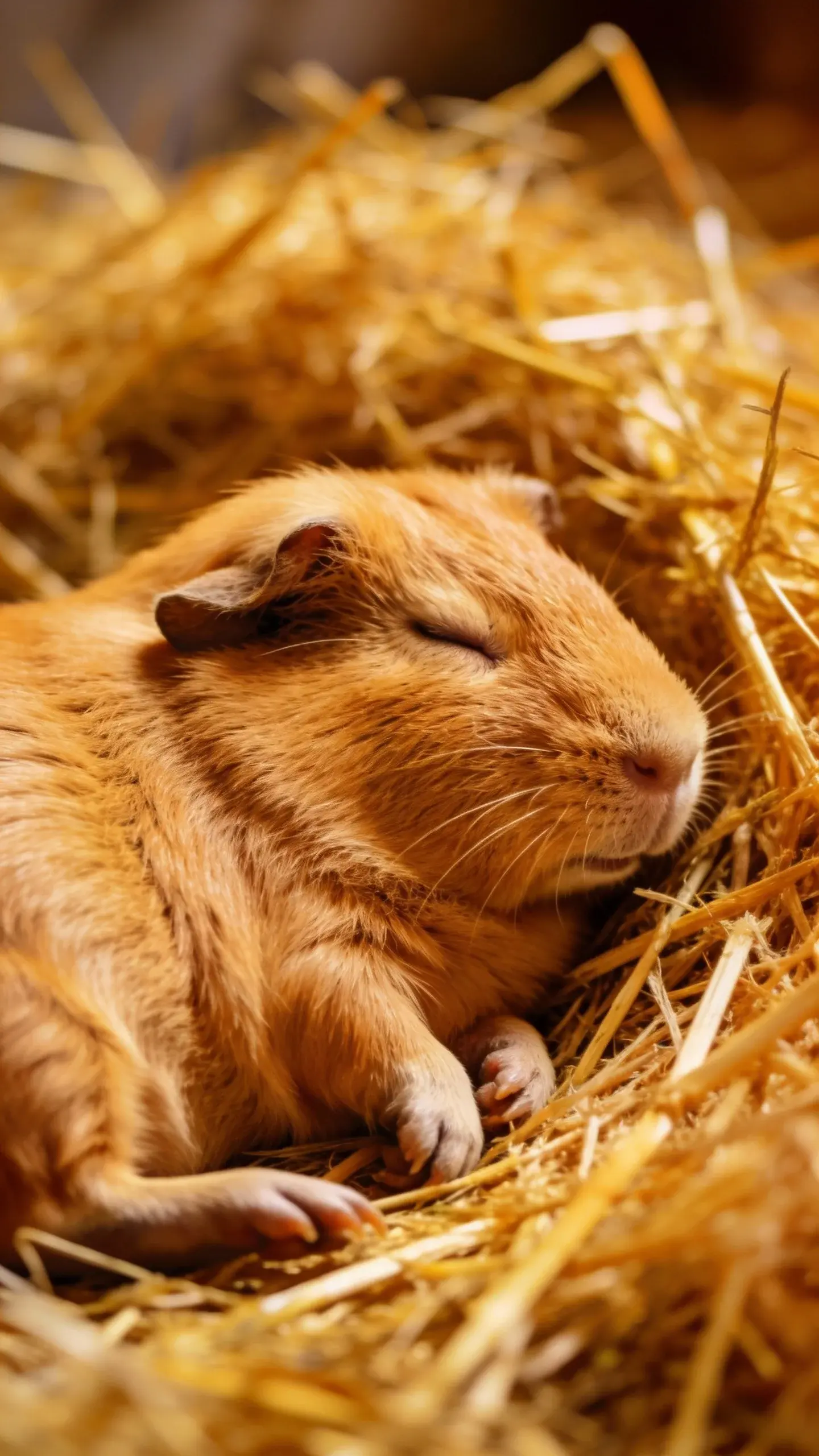
Guinea pig teeth never stop growing. If chewing doesn’t wear them down, they overgrow and poke cheeks or tongue. Ouch.
Signs of dental trouble
- Drooling or a wet chin (“slobbers”)
- Picking at food or dropping it mid-chew
- Weight loss and messy front paws from wiping drool
Prevention like a pro
- Hay, hay, hay. It drives proper wear more than anything else.
- Offer crunchy, low-sugar veg (bell peppers, cucumber slices, endive).
- Skip hard treats and mineral blocks. They don’t fix the real issue and can break teeth.
- Schedule routine weight checks weekly. Weight drops often show before you see drool.
Respiratory Infections: Tiny Lungs, Big Problems
Guinea pigs catch respiratory bugs fast, and they escalate even faster. Drafts, dusty bedding, and stress give bacteria a VIP pass.
Red flags
- Sneezing, nasal discharge, crusty eyes
- Labored breathing or wheezing
- Lethargy and not eating
Prevention tactics
- Use low-dust bedding (paper-based or fleece liners). Avoid cedar and pine shavings—oils irritate airways.
- Keep the habitat away from drafts and smoke.
- Quarantine new piggies for at least 2 weeks. Yes, even the “healthy-looking” ones.
- Clean the cage regularly so ammonia from urine doesn’t irritate lungs.
GI Stasis and Bloat: The Emergency No One Wants
When the gut slows down, everything spirals. Pain kills appetite, no food kills gut bacteria balance, and then you have a very expensive vet trip.
Recognize it early
- Not eating or refusing favorite veggies
- Little to no poop, or tiny dry pellets
- Hunched posture, grinding teeth, swollen belly
Prevention and first steps
- Daily hay access and steady routines—no sudden diet switches.
- Keep stress low: stable cage mates, predictable schedules, gentle handling.
- At the first sign of not eating, call your exotic vet. Guinea pigs can’t “wait it out.”
- Have a recovery kit: critical care formula, syringes, a scale. Use only under vet guidance.
Skin and Parasites: Itch Now, Deal With Fallout Later
Bald patches, dandruff, and constant scratching aren’t just a fashion statement. Mites and fungal infections run rampant if you ignore early signs.
Common culprits
- Mites: Intense scratching, seizures when touched in severe cases.
- Fungal (ringworm): Circular bald spots, flaky skin—also contagious to humans FYI.
- Barbering (chewing hair): Often stress or dominance-related.
Prevention and care
- Quarantine new arrivals and wash hands between handling pigs.
- Keep the cage dry and clean. Damp, dirty bedding invites skin problems.
- See a vet for proper diagnostics and meds. Don’t DIY with random pet-store ointments.
- Disinfect habitats and wash fabrics during treatment to avoid reinfection.
Bladder Stones and Urinary Issues
Stones happen more often than anyone likes to admit, especially with calcium-heavy diets or low water intake. They hurt, and sometimes they block urine flow, which is an emergency.
Watch for
- Blood in urine or pinkish bedding
- Straining to urinate or squeaking while peeing
- Hunched stance, reduced activity
Reduce the risk
- Hydration: Multiple water stations, wet leafy greens, fresh water daily.
- Balanced calcium: Avoid alfalfa for adults, rotate greens (don’t only feed kale/spinach).
- Encourage movement with a roomy cage and interesting layouts.
- Regular vet checks if your pig has a history of stones.
Weight, Nails, and General Upkeep
The boring maintenance stuff actually saves lives. A five-minute weekly check can catch problems before they explode.
Your mini health checklist
- Weigh weekly on a kitchen scale and track it. A loss of 50–100 grams in a week means action, not vibes.
- Trim nails every 3–6 weeks. Long nails twist toes and cause pain.
- Check eyes, ears, and bum for discharge or buildup.
- Monitor poop size and shape. Yes, you’re a poop detective now.
Habitat and Hygiene: Set Them Up to Thrive
Cage setup either supports health or slowly sabotages it. Luckily, you control this part 100%.
Do it right
- Space: Aim for at least 7.5 sq ft for two pigs; more is better.
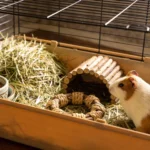
- Ventilation: Open-top C&C cages beat aquariums or enclosed tanks.
- Cleanliness: Spot clean daily; full clean 1–2 times weekly.
- Provide hideys, tunnels, and chew toys for enrichment and stress relief.
When to Call the Vet (AKA Not Tomorrow)
Guinea pigs decline fast. When you see serious symptoms, don’t crowdsource from the internet and hope.
- Not eating for 6+ hours or no poop: emergency.
- Labored breathing, blue-tinged gums or tongue: emergency.
- Blood in urine, severe diarrhea, suspected bloat: emergency.
- Otherwise, book a same-week appointment for weight loss, skin issues, sneezing, or dental concerns.
FAQ
How much vitamin C does my guinea pig need daily?
Most adults do well with roughly 20–30 mg of vitamin C per day, which you can cover with high-quality pellets and veggies like bell peppers. If your vet recommends supplements, use stabilized vitamin C drops given directly, not in water bottles. Water dilution reduces potency and discourages drinking.
Can I prevent mites with routine treatment?
You can’t realistically “prevent” mites entirely because stress or exposure can trigger outbreaks. Focus on cleanliness, quarantine, and quick treatment if you spot symptoms. IMO, preemptive meds without signs or vet guidance just waste money and risk dosing errors.
Is alfalfa ever okay?
Yes—for young, pregnant, or nursing guinea pigs that need extra calcium and protein. Adult maintenance diets should use grass hays like timothy or orchard to avoid urinary issues. Transition gradually to avoid tummy drama.
Do guinea pigs need annual vet checkups?
Absolutely. A yearly exam with an experienced exotic vet can catch dental changes, heart or respiratory issues, and subtle weight trends. FYI, older pigs or pigs with a medical history may need checkups every 6 months.
What temperature should I keep the room?
Aim for 65–75°F (18–24°C) with low humidity. Avoid direct sunlight, heaters, and drafts. If you feel sweaty or chilly, your pig probably does too.
How can I tell if two pigs stress each other out?
Watch for chronic chasing, barbering, blocked access to food, or weight loss in the subordinate pig. Provide multiple hideys and feeding stations, and ensure the cage is large enough. If bullying persists, try a divider or consult a rescue or behavior-savvy vet for bonding tips.
Conclusion
Healthy guinea pigs don’t happen by accident. You build them with hay, vitamin C, clean setups, and quick action when something seems off. Keep a scale handy, a good exotic vet on speed dial, and your sense of humor intact—because yes, you will discuss poop sizes at dinner sometimes. IMO, that’s a small price for years of happy wheeks.

I’ve spent 10+ years in dog training, digging into what makes dogs (and their humans) tick. At Smart Dog Learning, I share my no-nonsense, fun approach to training so you can enjoy life with a well-behaved, happy pup—no boring lectures, just practical results 😉