


You got a puppy. Congratulations! 🎉
Now what?
Besides the constant chewing, zoomies at 2 AM, and the suspicious wet spots on your rug, there’s one critical thing every pup needs from day one: socialization.
No, that doesn’t mean throwing them into a mosh pit of dogs at the park and hoping for the best. Socialization is about gradual, positive exposure to the world—at your pup’s pace.
And yes, there is a right way to do it. Let’s break it down before your puppy grows into that dog who barks at ceiling fans and screams at strollers.
What the Heck Is Puppy Socialization?

In short: introducing your pup to the world in a way that makes them feel safe, confident, and chill about all the weird human stuff we expect dogs to deal with.
Think:
- People (tall, short, bearded, in hats, on skateboards…)
- Other dogs (friendly, calm ones—not wild daycare packs)
- Noises (cars, vacuums, fireworks, your neighbor’s bass speaker)
- Surfaces (grass, sand, metal grates, hardwood, slippery floors)
- Environments (stores, parks, vets, cafes, elevators)
The goal? Your dog learns: “The world is not out to get me.” (Which is a pretty great mindset for all of us, honestly.)
Why It Matters (Like, a LOT)
Dogs that aren’t properly socialized as puppies can grow up fearful, reactive, or anxious. And once they hit 6+ months, fear responses are a lot harder to fix.
Socialization is easier than rehab. Trust.
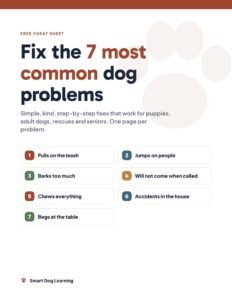
- Works for puppies, adults, rescues and seniors
- One page per problem, step by step
- Printable PDF, free
Also, socialization isn’t just for your dog. It’s for you. Unless you love apologizing to strangers every time your dog loses their mind over a shopping cart, get on the socialization train early.
The Ideal Socialization Window 🐶⏳

8–16 weeks is the sweet spot. That’s when puppies are little sponges, soaking up experiences and forming opinions like:
“Skateboards = terrifying”
OR
“Skateboards = loud but whatever, let’s go sniff something.”
Once they hit 4–6 months, they get more cautious and suspicious. Not impossible to train, but way harder.
FYI: Your vet may say to avoid public spaces until vaccinations are done—but that doesn’t mean hide your pup in a cave. Use controlled exposure (aka people, objects, and experiences at a safe distance) until they’re fully vaccinated.
PTE Training Tips (Positive Training & Exposure FTW)
1. Go Slow or Go Home
Throwing your puppy into a dog park on day one? HARD NO. That’s like taking a toddler to a rock concert as their first outing.
Instead:
- One new thing per outing
- One new experience per session
- Keep it short, sweet, and successful

2. Treats Are Your Best Friend (Besides Your Dog)
Food = good feelings.
Carry treats everywhere like you’re a walking vending machine. If your pup sees a scary thing and looks calm? Treat.
Walks past a stroller without flinching? Treat.
Doesn’t scream at a trash bag? OMG—treat jackpot.
This builds what trainers call a positive association. We just call it bribery with purpose.
3. Let Them Set the Pace
Your puppy isn’t ready to meet 15 kids at once? Cool. Respect that.
Signs your pup is comfortable:
- Ears relaxed
- Tail wagging softly
- Curious sniffing
- Taking treats
Signs they’re over it:
- Tail tucked
- Backing away
- Barking or growling
- Not taking food (big red flag)
Never force interaction. That’s how you raise a dog with issues. Let them approach new things on their terms.
4. Controlled Dog Intros Only
Your pup doesn’t need to be BFFs with every dog. In fact, they shouldn’t be.
Skip the dog park. (No, really.)
Instead:
- Set up playdates with calm, vaccinated dogs you trust.
- Keep intros short—5 minutes at first.
- Reward good interactions with calm praise and treats.
A single bad experience with an aggressive or pushy dog can undo weeks of work. Choose friends wisely. (Life advice, too.)
5. Socialization ≠ Chaos
Don’t just “expose” your puppy to things—pair every new thing with something they love. That’s the “training” part of “Positive Training & Exposure.”
Examples:
- New surface? Toss some treats on it.
- Loud truck? Treat party when it passes.
- Weird guy with an umbrella? Treats, praise, and maybe let them sniff the umbrella.
Be your pup’s hype squad. Make them feel like everything they experience is no big deal. (Even if you’re quietly freaking out.)

6. Create a Socialization Checklist (Like a Nerd—but It Helps)
Seriously. Keep track of what your puppy’s seen and done.
Here’s a sample checklist:
- 👶 Kids
- 🧓 Elderly people with walkers
- 👒 People in hats, hoodies, sunglasses
- 🚲 Bikes, scooters, skateboards
- 🦺 Traffic, buses, sirens
- 🧹 Brooms, vacuums, blenders
- 🐱 Cats (safely behind a baby gate, pls)
- 🐶 Dogs (calm ones)
- 🛒 Shopping carts, automatic doors
- 💧 Baths, nail clippers, vet tables
Check it off, one thing at a time. Slow and steady = confident dog.
7. Mix It Up
Don’t just expose your puppy to the same 5 things over and over. The point of socialization is variety. Think different:
- People (men, women, tall, short, loud, quiet)
- Locations (beach, woods, hardware store, grandma’s kitchen)
- Weather (wind, rain, snow—aka weird sky stuff)
Keep it interesting. Puppies with a boring world view tend to lose their minds the second life throws them something unexpected.
Common Mistakes (AKA How to Raise an Overdramatic Adult Dog)
❌ “They’re scared, but I’ll just make them do it anyway.”
Congrats, you’ve just created a fear. Don’t do that. Back off. Try again later. Patience wins.
❌ “They’ll grow out of it.”
They won’t. Fear behaviors get stronger with age. Cute puppy barks at strangers? Kinda funny. 70-lb adult dog lunging at your neighbor? Not so much.
❌ “They love dogs, they don’t need to meet people.”
Wrong. Dogs need to be cool with all the weird things life throws at them. Not just their furry friends.

How to Know It’s Working
- Your puppy recovers quickly after new stuff.
- They choose to approach new people and environments.
- They’re not losing their minds at every noise, dog, or dancing inflatable man outside the car dealership.
Socialization doesn’t mean “never afraid.” It means your dog can handle life with some resilience and confidence. (Tbh, we could all use that.)
Final Thoughts: Socialize Now, Chill Later
You’ve got a tiny window to shape how your dog sees the world. Use it well.
Socialization isn’t about “exposing them to a million things” — it’s about creating safe, positive, calm experiences with the stuff they’ll encounter for the rest of their lives.
Do it now, or prepare for a lifetime of drama.
TL;DR?
Start slow. Use treats. Let your pup lead. Don’t rush. Celebrate every win (even the small ones). And please, skip the dog park for a while.
Your future self—and your fully grown, non-neurotic dog—will thank you. 🐾


Leave a Reply