Tibetan Mastiff Care Guide: Everything New Owners Need to Know
The Tibetan Mastiff is what happens when a breed spends two thousand years guarding monasteries at 14,000 feet and nobody ever asks it to be convenient.
He is enormous, magnificent, and about as biddable as a filing cabinet. He decides what is a threat. He decides when to bark. He decides whether your instruction was worth acting on.
If that sounds appealing, read on. If it sounds exhausting, that is also a perfectly reasonable reaction.
What Exactly Is a Tibetan Mastiff?
The Tibetan Mastiff is an ancient livestock guardian from the Himalayas, used by nomadic herders and Tibetan monasteries to protect flocks and property from wolves, leopards and human intruders.
Crucially, he worked alone, at night, without instruction. No handler told him what to do. He watched, assessed and acted independently. That is not a training quirk you can remove, it is the entire breed.
The Quick Stats
- Height: 24 to 30 inches at the shoulder
- Weight: 70 to 160 pounds, males far larger
- Lifespan: 10 to 14 years, long for a giant breed
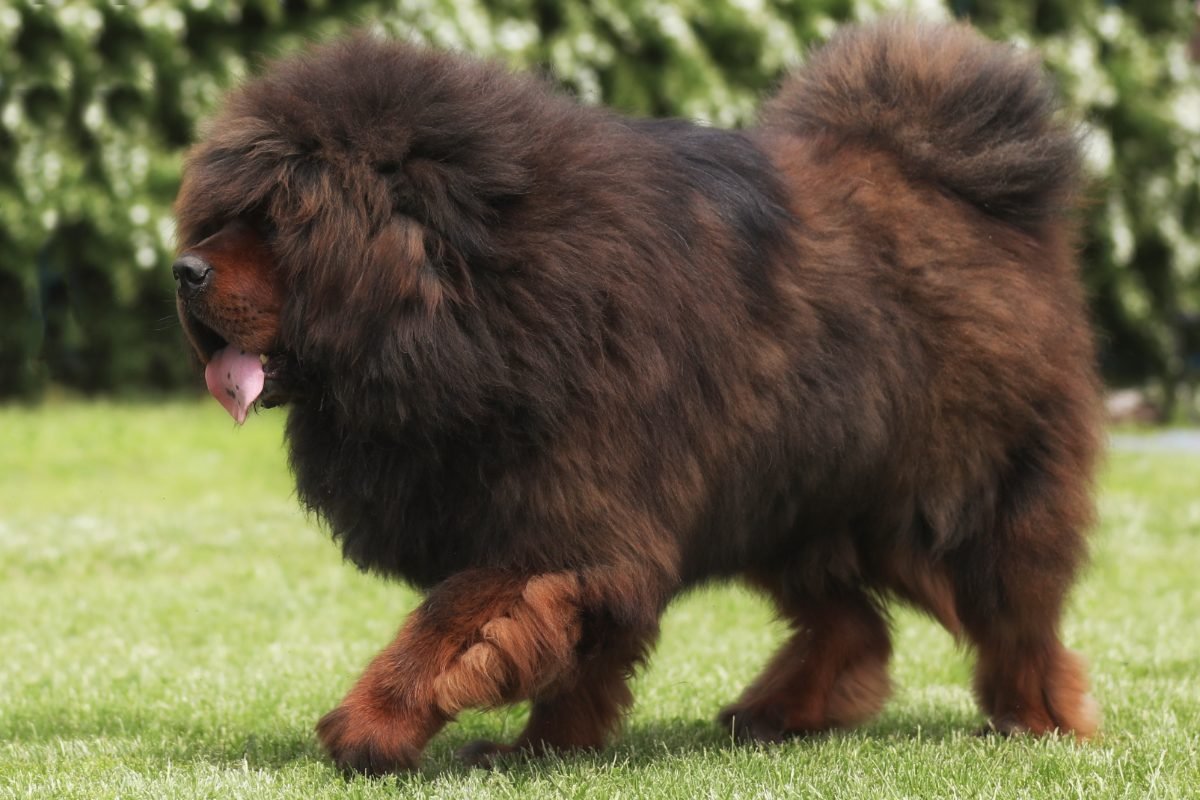
- Coat: Enormous double coat, heavy mane on males
- Colors: Black, brown, blue grey, gold, often with tan markings
- Energy: Low to moderate, deceptively calm indoors
- Maturity: Slow, females at 2 to 3 years, males at 4 or later
FYI Tibetan Mastiffs typically have one heat cycle a year rather than two, another sign of how little this breed has been altered by modern breeding.
The Temperament Is Genuinely Different
This is not a large friendly dog. It is a guardian, and guardians think differently.
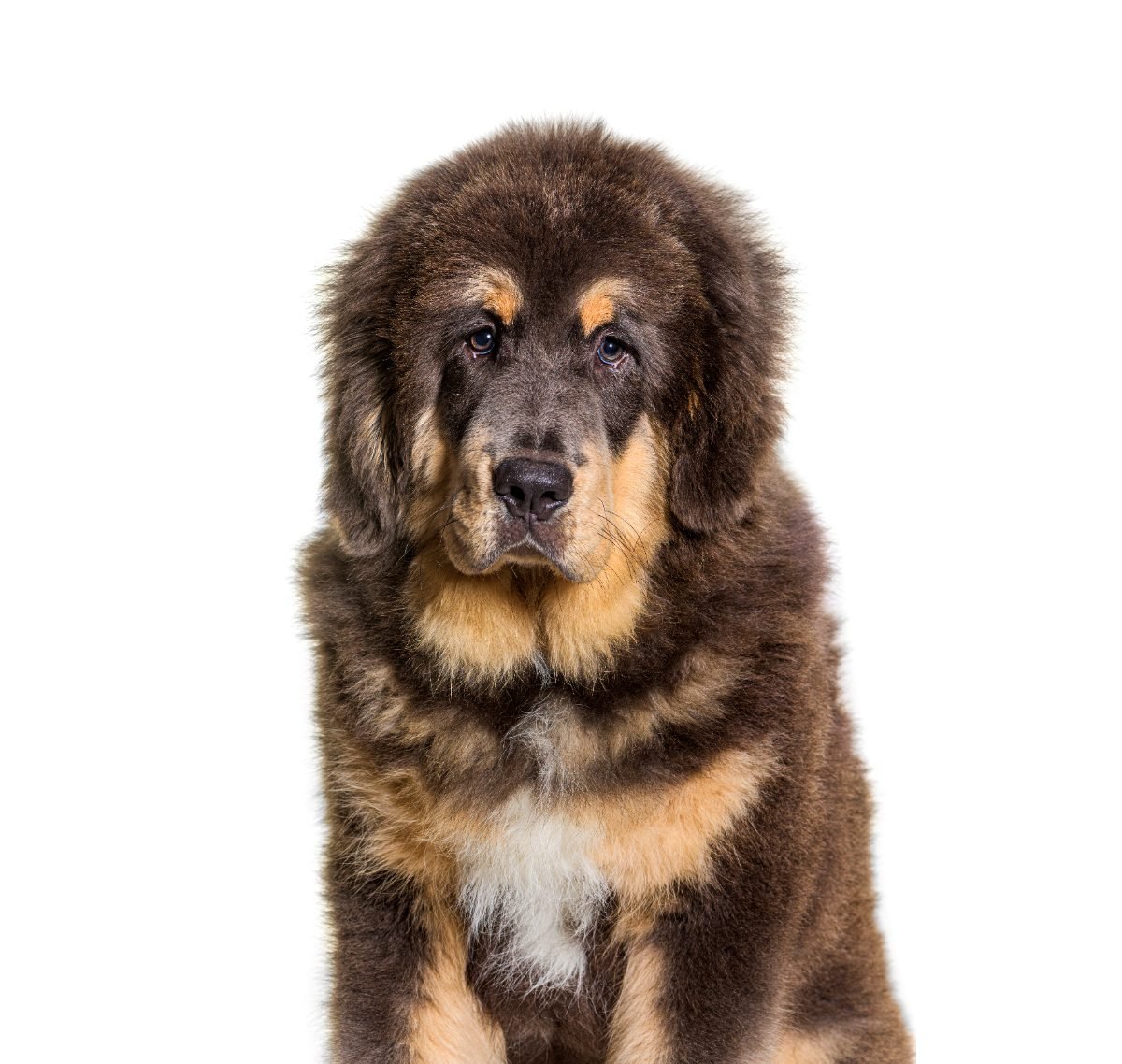
A Tibetan Mastiff is aloof with strangers, deeply devoted to family, and entirely willing to overrule you. He is not stubborn out of spite. He simply weighs your request against his own assessment and frequently concludes his is better.
What to expect:
- Calm and quiet indoors, often surprisingly so
- Intensely territorial about home and property
- Reserved to suspicious with visitors, permanently
- Independent, they do not seek constant approval
- Excellent with their own children, wary of visiting ones
- Often same sex aggressive with other dogs
The Nocturnal Barking Is Real
This is the single most under-communicated fact about the breed, and it ends more ownerships than anything else.
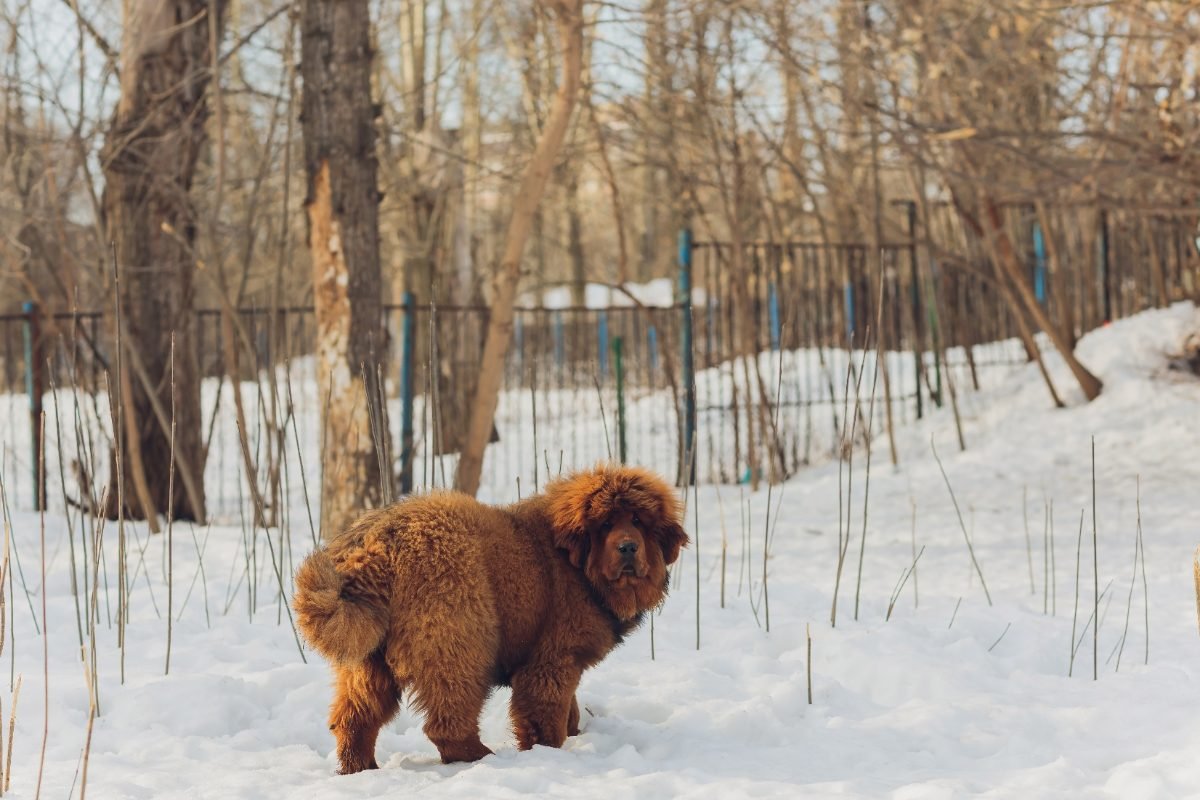
Tibetan Mastiffs bark at night. That is the job. They were bred to patrol and vocalise through the dark hours, warning off predators. Bring one into a suburb and he will do exactly that, enthusiastically, at a volume matching his size.
- Bring him indoors overnight, this is non negotiable in most neighbourhoods
- Never leave him outside unattended after dark
- Manage the triggers rather than expecting to train it away
- Be honest about your neighbours and local noise ordinances
- Expect some barking regardless, you cannot delete this
If you have close neighbours, think very hard. Genuinely.
Containment Is Not Optional
A Tibetan Mastiff defines his own territory, and he will expand it if allowed.
Six foot fencing minimum, and it needs to be solid. They climb, they dig, and a loose Tibetan Mastiff who considers the street part of his patrol route is a serious liability.
- Solid fence, at least 6 feet, no footholds
- Secure gates with locks, they learn latches
- No invisible or electric fencing, it will not stop a determined guardian
- Never off lead in unfenced areas
- Supervise all visitor arrivals, always
That Coat Is a Serious Commitment
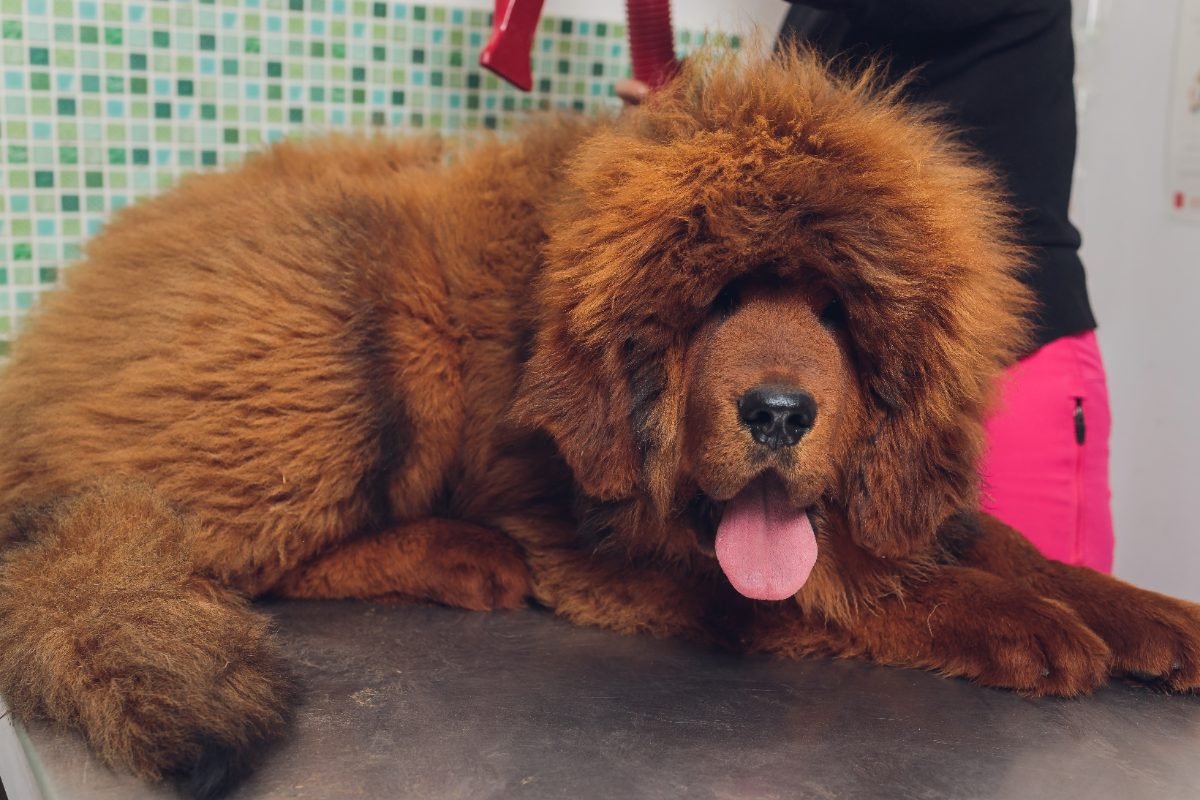
The Tibetan Mastiff coat is enormous, and males carry a lion like mane that is spectacular and demanding.
- Brush two to three times a week, daily during the blow
- Line brush right down to the skin, especially the mane and trousers
- They blow coat once a year and it is genuinely extraordinary
- Bathe every 6 to 8 weeks and dry thoroughly
- Never shave, that coat regulates heat in both directions
- Nails, ears and teeth on a regular schedule
Professional grooming for a dog this size runs $100 to $200 a session. Many owners learn to do it themselves out of pure economics.

Training a Dog Who Outranks You
Let’s be honest about what is achievable here.
You will not get retriever style obedience. You can absolutely get a well mannered, safe, manageable dog, and that is the correct target.
- Socialise relentlessly from 8 weeks, this is the highest priority
- Short sessions, food rewards, ask once
- Never harsh corrections, a guardian breed will simply escalate or disengage
- Focus on management skills, lead manners, place, accepting handling
- Start before adolescence, an untrained 140 pound guardian is not fixable later
- Accept that recall will be unreliable, plan around it
IMO the single best investment is a rock solid “place” command so he has a job when guests arrive, instead of appointing himself door security.
Health and Lifespan
Tibetan Mastiffs are relatively robust for a giant breed and often reach 12 to 14 years. Still, watch for:
- Hip and elbow dysplasia, demand OFA scores on both parents
- Canine inherited demyelinative neuropathy (CIDN), breed specific and testable
- Hypothyroidism, common enough to warrant monitoring
- Entropion and other eyelid issues
- Bloat (GDV), feed two meals, no exercise around eating
- Panosteitis during rapid growth, usually self limiting
That neuropathy test is the breed specific one. Ask about it by name, since a breeder who does not recognise the term is telling you something important.
The Honest Cost Breakdown
- Puppy from a reputable breeder: $2,000 to $6,000
- First year including vet, gear, food and training: $3,000 to $5,000
- Annual after that: $2,000 to $3,500
- Food for a 140 pound dog: $100 to $200 a month
- Professional grooming if outsourced: $100 to $200 per session
- Secure fencing, if you do not have it: $3,000 to $10,000
Is a Tibetan Mastiff Right for You?
Good fit if you:
- Have experience with guardian or primitive breeds
- Own property with real secure fencing and no close neighbours
- Want a genuine property guardian, not a companion dog
- Are comfortable with a dog that makes its own decisions
- Will socialise intensively for the first two years
Skip this breed if you:
- Are a first time owner, without exception
- Live in an apartment or a dense neighbourhood
- Want an obedient or eager to please dog
- Have frequent visitors or run a busy household
- Cannot tolerate barking, shedding or drool
Final Thoughts
The Tibetan Mastiff is not a difficult dog so much as an honest one. He tells you exactly what he is from the first week and never pretends otherwise.
Socialise him hard and early. Fence properly. Bring him in at night. Brush that coat. Train for manners, not obedience. And buy from a breeder who tests hips and knows what CIDN stands for.
Do that and you get twelve or more years of a calm, dignified, utterly loyal guardian who considers your family his personal responsibility.
He will still bark at 2am occasionally. That part is included. 🙂

I’ve spent 10+ years in dog training, digging into what makes dogs (and their humans) tick. At Smart Dog Learning, I share my no-nonsense, fun approach to training so you can enjoy life with a well-behaved, happy pup—no boring lectures, just practical results 😉