
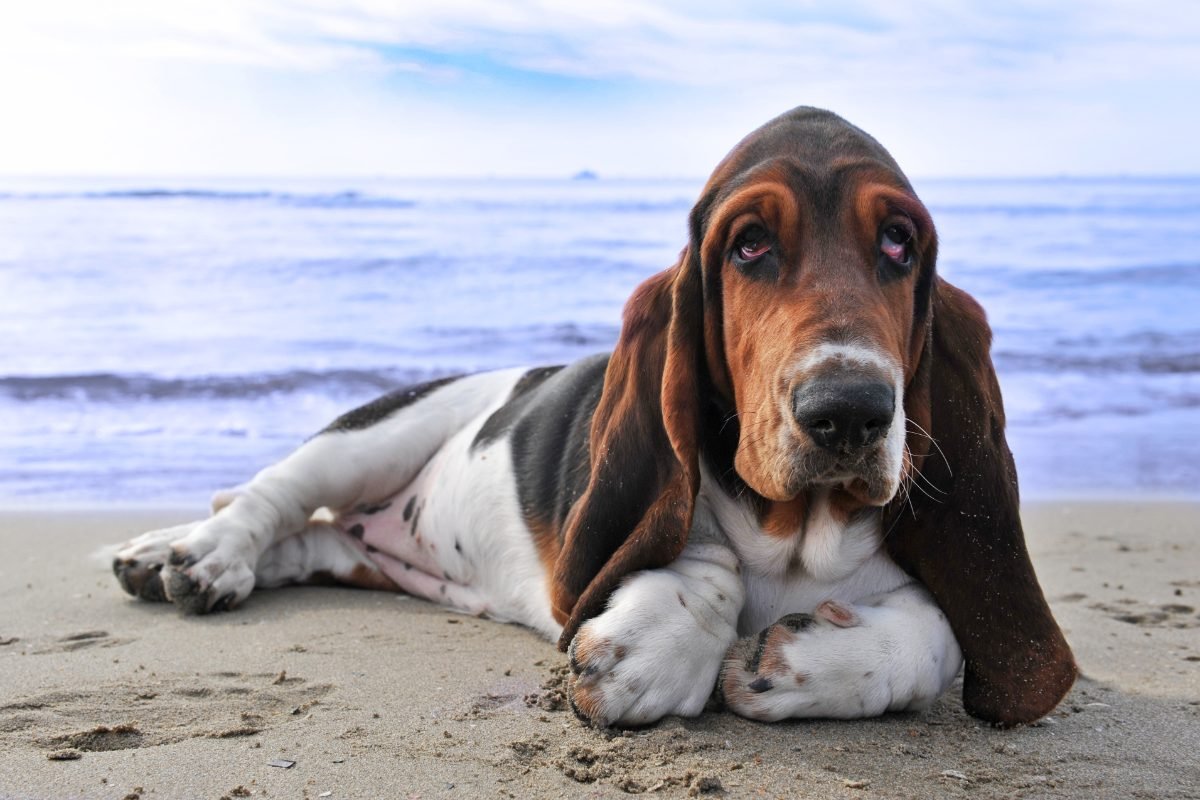
6 Mistakes Basset Hound Owners Make (And How to Avoid Them)
Basset Hounds are so agreeable that owners stop paying attention. Then five years later there is a 70 pound dog with chronic ear infections who cannot get up the stairs anymore.
Almost nothing goes wrong with this breed suddenly. It goes wrong slowly, through small daily decisions that seemed harmless at the time. Which is good news, because it means every mistake here is preventable.
Here are the six that actually cost Bassets their comfort and their years. If you are new to the breed, start with our full <a href=”https://smartdoglearning.com/basset-hound-care-guide/”>Basset Hound care guide</a>.
Mistake 1: Feeding a Basset Like a Normal Dog
This is the one that shortens more Basset lives than anything else, and it is entirely on us.
A Basset will eat until physically unable to continue. He is not hungry, he is a scent hound with no natural stop signal. Owners read that enthusiasm as appetite and keep topping him up.
A Basset carrying even five extra pounds is loading a long unsupported spine on short legs. That build, called chondrodysplasia, does not tolerate excess weight. It converts directly into disc disease and arthritis.
- Measure every meal with an actual cup, no eyeballing, no free feeding
- Count treats and chews inside the daily total, not on top of it
- You should feel ribs under light pressure without hunting for them
- Secure bins, close pantry doors, never leave food on low counters
- Weigh him monthly and correct a gain immediately
FYI a “chunky” Basset is not a happy Basset. He is a dog whose back is quietly failing.
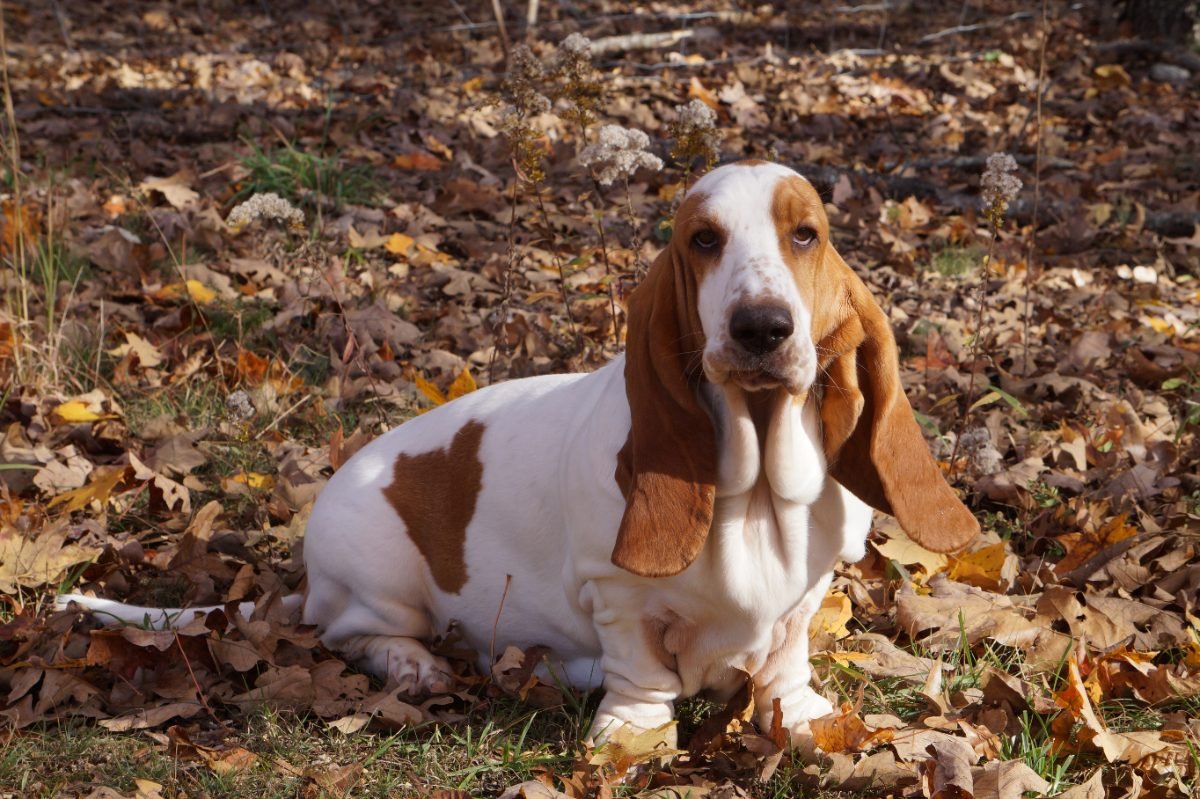
Mistake 2: Ignoring the Ears Until They Smell
Those ears are the breed’s signature and its biggest recurring health cost.
They hang long and heavy, sealing the ear canal off from airflow completely. Warm, dark and damp is exactly what yeast and bacteria want. Ear infections in this breed are not bad luck, they are the default state unless you intervene.
Weekly cleaning, forever, starting the week you bring him home.
- Vet approved cleaner, wipe what you can reach, never jam anything deep
- Dry thoroughly after baths and after any swimming
- Watch for head shaking, scratching, odor or redness
- Keep the ears out of the food bowl, a snood at mealtimes genuinely helps
- Book a vet visit at the first sign, untreated infections damage hearing permanently
While you are in there, do the face too. Those wrinkles and loose lower eyelids collect debris and need a weekly wipe.
Mistake 3: Trusting Him Off Lead
Owners see a short legged, slow moving, deeply affectionate dog and think there is no flight risk. Then he catches a rabbit trail and is a quarter mile away before anyone reacts.
A Basset on a scent is functionally deaf. That is not disobedience, it is a nose with 220 million receptors overriding everything else. He was bred for exactly this and he is extremely good at it.
- On lead outside a securely fenced garden, no exceptions
- Fences need to be solid at ground level, they dig and shove underneath
- Long lines give him freedom to track without losing him
- Microchip details kept current, Bassets turn up in shelters constantly
- Channel it properly with scent games and tracking work at home
He is not running away from you. He simply has a job and you are not part of it right now.
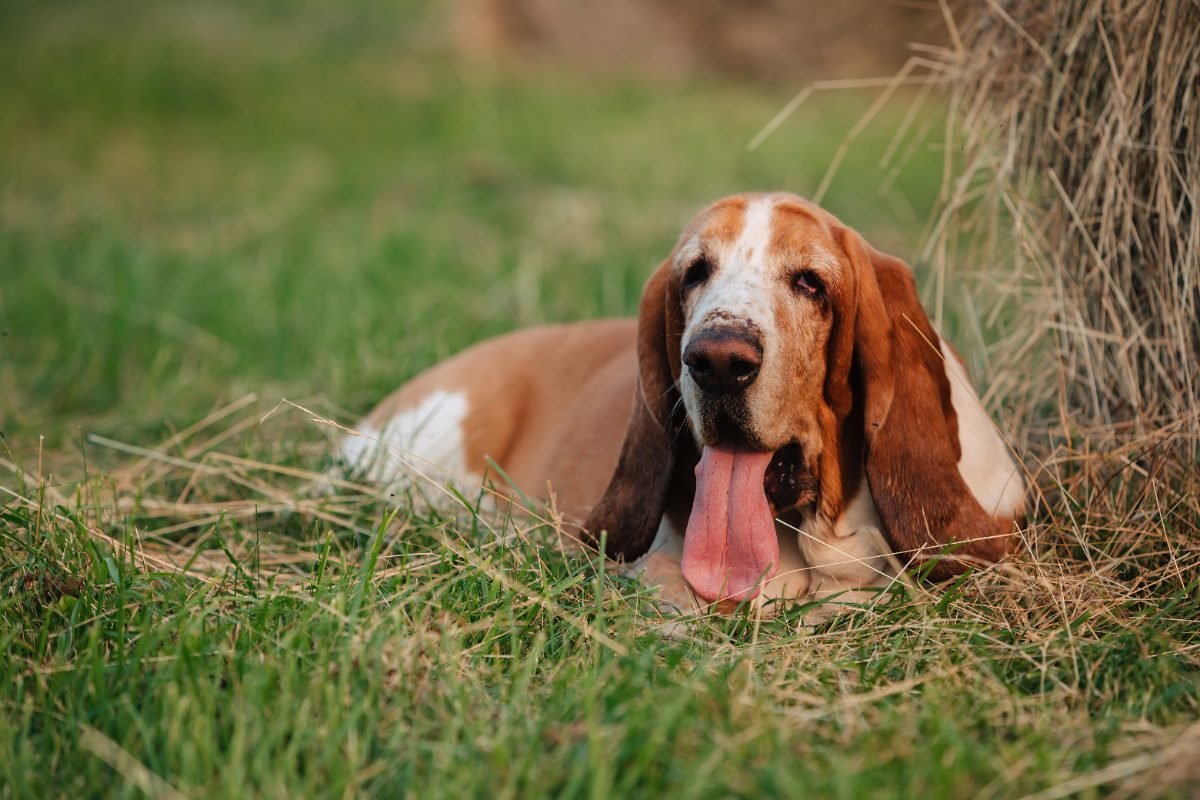
Mistake 4: Letting Him Use Stairs and Furniture Freely
The long back that makes a Basset adorable is also his structural weak point.
Intervertebral disc disease is common in the breed. Every jump down from a sofa and every trip down a staircase sends compressive force through a spine that was never built to absorb it.
- Ramps or steps onto any furniture he is allowed on
- Baby gates at staircases, carry him if the stairs are unavoidable
- Lift with two hands, supporting chest and rear together, never by the front end alone
- Ramps for the car, do not let him jump down from the boot
- Non slip rugs on hard floors, splayed legs strain everything
Disc surgery runs $3,000 to $8,000 and recovery is weeks of crate rest. A $50 ramp is a very good trade.
Mistake 5: Trying to Train Him Like a Retriever
Bassets rank near the bottom of obedience lists, and owners take that personally.
He is not stupid. Those rankings measure eagerness to repeat commands on request, and a Basset genuinely does not see the point. Ask him to sit for the tenth time and he will look at you like you have lost the thread of the conversation.
Food is the entire toolkit here. Praise alone does nothing.
- Five to ten minute sessions, high value food, then stop
- Ask once, wait, do not repeat the cue six times
- Never harsh corrections, a Basset just becomes heavier and less cooperative
- Housetraining takes months, use a crate and stay boringly consistent
- Teach “leave it” early and properly, they eat genuinely dangerous things
IMO the owners who enjoy this breed most are the ones who stopped needing obedience to prove anything.
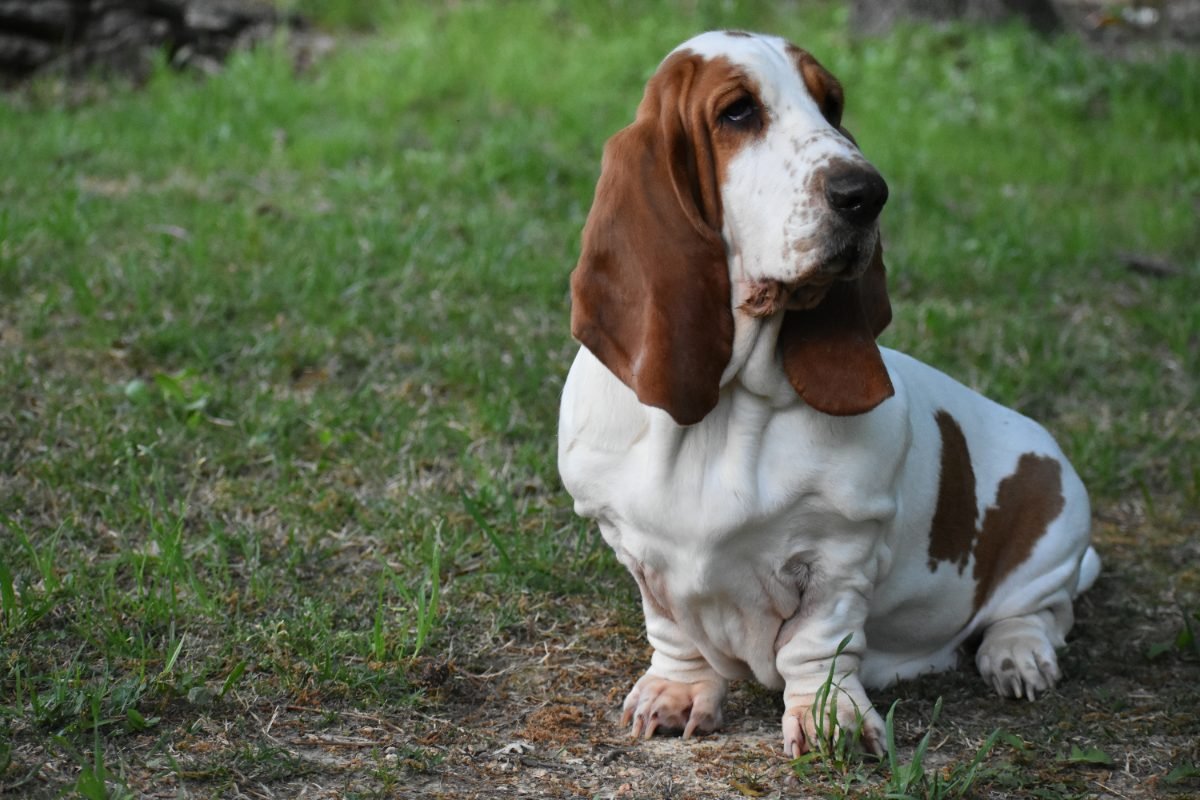
Mistake 6: Underestimating the Noise and the Shedding
Two practical realities that surprise people, usually after the deposit is paid.
Bassets bay. It is loud, it is deep, and it carries an impressive distance. That voice was designed to be heard across open country by a hunter on foot. In a terraced house or an apartment block, it is a problem you cannot train away entirely.
And that short coat sheds constantly. Not seasonally, constantly. Short stiff hairs weave into everything.
- Manage barking triggers rather than expecting silence
- Check your living situation honestly before committing
- Brush weekly with a rubber curry or grooming mitt to cut shedding
- Accept some drool and the classic hound smell, baths do not remove it
- Wipe facial folds weekly to keep odor down
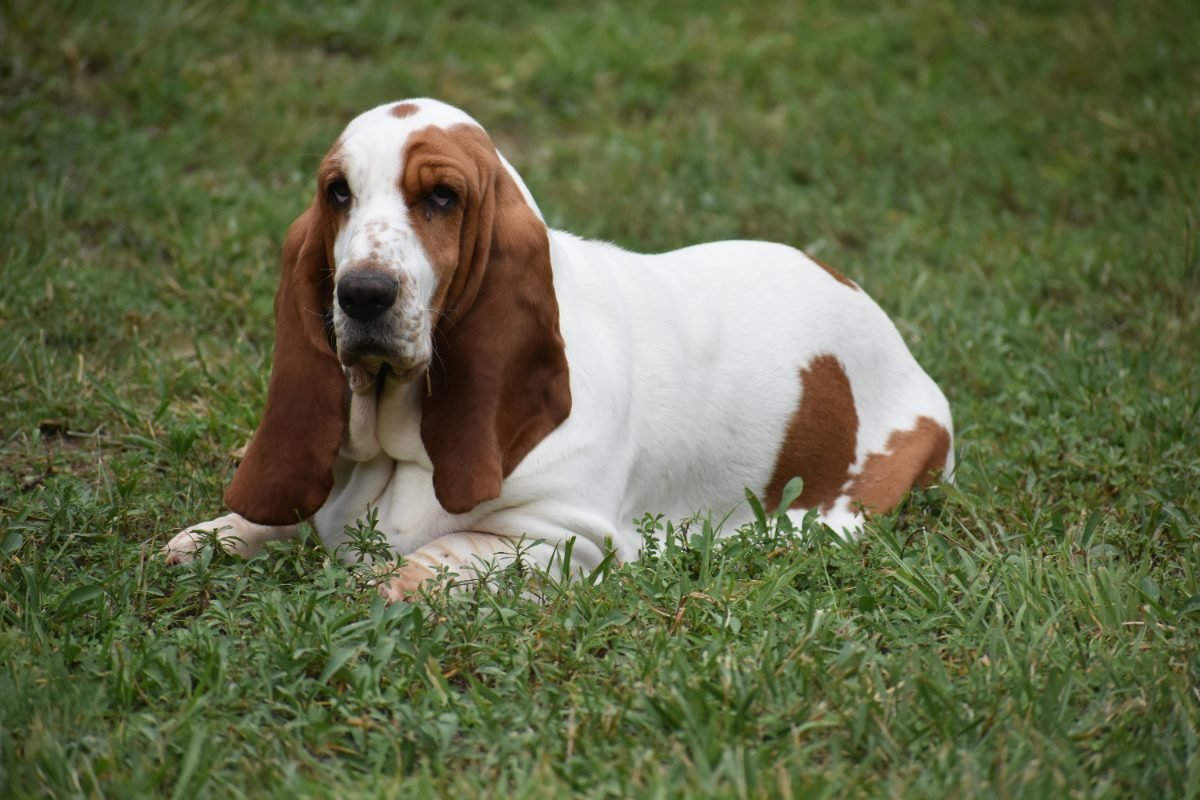
What Getting It Right Looks Like
Handle the six things above and the Basset is a genuinely wonderful family dog.
He is patient with children, unbothered by chaos, friendly toward strangers and other dogs, and close to impossible to provoke. He will spend most of the day asleep somewhere inconvenient and the rest of it making you laugh without appearing to try.
The maintenance list is short and non negotiable:
- Measured food, ribs findable, weight logged monthly
- Ears cleaned weekly and checked constantly
- Ramps everywhere, stairs restricted
- On lead outside a fence, permanently
- Short, well paid training sessions
- Realistic expectations about noise and hair
Final Thoughts
Everything that goes wrong with a Basset Hound goes wrong gradually. The weight creeps, the ears get skipped, the stairs get used, and one day the dog is uncomfortable and you are not entirely sure when that happened.
Which means the fix is equally gradual. Measure the food. Clean the ears every week. Put the ramps in before you need them. Keep him on lead.
Do that and you get ten to thirteen years of one of the most good natured, quietly funny dogs there is.
He still will not come when you call him. That part is permanent. 🙂

I’ve spent 10+ years in dog training, digging into what makes dogs (and their humans) tick. At Smart Dog Learning, I share my no-nonsense, fun approach to training so you can enjoy life with a well-behaved, happy pup—no boring lectures, just practical results 😉