
Basset Hound Care Guide: Everything New Owners Need to Know
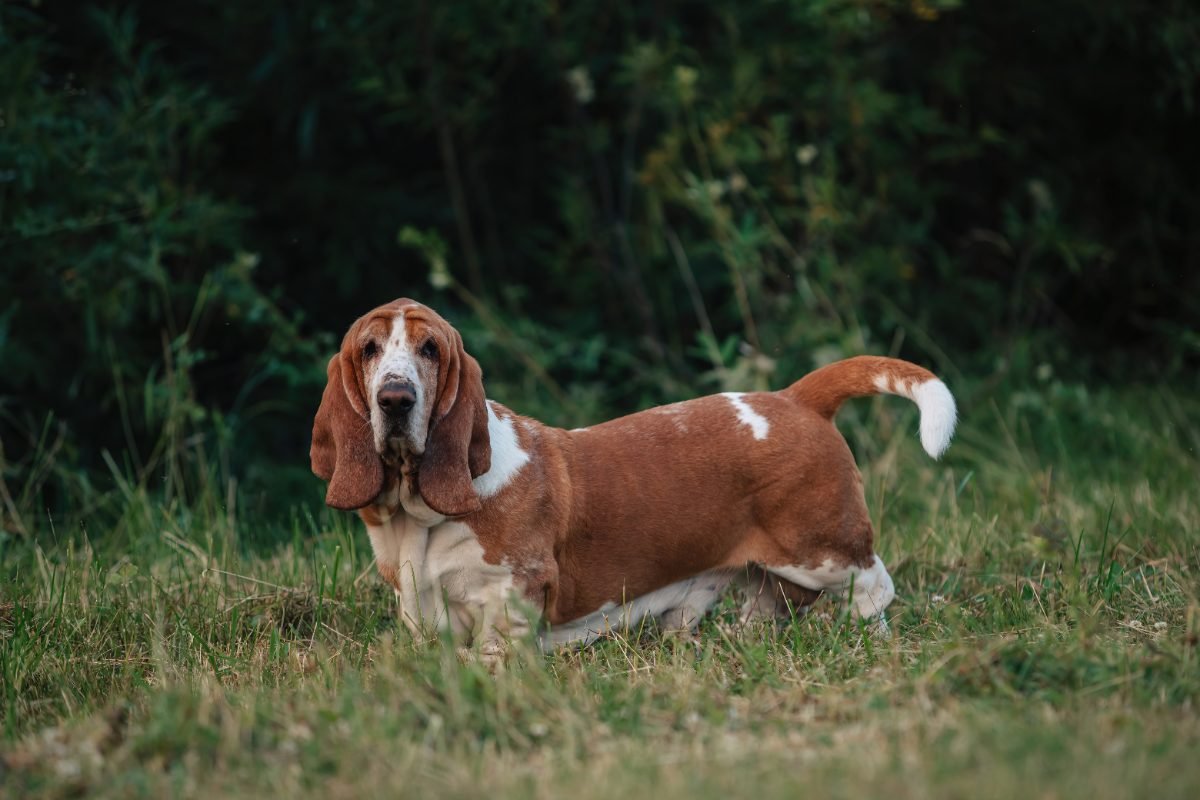
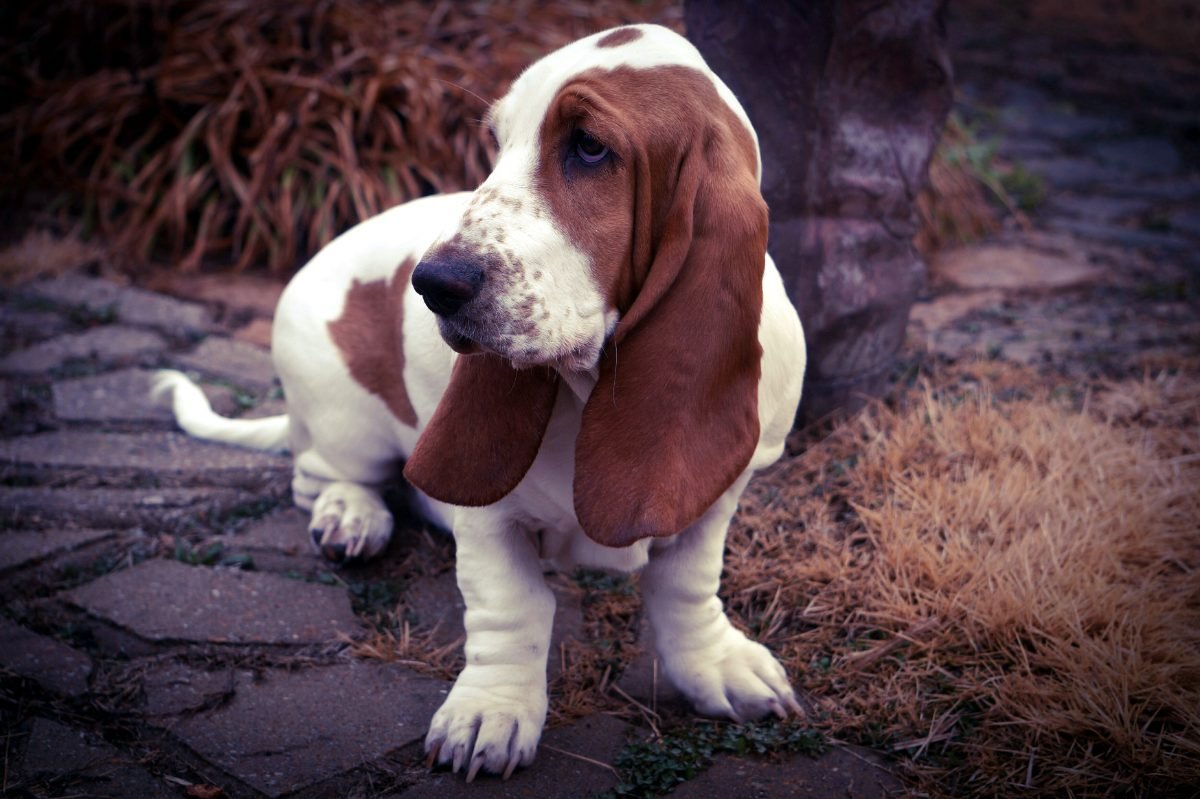
The Basset Hound looks like a dog that was designed by committee and then left in the sun too long. Long ears, sad eyes, a body built low to the ground, and an expression suggesting he has already heard your idea and is not impressed.
He is also one of the most stubborn, food obsessed, genuinely hilarious dogs you can own. And he is far more work than the couch potato reputation suggests.
Let’s talk about what actually living with one involves.
What Exactly Is a Basset Hound?
The Basset comes from France, where “bas” means low. He was bred to trail rabbits and hare on foot, moving slowly enough that hunters could keep up walking rather than riding.
That job explains the whole design. Short legs for slow steady tracking, huge ears to sweep scent upward, loose skin to trap that scent around the face, and a nose second only to the Bloodhound.
He is a scent hound first and a companion second. Every training frustration you will ever have with this breed traces back to that sentence.
The Quick Stats
- Height: 11 to 15 inches at the shoulder
- Weight: 40 to 65 pounds, they are much heavier than they look
- Lifespan: 10 to 13 years
- Coat: Short, dense, weatherproof, sheds constantly
- Colors: Usually tricolor or lemon and white
- Energy: Low to moderate, with surprising stamina when tracking
FYI a Basset is a big dog on short legs, not a small dog. Picking up a 60 pound Basset is a two person job, and you will have to do it.
The Temperament: Sweet, Sociable and Immovable
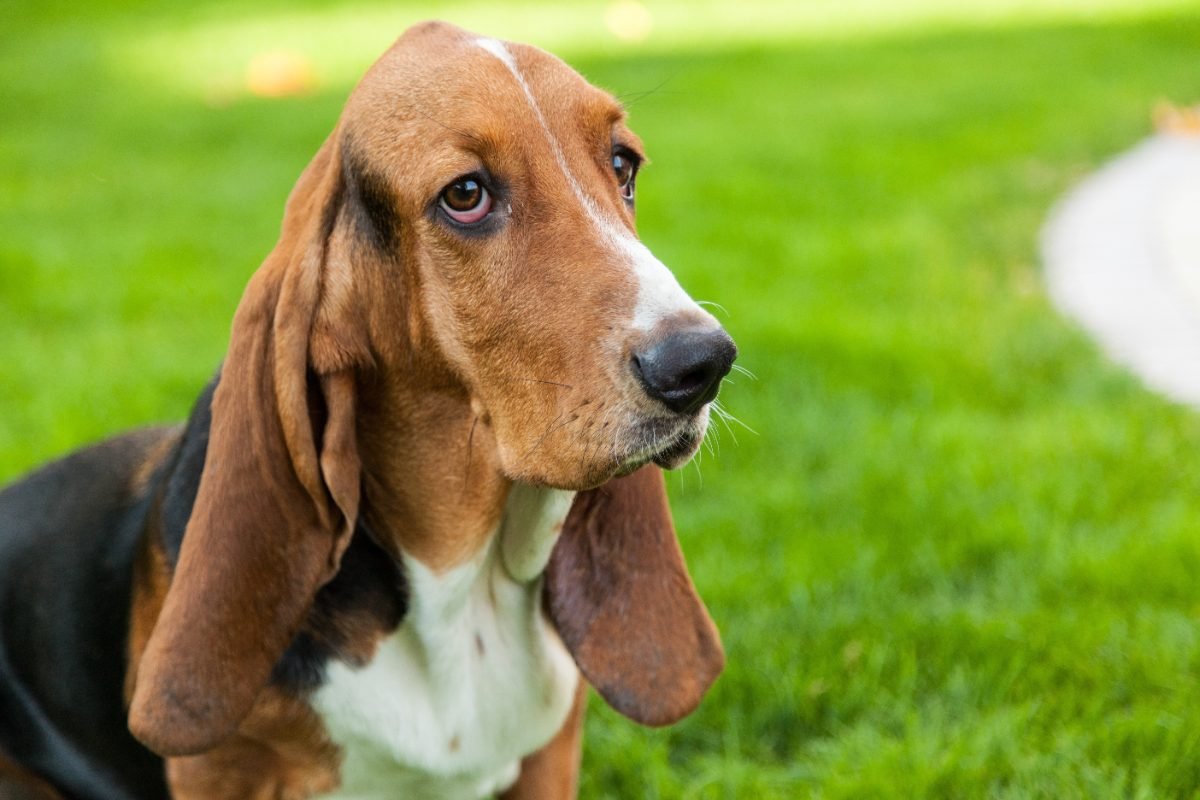
Bassets are famously good natured. Patient with children, friendly with strangers, tolerant of other dogs, and almost impossible to provoke. As family dogs go, the temperament is close to ideal.
They are also monumentally stubborn. Not aggressive, not defiant, just utterly unbothered by your opinion. A Basset who does not want to do something simply becomes heavier.
What to expect:
- Affectionate and people oriented, they hate being alone
- Loud, that famous bay carries for a genuinely long distance
- Food motivated to an almost pathological degree
- Prone to following a scent trail with total disregard for you
- Slow to housetrain, patience required
- Comedic timing that seems almost deliberate
The Nose Runs the Show
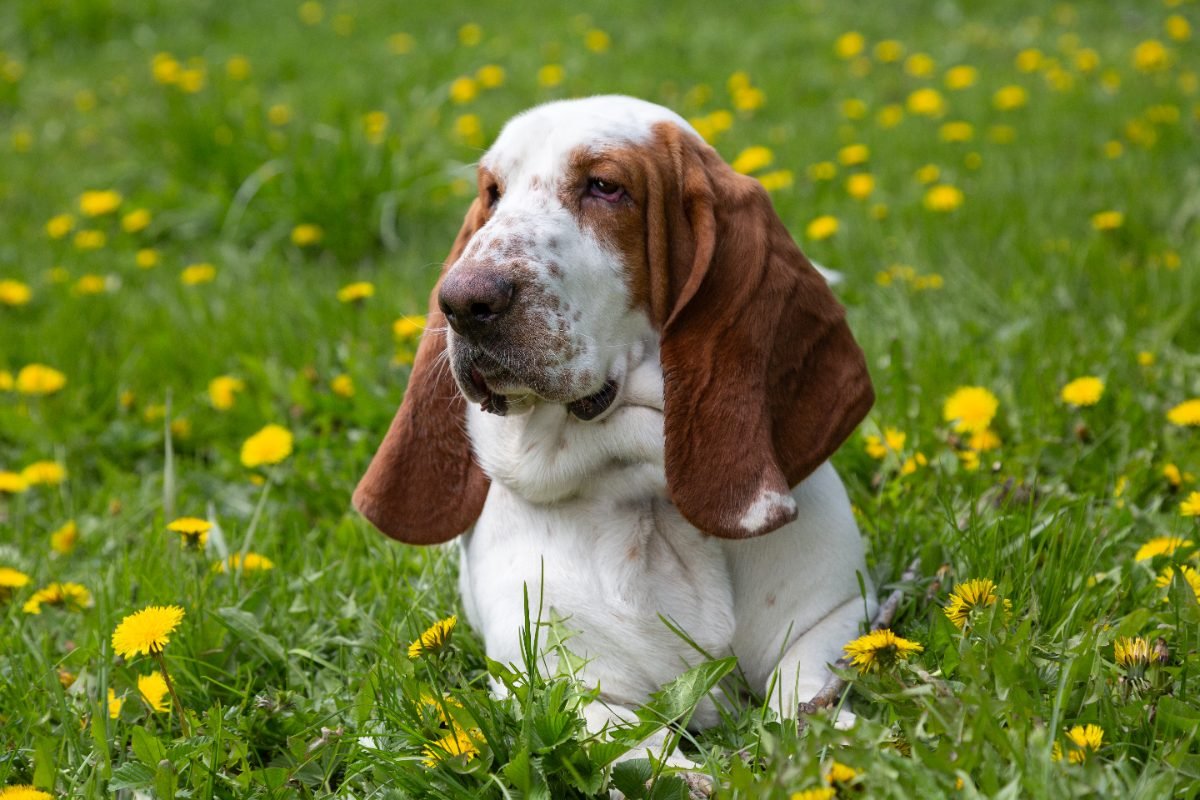
Here is the thing nobody adequately prepares owners for. When a Basset picks up a scent, he stops hearing you. Not selectively. Entirely.
That nose has roughly 220 million scent receptors and a body designed to follow it for hours. Recall in this breed is unreliable at best and fictional at worst.
- On lead outside a securely fenced area, always
- A fence needs to be solid at ground level, they dig and squeeze
- Long lines let him track safely without you losing him
- Scent games at home are brilliant enrichment, lean into it
- Microchip and tags, because Bassets do wander off
Do not read the wandering as disloyalty. He adores you. He simply has a job to do and you are not currently part of it. :/
Training Requires Patience, Not Force
Bassets are not stupid. They score low on obedience rankings because those rankings measure willingness to repeat commands, and a Basset sees no point.
Food is your entire toolkit. This is a dog who will work enthusiastically for cheese and completely ignore praise.
- Short sessions, five to ten minutes, high value treats
- Never harsh corrections, they shut down and dig in
- Reward heavily and immediately, timing matters
- Housetraining takes months, use a crate and stay consistent
- Teach “leave it” early, because they eat absolutely everything
Those Ears Are a Weekly Job
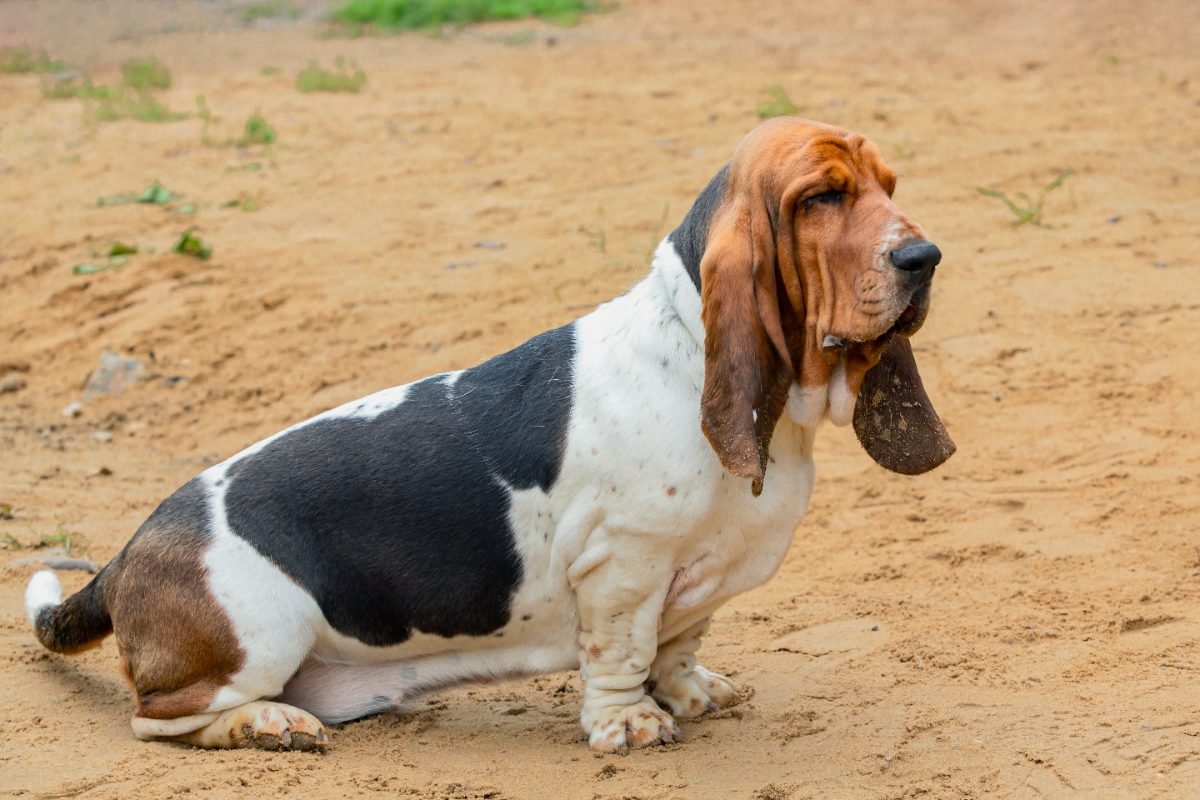
The ears are iconic and they are also a permanent maintenance task.
Long, heavy and low hanging, they block airflow completely and trap moisture underneath. Ear infections are extremely common and genuinely painful.
Check and clean weekly, every week, forever.
- Wipe the inside with a vet approved cleaner
- Dry thoroughly after baths and after swimming
- Watch for head shaking, odor, redness or scratching
- Keep ears out of the food bowl, they drag through everything
- Some owners use a snood at mealtimes, it genuinely helps
While you are there, the facial folds and droopy eyes need attention too. Wipe folds weekly and watch for eye irritation, since those loose lower lids collect debris.
Weight Control Is a Health Emergency Waiting to Happen
This is the most important practical section in the article.
A Basset is a long spine on short legs, a build called chondrodysplasia. Every extra pound goes directly onto that back and those joints. Overweight Bassets develop back problems, arthritis and mobility loss years earlier than lean ones.
And this breed will eat until it physically cannot.
- Measure every meal, no free feeding, ever
- Count treats as part of the daily total
- You should feel ribs easily under the skin
- Secure your bins and counters, they are relentless thieves
- Weigh monthly and act early on gains
Combine that with joint protection:
- No repeated stairs, especially going down
- Ramps into cars and onto furniture
- No jumping down from heights
- Support the back end when lifting, never lift by the front alone
Health Issues to Budget For
- Ear infections, frequent and recurring
- Intervertebral disc disease, the long back is vulnerable
- Elbow dysplasia and joint problems from the build
- Bloat (GDV), feed two meals, no exercise around eating
- Glaucoma and entropion, those loose eyelids cause trouble
- Obesity related arthritis, largely preventable
The Honest Cost Breakdown
- Puppy from a reputable breeder: $1,000 to $2,500
- First year including vet, gear and training: $1,800 to $3,000
- Annual after that: $1,500 to $2,500
- Ear cleaner and supplies, ongoing: modest but constant
- Emergency fund for back surgery: $3,000 to $8,000
Is a Basset Hound Right for You?
Good fit if you:
- Want a genuinely gentle, family friendly dog
- Have patience and a sense of humor about stubbornness
- Will commit to weekly ear care and strict portion control
- Live somewhere neighbors will tolerate baying
- Are home fairly often, they hate solitude
Skip this breed if you:
- Want reliable off lead recall
- Cannot tolerate drool, shedding or a distinctive hound smell
- Live in an apartment with noise sensitive neighbors
- Have lots of stairs and no plan to manage them
- Are soft about feeding, this breed will exploit that instantly
Final Thoughts
The Basset Hound is a comedy act with a world class nose attached, and living with one is genuinely delightful if you go in with the right expectations.
Clean the ears. Measure the food. Protect the back. Keep him on lead. Laugh when he ignores you, because he is going to.
Do that and you get a decade of the most agreeable, affectionate, quietly ridiculous company a dog can offer.
Just do not expect him to come when called. He heard you. He is busy. 🙂

I’ve spent 10+ years in dog training, digging into what makes dogs (and their humans) tick. At Smart Dog Learning, I share my no-nonsense, fun approach to training so you can enjoy life with a well-behaved, happy pup—no boring lectures, just practical results 😉