6 Mistakes Italian Greyhound Owners Make (And How to Avoid Them)
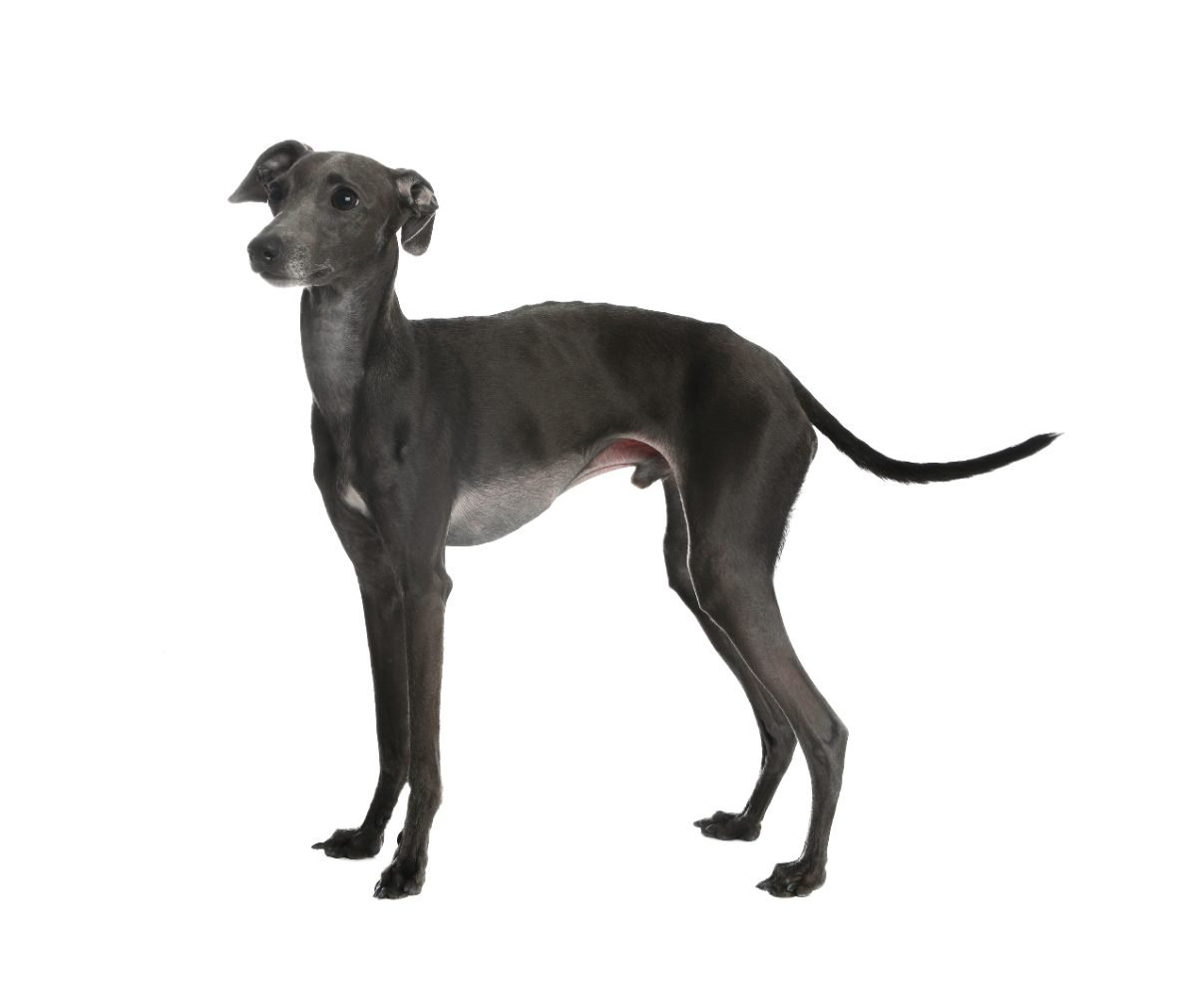
Italian Greyhounds are tiny, elegant and absurdly easy to underestimate. That is exactly how they get hurt.
People see a 10 pound dog and mentally file him next to a Chihuahua. Then he launches off the back of the sofa at full speed, lands wrong, and they are in an emergency vet at midnight looking at a $4,000 estimate for a broken leg.
Here are the six mistakes that cause the most trouble with this breed. Most of them are avoidable with furniture rearrangement and slightly lowered expectations. If you are new to IGs, read our full <a href=”https://smartdoglearning.com/italian-greyhound-care-guide/”>Italian Greyhound care guide</a> first.
Mistake 1: Letting Him Jump Off Furniture
The single most expensive mistake in the breed, and the most common.
Italian Greyhounds have famously thin leg bones, particularly the radius and ulna. Between roughly four and eighteen months, those bones are still developing and the puppy has zero sense of his own fragility. He will fling himself off a couch he cannot see the bottom of, land badly, and snap a leg.
Block furniture access until at least 18 months. Not “supervise it.” Block it.
- Ramps or pet steps to any sofa or bed he is allowed on
- Train him to use the ramp before he is allowed up at all
- Baby gates to keep him off beds when you are not watching
- No jumping games, no leaping for toys, no catching anything mid air
- Rugs and runners on hardwood, slippery floors cause splits and spills
Surgery for a fractured IG leg runs $2,000 to $5,000 and often needs plates and screws. Prevention costs about $40 in ramps. :/
Mistake 2: Expecting Normal Housetraining
Owners come in expecting eight weeks. The reality is closer to eight months, sometimes a year.
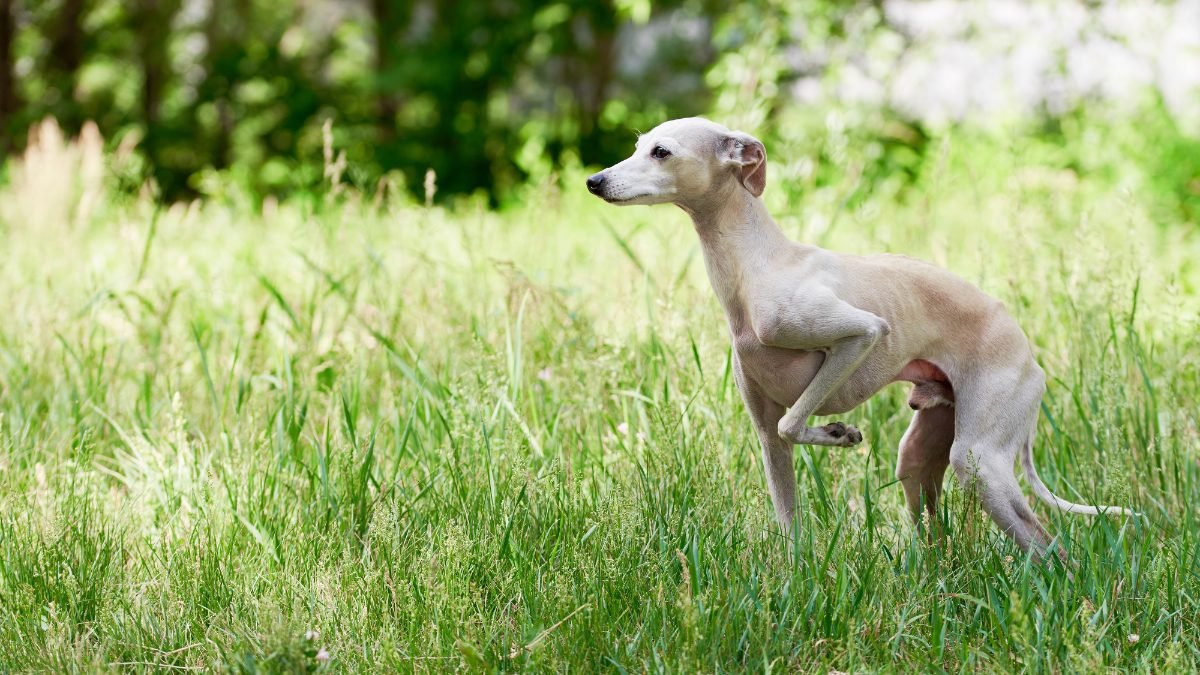
IGs have small bladders, high sensitivity, and a genuine hatred of cold and wet grass. That last one is not stubbornness. A dog with no undercoat and no body fat is legitimately uncomfortable out there, and he will hold it, come inside, and go on your rug where it is warm.
Buy a coat before you start housetraining. It sounds trivial. It changes everything.
- Out every 45 to 60 minutes as a young puppy, not every two hours
- Crate train properly, it is the backbone of the whole process
- Never punish an accident, sensitive dogs just learn to hide it behind the couch
- Consider a covered or sheltered potty spot for bad weather
- An indoor litter or pad setup as backup is not a failure, it is realistic
- Expect winter regression every single year
Mistake 3: Trusting Him Off Lead
This one ends badly and it only takes once.
An Italian Greyhound is a sighthound. When something small and fast moves, a switch flips and he is simply gone, at close to 25 miles per hour, with no functioning hearing. Your recall was excellent in the garden. It is irrelevant now.
On lead outside a securely fenced area, always, without exceptions.
- A safe fence is at least 5 feet with no gaps at ground level
- Check for holes, they squeeze through spaces you would not believe
- Harness rather than collar, those necks are slim and slip out easily
- Use a long line if you want him to have freedom safely
- Sprinting is a genuine need, so give it to him inside a fence
Every IG rescue is full of dogs who bolted after a squirrel one time. FYI they are also nearly impossible to catch once running, because they simply do not stop.
Mistake 4: Skipping the Teeth
Here is the least glamorous item on the list and one of the most damaging.
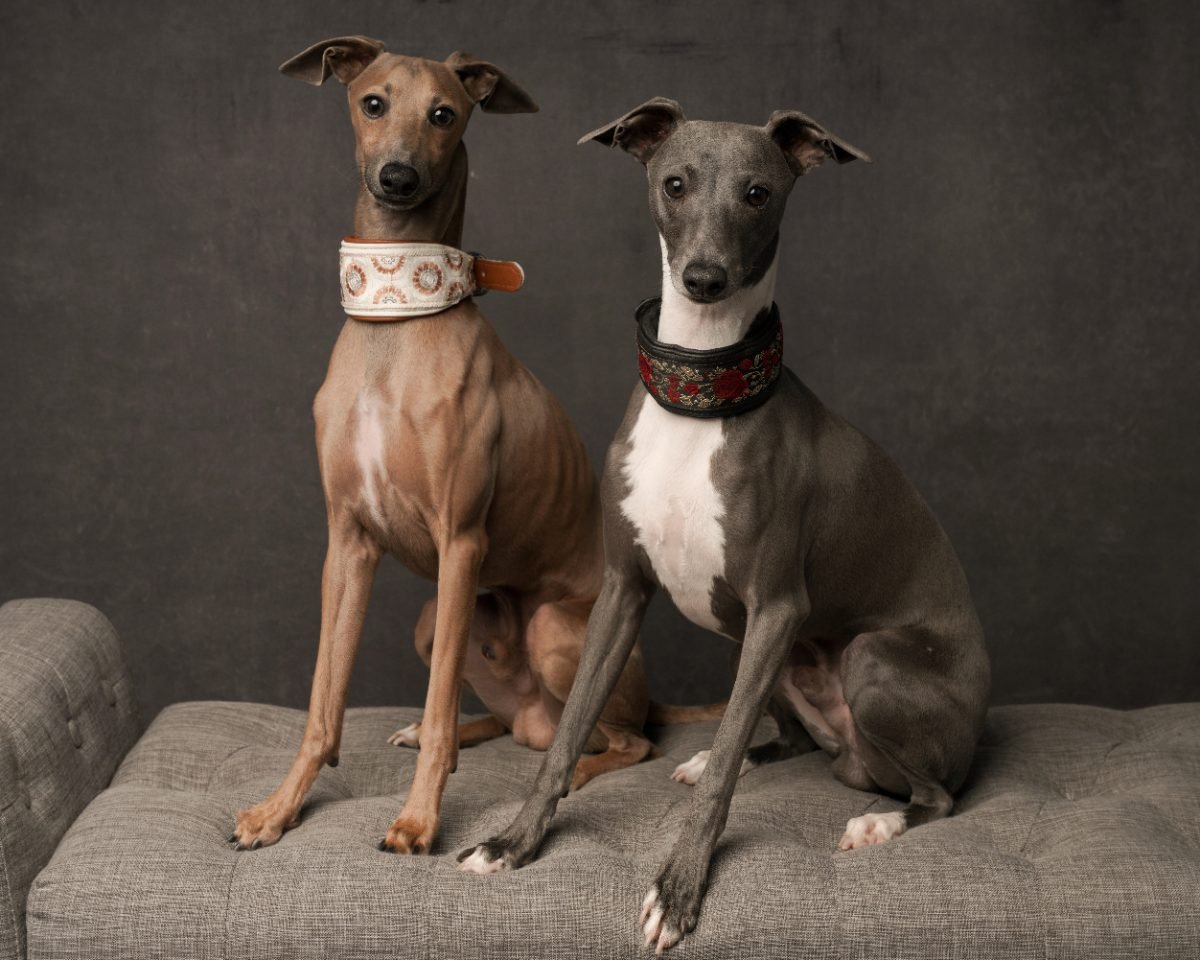
Italian Greyhounds have genuinely terrible teeth. It is a breed wide problem, not bad luck. Crowded small jaws plus a genetic predisposition to periodontal disease means many IGs lose teeth by middle age if nobody intervenes.
- Brush daily, and actually daily, not when you remember
- Start in puppyhood so it becomes routine rather than a fight
- Annual professional cleanings under anesthesia from a young age
- Use a vet familiar with sighthound anesthesia protocols specifically
- Dental chews help a little, they do not replace brushing
An IG who keeps his teeth into old age eats comfortably and stays healthier overall. Dental disease drives heart and kidney problems too, so this is not cosmetic.
Mistake 5: Leaving Him Alone Too Long
IGs bond hard and do badly on their own. This is not a dog that shrugs off a nine hour workday.
Separation anxiety in this breed shows up as destructive chewing, non stop vocalizing, and house soiling that undoes months of training progress. Owners then punish the symptoms, which makes an already anxious dog worse.
- Build alone time gradually from puppyhood in small increments
- Four to six hours is a reasonable ceiling for most adults
- A second dog genuinely helps, IGs love other IGs
- Daycare, a walker, or a job you can bring him to
- Leave him somewhere warm with blankets to burrow into
If your household is empty from 7am to 7pm, this is not the right breed. Being honest about that upfront is kinder than finding out later.
Mistake 6: Dressing Him Up as a Joke Instead of Equipment
Slightly tongue in cheek, but the underlying point is serious.
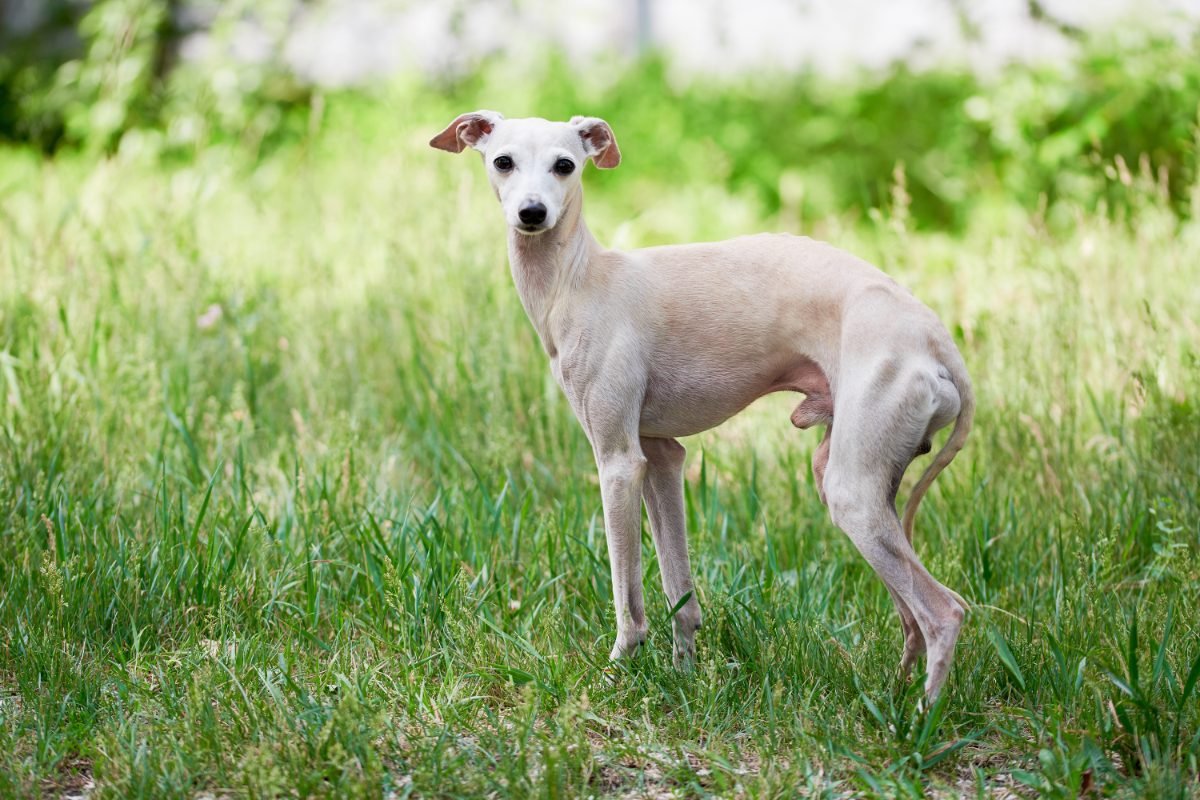
People buy IG clothes as a novelty and then do not put them on when it actually matters. Meanwhile the dog is shivering at 55 degrees indoors because he has no undercoat, almost no fat, and a huge surface area for his mass.
Coats and sweaters are equipment for this breed, not accessories.
- A fleece or sweater indoors whenever the house is cool
- A proper insulated, water resistant coat for winter walks
- Blankets everywhere, he will burrow and build a nest
- Watch for shivering, which usually means cold rather than nerves
- Heated beds are genuinely appreciated by older IGs
The flip side matters too. Thin skin and short coat means sunburn is real, so pale IGs need shade and sometimes dog safe sunscreen in summer.
What Getting It Right Looks Like
Handle the fragility and the rest of the breed is a delight.
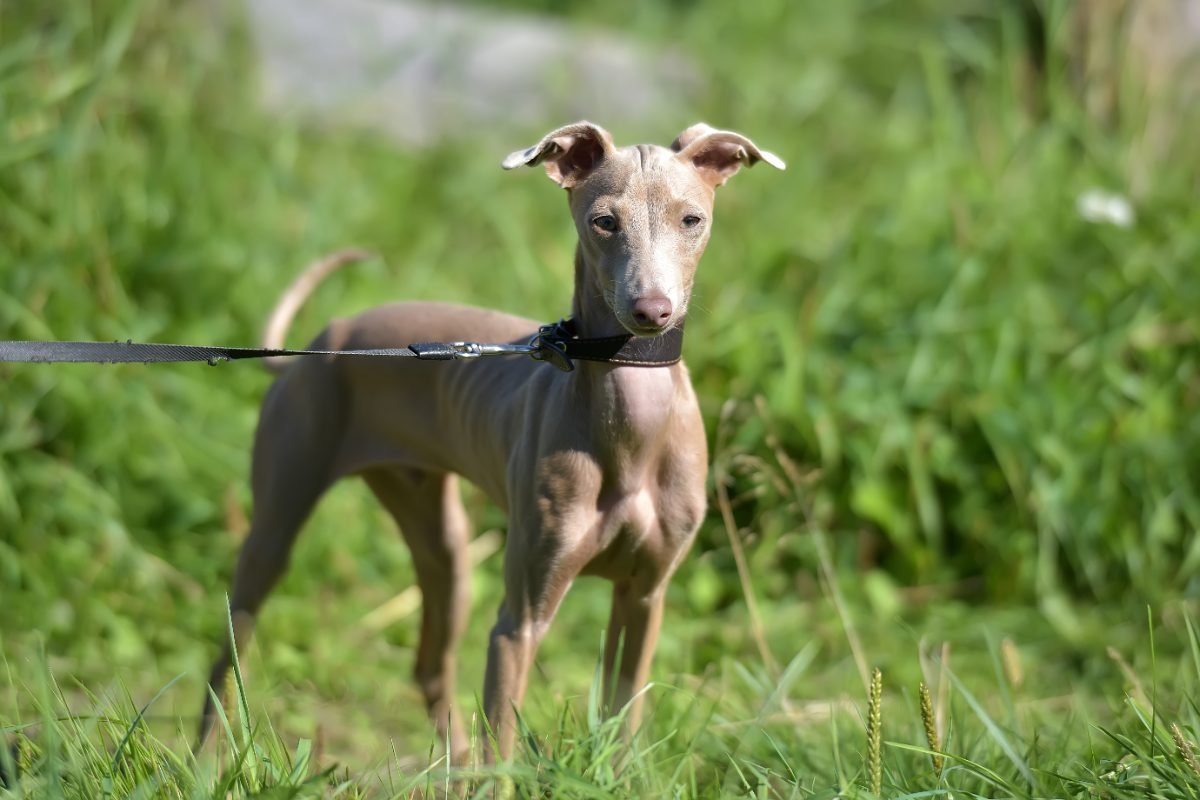
A well managed Italian Greyhound is quiet, close to odorless, sheds almost nothing, and fits perfectly into apartment living. He will sleep sixteen hours a day, entertain you enormously in the other eight, and be physically touching you for most of both.
The whole job comes down to:
- Ramps and blocked furniture until the bones finish
- A coat, and patience, through a long housetraining stretch
- On lead outside a fence, permanently
- Teeth brushed daily
- Company most of the day
- Warmth taken seriously
Final Thoughts
Almost every serious Italian Greyhound problem traces back to treating him like a normal small dog. He is not one. He is a miniature sighthound with the bone structure of a bird and the acceleration of a sports car.
Respect the fragility, plan around the prey drive, brush the teeth, and keep him warm and close.
Do that and you get twelve to fifteen years of an elegant, hilarious, deeply devoted little shadow who thinks your lap belongs to him.
He is right, incidentally. It does now. 🙂
I’ve spent 10+ years in dog training, digging into what makes dogs (and their humans) tick. At Smart Dog Learning, I share my no-nonsense, fun approach to training so you can enjoy life with a well-behaved, happy pup—no boring lectures, just practical results 😉